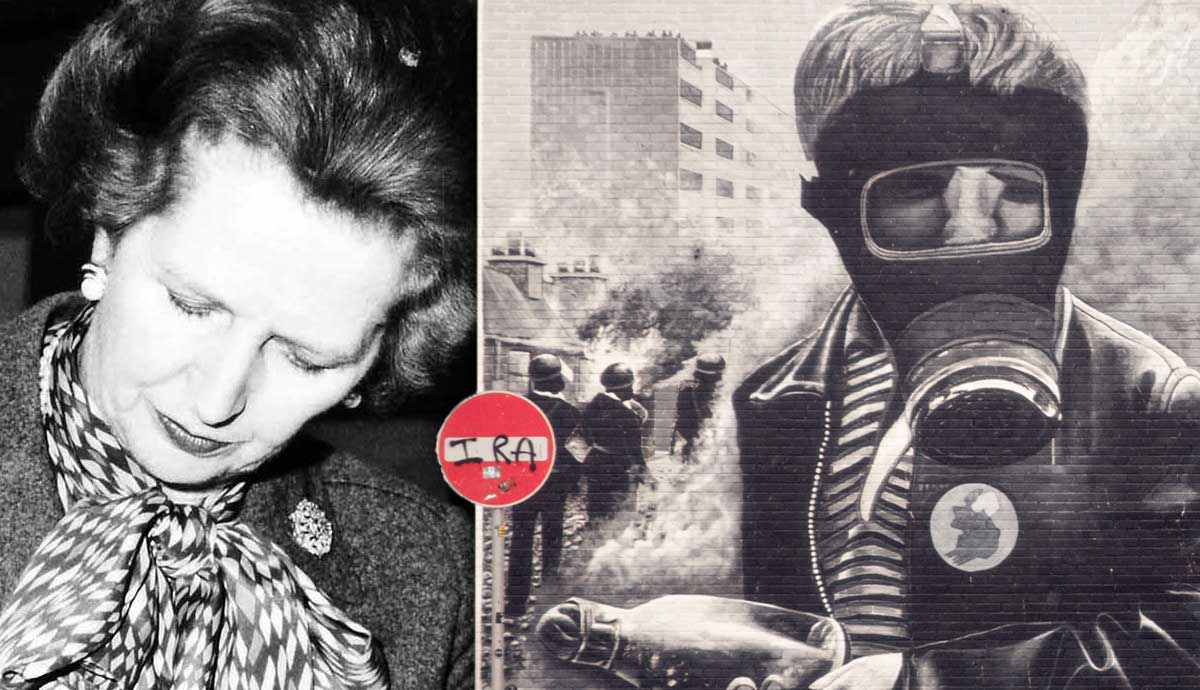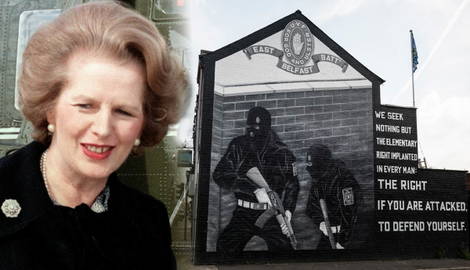

On October 12, 1984 at 2:45 am, a bomb planted by the Irish Republican Army (IRA) exploded at the Grand Hotel in Brighton, England, killing five people and injuring 31. Among the victims was a Conservative MP, but not Margaret Thatcher, the IRA’s main target. Nicknamed “the Iron Lady,” Thatcher went ahead with her speech to the Conservative Party Conference the next day. The Brighton bombing sent shockwaves around the world. It was yet another act of violence in the long-standing tug-of-war between the Republican, nationalist (usually Catholic) Irish willing to embrace violence to achieve the goal of a united Ireland, and Margaret Thatcher.
A Bomb Outside the Palace of Westminster
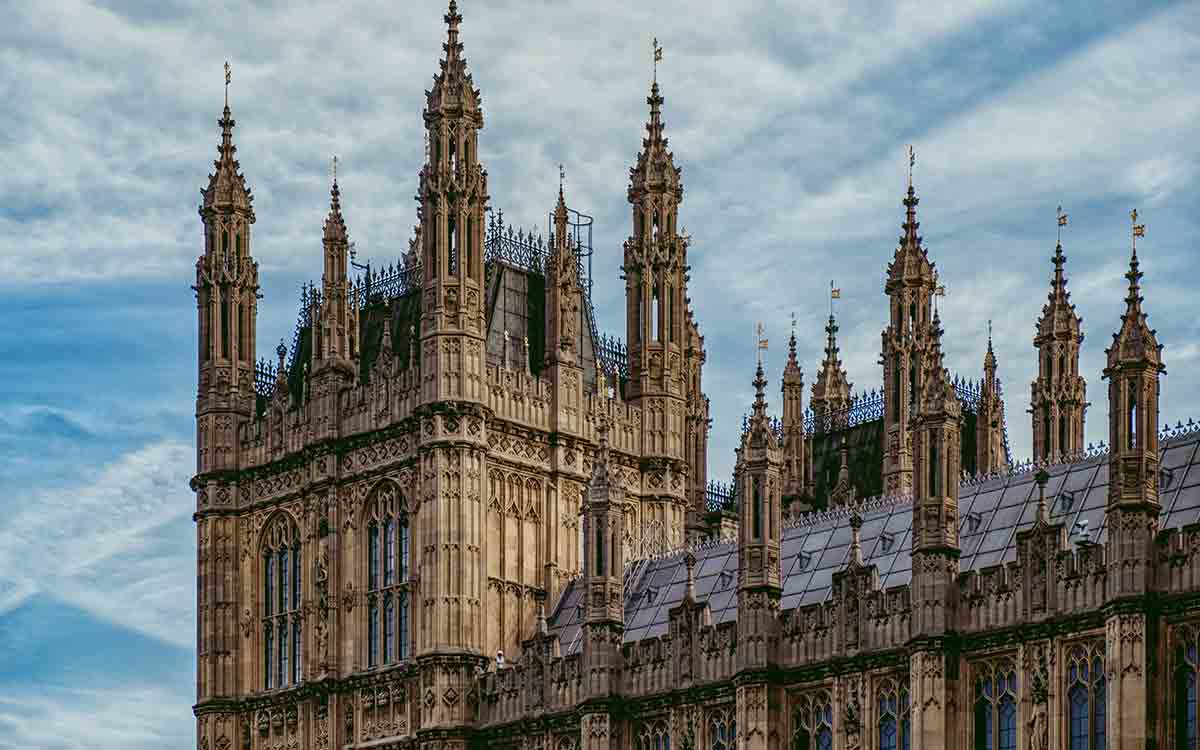
March 30, 1979, was a Friday. Two members of the Irish National Liberation Army (INLA), disguised as workmen, managed to gain access to the underground park of the House of Commons in London. They were carrying a bomb in their toolbox. They identified the car of Airey Neave, a Vauxhall, and planted a 450-gram (16-ounce) bomb on the floor panel under the driver’s seat. The bomb had a mercury tilt switch detonator, meaning it would explode when placed at a certain angle.
Other sources claim that the bomb was planted by one single INLA volunteer when the car was parked outside Neave’s home. At around 3 pm, after lunch, Neave left the House of Commons, got into his car, and drove up the exit ramp of the underground car park. He planned to spend some time at home with his wife Diana.
The angle of the ramp tilted the mercury bomb detonator, turning Neave’s car into a car bomb. The blast severed Neave’s legs and knocked him unconscious, his face burned as he slumped over the steering wheel. He was then rushed to Westminster Hospital where he died within minutes of arrival.
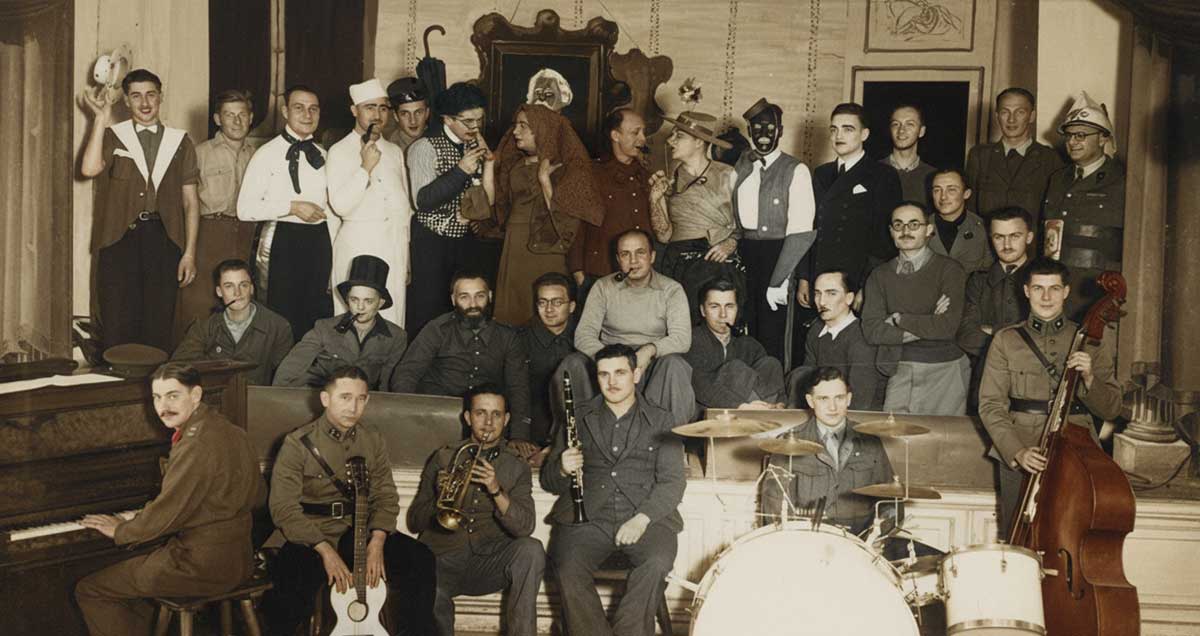
At the moment of his assassination, Airey Neave (1916-1979) was the British shadow secretary of state for Northern Ireland and a confidant of Margaret Thatcher. To the British people, Neave was nothing less than a war hero, as well as a writer and politician with close links to the British Secret Intelligence Service. In 1941, during World War II, he managed to escape from Colditz Castle, also known as Oflag IV-C, a German prisoner-of-war camp in Saxony, dressed as a German soldier, through the trap door under the stage during a theater production.
As shadow secretary of state for Northern Ireland, his “first priority,” as he noted in April 1978, was to defeat Republican terrorism. His death was a deep personal blow to Thatcher, a blow that strengthened her determination to defeat the Irish Republican movement in Northern Ireland. A determination that was, according to Richard Vinen, nothing short of an obsession with terrorism. In his Thatcher’s Britain, Vinen writes: “The passage in her memoirs that deals with Northern Ireland is in large measure a recital of killings and bomb attacks. Often Thatcher seemed to see Northern Ireland as one front in a world-wide battle between democracy and terrorism rather than as a specific place that raised particular constitutional issues for the British government.”
It has been reported that upon hearing of the explosion in Westminster, Thatcher thought, “Please God, don’t let it be Airey.”
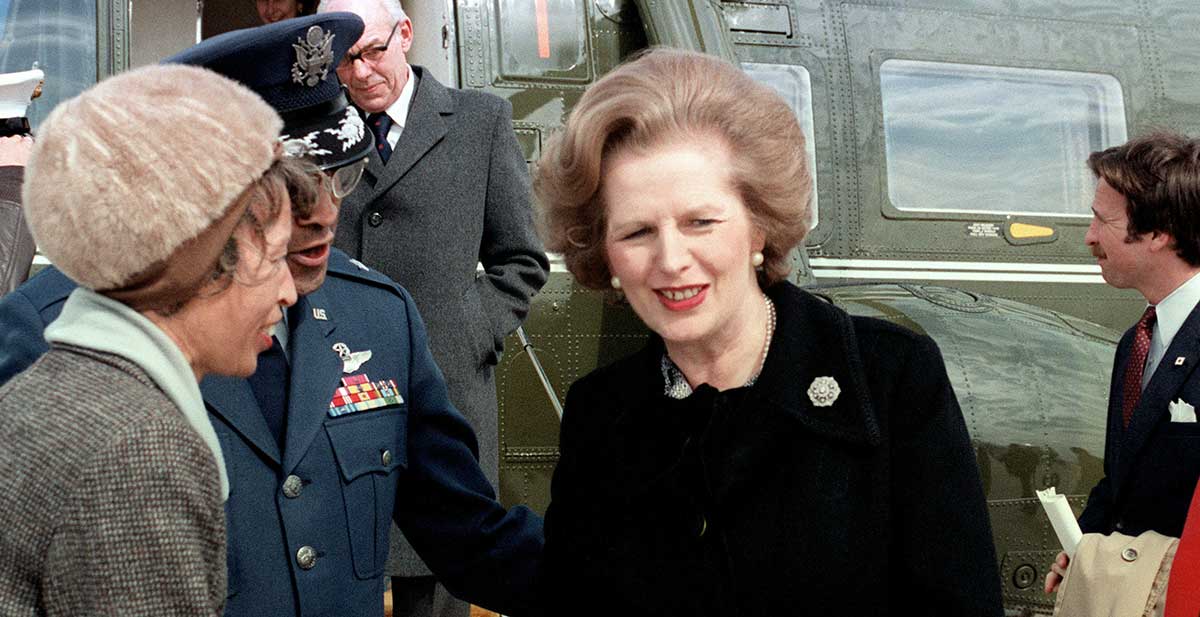
Later, when it was confirmed that the victim was indeed Airey, she reportedly told a BBC reporter “Some devils got him and they must never, never, never be allowed to triumph, they must never prevail.” The INLA issued a statement commenting on Neave’s murder: “In March, retired terrorist and supporter of capital punishment, Airey Neave, got a taste of his own medicine when an INLA unit pulled off the operation of the decade and blew him to bits inside the ‘impregnable’ Palace of Westminster. The nauseous Margaret Thatcher snivelled on television that he was an ‘incalculable loss’—and so he was—to the British ruling class.”
The Other Bomb
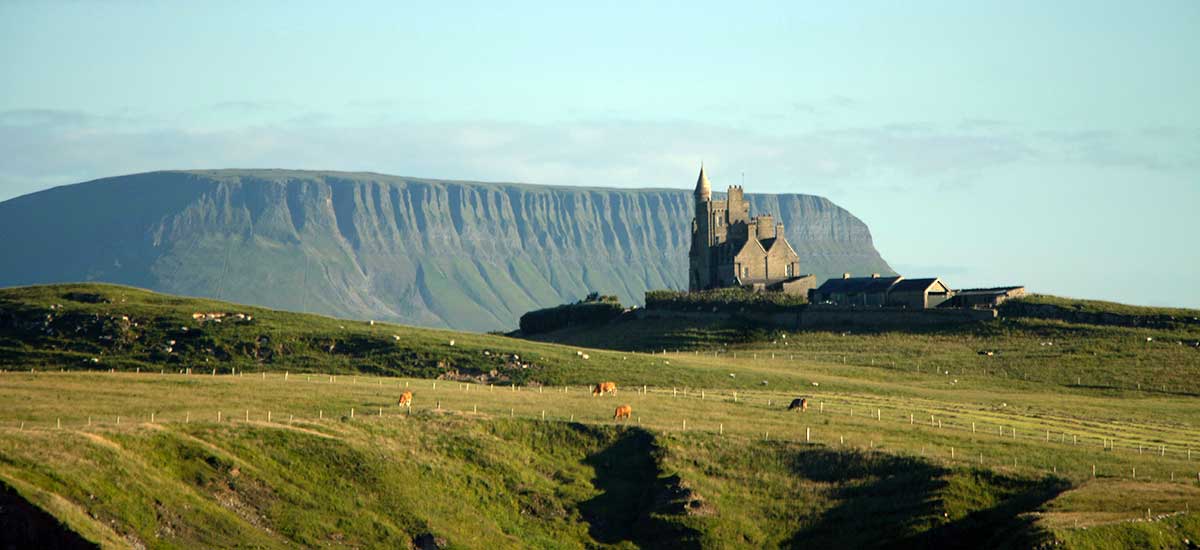
On August 27, 1979, five years before the Brighton bombing, Lord Mountbatten was holidaying at his summer home on the Mullaghmore Peninsula in County Sligo, in the north-west of Ireland. Classiebawn Castle was completed in 1874 near the village of Cliffoney, about 15 miles (25 km) from the border with County Fermanagh in Northern Ireland.
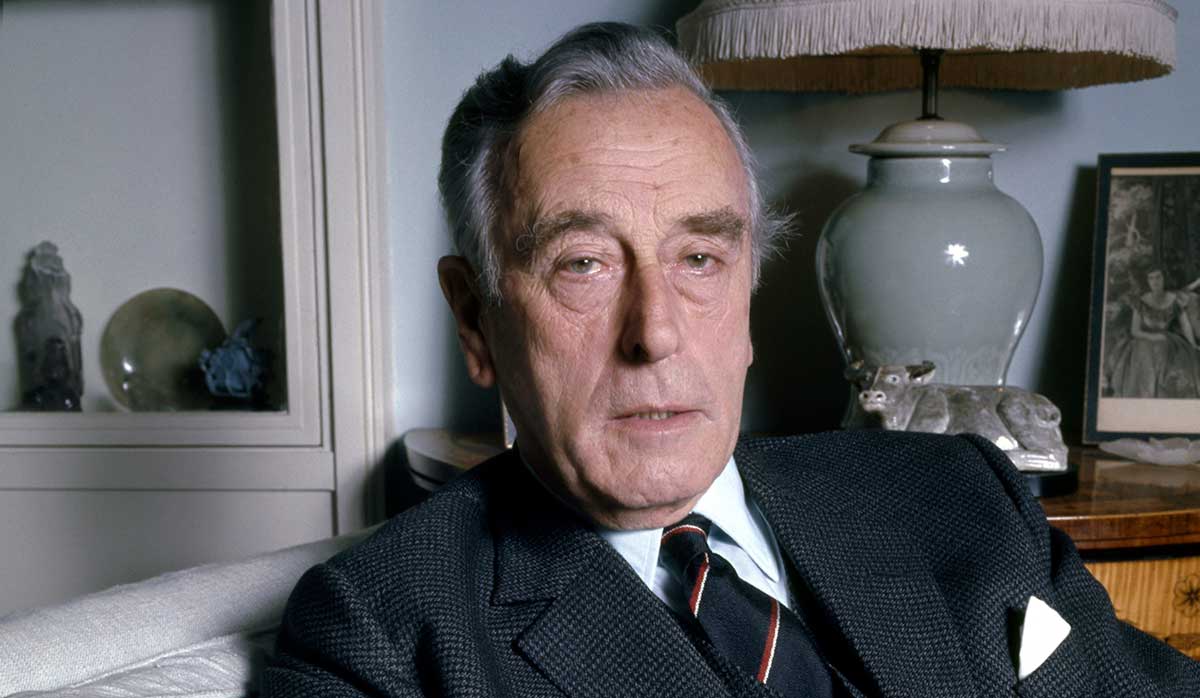
Louis Mountbatten, 1st Earl Mountbatten of Burma, was the maternal uncle of Prince Philip, Duke of Edinburgh, a great-grandson of Queen Victoria I (1837-1901), and a cousin of Queen Elizabeth II (1926-2022). As a British statesman and Royal Navy officer close to the British royal family, he was widely seen as a legitimate target by Irish Republican groups. On August 27, Mountbatten was lobster fishing in his wooden fishing boat, Shadow V, in the Mullaghmore harbor with his elder daughter Patricia, a third cousin of Queen Elizabeth II, her husband Lord Brabourne, and their twin sons Timothy and Nicholas Knatchbull.
Also on board were Lord Brabourne’s mother Doreen, then 83, and Paul Maxwell, a 15-year-old crew member from Enniskillen, in County Fermanagh. Little did they know, as they fished a few hundred yards from the shore the night before, a member of the Irish Republican Army (IRA) from the South Armagh Brigade, Thomas McMahon, had planted a radio-controlled bomb weighing about 23 kg (about 50 pounds) on the boat.
McMahon, who some believe had spent time in Libya training with timing devices, was considered one of the IRA’s most experienced bomb makers. When the bomb exploded, Paul Maxwell and Nicholas Knatchbull were killed instantly. Doreen, the Dowager Lady Brabourne, survived the explosion but died the next day from her injuries. When local fishermen managed to pull Mountbatten out of the water, he was alive, but his legs had nearly been blown off. He died shortly afterward.
The IRA claimed full responsibility for what it called “the execution of Lord Louis Mountbatten,” describing the operation as “One of the discriminate ways we can bring to the attention of the English people the continuing occupation of our country.” Mountbatten’s death and “ … the tributes paid to him will be seen in sharp contrast to the apathy of the British Government and the English people to the deaths of over three hundred British soldiers, and the deaths of Irish men, women, and children at the hands of their forces.”
It is believed that the assassinations of Neave and later Mountbatten prompted Margaret Thatcher’s government to take a tough and intransigent stance against the IRA. Commenting on Mountbatten’s assassination, Thatcher said: “His death leaves a gap that can never be filled. The British people give thanks for his life and grieve at his passing.”
The Bomb at the Grand Hotel
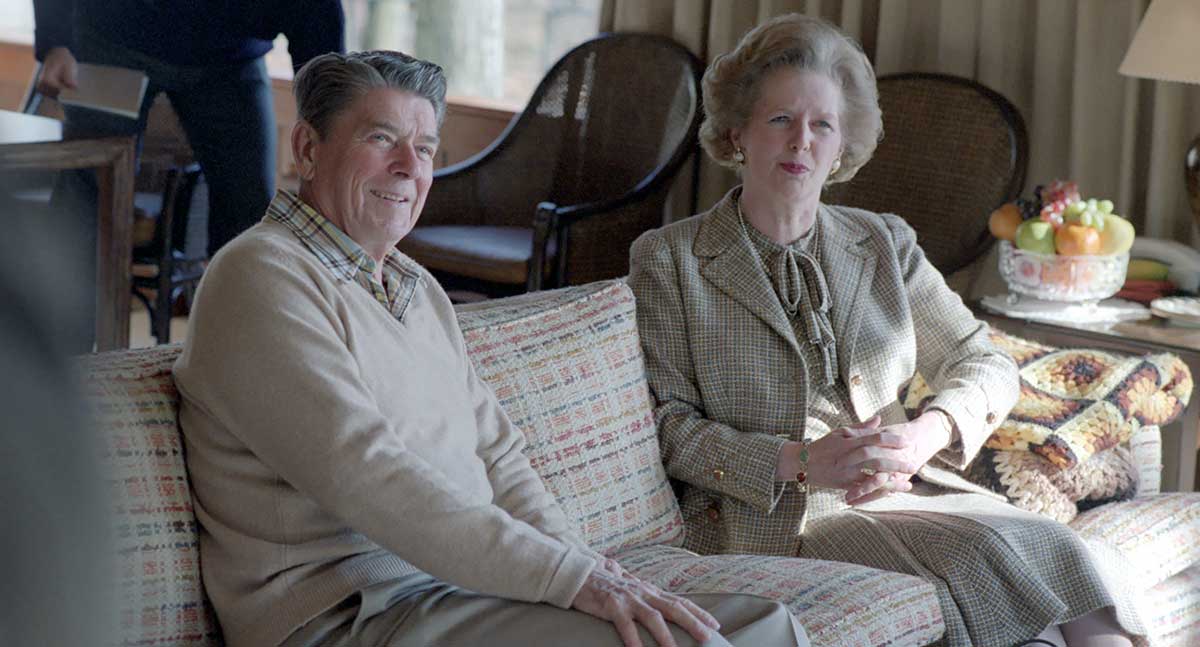
At 2:45 am many of the guests staying at the hotel were asleep in their rooms. In the Napoleon Suite (three sea-facing rooms on the first floor), Margaret Thatcher had just finished working on her conference speech. She had just returned to her desk at 2:45 am when the bomb exploded. The conference, which began on October 9, was scheduled to last four days.
More than three weeks earlier, on September 15, IRA member Patrick Magee had registered at the Grand Hotel under the name “Roy Walsh.” He paid for three nights’ stay and asked for a room on the sixth floor. He was given room 629. Before checking out on September 18, he placed a long delay time bomb, wrapped in several layers of plastic to mask the explosives’ almond-like smell, in the bathroom of the room.
On October 12, the day of the attack, room 629 was occupied by Donald Maclean, leader of the Scottish Conservatives, and his wife Muriel. In the adjacent room, 628, was Lady Jeanne Shattock, aged 55, the wife of Sir Gordon Shattock (1928-2010), Western Area Chairman of the Conservative Party. She was in the bathroom when the bomb exploded, destroying the wall between her room and Maclean’s and decapitating her. Her husband was injured but survived. Donald Maclean also survived, but his wife, Lady Muriel Maclean, didn’t. She was blown sideways by the explosion.
In his book Killing Thatcher, Rory Carroll writes that “In the room above, 729, Harvey Thomas found himself flying through space. He thought he was dreaming about asteroids. The blast wave continued upward through the eighth floor and exploded through the roof, shooting tiles into a starlit sky. A flagpole snapped off and arced over the promenade onto the beach.”
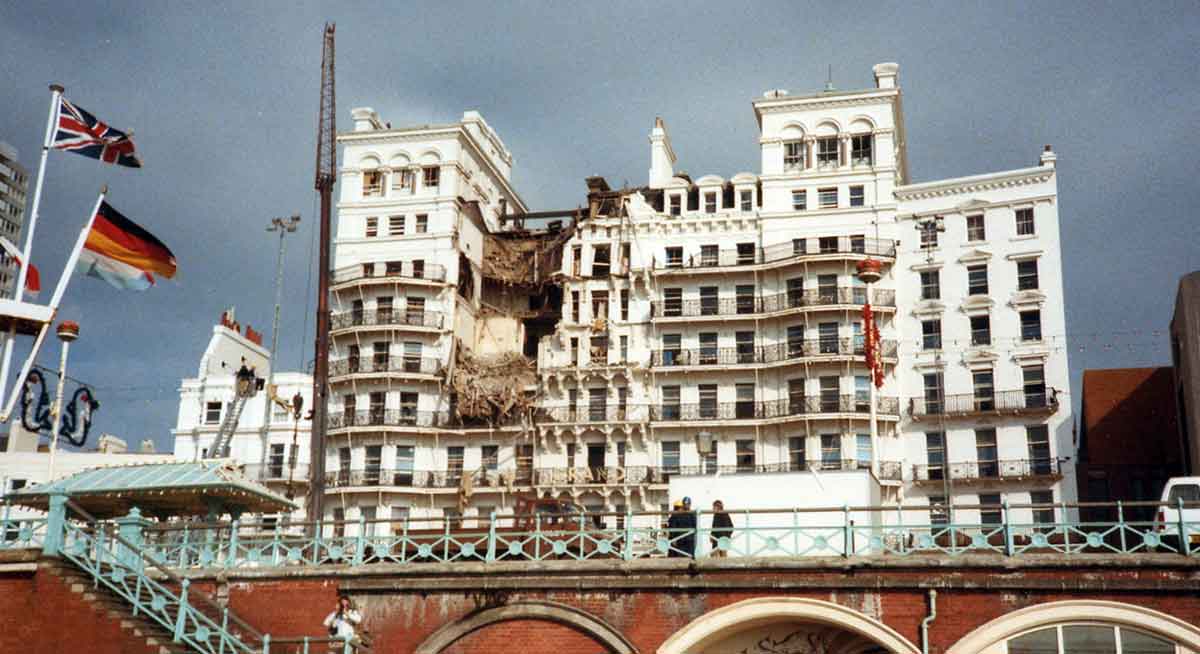
The force of the explosion ripped out one of the hotel’s chimneys, which weighed five tons. Amid the chaos, darkness, and an avalanche of debris, bricks, glass, and timber, the chimney came crashing down through several floors, leaving a trail of death in its wake. Carroll describes the dislodged Victorian chimney as a “monstrous guillotine” that “sliced through concrete, steel, and wood, all the way to the ground floor,” destroying all the hotel rooms ending in 28.
Eric Taylor, the North-West Area chairman of the Conservative Party, was staying in room 528. Conservative MP Sir Anthony Berry (1925-1984) was sleeping in room 328. John Wakeham, Parliamentary Treasury Secretary, and his wife Roberta were in room 428. The chimney killed all but John Wakeham.
Thatcher and her husband, who were staying two floors below Berry’s room, were unharmed, but the bathroom—where Thatcher had been just a few minutes before—was badly damaged.
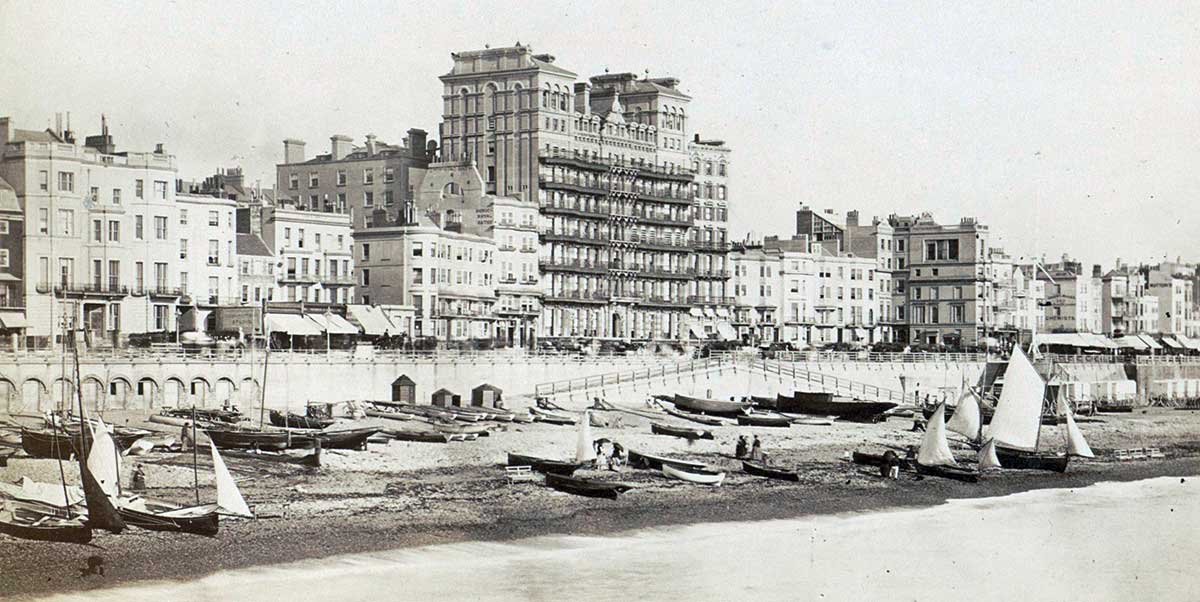
“What saved Thatcher was the path it took,” Carroll writes, as “it toppled through the blast hole, then veered sideways and plunged down a vertical stack of rooms with numbers ending in 8. It merely clipped those rooms, including Thatcher’s Napoleon Suite, with numbers ending in 9. Had Thatcher still been in her bathroom she would have been cut to ribbons, perhaps fatally.”
Just above Thatcher’s room, in 228, Norman Tebbit and his wife Margaret were badly injured but survived. “Debris was scattered over the promenade and the beach,” reported The Guardian the next day, with the blast scattering “Government papers and Cabinet documents, with their red boxes which were collected quickly by the rescue teams and driven away in a police Land Rover.”
The Tug of War With the IRA
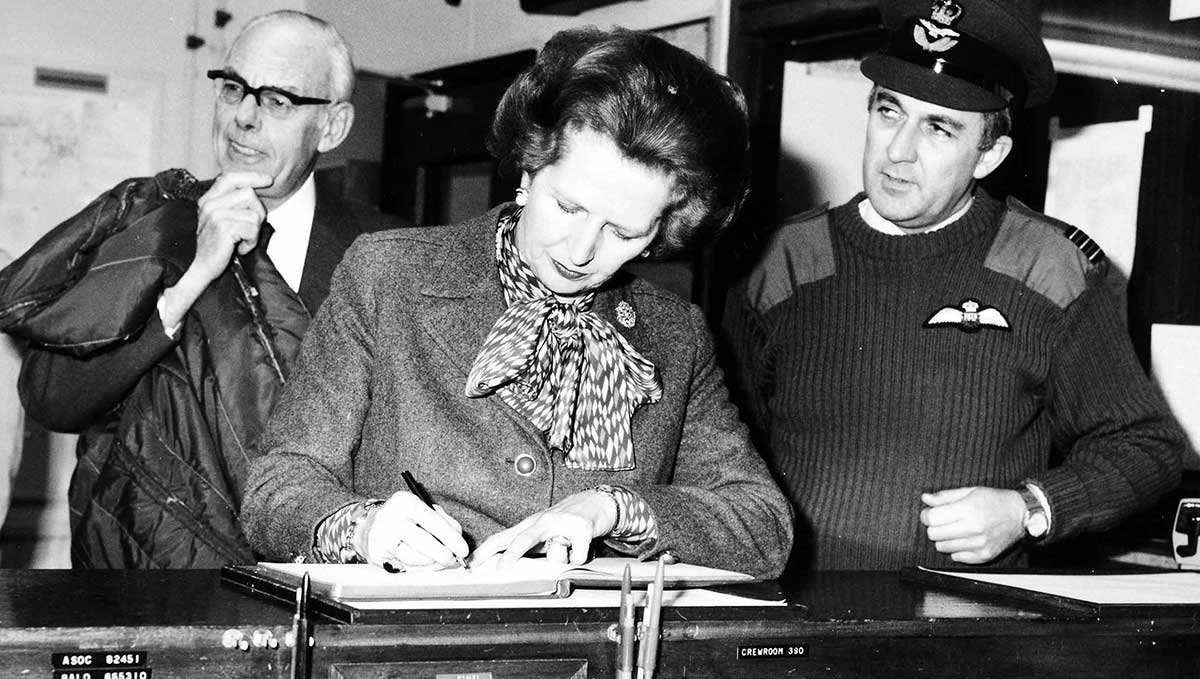
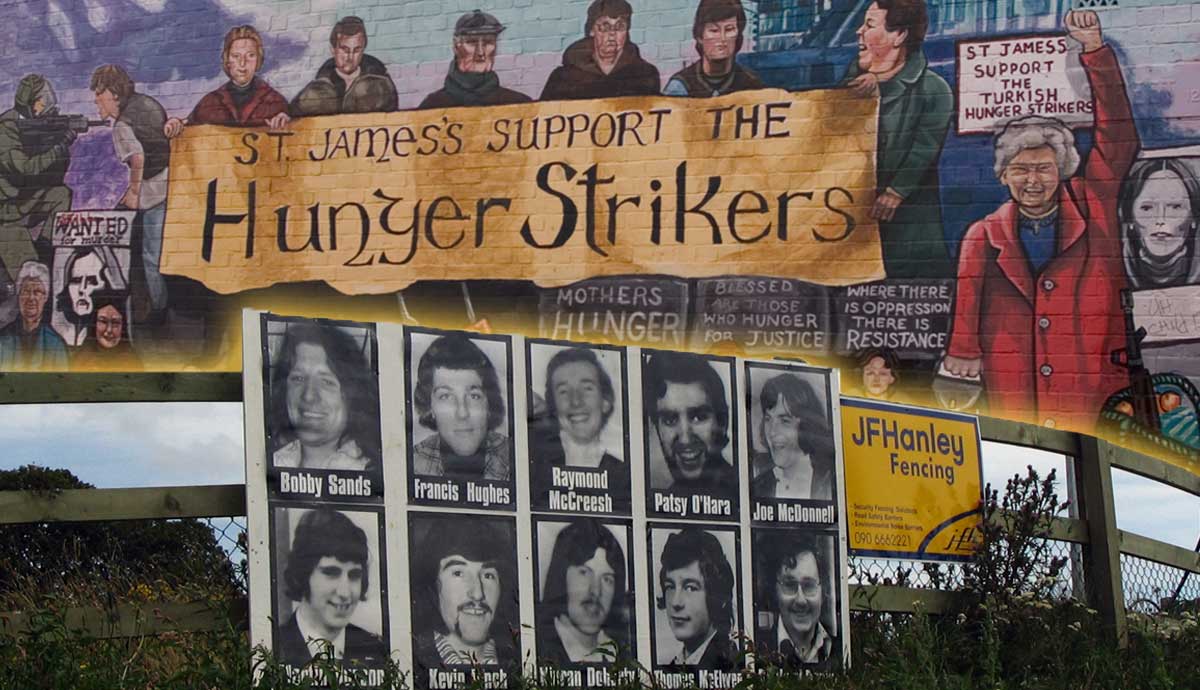
The most famous hunger striker in recent Irish history is probably Bobby Sands (1954-1981)—Roibeárd Gearóid Ó Seachnasaigh, in Irish—a member of the Provisional IRA and MP for Fermanagh and South Tyrone who died on May 5, 1981, while imprisoned at HM Prison Maze, County Down, Northern Ireland. He was 27 years old. He had been on hunger strike for 66 days. Nine other men died of starvation because of Thatcher’s steadfast refusal to grant them Special Category Status—the status which gave them some of the privileges of prisoners of war and which had been granted to them by William Whitelaw (1918-1999) in July 1972 and revoked in 1976, at the height of the Troubles.
The IRA admittedly began planning the assassination of Margaret Thatcher after the 1981 hunger strikes. Before the INLA assassination of Neave in 1979, Thatcher believed in the concept of “integration.”
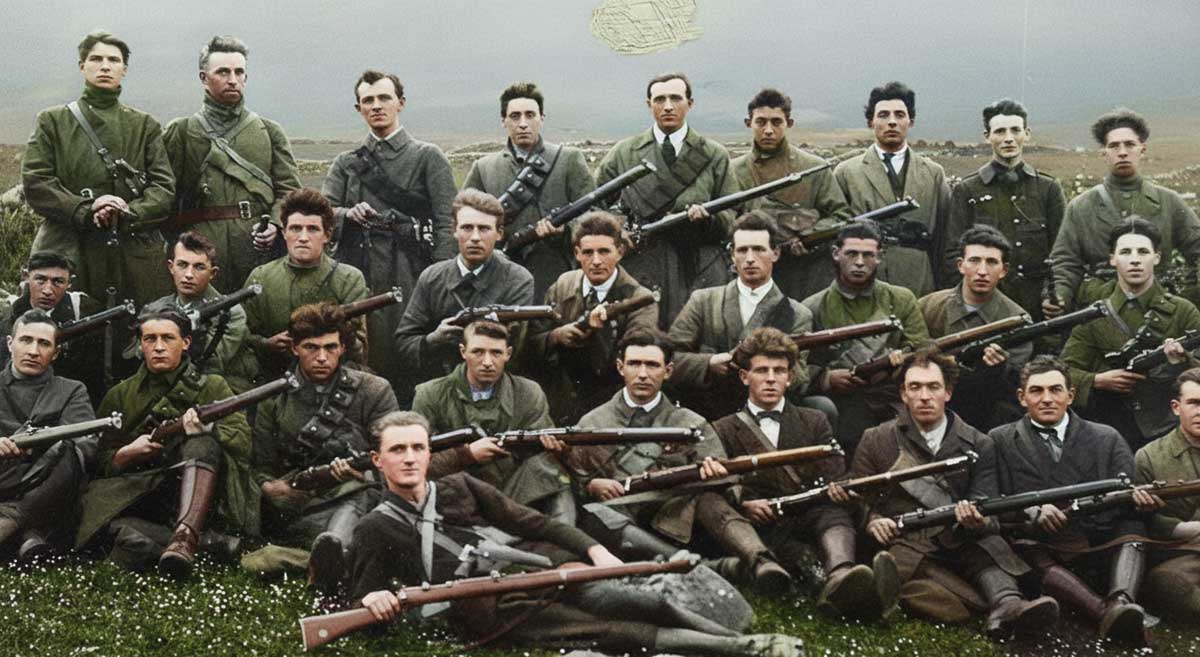
By her own admission, Thatcher’s approach was profoundly Unionist and, as she wrote in her autobiography, “Any Conservative should in his bones be a Unionist too. Our party has always, throughout its history, been committed to the defence of the Union.”
Her ultimate goal, in addition to the defeat and disbandment of the IRA, was the full integration of Northern Ireland into the United Kingdom, with no separate laws and no separate parliament. If Neave’s death led her to abandon this position, it also led her to take a hardline approach to Northern Ireland.
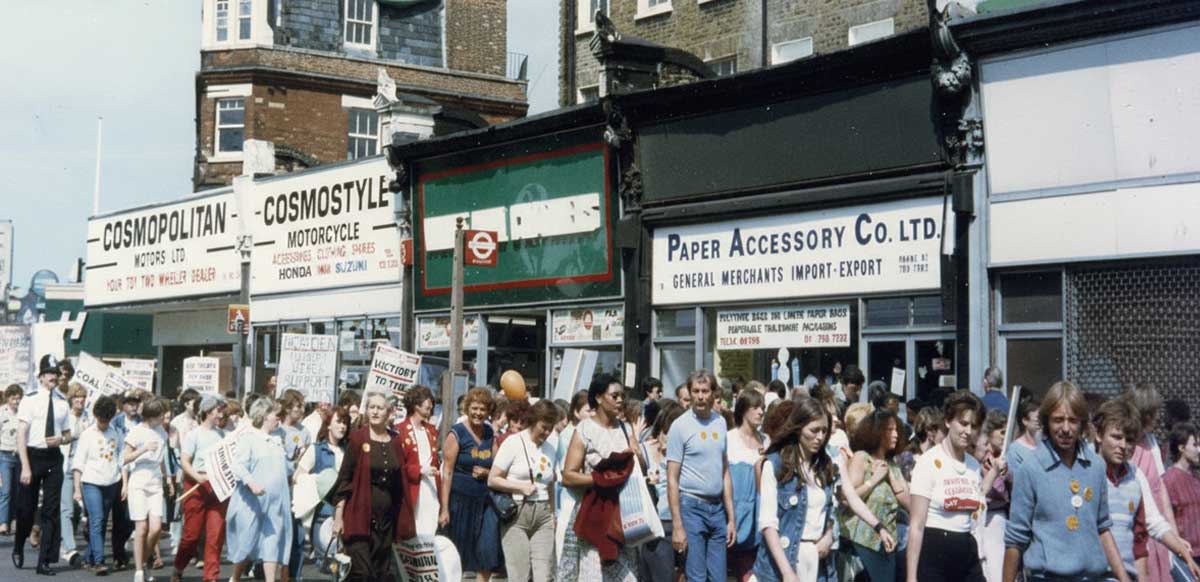
Commenting on Margaret Thatcher’s approach to the “Northern Irish problem,” Vinen writes in his Thatcher’s Britain, that “Throughout her government, Northern Ireland continued to exist in constitutional limbo with its status, as well as the anti-terrorist legislation that had most effect on people from Northern Ireland, being renewed every year. Far from seeking clarity about the status of Northern Ireland, Thatcher often seemed intent on generating the greatest possible degree of ambiguity.”
The IRA and the INLA responded to Thatcher’s ambiguity with bombs, first targeting her colleagues and friends, and eventually Thatcher herself. Thatcher, Vinen notes, “ … repeatedly suggested some border adjustment that would put all Catholics into the Republic and bring all Protestants into the six counties; she had repeatedly to be reminded that most Northern Irish Catholics lived nowhere near the border.”
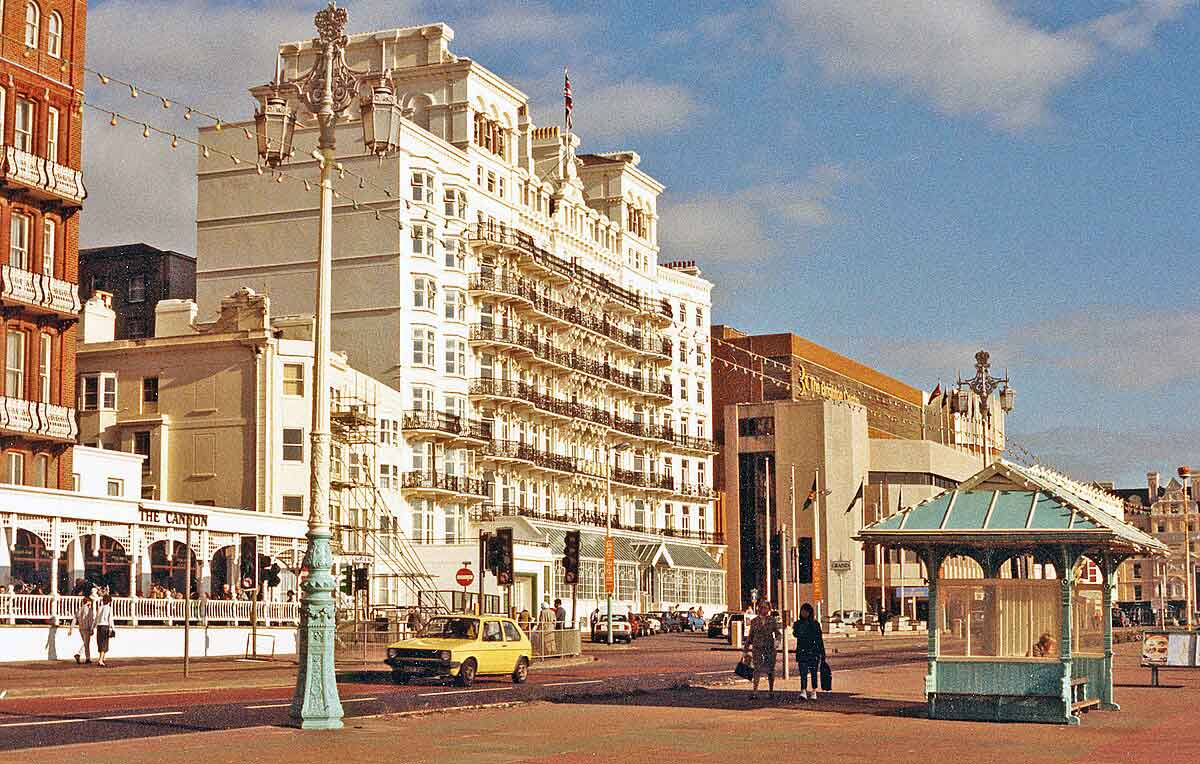
The bomb planted by the IRA in the Grand Hotel in Brighton was intended to take out Margaret Thatcher and her government. Since the 1981 hunger strikes, Irish Republican paramilitary groups such as the IRA and INLA had seen Thatcher as a legitimate war target. On the other hand, since the INLA killed Airey Neave in his car in March 1979 and Lord Mountbatten in his fishing boat in August 1979, Thatcher took an even harder line against Northern Irish Republicans. Not only was she the Prime Minister of the United Kingdom, but she was also a committed Unionist.
In October 1984, in the aftermath of the Brighton explosion, the IRA addressed Thatcher directly: “Today we were unlucky, but remember, we only have to be lucky once. You will have to be lucky always.” The Troubles in Northern Ireland would continue for more than a decade after the IRA’s attack on Margaret Thatcher.