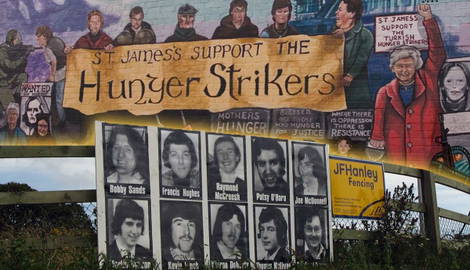

One of the most tragic strikes in Irish history began in Long Kesh on March 1, 1981, at the height of the Troubles (1968-1998) in Northern Ireland. By August 20, ten Republican prisoners, members of both the Irish Republican Army (IRA) and the Irish National Liberation Army (INLA), had died. A further five men survived only because their families intervened to authorize medical intervention. Refusing to be treated as common criminals, the strikers insisted that they were political prisoners and presented Margaret Thatcher, then Prime Minister of the United Kingdom, with five demands. Margaret Thatcher famously declared: “There is no such thing as political murder, political bombing, or political violence. We will not compromise on this. There will be no political status.”
Ulsterization, Normalization, and Criminalization
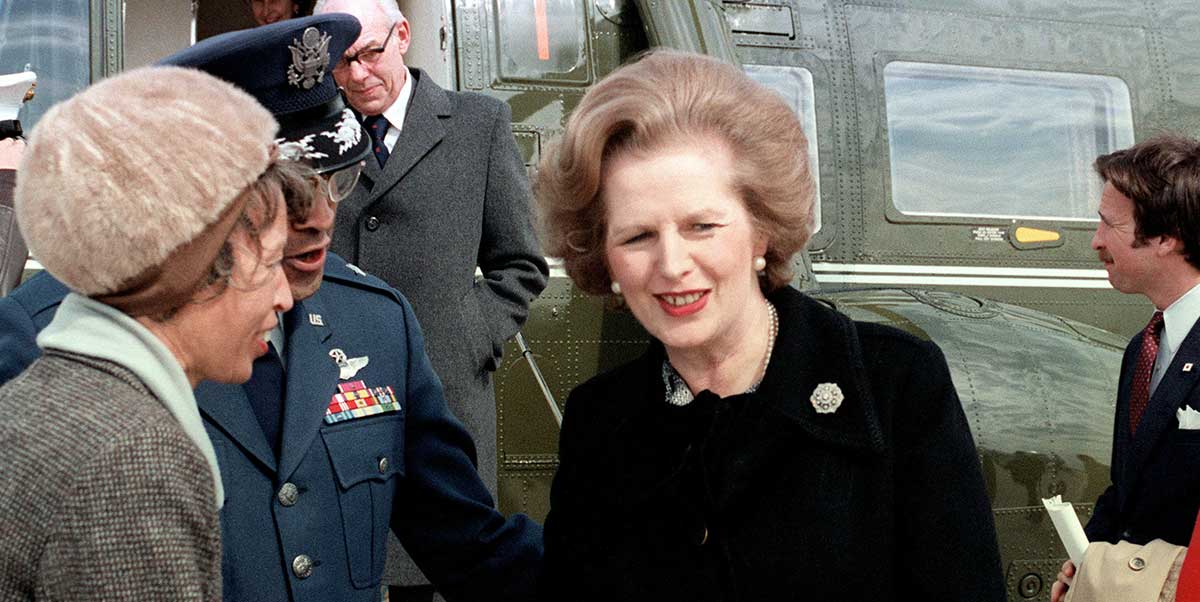
The British approach to the Troubles in Northern Ireland can be summed up in three interrelated terms: Ulsterization, Normalization, and Criminalization. Together, they formed the pillars of the British government’s three-pronged strategy for ending the conflict in Northern Ireland. While it is true that Margaret Thatcher (1925-2013) had no clear views on Northern Ireland and was relatively ignorant of the causes and underlying economic and social problems that had led to the outbreak of the Troubles in the late 1960s, she firmly believed that the Irish Republican Army (IRA), as well as all other Republican paramilitary groups, had to be defeated and disbanded. This could only be achieved by treating and prosecuting the members of such groups—whom she insisted on calling terrorists—as common criminals, by criminalizing them.
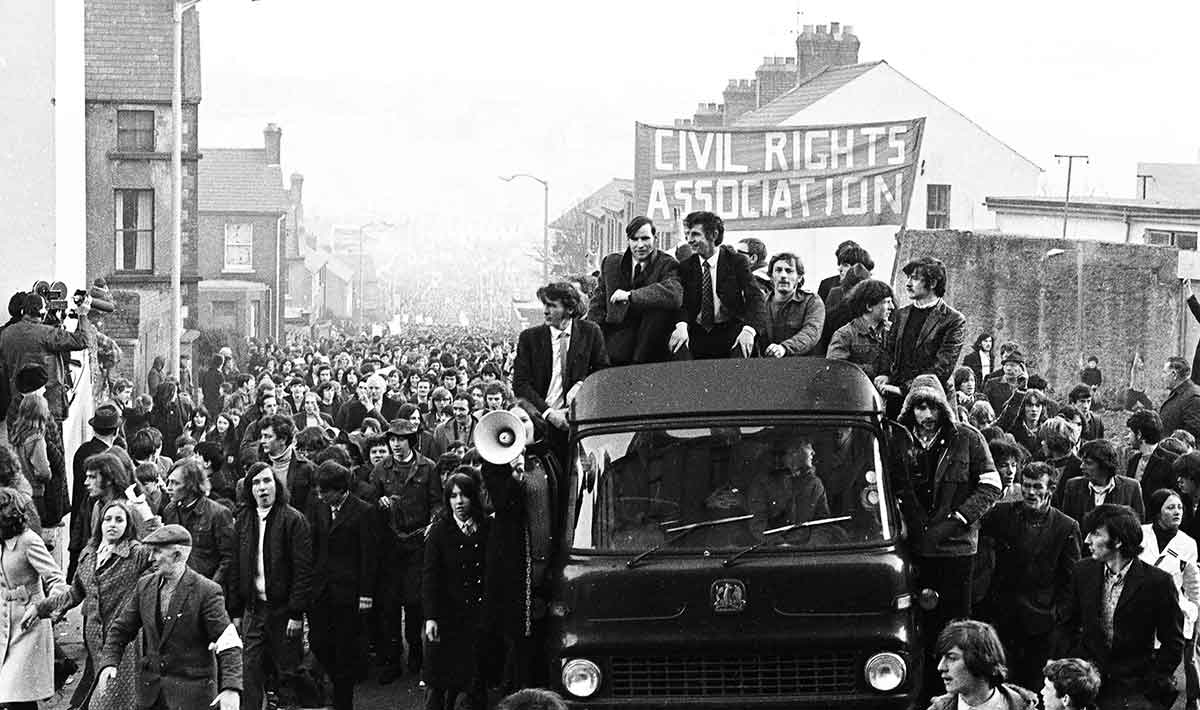
To quote McKittrick & McVea, this “ … meant that the IRA and other paramilitary groups were to be denied any acknowledgment of political motivation, and were to be treated in exactly the same way as those the authorities sarcastically called ‘ordinary decent criminals.’” But criminalization could only be effective if ulsterization and normalization worked.
To achieve a “normalization” of the situation in Northern Ireland, it was necessary to reduce as much as possible the presence and role of non-Ulster regiments of the British Army in Northern Ireland—their deployment had escalated the conflict in the first place. The police force was to be “Ulsterized”: the British Army was to be gradually replaced by the locally recruited men of the Royal Ulster Constabulary (RUC) and the Ulster Defence Regiment (UDR).
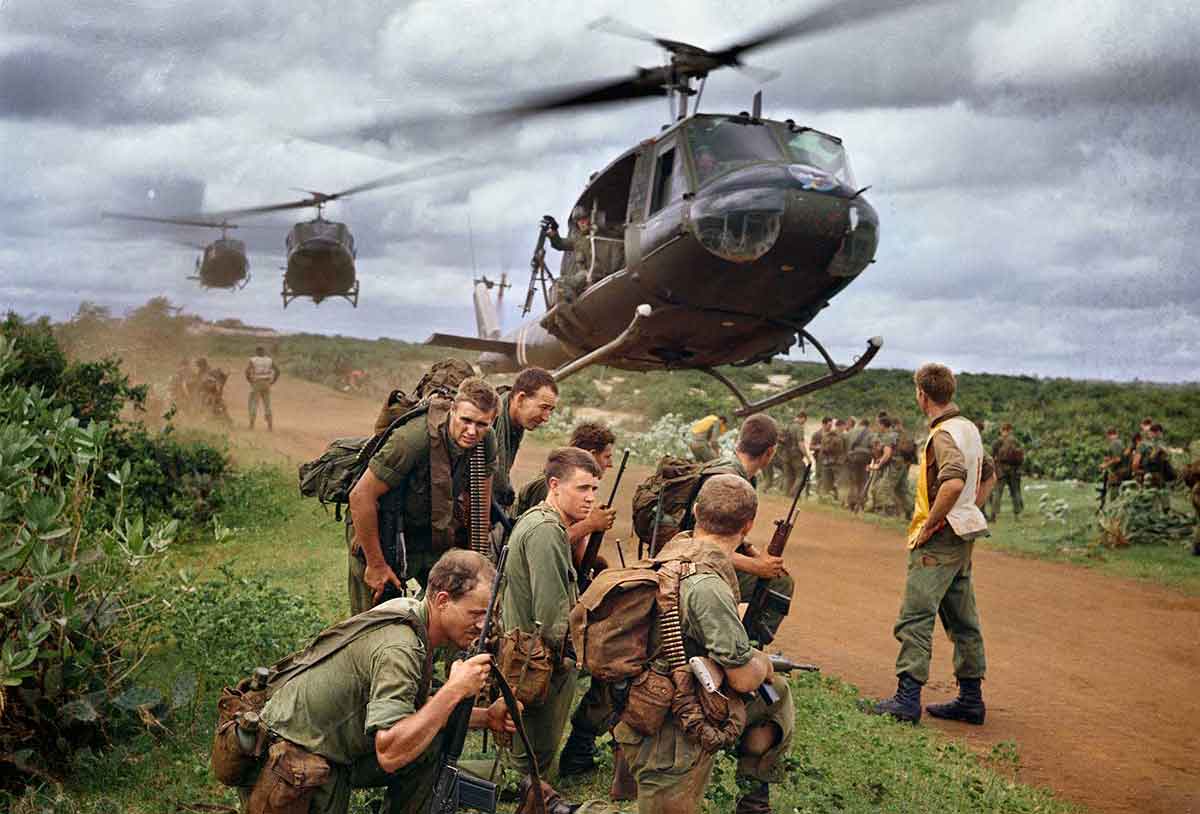
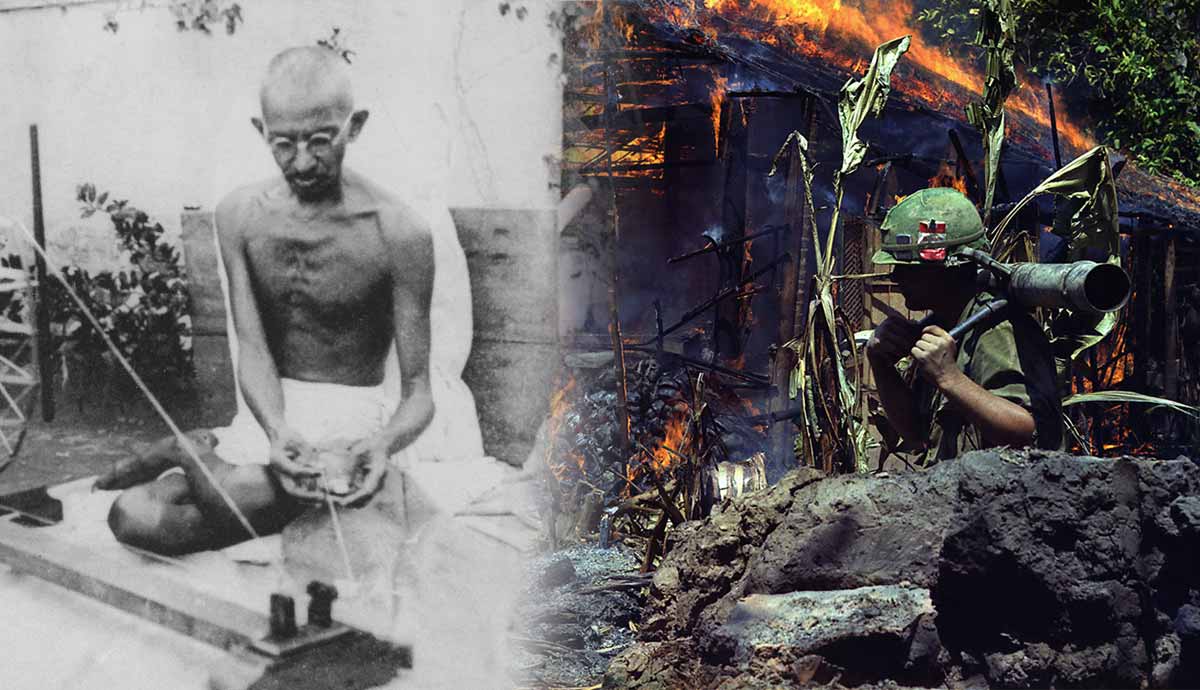
The term Ulsterization was reminiscent of the Vietnam War. To quote McKittrick & McVea again, Ulsterization “ … was a play on the word ‘Vietnamisation’, the process by which the US army in Vietnam had recruited and trained locals to take the place of US troops in the front line. In a Belfast context, this (…) also meant what was known as ‘police primacy’, giving the RUC the lead in security matters and placing the army largely under its direction.”
On March 5, 1981, on her third visit to Northern Ireland, Thatcher delivered what is probably one of her most famous speeches. Standing in the Stormont Parliament Buildings in Belfast, she succinctly summarised her approach to Northern Ireland, Irish Republicans, and their role within the United Kingdom, while reiterating her firm refusal to grant the Long Kesh hunger strikers their five demands.
The Right Not to Wear a Prison Uniform
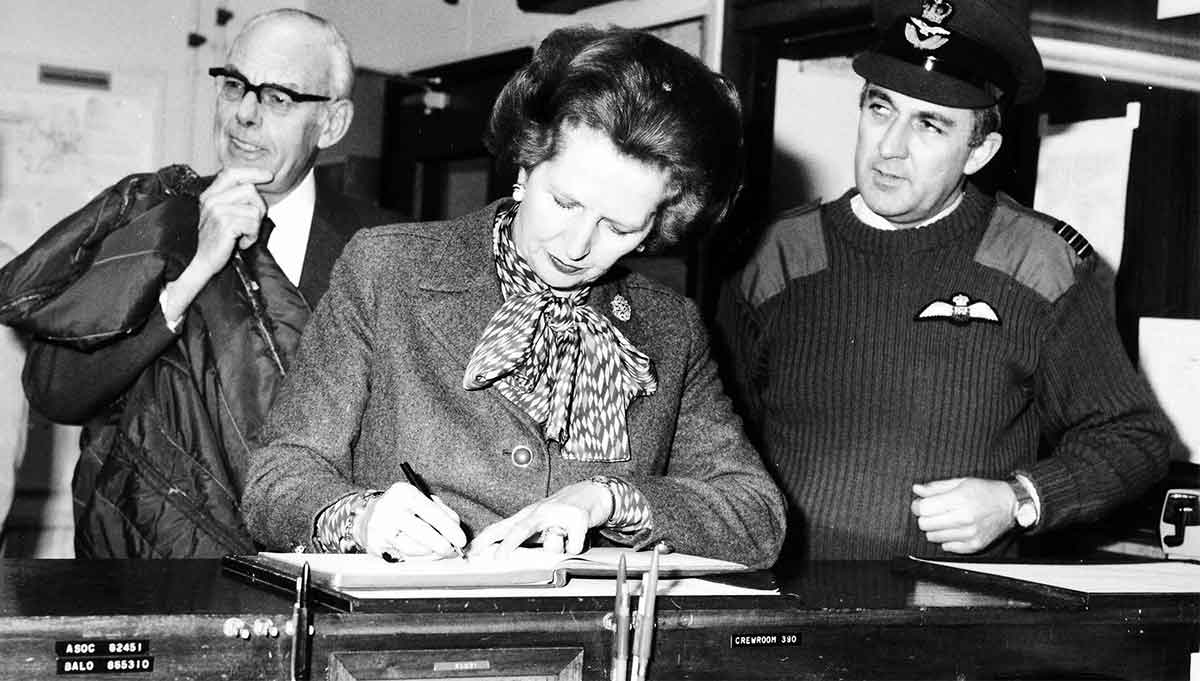
Republican prisoners claimed that they were neither terrorists nor common criminals, but prisoners of war, fighting on behalf of their people—the Catholic community—against the British occupation of the Six Counties in the north of Ireland. Therefore, they demanded to wear their own civilian clothes rather than the uniform worn by ordinary prisoners.
The uniform was a badge of criminality and, like so many things in Northern Ireland, a symbol of oppression and British imperialism, as well as a different approach to life and freedom—and they rejected it altogether.
In 1972, to defuse another hunger strike by Republican prisoners, William Whitelaw (1918-1999) granted them the so-called “special category status”—known to Irish Republicans as “political status.” When the Labour government of Harold Wilson (1916-1995) abolished it in 1976, preventing Republican prisoners from wearing their own clothes, many of the internees responded by wearing nothing.
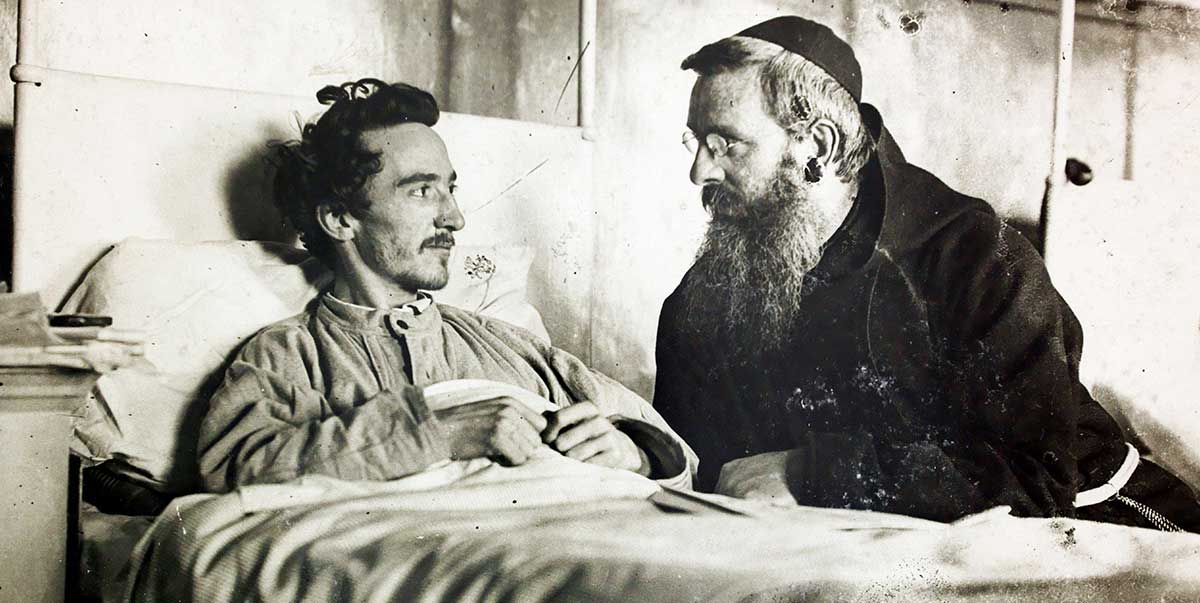
They protested by covering themselves with blankets and refusing to wear the prison uniform: they went down in history as the “blanket men.” By 1978, there were 300 men on “blanket protest.”
Knowing that the government would never grant them official political status again, they made five demands. One of them was the right not to wear the prison uniform. Gerard Hodgins from Belfast and Cathal Crumley from Derry/Londonderry were two of the many Republicans who took part in what became known as the “dirty” or “no-wash” protest. Knowing that outside the prison they had little support, they decided to escalate the protest and began what became known as the “no wash protest,” which quickly evolved into the “dirty protest.” Urine, feces, and in the case of women strikers, menstrual blood became their new weapons, which they smeared on the cell walls.
Free Association and Exclusion From Prison Work
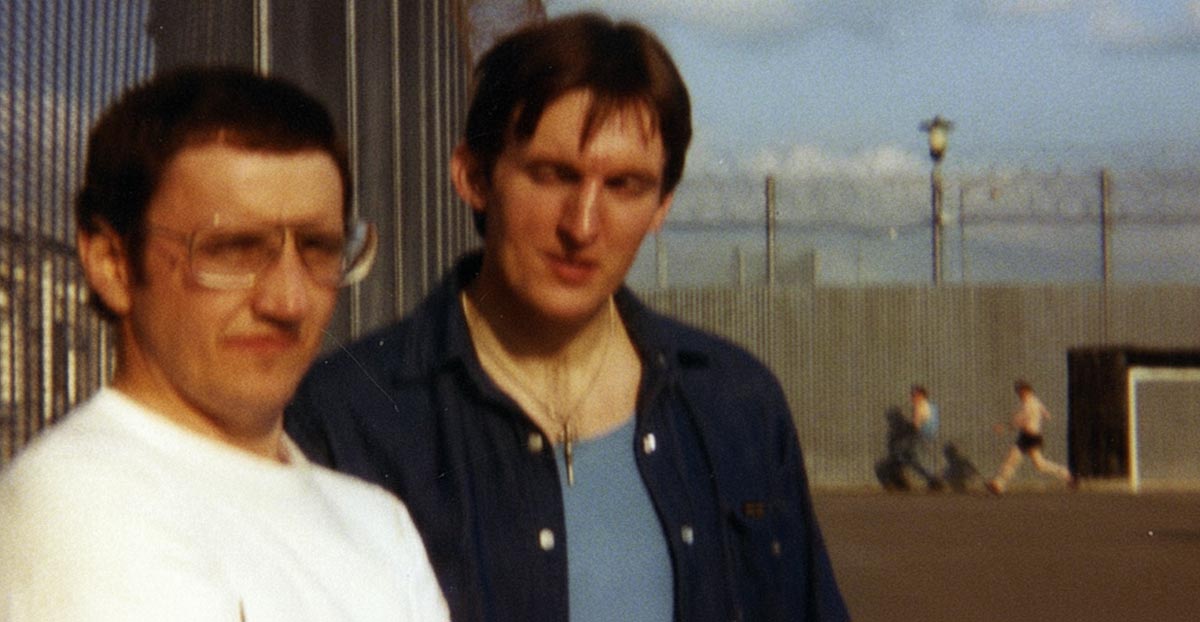
Particularly sensitive were the demands not to do prison work and to be allowed to associate freely with other Nationalist prisoners and organize their own educational and recreational facilities. Thatcher feared that if she gave in to these demands, Long Kesh would become the prison where Republican terrorists were allowed to hold classes on bomb-making and firearms training; the prison where the people who had contributed to the death of her colleague, friend, and confidant Airey Neave in March 1979 were free to train others in what she called “terrorist techniques.”
In her view, this would have been the greatest failure of her political career. Reporting on the hunger strikes, New York Times reporter William Borders quoted a British government official as saying: “We won’t let them turn our prison into a school for teaching bombing and murder.” By the time Thatcher traveled to Belfast on March 5, 1981, Bobby Sands had already been on strike for five days.
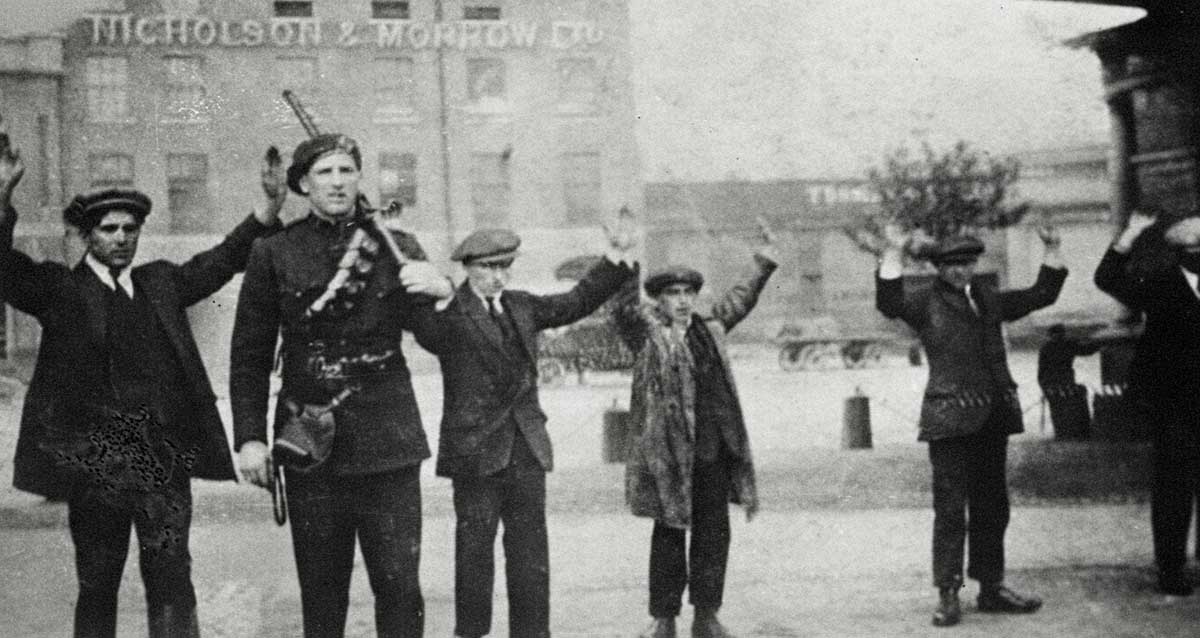
The second hunger striker, Francis Hughes (1956-1981), was to join him on March 15. In her speech, she first addressed the state of the economy, before turning to the “special regional difficulties” faced by the people of Northern Ireland, who, she said, “ … have long been famous for their courage in adversity.”
After reassuring the Protestant community of their place in the United Kingdom “in the plainest and simplest terms,” she went on to reassure them of her determination to put an end to violence because what they all had in common was an interest “… in creating a society where the gunman has no place and where he’ll no longer be able to kill and main innocent people.”
Thatcher’s speech condemned Loyalist terrorists as well as Republicans, and she positioned herself on the side of Unionism by reaffirming her full confidence in the “ … steadfast dedication of the Royal Ulster Constabulary and of the Army.”
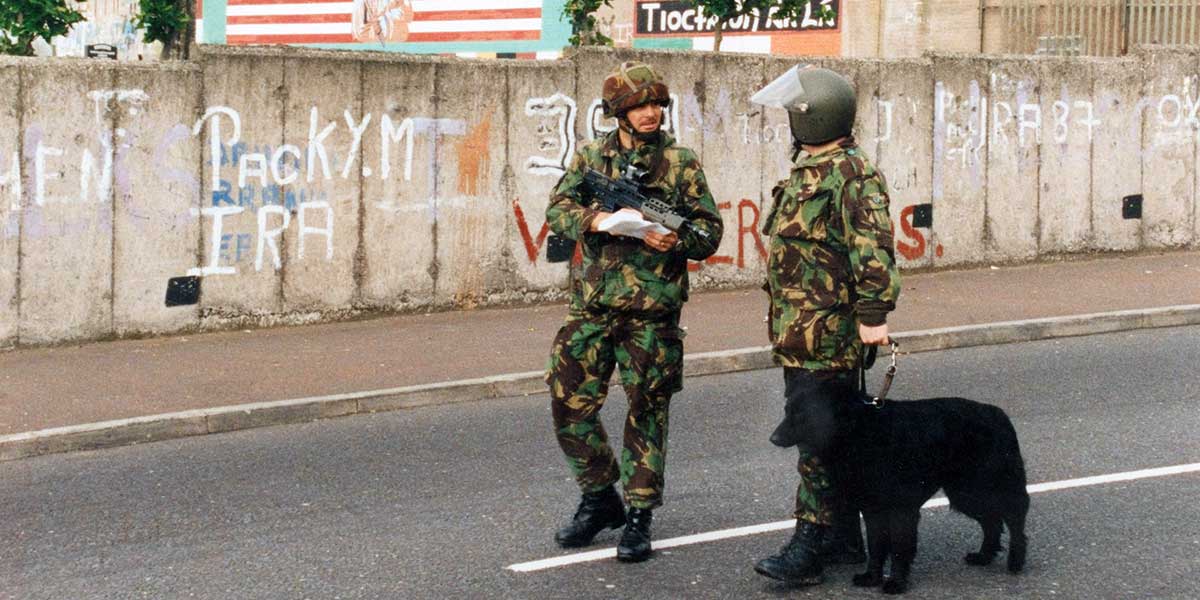
During the Troubles, the RUC was overwhelmingly Protestant and often accused of colluding with Loyalist paramilitaries. Northern Ireland, she claimed, was being held in check by a “terrorist minority.”
This terrorist minority was “once again” on strike “ … at the Maze Prison in the quest for what they call political status. There is no such thing as political murder, political bombing or political violence. There is only criminal murder, criminal bombing and criminal violence. We will not compromise on this. There will be no political status.”
In response, Bobby Sands (1954-1981) declared that “To accept the status of criminal would be to degrade myself and to admit that the cause I believe in and cherish is wrong.”
Restoration of All Remission Lost During the Previous Protests

One of the hunger strikers’ demands was the restoration of all the remissions—the cancellation of part of a prison sentence, leading to the complete end of a prison sentence before the sentence’s full term has been completed—that had been lost as a result of the previous protests. In other words, they demanded the right to have time taken off their sentences for good behavior.
By mid-1977, there were almost 150 prisoners on blanket protest. By 1978, the number had doubled. Cathal Crumley, a “Blanket Man” from Derry/Londonderry who was sentenced to four years imprisonment at the age of 18, told BBC journalist Peter Taylor: “I remember for years sleeping on a piece of sponge that had been soaked by urine that was pushed back under the doors. It was uncomfortable, it was stomach-churning, but that was the battleground that had been created for us and we either survived or gave up.”
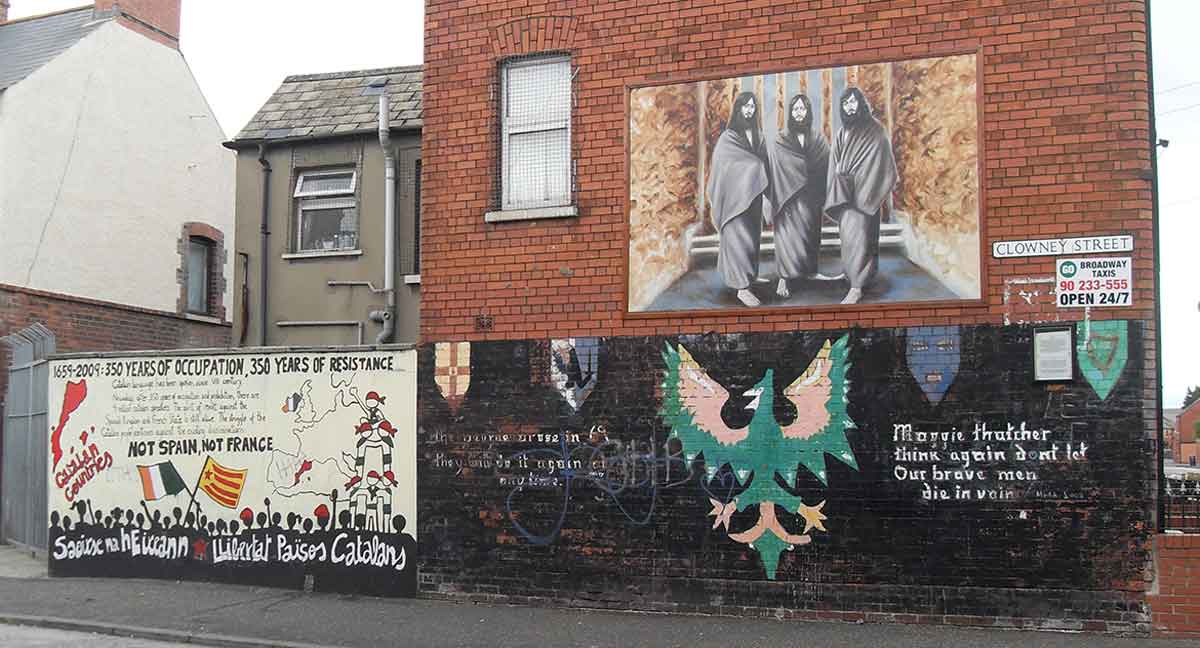
A member of the Sinn Féin, Crumley was elected Mayor of Derry in 2000. As McKittrick and McVea point out, “A refusal to wear prison uniform left prisoners naked, confined almost permanently to cells and regularly punished for non-conforming by three days ‘on the boards’ when all cell furniture was removed. Without uniform there were no family visits and remission was lost, which in practice could double the time spent in prison.”
In a sense, if the British government had given in on restoring all the remissions lost during previous protests it would have indirectly validated the legitimacy not only of the hunger strike but also of all the protests that had taken place since 1975. Giving in on even this demand would have indirectly meant giving in on political status.
One Visit, One Letter, and One Parcel Per Week
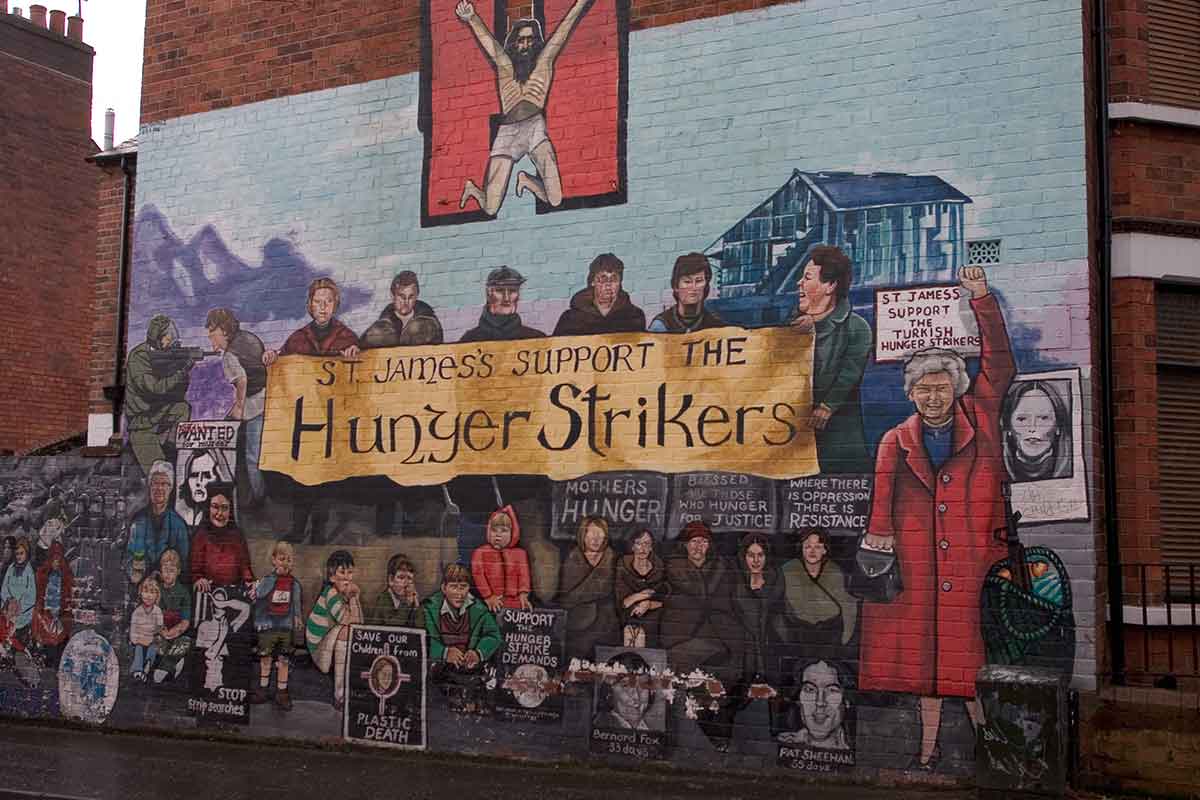
Connection to the outside world through visits, letters, and parcels was important not only on a personal level but also politically and strategically. The blanket protest and dirty protest that preceded the 1981 hunger strikes had left Republican prisoners in a state of virtually total isolation. The authorities had responded to their refusal to wear prison uniforms by denying them family visits.
Alone in their cells, surrounded only by maggots and their own feces, physically removed from their families, it is easy to understand why so many men decided to go on hunger strike, and why so many continued their strike, despite seeing their fellow IRA members die at a rate of one every two weeks. Some, like 24-year-old Raymond McCreesh and 23-year-old Patsy O’Hara, began and ended their strikes on the same days: they both died on May 21, after 61 days of fasting.
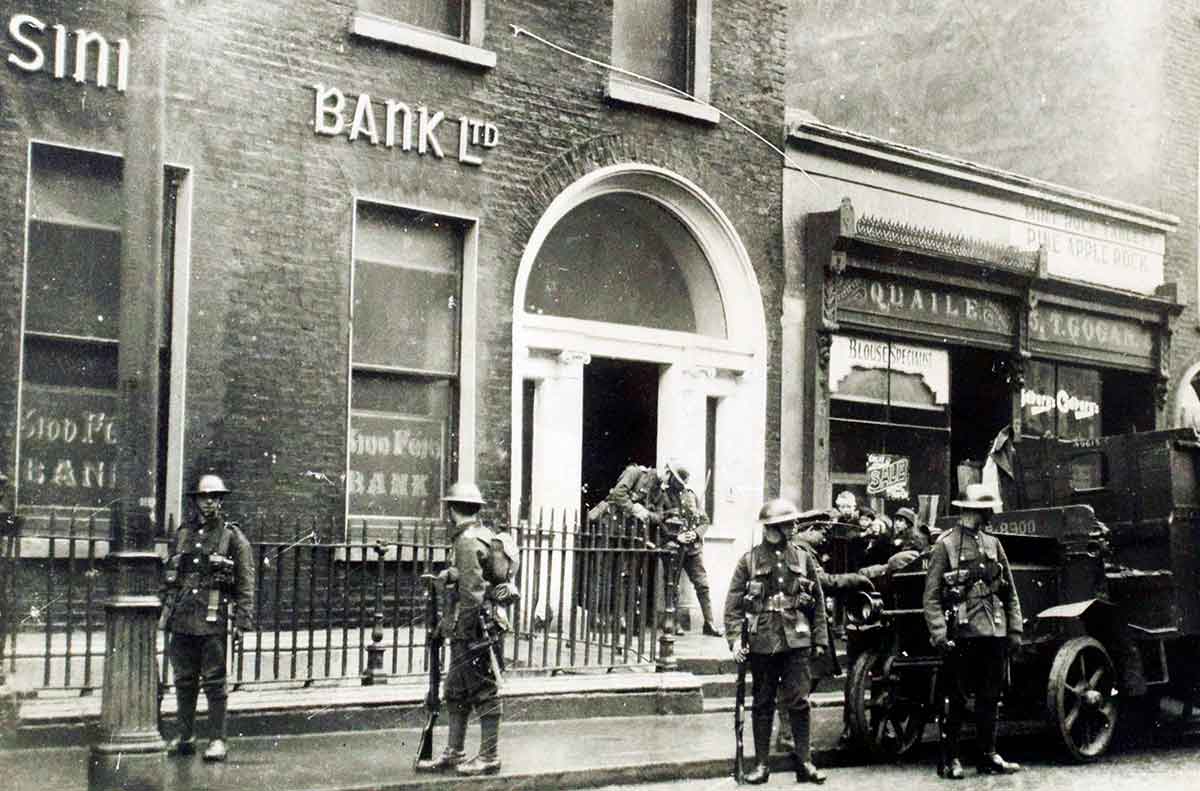
Bobby Sands was four days into his hunger strike when Frank Maguire (1929-1981), the Independent Republican MP for Fermanagh and South Tyrone, died of a heart attack. The Provisional IRA leadership nominated Sands as its candidate, not as a Sinn Féin candidate, but on an “Anti-H-Block/Armagh Political Prisoner” label. Sands won the seat on April 9, becoming the youngest MP at the time. His election proved that the Republican struggle inside the prisons was inseparable from the Republican struggle on the streets and in the ballot boxes.
On October 31, Sinn Féin organizer Danny Morrison said: “Who here really believes we can win the war through the ballot box? But will anyone here object if, with a ballot paper in this hand and an Armalite in the other, we take power in Ireland?” That was the Armalite and ballot box strategy in a nutshell.
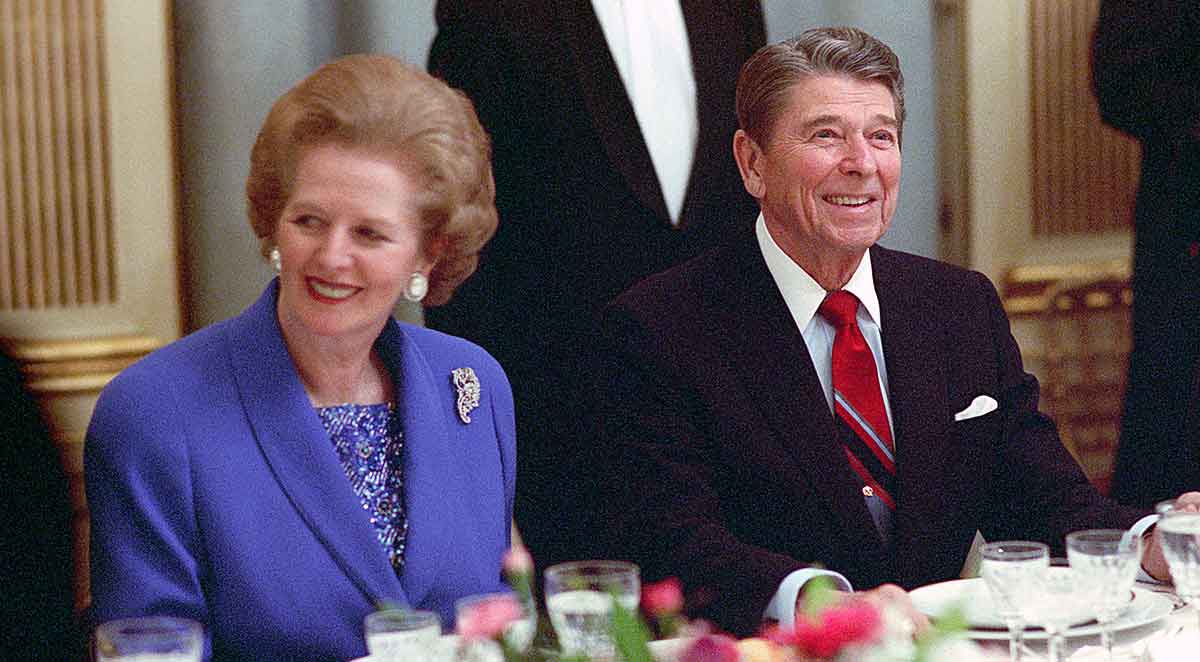
It was during the 1981 hunger strikes and following Sands’s electoral success, that the IRA leadership began to abandon the tradition of Republican abstentionism and electoral boycott. Following the death of Michael Devine (1954-1981)—Red Mickey as he was known for his red hair—on August 20, the families of several hunger-striking prisoners began to authorize medical intervention to save their sons’ lives. The first family to intervene was that of Paddy Quinn. Liam McCloskey ended his strike on September 26 after his family made it clear that they would intervene if he were to slip into the coma that precedes death.
The strike was finally called off on October 3. Jackie “Teapot” McMullan, who was on his 48th day of hunger strike, later recalled: “On the one hand I hadn’t died but 10 of my friends had. It seemed at the time that we hadn’t achieved our demands and that the protest was broken. But then we started to win the conditions outlined in the 5 Demands.”
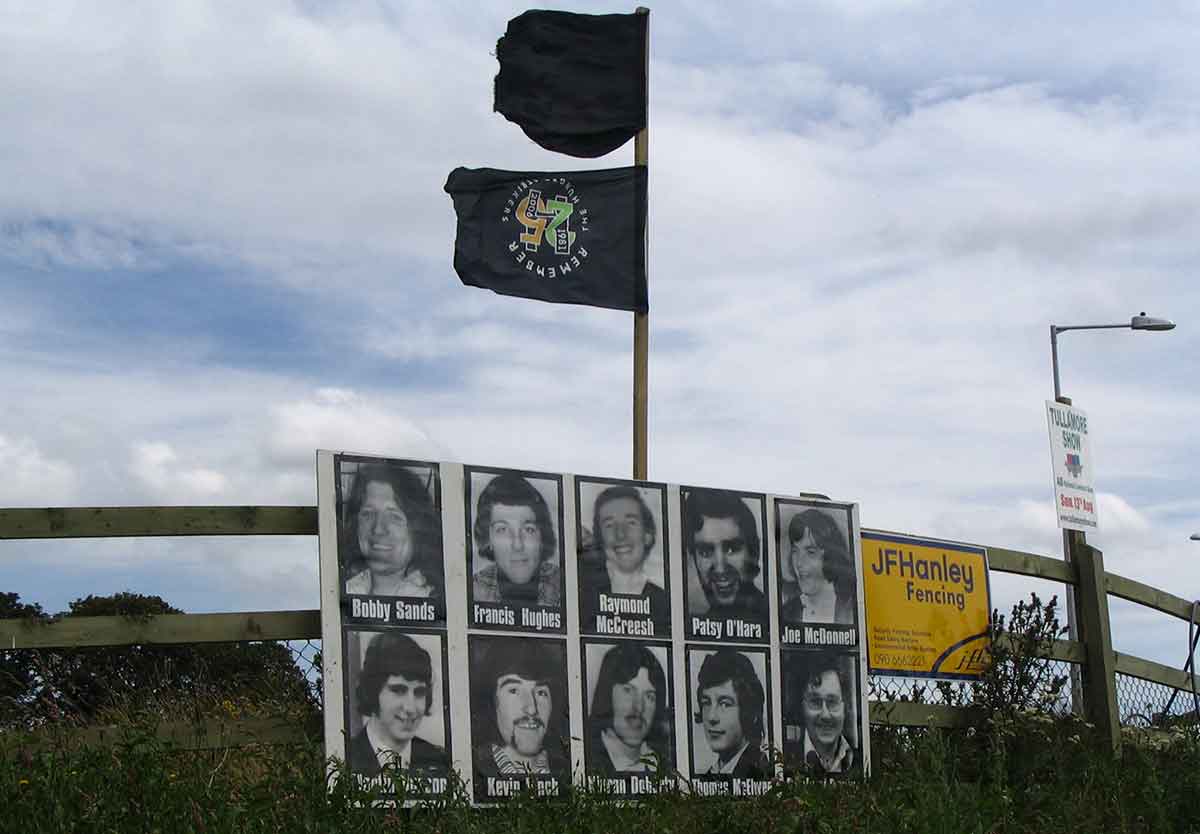
Margaret Thatcher’s determination not to give in to any of the Long Kesh prisoners’ five demands—the right not to wear prison uniforms; not to do prison work; the right to associate freely with other Republican prisoners; the restoration of all remission lost during previous protests; the right to one visit, one letter, and one parcel a week—was the result of her government’s intransigent policy toward Northern Ireland and Republican demands. It ultimately led to the deaths of ten men.
Those who survived, after their families authorized medical intervention, suffered long-term health problems for the rest of their lives. From then on, Republican paramilitary organizations such as the IRA and the INLA openly regarded Margaret Thatcher as their main opponent. Three years later, in 1984, the IRA attempted to assassinate her by planting a bomb in the hotel where she was staying in Brighton. She survived.