
The countries of Latvia, Lithuania, and Estonia enjoyed a brief period of independence in the interwar period thanks to hard-fought independence struggles against Soviet Russia. This ended with the Soviet takeover in 1939 in the wake of the Molotov-Ribbentrop Pact. After the Nazi invasion of the Soviet Union in 1941, Soviet and German armies fought viciously for control of the Baltics. When the Soviets reasserted control in the postwar period, the Baltics became wracked with one of the most intense insurgencies in Europe in the Cold War.
The Baltic States in 1939-1940
From 1920 to 1939, Estonia, Latvia, and Lithuania were all independent states and members of the League of Nations. While the governments in Latvia and Lithuania became semi-autocratic in the 1930s, their political systems were still more pluralistic than Germany or the Soviet Union. This all came to an end with the Molotov-Ribbentrop Pact, an agreement that signaled a rapprochement between Germany and the Soviet Union. A secret protocol in the agreement allowed the USSR to invade and annex all three Baltic states.
Soviet leaders believed that they should restore the borders of the old Russian Empire. As such, they sought to incorporate all three Baltic states into the Soviet Union and bring them under communist rule. Moscow began by demanding neutrality and an acknowledgement that they were in the Soviet sphere of influence. All three countries were too weak militarily to resist. The Soviets began by setting up military bases and in 1940 they took full control of the three countries.
Immediately upon taking power, the Soviets set up show trials for Baltic leaders, installed puppet rulers from Moscow, and began conscripting locals into the Soviet Army. These actions infuriated the local population, who were proud of their accomplishments during the interwar period. Local communists were not popular rulers and only remained in power with Moscow’s backing. While the Molotov-Ribbentrop plan was in place, Baltic anticommunist leaders began turning to the Germans in the hope of driving out the Soviet occupiers and regaining their independence.
The Baltic States in WWII
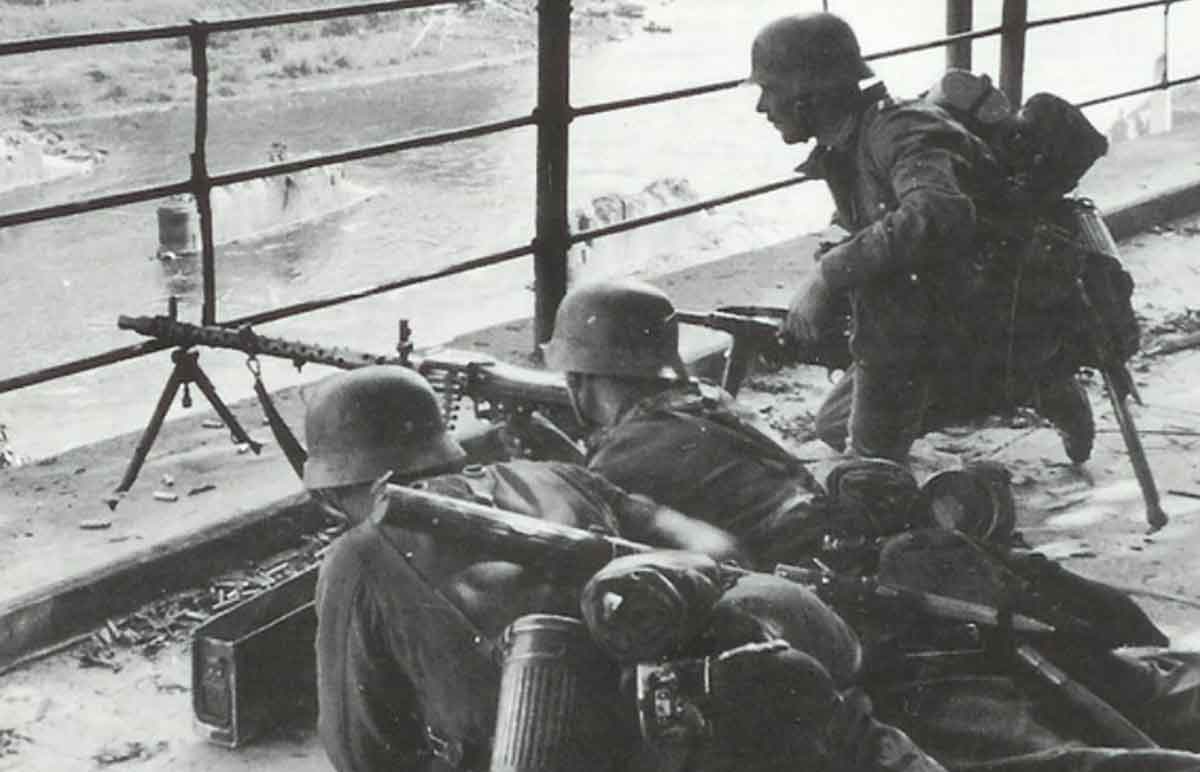
The German invasion of the USSR in 1941 led to the temporary expulsion of the Soviets and the creation of Reichskommissariat Ostland. Germany’s invasion was assisted by elements of the Baltic armies that had been forced into exile by the Soviet annexation. When the Soviet army retreated, they shot thousands of political prisoners in a brutal demonstration of violence. Because Germany initially promised that they would grant the Baltic states full independence, they were welcomed in all three countries. In Lithuania, elements of the Lithuanian Activist Front helped the Germans seize control of Kaunas and Vilnius. The Reich promised to end the Soviet collectivization policy and restore the Christian faith.
As the war turned against the Axis, the Baltic states realized that they were trapped between two totalitarian regimes. Many of Germany’s promises turned out to be false: No independence was forthcoming and Baltic nationals were conscripted into the Wehrmacht and SS. Many people who had helped the Germans in 1941 found themselves being arrested by their former allies. By the time the Soviets began retaking the Baltics, most of the local population wanted neither German nor Soviet troops in their countries.
The Soviet offensive in 1944 was almost as quick and effective as the German takeover had been in 1941. Outright partisan activity against the Germans had been rare, though Jewish and Communist partisans fought both the Germans and local collaborator militias like the Arajs Kommando. Nonetheless, most locals stayed out of the fighting, believing that both countries were equally hostile to their national interests.
The Devastation to the Postwar Baltics
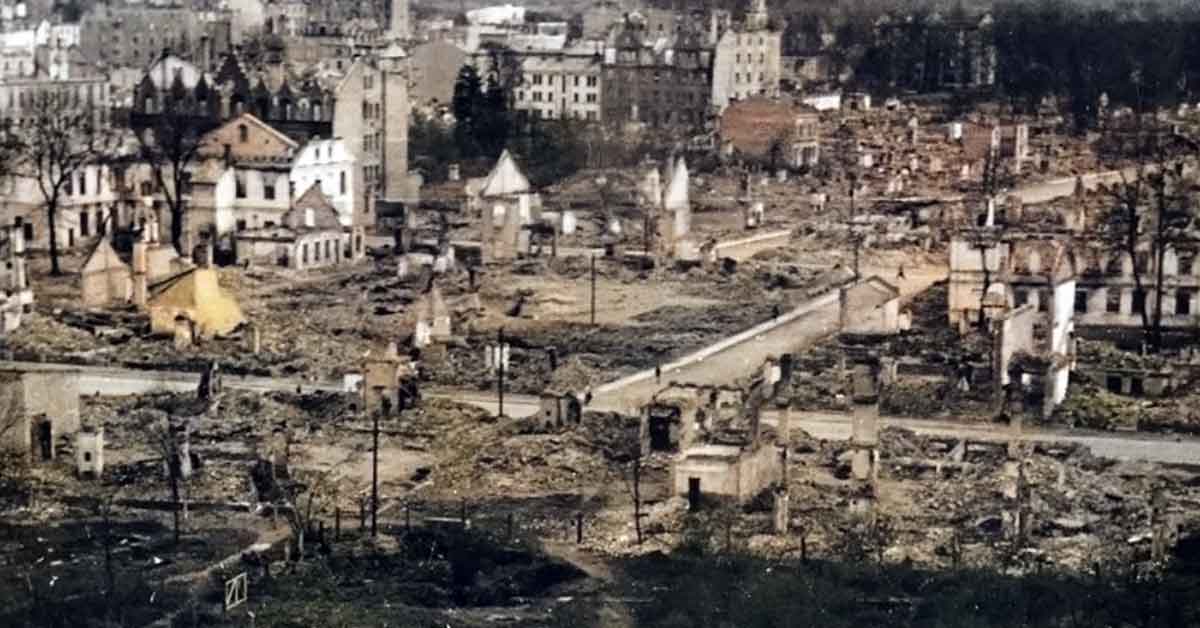
The most significant and demographically impactful event of WWII in the Baltic states was the Holocaust. Many locals, even those who came to oppose German rule, actively assisted in the genocide of Jews and Roma. Hitler had conceived of the Baltics as part of the Lebensraum in Eastern Europe that Germans could move into and exploit. Germany sought to resettle the Baltics with the minority of Germans who lived there before 1939 and eliminate any “untermenschen” they could find. The belief that the Jewish population supported Soviet rule encouraged local Christians to form militia groups targeting the Jews. The Holocaust was the bloodiest part of WWII in the Baltics; the Jewish populations in all three states have never recovered.
While the Holocaust was exceptionally bloody in the Baltic states, all three countries suffered major population losses during the war due to the fighting and large refugee flows westward. Estonia lost 83,000 dead during the war, which was 8.3% of the 1939 population. Latvia lost 260,000 people, 13% of its prewar population. Lithuania had it the worst: 375,000 people died, accounting for 15% of the 1939 population. All across Europe, displaced Baltic nationals found themselves in camps hoping to return home.
The human death toll was matched by the destruction of cities like Narva and Tallinn in Estonia, sites of major battles. Crops had been seized by both armies, the fishing industry of Latvia and Estonia had been devastated, and an overall sense of despair reigned. When the Soviets began to push the policies they had pursued in 1940, many locals rose up in revolt.
The Forest Brothers
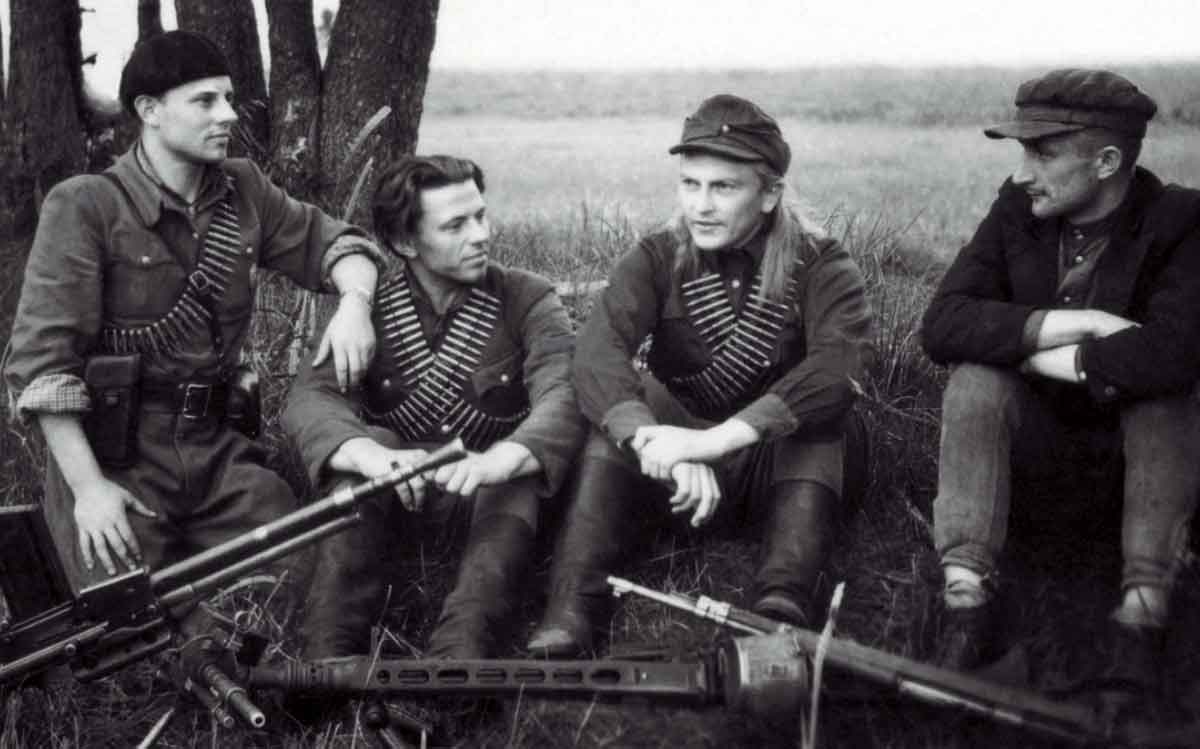
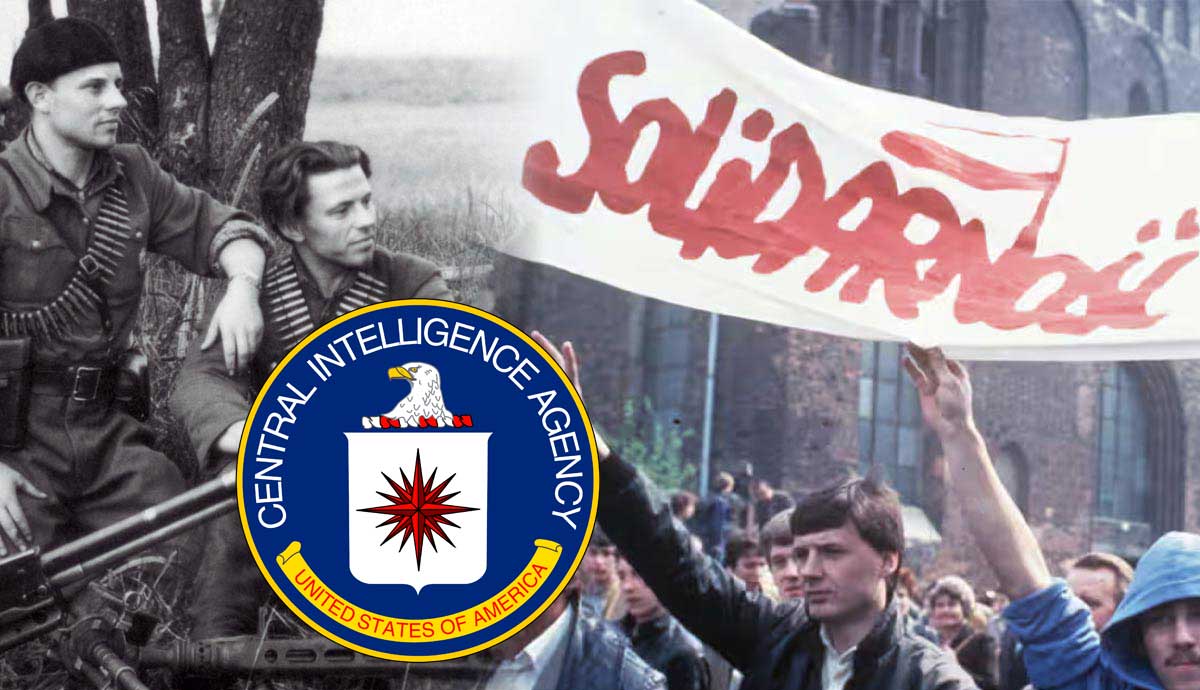
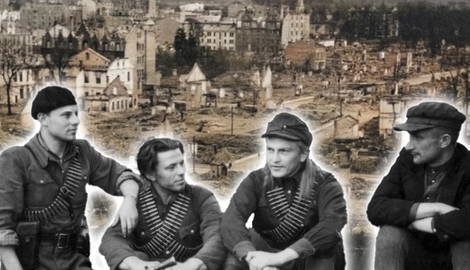
Soviet policies implemented at the end of WWII in the Baltics were principally designed to benefit Moscow. Local farmers hated the Soviet occupiers for their collectivization of agriculture. As a result, new bands of militias began to form to fight the Soviets. The militias went by different names but were generally known as the Forest Brothers. From 1945 to 1956, an estimated 50,000 people in Latvia, Lithuania, and Estonia emerged from the woods to carry out hit-and-run attacks against Soviet troops, the NKVD, and local communist collaborators.
The Red Army initially faced difficulty in rooting the partisans out of their strongholds. Many people across the region provided assistance to the Forest Brothers with the hope that the Soviets would leave due to intense partisan activity. The ample amount of Soviet and German weaponry left behind due to WWII gave the partisans very lethal capabilities. Some of the partisans had fought in WWII alongside the Germans and therefore had lots of battle experience. For a brief period, they even received help from the CIA and MI6.
The Soviets resorted to brutal methods to crush the insurgency. The Soviet Army sent conscripted Baltic soldiers far away from their homelands. This reflected the fear in Moscow that newly conscripted Baltic soldiers would give their arms to their anti-Soviet comrades. Suspected partisans were tortured and forced to become collaborators. While the lack of outside support made it practically impossible for the Forest Brothers to sustain their resistance, the last of the partisans held out until 1956.
Soviet Deportation of Baltic Populations
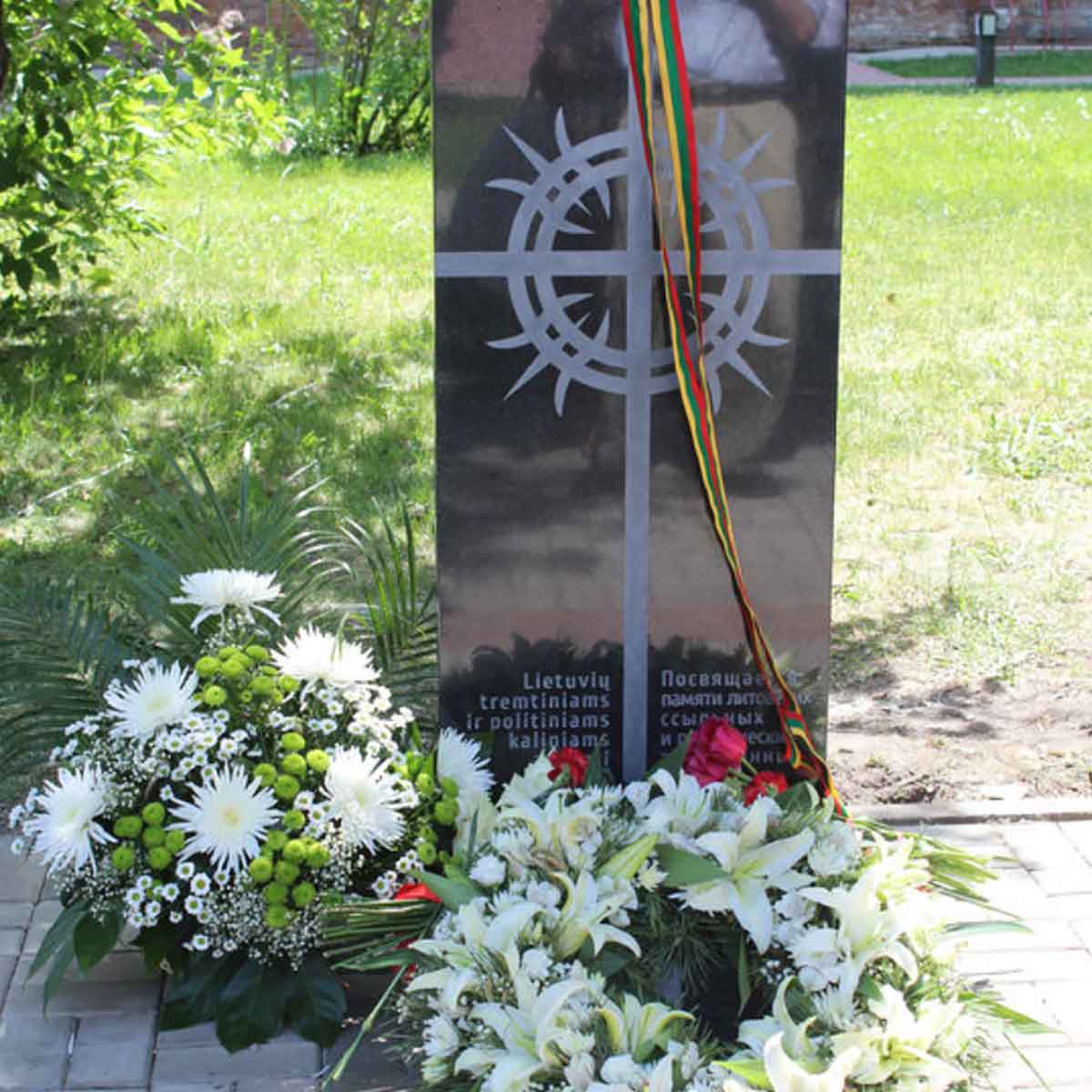
Starting immediately after the reoccupation of all three states in WWII, Stalin ordered suspected enemies of the state to be sent off to camps in the Arctic Circle or Siberia. In 1948, Operation Vesna led to the deportations of tens of thousands of Lithuanians accused of collaborating with the Germans or assisting the Forest Brothers. This was followed by Operation Proboi, a massive deportation plan affecting all three states. Lithuania was the hardest hit because the partisan presence was most active there. The deportations were a continuation of a policy that started before Operation Barbarossa in 1941.
For people forced into deportation, the experience was horrifying. Trains took people far from their homes with almost no personal belongings. Many were told they would never be allowed to return home. Women and children under the age of 16 accounted for 73% of the deportees. In their place, ethnic Russians were allowed to move into their homes, a colonial policy that created a Russian diaspora in the three states that remains there today. Most of the deportees remained away from home until the 1950s when Soviet Premier Nikita Khrushchev allowed them to return.
While the total number of deaths is not known, it is estimated that thousands died during or after their deportations. From 1944 to 1952, 124,000 Estonians, 136,000 Latvians, and 245,000 Lithuanians were deported into the Soviet Union. This population transfer was one of many mass deportations perpetrated by the USSR in the aftermath of WWII.
Effects of the Soviet Occupation
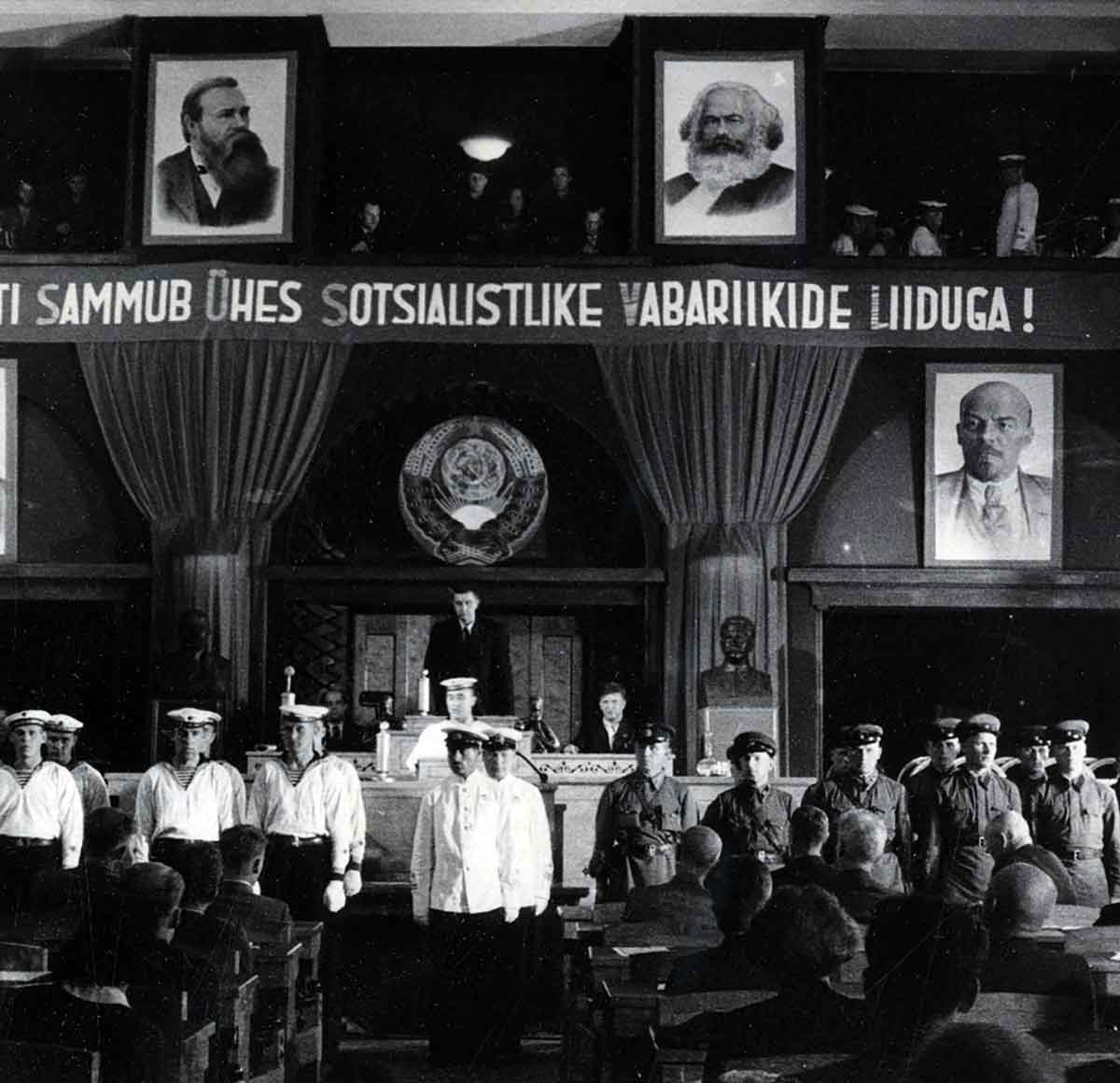
The USSR followed Imperial Russia’s pattern of conquest and colonization in the Baltics in order to consolidate their rule. Collectivization, supposedly intended to help poor farmers, ended up benefiting the small cadre of communists at the top of the hierarchy in all three Soviet republics. Any effort to promote nationalism was quashed. People were taught to live in a culture of silence and fear. The ruthless crushing of the Forest Brothers was meant to convince people that resisting Soviet rule was impossible.
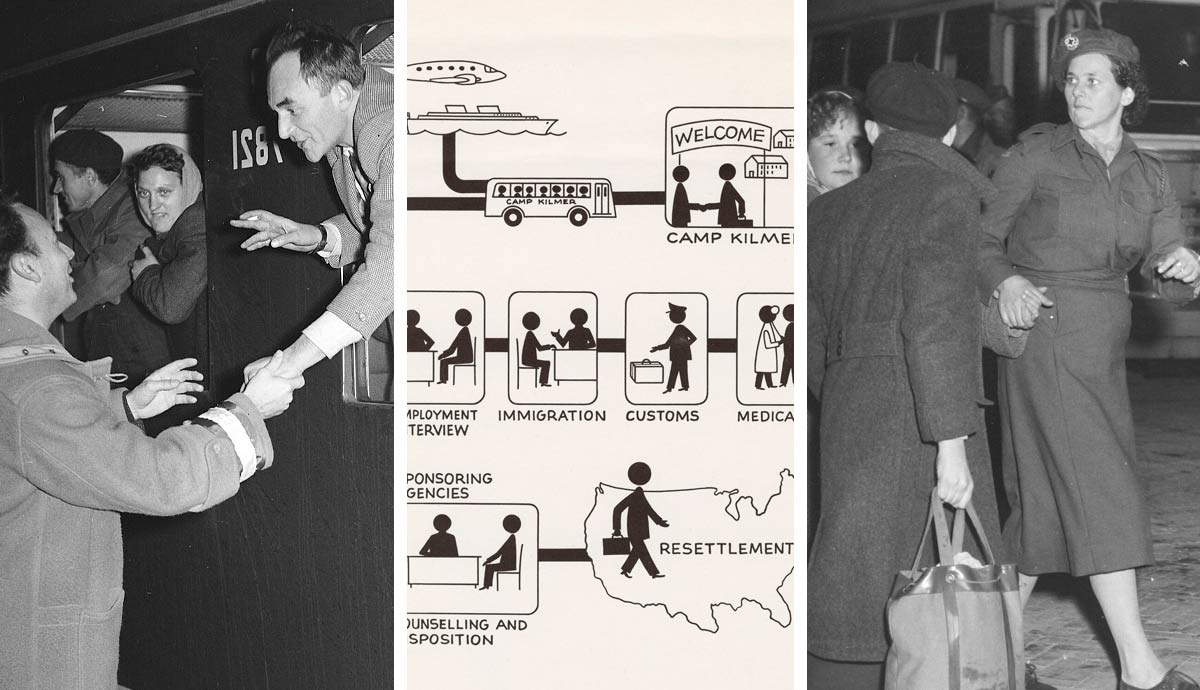
Thanks to the massive property damage from WWII, the mass deportations, and a desire to live away from communist rule, some 300,000 Baltic residents fled their homes for the West in the immediate aftermath of the Second World War. Most of these people had heard about what happened to opponents of the Bolsheviks in the Russian Revolution and ended up following in the footsteps of the White émigrés. The Second World War may have ended triumphantly for people living in Western democracies; the residents of the Baltic states did not get to experience this feeling for several decades.
The end of the Forest Brothers did not completely stifle anti-Soviet opposition in the three Baltic states. For instance, over 1,000 Lithuanians were murdered by the KGB in the 1960s for opposing Soviet rule. An underground press sprung up across the region and people waited for brighter days. This patience would pay off in 1991, when the Baltic states regained their hard-fought freedom.