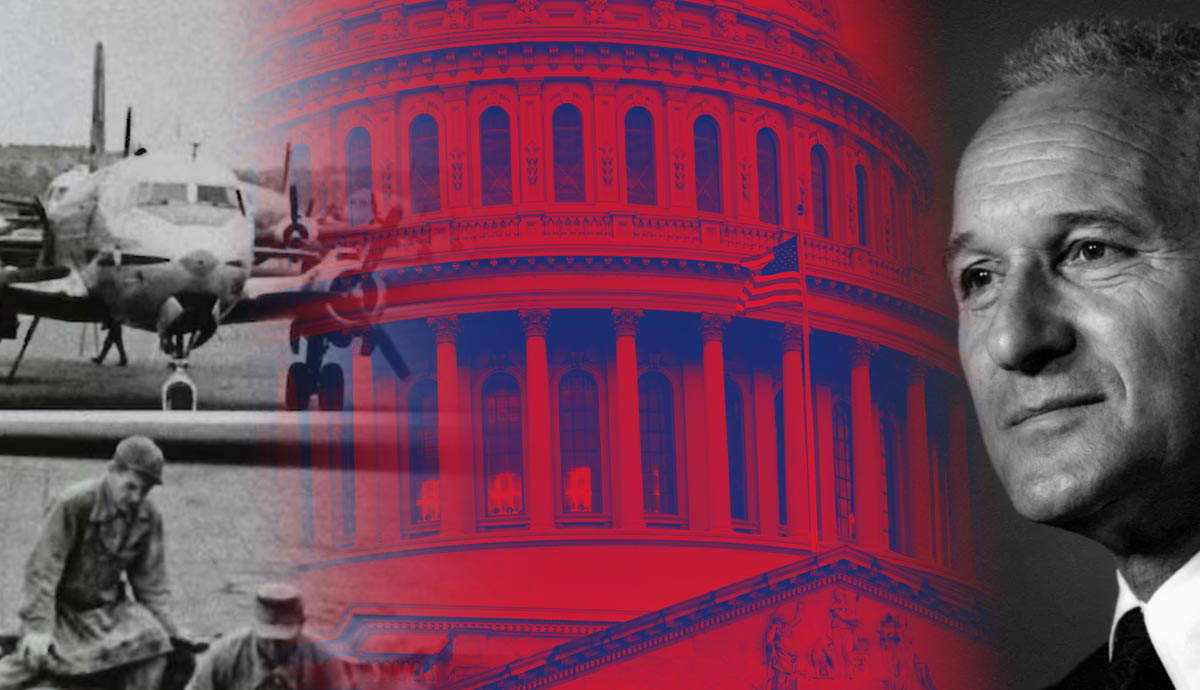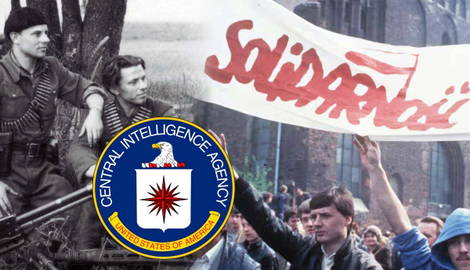

When the Cold War began in the aftermath of World War II, there was a desire by the United States and its allies to contain the Communist threat in Europe. Direct military action was off the table due to the strength of the USSR and the development of nuclear weapons. The newly formed Central Intelligence Agency began to carry out covert activity to fight the Eastern Bloc from within. How did this impact the course of the Cold War?
Postwar Eastern Europe and Communist Rule
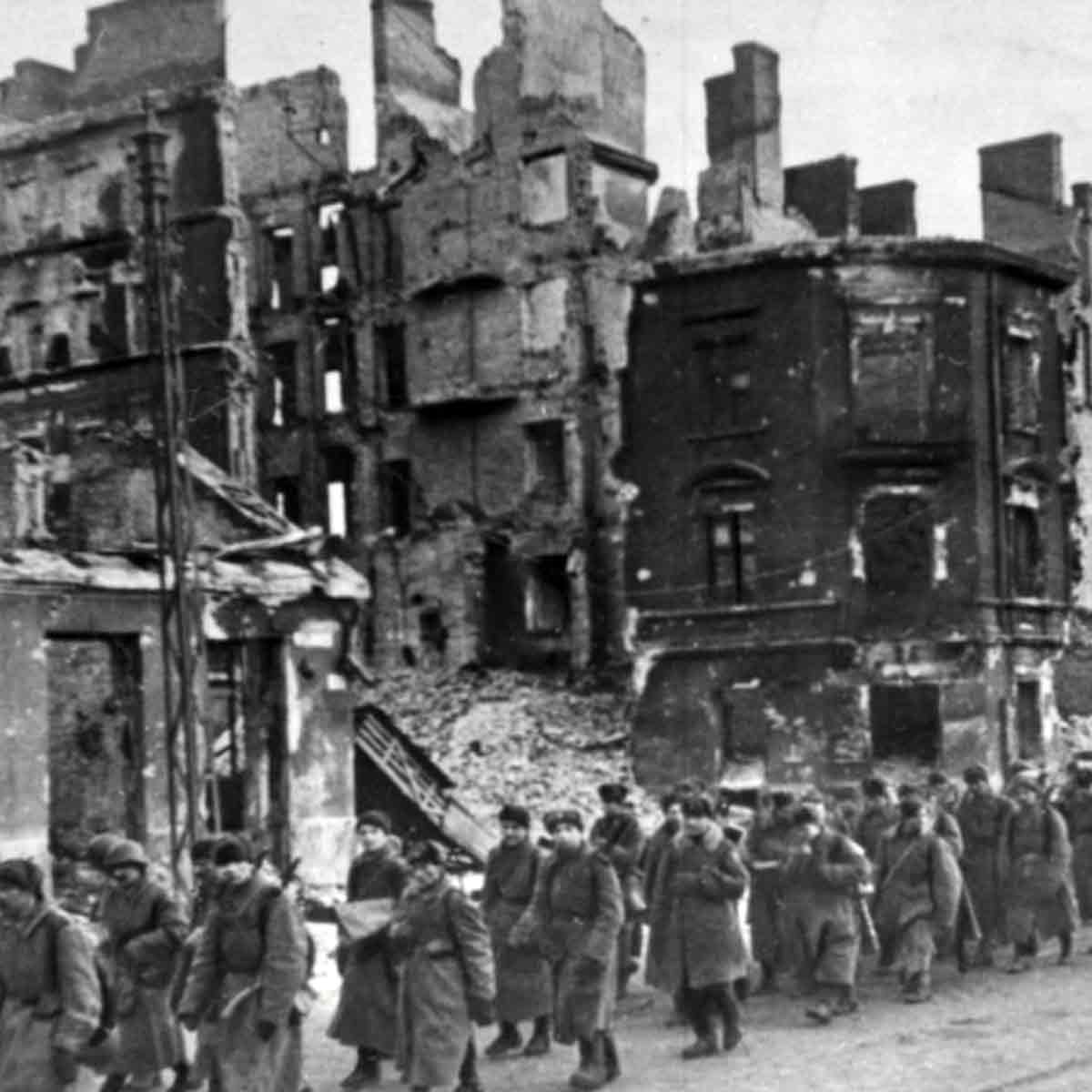
At the end of the Second World War, one of the first tasks of the Soviet government was to turn the entire area of Soviet-occupied Eastern Europe into a series of Communist buffer states. The communization of Eastern Europe was a major priority of Josef Stalin, who wanted to ensure that no one could invade the Soviet Union again. The Soviet secret police, NKVD (later KGB), had clear policies regarding the people who lived in Eastern Europe—no resistance and dissent was to be tolerated. In a matter of years, local Communist parties took over these Eastern European countries and put an end to free elections.
In the West, people looked on in horror at these developments and there was a clamor to stop the Soviet takeover of large parts of Europe. This marked the start of the Cold War as the United States and its allies were determined to stop the Soviets. The United States faced a conundrum. It wanted to use force to stop any potential westward advance of the Soviets, remembering the failure of appeasement in the 1930s. At the same time, the development of nuclear weapons and their proliferation in the 1950s made a conventional war between the US and USSR all but impossible. The United States and its allies therefore endorsed another way of containing and rolling back Communism: covert actions designed to destabilize the Soviet bloc. This would become one of the main tools used by the US during the Cold War.
Creation of the CIA’s Covert Action Program
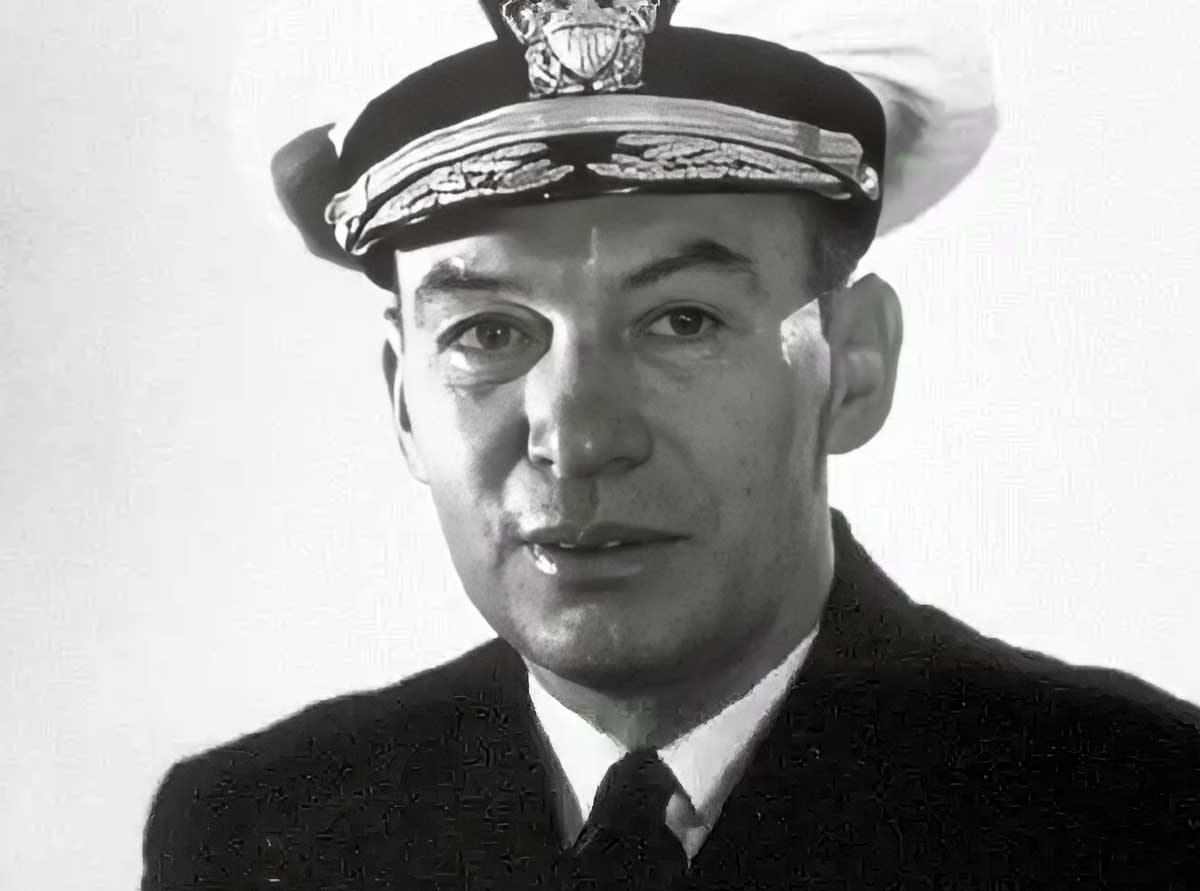
When the CIA was founded in 1947, it was designed to collect intelligence in the conventional fashion through espionage. Its responsibilities soon expanded into conducting covert missions using operatives or working with partners in areas the CIA was interested in. In 1948, the Truman administration decided that covert action was needed to combat Soviet control of Eastern Europe. NSC 10/2 ordered the CIA to begin carrying out sabotage, propaganda, and subversive activities against Communist governments.
The Agency’s actions were to take place alongside overt US efforts to undermine Communist rule. Anti-Communist dissidents were to be employed as a medium for CIA activity. In addition to distributing anti-Communist writings known as Samizdat, the CIA hoped to cause mayhem with agents dropped into Eastern Europe. The presence of large numbers of anti-Soviet partisan bands fighting the Red Army at the end of the Cold War gave the CIA reason to believe that they could make Communist rule in Eastern Europe untenable.
With the creation of the Warsaw Pact and the strengthening of Soviet defenses, such tasks became very difficult. In East Germany, the Stasi and KGB cooperated closely, fearing that West German and American spies were everywhere. Elsewhere in the Communist Bloc, the KGB ensured that they were deeply connected with other spy agencies. This was to make US covert actions very difficult. Nonetheless, the US immediately began to undertake covert actions when NSC 10/2 was enacted as official policy.
Early CIA Covert Operations in Eastern Europe
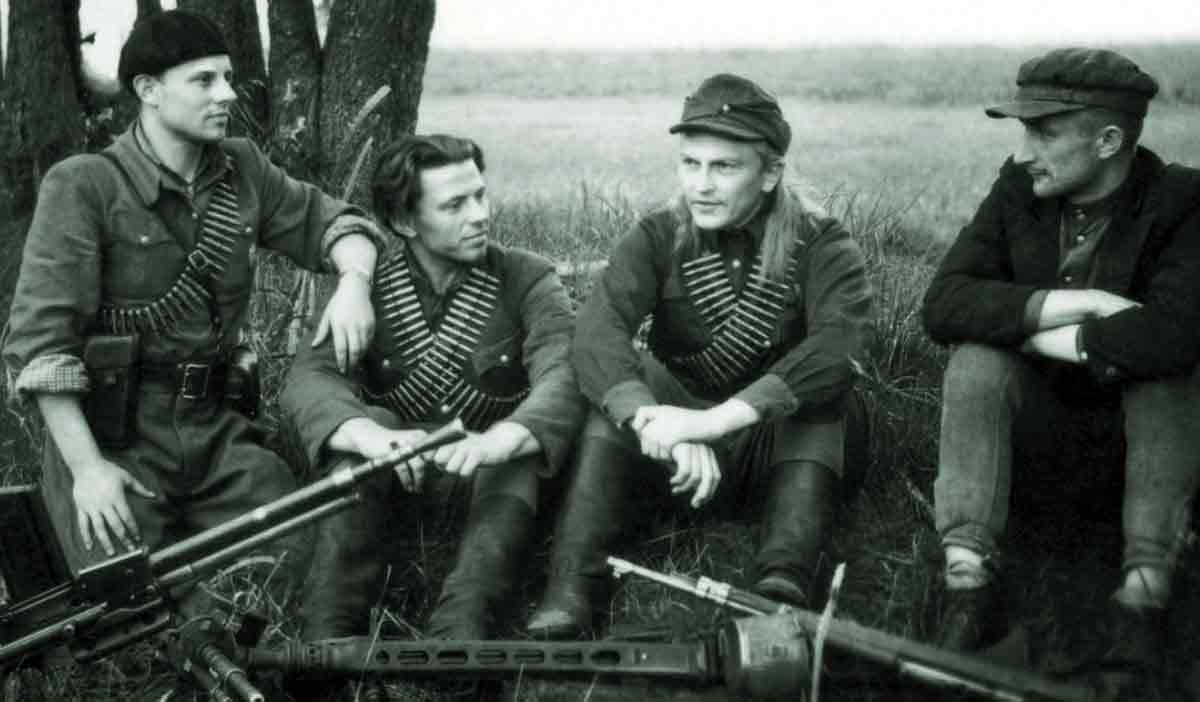
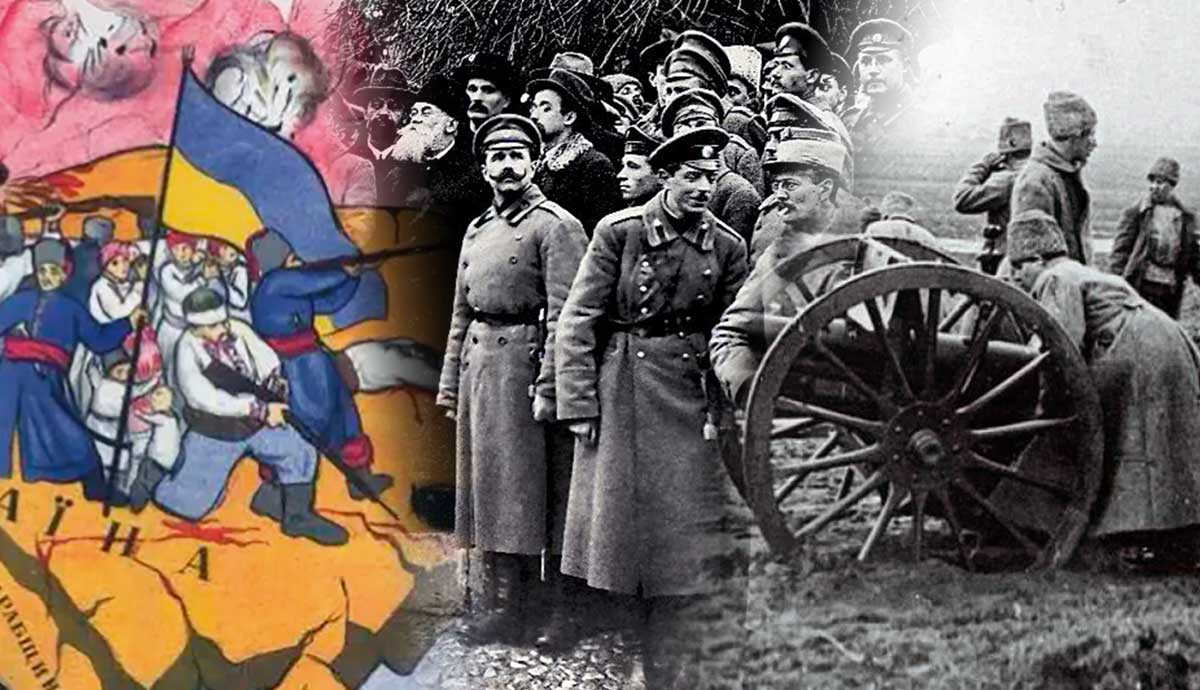
One of the first operations the CIA carried out was Operation Red Sox in 1948, an effort to help the Organization of Ukrainian Nationalists who were fighting the Soviet Army. US aircraft parachuted weapons and operatives to Ukrainian nationalist partisans opposed to the USSR. Similarly, in the three Baltic states, the CIA and British MI6 armed and assisted partisan bands known as the Forest Brothers. These fighters had similar motivations to the Ukrainians: to push out the Soviet occupiers. Even though some of these men had fought on the Axis side in World War II, the Western allies were willing to support them in order to undermine Soviet control of Eastern Europe. The CIA’s operation in the Baltics, known as AEGEAN, began in 1949.
Even though the partisan bands in Eastern Europe were battle-hardened, the Soviets had the upper hand. Stepan Bandera, the leader of the Ukrainian nationalists, was assassinated by the KGB in 1959 and his partisans struggled to fight on. In the Baltics, the Forest Brothers were heavily outnumbered and outgunned, notwithstanding the CIA’s efforts. The KGB played “radio games,” a deception in which they pretended to be partisans and requested operatives to be dropped to them, leading to their capture or killing. By the mid to late 1950s, the Forest Brothers, Organization of Ukrainian Nationalists, and other like-minded groups had been quashed. The Agency’s initial efforts had been a disaster and Communist rule was more entrenched than it had been in the 1940s.
CIA Covert Activities From the 1960s-1980s
After the failure of its early covert operations, the CIA’s emphasis shifted away from direct action. The expansion of the Cold War meant that the CIA’s Special Activities Division had to begin working around the globe and could not just focus on Europe. Enhanced border security measures in the Eastern Bloc such as the construction of the Berlin Wall in 1961 made infiltration much harder. Therefore, the CIA dropped the idea of arming major insurgencies behind the Iron Curtain. Instead, the focus turned to getting Communist officials to turn on their own governments and to promote the underground press. Additionally, the CIA set up covert militias in Western Europe in case of a Soviet attack as part of a plan known as Operation Gladio.
In East Germany, the CIA sought to undermine the morale of the Communists through an aggressive information warfare program, which claimed that the USSR was going to sacrifice East Germany in a war with the West. Even though the Stasi and KGB proved to be formidable in rooting out the CIA’s spy networks, the propaganda had an impact as many East Germans tried to flee to the West. The creation of underground newspapers was not a CIA invention, but CIA operatives helped with the distribution and promotion of these outlets.
In 1969, the CIA increased funding for these programs, sensing weakness from within the Soviet bloc. Even though the tactics had evolved, the primary objective remained the same: to weaken Communist rule to the point of collapse.
The CIA and the End of the Cold War
The Agency believed it was gaining success with Albania’s exit from the Warsaw Pact, the Sino-Soviet split, and the attempt by Czechoslovakia to rebel against Communist rule. While the Prague Spring failed, it was a foreshadowing of what was to come. Communist rule, imposed by the USSR on Eastern Europe at gunpoint, had never been popular. As the Soviet economy started to fail, dissidents in Eastern Bloc countries vowed to topple Communist rule once and for all, and the CIA was ready to offer them assistance.
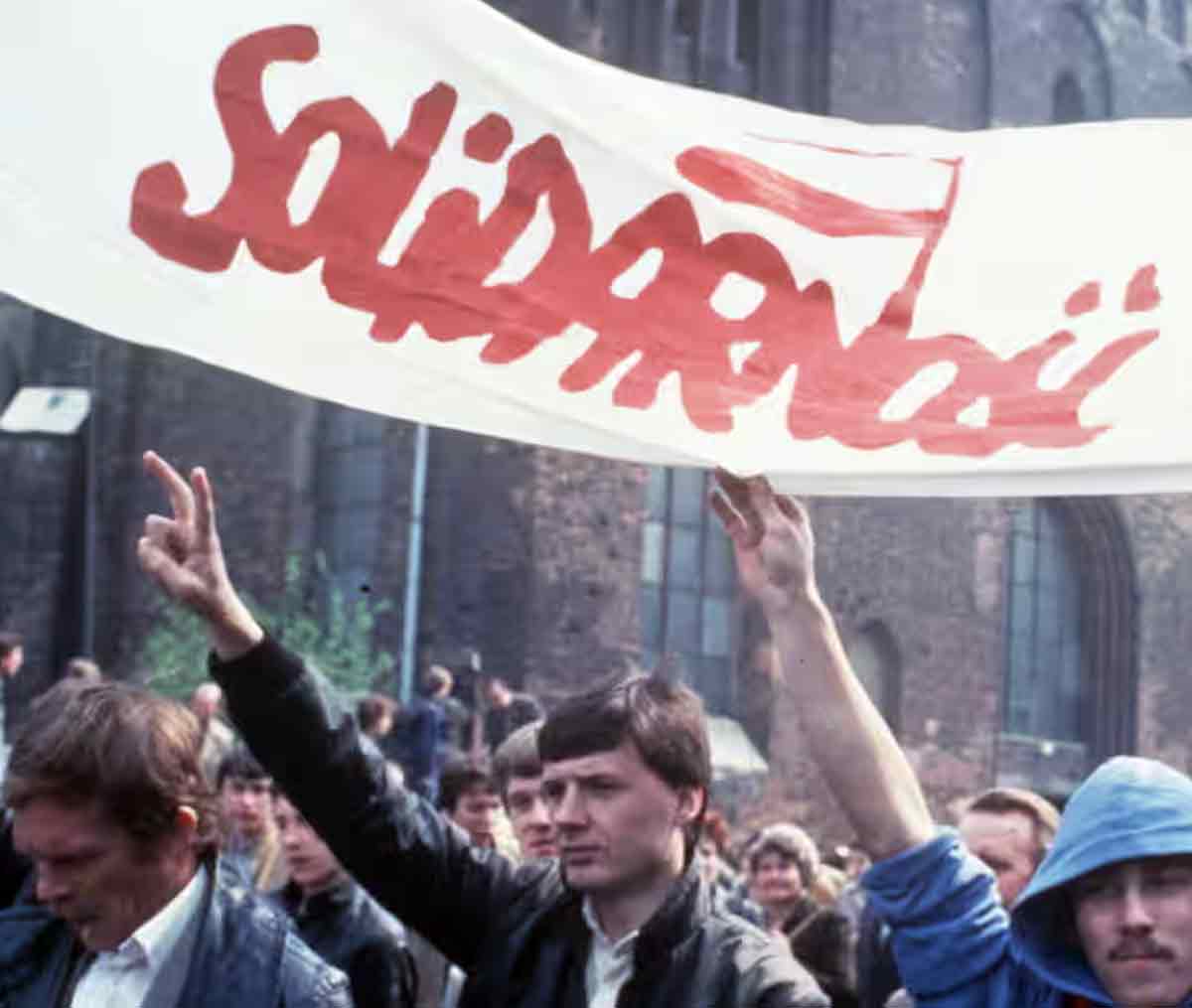
In the 1980s, the Polish trade union known as Solidarity began organizing strikes against the Communist government of Wojciech Jaruzelski. Seeing an opportunity to undermine the entire Warsaw Pact, the Reagan administration began privately assisting Solidarity. In Operation QRHELPFUL, the Agency provided around $20 million to bolster Solidarity’s finances. Unlike the CIA operations in the 1940s and 1950s, this was designed to assist a nonviolent movement.
By 1989, Solidarity had been successful in toppling the Communist regime in Poland. Across Eastern Europe, Communist governments fell: Romania, Hungary, Bulgaria, Yugoslavia, Czechoslovakia. The Berlin Wall came down, paving the road for German reunification. By 1991, the Soviet Union itself dissolved and the former Soviet republics gained independence. The CIA was thrilled but shocked; it had not suspected that the Communist structure was so weak. Its analysts did not think that the USSR and its satellite states would crumble solely due to internal pressure. Even after the withdrawal of Soviet forces from Afghanistan, the US thought the Cold War would continue.
Were These Operations Successful?
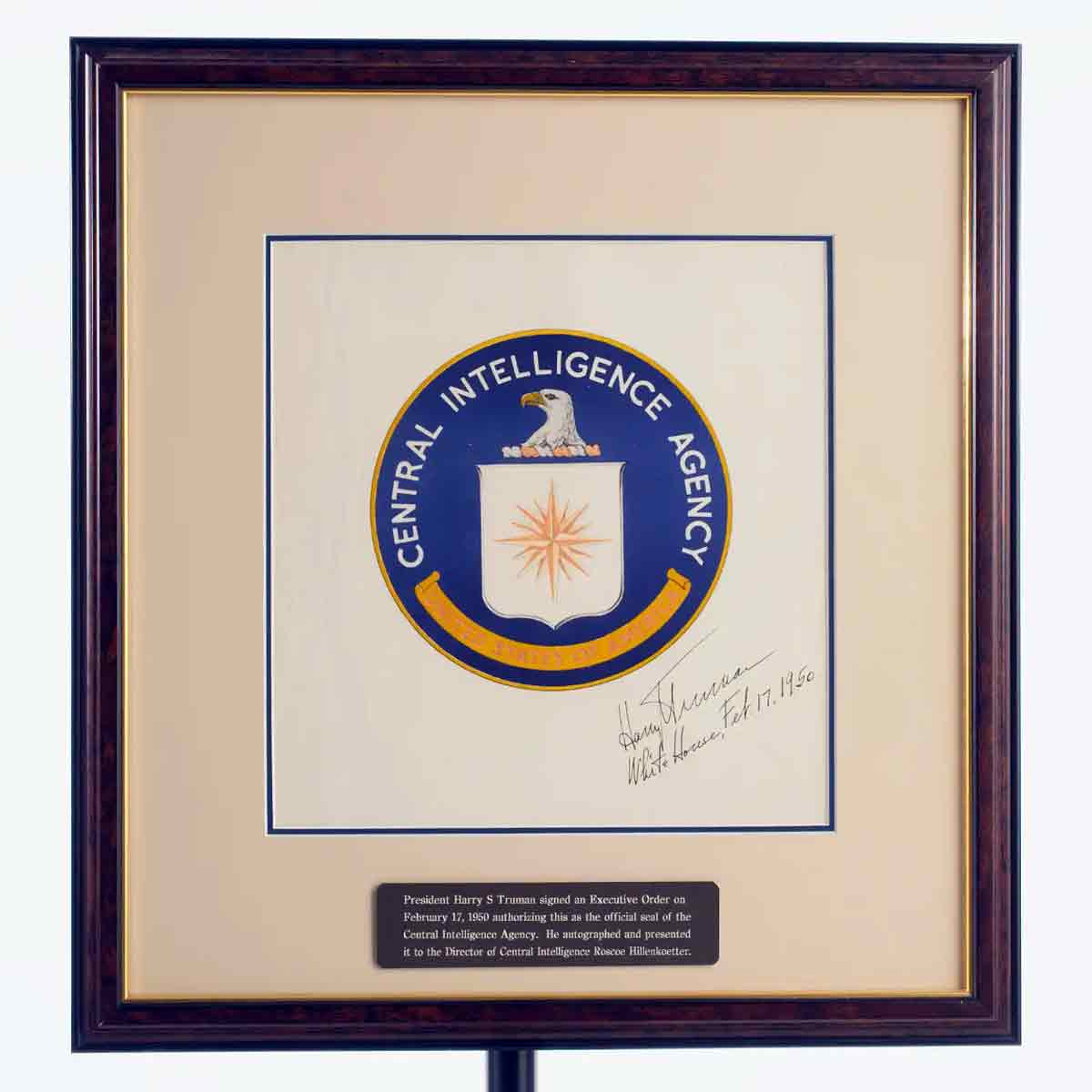
From its founding in 1947 to the final days of the USSR in 1991, the CIA invested enormous time and resources into combatting Soviet influence in Eastern Europe. Nevertheless, a major debate ensued after the Cold War: to what extent was the fall of Communism in Europe the result of American action?
The CIA’s initial efforts at arming anti-Communist groups were based on poor intelligence, underestimating the ruthlessness of the Soviet security services, and a failure to appreciate local realities on the ground. The Soviets and their partners sought to ensure that no-one could undermine their rule. After a little over a decade, it became apparent that covert action needed to change in style if the CIA wanted to have an impact in the region.
While the CIA stopped arming anti-Communist groups in the Warsaw Pact, they found that the masses generally opposed Communist rule. Financing and promoting underground media and literature helped convince people to organize and fight back. The steady outflow of educated people from the Communist bloc undermined the efforts of the Warsaw Pact states to build effective economies. Additionally, the CIA reminded people of what their lives could look like without Communism.
In the end, the CIA’s covert operations in Eastern Europe contributed to the collapse of Communist rule. While their operations started out as a failure, the Agency learned lessons from previous failures and adapted to changing circumstances. It is no wonder that the CIA felt it played a major part in ending the Cold War and its reputation grew out of this success.