
Since the nation’s founding in the 18th century, the United States Navy has evolved from a ragtag collection of frigates into the most formidable naval force in history. But a fleet is only as effective as the minds behind it. To understand how America became a global superpower, one must look at the visionary commanders who mastered the art of naval warfare and redefined the limits of seapower.
1. David Farragut: The Man Who Damned the Torpedoes
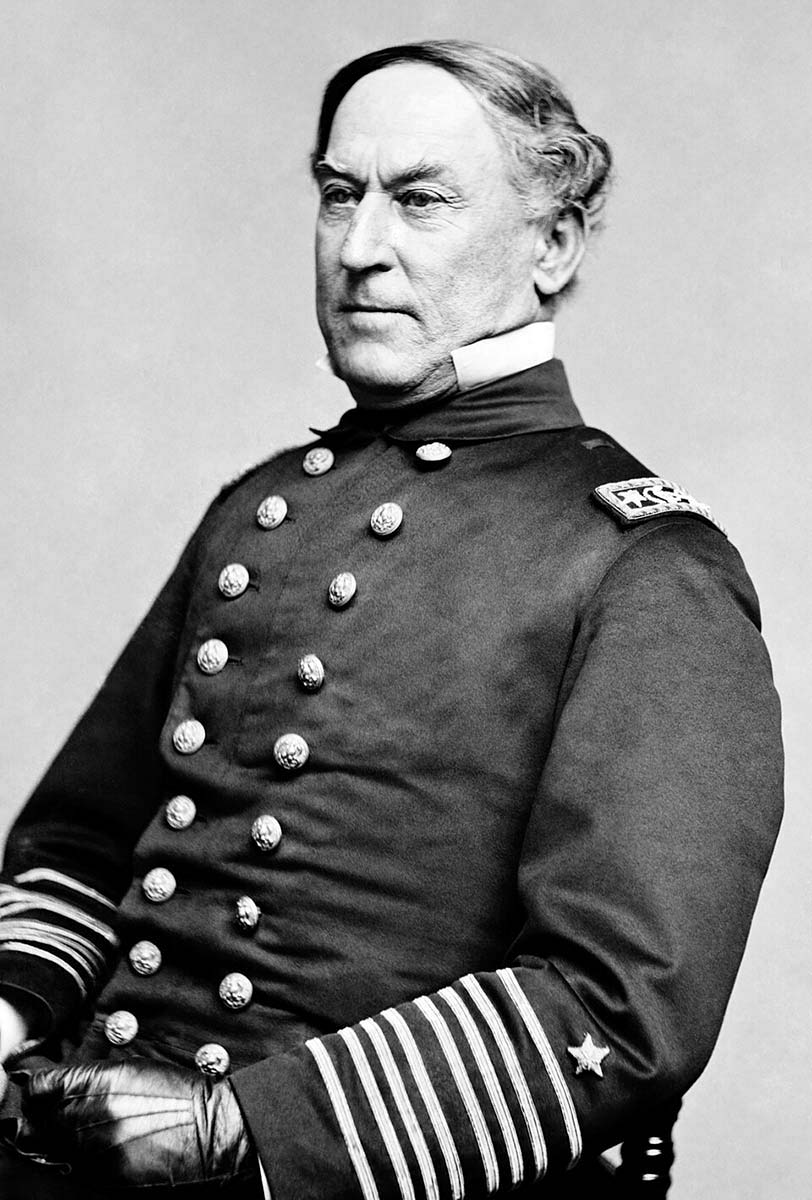
For the first several decades after American independence, the US Navy did not have the rank of admiral at all. The highest rank an officer could receive was captain and if that captain commanded a fleet of ships, he was referred to as commodore. Officers like John Paul Jones, John Barry, Stephen Decatur, and John Rodgers held senior commands in the Continental Navy and US Navy, but did not have the rank of admiral because Congress was skeptical about the necessity of a fully fledged blue ocean navy.
The American Civil War saw major changes in the organization of the US military and one of those was the creation of the rank of admiral. A Tennessean who fought in the War of 1812 as a young boy, he became a rear admiral, vice admiral, and full admiral in the space of a few years.
In the 1840s, Farragut oversaw a squadron of ships blockading several ports in northeast Mexico. After California attained statehood in 1850, he oversaw the construction of Mare Island port, which was one of the US Navy’s most important naval ports in the Pacific.
Despite being a Virginia resident in 1861, he stood with the Union right from the start and oversaw several successful naval operations against the Confederacy, most notably capturing New Orleans in 1862 and seizing Mobile Bay in 1864. Farragut’s immortal order, “Damn the torpedoes, full steam ahead!” at Mobile Bay exemplified his reputation for aggression and bravery which made him a navy legend. He continued serving after the war and died while on active service in 1870.
2. George Dewey and the Rise of the American Empire
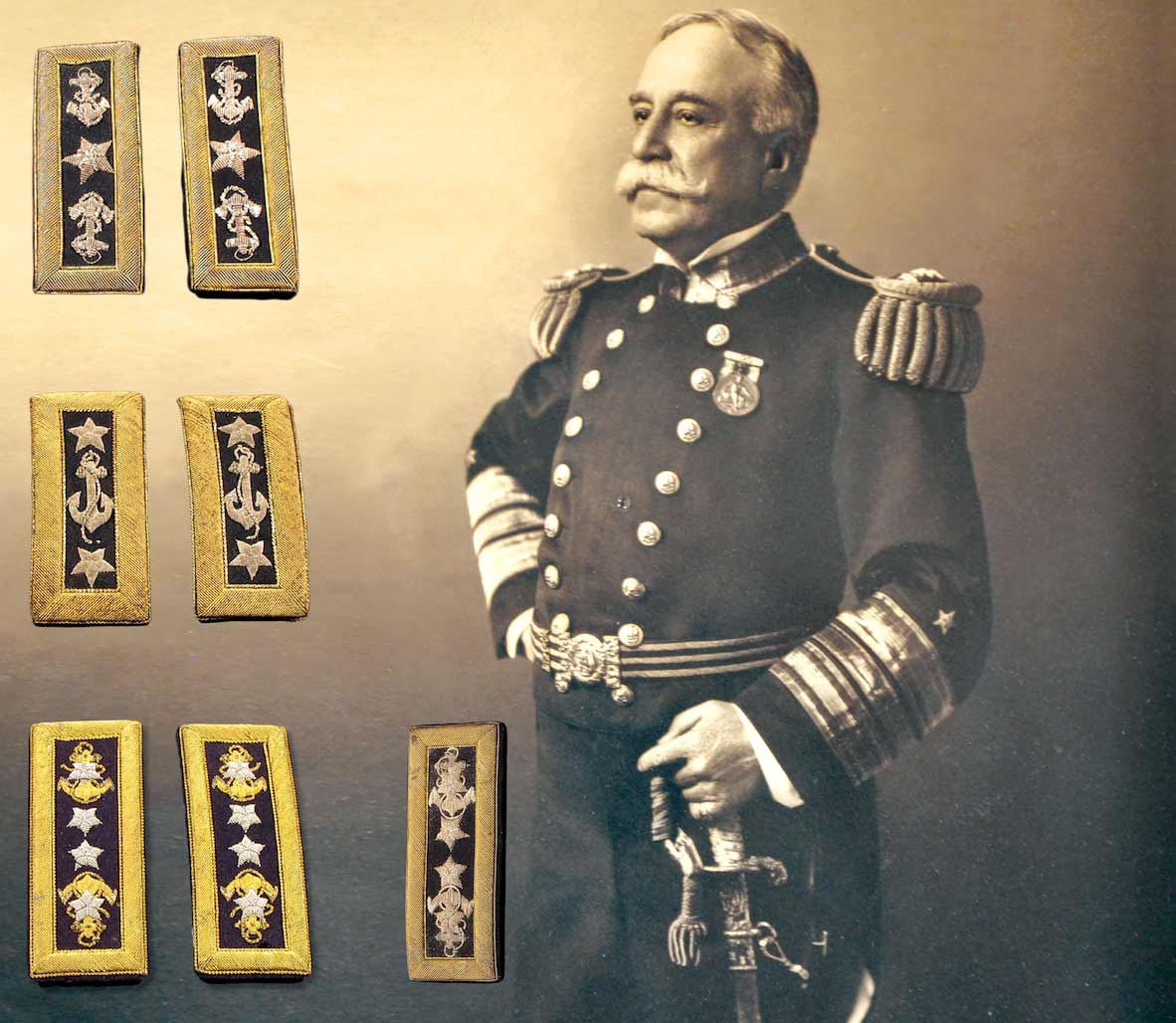
“You may fire when ready, Gridley.” These orders were given to Captain Charles Gridley on board the USS Olympia by Rear Admiral George Dewey, right before the Battle of Manila Bay during the Spanish-American War. Dewey, a barrel-chested veteran who eventually accrued 62 years of active service, would become the only American naval officer in history to reach the rank of Admiral of the Navy due to his competence and long service record. He was a veteran of the Civil War, reaching the rank of lieutenant commander by 1865, and was very well regarded by his peers.
When America went to war with Spain in 1898, Dewey was in command of the Asiatic Squadron, a fleet of nine ships (both warships and support vessels). He moved swiftly to destroy the Spanish fleet in the Philippines, trapping them in Manila Bay. On May 1, 1898, he won one of America’s most lopsided naval victories by overwhelming and destroying eight Spanish warships at the cost of a few casualties and no ships lost. The US Navy cleared the way for the invasion of the Philippines and established itself as a major naval power in the Pacific.
After the war, he continued to serve until his death in 1917 as a member of the Advisory Board for the US Navy. This enabled him to advise the navy on matters of equipment and recruitment. Today, he is known to be an icon for his steadfastness at sea and his vision as a naval officer at a time when the United States was beginning to play an important role on the global stage.
3. Chester Nimitz: The Architect of Victory in the Pacific
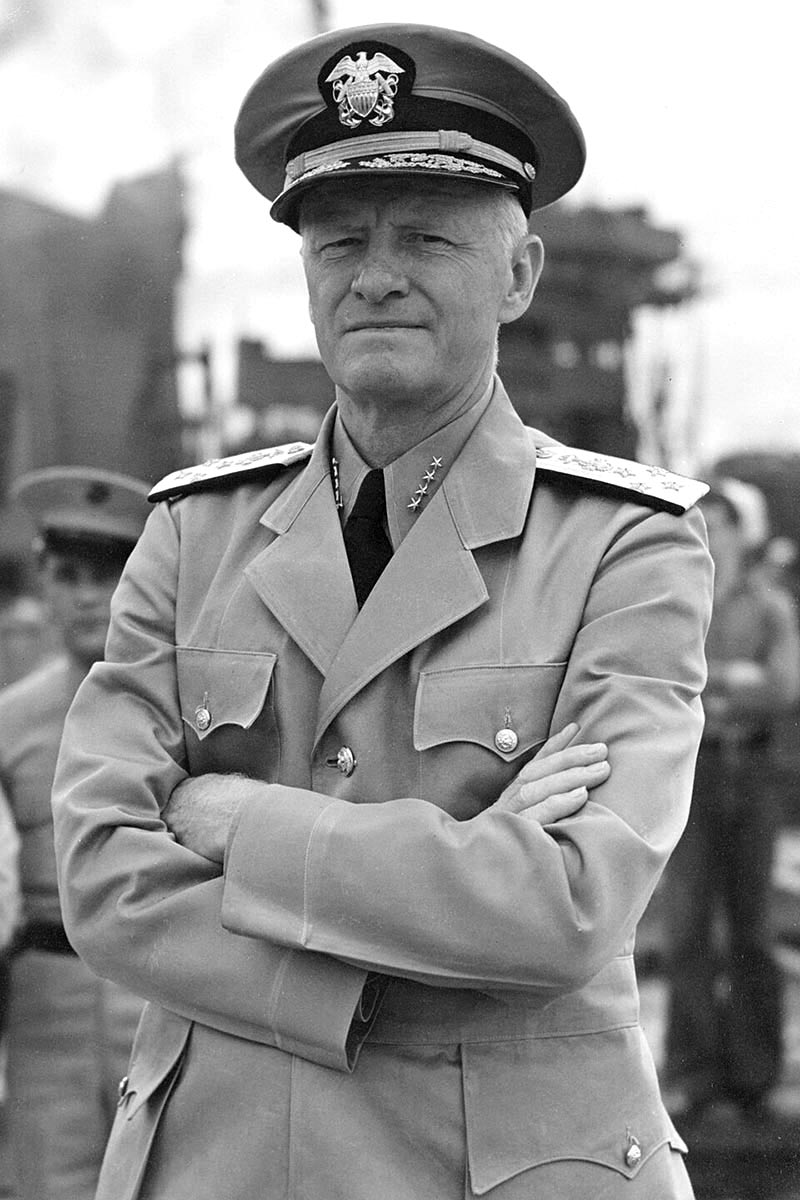
Chester Nimitz, a soft-spoken Texan who spent much of his career working with submarines, was arguably the driving force behind the Allied victory in the Pacific Theater. Before WWII, Nimitz was the Navy’s leading expert on refueling techniques at sea, which became crucial for the Allied war effort. He was also the chief of the Bureau of Navigation. His demeanor and leadership skills made him an ideal commander of the US Pacific Fleet after the shock of the Pearl Harbor attacks.
After turning the tide of the war at the Battle of Midway Island in 1942, the US Navy in the Pacific shattered the Japanese navy and merchant marine. Nimitz ordered his subordinates to wear the Japanese down by a series of coordinated thrusts in the South and Central Pacific. He oversaw a massive expansion of his headquarters and supported US submarine and intelligence collection tactics. By 1945, he was regarded as one of the most effective Allied commanders. After the war, he succeeded Admiral Ernest King as Chief of Naval Operations. He died in 1966 as a Fleet Admiral in San Francisco after a lifetime of service.
4. William Halsey: Hit Hard, Hit Fast
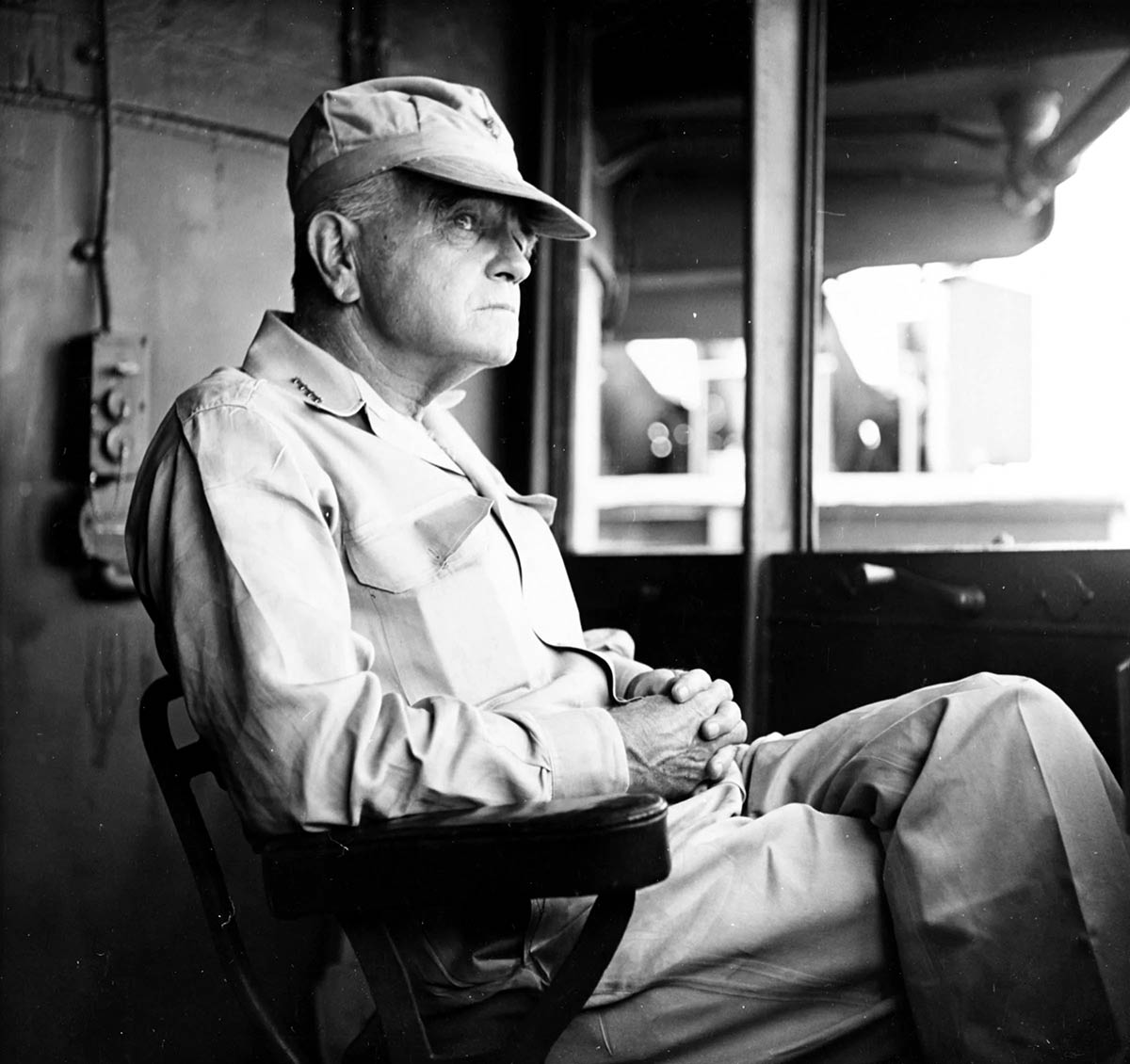
In contrast to his cool and collected superior, Admiral William Halsey was a ruthless and hard-driving commander of the US Third Fleet. Born in 1882 in New Jersey, Halsey once stated, “When we first started out, I held that one of our men was the equal of three Japs. I have since increased this to twenty. Japan’s next move will be to retreat; and they will keep on retreating.”
Before WWII, he served in the Great White Fleet and commanded a destroyer in WWI. By 1938, he reached the rank of rear admiral and was in command of the USS Saratoga. During the Pearl Harbor attack, he attempted to counterattack the Japanese fleet but failed to identify their location.
Throughout the rest of the war, Halsey alternated command of the US Pacific Fleet’s main striking force with Admiral Raymond Spruance. Halsey sought to use the Third Fleet’s striking power to hammer Japanese garrisons across the Pacific and aimed to finish off Japan’s carrier strike group, coining the phrase “Hit hard, hit fast, hit often.” He worked closely with General Douglas MacArthur who shared his aggressive inclinations.
While some officers criticized him for failing to anticipate the Japanese offensive in Leyte Gulf, he managed to recover his stance and he ended the war in Tokyo Bay. After the war, he made the rank of fleet admiral and retired in 1947. While the Battle of Leyte Gulf tainted his record, he still earned a reputation as a hardened, ruthless commander unafraid to take on the Japanese head-on.
5. Raymond Spruance: The Quiet Warrior
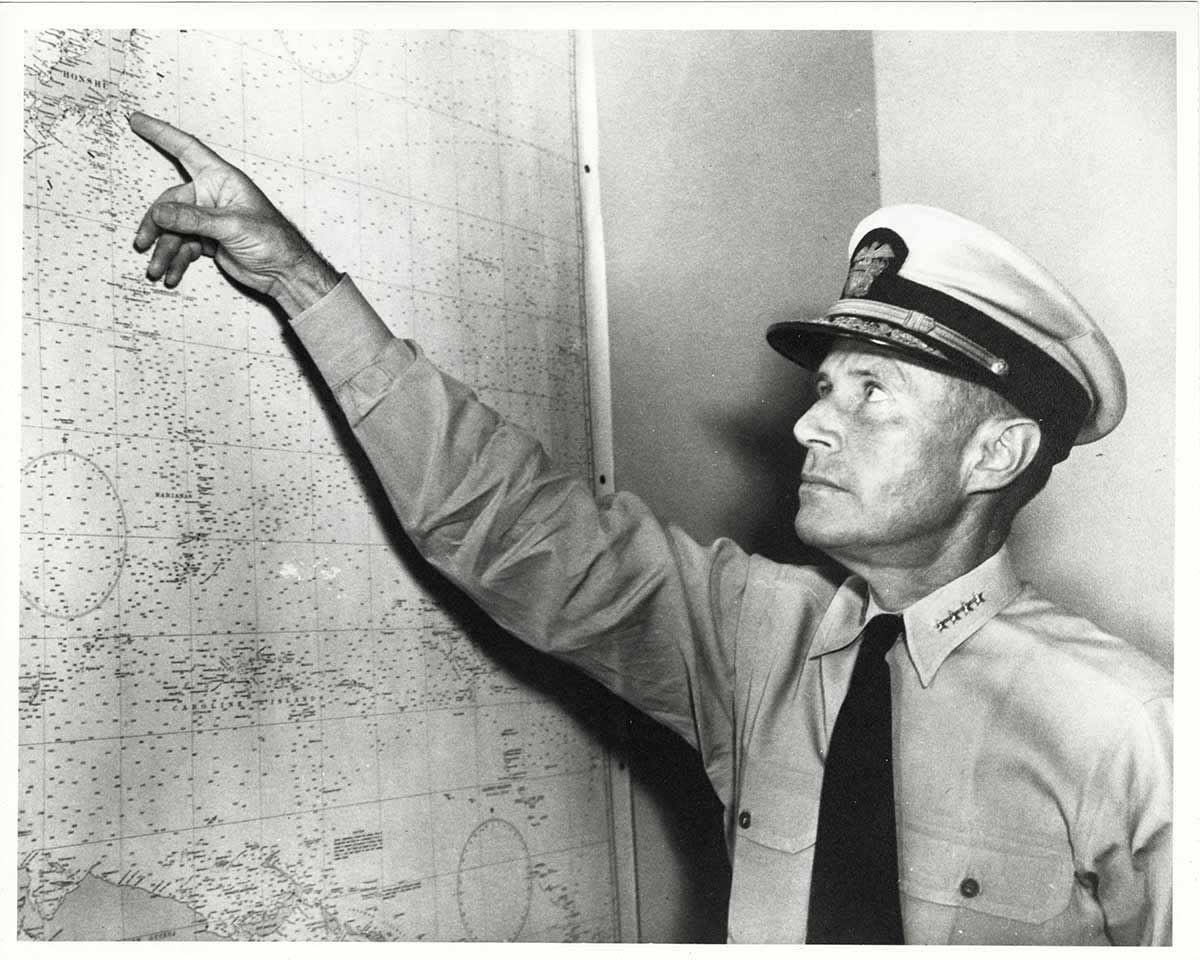
In contrast to the aggressive, impetuous Admiral Halsey, Raymond Spruance was careful, measured, and respectful, earning himself the nickname “Quiet Warrior.” During WWI, he was mostly on shipyard duty in the US and Scotland. At the start of WWII, he was stationed in Puerto Rico at a dockyard in San Juan. When the US entered the war, he was transferred to the Pacific Fleet and given command of a squadron of cruisers.
In 1942, he won one of the most consequential battles in naval history off Midway Atoll. Thanks to the work of American intelligence, the US Navy knew that Midway was a target and assembled two task forces with three aircraft carriers. Spruance was a Rear Admiral in command of Task Force 16. He oversaw the attack that sank four Japanese carriers and changed the course of the war.
Afterward, he became commander of the main naval striking force, which was called the Fifth Fleet when under his command. He again defeated the Japanese fleet in the Philippine Sea, which led to the destruction of most of Japan’s remaining carrier squadrons. He ended the war overseeing air strikes on Japan proper. After the surrender, he was appointed President of the Naval War College until his retirement in 1948 as a four-star admiral. From 1952 to 1955, he served as Ambassador to the Philippines. Today, he is considered one of the most successful commanders of a carrier group in history and is regarded as a role model for young officers aspiring to become high-ranking officers.
6. Hyman Rickover: The Father of the Nuclear Fleet
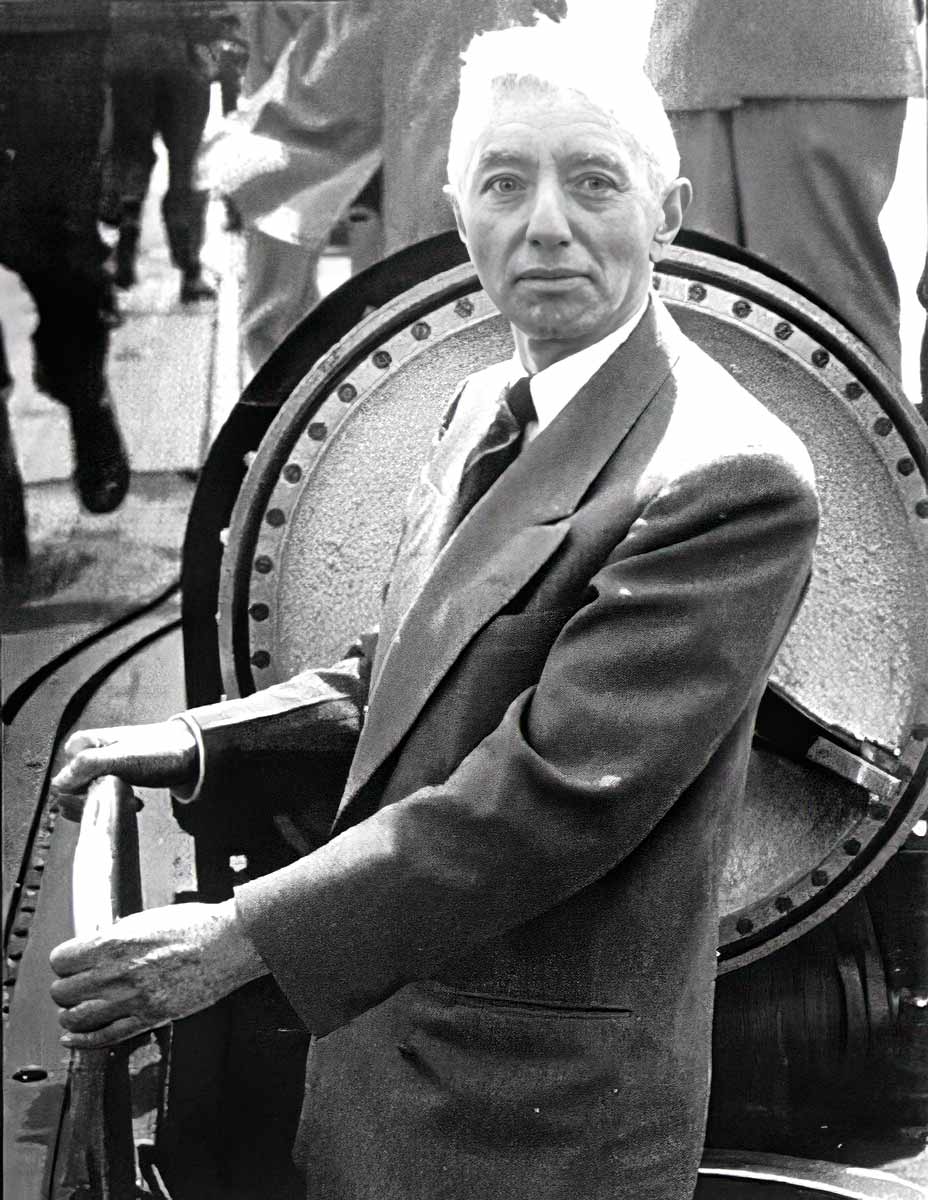
One of the biggest technological leaps the US Navy made was the transition to nuclear power. This was largely thanks to the efforts of Admiral Hyman Rickover. Born in Poland to a Jewish family, Rickover arrived in the US in 1905 and enrolled in the US Naval Academy in 1918. During his early years in the service, he became an expert in engineering and received a master’s degree from Columbia University. During the Second World War, he was given several different commands, overseeing naval supply depots or serving as the chief engineering officer on several vessels.
By the end of the war, he was the inspector general of the 19th Fleet and worked with General Electric at Schenectady, New York, to develop a nuclear propulsion plant for destroyers. When the Navy began to embrace the idea of powering its ships through nuclear propulsion, Rickover became a passionate advocate of using this technology on submarines. By 1954, he oversaw the launching of the first nuclear-powered submarine in history, the USS Nautilus.
In 1958, Rickover was promoted to vice admiral and was in charge of overseeing the expansion of the nuclear-powered fleet of ships and boats. His insistence on safety ensured that the US Navy never had a nuclear accident on any of its ships. In 1982 he was forced to retire by opponents in Congress and within the Navy who were angered by his combative demeanor. With 63 years of active duty service, Rickover holds the distinction of being the longest-serving member of the US armed forces in history. After his death in 1986, he became known as the “Father of the Nuclear Navy.”
7. Elmo Zumwalt and the Brown Water Navy
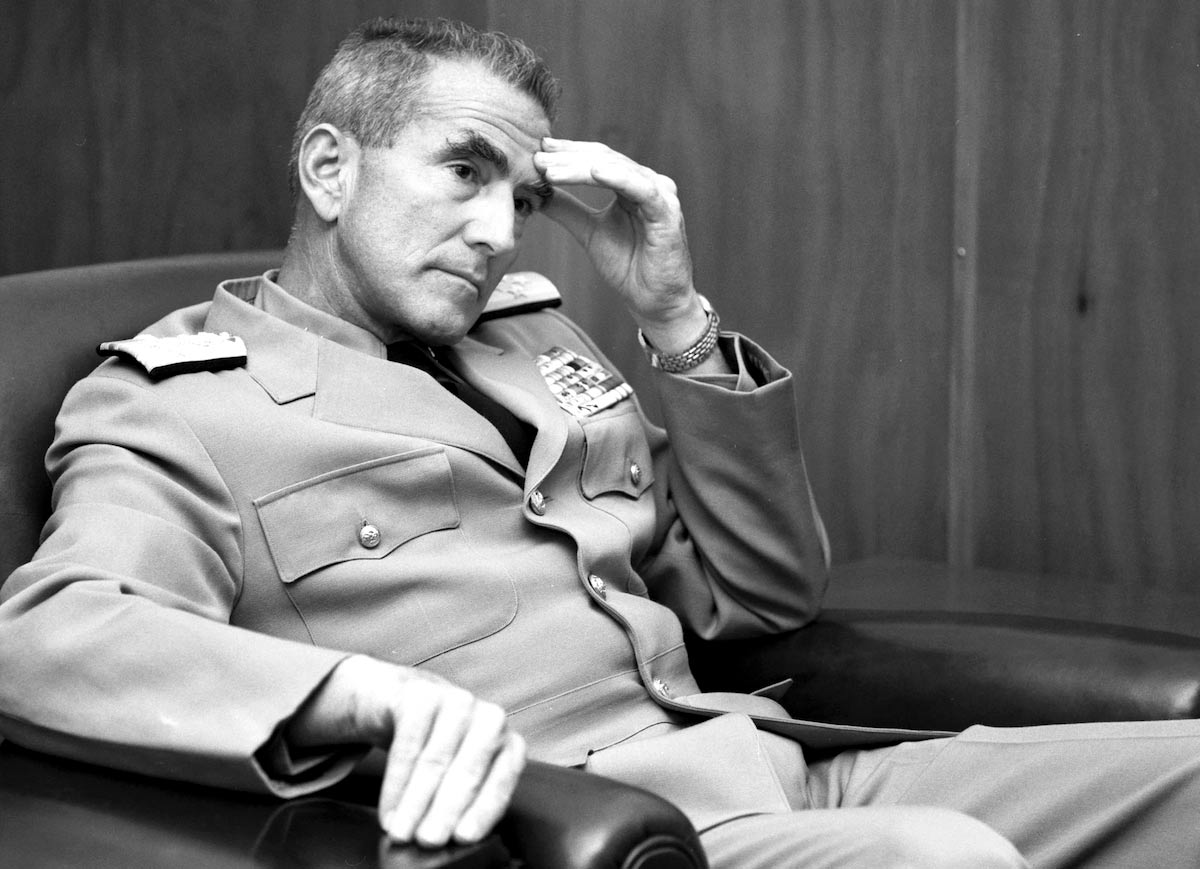
Elmo Zumwalt was born in San Francisco in 1920. He was an accomplished naval officer who gained a Bronze Star for his actions aboard the USS Phelps during the Battle of Leyte Gulf. After graduating from the US Naval Academy in 1942 he became a well-regarded officer and held various postings.
During the Vietnam War, he became a rear admiral and vice admiral, initially commanding a destroyer squadron before becoming commander of Naval Force Vietnam. His ships in this capacity were known as the “Brown Water Navy”, a collection of patrol craft and other small vessels that patrolled the Vietnamese coastline or conducted riverine raids. While the overall performance of the US military in Vietnam was poor, Zumwalt’s flotilla proved to be very effective and was considered an ideal model for riverine warfare.
In 1970, President Nixon appointed Zumwalt Chief of Naval Operations, the 19th and youngest man to hold the post. He sought to reform the Navy’s standards and reduce friction in the ranks by issuing a series of directives known as Z-grams. These included allowing sailors to have facial hair, installing vending machines with beer in barracks, and authorizing the wearing of civilian clothes on shore bases during and after the evening meal. Additionally, he began phasing out a lot of America’s old warships against the wishes of much of the Pentagon.
These steps, while causing resentment from some of the more established naval bureaucrats in Washington, helped the navy regain confidence in the aftermath of the Vietnam debacle. They also helped ease many of the significant tensions between enlisted men and junior officers, a major issue in the waning years of the war. After his term as CNO, he won the Democratic nomination for the 1976 senatorial election in Virginia but lost to the Independent incumbent Harry F. Byrd Jr. Throughout his career, he was popular among the rank-and-file, but resented by much of the senior brass.
American Admirals and Naval Supremacy
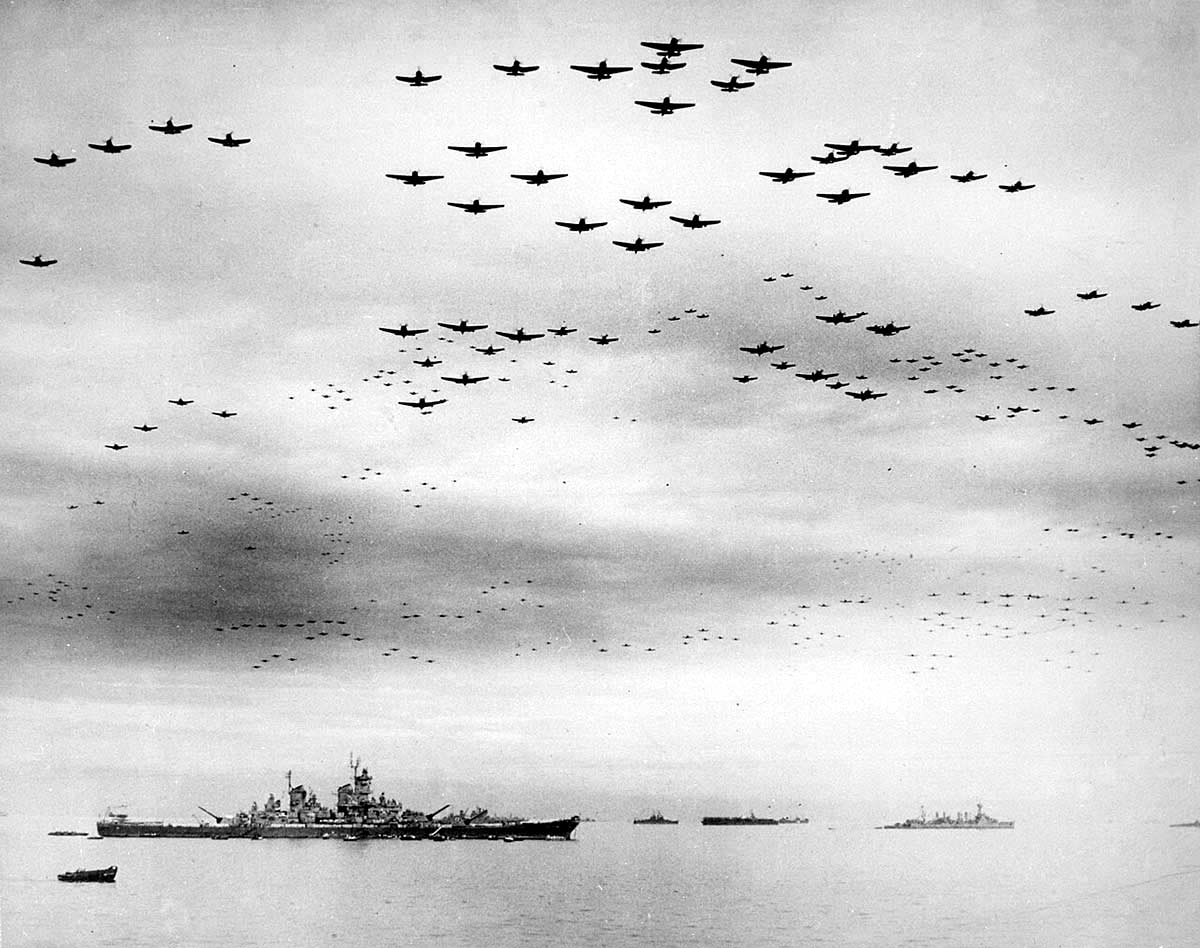
The naval commanders listed above varied in their approaches to fighting and had different styles of command. Some, like Admiral Nimitz, were calculating and analytical. Others, like Admiral Farragut, were ruthless and aggressive, seeking to fight at the first available moment. What made them alike was the fact that they helped turn America into the world’s preeminent naval power.
Dewey helped America become a Pacific power by destroying the Spanish fleet in Manila Bay. Nimitz oversaw the largest fleet in history and defeated Japan’s ambitions in the Pacific Theater. Rickover helped get the navy to embrace nuclear power, one of the biggest technological upgrades in maritime history.
Throughout the Cold War and to this day, the United States is able to project force in a way that previously only Britain’s Royal Navy could do. The United States embraced Admiral Alfred Thayer Mahan’s theory of naval power, enabling it to become a strong force on the seas. Without the Navy’s willingness to project force, America would have been a land power only able to influence the American continent. Today, the United States Navy remains the leading naval power in the world with eleven aircraft carriers, ensuring that it can use force against any point on the globe.