
When the Soviet Union was created following the Russian Revolution, it was clear that the United States would have a contentious relationship with the new regime. For more than a decade after the Bolsheviks won the Civil War, the United States did not recognize the new communist state. Even after doing so in the 1930s, US-Soviet relations were still marked by hostility and mistrust. The Second World War briefly brought the two countries together to fight the Axis. After the war, the old suspicions quickly came back.
The Russian Revolution and the Rise of Bolshevism
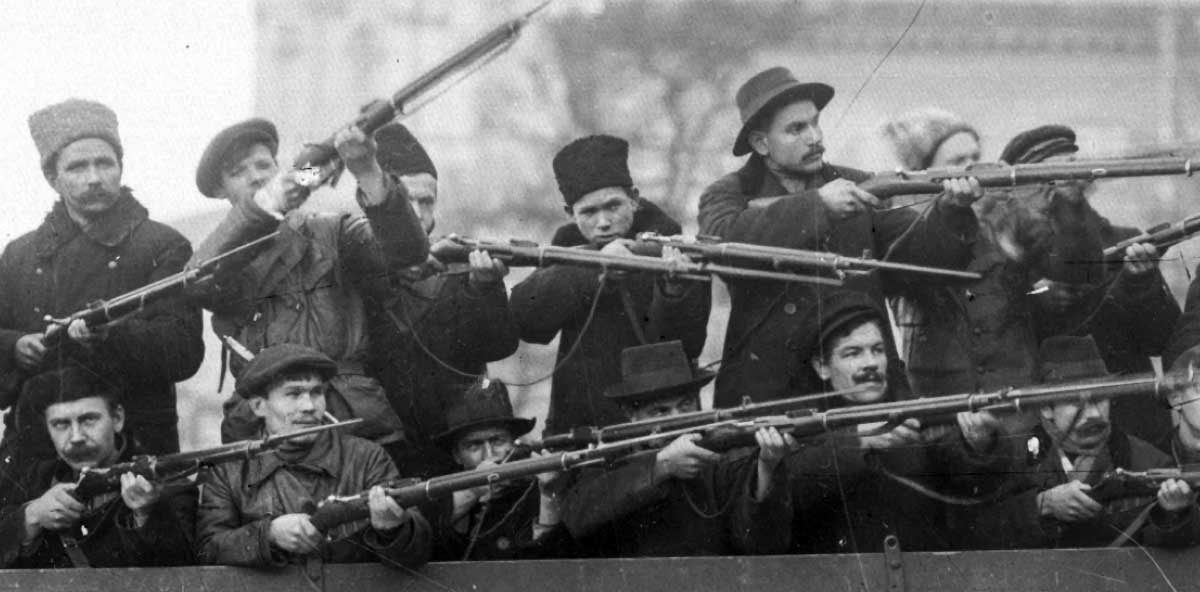
In 1917, domestic opposition to Russia’s involvement in the First World War and rising nationalist sentiment led to the overthrow of the Tsar in the February Revolution. The new Provisional Government struggled to cope with the wartime economic crisis and was in turn overthrown in the October Revolution by the radical left-wing Bolshevik faction led by Vladimir Lenin. Lenin’s takeover was marked by a massive social upheaval across the empire: the destruction of the landowning class, the creation of new nations on the Russian periphery, and the demobilization of the military. Even as WWI continued to rage, every single country around the world followed events in Russia with trepidation.
The Bolshevik Revolution was opposed by a variety of actors: former supporters of the Tsar, supporters of Alexander Kerensky’s Provisional Government, and various nationalist movements seeking to break away from Russia. The October Revolution was soon followed by the Russian Civil War. Throughout the empire, the Bolshevik Red Army fought the right-wing White Army, Polish and Ukrainian national armies, various groups of Cossacks, and a host of other actors seeking to take advantage of the chaos. Russia’s descent into anarchy and war meant it was not considered a victor at the end of WWI. The large number of enemies the Bolsheviks faced both in Russia and on the global stage contributed to a siege mentality held by Lenin and his apparatchiks. Across the Atlantic Ocean, the United States paid close attention to the changing developments in the world’s largest country.
American Response to the Revolution
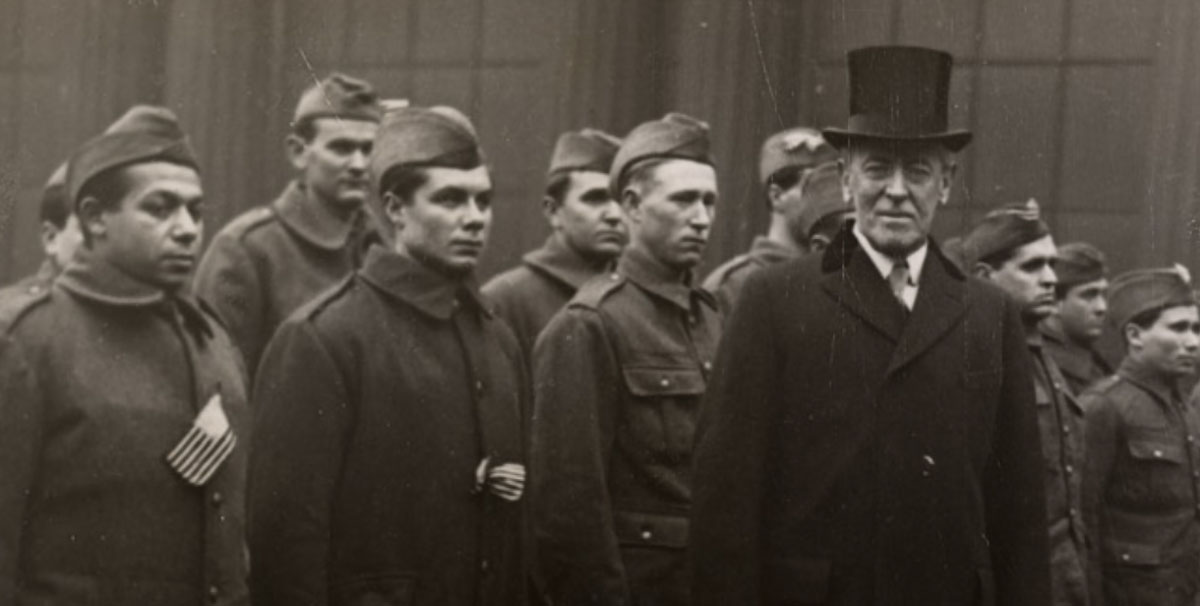
President Woodrow Wilson had promised that the United States would stay out of foreign conflicts upon being elected in 1912. Once the Americans entered WWI on the side of the Allies, he sought to establish a new world order that would guarantee world peace. In January 1918, he presented his Fourteen Points in a seminal speech setting out his principles for the postwar period. One of his main points was that the self-determination of minority groups throughout Europe had to be respected, including calls for independence. He was vague about his opinion on the new regime in Russia; his calls for all foreign soldiers to leave Russia was conciliatory to Lenin but he also called for Polish independence.
The defeat of Germany in November 1918 set the stage for the Versailles Conference in 1919. Wilson hoped to use the Fourteen Points to set the terms of the final agreement. Thanks to the separate Treaty of Brest-Litovsk signed between Soviet Russia and the Central Powers, Russia was not invited to the conference. However, representatives of the White movement came and convinced the Allies that the Bolsheviks were a threat. Other national delegations, such as the Poles, Ukrainians, and Czechs, were also present to promote their national visions. While the United States favored a large Russia as a stabilizing force, domestic political considerations (such as the Polish-American vote) and the fear of Bolshevism meant the US was caught in a contradictory situation.
US Intervention in the Russian Civil War
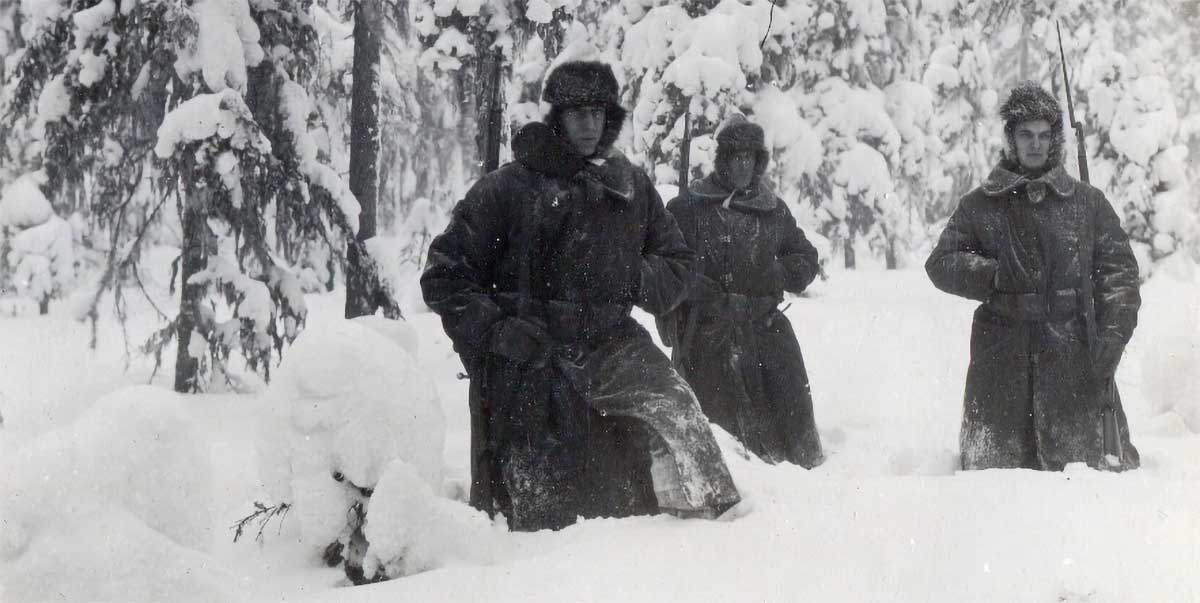
Wilson had to decide whether to support the independence movements or to back the Whites, who wanted to maintain the imperial borders. He decided to compromise by recognizing the independence of Poland and Baltic states, but not other parts of the Russian Empire. He also made a fateful decision: he ordered American forces to join an Entente task force seeking to topple Bolshevik rule. Lenin’s Red Terror horrified Allied policymakers and his withdrawal from WWI had angered Allied military leaders. In the Arctic Circle and Siberia, ill-equipped American troops found themselves fighting in a war they had not signed up for.
Initially, the Allied presence in Russia was not about intervening in the Civil War, but to secure arms depots in Russia and reopen the Eastern Front. Wilson shared these goals and did not want to get involved in the fighting between the Whites and Reds. Nonetheless, US troops were in combat quickly and the Allies found themselves committed to helping the White movement topple Lenin. All over the Russian Empire, the Bolsheviks were pushed back. In the East, Admiral Alexander Kolchak controlled Siberia, while Anton Denikin’s army in the south came within 150 miles of Moscow. However, the failure of separate White armies to coordinate their attacks and the Red Army’s ability to use railroads in the Russian heartland to move troops between fronts enabled them to establish control over much of the former empire, leading to the creation of the Soviet Union in 1922. However, Wilson’s foreign policy goals were partially achieved as Poland, Finland, and the Baltic states remained independent.
The 1920s Red Scare
American intervention in Russia had major repercussions. Future Soviet leaders would argue that the US military had attempted to destroy Soviet Russia in its infancy. They also refused to pay war debts from the Romanov era, meaning that the US refused to recognize Lenin’s government. The success of the Bolsheviks contributed to the rise of isolationist sentiment in the United States, and the United States never joined the League of Nations, the organization founded under Wilson’s guidance at the Paris Peace Conference.
Within the United States, there were large numbers of Bolshevik sympathizers, including communists, anarchists, and socialists. Most acted on their own accord. Nonetheless, the US government became convinced they were controlled by Lenin’s agents. The crackdown involved state executions, deportations, and immigration restrictions. The 1920s Red Scare became the first chapter of the US-Soviet relationship and showed how paranoid Americans were about the rise of communism.
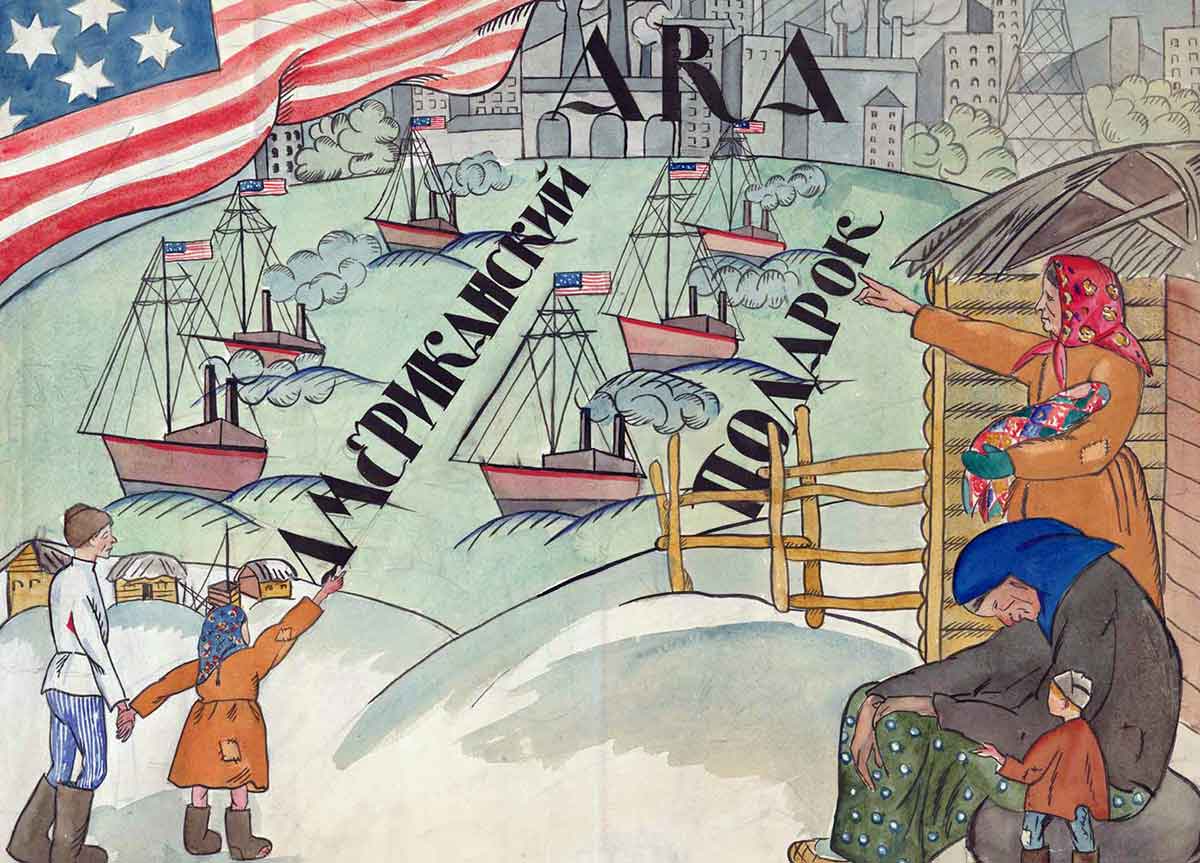
The US government may not have recognized Lenin’s regime, but were willing to negotiate with it and, in some cases, cooperate with it. The end of the Civil War led to a famine throughout the USSR that Moscow was unable to cope with. The American Relief Administration, led by future president Herbert Hoover, sent convoys deep into the heartland of the country to get food to people. For the rest of the decade, Soviets maintained a quiet relationship with American businesses to buy materials to build their economy. This ensured the door between both countries remained slightly open.
Recognition of the USSR
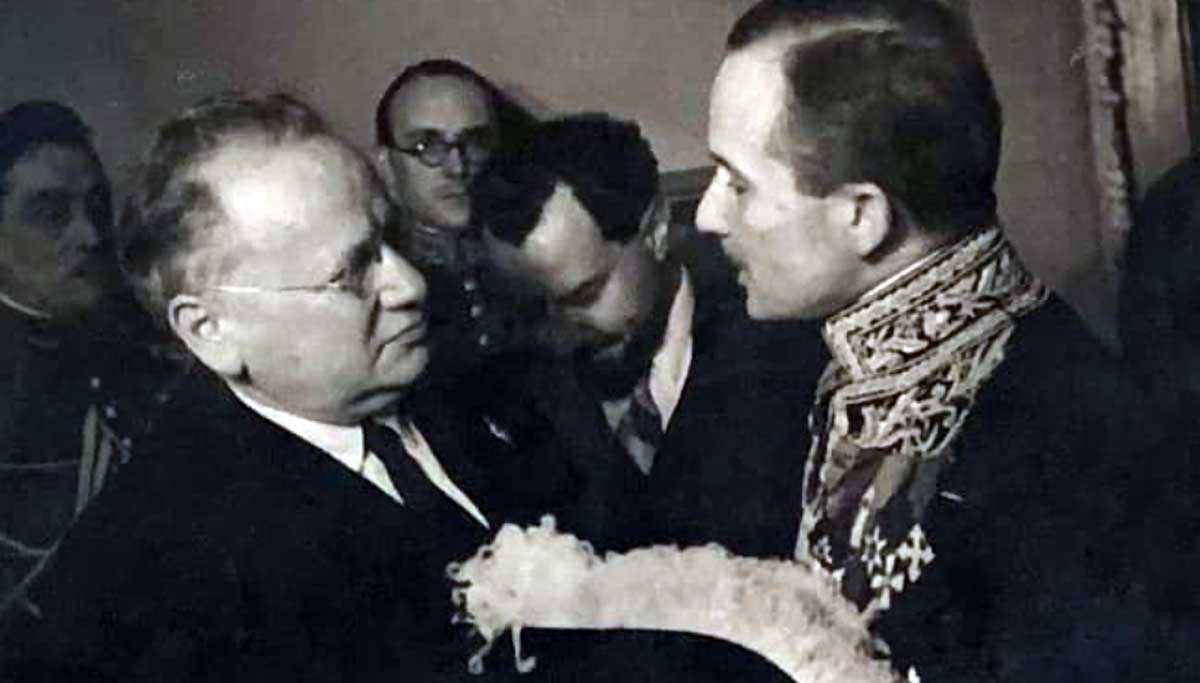
When the Wall Street Crash of 1929 led to the Great Depression and Franklin Roosevelt’s election in 1932, the relations between the USSR and the US became much more open. In 1933, FDR met with Soviet Foreign Minister Maxim Litvinov and formally recognized the USSR. This decision was intended to open trade ties and obtain Soviet support for confronting Japanese expansionism in Asia. It also allowed Americans who wished to visit the USSR a chance to see the country.
Many Americans had been awed by the industrial development of the USSR and desired to visit the country. They believed that the country had been immune to the Great Depression and were not aware of the intense repression that took place there. Many black Americans, like Paul Robeson, believed that the USSR was a racism-free paradise. As a result, tens of thousands traveled there for work and tourism. While many of these people returned to America disillusioned by the reality on the ground, the US government tolerated their travel because they had a steady relationship with Moscow at the start of the decade.
Litvinov was a major supporter of US-Soviet relations because he feared the rise of facism in Europe and Asia. Joseph Stalin welcomed American recognition of his regime, but still did not trust Washington. Therefore, he vetoed any agreement with the Americans targeting the Nazis and the Japanese. Litvinov’s desire for closer ties made him suspect in Moscow, although he remained in his post until 1939, when he was replaced by Vyacheslav Molotov.
Countdown to War
Out of sight of much of the world, Joseph Stalin sought to remake the USSR in line with his personal vision. Stalin initiated a purge of enemies, including in his own party, believing them to be disloyal to him. The Great Purge, along with state-engineered famines, became a signature part of Stalin’s rule. His purge was not only directed at opponents of communism: it targeted his rivals from within the Communist Party. It was also in line with his paranoia that the rest of the world was seeking to remove him from power.
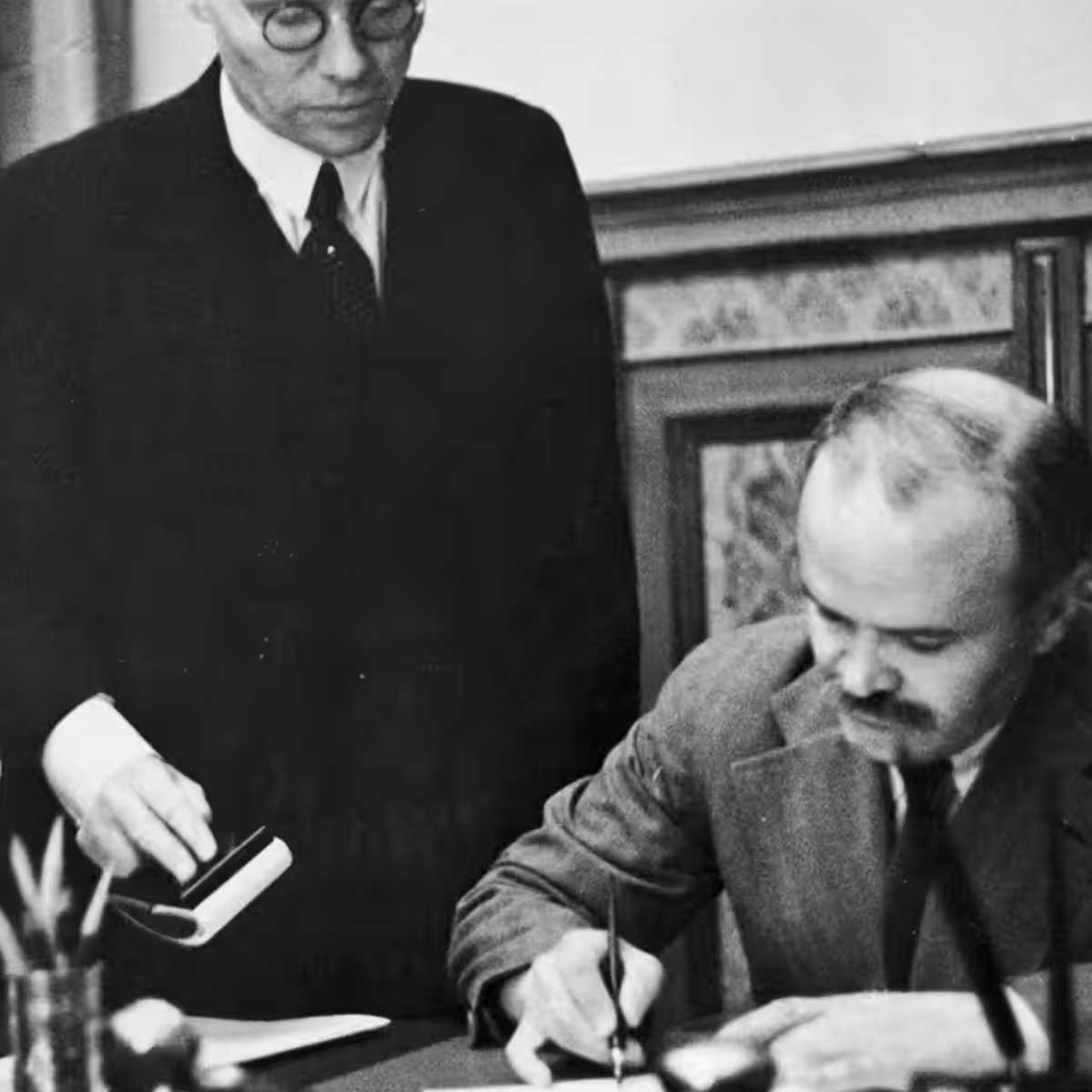
The Roosevelt administration had been horrified by Stalin’s actions but did not publicly confront him. FDR hoped he could still be a partner in dealing with the Germans and the Japanese. This changed when Hitler and Stalin agreed to put aside their differences with the Non-Aggression Pact of 1939. The failure of the Munich Agreement convinced Stalin that he had no choice but to work with Hitler. A secret protocol in the agreement envisaged the division of Poland and the Baltic states between Nazi Germany and Soviet Russia.
The White House was a strong supporter of Poland and the Baltic states and was furious. Secretary of State Sumner Welles issued a staunch condemnation of the agreement. This action pushed the United States closer to the French and British. However, FDR did not totally cut ties; he still hoped that he could convince Stalin to join the US in deterring Japan. This did not change even after the invasion of Poland.
WWII and Lend Lease
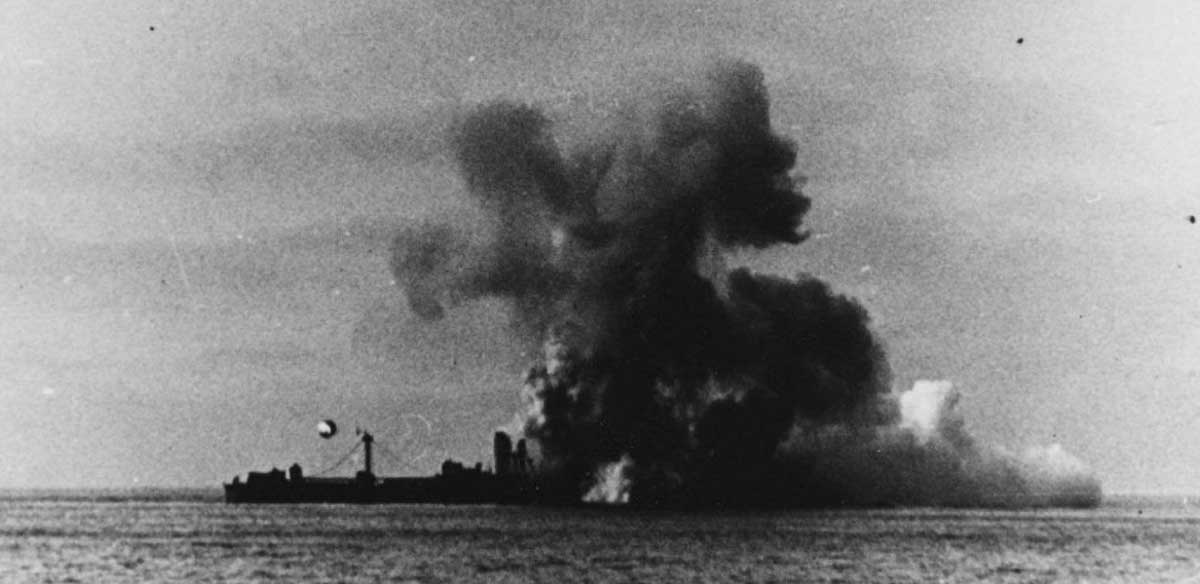
On June 22nd 1941, Hitler broke the Non-Aggression Pact by launching an invasion of the Soviet Union. Soviet armies crumbled in the wake of the German tanks, and the country needed all the help they could get. America expanded its Lend-Lease Program to ensure aid could be sent to anyone fighting the Axis, including the Soviet Union. When America officially entered the war after Pearl Harbor, the tripartite alliance between the United States, Britain, and the Soviet Union was formalized. This new alliance lasted the war and temporarily put aside concerns about Stalin’s behavior and dictatorial rule.
To get supplies to the Red Army, the Western Allies sent convoys via the Arctic Ocean bearing arms and money. Although these convoys were attacked relentlessly by the Germans, they still continued to plow on. American Lend Lease supplies provided a lifeline to the Red Army as it faced the German onslaught. While the USSR publicly downplayed the help received from the Americans, even men like Marshal Georgy Zhukov stated that the Soviets would have lost the war without Lend Lease.
The “Big Three” Allied Powers held three major conferences during the war at Tehran, Yalta, and Potsdam. The theme of each was wartime cooperation and postwar planning. For instance, the Soviets agreed to the American request to help defeat Japan after Germany surrendered. All the Allies agreed to conduct a postwar occupation of Germany to denazify the country. However, disagreements over Soviet control of Eastern Europe and America’s atomic weapons program caused the alliance to break down and triggered the Cold War.