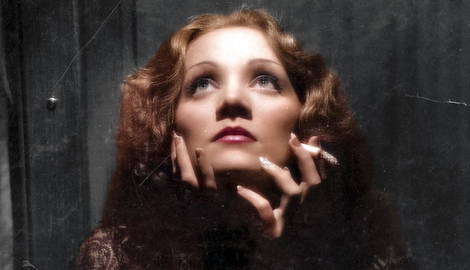

Remembered as one of early Hollywood’s boldest stars, Marlene Dietrich transformed her fame into a weapon against Nazi Germany. Despite Hitler’s attempts to lure her home as the face of Nazi cinema, Dietrich became an American citizen and toured the United States to sell war bonds. She donated her Hollywood paychecks to aid Jewish refugees and recorded propaganda music to weaken German morale. Her fight even reached the front lines, where she braved harsh conditions to perform for thousands of Allied troops from North Africa to England.
Rising From Berlin Cabarets to Hollywood Stardom
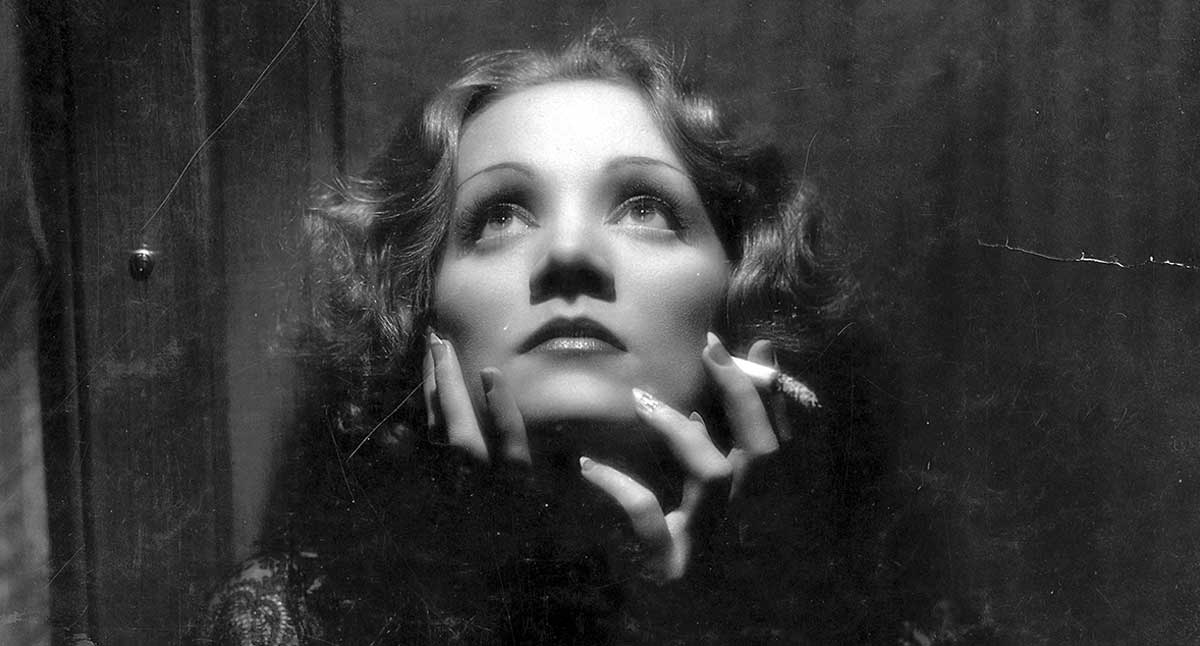
Born in 1901 in Berlin, Germany, Dietrich’s upbringing was marked by the violence of the First World War. Like many others, she turned towards the vibrant and expressive post-war art scene in Berlin. She quickly captivated audiences as a talented cabaret singer, actress, and dancer. Her scandalous lifestyle as a bisexual mixed with her alluring charm and more masculine style made her a sensation in the Weimar Republic. After the success of The Blue Angel (1930), Dietrich captured the attention of Paramount Pictures and Hollywood. Within a few years, she was one of the highest-paid and most acclaimed actresses in the world.
Refusing Hitler and the Demands of Nazi Cinema
The Reich Ministry of Public Enlightenment and Propaganda desperately wanted Dietrich to return to Germany and become the glamorous face of Nazi propaganda and fascist culture. High-ranking Nazi officials like Joachim von Ribbentrop offered her lucrative deals to become Germany’s biggest movie star. Adolf Hitler was especially eager for Dietrich’s support. He was an ardent fan of her films and allegedly wanted her to become his mistress. Instead, Dietrich rejected and condemned the Third Reich publicly. She even called Hitler an idiot on a British radio broadcast. In response, the Nazi regime labeled her a traitor and banned all of her films and songs.
Renouncing German Citizenship to Fund Refugee Escapes
Dietrich undermined the Nazis before World War II. In 1937, she renounced her German citizenship and created a fund with filmmaker Billy Wilder to help Jewish and other persecuted artists escape Nazi Germany. She donated her salary from the film Knight Without Armor (1937) to fund their evacuations, emigration costs, and new lives abroad.
After the attack on Pearl Harbor in 1941, Dietrich was one of the first celebrities to volunteer in the Allied war effort. She performed across the US in war bond tours. By 1943, she had sold more war bonds than any other star on tour.
Broadcasting OSS Radio Propaganda to Demoralize Axis Soldiers
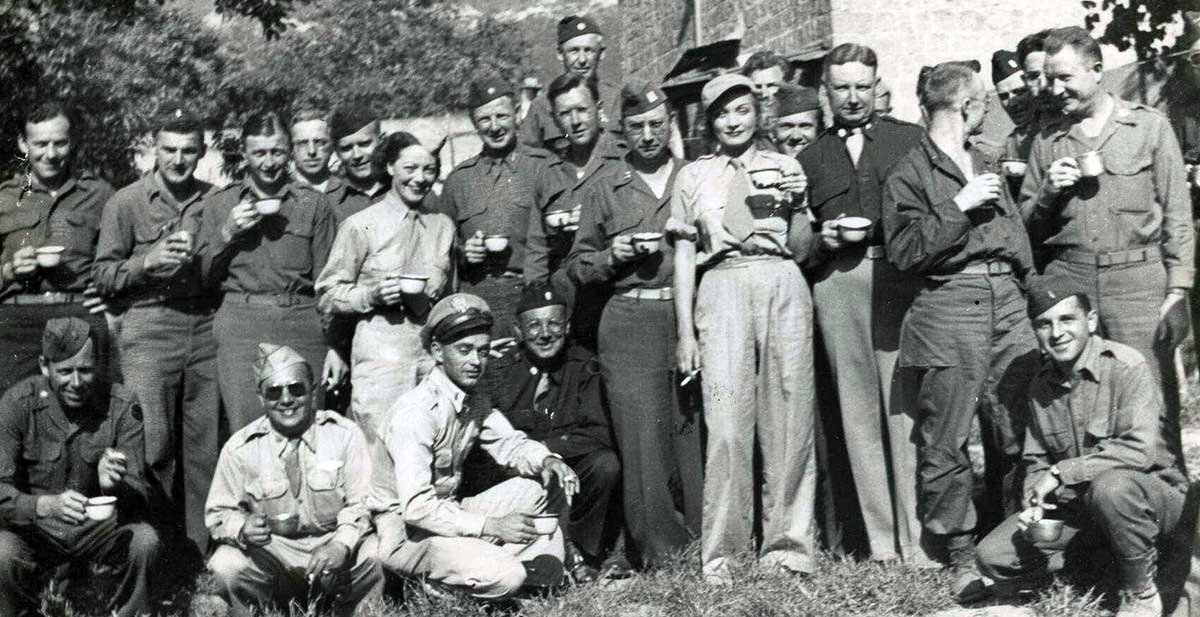
The Office of Strategic Services (OSS) also recruited Dietrich to produce propaganda music. The precursor to the CIA, the OSS developed a plot to mix popular songs with anti-Nazi messages and speeches called the Muzak Project. Dietrich agreed to record famous songs in German that resonated with Axis troops for these broadcasts. She re-recorded songs like “Lili Marleen” and other beloved pieces like “Mean to Me” and “Time on My Hands.” The programs were broadcast into occupied territories to demoralize the German and Italian soldiers and make them question their loyalty to the Axis powers.
Risking Death on the Front Lines During Allied USO Tours
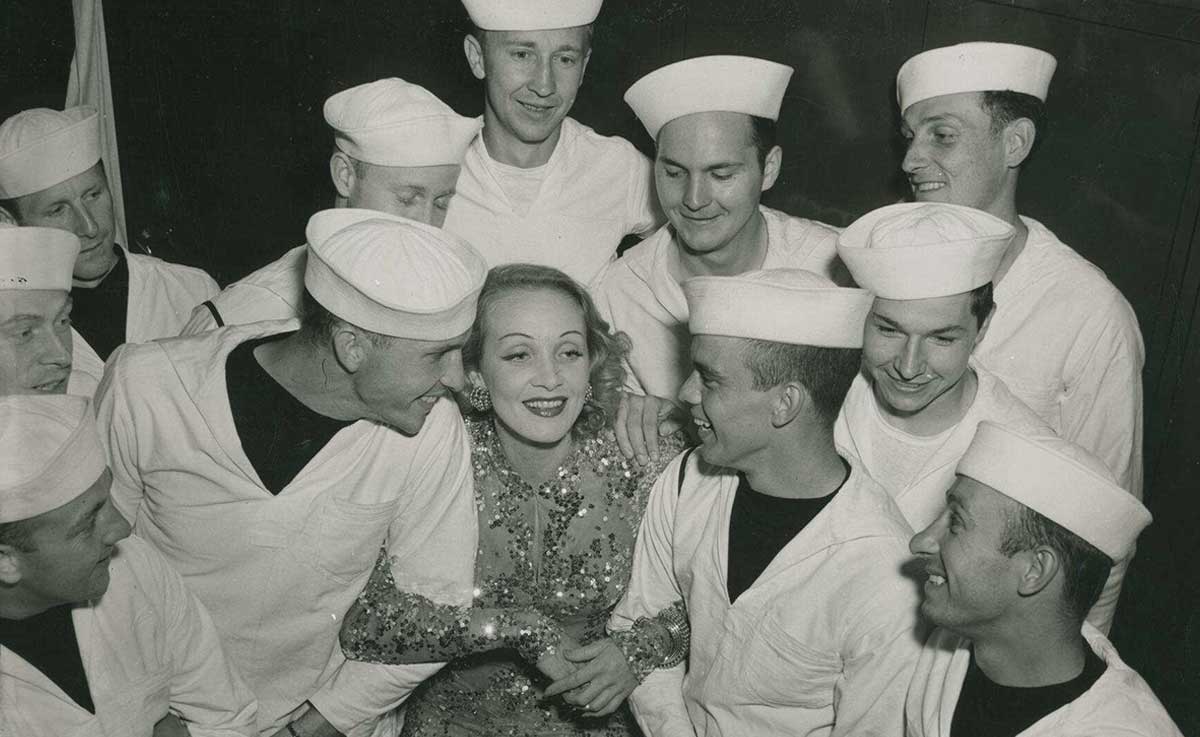
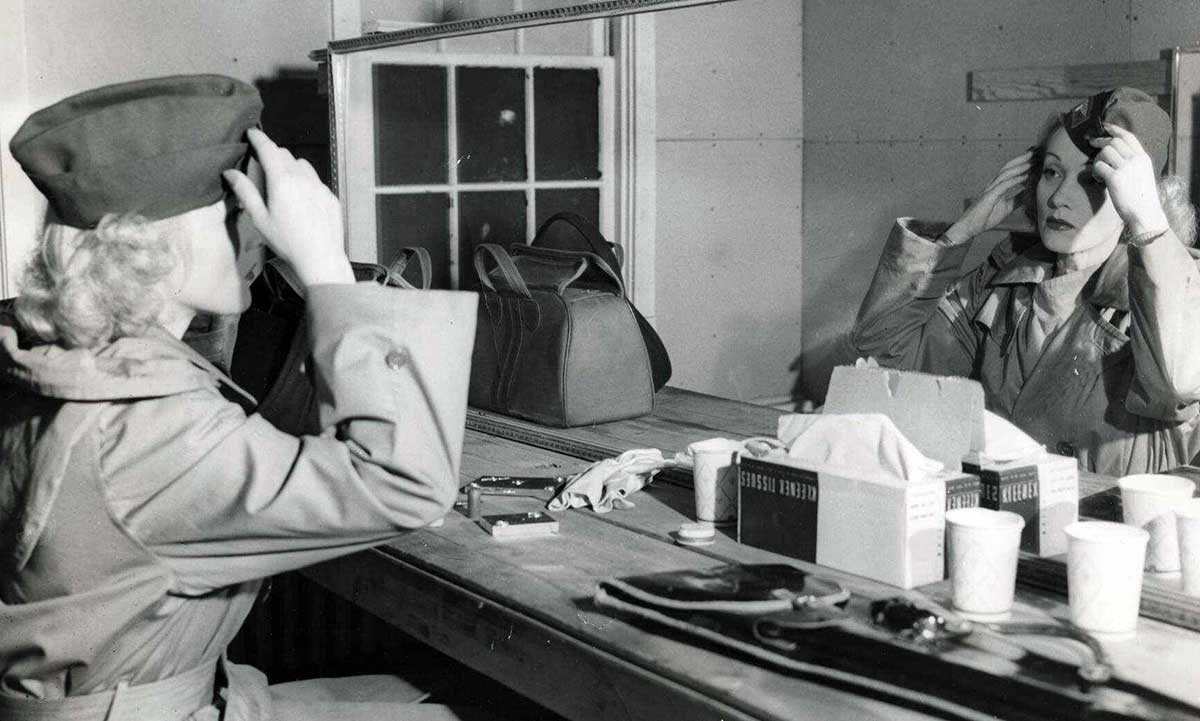
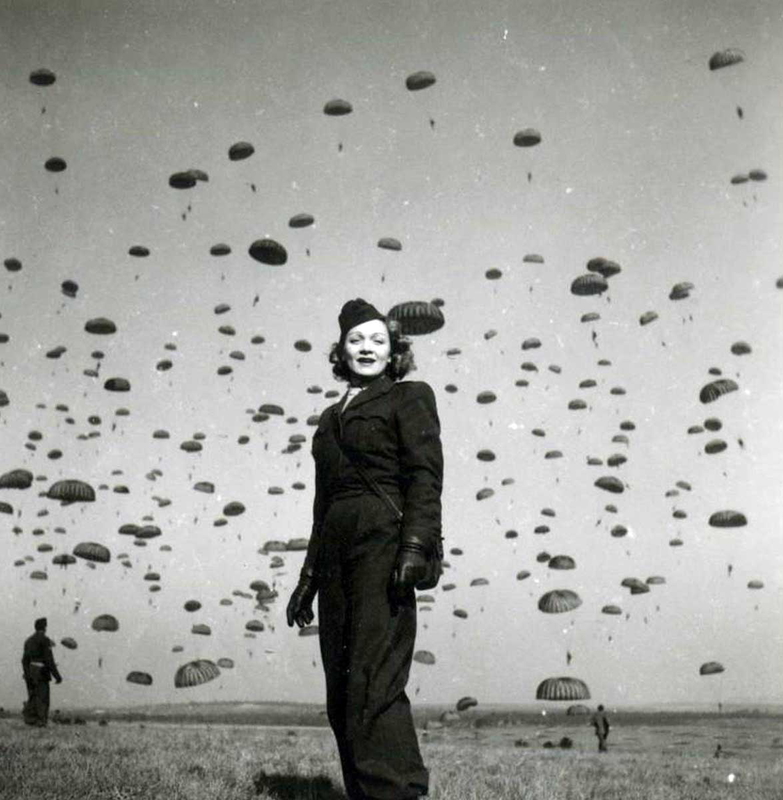
From 1944 to 1945, Dietrich became one of the most involved, resolute, and risky performers on the USO tours. Performing alongside Bing Crosby and the Andrews Sisters, she sang for hundreds of thousands of soldiers to boost morale from North Africa to the front lines in France. Even military commanders like General George Patton were taken aback by how close to the front she was willing to go despite being a marked traitor in Germany.
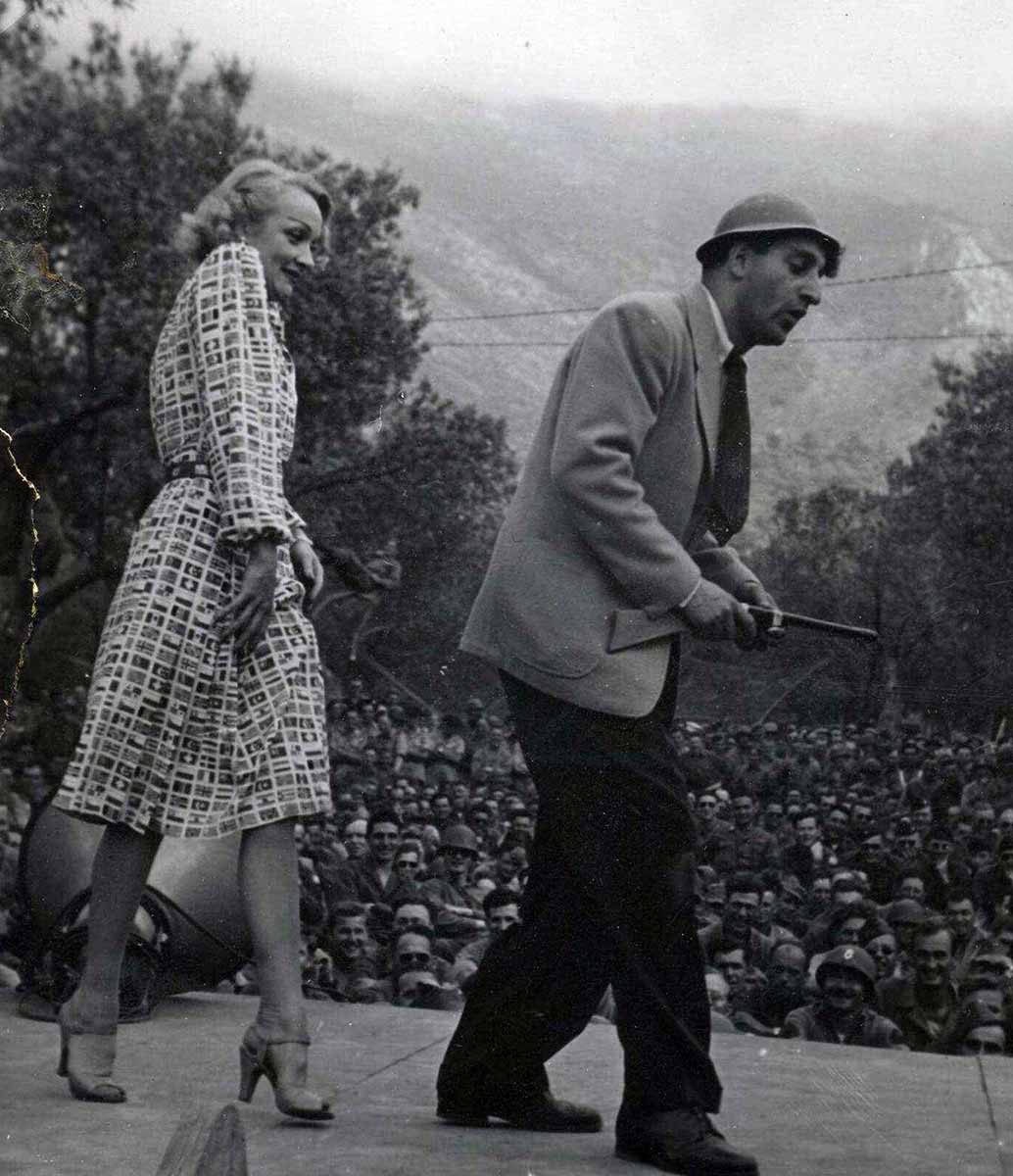
Granted an honorary colonel title, Dietrich charmed military personnel with her cheeky comedy performances, fabulous outfits, and serenades. Other performers joked, “she was always trying to get us killed,” as she remained near the front regardless of nearby shelling, frostbite, or influenza. She danced on makeshift stages with no electricity, wore military boots, slept in tents, ate alongside the soldiers, attended their training, and often visited the wounded.
In 1947, US President Harry Truman awarded Dietrich the Medal of Freedom for her wartime contributions. She stated that it was her proudest achievement and the most important thing she had ever done.