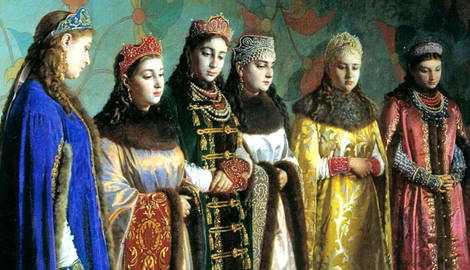

The 16th century witnessed the notorious reigns of monarchs like Henry VIII and Ivan the Terrible, who terrorized their nations, expanded their empires, and scandalized their courts with a multitude of tumultuous marriages. Lesser-known are the six (debatably eight) wives of Ivan the Terrible. Each marriage offers a glimpse into the paranoia, opulence, and cruelty of his reign. While his first wife is remembered as his beloved whose death sent him into madness, his other brides met scandalous and tragic ends through poisoning, murder, and imprisonment in the nunneries.
Ivan the Terrible: Madness and Marriage
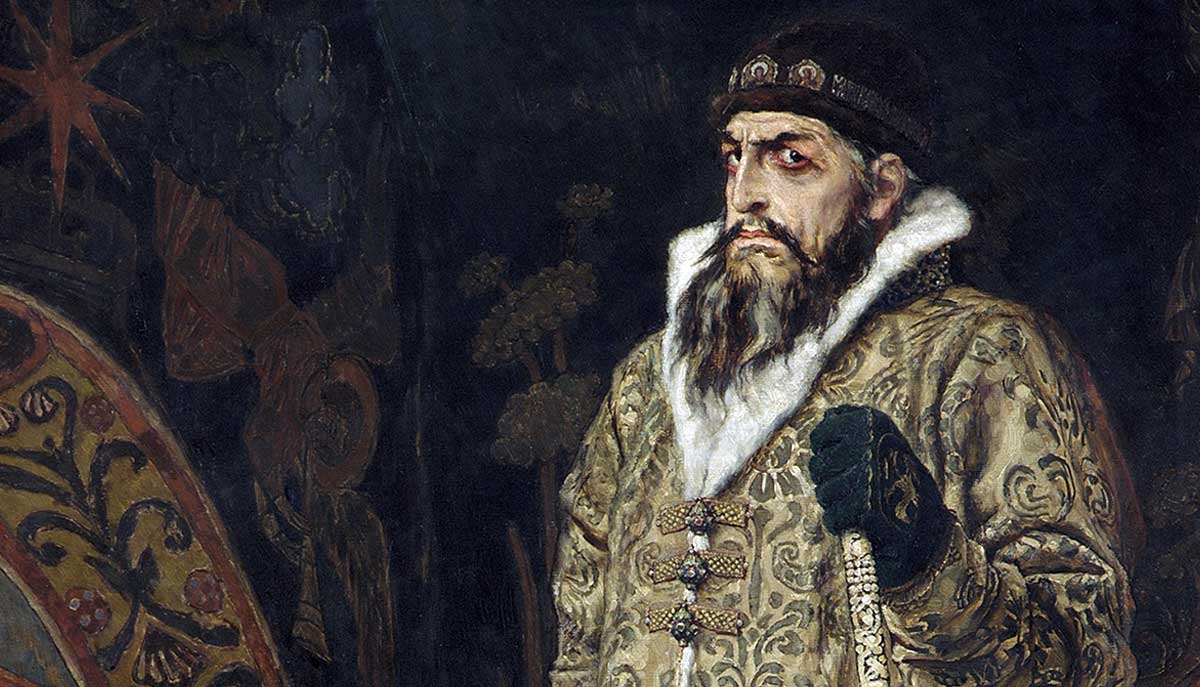
Ivan the Terrible is remembered as one of the most ruthless tsars in Russian history. First crowned the Grand Prince of Moscow in 1533, Ivan IV Vasilyevich became the first Tsar of Russia in 1547. Over his 50-year reign, Ivan oversaw the creation of Russia’s first standing army, the adoption of the printing press, and vast expansion into Siberia. Yet, his volatile childhood, marred by the death of his mother and violent court politics, instilled a deep-rooted paranoia in him that spiraled into periods of madness throughout his reign.
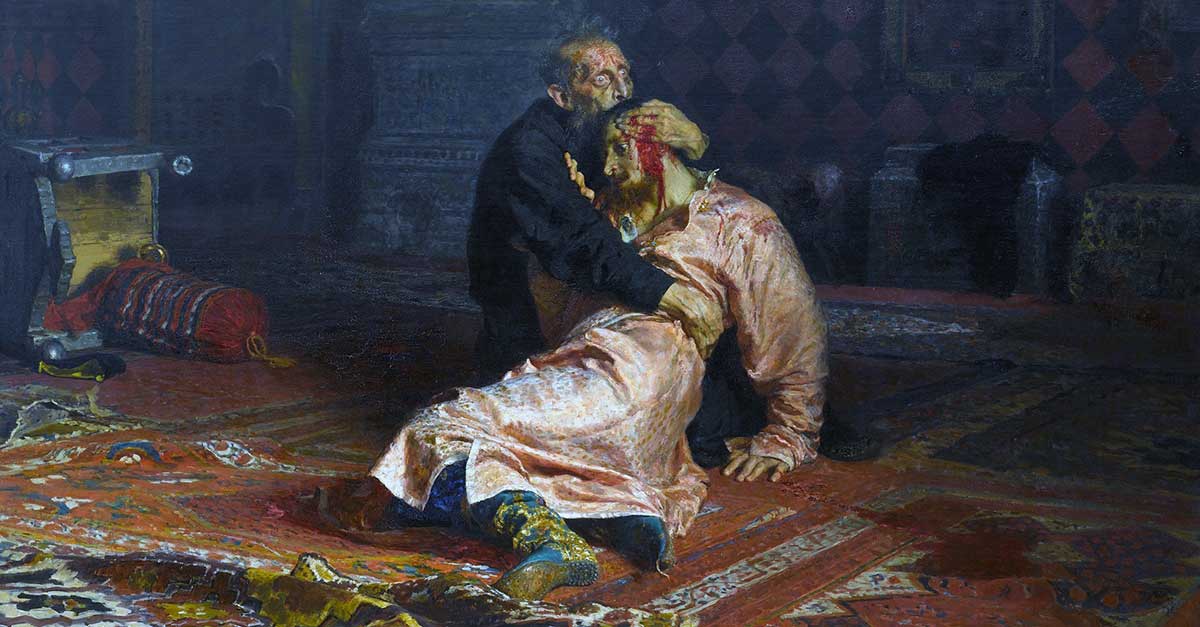
After bouts of illness, the death of two wives, and military defections, Ivan’s paranoia turned into purges against anyone he suspected of treachery, especially the boyars, members of Russia’s nobility. In 1565, he created the Oprichnina, a secret police force that slaughtered tens of thousands of suspected traitors. Most notoriously, he killed his second son and heir, Ivan Ivanovich, in a fit of rage in 1581. It is believed that Ivan was irate at his daughter-in-law’s apparel and beat her until she miscarried. When Ivan was confronted by his son, he allegedly struck his heir with a staff, causing a fatal head wound.
Ivan the Terrible’s love life and marriages followed a similar pattern. Periods of infatuation and love turned into imprisonment and suspicious deaths.
What began as romantic partnerships turned into an obsession to produce heirs to continue the Rurik Dynasty. In the end, four out of his six confirmed wives died from suspicious causes. However, in most of these cases, Ivan does not appear to be the main culprit behind their deaths. Instead, it appears that having the tsar’s love and favor did little to protect tsarinas from the conspiracies and brutality of the Russian court.
First Wife (1547–1560): Anastasia Romanovna
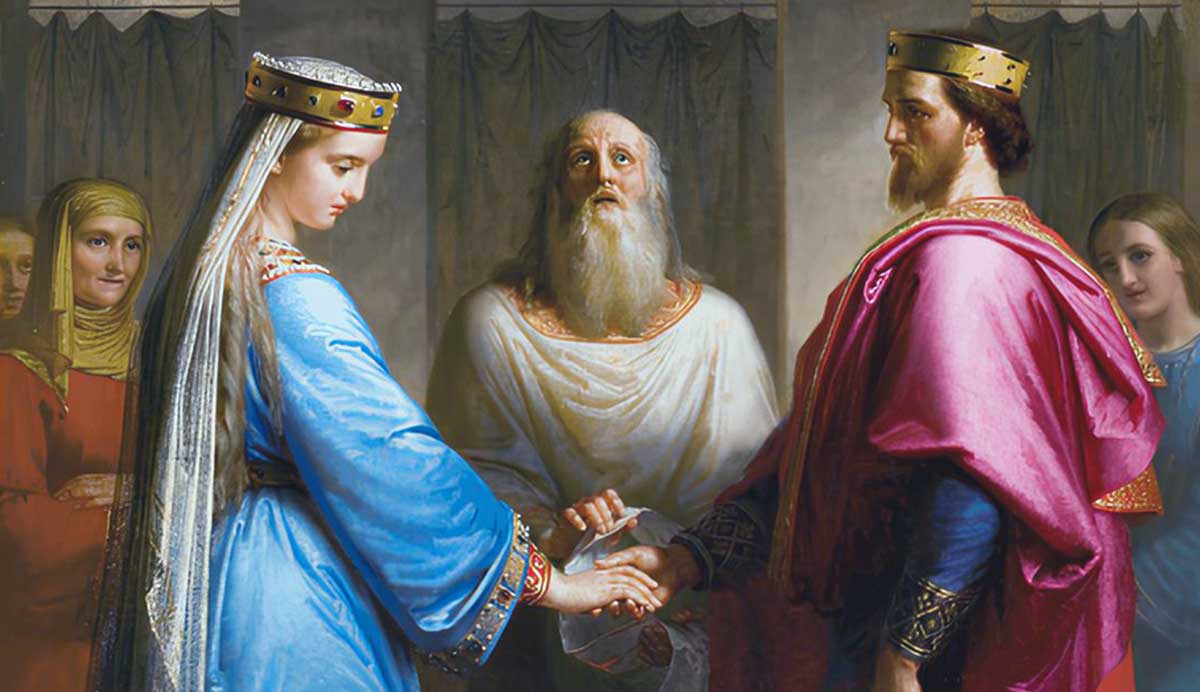
Out of 1,500 candidates, Ivan selected Anastasia Romanovna from a lower-ranking noble family as his first bride. Most accounts agree that their marriage was one of the most progressive and productive periods of his reign. It is widely accepted that Ivan deeply loved Anastasia and found counsel and peace in her gentle and nurturing disposition. The couple had six children throughout 13 years of marriage. Only two, Ivan and Feodor, survived into adulthood.
In 1560, Anastasia fell ill and passed away at the age of 30. Ivan suffered a nervous and emotional breakdown after her death. Witnesses claim he ripped his hair out, smashed his head onto the floor, and sobbed uncontrollably at her funeral. His grief soon turned into anger and paranoia.
Even though Anastasia had weak health throughout their marriage, he believed that the boyars had poisoned his wife as they did his mother, who also died under similar circumstances. He tortured and executed anyone he suspected of playing a hand in Anastasia’s death. He never recovered from this paranoia towards the boyars.
A toxicology study on Anastasia’s hair in the late 1990s confirmed that the tsarina died from mercury poisoning. However, mercury was often used in early-modern medicine. Researchers have yet to prove whether she was intentionally murdered or accidentally poisoned by the treatments meant to save her.
Anastasia’s influence extended beyond her calming effect on Ivan. After her and Ivan’s son, Feodor I, died on the Russian throne with no heirs in 1598, Russia fell into 15 years of civil war, famine, and invasion. This period ended when Anastasia’s great-nephew, Michael Romanov, was elected to the throne. While Ivan and Anastasia’s son ended the 700-year-old Rurik Dynasty, Anastasia’s royal lineage established the Romanov Dynasty that ruled Russia until the Empire’s collapse in 1917.
Second Wife (1561–1569): Maria Temryukovna
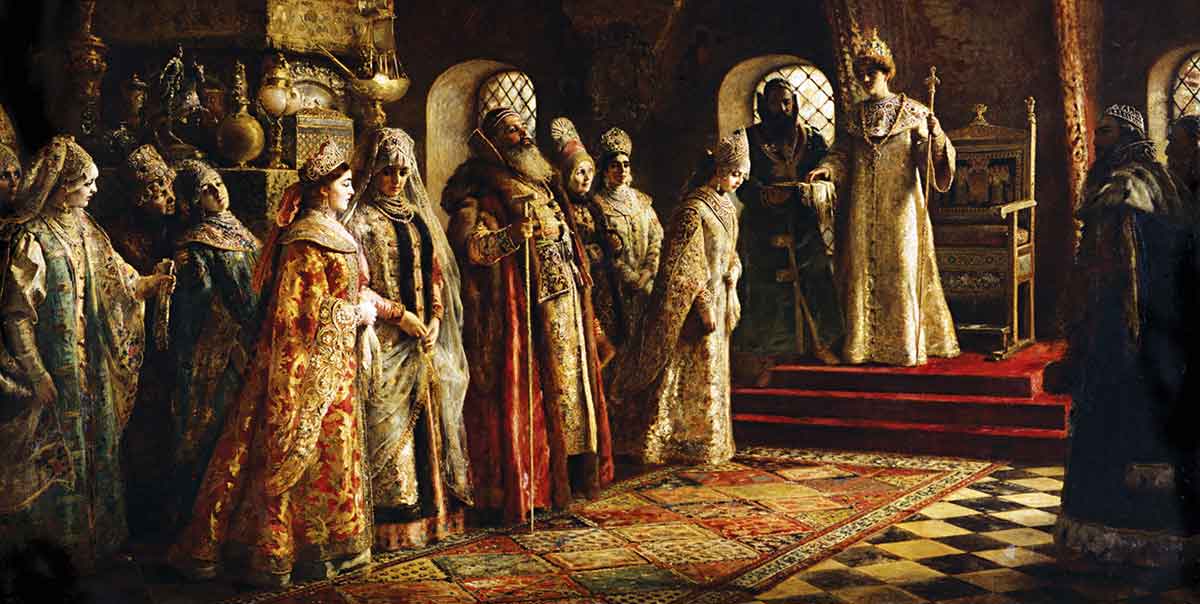
During marriage negotiations with the Polish princess Catherine Jagiellon, Ivan took the 15-year-old pagan Circassian princess Kuchenei as his second wife. Ivan was so enchanted by her beauty upon meeting her that she was quickly baptized and renamed Maria Temryukovna. The pair wed in 1561. They had one son, Vasili Ivanovich, who died a few months after his birth in 1563.
Despite Ivan’s initial infatuation with his teenage bride, Maria developed a nefarious reputation at court. She was accused of being a cruel stepmother to Ivan’s children with the late Anastasia. Her peers claimed she failed to integrate with Muscovite culture due to her illiteracy. Others even denounced Maria as a witch due to her political ambition and confident nature.
Amid these rumors and contempt, Maria suddenly fell ill and died in 1569 at the age of 25. While some accused Ivan of poisoning his bride, he fell into another episode of extreme grief and rage. Countless boyars accused of poisoning his tsarina were arrested, tortured, and executed.
Third Wife (1571): Marfa Sobakina
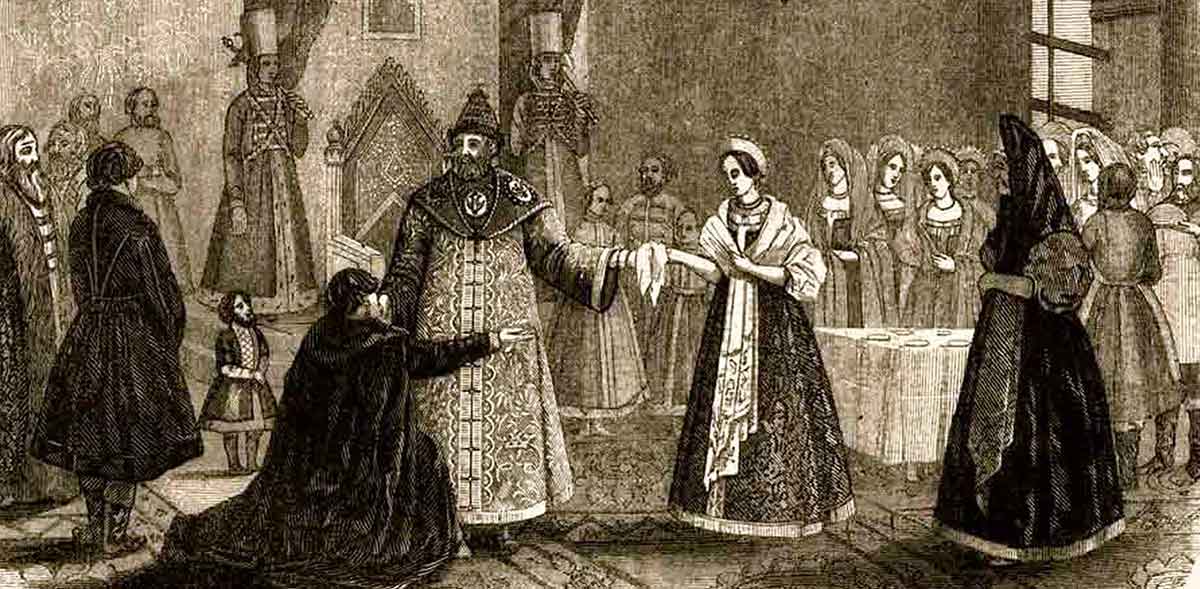
After the deaths of two wives, a two-year search began to procure a potential bride who could survive the challenges of court. 2,000 brides were considered from across the kingdom. Finalists underwent additional health inspections to ensure they would be healthy and able to produce additional heirs. From this bride show, the young Marfa Sobakina was selected from a merchant family.
After only 15 days of marriage, Marfa fell ill with seizures and died. Most accounts contend that she may have been accidentally poisoned by her own mother. It is believed that Marfa’s mother was supplying her with herbal elixirs that were meant to aid with fertility and childbearing. It is unknown whether she suffered an allergic reaction or if these elixirs contained poisonous herbs.
Either way, her death further heightened Ivan’s paranoia. He accused many of poisoning his new wife and executed over 20 suspected murderers, including Marfa’s own brothers.
Fourth Wife (1572): Anna Koltovskaya
After his brief marriage to Marfa, Ivan took Anna Koltovskaya as his fourth wife. Anna was the second pick behind Marfa during the bride show held the year prior. Their marriage began in controversy. Only three marriages per person were permitted in the Russian Orthodox Church. Ivan rejected this limitation and argued that his marriage to Marfa did not count because they did not consummate the marriage before she died. As such, he married Anna in 1572.
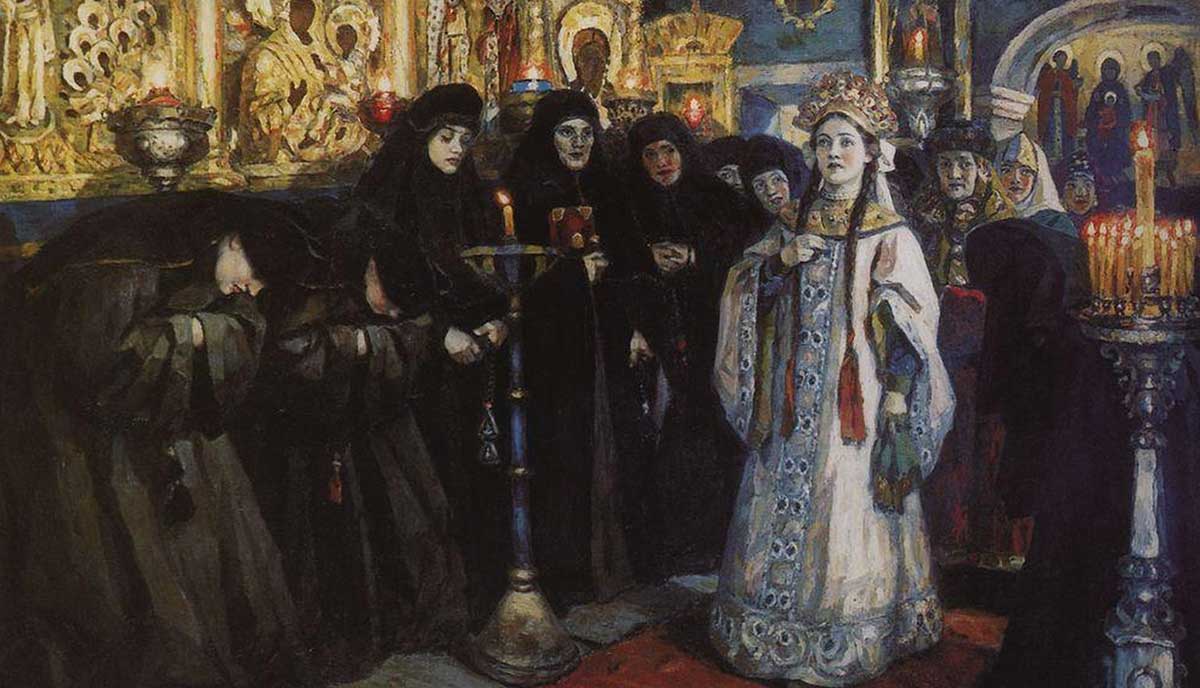
But after two years of marriage, Ivan’s sentiments towards his new wife soured. He disliked her involvement in court politics and blamed her for their inability to conceive a child. Anna became the first of many wives banished to a nunnery once Ivan grew tired of their marriage.
Anna thrived from their separation and embarked on a robust career at the nunnery. She adopted the name Daria after taking her vows and managed the Vvedensky-Tikhvinsky Convent. She protected and restored the convent throughout invasions and economic despair. She evaded the sacking of monasteries during the Russo-Swedish War, survived the Times of Trouble, and later restored her convent through the patronage of Tsar Mikhail Fyodorovich. Anna well outlived her husband and his dynasty, passing away in 1626 at the age of 74 or 75.
Fifth Wife (1575–1576): Anna Vasilchikova
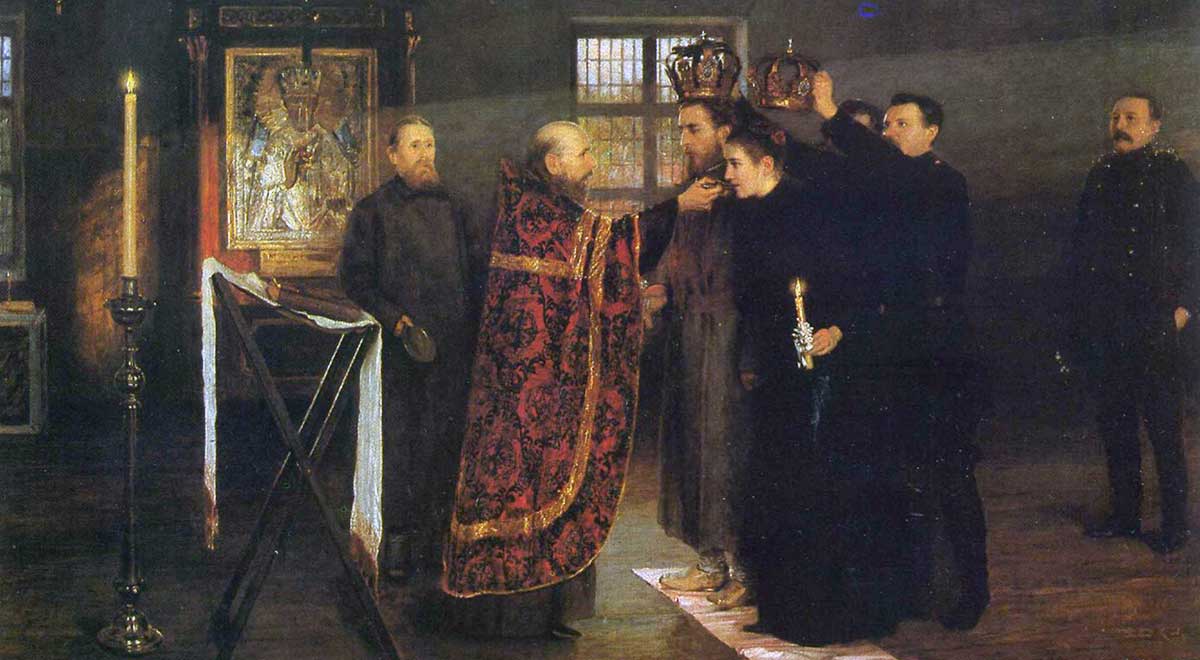
Little is known about Ivan’s fifth wife, Anna Vasilchikova. The pair wed in 1575 without official permission from the Church. Their union was not challenged or questioned due to Ivan’s established notoriety at this point in his reign. They wed in a quiet and modest ceremony. Anna was the daughter of a boyar family.
Ivan grew bored with her modest and painfully shy disposition. Various sources state that Anna became a hermit at the court and spent most of her time hiding in her room. After two years without producing an heir, Anna was dismissed and sent to a convent in 1577. She was imprisoned at the Pokrovsky Monastery, where she died under mysterious circumstances shortly after.
Sixth Wife (1581–1584): Maria Nagaya
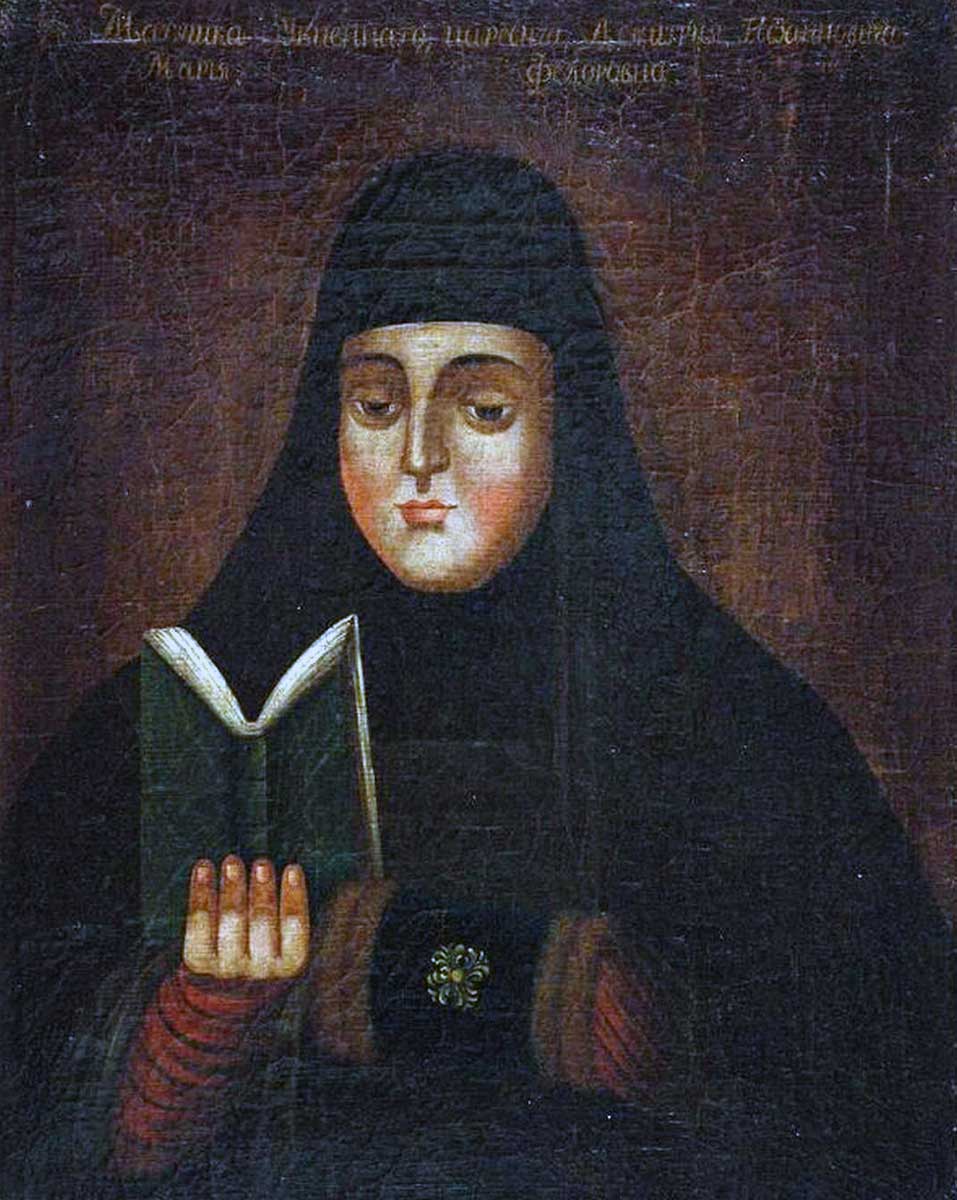
Maria is the last confirmed wife of Ivan the Terrible. While their marriage was also not officialized by the Church, the pair welcomed a son, Dmitri Ivanovich, the next year. Ivan’s surviving children took a dislike to their new stepmother. They rejected her legitimacy to the throne and regarded her son as an illegitimate heir. When Ivan died four years into their union in 1584, his son Feodor I immediately exiled Maria and Dmitri to Uglich. A few years later, Dmitri died under mysterious circumstances at the age of nine.
Maria was accused of negligence and held responsible for Dimitri’s death. As punishment, she was imprisoned in a nunnery. But when Feodor died in 1598 with no heir, multiple imposters claimed to be Dmitri to seize the throne. They alleged that they had survived the 1591 assassination attempt and were raised in secret. One imposter named Grigory Otrepyev managed to become tsar from 1605 to 1606. His claim was supported by the Polish-Lithuanian Commonwealth and legitimized by Maria, who claimed that he was her long-lost son.
This lie was uncovered when Dmitry fell out of favor with the Russian boyars for his pro-Polish politics and marriage to a Catholic Polish noblewoman. Shortly after his wedding, a group of boyars and their supporters stormed the Kremlin and brutally murdered the pretender. His remains were burned and then fired in a cannon towards Poland. Maria immediately recanted her statement and swore she was threatened and coerced into supporting Grigory. The pretender’s successor, Tsar Vasily Shuisky, believed her and allowed her to spend her final years undisturbed.
Contested Unions: Wives, Concubines, or Court Myths?
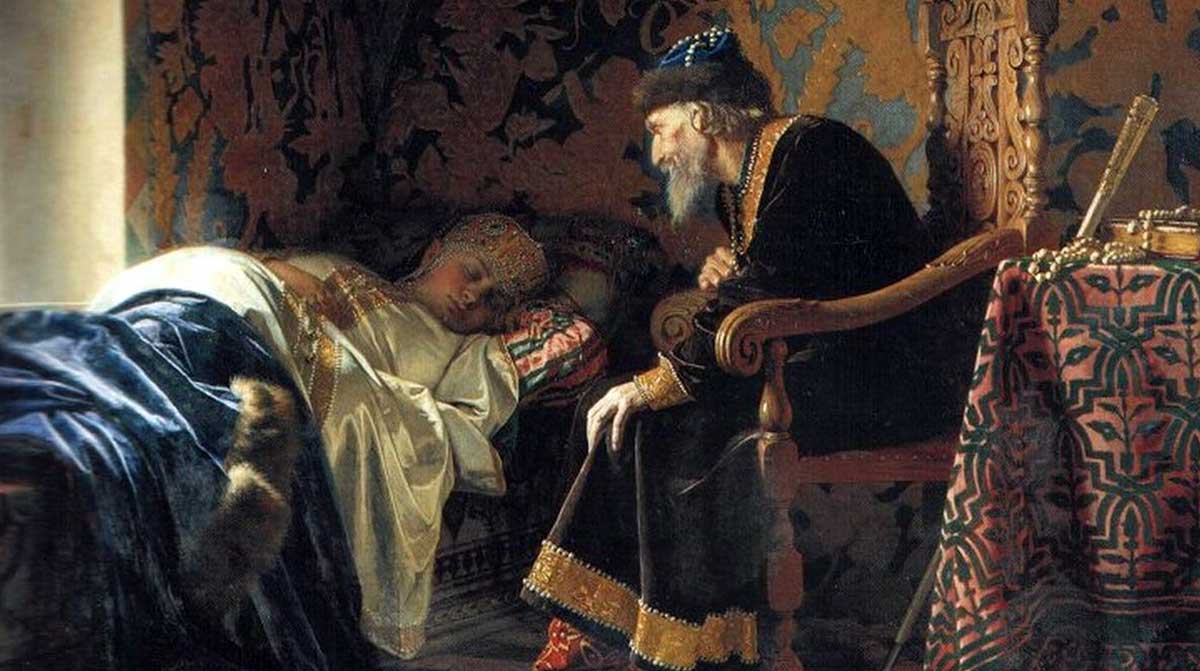
The first debated marriage was the union between Ivan and Vasilisa Melentyeva in 1579. There are no historical records of this marriage, leading many researchers to believe that they were never officially wed. Instead, many believe she was his mistress or that their marriage is an exaggerated court tale to exacerbate Ivan’s cruel reputation.
Regardless of the marriage’s validity, Vasilisa remains one of Ivan’s most famous lovers. Originally the widow of Prince Melentiy Ivanov, Ivan was enchanted by Vasilisa’s beauty, kindness, and gentle demeanor. However, his love for her was shattered when she was caught having an affair. Different stories contend that he forced her to watch the impalement of her lover before Ivan imprisoned her in a nunnery. Other court legends say that she was murdered not long after her arrival at the nunnery.
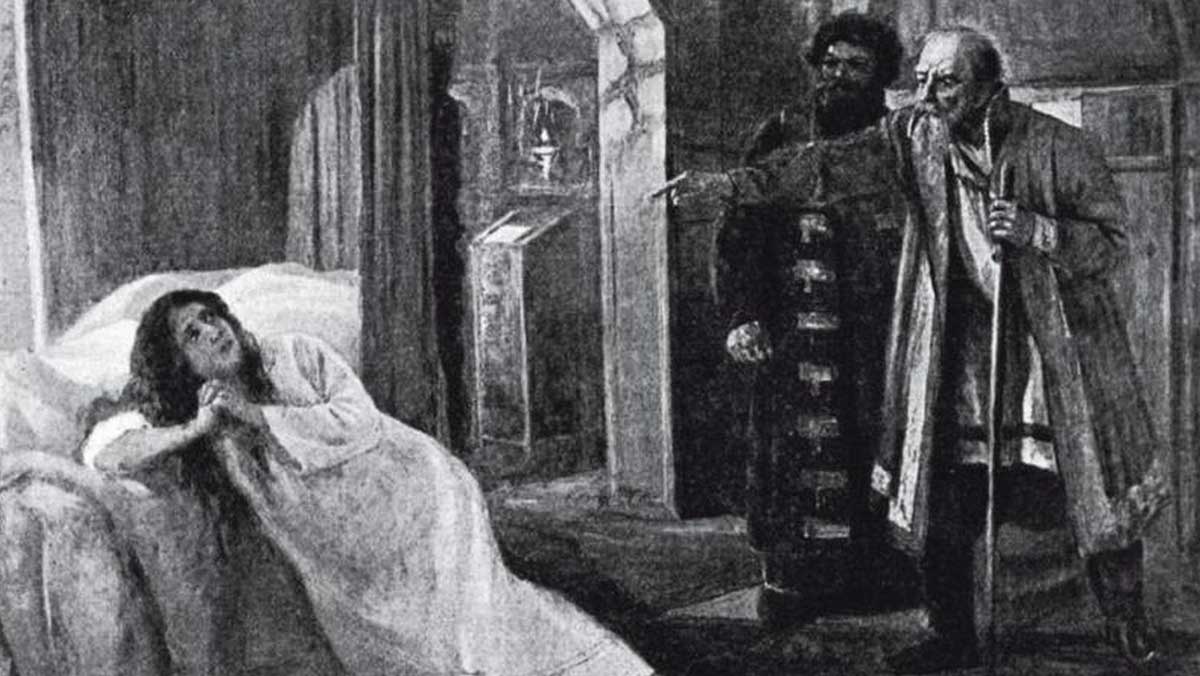
An additional marriage that most historians doubt was his union with Maria Dolgorukaya in 1580. Some speculate that he took Maria as his seventh wife because she was a direct descendant of Prince Yuri of Kyiv, the mythical founder of Moscow.
Different stories detail that Ivan ordered her drowning shortly after their marriage because he discovered she was not a virgin on their wedding night. Other accounts claim that she was caught having an affair and then executed by drowning for this treachery.
Yet, there is little to no evidence of Maria’s existence, let alone her marriage to Ivan. Instead, these stories of Ivan’s brutal murder of his seventh wife emerged in the 19th century in the works of Mykola Kostomarov.