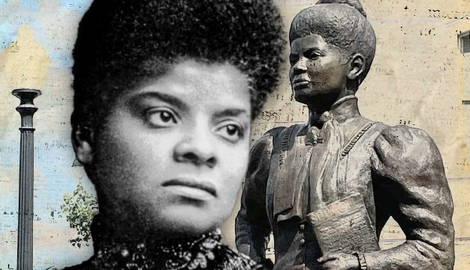

Ida B. Wells was one of the first outspoken advocates for racial and gender equality. Born into slavery, she became a journalist and lecturer on a variety of equality issues in America. From challenging segregation laws and gender inequality, to exposing the horrors of lynching, Wells never backed down from her beliefs. She played a key role in both the early Civil Rights and women’s suffrage movements. Despite not having the name recognition of Malcolm X or Martin Luther King Jr., Wells laid the groundwork for the Civil Rights movement of the 1950s and 60s.
Early Life
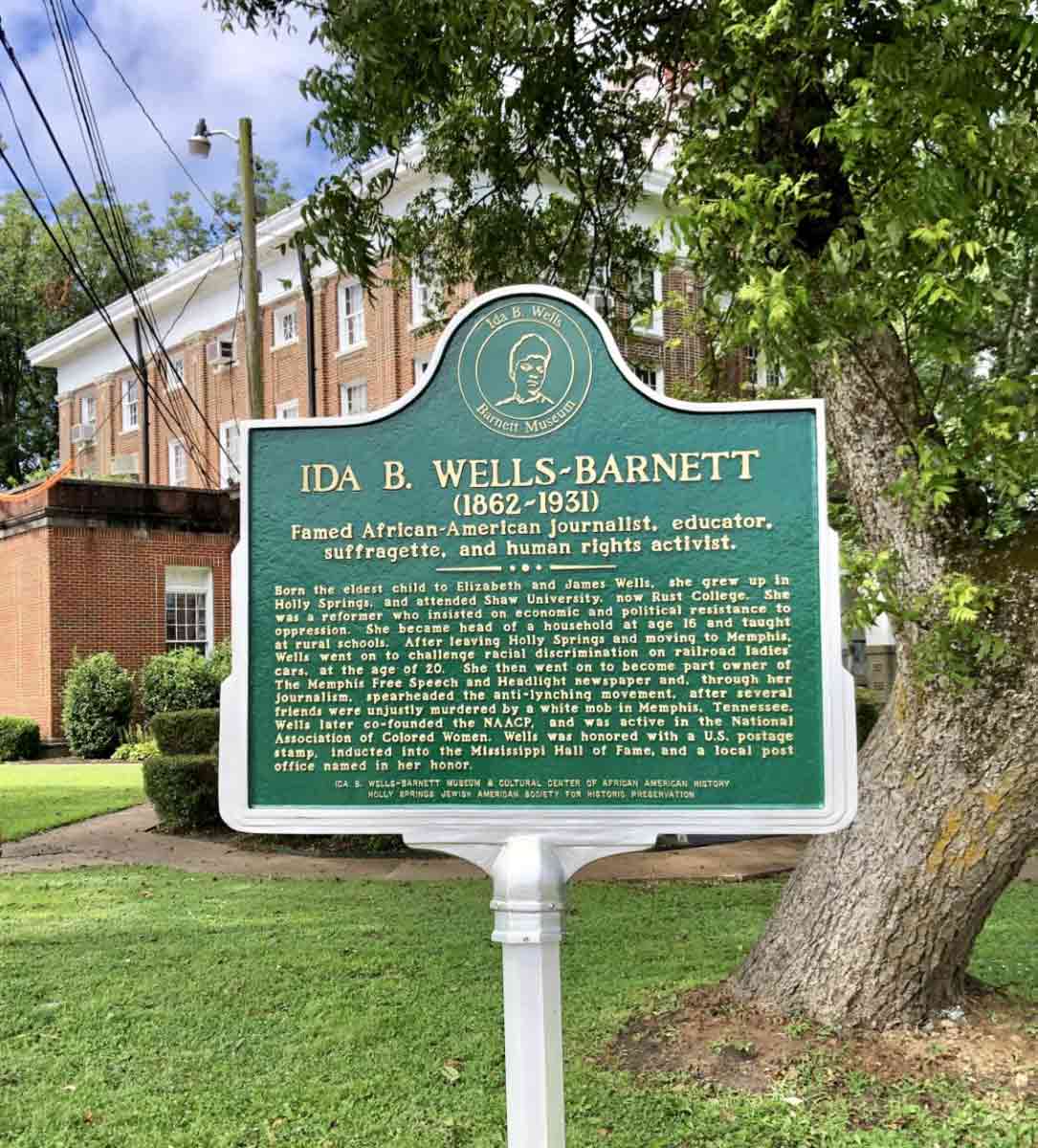
Ida B. Wells was born in 1862 in Holly Springs, Mississippi, in the midst of the American Civil War. Her parents, James and Lizzie Wells, were both enslaved at the time of her birth to Spires Boling, a prominent architect of the Antebellum Era. Although freed in 1862 by the Emancipation Proclamation, Ida and her parents would remain the property of Bolling until the conclusion of the American Civil War.
Raised during Reconstruction, Ida grew up in a household that valued education, activism, and faith. Her father was active in local politics for the Republican Party and helped start Shaw University (now Rust College), where Ida would receive her early education. In 1878, Memphis, Tennessee and the surrounding cities, including Holly Springs, were struck by a deadly bout of Yellow Fever. Highly contagious, the 1878 Yellow Fever epidemic decimated many families in the area, including the Wells family. Earlier that year, Ida was away visiting family outside of the city. When she returned, she found that her parents and one brother had perished.
At just 16 years old, Ida stepped up to care for her five remaining siblings, becoming a schoolteacher to support them. The lessons taught to Wells by her parents remained long after their deaths. She began challenging injustice wherever she saw it, particularly in the segregated schools she worked in, bringing to light the disparity between white and Black institutions. In 1883, following the death of Wells’ grandmother, she and her two youngest siblings moved to Memphis, Tennessee. These early years, marked with tragedy, struggle, and injustice, shaped the future advocacy of one of the first Civil Rights advocates.
1887 Court Case: Fighting Segregation
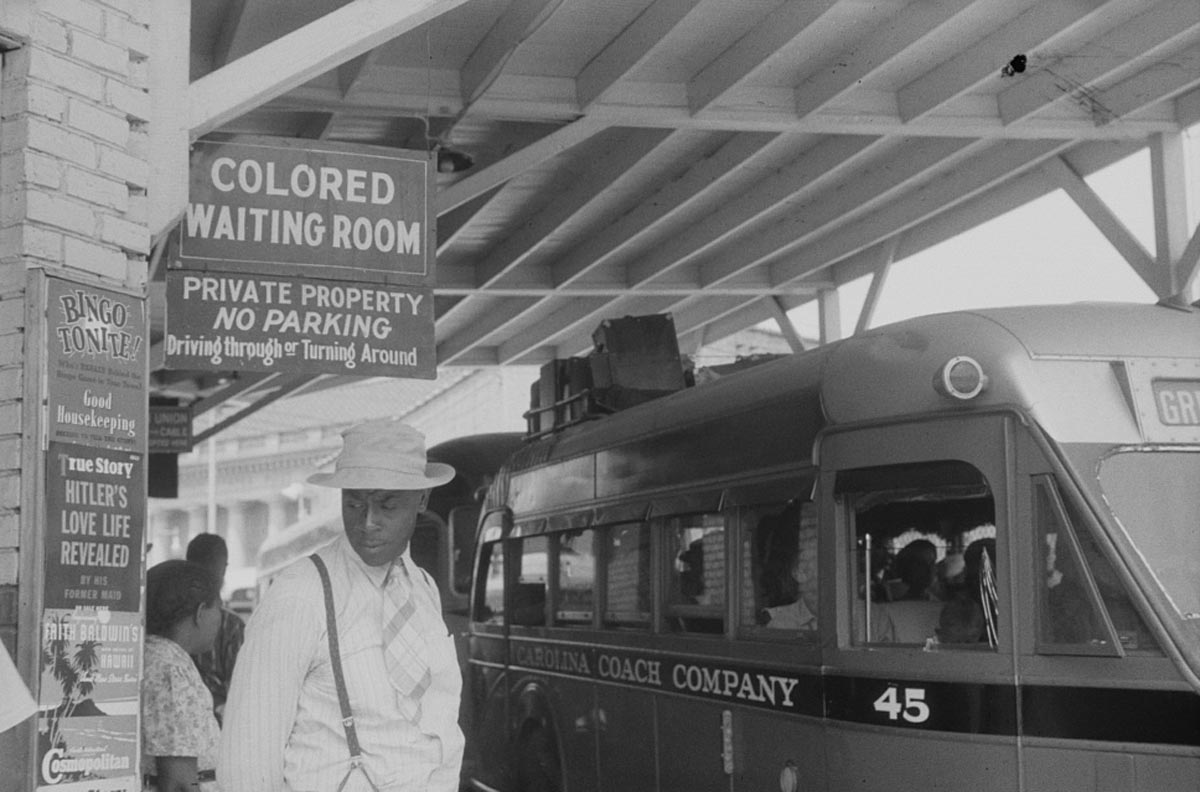
A year after moving to Memphis, in 1884, while traveling by train, Ida B. Wells was asked by the conductor to give up her first-class seat and move to a crowded car reserved for Black passengers. Wells had paid for her ticket and refused to move.
The conductor and two other men forcibly removed her from the car, but not without a fight. A year prior, the United States Supreme Court ruled that the 1875 Civil Rights Act was unconstitutional, legalizing segregation on public transit. Despite not having a legal basis for the injustice shown toward her, Wells sued the Chesapeake & Ohio Railroad, the owners of the train car on which she was traveling, for discrimination. In 1887, she won the case in a lower court and was awarded $500 in damages. A sum equal to just over $16,000 today.
Though the decision was later overturned by the Tennessee Supreme Court, the fight launched Wells into the national spotlight. It also marked a turning point in her life. She began writing about her experiences and the broader injustices Black Americans faced during the era of Jim Crow. Her articles appeared in newspapers around the country, and she became one of the first prominent Black female journalists in US history. Although the case did not end in Wells’s favor, it was a watershed moment in her life, beginning her fight for racial, gender, and economic equality.
Anti-Lynching Campaign
In 1892, Thomas Moss, Calvin McDowell, and Henry Stewart were lynched in Memphis, Tennessee. Lynchings occurred for a variety of reasons during the age of Jim Crow. The root cause, however, was an apparent breaking of the South’s de facto laws of segregation. The murders of Moss, McDowell, and Stewart occurred over business competition.
Moss opened his People’s Grocery in Memphis to offer a shopping alternative for African Americans and Chinese. White grocery owners took offense at the competition that People’s Grocery created. On March 2, Armour Harris, a young Black man, offered a marbles game outside of Moss’s grocery. After what was referred to as a tense game, Cornelius Hurst, a white male, and Harris partook in a physical altercation. Calvin McDowell and Henry Stewart, employees of the grocery, intervene on behalf of Harris. William Russell Barrett, the proprietor of Barrett’s Grocery, stationed across the street, arrived the following day with a sheriff’s deputy over the previous day’s incident. After failing to arrest Moss, Calvin, and McDowell, Barrett attacked McDowell. Following the fight, McDowell was arrested but later released.
The local white population was angered over McDowell’s release and decided to take justice into their own hands. In the early morning hours of March 9, Moss Calvin and McDowell were kidnapped by 75 white supremacists and lynched. Moss’s last words were reportedly “tell my people to go west, there is no justice here.”
The event devastated Wells. The next day, she reiterated Moss’s statement, declaring in Free Speech and Headlight that African Americans should leave Memphis for northern cities like Chicago and Detroit. She began investigating lynchings across the South, uncovering the real reasons behind them, most of which had nothing to do with criminal acts, as was often claimed. Her reporting revealed that many victims were targeted for being successful, for resisting white supremacy, or for no reason at all.
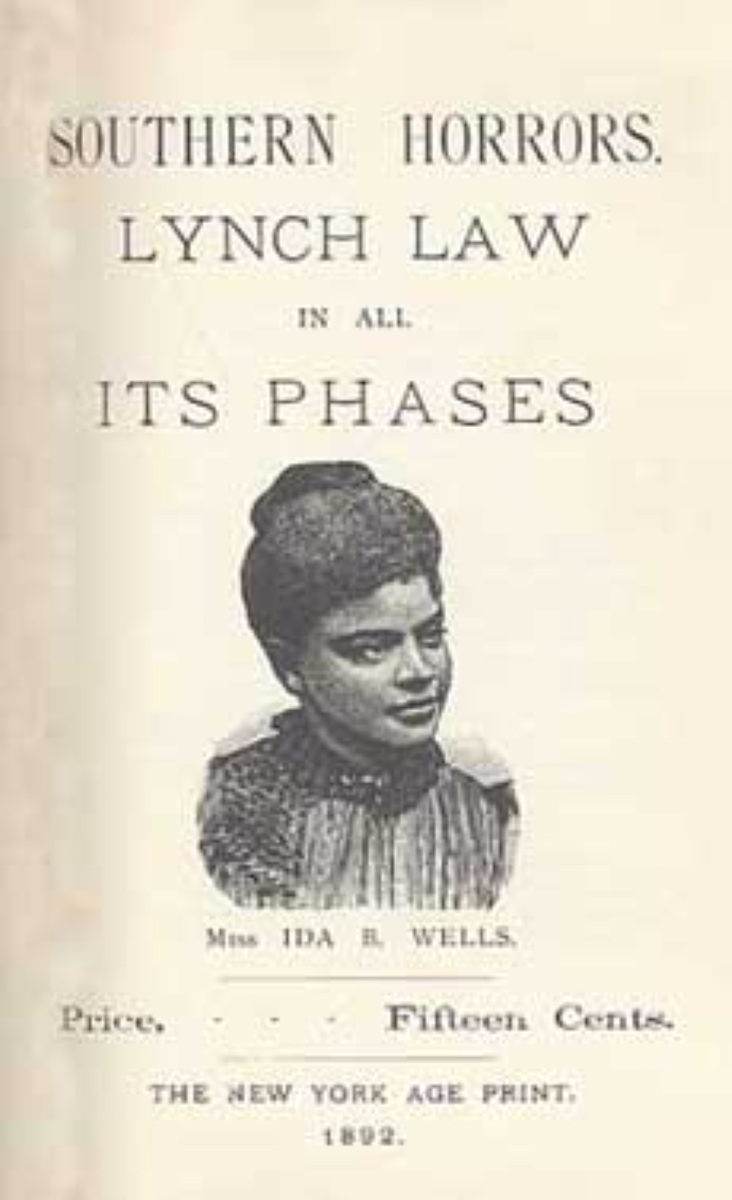
Wells published her findings in a pamphlet titled Southern Horrors: Lynch Law in All Its Phases. In response, an angry mob destroyed her newspaper office in Memphis. Wells was away at the time, likely sparing her life. Friends warned her not to return, but Wells began a nationwide campaign bringing attention to the murders of Blacks in the South. Over the course of ten years, Wells documented the lynchings of 959 people. Most of what is known today about race-related murders before 1930 comes from the steadfast dedication of Ida B. Wells.
The Continued Fight for Civil Rights
After choosing not to return to Memphis at the urging of her friends, Wells moved to Chicago. Having taken her anti-lynching campaign nationwide, in 1893, she traveled to England to speak out about racial violence in America. Wells understood the power of international attention. 50 years prior, Harriet Beecher Stowe’s Uncle Tom’s Cabin had drawn international acclaim and strengthened the abolitionist movement worldwide.
Wells knew that if she could make the rest of the world see what was happening in the South, it might force politicians to enforce change. Her travels helped establish her as a global voice in the fight for human rights.
More Than Just Race: The Fight for Gender Equality
Ida B. Wells was more than just a journalist—she was a force in the women’s suffrage movement, too. But her experience wasn’t easy. Many white suffragists were uncomfortable with her outspoken activism, mainly her claim that African American women should be included in the suffrage movement.
Forced out of many existing suffrage organizations, she co-founded the Alpha Suffrage Club in 1913, the first Black women’s suffrage organization in Chicago. Later that year, Wells and the ASC participated in the National Suffrage Parade in Washington, D.C. When told she would need to march in the back to avoid upsetting white participants, Wells refused. As the parade began, she waited amongst the crowd, then stepped into line with her white peers. Her role in the suffrage movement helped ensure that the voices of Black women were included in the fight for the vote.
Legacy
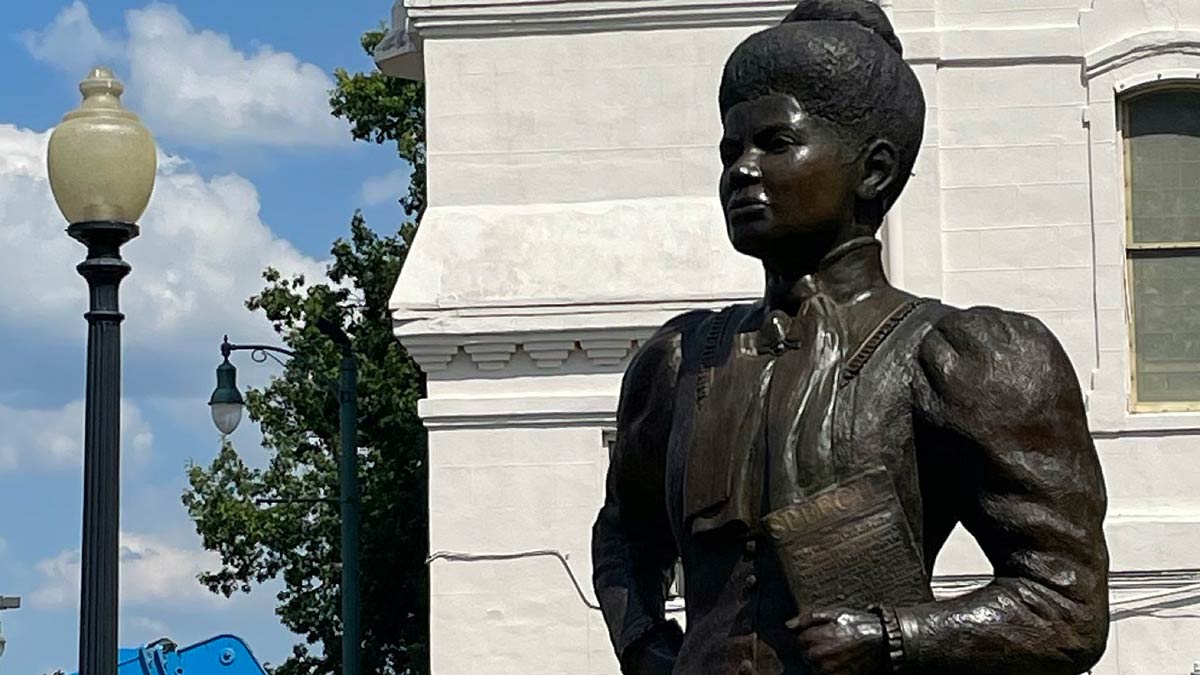
Ida B. Wells passed away in 1931 of kidney disease, but her legacy continues to influence generations of activists. In 2020, she was posthumously awarded the Pulitzer Prize for her work in journalism, finally receiving the national recognition that eluded her during her lifetime due to her race and gender. Today, schools, streets, and organizations are named in her honor, and monuments to her dot many southern cities. Two museums in Holly Springs and Chicago tell the remarkable story of her life and advocacy. Her story is a reminder that one voice can change the world.