
Robert Johnson is one of the most influential, albeit mysterious, figures in American music. His short life led to the lore surrounding it. Known for his masterful guitar skills, soulful voice, and dark, almost morbid lyrics, Johnson recorded just 29 songs before his death at age 27. Yet those songs laid the foundation for modern blues, which gave way to rock music. His short life and the lack of information on him mean that legend is the primary driver of his story. His impact on music, however, is widespread and everlasting.
Early Life
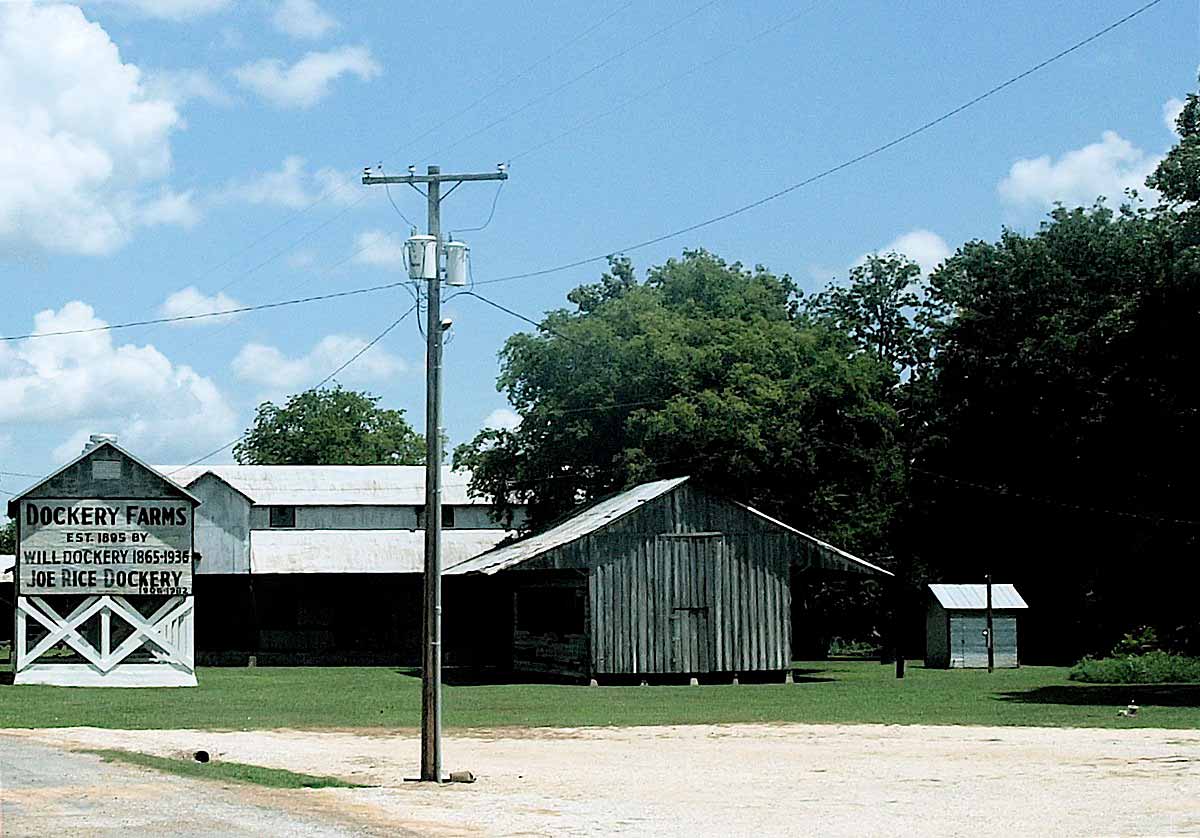
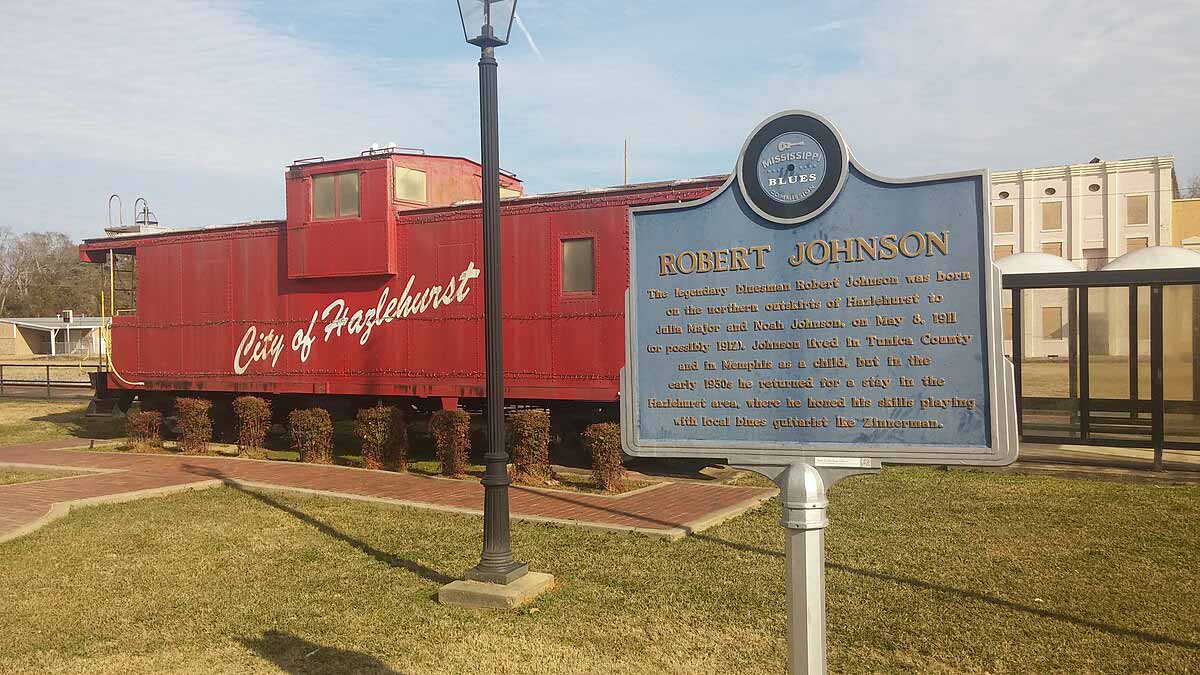
Robert Johnson was born in 1911 in Hazlehurst, Mississippi, though he spent most of his life in the Delta region, the birthplace of the blues. His early years were tough. He was born out of wedlock, and his father disappeared soon after. His mother worked as a sharecropper and moved from town to town, scraping by in a South still ruled by Jim Crow laws. Johnson’s education was nearly non-existent, common of the African American experience at the time.
Johnson, however, did have an ear for music. He started with the harmonica, but soon turned to the guitar. He was drawn to the blues, especially the styles of Son House and Charley Patton, who were known for melodic music with emotional lyrics, and spent hours watching older musicians play at Dockery Plantation in Sunflower County, Mississippi. As Johnson entered into early adulthood, he migrated from listening to blues on the plantation to regularly attending juke joints.
Juke joints were born out of necessity. The intense life of sharecropping meant that when it came time to celebrate the end of the work week, African Americans searched for their very own reprieve. Segregation in the South dictated that African Americans could not attend white bars or music clubs, so juke joints were created to provide that need to the Black community.
These clubs are where Johnson spent every free moment of his life as a young adult. Eager to learn, Johnson asked for lessons from his idols like Son House. The blues musicians taught Johnson, but all noted that while he had the voice for blues, his talents on the guitar left much to be desired.
However, soon, something changed. After disappearing for several months, Johnson returned, having mastered the blues guitar. His fingers moved at a speed no one had seen, and his voice too changed into a much deeper, gravely tone. People were shocked by the transformation. In the Mississippi Delta, where Christianity ran deep, there could be only one explanation for what they had witnessed.
Birth of the Legend: Johnson’s Vanishing and Return
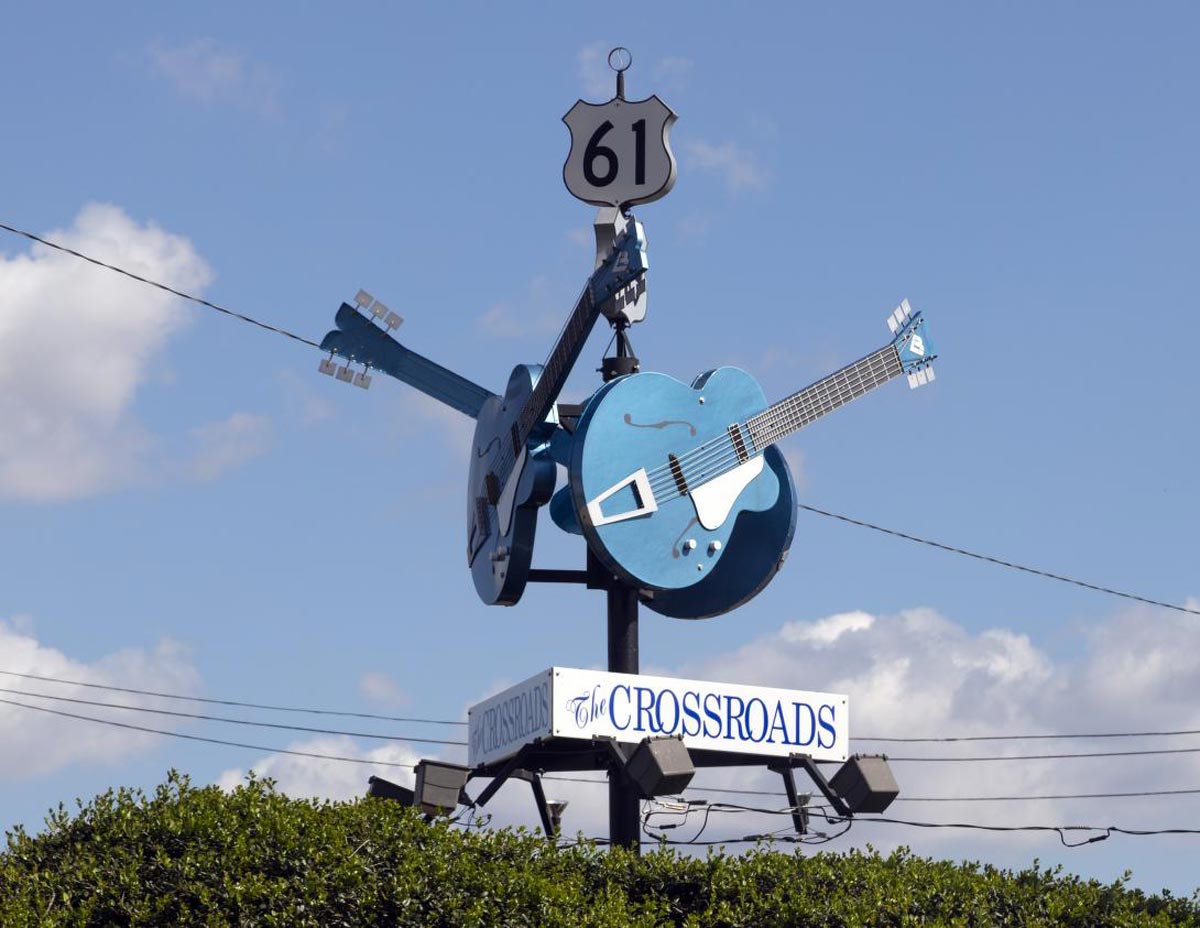
Of all the stories surrounding Robert Johnson, the most famous is the tale of the crossroads. According to legend, Johnson went to a remote intersection somewhere in Mississippi, likely near the intersecting highways at Dockery Plantation, and made a pact with the Devil. In exchange for his soul, Johnson was transformed into the best blues musician who ever lived.
The legend explained two major events in Johnson’s story. When Johnson disappeared without a trace for an extended period of time from Clarksdale in the early 1930s, he wasn’t considered to be a musician. But when he came back, his sound was polished, eerie, and entirely new. Music historians state that Johnson’s gift was the ability to make one guitar sound like two, bending notes and using slide techniques that no one had done before him.
Whether the crossroads story was created by Johnson himself or by those in the town, Johnson didn’t do much to deny it. His songs—like Me and the Devil Blues and Cross Road Blues—only added to the speculation that he had done the unthinkable for fame.
A Short Recording Era
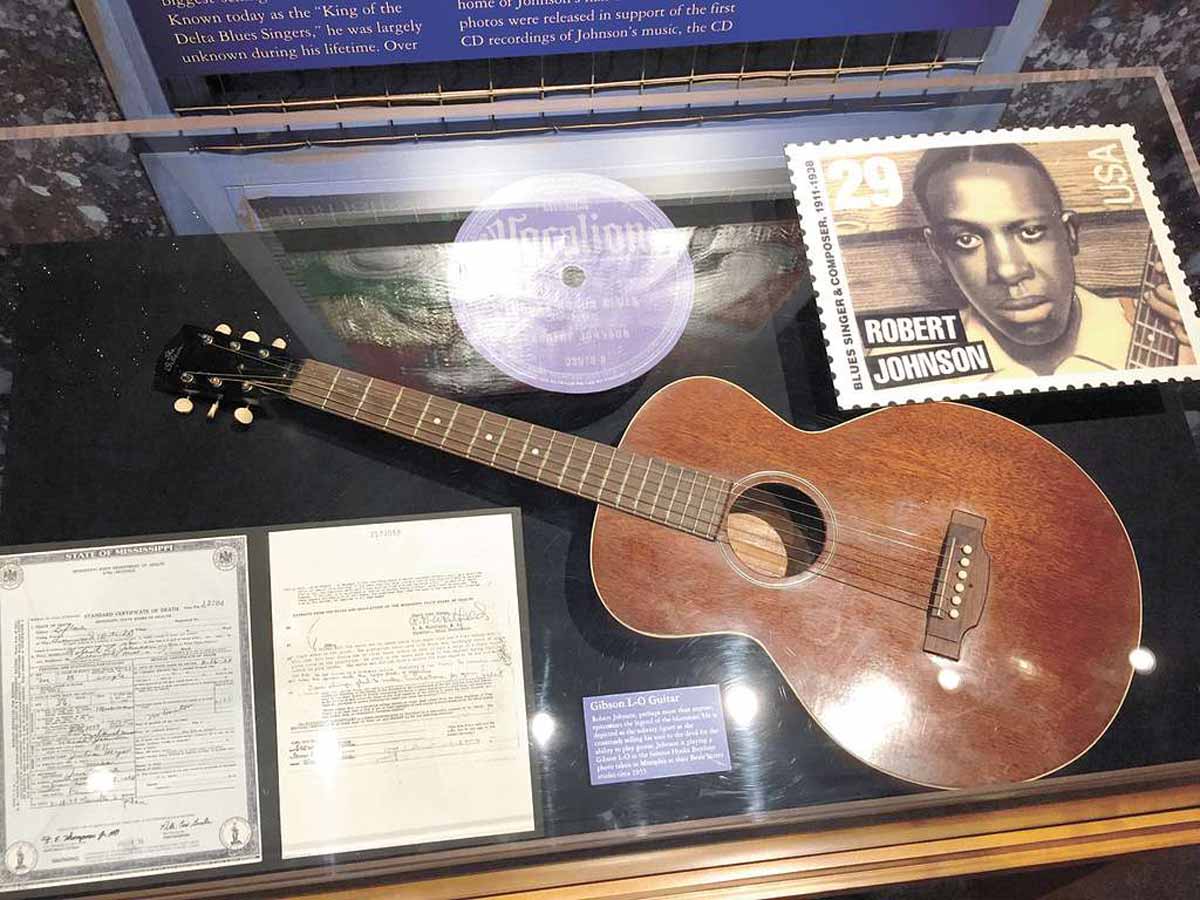
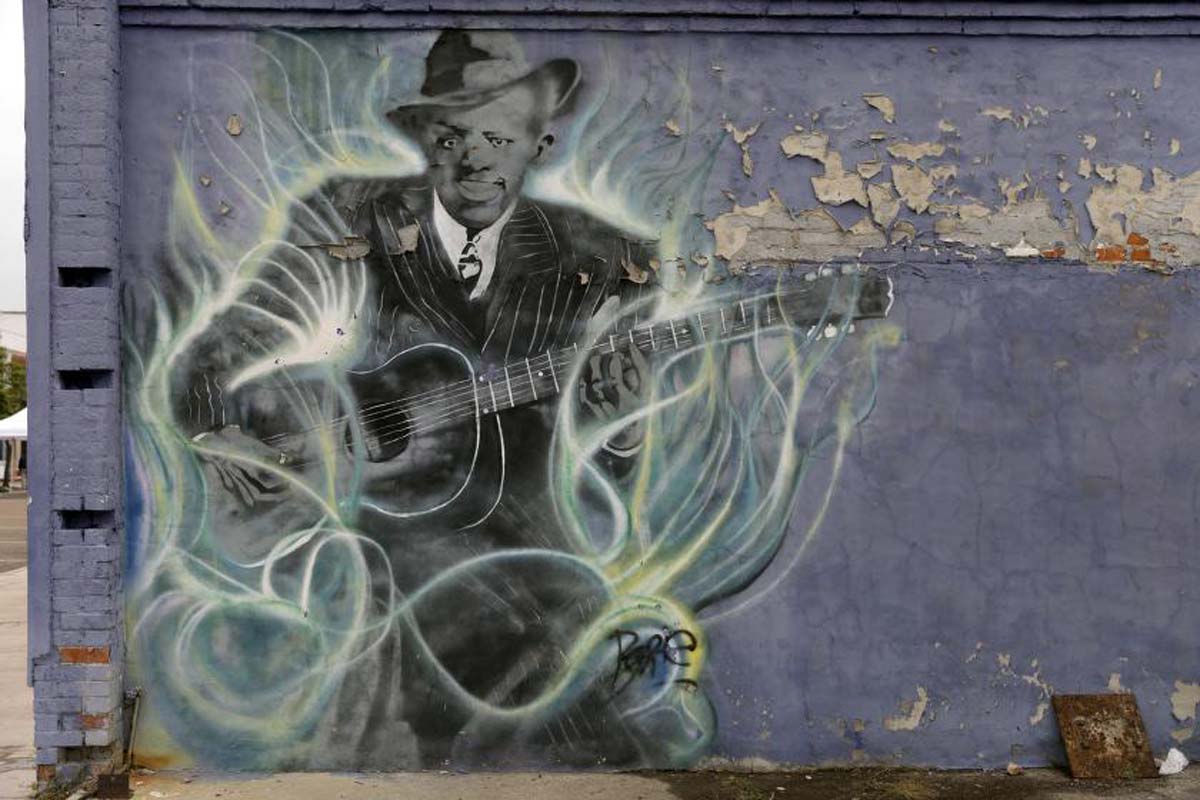
Despite his lasting influence on music history, Robert Johnson’s entire recorded output consists of just 29 songs. His entire discography was recorded during two sessions in makeshift studios—one in San Antonio in 1936 and another in Dallas in 1937. He often sat alone on a stool, no band behind him providing additional instrumentation, singing and playing his acoustic guitar into a microphone. Yet, what came out of those sessions shaped music for the next century.
Songs like Sweet Home Chicago, Love in Vain, and Hellhound on My Trail became blueprints for blues, rock, and even soul. His version of blues music was full of longing, pain, and a deep sense of urgency. The lyrics centered around someone who was always in a hurry to get nowhere fast. Johnson’s guitar work blended rhythm and lead playing in ways that the industry would not see again until the 1960s with Jimmy Hendrix.
Though his records didn’t sell widely at the time, they spread through word of mouth, passed between musicians and fans. It wasn’t until decades later, during the blues revival of the 1960s, that Johnson truly became a legend. Artists like Eric Clapton, Keith Richards, and Bob Dylan would cite Johnson as a direct influence on their style.
Life on the Road
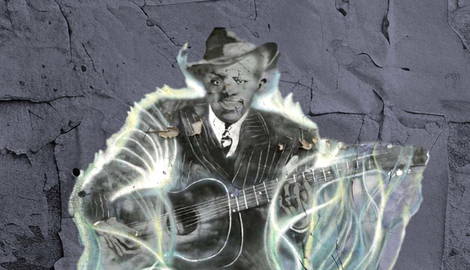
Robert Johnson didn’t live the kind of life that left a paper trail. Much of what is known about him comes from word of mouth. In fact, there are only four known and verified photos of the famous blues musician. He didn’t have a fixed address or a steady job. Instead, he lived on the road, moving from town to town across Mississippi, Arkansas, and Texas, playing in juke joints, street corners, and plantation parties. He rarely stayed in one place for long.
Johnson’s charm, looks, and guitar skills made him popular with women, but also got him into trouble. He had a habit of getting involved with married women, something that didn’t sit well with the conservative South of the 1930s. He also drank heavily, sometimes disappearing for days at a time, missing shows and important events. Friends described him as quiet, private, and always moving. His music reflected the lifestyle he lived, capturing the soul of a man who was never truly at home anywhere.
An Early Death
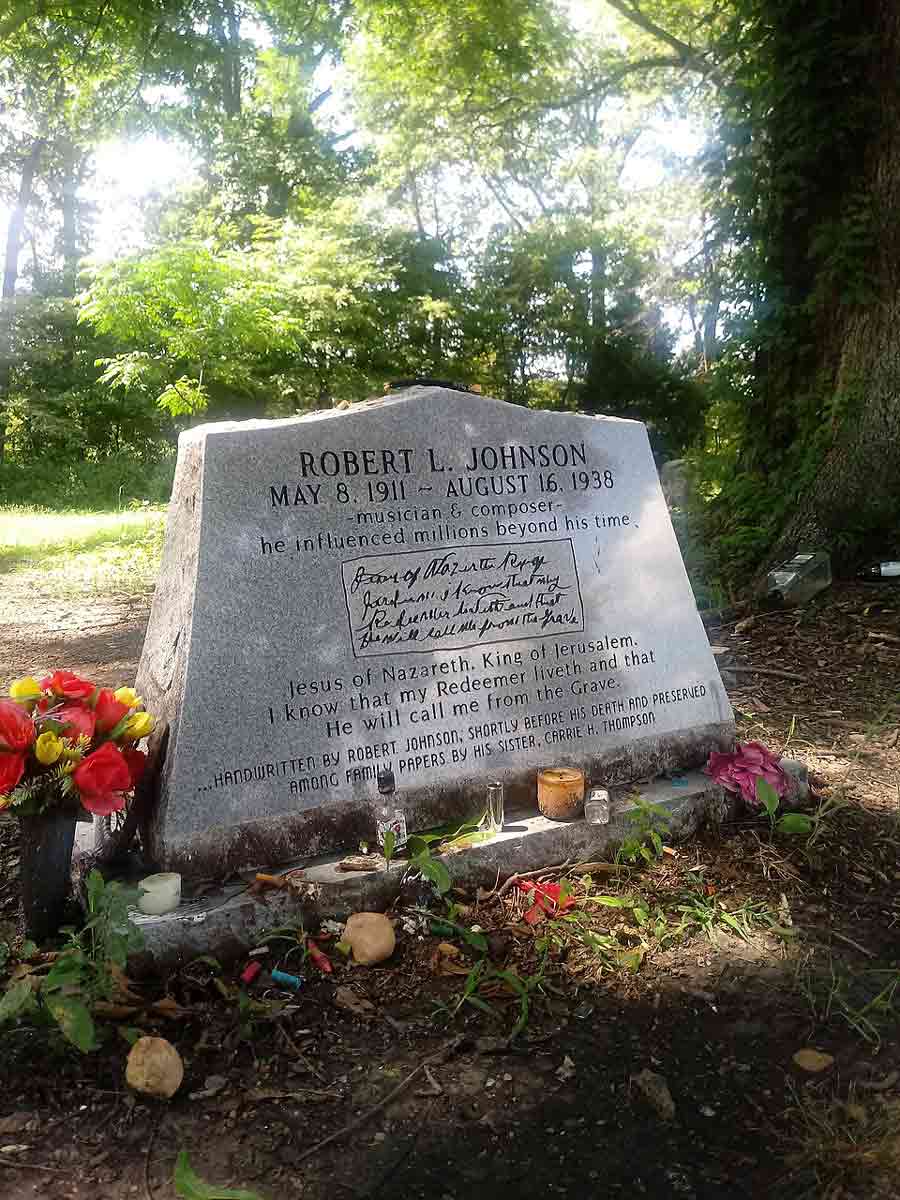
Robert Johnson died in 1938 at the age of 27, and the circumstances of his death are still debated. The most widely accepted theory is that he was poisoned—likely by the jealous husband of a woman he had been involved with while on the road.
Witnesses said he fell ill after drinking from an open whiskey bottle at a juke joint near Greenwood, Mississippi. It was known by the Black community in Greenwood that Johnson was having an affair with the local juke joint owner’s wife. He died in agony, and no doctor was present to record the cause of death.
There is no official autopsy, no death certificate with clear details pertaining to his cause of death, just fragments of stories from those who were there. Some believe he may have had congenital syphilis, due to the strange nature he demonstrated in the days leading up to his death, while others stick with the poisoning theory.
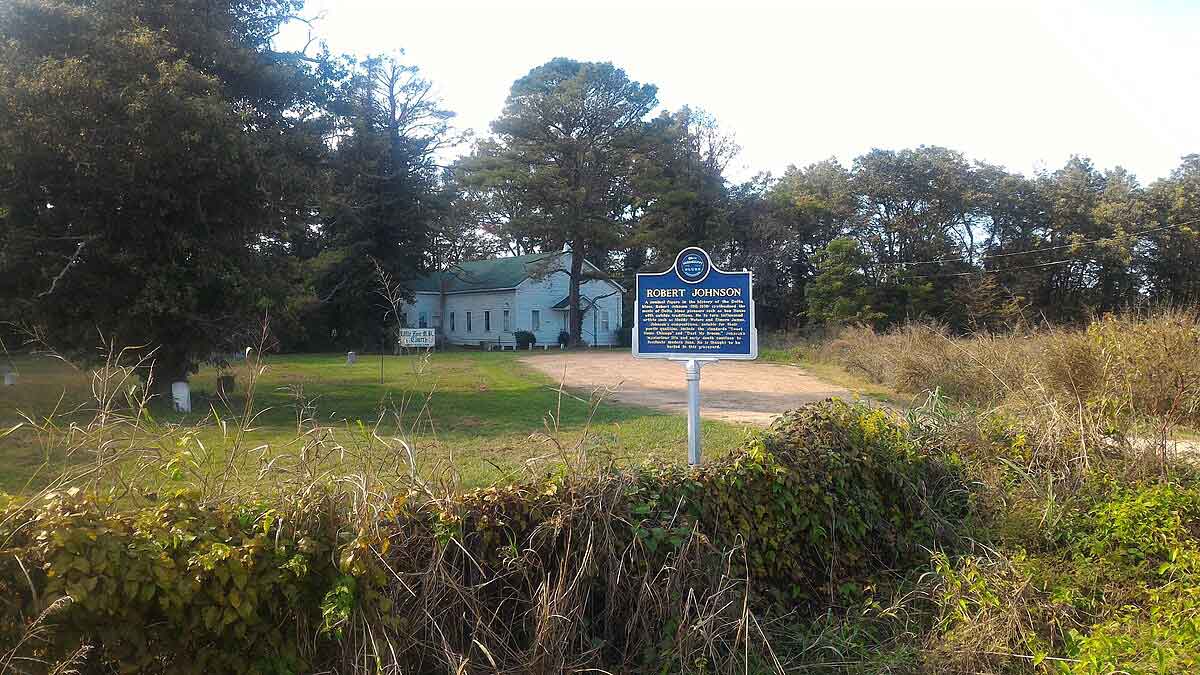
He was buried in an unmarked grave, and the exact location is still unknown. There are multiple grave sites around the city of Greenwood claiming to be the final resting place of Johnson. His early passing and the peculiar circumstances of his death only deepened the devil at the crossroads legend. He became one of the first members of the so-called “27 Club,” a group of musicians who died at the age of 27. Kurt Cobain, Amy Winehouse, and Mac Miller—also members—are said to have sold their souls to the devil in return for fame. Like Johnson, these musicians met their fate at the same age.
Legacy
Though he never knew fame during his lifetime, Robert Johnson’s music became gospel to rock and blues musicians decades later. In the 1960s, during the blues revival in Britain and America, Johnson’s songs were rediscovered and covered by some of the biggest names in rock history. The Rolling Stones, Led Zeppelin, Cream, and Bob Dylan all credited Johnson as a direct influence. Eric Clapton once called him “the most important blues singer that ever lived.”
Johnson’s raw emotion, intricate guitar work, and haunting lyrics laid the groundwork for electric blues and early rock ‘n’ roll. His music became a rite of passage for guitarists trying to understand the roots of their craft and learning the soul behind the lyrics. Johnson’s music was about storytelling, pain, power, and survival. If one believes the legend, the devil has Johnson’s soul, but his spirit has lived on in nearly every generation of American music since.