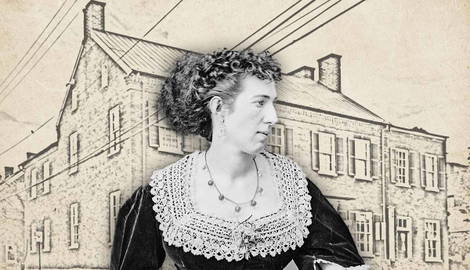

During the Civil War, a teenage girl became one of the most famous spies in the Confederacy. Belle Boyd used her charm, wit, connections, and the sexism of 19th-century America to deliver key intelligence to Southern generals, such as Thomas “Stonewall” Jackson. She was arrested and imprisoned for her acts, but was never deterred from her cause. After the war, she turned her notoriety into a second career as a lecturer and author.
Early Life
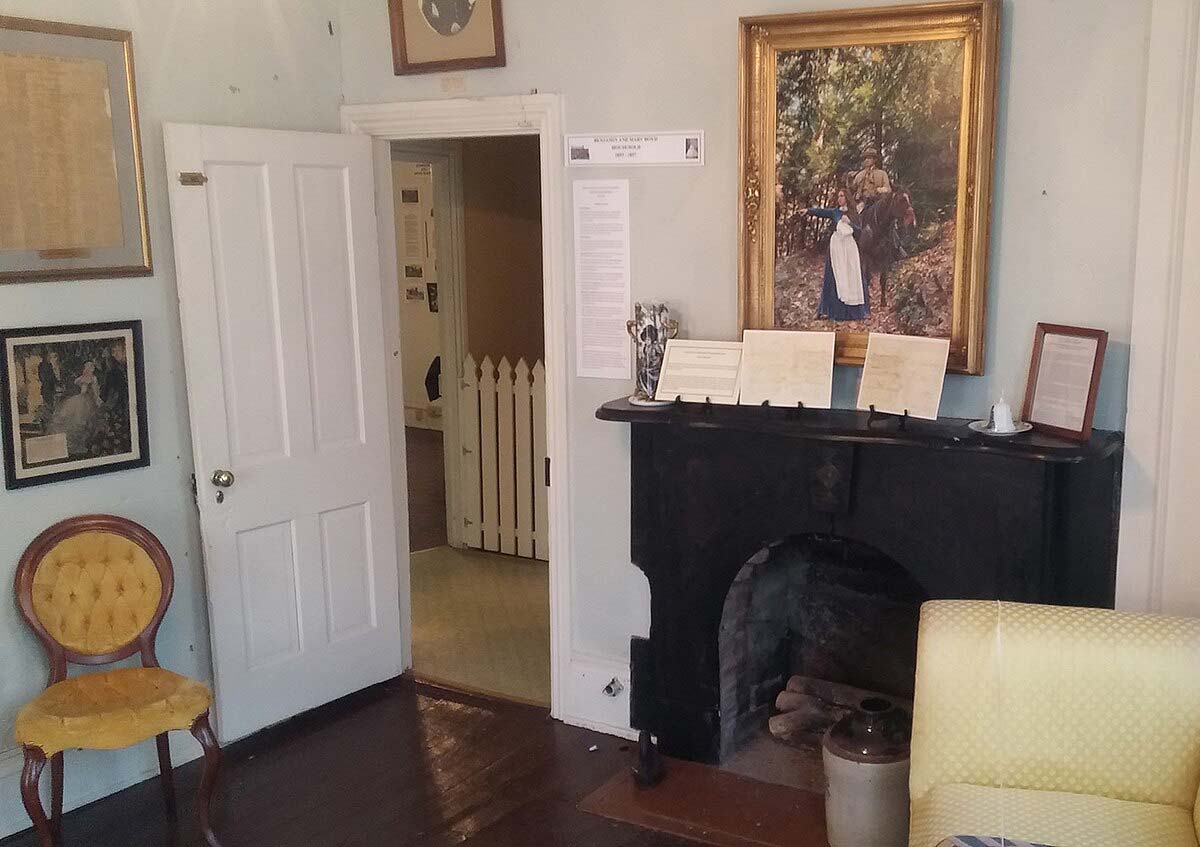
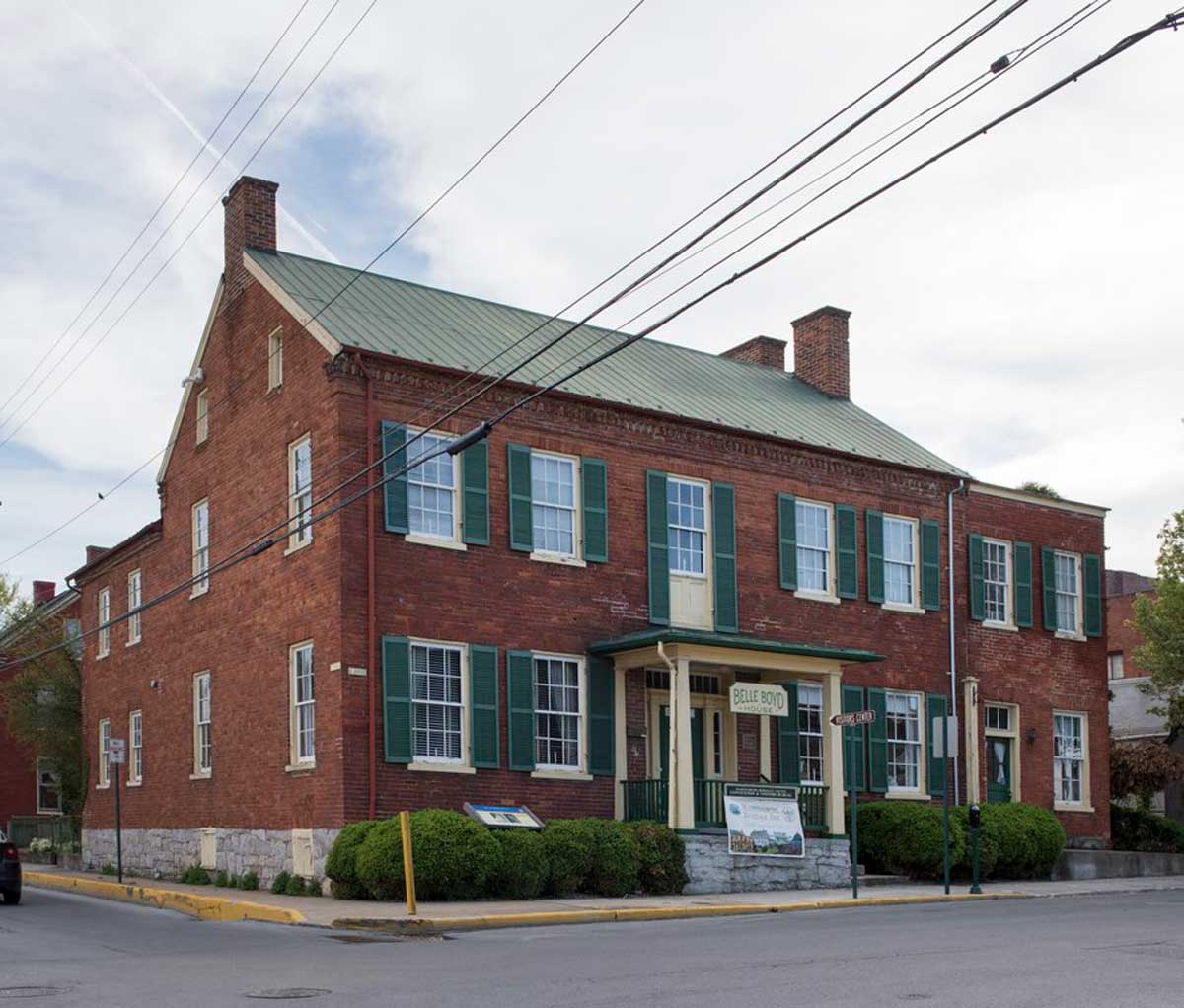
Belle Boyd was born May 9, 1844, to Benjamin and Mary Boyd. She grew up in Martinsburg, Virginia (now West Virginia). Her childhood was not noteworthy. In fact, her younger years were similar to the South’s high society children. She attended grade school and then finished school in Baltimore, Maryland, where she learned the expectations of a lady in Southern society.
While she was poised to be another Southern debutant, life would have other plans. Benjamin Boyd ran a hotel out of his home in Martinsburg. When the Union Army occupied the town in 1861, Benjamin’s hotel was requisitioned for the war effort. Union soldiers who had been in the home noticed the Confederate flags in Boyd’s room, which had been banned.
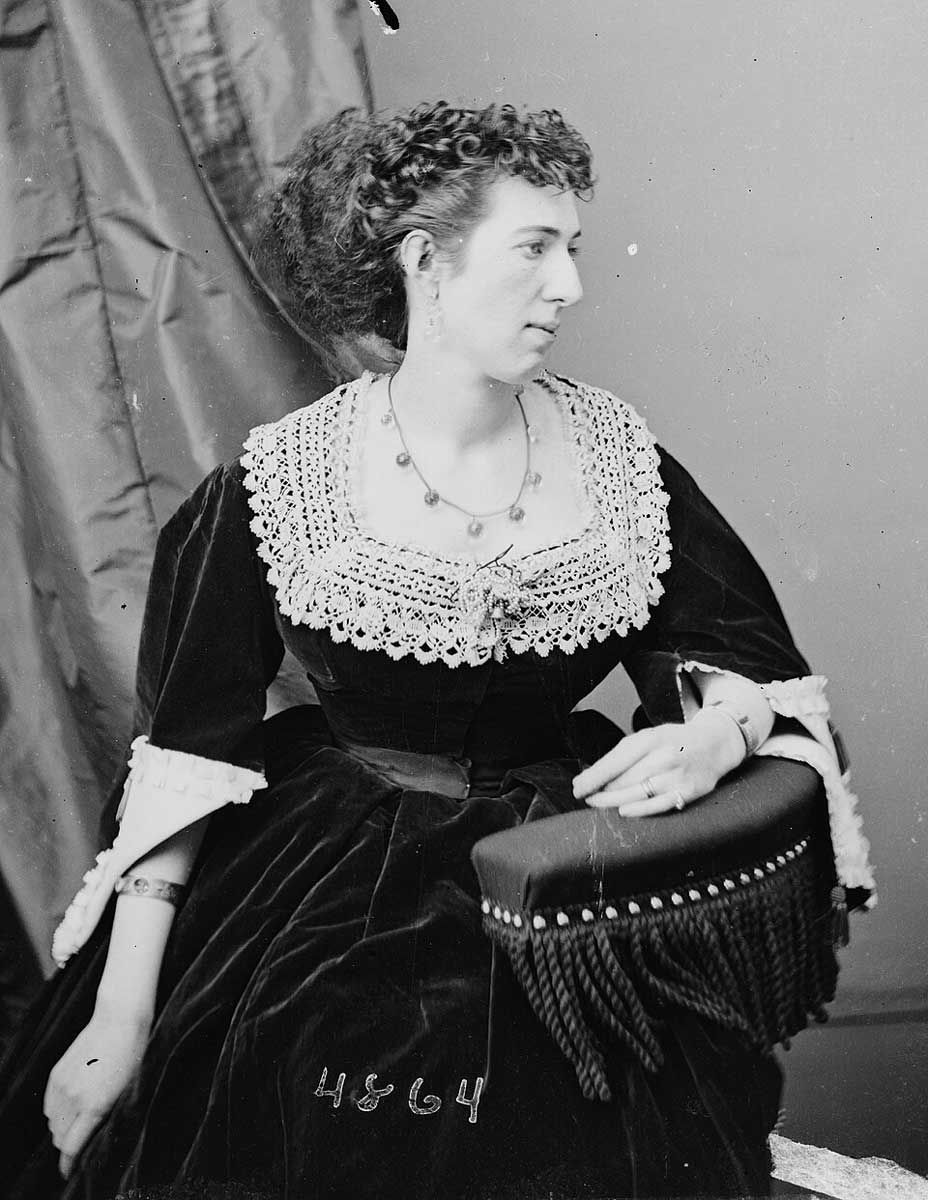
On July 4, 1861, Union troops entered her family’s home in an attempt to remove the flags. When one Union soldier shoved her mother and cursed at her, 17-year-old Belle grabbed a pistol and shot him. The soldier died shortly after the incident. Union military officials later ruled the killing justified and exonerated her, but the moment changed her life. She became an immediate subject of both curiosity and surveillance. Rather than lie low, Belle leaned into the attention.
From that point on, she began actively collecting information from Union soldiers staying at her father’s hotel and passing it along to the Confederacy. Boyd came from a wealthy, slaveholding family and had received a formal education, including time at Mount Washington Female College. Her intelligence work didn’t begin out of strategy—it began out of outrage. But her access to Union officers, who were often charmed by her appearance and confidence, gave her opportunities few others had. She understood how to play a part and how to use the sexism of the 19th century to her advantage.
Men of this era did not believe a woman, especially one from high society, was capable of espionage. However, it would not be long before Boyd caught the attention of the Union high command.
A Teenage Spy for Stonewall
By 1862, Belle Boyd had moved from spontaneous acts of spying to coordinated espionage. Early acts of defiance included eavesdropping on low-ranking soldiers. However, one evening, she overheard high-ranking Union officers discussing troop movements in the Shenandoah Valley. Belle knew what she had just heard could mean the end of the Confederate army in that area.
That same night, she rode 15 miles, under the cover of darkness, to get the information to Confederate lines. Her intelligence reached General Thomas “Stonewall” Jackson, who used it to help secure a victory at the Battle of Front Royal. Jackson later sent Belle a personal note of thanks and reportedly assigned her a group of cavalrymen to assist her movements. Belle kept the note and showed it off proudly, referring to Jackson as her “idol.” This was her moment of fame in the Confederacy. Richmond, Virginia newspapers called her the “Cleopatra of the Secession,” and her celebrity status grew.
Belle wasn’t part of any formal spy ring. She worked independently, driven by loyalty and personal conviction. The fact that she could navigate both parlors and military camps made her uniquely effective. It wouldn’t be long, however, until she would be caught for her treason.
Imprisonment
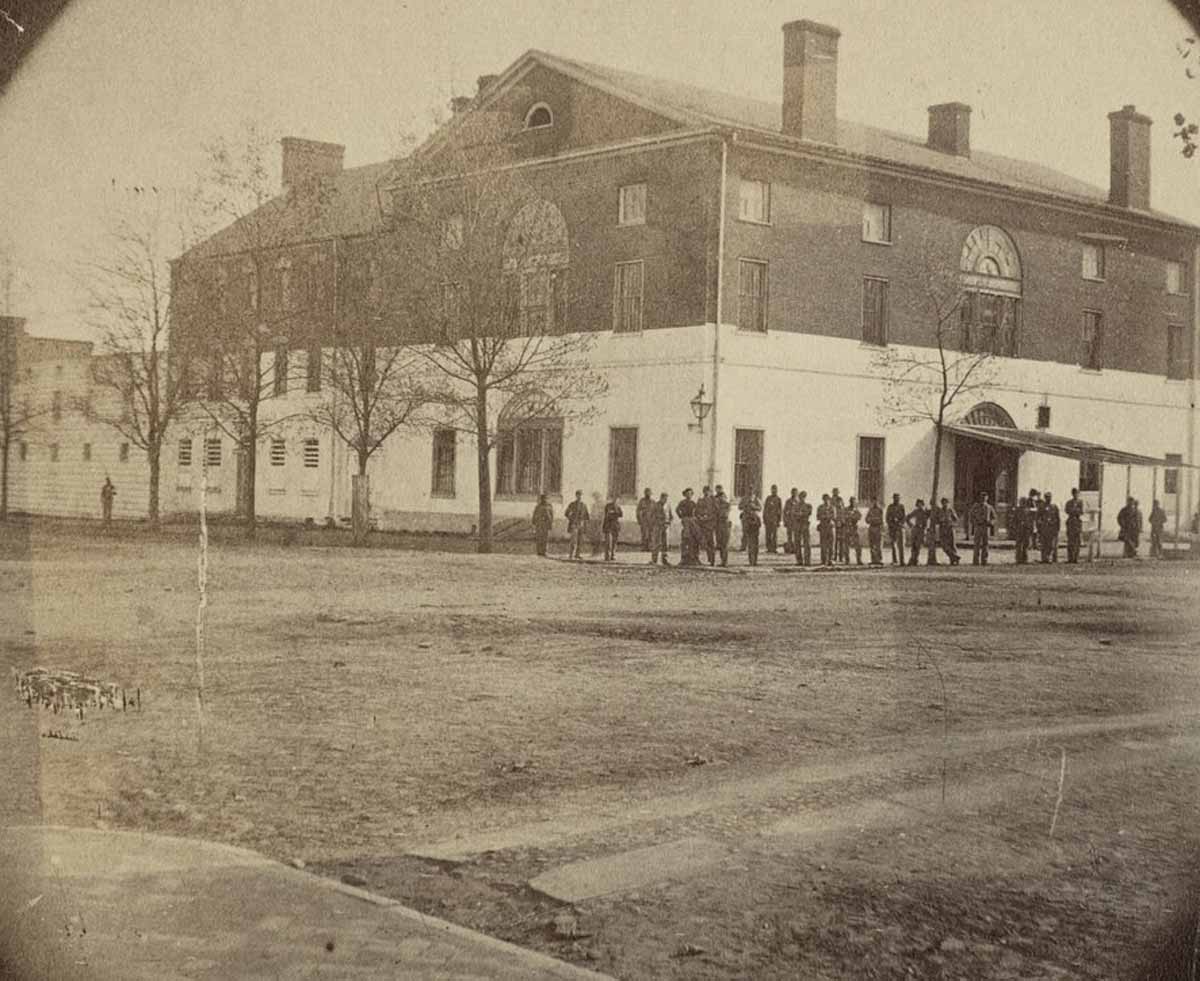
Belle Boyd’s activities eventually drew too much attention. In July 1862, Union authorities arrested her for espionage and sent her to the Old Capitol Prison in Washington DC. The prison had once been a boarding house, but during the war, it held everyone from spies to Confederate officers.
Lincoln suspended Habeas Corpus in 1861. By doing so, Belle and others like her could be held in prison indefinitely without trial. Belle spent a month there, confined to a room but still able to receive visitors and letters. Her status as a woman earned her some leniency, but the conditions at Old Capitol Prison were less than ideal.
Released in a prisoner exchange, Belle quickly returned to her activities. She was arrested again in 1863, this time in Cincinnati, Ohio, and was once again imprisoned for several months. Conditions were worse during this time in prison. She suffered from illness and wrote that her health deteriorated rapidly. The arrests added to her legend and did little to stop her work. If anything, they enhanced her mystery among Confederate sympathizers.
The Romeo and Juliet of the American Civil War
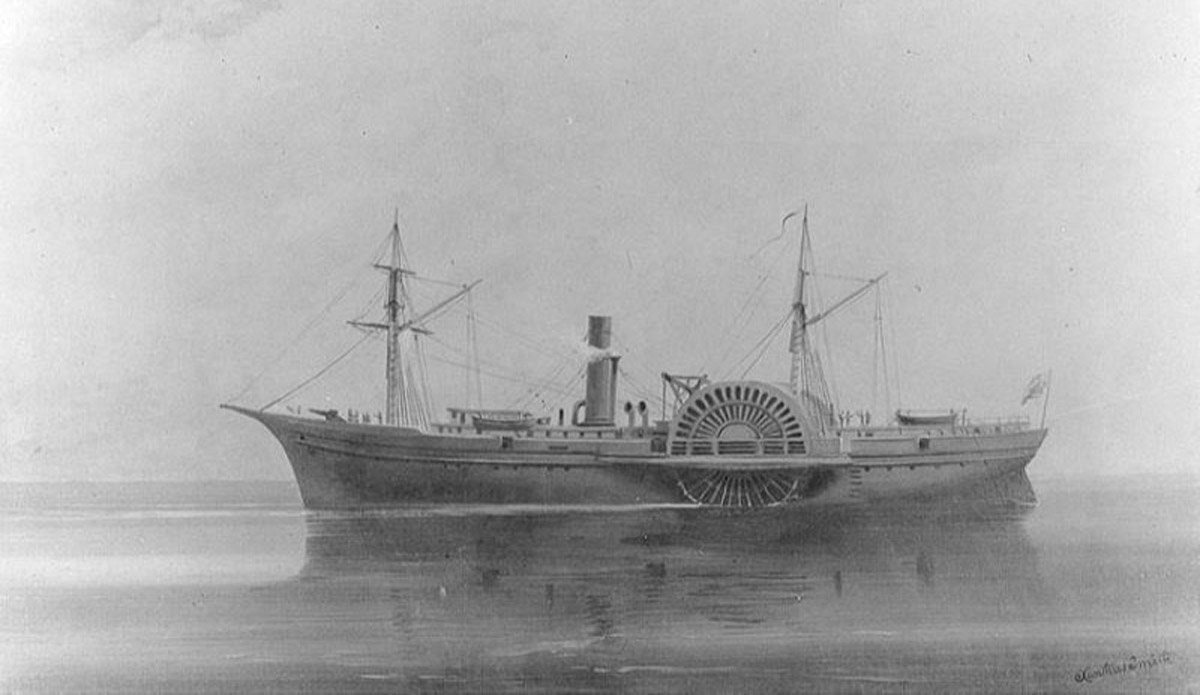
In a twist similar to a Shakespearean play, Belle Boyd married a Union naval officer. In 1864, Boyd attempted to flee to London until the war’s conclusion. As her ship was entering the Atlantic, it was stopped by the USS Connecticut. One of the officers on board was Samuel Hardinge. Belle was known by now and, due to her reputation, was detained once again.
Over the following months, Belle and Hardinge developed a relationship, and after her release, they were married in England. The marriage raised eyebrows across the North and South. To Confederates, it was strange to see one of their most famous spies marrying the enemy. To Northerners, it was hard to understand how a Union officer could fall for a woman who had actively worked against them. But Belle never saw the contradiction. For her, the war was deeply personal, and once it ended, so did her allegiance to the Confederacy.
Samuel Hardinge died not long after their marriage and the birth of their daughter, Grace. Belle, newly widowed, returned to the United States. In 1869, she remarried but always held a special place in her heart for Samuel.
Later Life
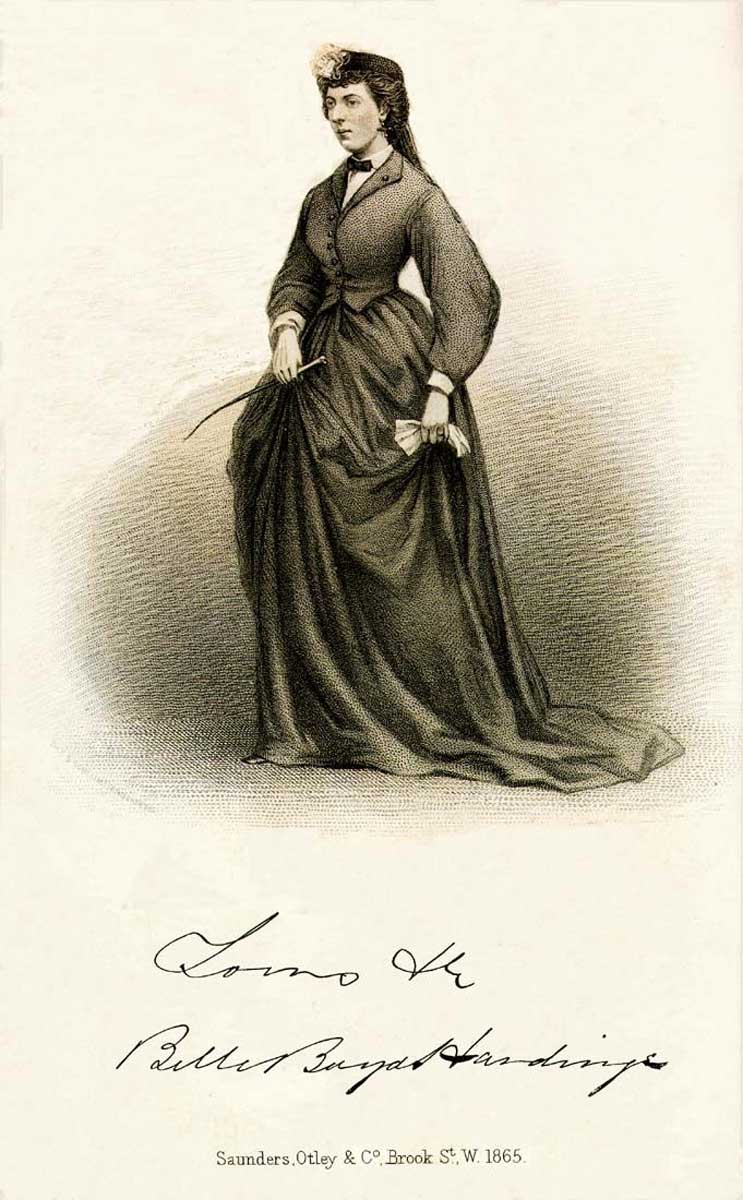
After the war, Belle Boyd capitalized on her fame as a female spy. In 1865, she published her memoirs, Belle Boyd in Camp and Prison. The work, while presented as nonfiction, has been scrutinized by historians as highly fictionalized and merely a work of lost cause propaganda. It sold well, especially among former Confederates who longed for stories of defiance and honor.
Due to the success of her memoirs, she began touring the country, giving dramatic readings and lectures about her life. She dressed in period clothing and recounted her exploits on the stage, turning her wartime past into performance. Some critics dismissed her as theatrical, but audiences kept coming. In an era before film or television, Belle’s lectures offered a rare firsthand account of the war from a woman who had lived through it and shaped parts of it. She performed across the US, often in small towns and city theaters. Her Southern drawl, dramatic timing, and charm won over audiences much like they had the Union officers during the war.
Death and Legacy
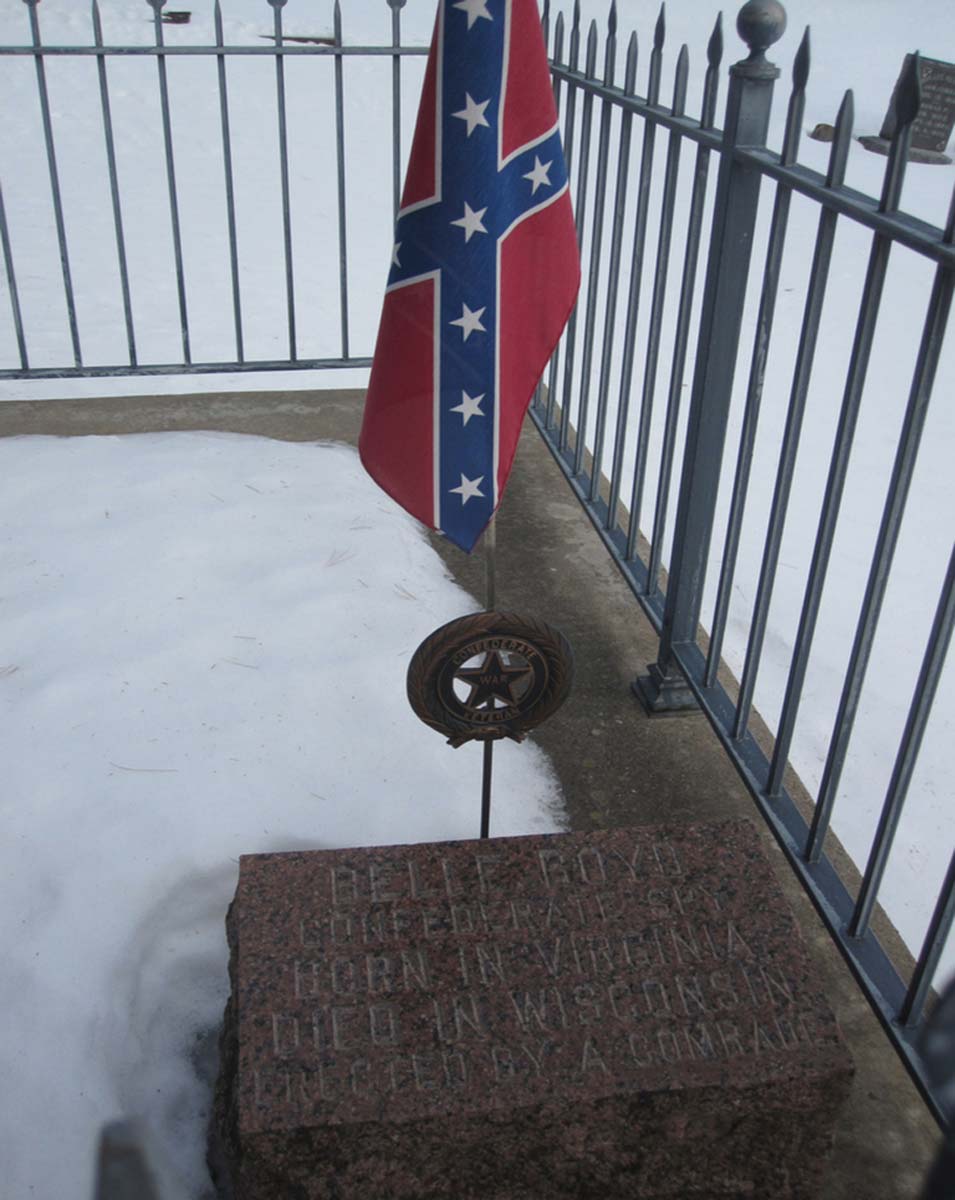
In 1900, Belle Boyd died in Kilbourne City, Wisconsin, at the age of 56 of a heart attack, while on a speaking tour. At the time of her passing, she was far from the battlefields of Virginia and the theaters of war, but she was still traveling, still speaking, and still determined to tell her version of events.
She was buried in Wisconsin, her grave marked by a headstone that proudly identifies her as “Belle Boyd, Confederate Spy.” In death, as in life, Belle remained a symbol of Southern identity and wartime defiance. Her legacy is complicated. Some remember her as a hero who risked everything for her cause. Others see her as a propagandist who glorified the Confederacy long after its defeat. A first of a controversial narrative known as the “lost cause of the Confederacy.”
Nonetheless, she made an impact on American history. Belle Boyd lived defiantly in a time that demanded conformity from women on either side of the conflict. She remained dedicated to her cause even after several instances of imprisonment. Her later life was plagued with tragedy and triumph. While she continued to profit from her exploits during the war, she was never able to move past it.