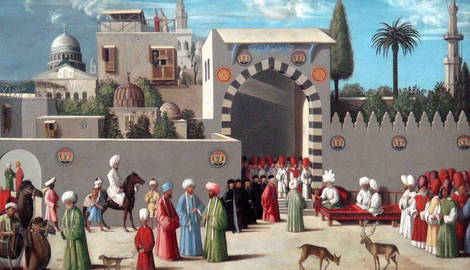

The Mamluk Sultanate era began in 1250 and violently ended in 1517. The term Mamluk, which means “owned” or “possessed” in Arabic, explains the Mamluks’ origins.
Beginning in the 9th century, slaves were trained to be Mamluks. They originated from the edges or outside the Middle East, and were often Turks, Georgians, Russians, and Greeks. Before their 1250 takeover, the Mamluks were loyal, ruthless enforcers of their rulers. They had no local ties; only fresh slaves could be replacements. As slaves, Mamluk sons had neither inheritance nor sign-up.
The Mamluk’s life was not all war. Capable Mamluks received promotions, rising to positions of power within the ruler’s government. The Mamluks followed the Furusiyya code, prioritizing three fundamental elements: literature, arts, and science. Furusiyya’s essentials included generosity, military tactics, cavalry, and management. This, plus the Mamluks’ ferocity, made for competent soldier-administrators.
How a Bloody Revolt Turned Enslaved Fighters into Sultans
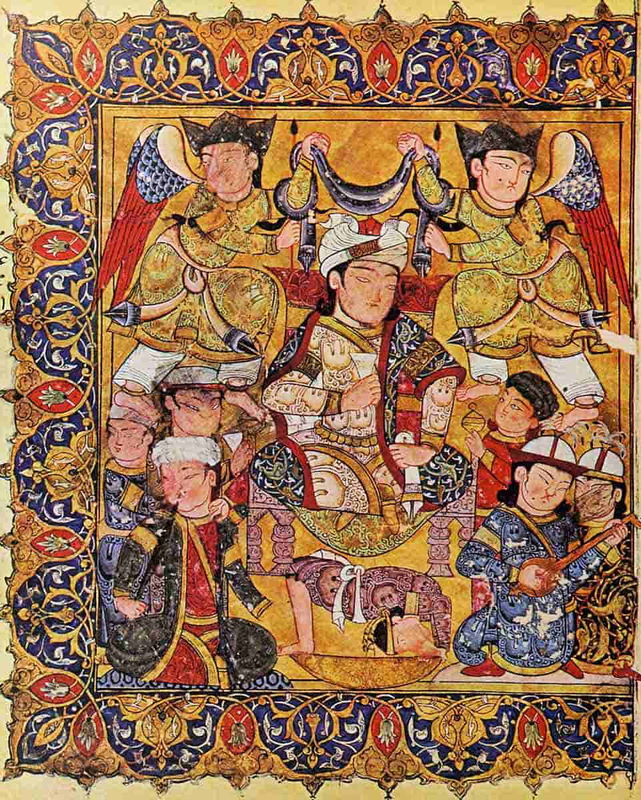
In 1249, the Mamluks revolted after spending decades building trust and assisting in governing. They replaced the Ayyubid Sultan and killed his heir, after which they installed their own Sultan, Aybak, and established their own Sultanate in 1250. The power base lay in Syria and Egypt.
The Mamluks used their established ways to build their administrative and political base, and they promoted only from within themselves, which ensured loyalty. Their political and military successes consolidated their hold until 1517. The Mamluks created a hierarchical society with them on top.
Crushing Crusader Kingdoms and Stopping the Mongol Advance
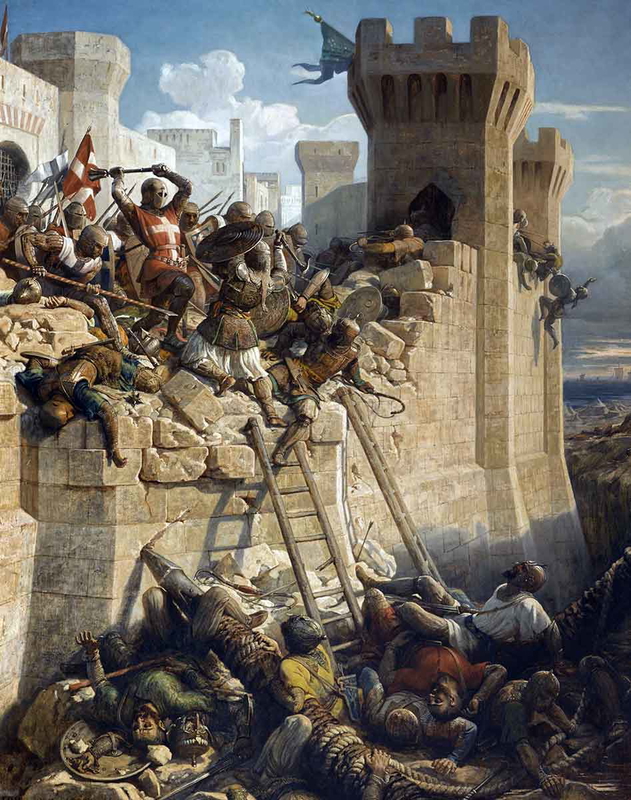
During their rule, the Mamluks defeated two opponents, preserving the Levant for Islam. First, the Mamluks crushed the remnant European Crusader kingdoms, starting in 1244. The Mamluks eventually took Acre, the Crusaders’ default capital, after seizing Jerusalem in 1287. The formidable slave soldiers defeated these opponents through skill, sheer numbers, and effective siege engines.
During their ongoing anti-Crusader war, the Mamluks also blunted the Mongols at the 1260 Battle of Ain Jalut in modern Israel. The Mongol juggernaut attacked, conquered, and kept lands from far Korea to Syria. Baghdad fell to them in 1258; there, the Mongols slaughtered more than 200,000 people. Damascus fell soon after. But at Ain Jalut, the world’s greatest equestrians met their match. Through feints and tricky tactics, the Mamluks defeated the Mongols, delivering a sound thrashing.
With this defeat, the Mongols ceased to be a major problem. The Mamluks moved into these newly liberated areas, taking over trade and governing.
Massive Spice Trade Riches and the Crisis That Undid Them
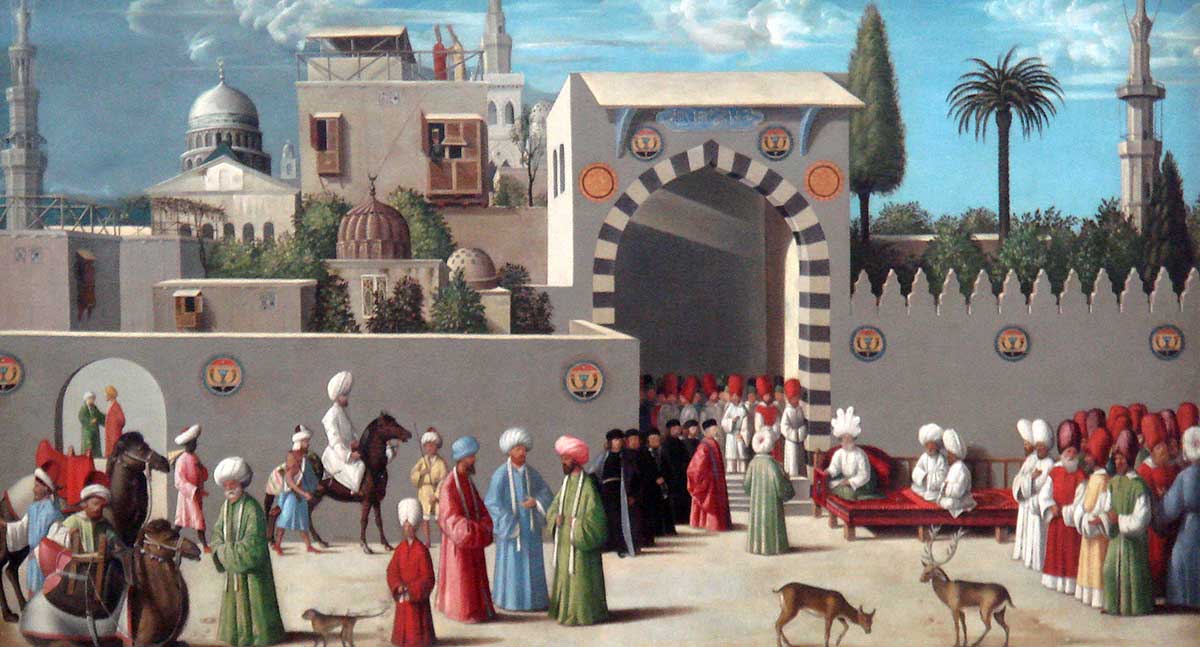
Initially, the Mamluk Sultanate’s trade flourished. Egypt’s important position atop Asian and European trade routes generated wealth from taxation. Also, the Mamluk Sultans regulated trade as needed. Goods like spices, metals, and textiles exchanged hands in Mamluk-controlled ports like Alexandria. The riches from trading led to the Mamluk Sultanate attaining a strong military and administration.
The Mamluk Sultanate competed economically with the Ottoman Empire. The Ottomans controlled the Silk Road and Mediterranean trade through Istanbul. Wary of the Ottoman Empire’s size and influence, the Mamluks made trade agreements with Venice or Genoa. The Nile Delta’s vital agricultural output was one cornerstone of the Mamluk Sultanate’s prosperity.
Cracks in and against the Mamluk Sultanate’s economy started in the late 14th century. First, in 1347, the Black Death struck, killing thousands, especially in Cairo.
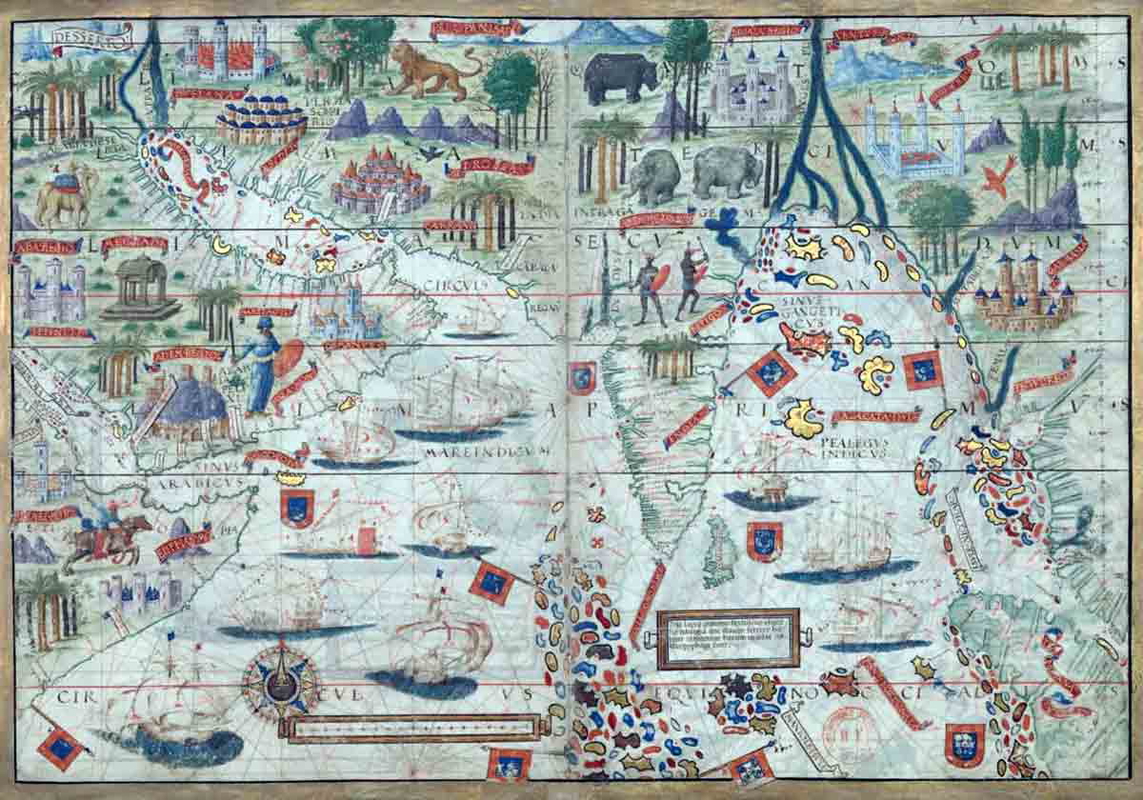
With fewer people, the Mamluks had fewer workers or slaves to fill their ranks. Economic competition grew with the Ottomans, but the result of Portugal reaching the Indian Ocean via the tip of Africa hit hard. Portuguese colonies in India now traded directly with Europe, bypassing the old route via Mamluk Alexandria.
The Final Collapse to the Ottomans and the Lasting World It Saved
The Mamluk Sultanate, like all powers, eventually declined. Corruption, plagues, and natural disasters all combined to weaken the state. The end came from the Ottomans, their larger rival. War broke out in 1516 and ended with a complete Ottoman victory when Cairo fell in 1517. The Ottomans annexed the Mamluks’ traditional areas of Syria and Egypt.
The Mamluk Sultanate’s legacy is still present today in the Levant. First, defeating the Mongols preserved Arab culture; without their martial skills, the Levant may have looked very different. Their other legacies are more evident in architecture, economics, and law. Restoring Egypt’s central role in Europe-to-India trade during a turbulent era maintained a broader prosperity.