One side saw them as traitors. The other side celebrated them as heroes. But starting in late summer of 1846, the Irishmen of the Saint Patrick’s Battalion of the Mexican Army fought resolutely against invading American forces. These renegades, clad once upon a time in US Regulation blue, deserted to the Mexican side. As Catholic immigrants in the US Army, they faced harsh treatment by American officers and shared a common faith with the other side. Enticements such as land, better treatment, and higher pay were offered.
This decision, however, came with consequences.
Catalysts for Desertion
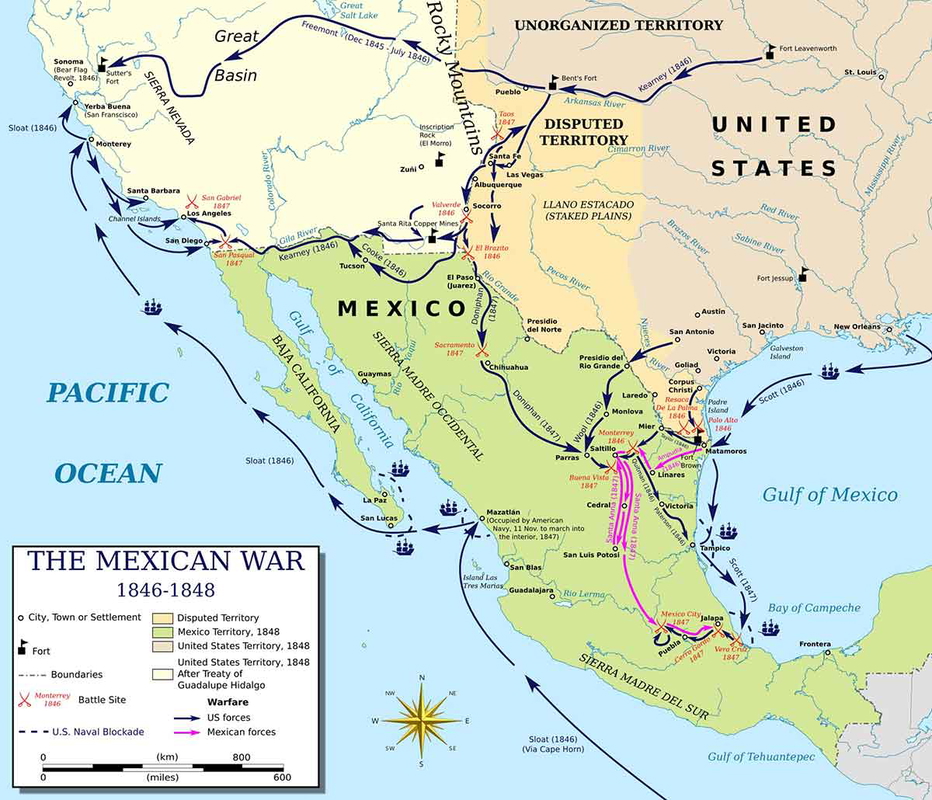
The Irish soldiers’ decision to desert didn’t happen in a rush. The departures occurred gradually from late 1845. The first desertions came from Texas frontier posts (Fort Brown, Fort Isabel). The reasons came as 19th-century nativism swept through the US Army, with a predominantly Anglo-Protestant corps. Under their watch, Irish soldiers put up with discrimination, hostility, and often stricter discipline than Protestant soldiers. In addition, the officers limited access to Mass or clergy. This treatment compounded what many Irish faced growing up. Under British rule, they endured poverty and discrimination.
In April 1846, American and Mexican forces clashed, which accelerated desertions. For Irish deserters, 1846 became a turning point, as Mexican leaders, clergy, and others recognized an opportunity and exploited the poor treatment of the soldiers. Starting in May and June 1846, they offered the Irish better pay, officer positions, citizenship, and land. Also, the Irish deserters were drawn by the lure of a shared faith.
A Unit of Outcasts Led by John Riley
As the ex-US Army soldiers crossed the border into Matamoros, they reported to Mexican officers and met with priests. Desertions increased in May and June 1846. Among them was the future leader of the battalion, John Riley.
Riley, born around 1817 in Ireland, deserted on April 12, 1846, passing into Mexico. Like his comrades, he left only weeks before the war broke out. Though formerly a private, American officers utilized Riley’s previous experience in the British army.
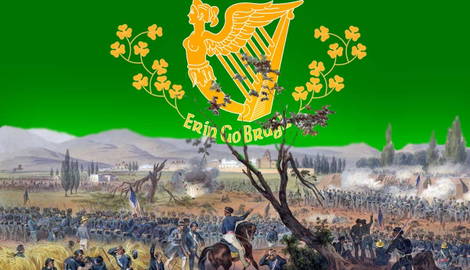
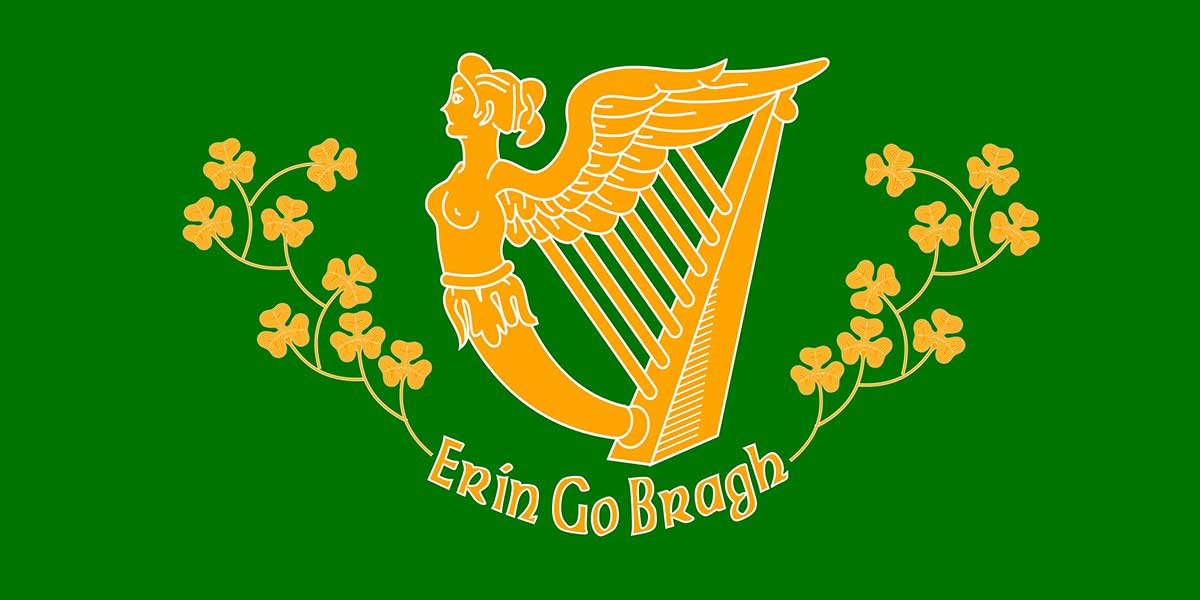
Riley started organizing the Irishmen and other deserters into an effective artillery unit. Most of the members had undergone rigorous US Army training. Riley drilled these men and later recruits in the American artillery method under the name The San Patricios Company. Sources say he may have created the unit’s banner around September 1846. This green flag, incorporating an Irish harp, the Mexican Army coat of arms, and the motto “Erin Go Bragh,” was born. The banner demonstrated their Catholic faith during their future battles.
The Skill of the San Patricios
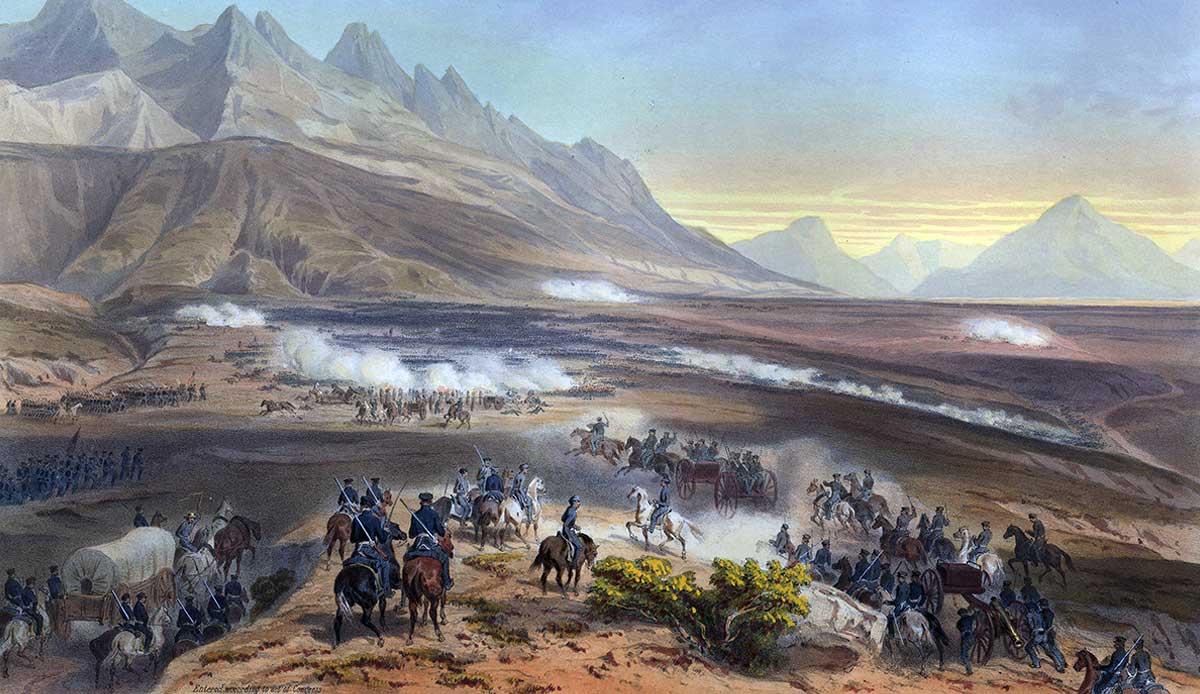
As the nucleus of the Saint Patrick’s company formed, the Mexican-American War broke out on May 13, 1846. One of the company’s first clashes occurred during the Siege of Monterrey, Sept. 21-24, 1846. The fight for this city (and citadel) evolved into a brutal urban brawl where the company deployed.
As American units pushed into the city, the San Patricios relied on their American training. Rapidly moving their guns in the narrow streets, they used canister fire to break up attacks. American pressure, though, made the defense untenable. The Mexicans retreated, but the San Patricios had proved their competence and professionalism. Impressed by their skills, Mexican officials began to organize the San Patricios as a battalion.
They fought next at the Battle of Buena Vista (February 22-23, 1847). Here, the San Patricios again demonstrated their skill. Their constant fire hit the American center hard, nearly turning the tide of the battle. The Americans only avoided a collapse by committing their final reserves.
A Final Stand, Trial, and Hangings
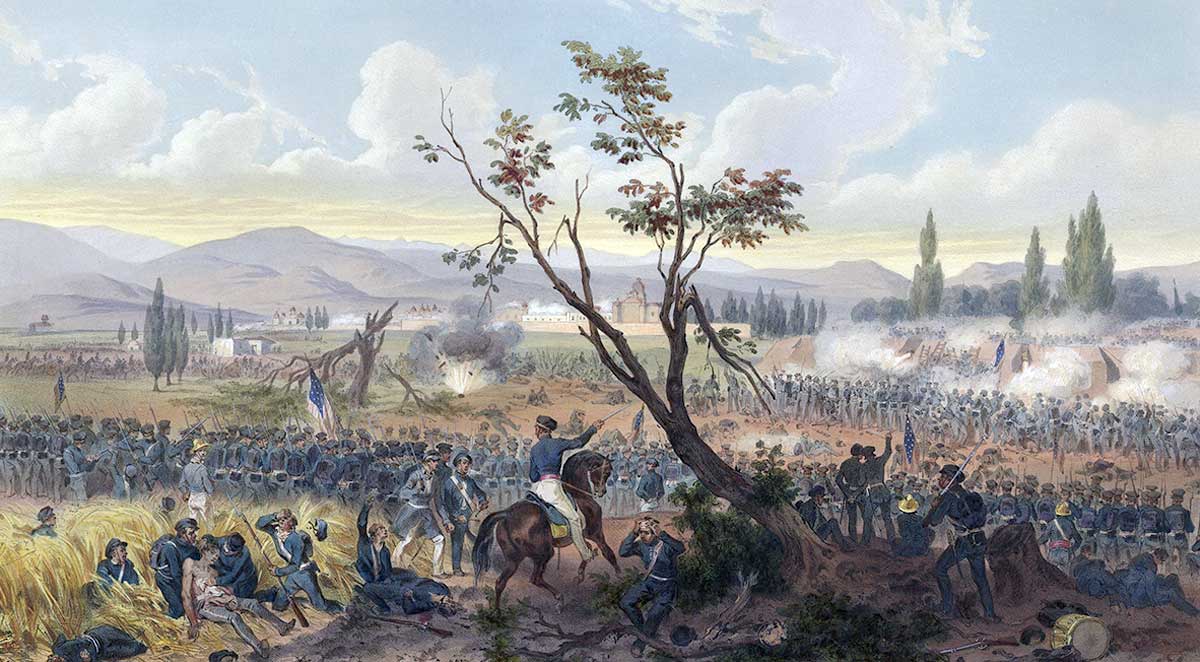
The August 20, 1847, Battle of Churubusco commenced as the American army moved towards Mexico City. Here, John Riley and the San Patricios, positioned in the thick of the fighting, fought ferociously. Though vastly outnumbered, the Mexicans hoped to delay the Americans from reaching the capital.
At the battle’s start, the San Patricios knew already how the fight would end. They fought at a bridgehead, then inside an adobe convent, with no way out. Riley and his men fought til they exhausted their artillery ammunition. They shifted to muskets, bayonets, and finally bare hands. Calls to surrender (or retreat) went ignored. Survivors knew their likely fate if taken: execution. American soldiers eventually overwhelmed the last survivors.
The trials happened quickly. John Riley and these men were branded as traitors. Fifty received death sentences, being labeled “apostates” or “renegades.” Around or just before September 13, 1847, the fifty died in several mass hangings at Chapultepec. This was one of the largest mass executions in American military history.
The achievements of the Saint Patrick’s Battalion stood out in the history of the Mexican-American War. They were called traitors by one side, but in Mexico, they are celebrated as heroes.