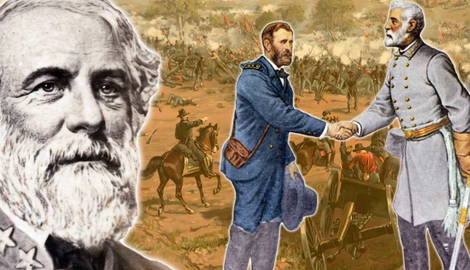

Born in 1807, Lee’s father was the famous Revolutionary War General Light-Horse Harry Lee. Lee Senior earned his rank and reputation serving George Washington in America’s War of Independence. Lee was the youngest son and fifth child.
Lee graduated from the United States Military Academy, now known as West Point, in 1829, second in his class. He married Mary, with whom he had seven children. By then, Lee’s rank was lieutenant in the Engineer Corps. He earned a promotion to second lieutenant in 1833, and by 1838, Lee had become a captain with various postings along the East Coast. His typical assignments included planning the construction of fortifications or the procurement of supplies.
How the Mexican-American War Shaped Robert E. Lee as a Commander
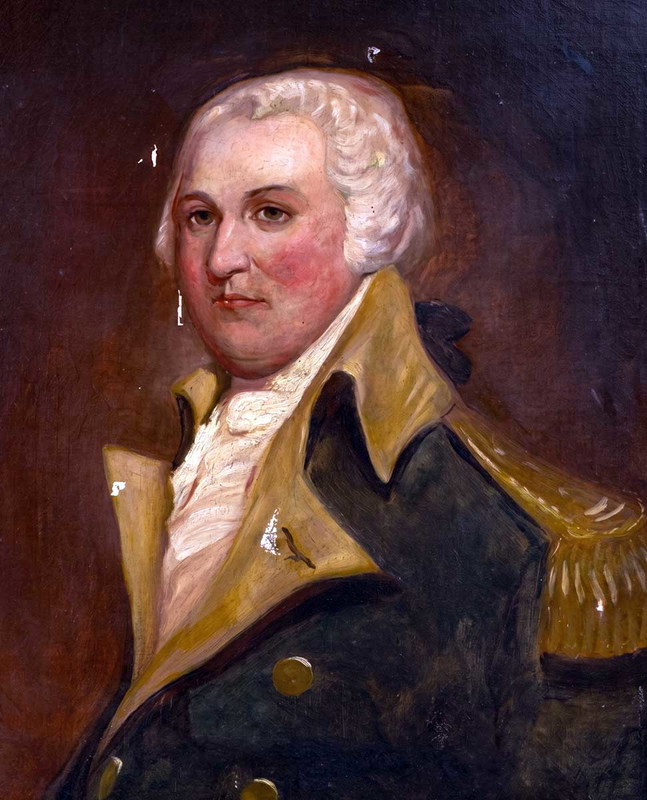
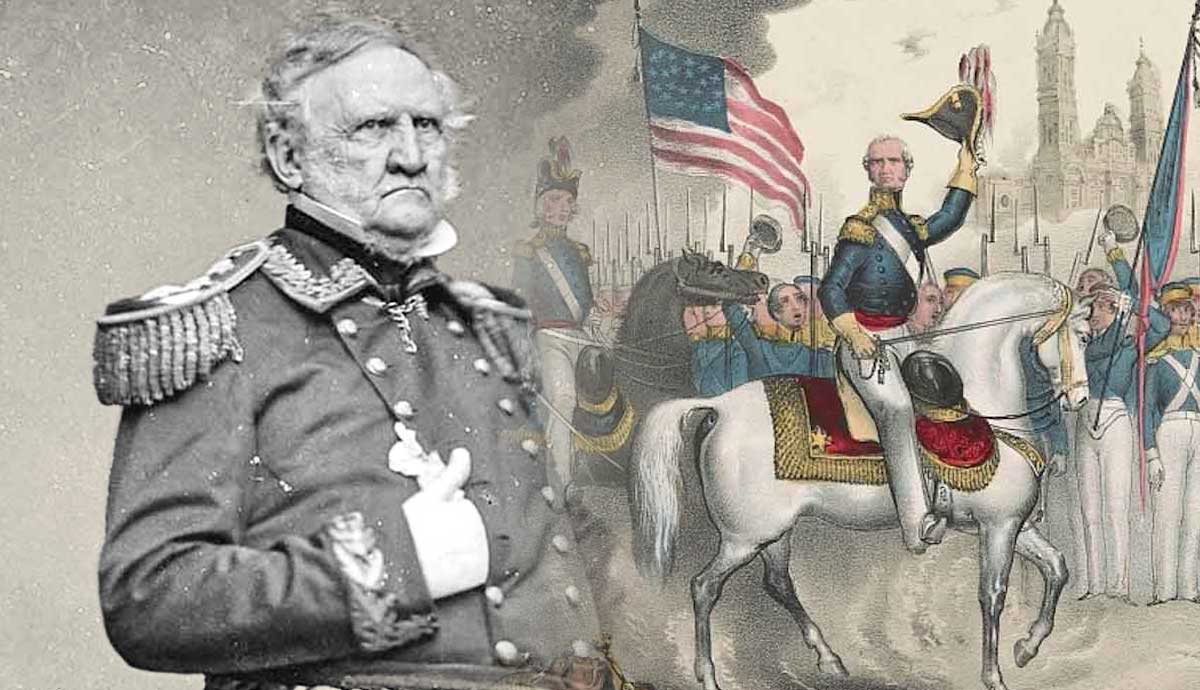
Lee’s first exposure to combat came with his time during the 1848 Mexican-American War as an aide to the expedition’s top general. Though he started as a captain, his bravery and skill earned him a “brevet” or temporary battlefield promotion to major. As the American army marched from the port city of Veracruz to attack Mexico City, Lee scouted ahead, often finding paths to attack the Mexicans considered unpassable.
Lee fought in significant battles, including the Siege of Veracruz and the Battle of Chapultepec. His experience there taught him skills he’d use during the American Civil War. Many contemporaries considered him an excellent leader and tactician.
Why Robert E. Lee Rejected US Army Command to Fight for the South
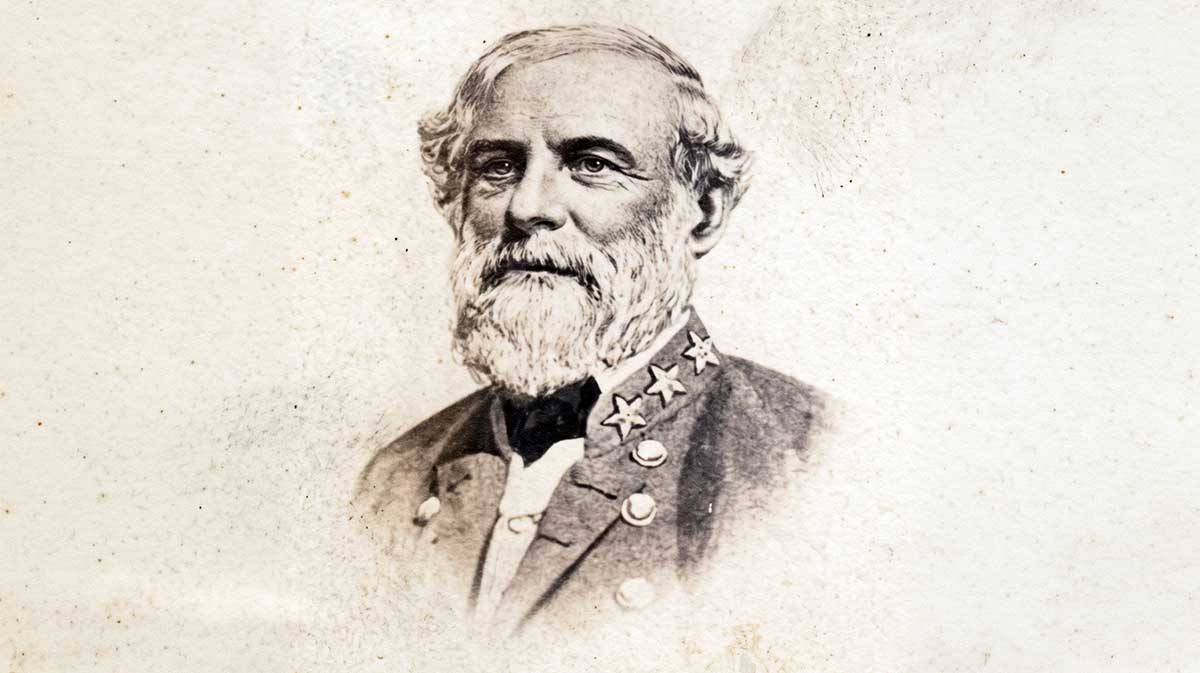
The 1850s were a difficult time in America, especially around the topic of slavery, and by 1861, the issue tore the country apart as the Civil War broke out. The bombing of Fort Sumter officially started the conflict, forcing difficult decisions. Lee declined US Army command, instead becoming a Confederate Army general. In his resignation letter, Lee stated he couldn’t fight fellow Virginians.
Inside the Brutal Victories and Crushing Defeats of the Army of Northern Virginia
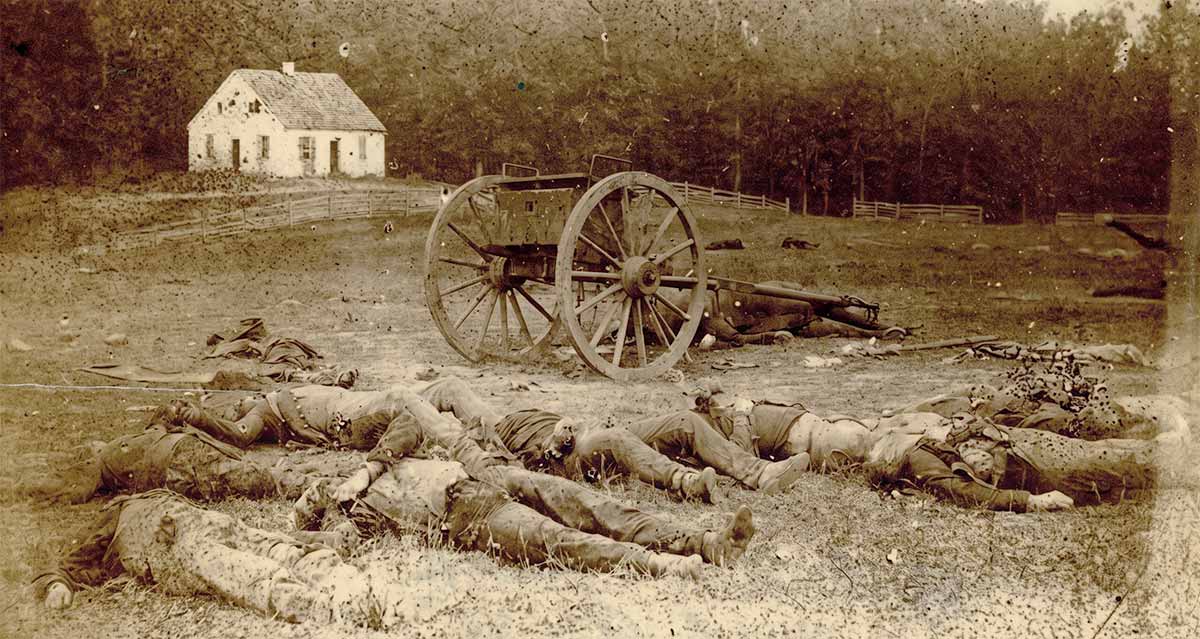
The years of 1861 and 1862 were a mix of victories and defeats for Lee. His defense works were so thorough at Savannah, Georgia, that the port didn’t fall for nearly three years. In early 1862, the Union Army fought hard, pushing back the Confederates until the front lines were only 20 miles outside the capital, Richmond.
Recalled by Confederate President Davis, Lee renamed this force the Army of Northern Virginia on June 1, 1862. He then promptly attacked; the Union Army easily outnumbered his forces, but he defeated three Union armies and crushed another until the Confederates stopped 20 miles from Washington, DC. He took the fight to Maryland in this campaign, hoping to gain supplies or influence the elections. Lee next won the war’s single bloodiest battle, the Battle of Antietam, on September 17, 1862.
The Devastating Gamble at Gettysburg That Broke Robert E. Lee’s Army
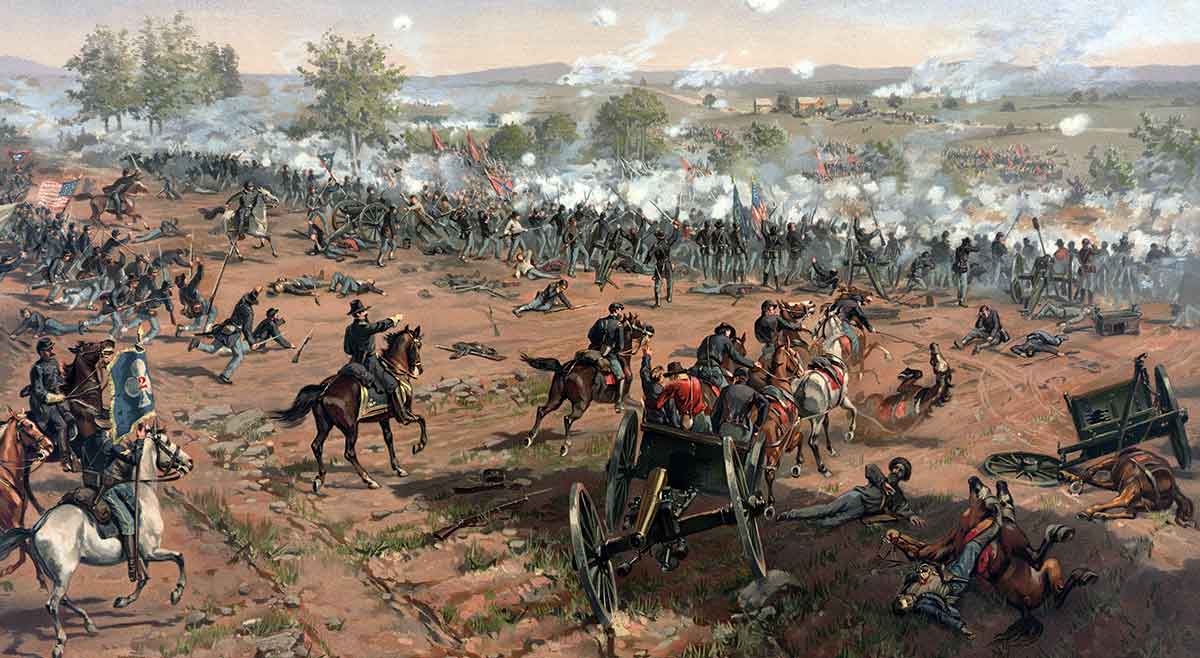
Lee, despite the victories, knew the South still faced massive issues. The Union’s industrial, population, and military advantages dwarfed the Confederacy. So he struck again, invading Pennsylvania to keep the South’s momentum going. He hoped to smash the Union’s demoralized troops, pressure the Union to negotiate, win European recognition for the Confederacy, and protect Virginia.
After crossing the Potomac River on July 1, the two armies clashed at Gettysburg. The Confederates captured the town. In three days of bloody fighting, Lee’s men penetrated Union defenses. Still, they lost so many men charging across open fields or uphill under enemy fire that the attacks couldn’t be sustained. Unable to continue, Lee ordered a retreat back to Virginia. Out of 75,000 men, Lee lost over 22,000 killed in the fighting. The defeat proved permanent, as Lee never invaded again. However, the upcoming battles would demonstrate his defensive skills.
How Ulysses S. Grant Finally Broke Robert E. Lee’s Defenses
The most critical part of the Civil War started in 1864; the newly appointed Ulysses S. Grant’s armies faced the skillful Lee’s Confederate forces. Grant, equally relentless as Lee but with more men and resources, invaded Virginia by crossing the Rapidan River and beginning the Overland Campaign.
Lee adroitly defended Virginia against Grant’s constant battering. He held off the Union Army with increasing difficulty each time. The Siege of Petersburg commenced the final Civil War campaign. For almost a year, Lee kept Grant buffeting against strong defenses he built around the city. Grant repeatedly tried to flank Lee’s army, but the wily Virginian matched him.
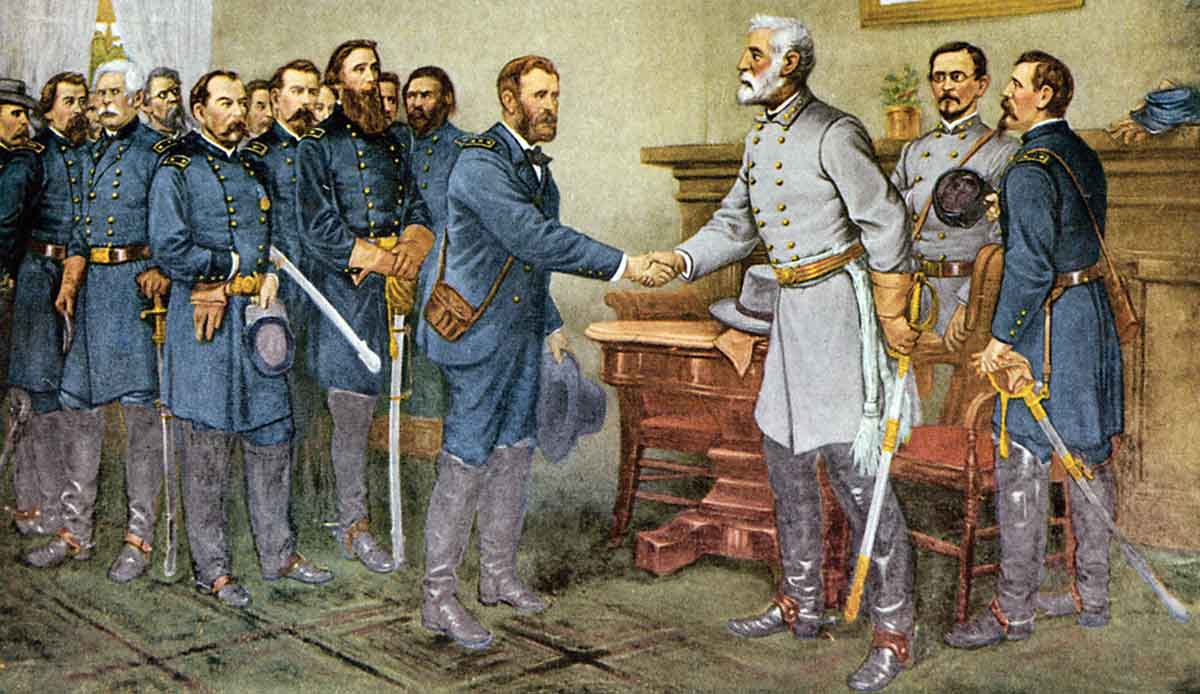
The constant pressure finally broke Lee’s forces. He evacuated the capital, Richmond, and realized the cause was lost. Lee surrendered at Appomattox Court House on April 9, 1865. He ordered all Confederate troops to stand down, thus preventing a guerrilla war and bloodshed. Without Robert E. Lee’s martial skills, the Confederate States’ existence would have been considerably shortened.