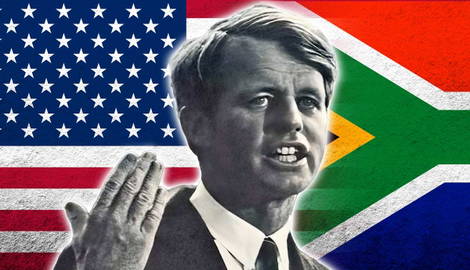

When on a visit to Cape Town, South Africa, in 1966, Robert F. Kennedy spoke of the enduring similarities between the United States and South Africa. He had been invited by an anti-apartheid student group and spent five days touring the country and meeting with movement leaders. At the University of Cape Town, he began his speech by speaking about his “love for a country…”
“. . . settled by the Dutch in the mid-seventeenth century, then taken over by the British, and at last independent; a land in which the native inhabitants were at first subdued, but relations with whom remain a problem to this day; a land which defined itself on a hostile frontier; a land which has tamed rich natural resources through the energetic application of modern technology; a land which was once the importer of slaves . . . the United States of America.”
RFK’s speech was a special moment that highlighted the parallels between the United States and South Africa. As well as noting the problems the nations faced, it also focused attention on the common experiences that both nations shared.
By breaking down his speech, it becomes very clear that there was much truth in what he was saying.
“Settled by the Dutch in the Mid-Seventeenth Century”
Both the US and South Africa, of course, possess long Indigenous histories. South Africa boasts one of the oldest records of human existence in the world; the “Cradle of Humankind” at Maropeng and Sterkfontein Caves is just an hour’s drive from the Johannesburg airport. Khoi-San people long existed throughout Southern Africa before Bantu migrations brought many more African people to the land that would be colonized by Europeans. Similarly, in North America, Indigenous groups arrived in what would become the United States and Canada many centuries before the Dutch.
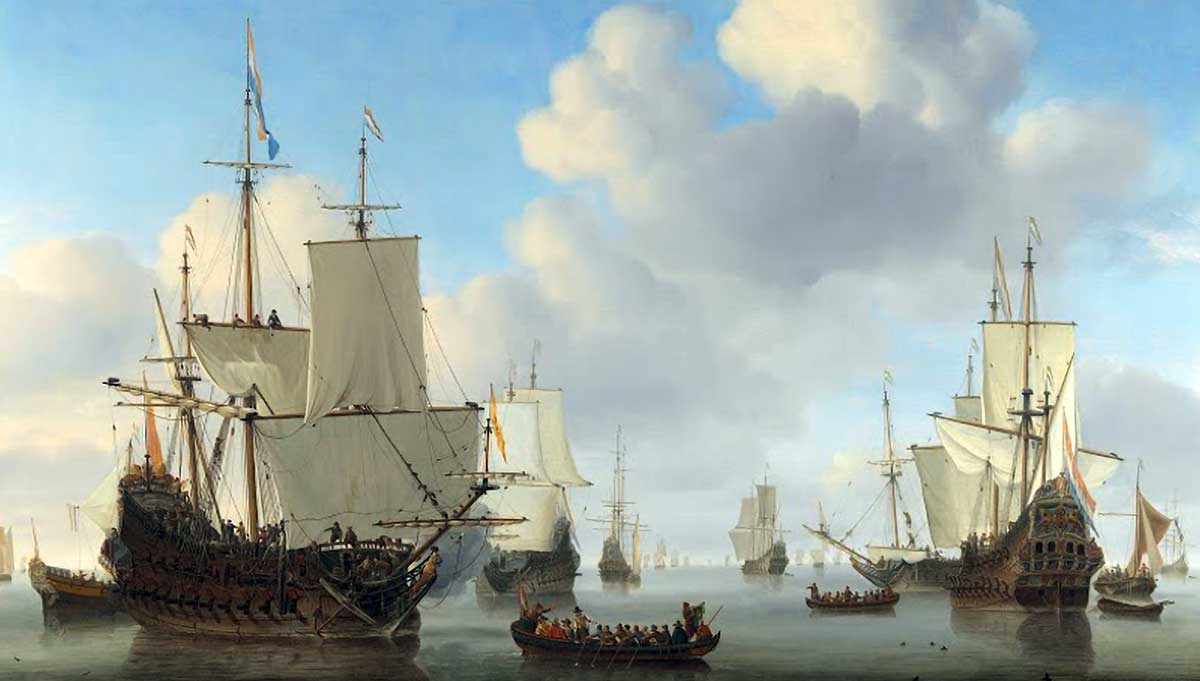
The histories that conjoin the countries, however, do begin with Dutch arrival. The Dutch East India Company (VOC) was formed in the early 17th century, shortly after the Netherlands gained independence. It began traveling around the Cape of Good Hope in 1604, utilizing it as a rest stop during the two-year journey to what is now Indonesia. Dutch settlers stayed in the area beginning in 1620 and maintained the Company’s Garden to provide rations for ships traversing the area.
In 1652, Jan van Riebeeck famously—or infamously—brought a boat of settlers that included women and children, founding the settlement of Cape Town. As the decades passed, many moved further out of the settlement in attempts to farm their own land and escape VOC meddling. Many of these men intermarried with Khoi-San women. The VOC soon began importing enslaved “Malay” people from contemporary Indonesia (then Java) and surrounding areas.
“Afrikaners,” as Dutch-descended settlers became known, settled primarily in the Western Cape area prior to trekking north and east to the future “Boer Republics.”
In the United States, long-term Dutch influence was not as trenchant. However, the Dutch West India Company did develop much of the East Coast, including perhaps most famously what is now Lower Manhattan. Dutch focus on the Americas largely shifted to trying to maintain Caribbean colonies, but the imprint remains on US History nonetheless.
“Taken Over by the British”
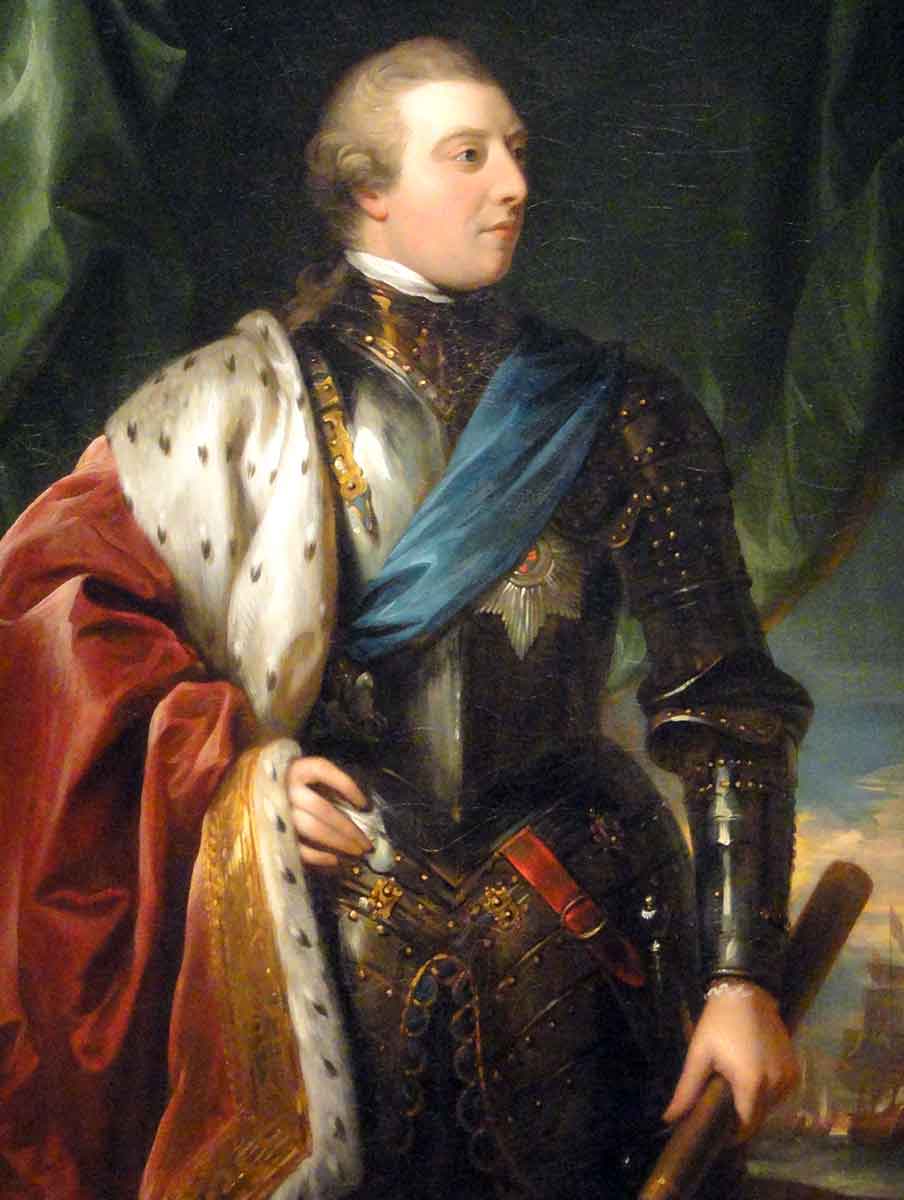
Among the many European countries that influenced it, Americans see British reign as being the most impactful. British merchants, prospectors, religious figures, politicians, and second sons made their way to the famous Thirteen Colonies along the Eastern Seaboard. During the Seven Years’ War, which was also referred to as the French and Indian War, the colonies fought off French forces to gain control over more of the future United States and Canada. Most Americans speak English as a first language, and King George III, the Boston Tea Party, and the idea of troop quartering loom large in American associations with the revolution.
In South Africa, the British arrived later, initially represented by clergy and missionaries along the southeastern coast. As Durban, Port Shepstone, and other spaces became more influential in British trade routes, they set up a more permanent presence. British importers began bringing Indian indentured servants to the area’s sugar plantations during the nineteenth century. British individuals such as Cecil Rhodes claimed parts of the Cape Colony, eventually squeezing Dutch-descended Afrikaners out of political control. As in many of its colonies, Britain used indirect rule by aligning with some Indigenous groups and against others while trying to administer the area.
“At Last Independent”
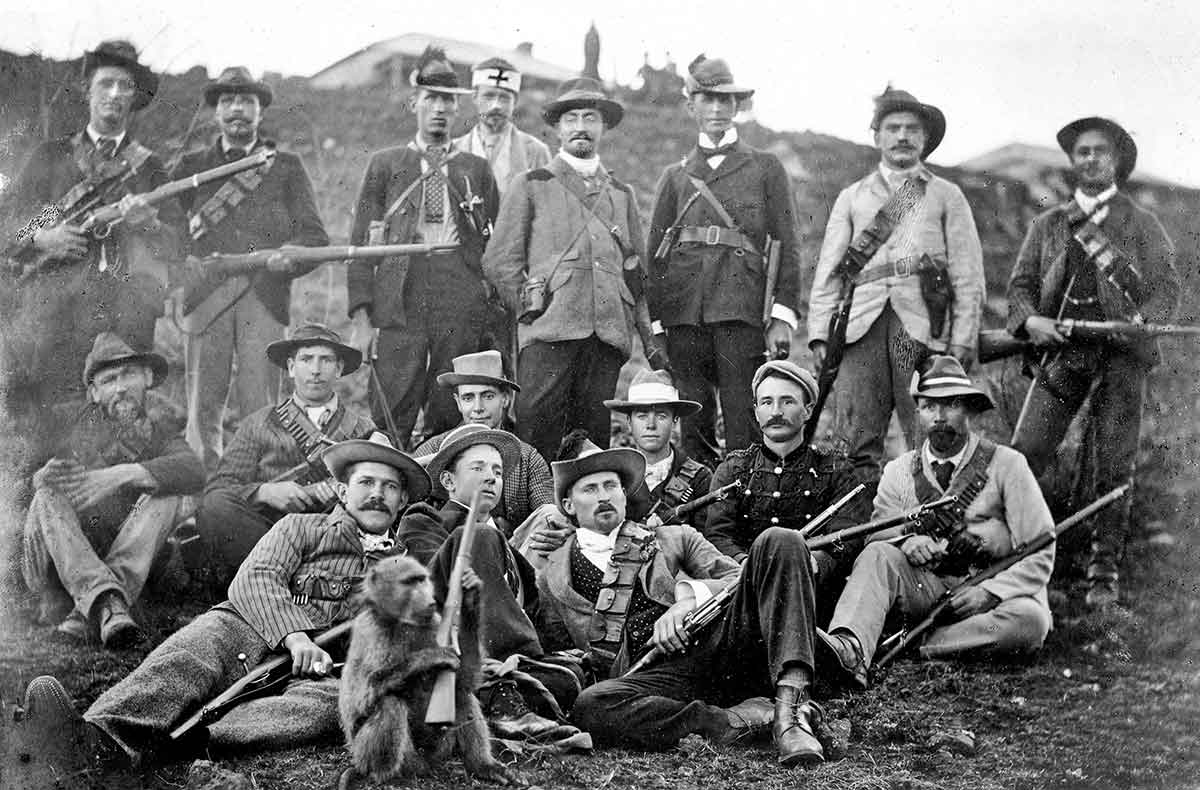
South Africa’s “independence” is most often marked by the end of apartheid in 1994, nearly three decades after Kennedy’s speech. He most likely refers, however, to the 1910 Union of South Africa. During the last years of the nineteenth and first years of the twentieth centuries, British, Afrikaner, and African troops fought the South African War. British officials placed Afrikaner and African communities into concentration camps. The Treaty of Vereeniging, signed at the site of one such camp, ended the official war. The Act of Union created the Union of South Africa.
While some Afrikaners, such as Field Marshal and future Prime Minister Jan Smuts—closely aligned with the UK and running with the Progressive Party—gained parliamentary seats, English-speaking South Africans retained the majority. Afrikaner resentment over this political disenfranchisement grew during the next three decades, culminating in the 1948 election, where Daniel Francois Malan and the National Party gained a majority of seats, and began implementing the policy of apartheid. They had engaged in fear-mongering against a wide variety of South Africans in the years prior and identified with fascists during the lead-up to and fighting of World War II.
Americans issued the Declaration of Independence in 1776 and spent the next decade fighting against British forces. Americans were themselves often divided in their attitudes toward independence. They committed to it following the Revolutionary War; however, they ratified a constitution that is today the longest-serving one in the world. Post-independence, they coalesced for the War of 1812 to maintain that independence.
Indigenous Subjugation and “A Hostile Frontier”

Both countries utilized a combination of treaties, collaborative work, and full-scale genocide to subdue Indigenous people. Both countries contained groups that viewed white expansion onto a hostile frontier as a right.
While Americans often remain uninformed about South African culture, white South Africans during apartheid watched Westerns and their glamorization of the frontier with great gusto. Near Rustenburg, in the heart of Afrikanerdom, sits the Wigwam Hotel, where guests can stay in dwellings that mimic teepees. A popular casual restaurant chain, Spur, uses a Native American as its mascot and features Western imagery throughout; individual franchises are named after cities in the American West.
From Burghers escaping the Dutch East India Company and identifying themselves as Boers/Afrikaners, to the Great Trek, to the warding off of British influences, Afrikaners, in particular, have identified as people living on a rugged frontier. Americans, to a lesser degree, probably adopted this identity in contemporary times, but the idea of Manifest Destiny and the frontier as making America influenced the ways in which generations of Americans viewed their country’s development.
“Once the Importer of Slaves”
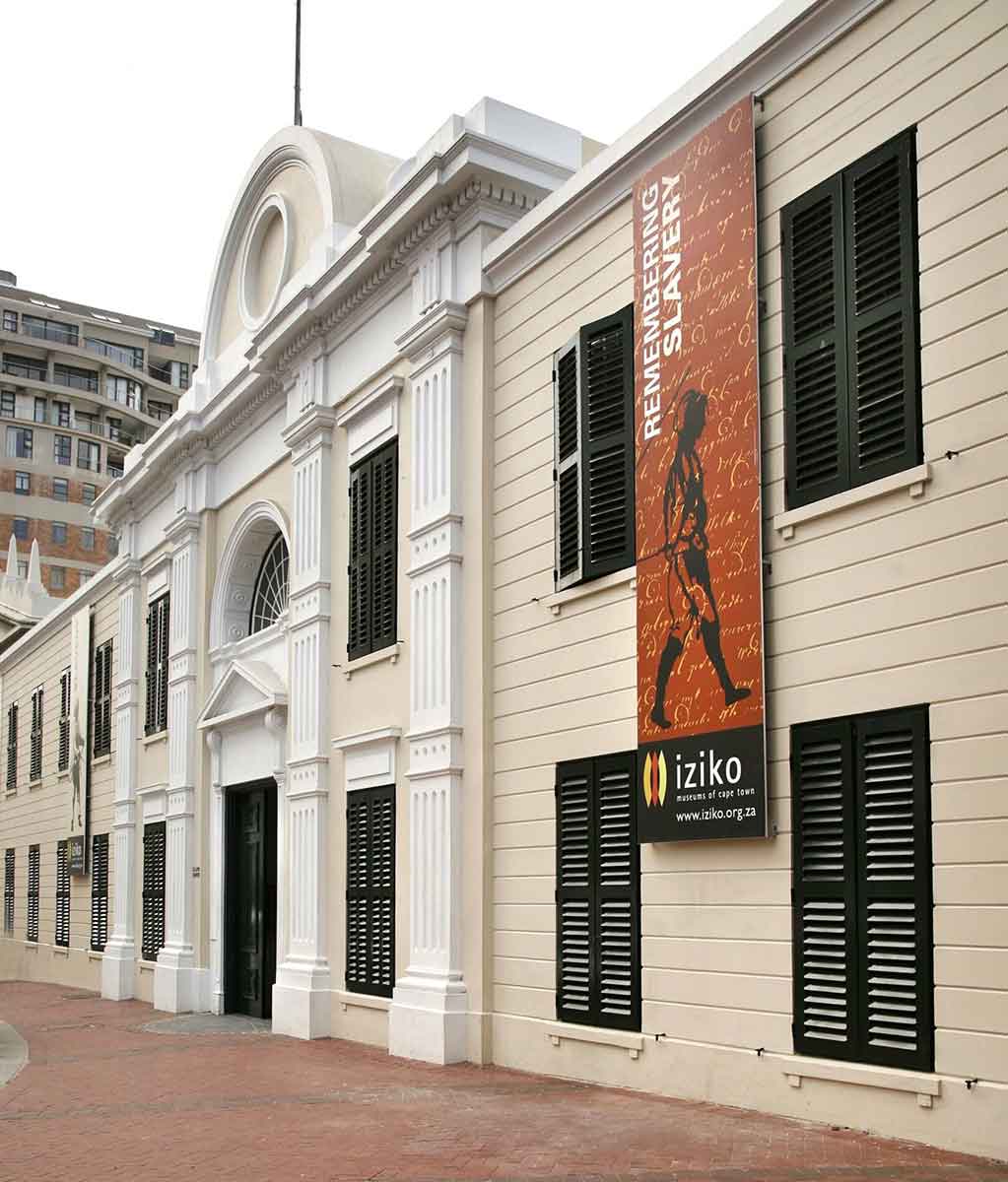
Slavery as an institution and racism as a concept tremendously influenced both South Africa and the United States. White Americans and South Africans often tried to downplay these associations.
In South Africa, the Dutch East India Company initially imported people from Southeast Asia and Oceania, building the Cape Town Slave Lodge to house them. British importers later lured Indian and South Asian indentured servants, with many being held in South Africa in slave-like conditions. In both cases, South Africans of Asian descent came to be part of a liminal category, sometimes privileged above Black Africans during apartheid but more often disenfranchised as non-white. The Masters and Servants Act codified slavery in the Cape Colony during the nineteenth century and laid the basis for future legal codes built upon race—including during the apartheid era.
The United States, meanwhile, received about five percent of people imported to the Americas during the Transatlantic Slave Trade. Traders imported people from different regions of Africa and with different technical knowledge to the future country. When the United States ratified its constitution, it ended a protracted debate over the legality of slavery by declaring an enslaved person to be 3/5 of a human for purposes of determining population representation in Congress. In the early nineteenth century, James Madison authorized the sending of some freed Africans to Liberia, creating a mechanism for further disenfranchising free people. During the mid-nineteenth century, the Civil War raged, and debates about national emancipation reached a fever pitch. During the following century, Americans imposed, contested, and debated laws related to personhood, citizenship, and access to public services with regard to race.
“Tamed Rich Natural Resources Through the Application of Modern Technology”
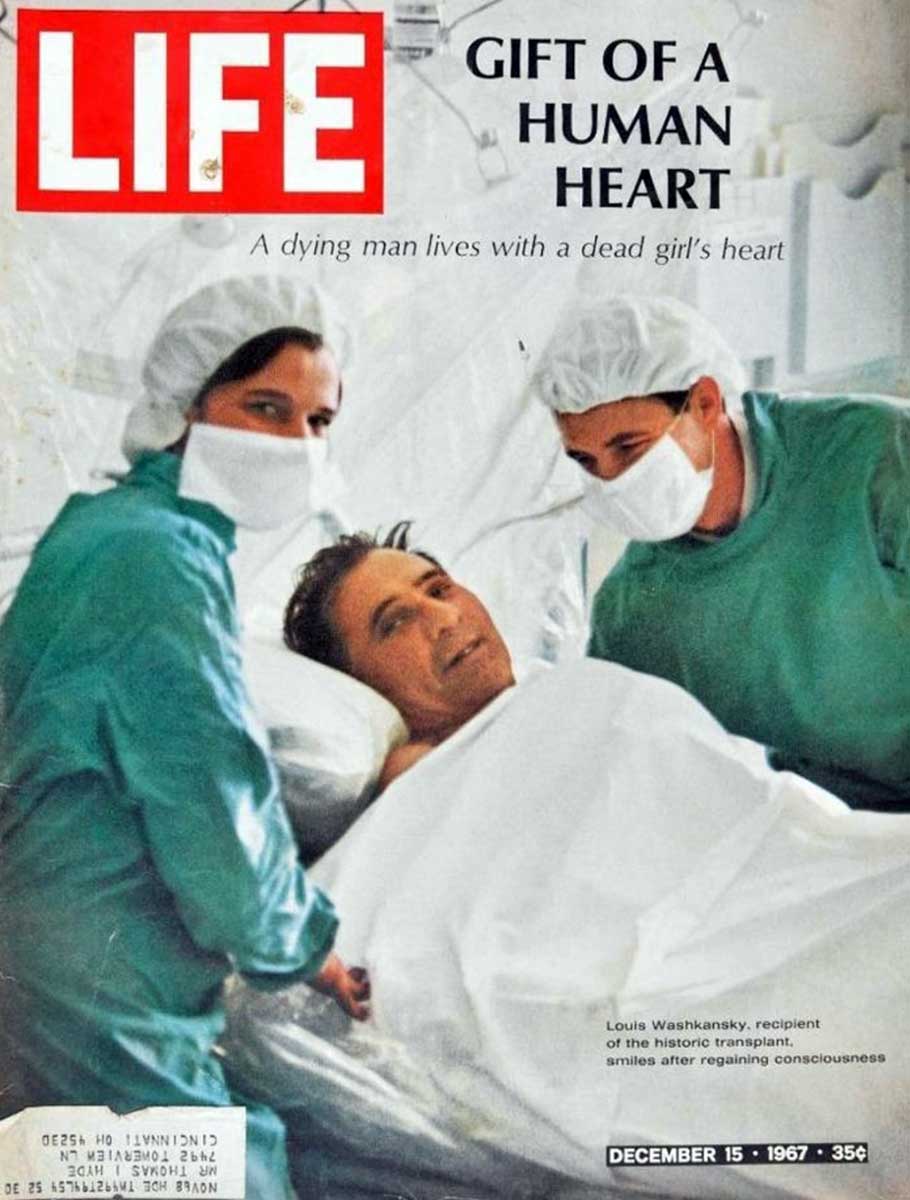
Both countries viewed modernity as a key to upholding their societies, investing in research across a variety of fields and disciplines. At the time of Kennedy’s speech, doctors at Groote Schuur Hospital in Cape Town were on their way to performing the world’s first heart transplant. They had previously performed the world’s first kidney transplant. The race toward medical advancement served as a major contest between the two countries. While they contained similar technology access, South Africa’s medical laws—including definitions of life and death—enabled doctors to feel more comfortable performing the then-experimental procedure.
Cape Town surgeon Christiaan Barnard performed both the world’s first kidney and first heart transplants at Groote Schuur. Known for his fairly outgoing personality, he pushed the envelope within the medical establishment—and among white South Africans as he was an outspoken critic of apartheid. He used the heart of Denise Darvall—killed in a traffic accident just down the road—and transplanted it into Louis Washkansky. Washkansky died of pneumonia 18 days later, though doctors famously said that his heart beat strongly until the end.
Less than one year later, Norman Shumway at Stanford University transplanted Virginia-Mae White’s heart into Mike Kasperak. Kasperak died of severe hemorrhaging (mostly in his stomach area) just fifteen days later. Doctors concluded that he had probably been too ill at the time of transplant to survive. The interesting parallel race also pushed envelopes socially. In addition to igniting conversations in both places about what constituted death, both operations involved men receiving women’s hearts. In South Africa, Barnard had been prepared to transplant a Black man’s donated heart into Washkansky, who was white, before determining the heart to be too weak to survive the transplant. Thus, science and technology in both places were similarly constrained by social and political mores.
Context for Kennedy’s Speech: US Civil Rights and South African Anti-Apartheid Work
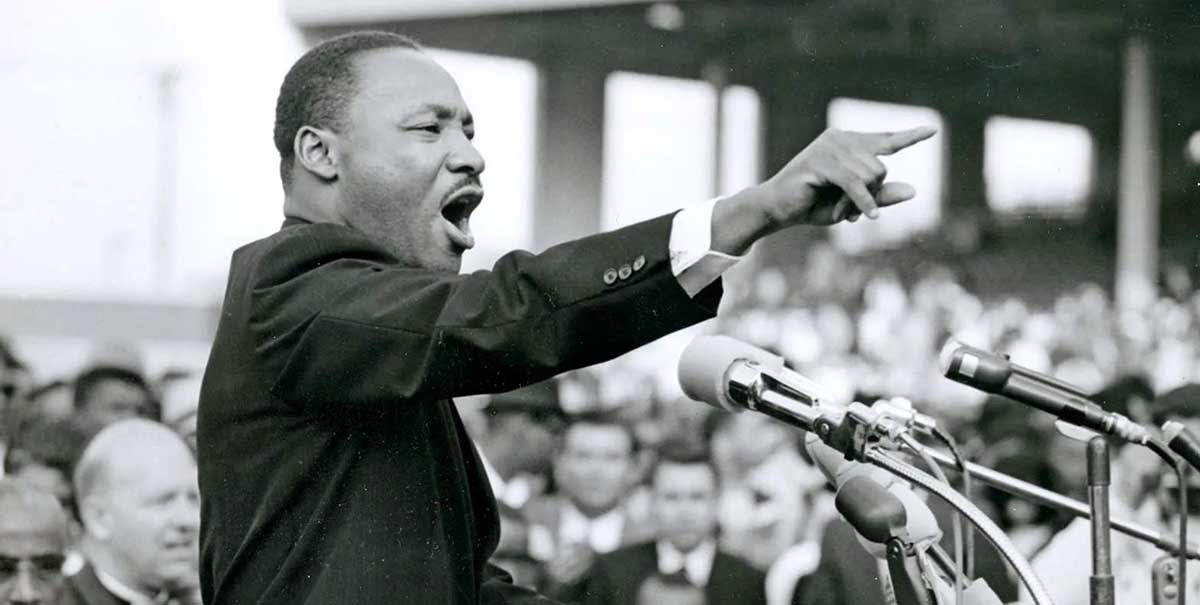
Kennedy visited South Africa in 1966 at the invitation of the National Union of South African Students, a white progressive and anti-apartheid group. Their first choice of speaker had been Martin Luther King, Jr., but South African officials denied him an entry visa. The group then figured that the brother of a former president would likely be allowed to enter the country.
The choice of a civil rights leader as speaker undergirds the degree to which South Africans and Americans viewed their struggles as often parallel. Apartheid began in 1948, with full-scale repression of resistance underway by the early 1960s. That same decade saw the rise of the mainstream US civil rights movement after decades of resistance to Reconstruction and Jim Crow laws. In both countries, public demonstrations, litigation, and passive resistance served as major components of the resistance toolkit.
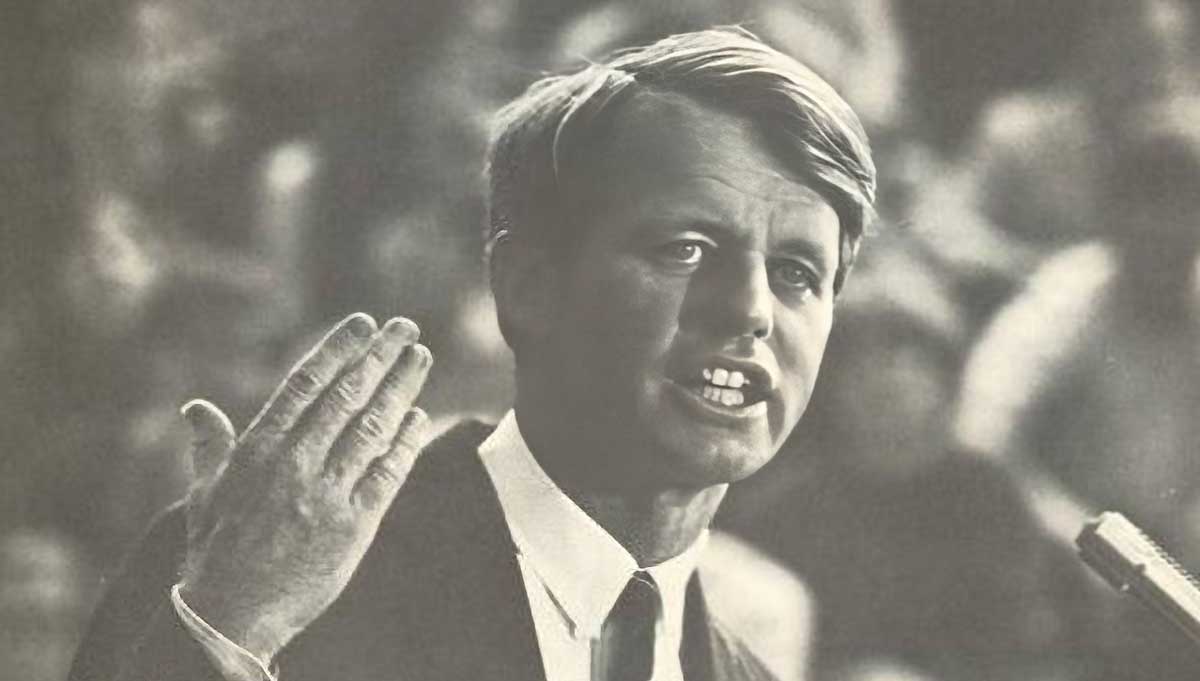
The US ratified the Civil Rights Act in 1964 and the Voting Rights Act in 1965, and the integration of public amenities such as schools and transportation was underway. South Africans continued the struggle against apartheid until 1994. The ending of the Cold War was a major feature in this period, as South Africa’s National Party had garnered support from the US government by fear-mongering about associations between African nationalists and communists. Particularly in the 1970s and 1980s, Americans engaged in mass demonstrations against American policy toward South Africa and boycotts of US companies operating in South Africa. That they saw their struggle as linked to fights against US racism—and that South Africans did as well—became a main driver in the direct connections that activists on both sides of the Atlantic utilized during this struggle.