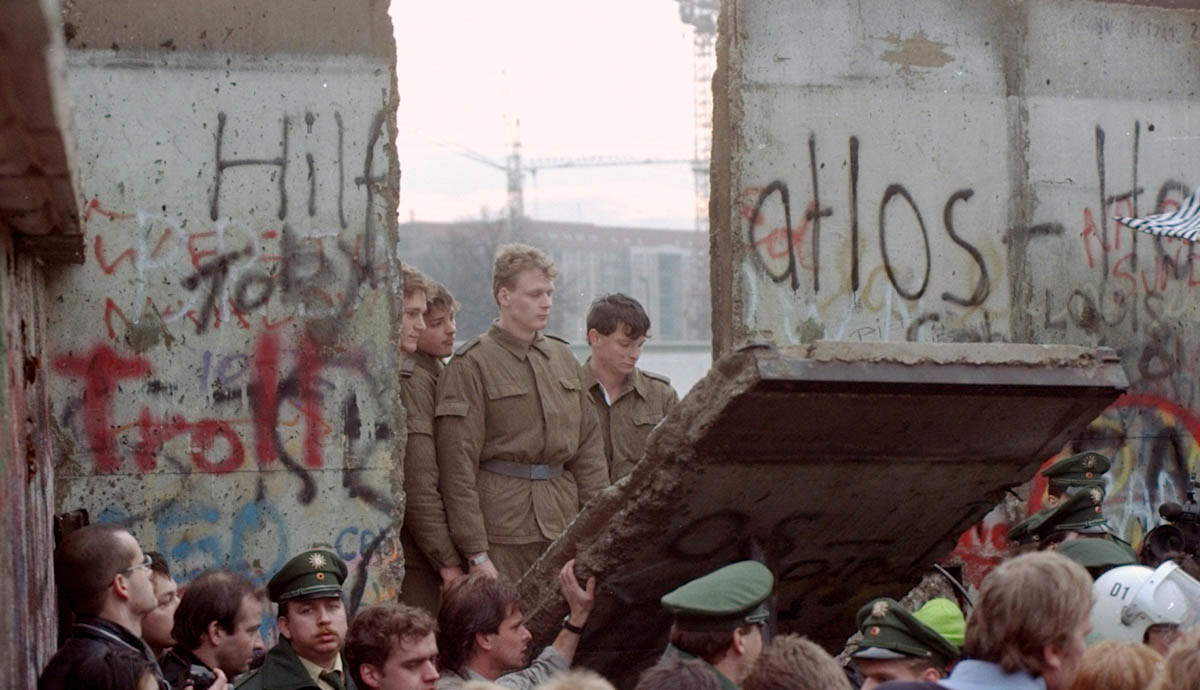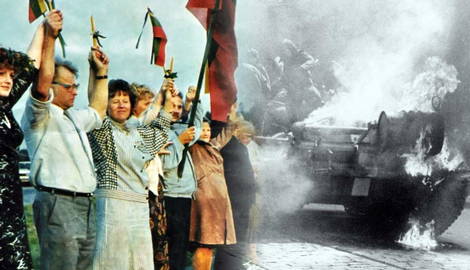

The Soviet Union regularly dealt with internal dissent and criticism through the use of brutal force. As a result, protests were not a regular feature of life in the Soviet Union. However, a number of key demonstrations did take place in the communist state. In this article, we explore key Soviet protest movements that occurred throughout the 20th century, each of which reflected people’s determination to oppose the state and alter the course of the Soviet Union.
The 1962 Novocherkassk Massacre
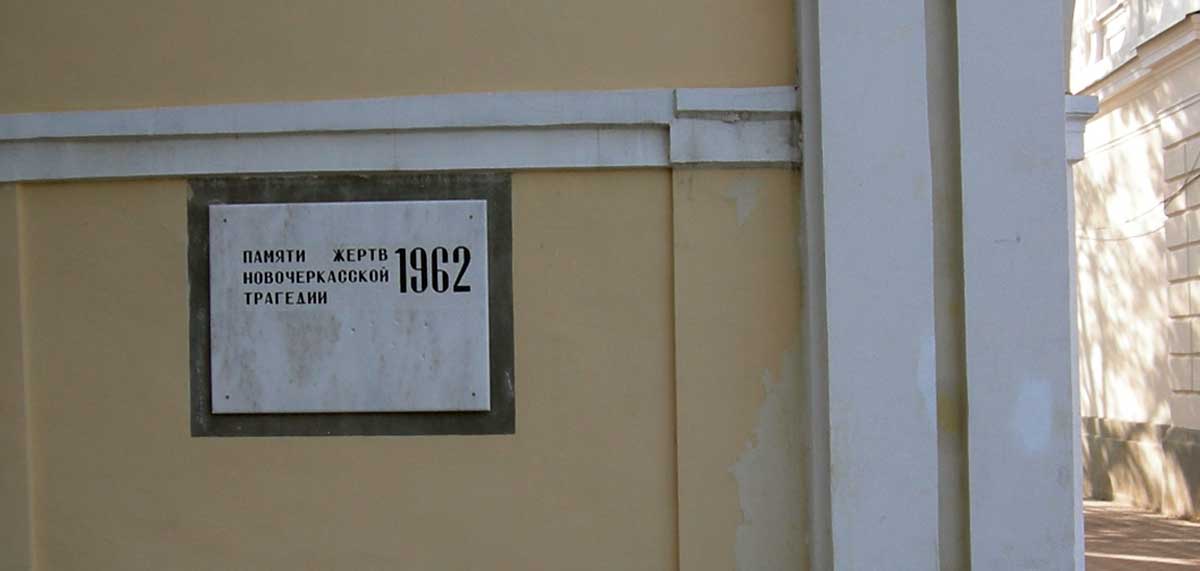
The June 1962 workers’ protest and subsequent massacre at Novocherkassk was a key moment in the movement for workers’ rights in the Soviet Union. The protest began when workers at the Novocherkassk Electric Locomotive Plant staged a walkout in frustration at a pay freeze that occurred during a steep rise in the cost of living. The protest quickly spiraled out of control as thousands of like-minded citizens joined the protest to demonstrate worsening living conditions and demand immediate economic relief.
The local Soviet security forces reacted quickly and brutally to the protest. The Soviet Army, along with agents of the KGB, opened fire on a group of protesters, killing 36 people and wounding 87 more. Despite the heavy-handed reaction of the state security services, several hundred people came out in solidarity the following day, seeking immediate relief from rising food prices. Soviet security services again reacted swiftly to the protest and arrested most of the protesters, sentencing some to harsh prison sentences and others to the death penalty.
While the 1962 Novocherkassk protest and massacre may have resulted in the needless deaths of Soviet citizens, the result was that the central government did begin to take their demands seriously. Moscow sent additional food supplies to the region and began a cover-up campaign that banned all mention of the events. The 1962 protest remained a state secret until 1992, when the collapse of the Soviet Union saw official documents relating to the massacre released to the public.
The 1968 Red Square Demonstration
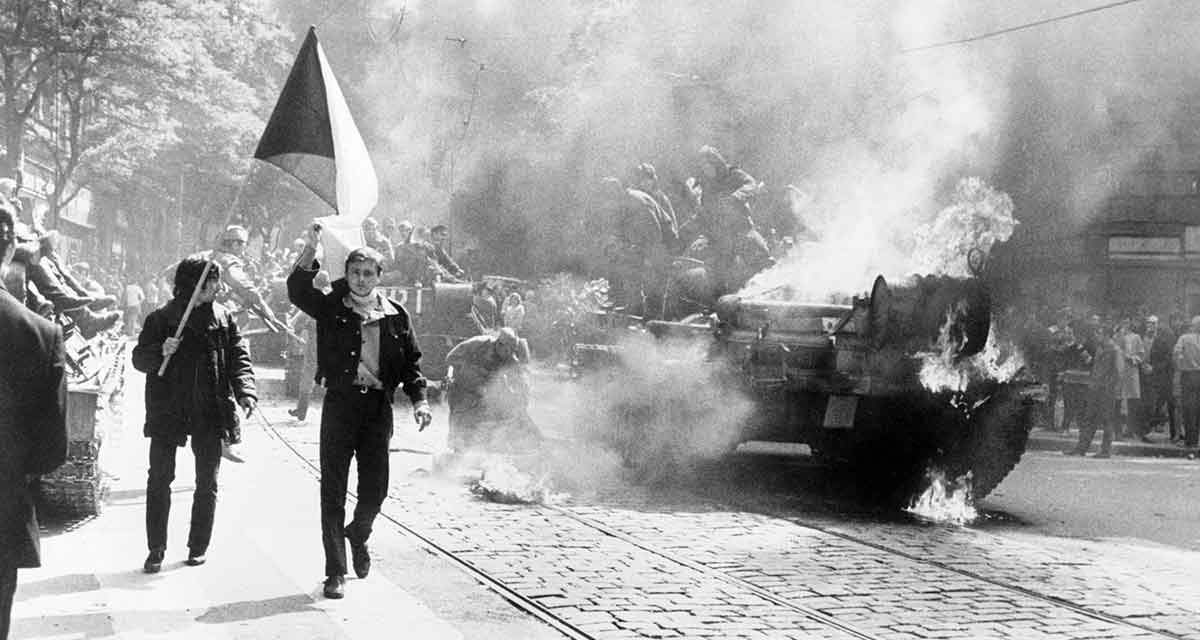
One of the most courageous protests to take place in the history of the Soviet Union occurred on August 25, 1968, in response to Moscow’s invasion of Czechoslovakia. Known as the Prague Spring, Soviet tanks brutally oppressed supporters of the Czechoslovakian government who had called for greater political autonomy and independence, an act which left many in the USSR profoundly troubled.
In a display of solidarity, a small group of protesters stepped out onto Moscow’s Red Square and unfurled banners with slogans that supported the demonstrators in Czechoslovakia. The KGB soon swept into action and arrested the activists. Prominent Soviet dissidents Pavel Litvinov and Natalya Gorbanevskaya were among those arrested and subjected to harsh punishment under the Soviet legal system.
Even though it was quickly suppressed by security forces, the Red Square demonstration became widely known among the general population, and information was distributed using the Samizdat underground printing networks. The protest highlighted the internal resistance to the Soviet Union’s oppressive actions outside its borders and demonstrated that moral and political discontent could exist even at the geographical heart of the USSR. The protest also helped to strengthen domestic demands for human rights and struck a chord with activists from around the world.
The Crimean Tatar Civil Rights Movement
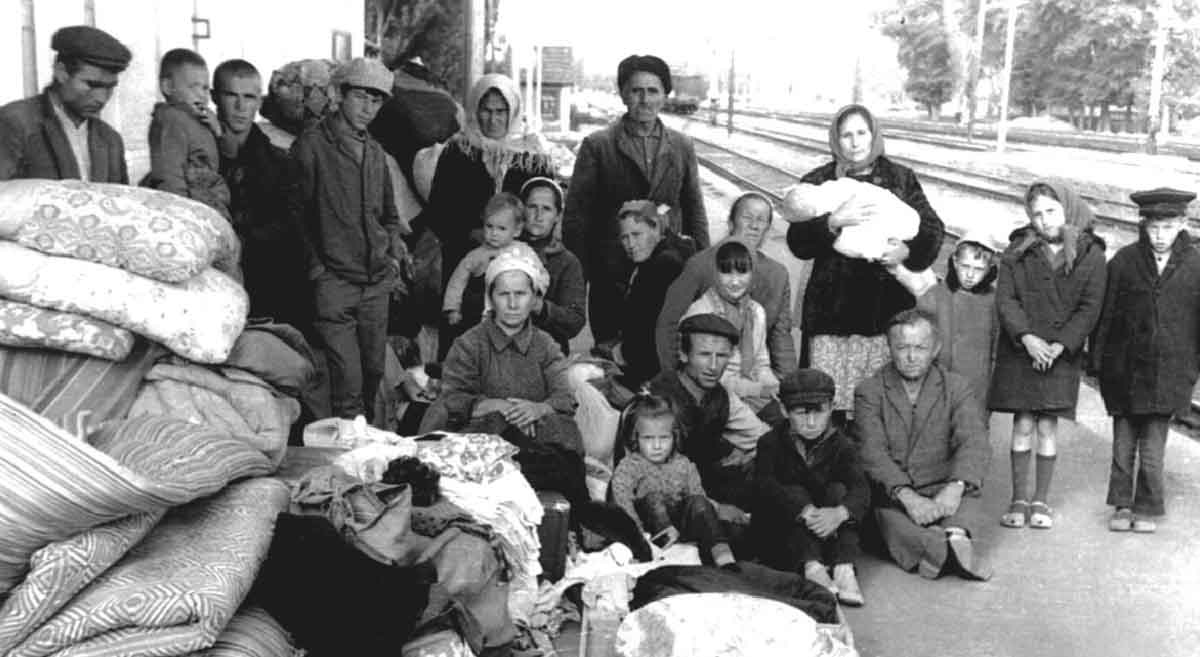
During the 1940s, the oppressive regime of Joseph Stalin had deported huge groups of Crimean Tatars in the wake of World War II on the grounds that they had collaborated with invading Nazi forces. A completely made-up accusation. After they had been exiled to Central Asia and Siberia, these Crimean Tatars began the long process of petitioning the Soviet state for permission to return home. Throughout the 1960s, 70s, and 80s, numerous protests, hunger strikes, and petition drives took place in the Soviet Union in support of the plight of those forcibly removed from Crimea.
In 1967, the Soviet government formally withdrew some of the charges brought against the Crimean Tatars during World War II. However, the regime did not take any meaningful steps to repatriate those forcibly removed from their homeland.
Key figures in the movement such as Mustafa Dzhemilev, used hunger strikes to bring attention to the plight of his people and even conducted the longest recorded hunger strike in the history of civil rights movements to further the Crimean cause. During the late 1980s, greater political freedom was eventually granted to the Crimean Tatars under Mikhail Gorbachev’s Perestroika policy, and the restriction on resettlement was eventually eased.
The April 9 Tragedy
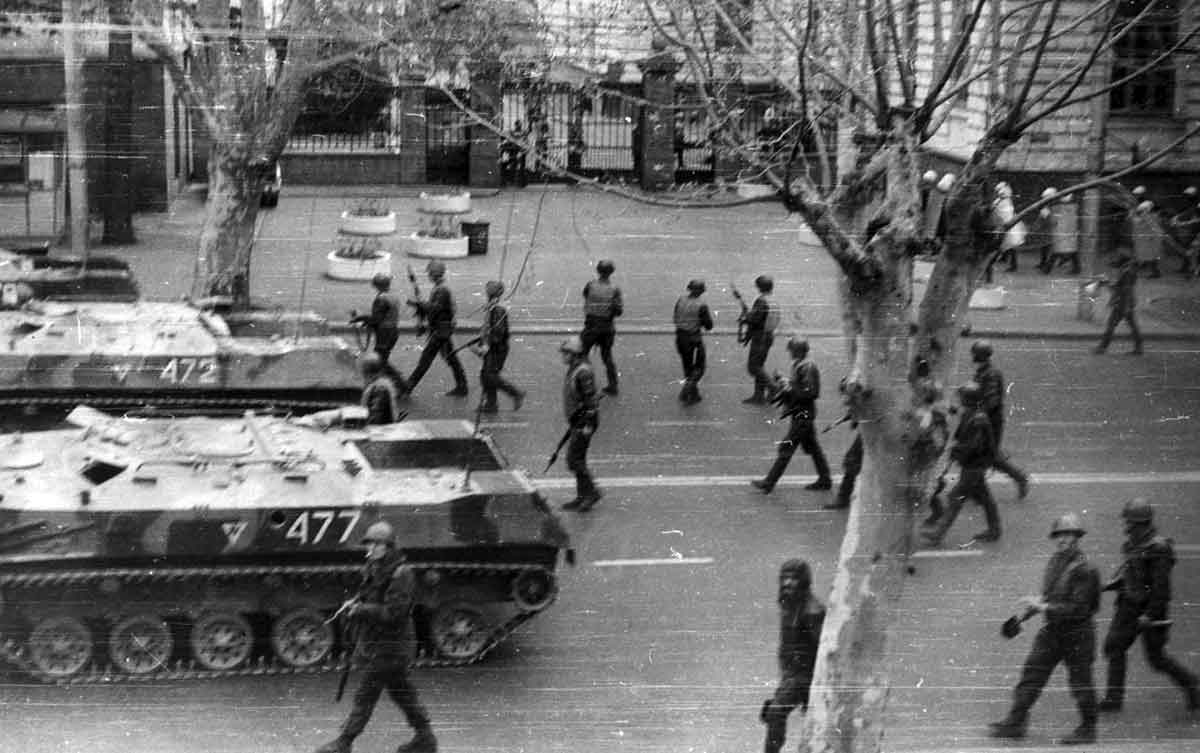
The April 9th tragedy, also known as the massacre of Tbilisi, took place in the spring of 1989 in the Georgian capital, then a republic of the Soviet Union. The tragedy began as a peaceful protest took to the streets of Tbilisi in support of national independence and an end to Soviet rule. An estimated ten thousand Georgians gathered outside Tbilisi’s Government building and demanded freedom from the USSR.
The response of the state security forces was one of the last brutal crackdowns in Soviet history. In the early hours of April 9, Soviet troops and riot police were ordered to disperse the protesters. Armed with batons, tear gas, and armored vehicles, the security forces moved quickly. The brutal nature of the crackdown led to the deaths of 21 people and left hundreds injured. The April 9 tragedy accelerated the Georgian movement for independence, which was officially declared two years later on the anniversary of the massacre.
The Baikal Environmental Movement
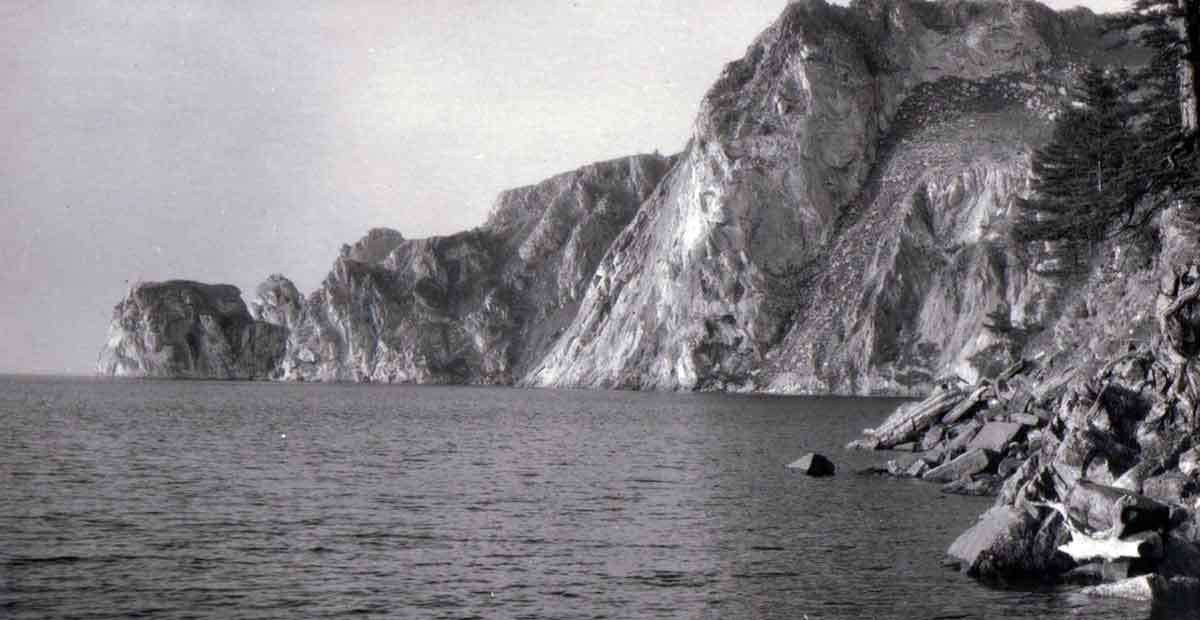
The oldest and deepest freshwater lake in the world, Lake Baikal, was under threat throughout much of the mid-20th century from industrial pollution and illegal waste dumping. In response, the Soviet Union’s first true environmental campaign began. The Baikal environmental movement, which began in the late 1950s and gained momentum in the 1960s and 1970s, was a symbol of the increasing awareness among the Soviet people of national environmental concerns.
Concerned scientists, authors, and community leaders protested the environmental damage and organized a series of actions to save Lake Baikal. Through Samizdat—self-published literature—they spread pamphlets that reported on the ecological status of the lake and urged the government to enact stronger environmental regulations. A prominent leader of the movement was author Valentin Rasputin who was instrumental in promoting Lake Baikal’s preservation.
The Jewish Refusenik Movement
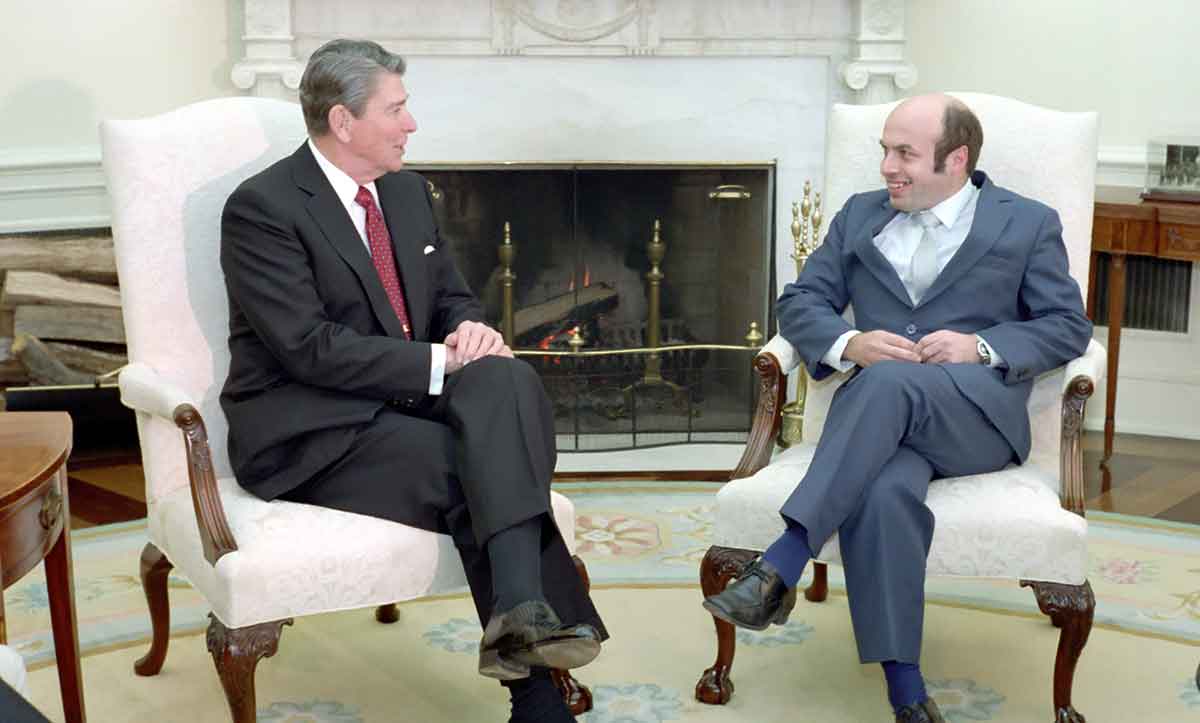
The emigration of Jewish families from the Soviet Union to the state of Israel was a key demand of the Refusenik movement that came to prominence in the 1970s and 1980s. In the Soviet Union, a “refusenik” was an individual of Jewish ethnicity who was forbidden by state authorities from leaving the country. Serious consequences often resulted if a refusenik attempted to leave the Soviet Union in defiance of their status.
With the support of Western nations and the international Jewish community, the movement put a great deal of pressure on the Soviet leadership. Well-known refuseniks such as Ida Nudel and Natan Sharansky came to represent the larger fight for freedom and human rights. They were both imprisoned for extended periods of time for their actions, a decision which sparked international condemnation.
The Refusenik movement served as an example of how national dissent and international solidarity could coexist. Due to growing international pressure and Perestroika, the Soviet Union eventually loosened emigration regulations by the late 1980s and allowed a large number of Jews to emigrate to Israel.
The Revolution on Granite
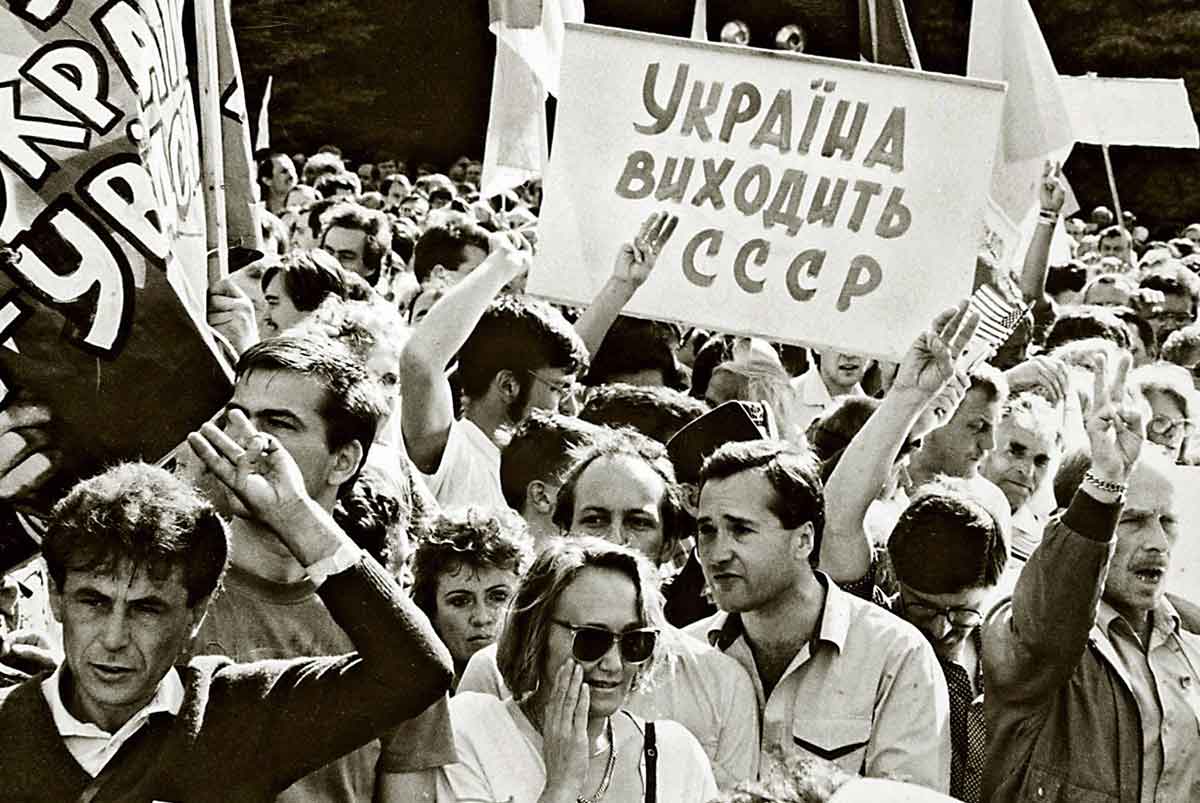
The Revolution on Granite was a noteworthy student protest movement that took place in Ukraine in October 1990 in response to the large Communist victory in the March 1990 Ukrainian parliamentary election. During the demonstration, students from Kyiv conducted a widespread hunger strike to demand political reforms and the resignation of the Chairman of the Council of Ministers of the Ukrainian SSR, Vitaliy Masol. The movement gained its name from the large granite slabs that paved the ground where the students set up their protest camps on Kyiv’s main square.
The wider Ukrainian public soon came to support the students, as their peaceful strategy struck a chord with citizens who had grown tired of political violence and struggle. Eventually, Masol was forced to leave his position and was replaced by Vitold Fokin. The 1991 declaration of Ukrainian independence was largely influenced by the success of the Revolution on Granite. It showed the government authorities that the youth of the nation yearned for change and were willing to use peaceful protest to achieve their goals.
The 1986 Chernobyl Protests
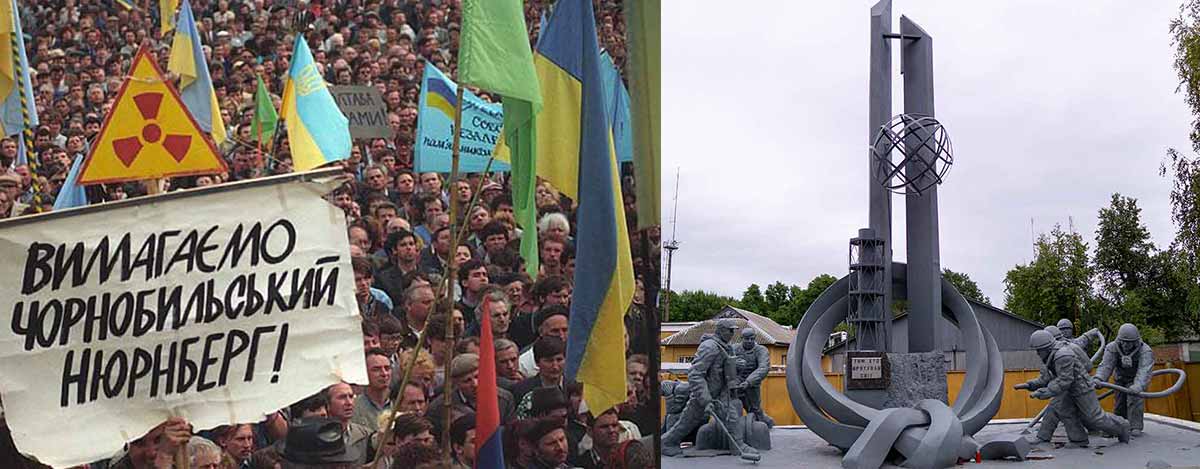
The devastating Chernobyl nuclear accident, which took place on April 26, 1986, sparked a wave of demonstrations across the Soviet Union in response to the regime’s initial handling of the disaster. The magnitude of the incompetence and neglect of the state was exposed by the Chernobyl disaster, and many saw it as the final straw that must eventually lead to the end of the Soviet Union itself.
Especially in the most affected areas of Belarus and Ukraine, protests broke out calling for greater environmental and health care protections as well as criticizing the regime’s lack of transparency. The ecological movements of Ukraine, particularly Green World, greatly increased in popularity following the disaster. Eventually, a broader coalition of civil rights leaders marched in solidarity, calling for justice for the victims of Chernobyl as well as the end of the Soviet regime.
The Baltic Way
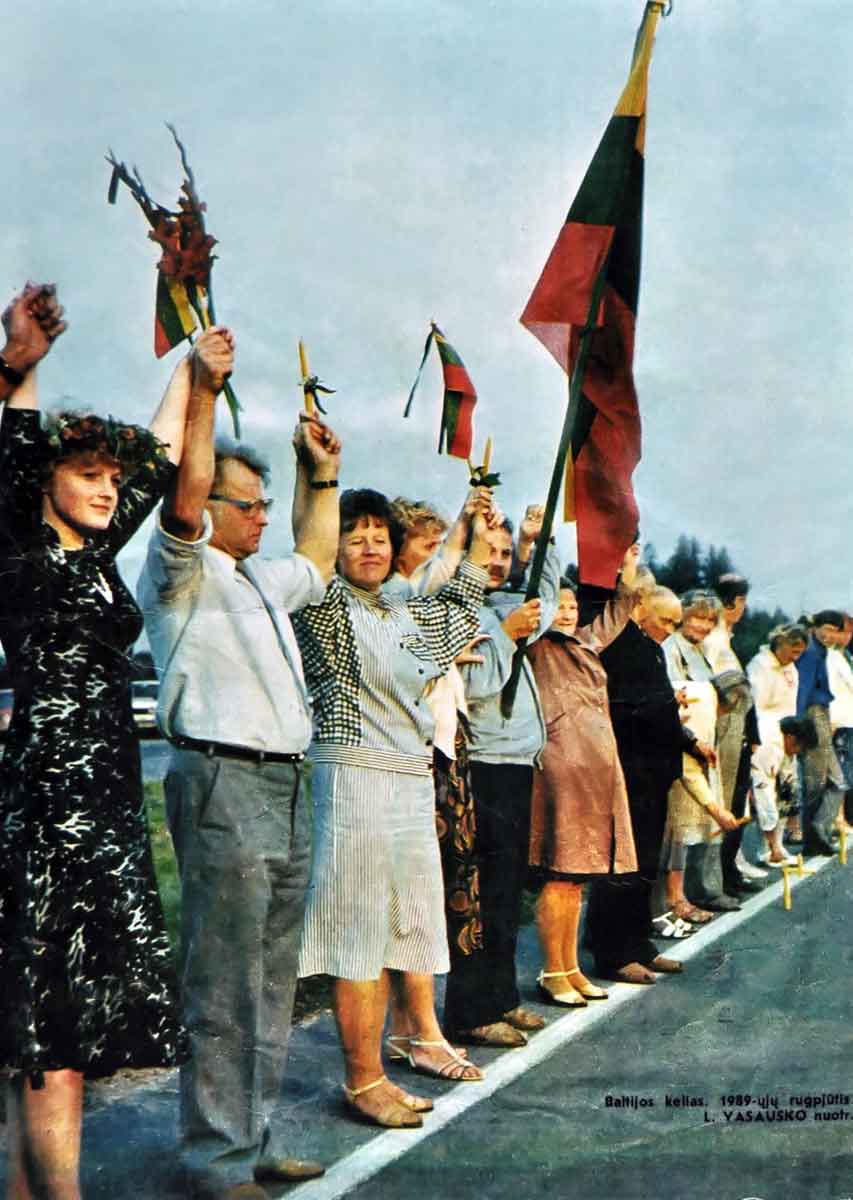
On August 23, 1989, across the Baltic states of Estonia, Latvia, and Lithuania, approximately two million people joined hands across a distance of six hundred and ninety kilometers to form a human chain of solidarity. The protest known as the “Baltic Way” was organized to commemorate the Molotov-Ribbentrop pact, an agreement between Nazi Germany and the Soviet Union that led to the annexation of the Baltic states by the USSR.
The nonviolent protest of the Baltic Way attracted global attention to the Baltic states and their desire for independence from the Soviet Union. Eventually, in 1991, autonomy was granted, and the coming together of over two million people in a show of peaceful fraternity would go down in history as perhaps the greatest peaceful protest ever to take place in Europe.