
Coincidences happen every day, but when they become part of the historical record, they take on a whole new meaning. From the intersection of the deaths of John Adams and Thomas Jefferson to a novelist writing the story of the Titanic two decades before it sank, American history is full of coincidences so unlikely that some have even given rise to conspiracy theories. Here are six of the wildest coincidences in United States history.
1. Thomas Jefferson and John Adams Died on the Same Independence Day

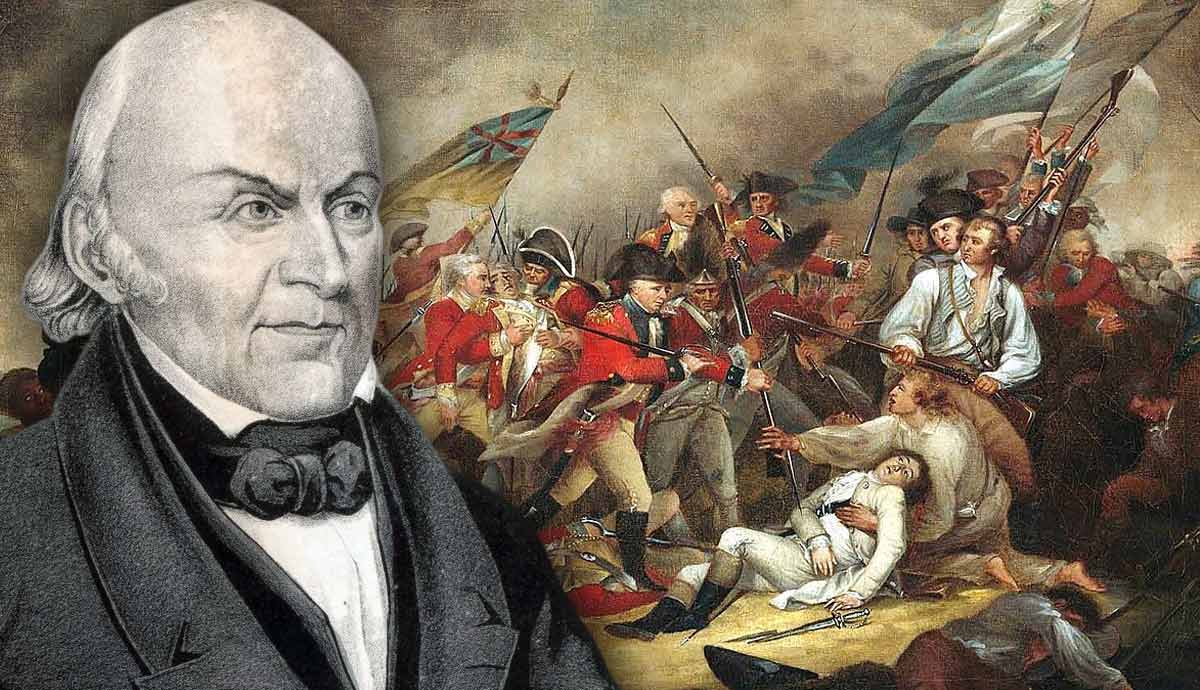
July 4 is known to Americans as Independence Day, but it was also this day, in 1826, that both Thomas Jefferson and John Adams died within hours of each other.
Jefferson and Adams first met and became friends in 1775 when the Continental Congress convened. Their teamwork in drafting the Declaration of Independence brought them closer, but that relationship soured when Jefferson beat Adams to become president in 1801. Jefferson identified as a Democratic-Republican, and Adams as a Federalist. They remained estranged for nearly a decade.
In 1812, Jefferson and Adams rekindled their friendship. This was after Jefferson retired from the presidency in 1809, the intervention of a mutual friend, Dr. Benjamin Rush, and an admission by Adams. A neighbor of Jefferson’s visited Adams and heard him say, “I always loved Jefferson, and still love him.” The neighbor reported back to Jefferson, who asked Dr. Rush to urge Adams to renew their exchange of letters. Finally, Jefferson and Adams began to write to each other again about both political and personal issues.
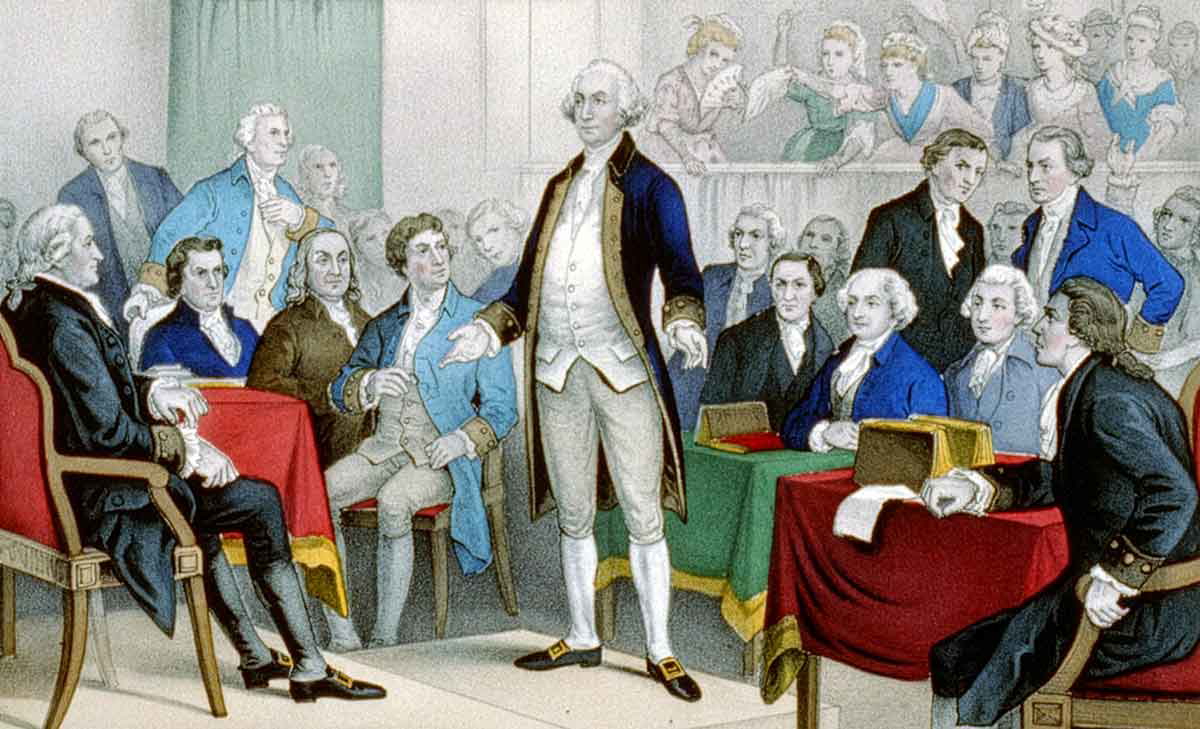
In 1826, Jefferson was 83, and Adams was 90, so each had lived a long life. On the 50th anniversary of the birth of the nation, Jefferson died at his home in Monticello just after lunchtime. Adams passed away in Massachusetts just hours later. Though it is common knowledge today that Jefferson and Adams both died on July 4, 1826, at the time, breaking news traveled much more slowly. Neither man knew of the other’s death, nor did the nation, until some time later.
2. The Civil War Started and Ended on the Property of Wilmer McLean

How many Americans can say that their property bookended the deadliest war fought on American soil? The answer is exactly one: Wilmer McLean.
The Civil War began on July 18, 1861, when a cannonball exploded through a house owned by McLean. McLean was not the target of the attack; it was Confederate General Pierre Gustave Toutant-Beauregard, who had commandeered McLean’s home. This sudden attack began the Battle of Bull Run. Despite the battle taking place so close to home, McLean was still happy to host Beauregard because McLean himself was a retired militia officer and felt a sense of duty to the General. By August 1862, the Second Battle of Bull Run began on the same property, and McLean finally moved his family to southern Virginia.
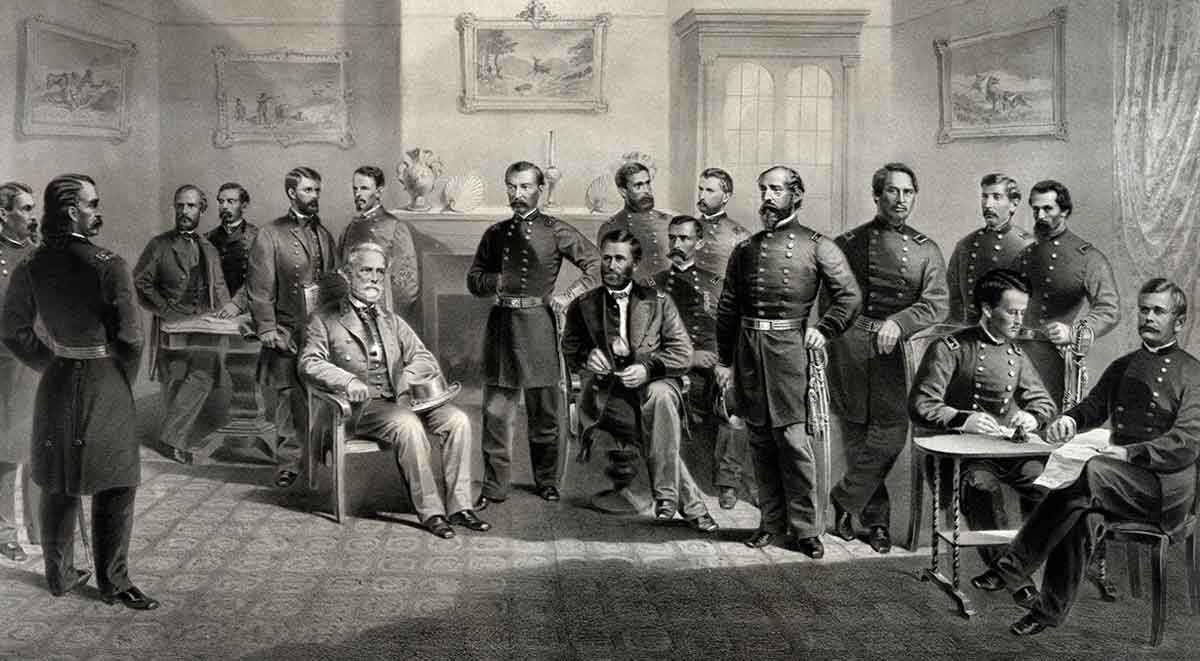
From 1862 to 1865, the McLean family knew peace. But in April 1865, Robert E. Lee’s aide, Charles Marshall, approached McLean for a location for two generals to meet, and yet again, McLean offered his home. Thus, on April 9, 1865, Robert E. Lee met General Ulysses S. Grant to surrender the Confederate Army. Thus, the Civil War ended in McLean’s Appomattox Court House home, just under four years after it had begun in his previous Manassas home.
3. Edwin Booth Rescued Abraham Lincoln’s Son Months Before the Assassination
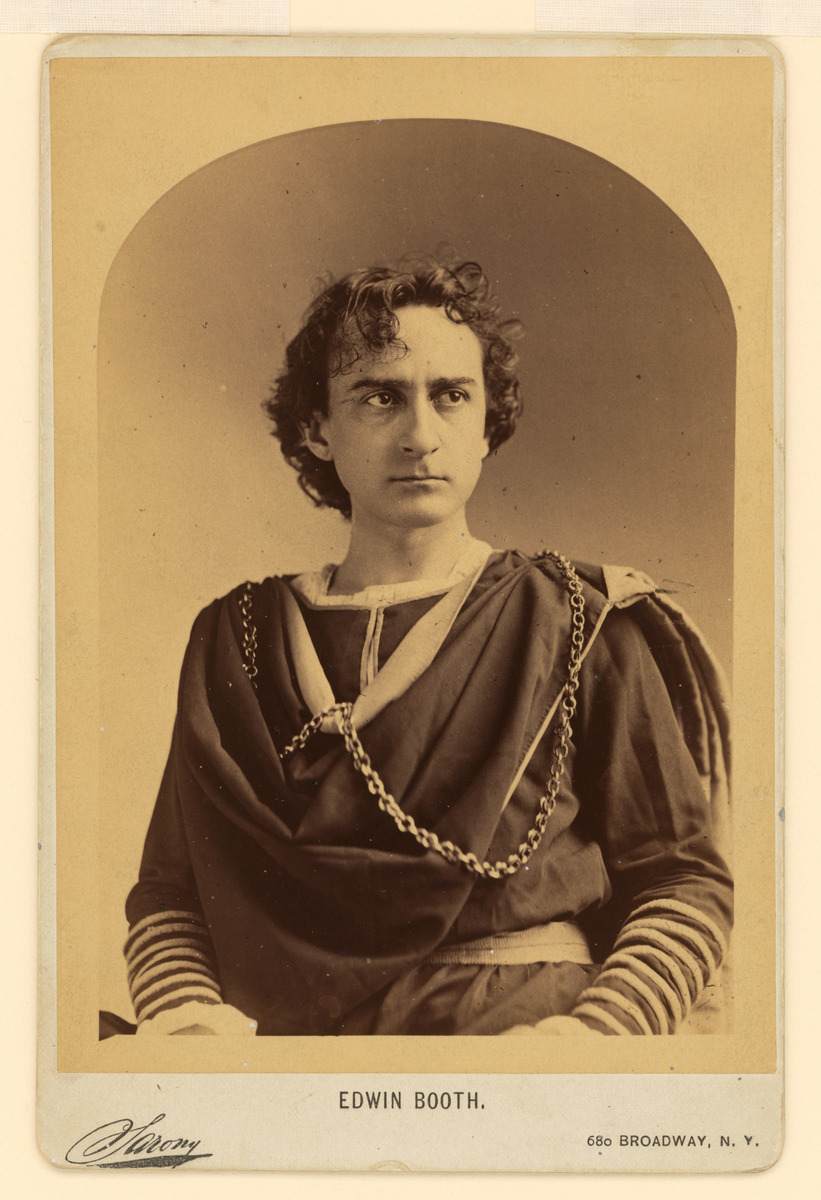
In late 1864 or early 1865, Robert Todd Lincoln, the son of President Abraham Lincoln, was standing on a train platform in Jersey City when he suddenly stumbled and fell into the gap between the train and the platform, toward a moving train. Fortunately for him, a man was standing close by and grabbed the young man by his collar, pulling him back to safety. After the rescue, the young Lincoln recognized him as the famous Shakespearean actor Edwin Booth.
This now seems an ironic coincidence as just months later, on April 14, 1865, Edwin’s brother, John Wilkes Booth, assassinated Abraham Lincoln at Ford’s Theater. Also an actor and a staunch Confederate, John Wilkes Booth believed that killing Lincoln, as well as the Vice President and Secretary of State, would throw the Union into chaos and reignite the Civil War, which was effectively over.
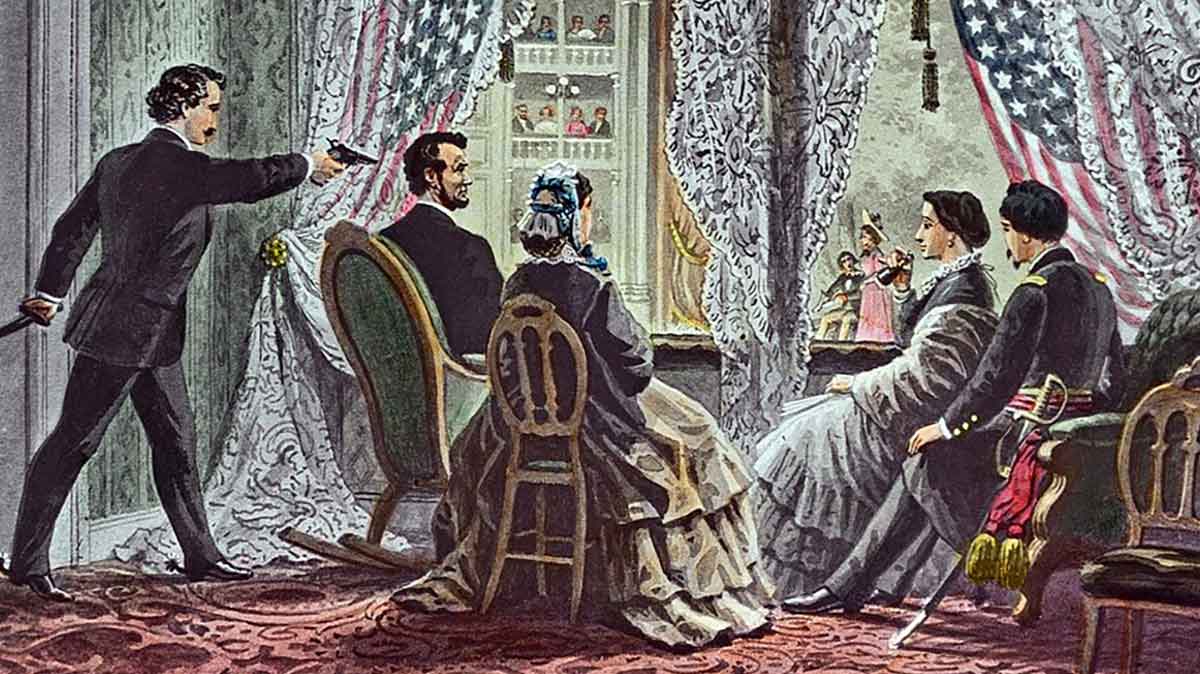
Edwin, a Unionist, was horrified by his brother’s actions. Shamed, he announced his immediate retirement from acting and went into hiding in New York. However, his disgust for his brother’s actions won him support, and he returned to the stage just nine months later as Hamlet, earning a standing ovation.
4. Mark Twain Came In and Went Out With Halley’s Comet
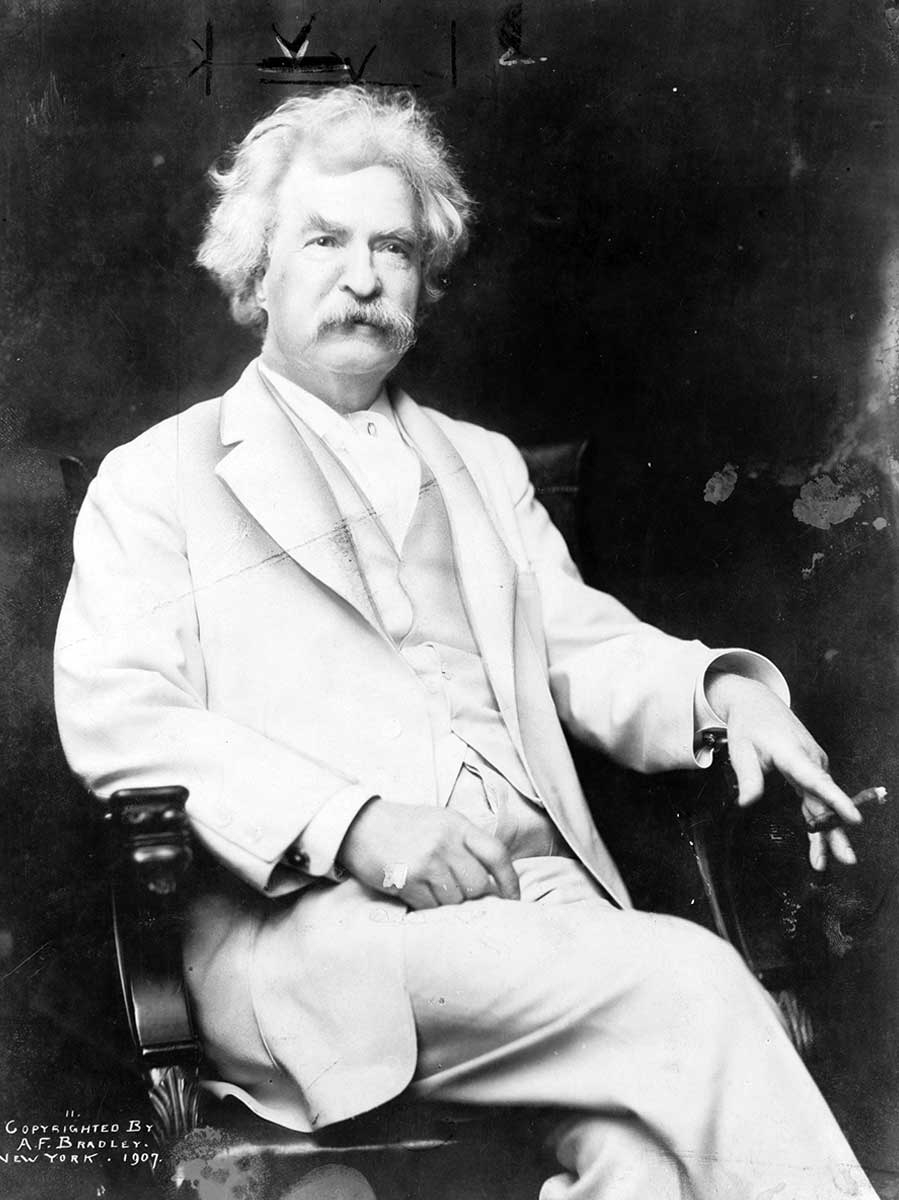
Mark Twain was born Samuel Langhorne Clemens on November 30, 1835. Twain is best known for his novels “The Adventures of Tom Sawyer” and “The Adventures of Huckleberry Finn,” but his travel literature was also quite popular with American audiences.
Twain’s birth came just two weeks after Halley’s Comet passed by Earth in 1835, a once-in-a-lifetime astronomical event. Halley’s Comet passes Earth every 75 years, which means most people only have one opportunity to view the comet in their lifetime.
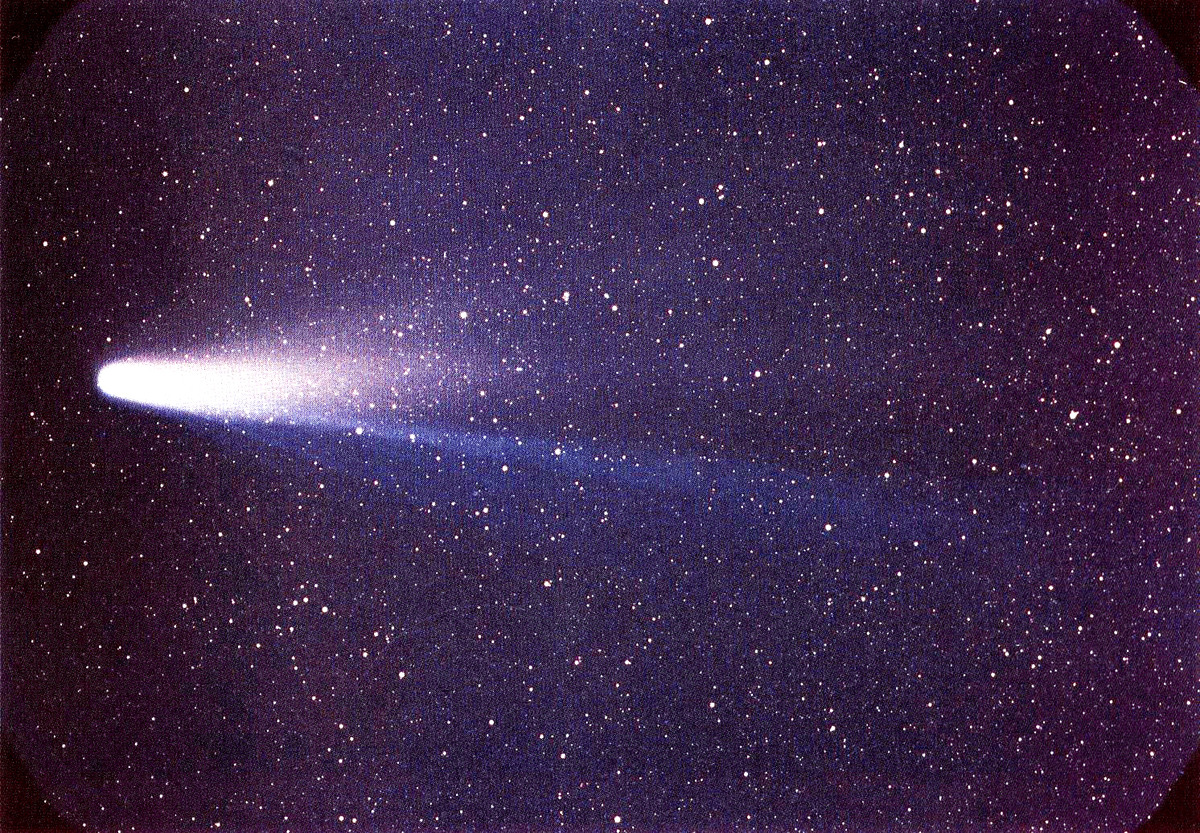
Longer lifespans mean that people are more likely to see the comet twice, and Twain was one of them. In 1909, Twain commented on Halley’s Comet, saying, “[We] came in together, [we] must go out together.” One year later, Twain died on April 21, 1910, just one day after Halley’s Comet passed Earth on April 20. Twain indeed both came in and went out with Halley’s Comet.
5. The Tale of Two Jims Separated at Birth and the Parallel Lives
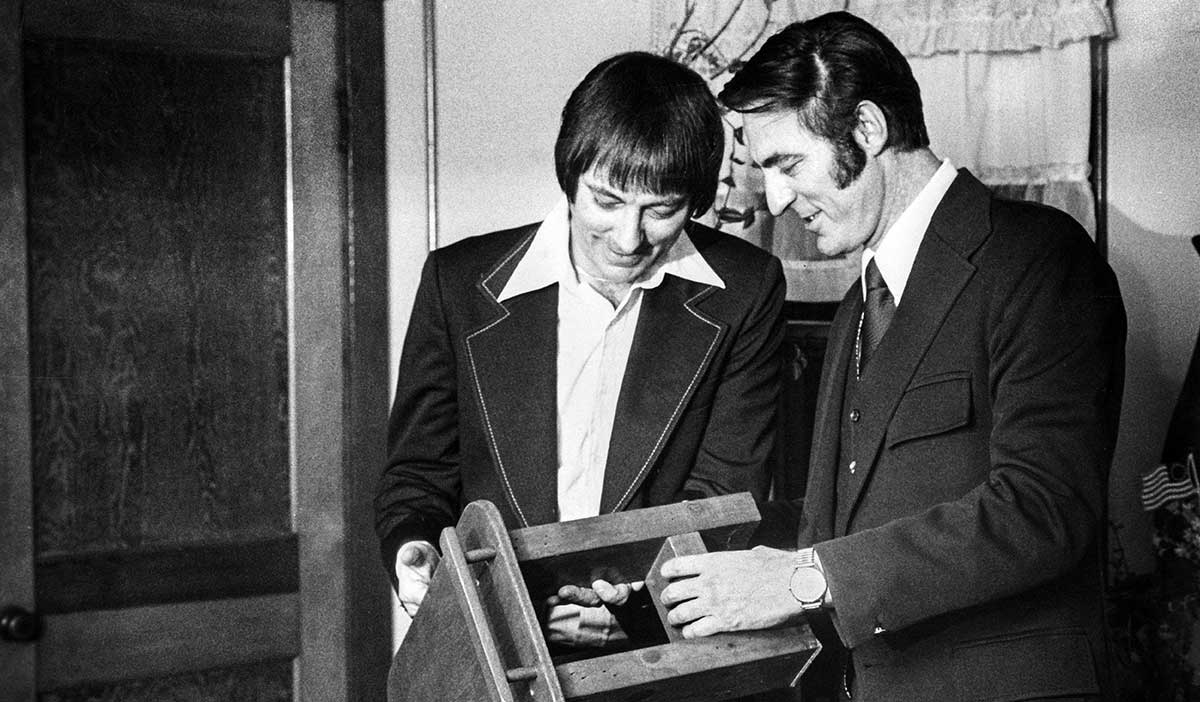
Have you ever wondered what it might be like to be reunited with a long-lost twin? Some anticipate seeing the matching physical characteristics, such as hair and eye color. Others go further and wonder whether their estranged twin would have the same medical conditions, also wear glasses, or share traits like being left-handed. What happens when that daydream actually comes true, and you realize you and your long-lost twin have lived nearly identical lives?
A pair of twins born in 1940 spent just four weeks together before being adopted by two different Ohio families. However, when twins James Arthur Springer and James Edward Lewis (their matching names just a hint at their similarities) were reunited in 1979, the overlap between their lives was shocking.
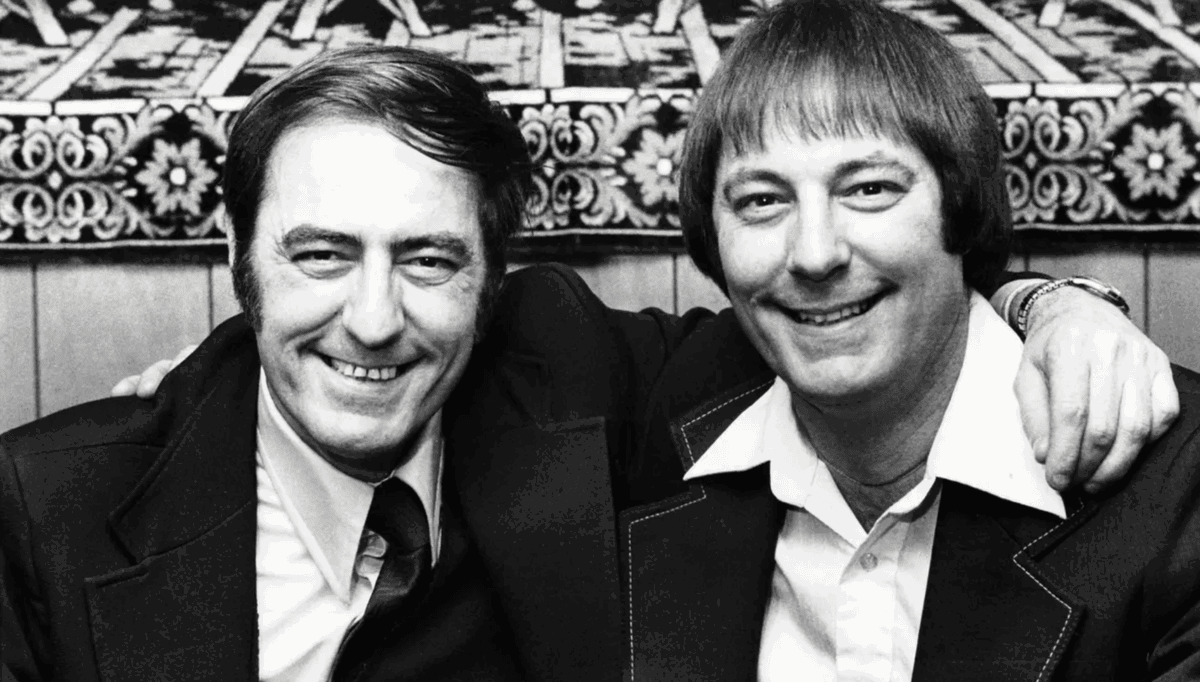
The Jims shared surprising similarities, including marrying and divorcing a woman named Linda, taking a second wife named Betty, naming their childhood dog Toy, growing up with an adopted brother named Larry, vacationing at the same beach in Florida, and working as part-time deputy sheriffs in Ohio. Continuing the unlikely trend, Springer named his son James Allan, while Lewis named his son James Alan. It seems that the Jim twins could not have led more identical lifestyles, even if they had grown up together.
6. Morgan Robertson Predicted the Titanic Sinking
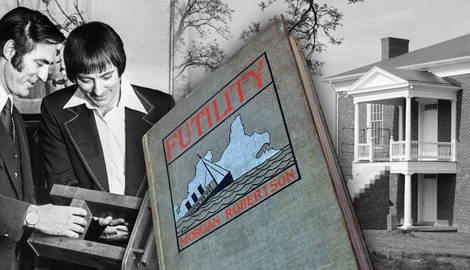
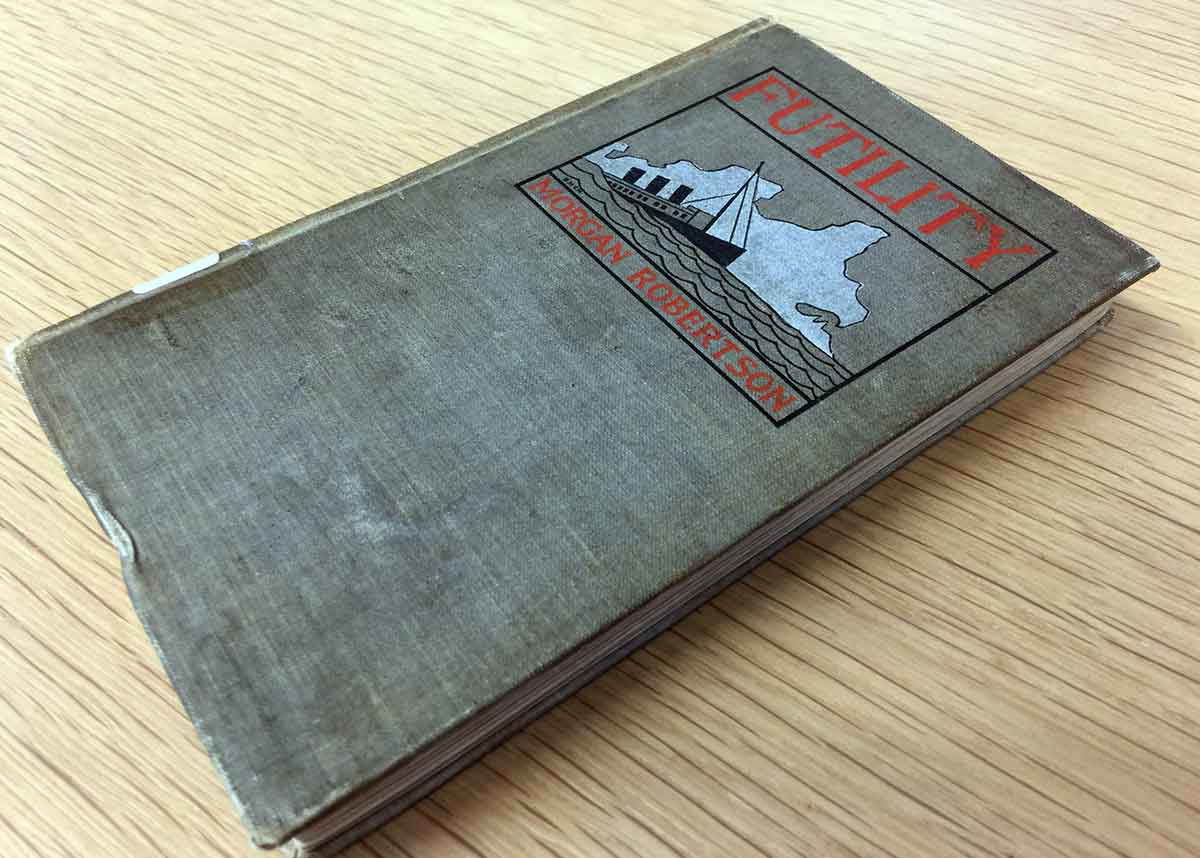
In 1898, American author Morgan Robertson published a novel called “Futility, or The Wreck of the Titan.” Robertson spun the tale of a ship called the Titan that had three fantastic qualities: it was the world’s longest, fastest, and only unsinkable ship. Unfortunately, the ship collides with an iceberg on its maiden voyage, splits in two, and sinks in the middle of the ocean. Over 2,000 passengers lost their lives because there were not enough lifeboats.
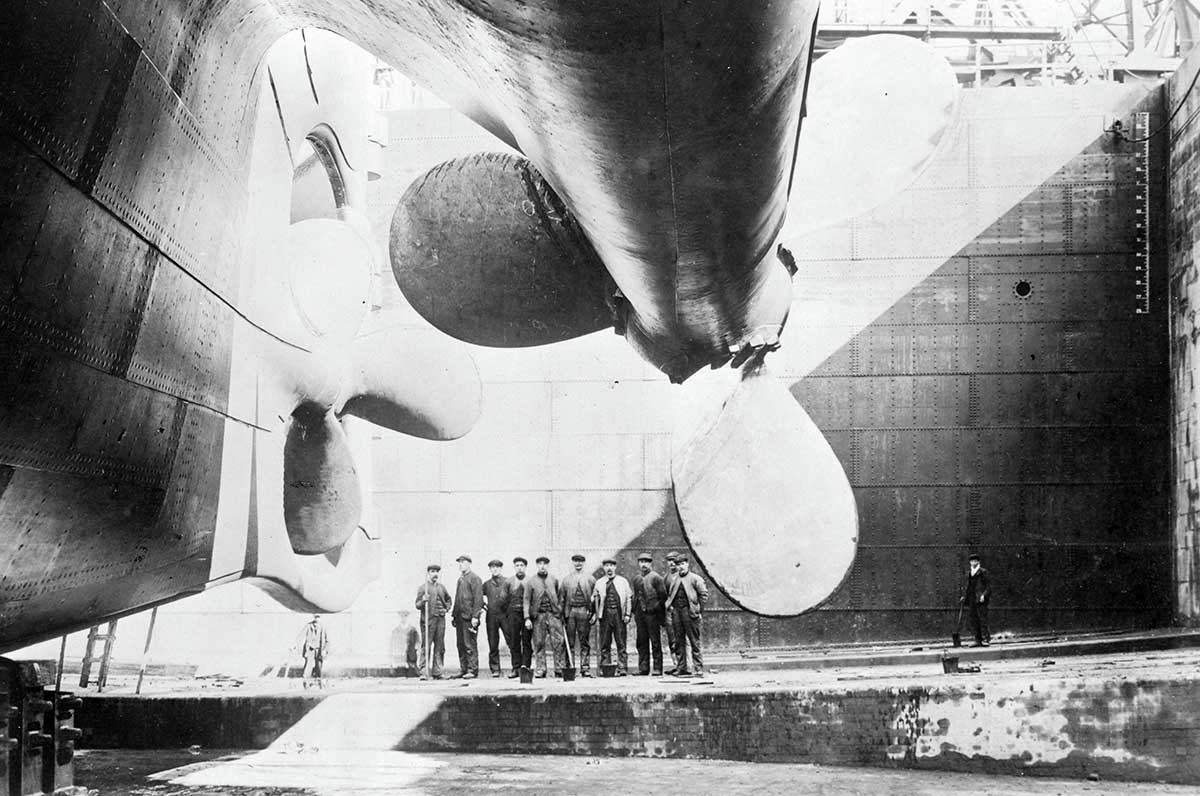
Sound eerily familiar? Indeed, nearly two decades before the unsinkable Titanic sank in 1912, Robertson published the grim tale of the world’s most impressive ship sinking after a collision with an iceberg. There were many eerie similarities between the two ships. Both were about 800 feet long, each weighed roughly 70,000 tons and used triple-screw propellers to move, both had a capacity of 3,000 passengers, and both sank in April.
Save for the conspiracy theory that Robertson was a time traveler who witnessed the sinking of the Titanic, there is no explanation for the similarities between the fictional and real tragedies. One of the most likely explanations behind Robertson’s harrowing tale would have been an interest in sailing and maritime technological developments, therefore predicting the development of the Titanic and its fatal flaws.