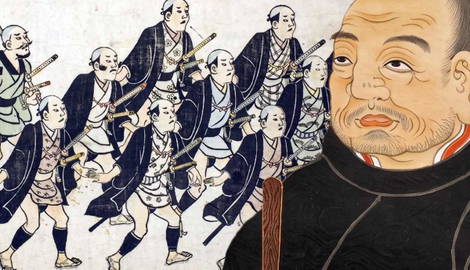

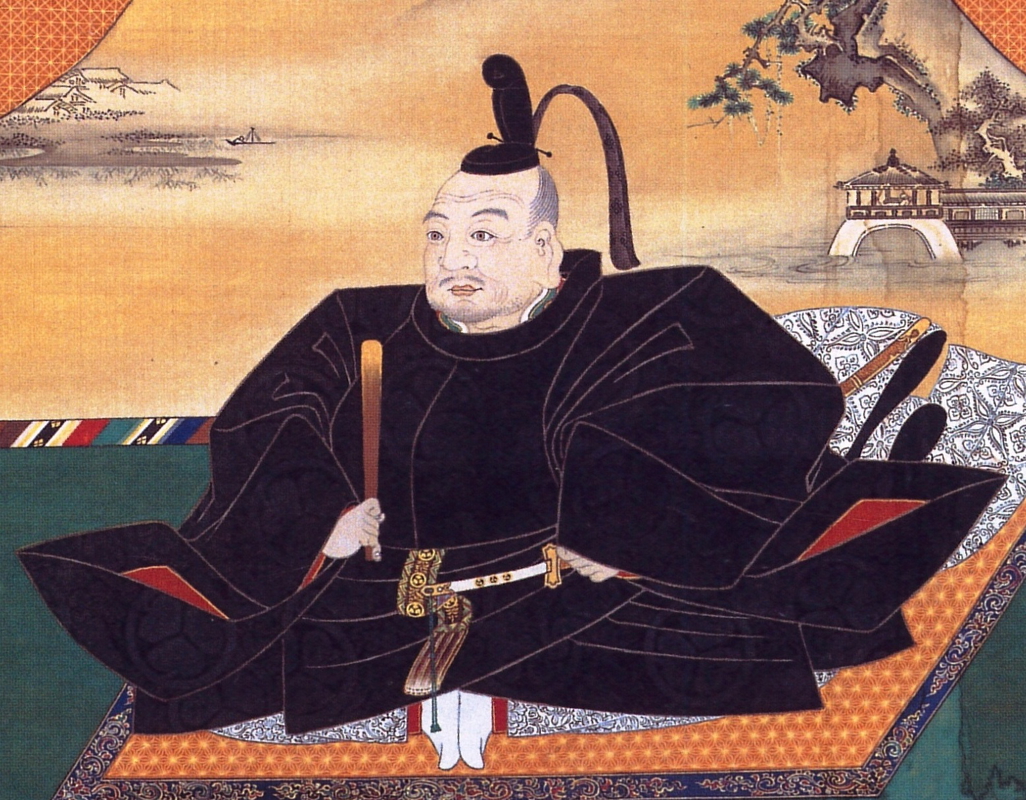
Sankin-kotai, or “alternate attendance” in Japanese, sprang from a policy created by the Tokugawa Bakufu (military government) soon after the Tokugawa family consolidated their power in Japan after 1600. The Tokugawa family, led by the smart, tough, and politically canny Tokugawa Ieyasu, emerged as the victor of the brutal Warring States or Sengoku period.
Since 1467, civil wars and social upheaval had raged throughout Imperial Japan as daimyos or nobles clashed. By the late 16th century, the Tokugawa faction and a daimyo faction supporting the five-year-old son of his rival, the late Toyotomi Hideyoshi, remained. At the 1600 Battle of Sekigahara, Tokugawa crushed his rivals and took political control of Japan. Tokugawa soon rebuilt Japan’s political map, distributing fiefs across Japan. His allies got rewarded, and his enemies weakened. In 1603, the emperor appointed him Shogun, or military leader, of Japan. Tokugawa established the Tokugawa Bakufu and began significant changes. First, he created a four-tier society with the samurai at the top.
How the Tokugawa Shogunate Bankrupted the Daimyo to Enforce Loyalty
Tokugawa made Edo (later Tokyo) the seat of power and expanded this village to a capital city of thousands. He strategically arranged allies and enemy domains around Imperial Japan to keep them off balance. As part of that arrangement, the Bakufu implemented sankin-kotai, or “alternate attendance.” This system required all daimyo to alternate living in their domain and Edo. Here, Tokugawa police kept them under surveillance. The important parts of sankin-kotai were meant to control the daimyo, including former enemies. During the Tokugawa Era, this system only ended in 1862.
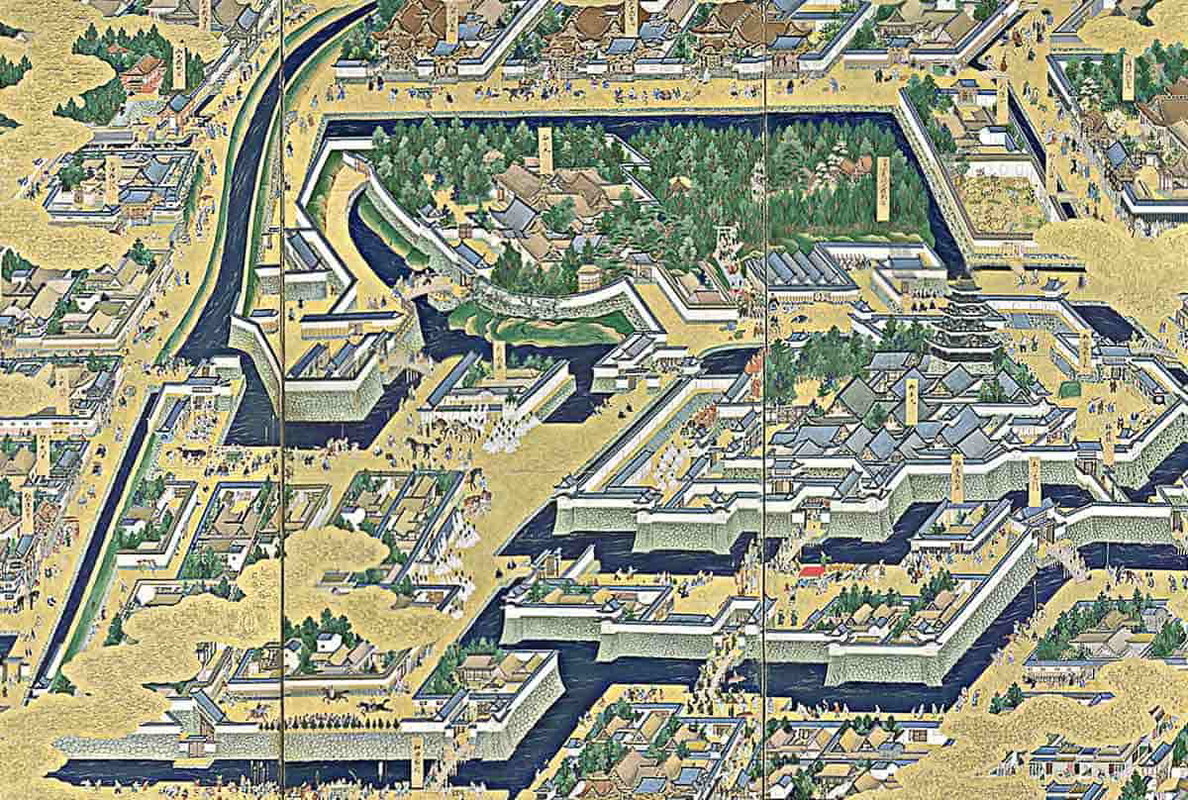
The first and maybe most important piece of sankin-kotai was alternate attendance. By law, the daimyo maintained two residences: one in their domain and the second in Edo. The daimyo annually rotated in which location they resided. When in the city, the Bakufu’s agents watched and reported. However, Edo’s cost of living increased over time, straining many nobles who sought loans from wealthy merchants.
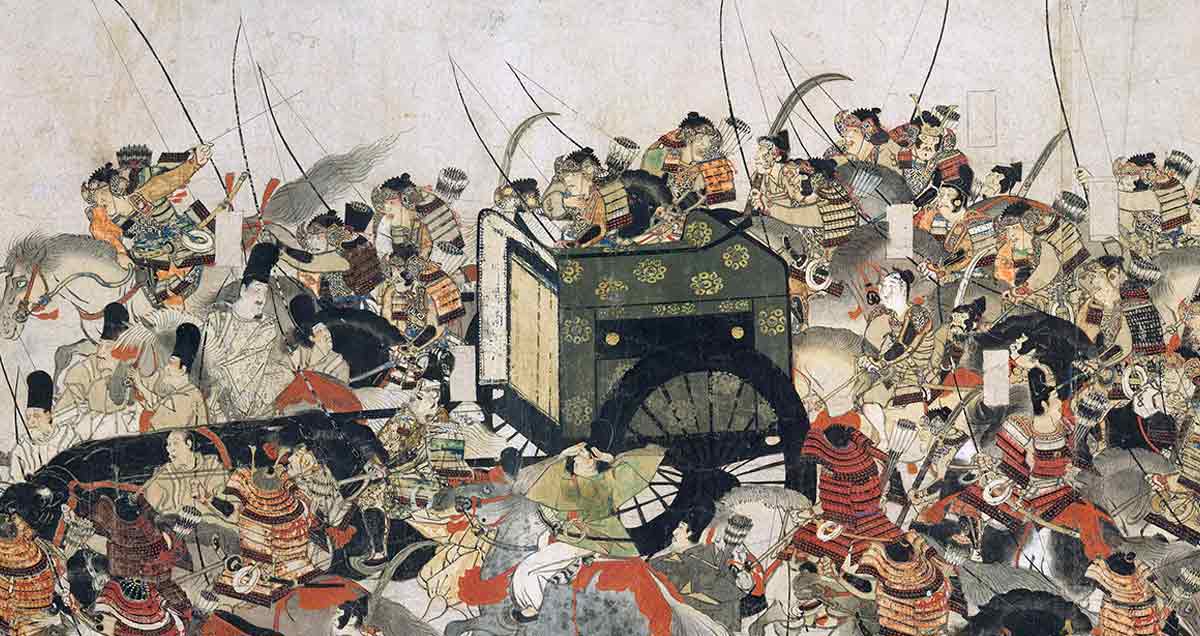
The daimyos’ families lived in Edo permanently, essentially as Bakufu hostages. Simple and more effective than two residences, their family’s safety depended on their loyalty. Like the attendance system, the financial strain of city living, keeping an entourage, and traveling costs between home and Edo drained the daimyo’s coffers. Little money would be left to finance any rebellions. When combined with Bakufu control, the Tokugawa family effectively curbed rebellions.
How a Policy of Oppression Accidentally Sparked a Japanese Economic Renaissance
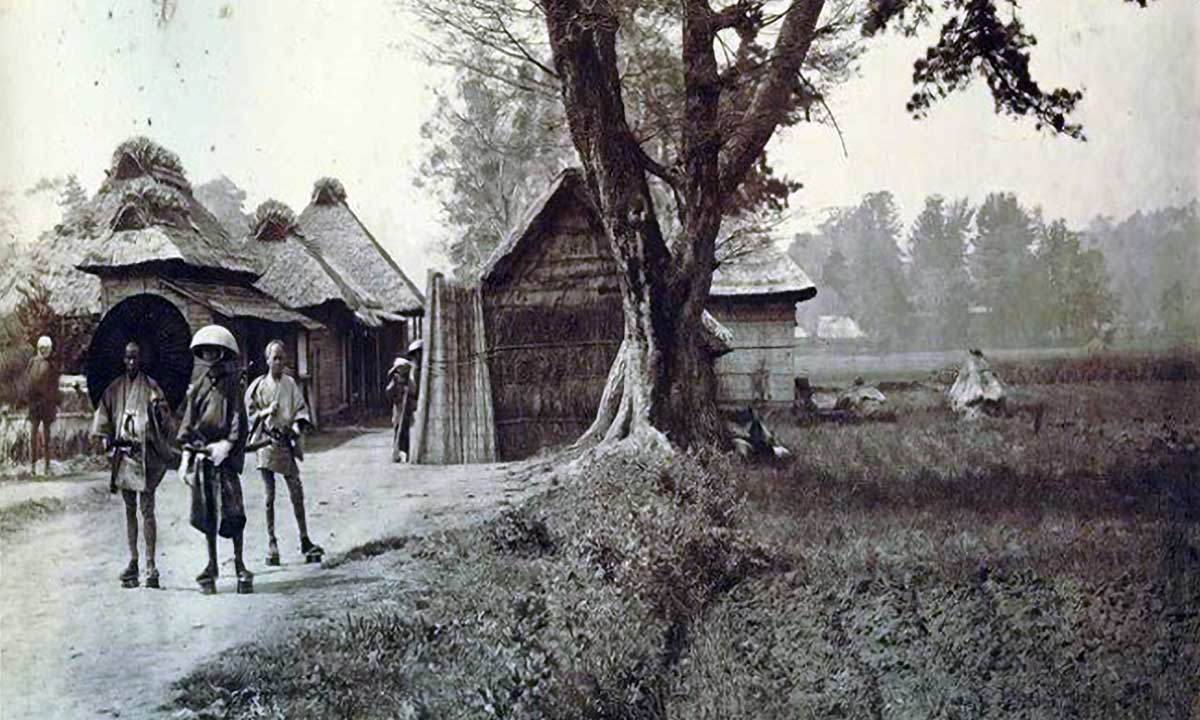
The Tokugawa Bakufu codified sankin-kotai in 1635 under Shogun Tokugawa Iemitsu, Ieyasu’s grandson. As political stability ensued after decades of war, the sankin-kotai policy began to pay off economically and culturally. Peace reigned, allowing for economic growth by keeping the daimyo from amassing power, forcing their allegiance, and bleeding financially. They spent their money locally in Edo or on their required travel.
Legally, the daimyo maintained two residences; thus, the Tokaido Road, or the “Eastern Sea Route,” emerged. Starting in Tokyo and connecting with Imperial Kyoto, the road spanned 320 miles. Four other roads sprang up, but the Tokaido is the best known, and these altered Japan. With 260 daimyo domains, road traffic increased several times a year. Though not an official toll road, it contained 53 checkpoints called sekisho. Maintained by the Bakufu to monitor and restrict travelers, these officials checked travel papers or taxed certain goods. Many checkpoints slowly grew into thriving towns, thanks to the Bakufu.
Cultural Exchange
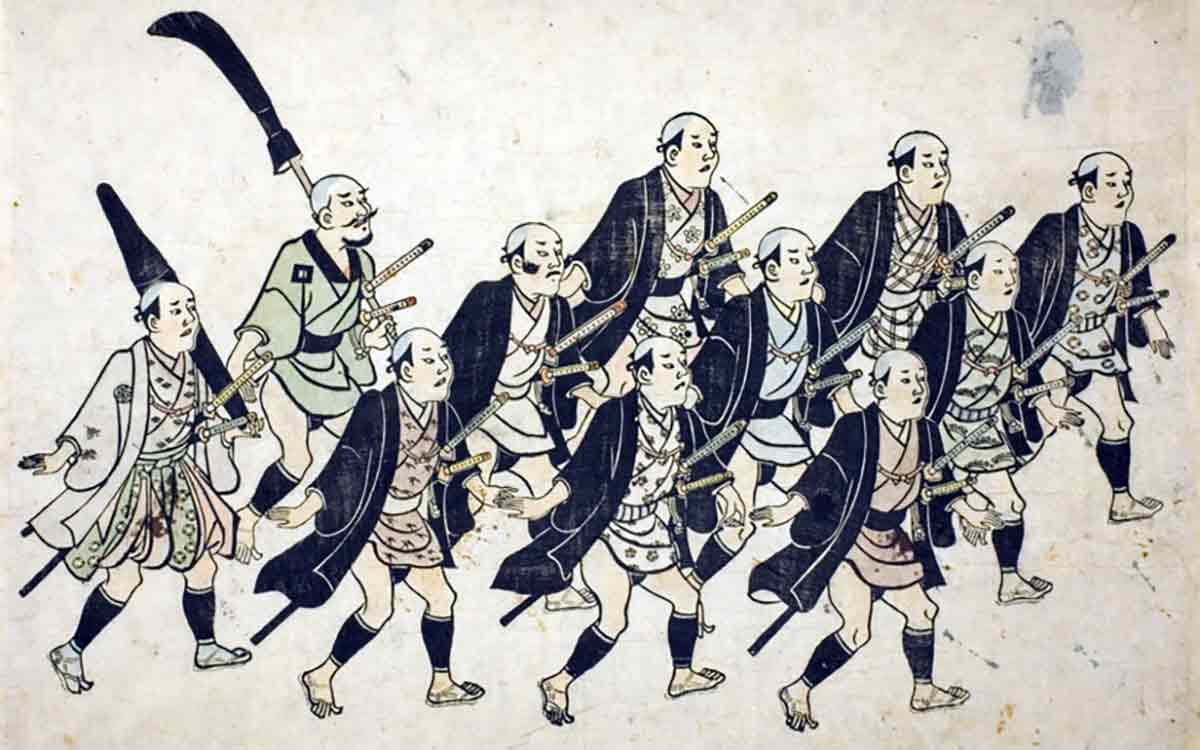
At the sekisho and later towns, travelers found spots to eat, rest, or sleep. Most travelers came on foot. Daimyo or wealthy individuals could travel by horse or palanquin. By regulating travelers, the Bakufu kept daimyo and commerce in check. With stability came prosperity and easier administration. Another unforeseen benefit of sankin-kotai was the cultural exchange. During the Sengoku era, few people traveled beyond their home region. The daimyos’ forced travel to Edo mixed people from different areas, laying down roots that would unite Japan. The policy chipped away at the regional differences.
The wily Tokugawa Bakufu knew the sankin-kotai’s burden lay on the daimyo. Just the cost alone of traveling with a large entourage annually, maintaining the two residences, plus domain costs was significant. It’s estimated daimyos spent 25% of their budgets on just these. Many went deeply into debt, raising taxes or local spending to maintain their status. The sankin-kotai system worked for the Tokugawa Bakufu. It controlled potential rivals, the daimyo, but it also entrenched the government. Only a major upheaval would force the Tokugawa out.