
Empowering communities for almost half a century, The Green Belt Movement has been hard at work in Kenya, building climate-resilient ecosystems and sustainable environments, while also empowering women. A continent away, in the Amazon rainforest, Indigenous women take to the frontlines to save their livelihoods and their environments from the destruction caused by extractivism. Meanwhile, women across the globe guide humanity’s future in high-profile forums, as they fight for sustainable futures in a world increasingly affected by climate change.
The fight for gender equality has led women to become inextricably linked to environmental concerns. What is this relationship, and how has the challenge for women’s rights become so intertwined with green initiatives?
The Environment and Its Impact on Gender
By examining societies worldwide and how different genders interact with their environments, it becomes clear that environmental degradation disproportionately threatens women.
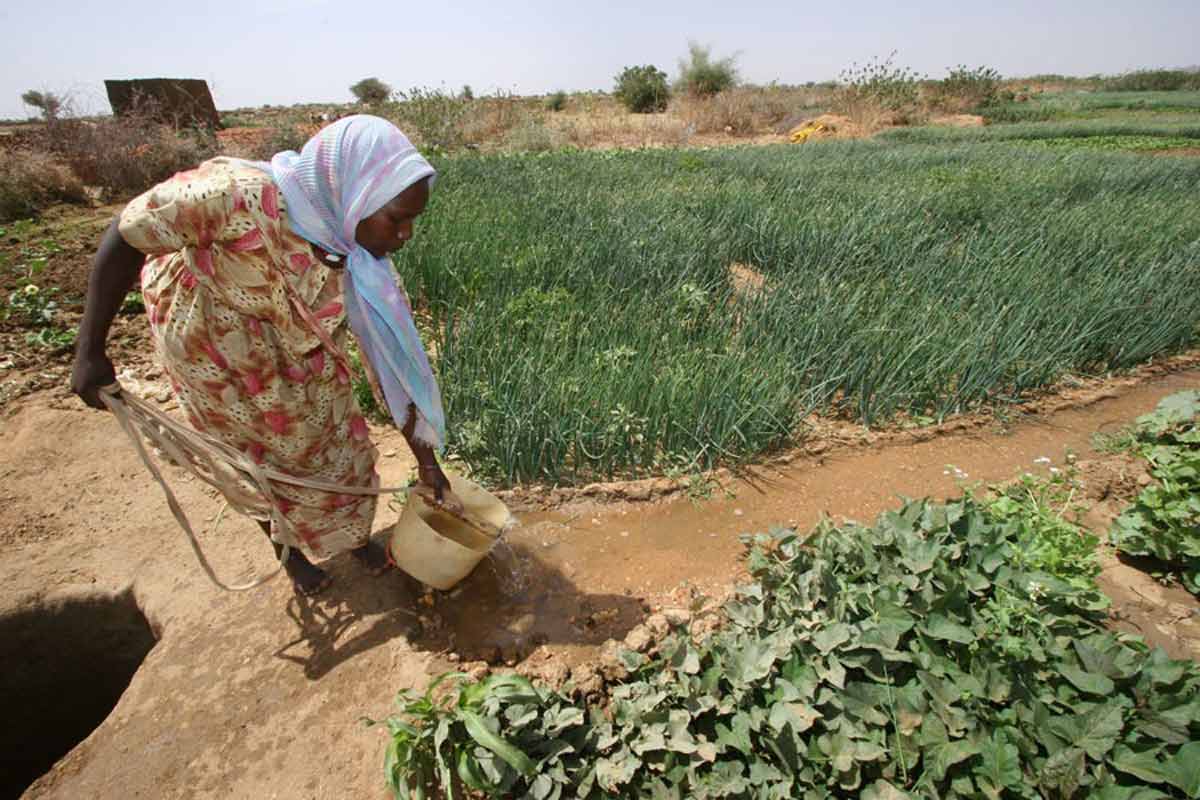
According to the United Nations, women and girls make up the majority of the world’s poor and are more dependent than men on local natural resources to sustain their livelihoods. From a general perspective, and especially in rural areas in developing nations, women are responsible for securing food, water, and firewood for their families. When these are scarce, women work harder and walk farther to find them.
They face backlash when these resources cannot be obtained, and in such skewed patriarchal societies, the effects are massively disproportionate. In these areas, women are 14 times more likely to die from extreme weather disasters. This is due to a lack of information, restricted mobility, and diminished agency. Of those displaced by climate change, 80% are women.
Meanwhile, research indicates that women in industrialized countries are more likely than men to be concerned about climate change. Data from the Pew Research Center’s polls in the US, Canada, South Korea, Germany, Australia, Spain, and the UK show that the difference between men and women in this regard is approximately 10%, with the US having the largest difference.
In the US poll on whether global climate change is a serious problem, 66% of men responded yes, while 83% of women agreed, with additional data indicating that more women than men believed climate change would affect them personally.
A History of Action
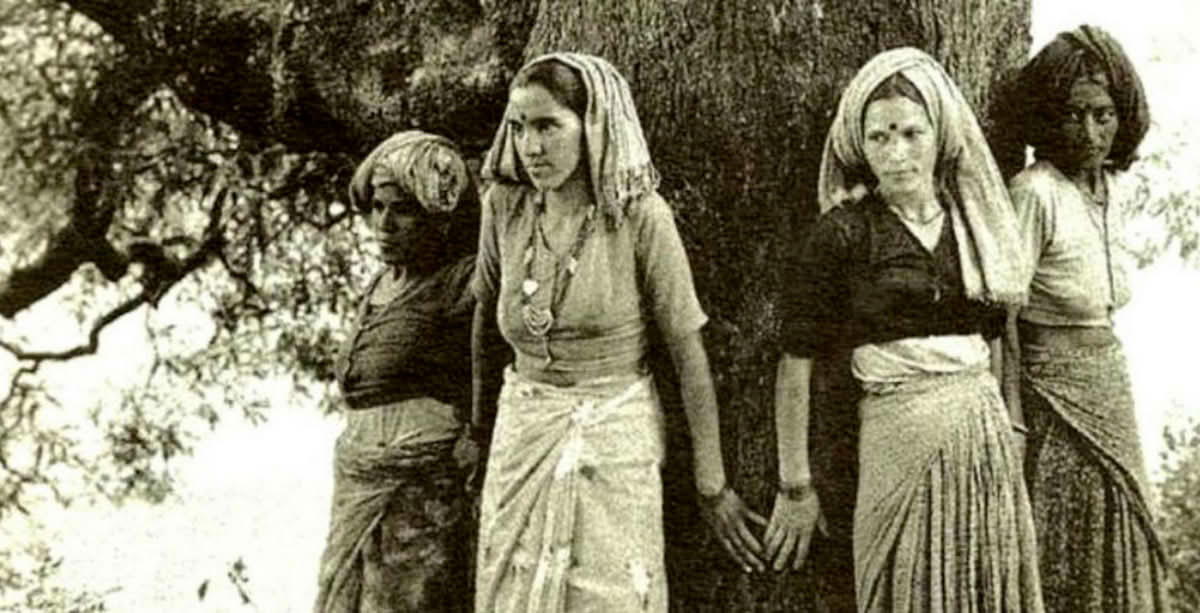
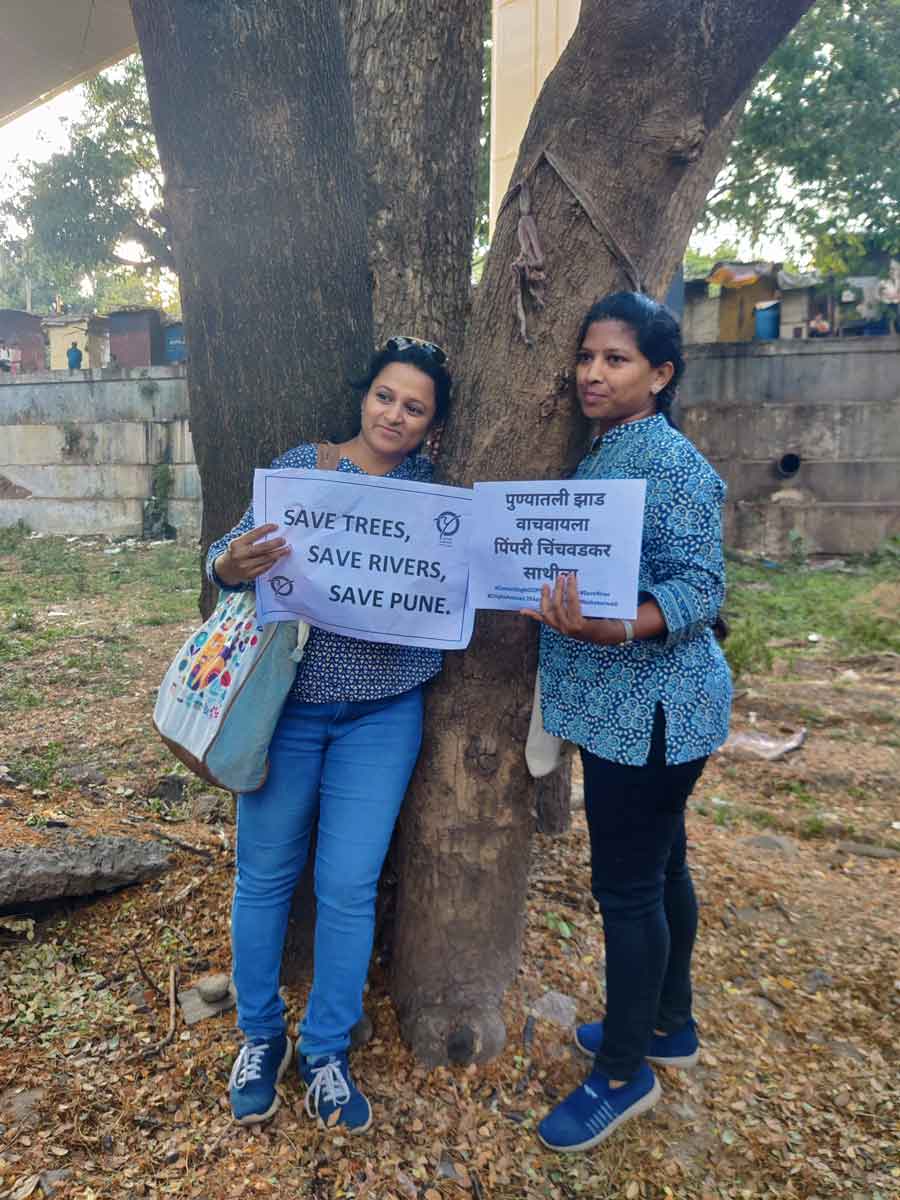
Although its roots date back further, modern environmental activism really took off in the late 1960s and early 1970s. Even from this early period, women were an integral part of the movement. An example of this is the Chipko Movement, which began in the 1970s and relied heavily on women’s participation. Villagers banded together, confronting commercial loggers, forcing the abandonment of deforestation ventures.
“Chipko,” literally meaning to “hug” or “cling” in Hindi, was a highly effective form of protest, as the protestors would literally hug trees to prevent them from being cut down. This is where the term “tree hugger” originated in popular modern usage. The method was inspired by the Bishnoi people in Rajasthan, who, in 1730, hugged trees to stop them from being cut down to build a palace. The massacre that followed resulted in a royal decree protecting trees, proving the effectiveness of such actions despite having to pay the ultimate sacrifice.
Inspired by the success of Chipko, a similar, successful movement called the Appiko Movement took place in Kalase forest near Salkani in western India in 1983. Like with the Chipko Movement, men, women, and children banded together in peaceful protest to stop loggers.
Education and Empowerment
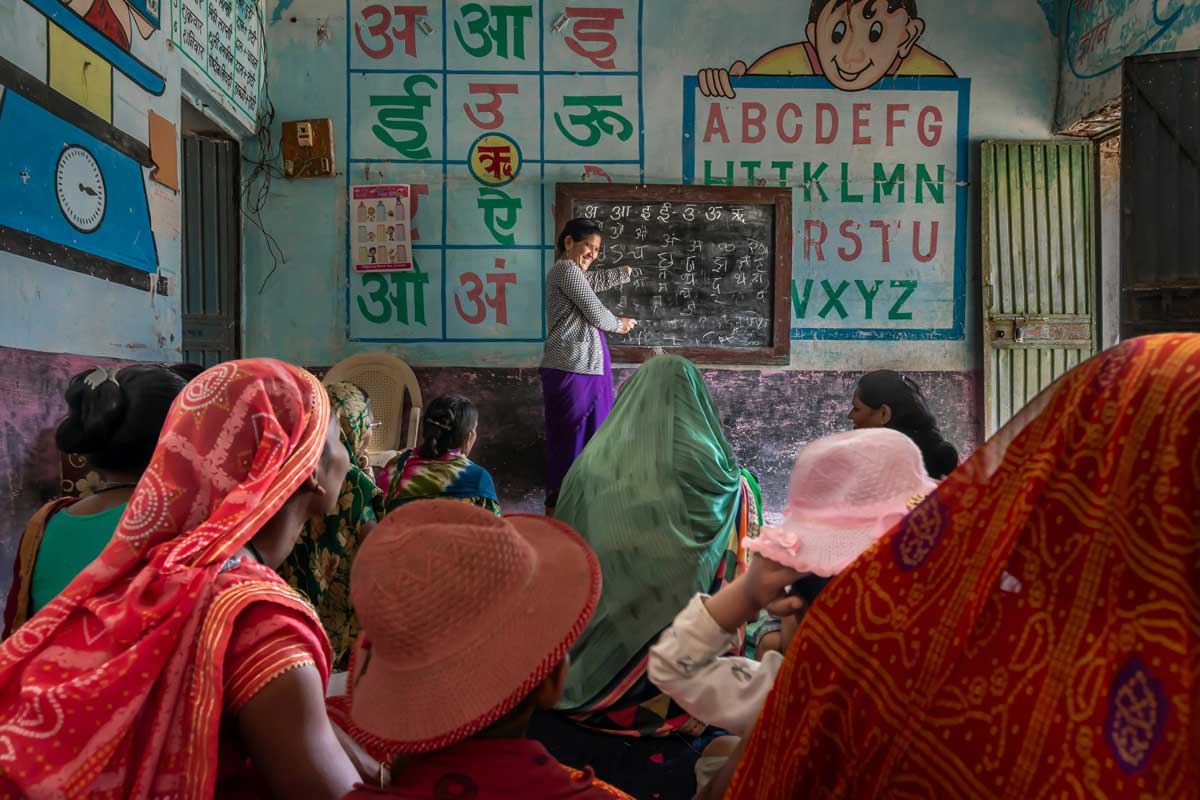
The interplay between education and women’s traditional roles is well documented. Of prime consideration is the factor of population growth. Research shows that the spread of education amongst women results in more opportunities, thus allowing for more careful consideration when it comes to having children.
With maternal burdens lessened, women have far more agency. A slowdown in population growth is a major outcome that benefits the environment by reducing resource demand. Thus, education not only furthers gender equality but also benefits green initiatives.
Given women’s general views on climate change and its effects on their traditional roles, it is logical to recruit leaders from this demographic who can guide communities and nations toward a more sustainable future. Education and empowerment of women are key in addressing this leadership concern.
Placing women at the center of sustainable development is not just ethically sound, but massively beneficial from a practical perspective. Research shows that women spend around 90% of their income on their family, compared with just 35% for men. This represents food, healthcare, education, and housing; major factors in creating a sustainable future that is better equipped to support future generations. This gap persists, even in developed nations with greater equality. This dynamic of spending has a cumulative effect, creating more prosperous and stable communities. Thus, the empowerment of women is not simply a moral imperative but a potent catalyst for achieving broader development goals.
Women as Leaders
While women may not have achieved equal representation in governmental bodies and other climate authorities, they are well represented in leading local initiatives, particularly in the Global South.
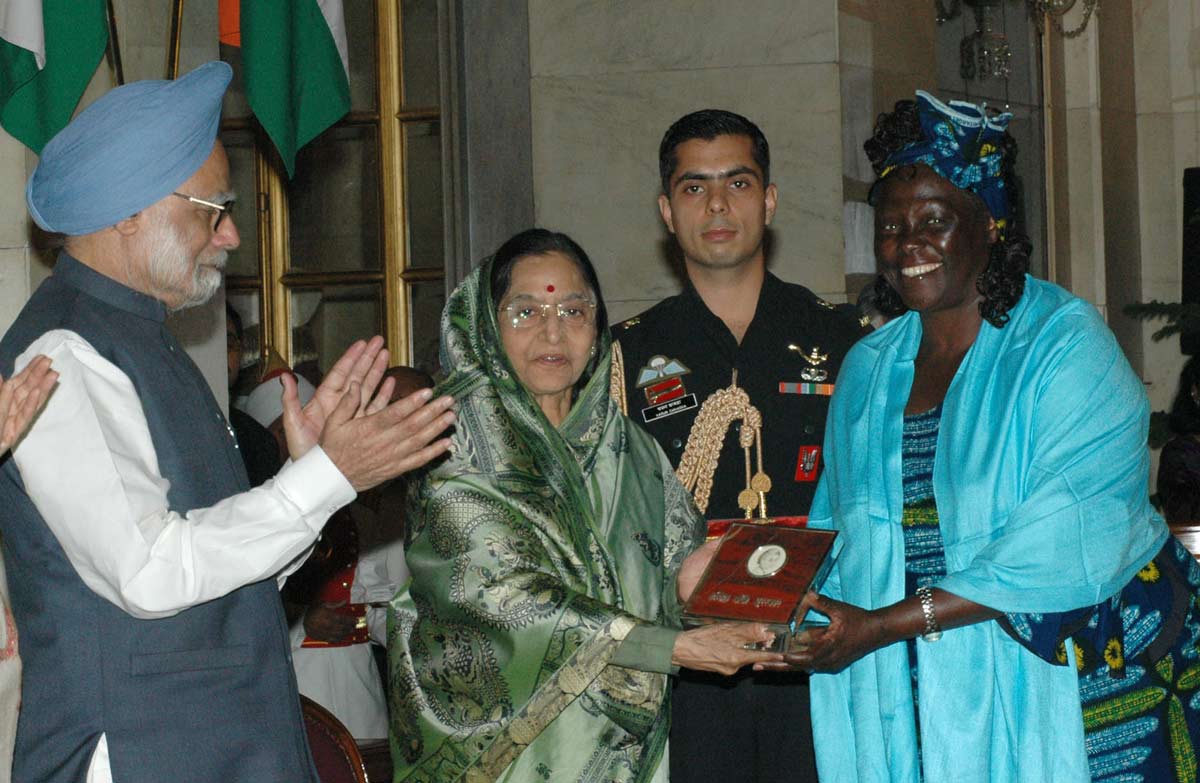
Wangari Maathai was one such leader who challenged the status quo and brought environmentalism to the fore in Kenya. She established the Green Belt Movement, which focused on planting trees and fighting for women’s rights. For her efforts, she won the Nobel Peace Prize in 2004, becoming the first African woman to do so.

Today, one of the most widely recognized figures in the fight against climate change, Greta Thunberg, rose to prominence in 2018 during the Fridays for Future or Schools for Climate movement. On September 23, 2019 at the United Nations Climate Action Summit in New York City, she gained viral attention by lambasting world leaders for their “empty words.” Since then, she has become a global icon of resistance and broadened the scope of her activism to include humanitarian support for Palestine, amongst other initiatives. Her social presence has been a major driver of global youth engagement.
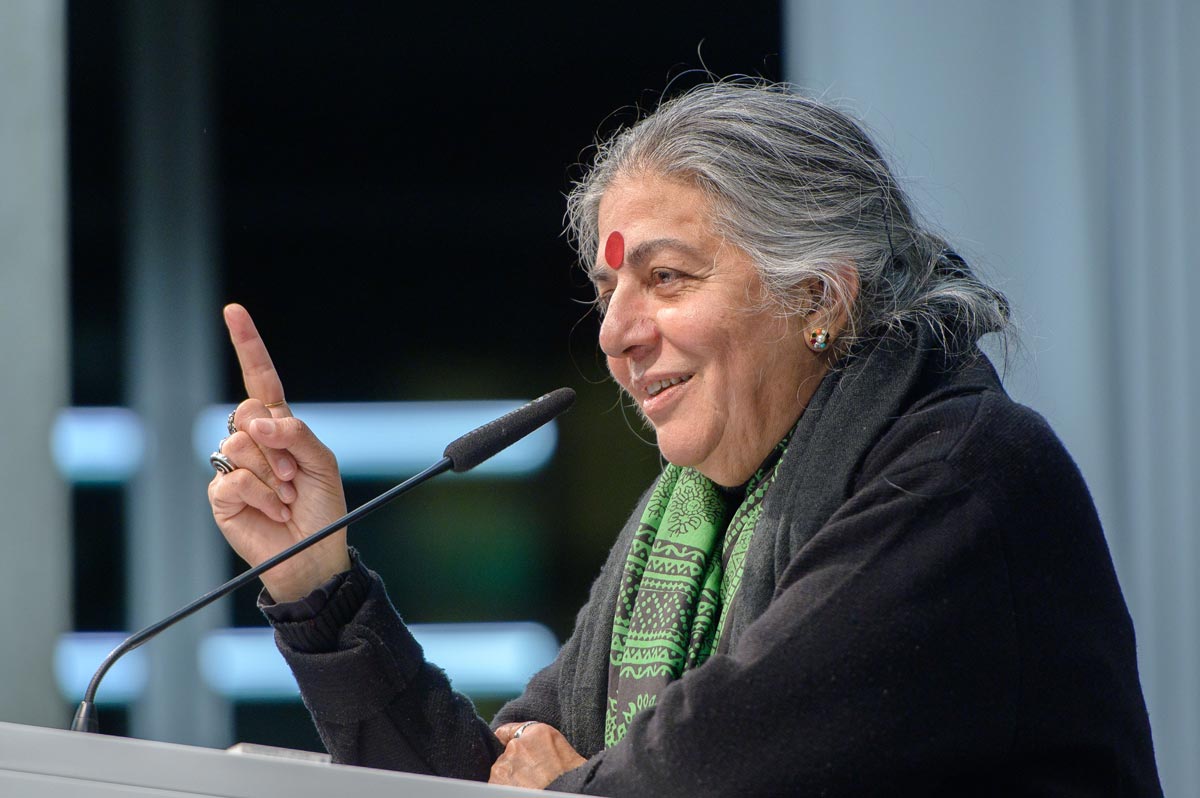
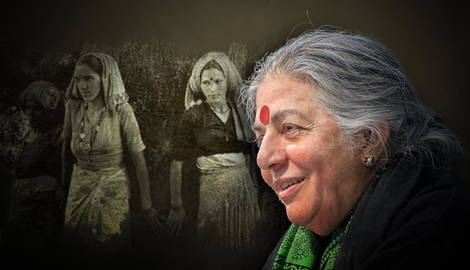
While Thunberg represents protest and direct action, others have engaged with climate activism by challenging the structures of industrial and corporate agriculture and promoting ecological knowledge. Having authored 20 books, Vandana Shiva is a prominent voice in this regard, and her efforts have earned her the moniker “the Gandhi of Grain.”
An anti-globalist, Shiva has argued for the rights of small-scale farmers who are often dispossessed and forced out of business by monocultural corporate practice, which dominates ecology rather than working with it. As such, Shiva is an eco-feminist who argues that the domination of nature and the domination of women stem from the same patriarchal systems of control. Limiting the power of that source not only frees women but also benefits the environment. In this regard, feminism and environmentalism are closely connected. As Shiva has noted,
“The recovery of the feminine principle is an intellectual and political challenge to maldevelopment as a patriarchal project of domination and destruction, of violence and subjugation, of dispossession and the dispensability of both women and nature.”
—Vandana Shiva, Staying Alive: Women, Ecology, and Development
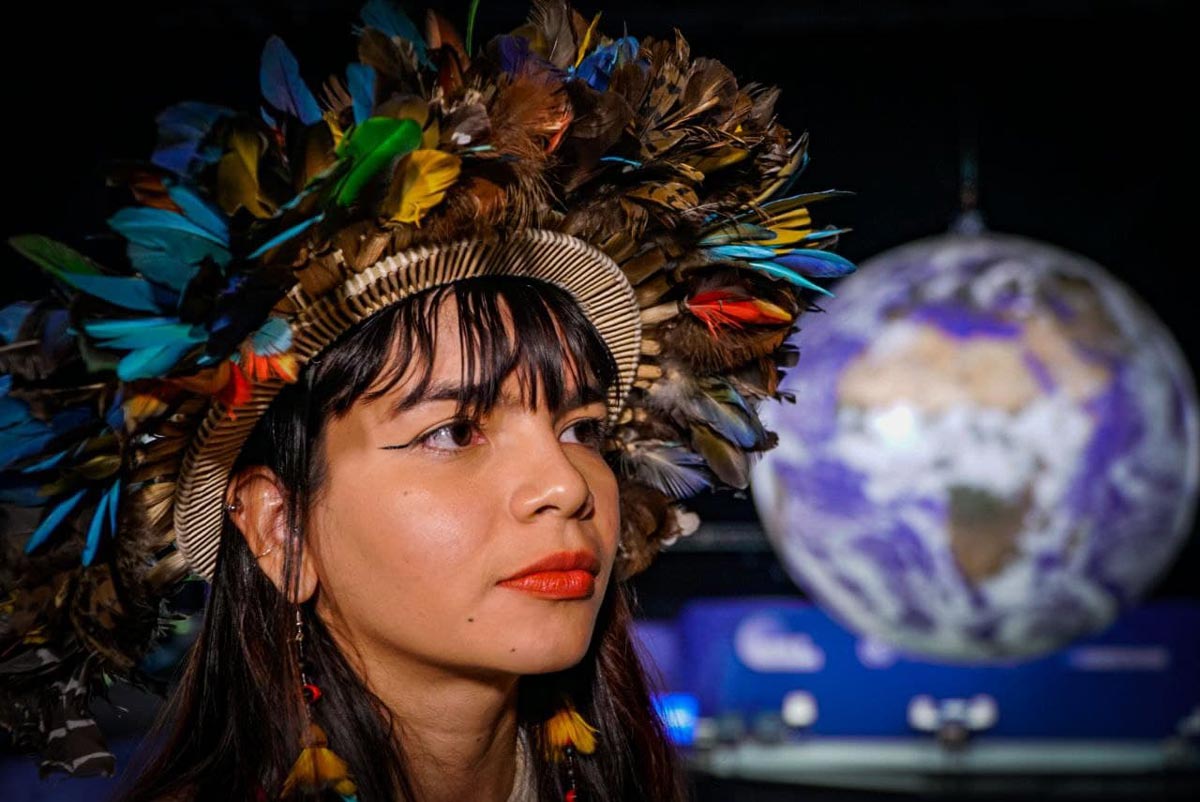
Meanwhile, the Amazon has no shortage of protectors, with many women stepping up to lead conservation efforts. Txai Suruí is a Brazilian environmentalist who founded the Indigenous Youth Movement of Rondônia, from which another activist, model, and actor, Zaya Guarani, hails. Also from Brazil is Vanda Oregta Witoto, who continues to advocate for community rights in Parque das Tribos.
Ecuador has also produced many activists, such as Nina Gualinga from the Kichwa community, who has led the fight against the destructive practices of oil and mining companies, and her younger sister, Helena, who co-founded the Polluters Out movement with Isabella Fallahi and Ayisha Siddiqa.
Representing the Waorani people from the Ecuadorian Amazon rainforest, Nemonte Nenquimo is a co-founder of the Ceibo Alliance, which protects indigenous lands from oil concessions.
Of course, there are many others around the world who deserve recognition, and the list of names grows ever longer as women take up the mantle of leadership.
Women Still Face Many Barriers
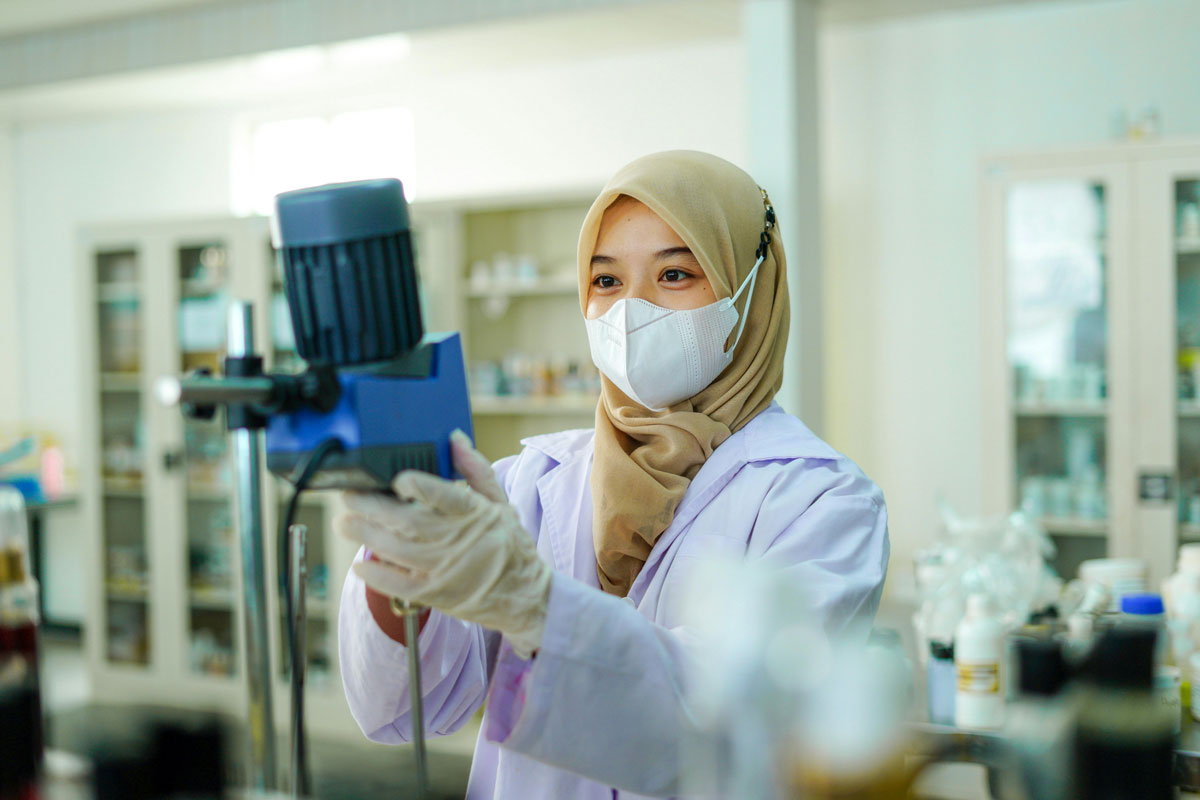
In STEM, it is no surprise that women have historically been underrepresented in a dynamic that persists. Some regions of the world, particularly in the United States, show a marked increase in the ratio of women to men. However, from a global perspective, women make up 35% of STEM graduates. According to UNESCO, this is a figure that has remained stagnant for the past decade.
The underrepresentation is not limited to STEM fields, either. Women are regularly excluded from positions of authority and face significant barriers to attaining power within governments worldwide. Because governments are powerful actors in discussions of climate change, women generally do not have the same influence as men. The World Economic Forum reports that women make up just 30% (on average) of environmental ministries around the world. Thus, gender parity in the decision-making process is rare.
Given that climate change is a greater concern among women than men, it is unsurprising that UNESCO research shows that parliaments with a higher proportion of women are more likely to ratify environmental treaties. Thus, it can be said that women represent a more powerful force for combating climate change.
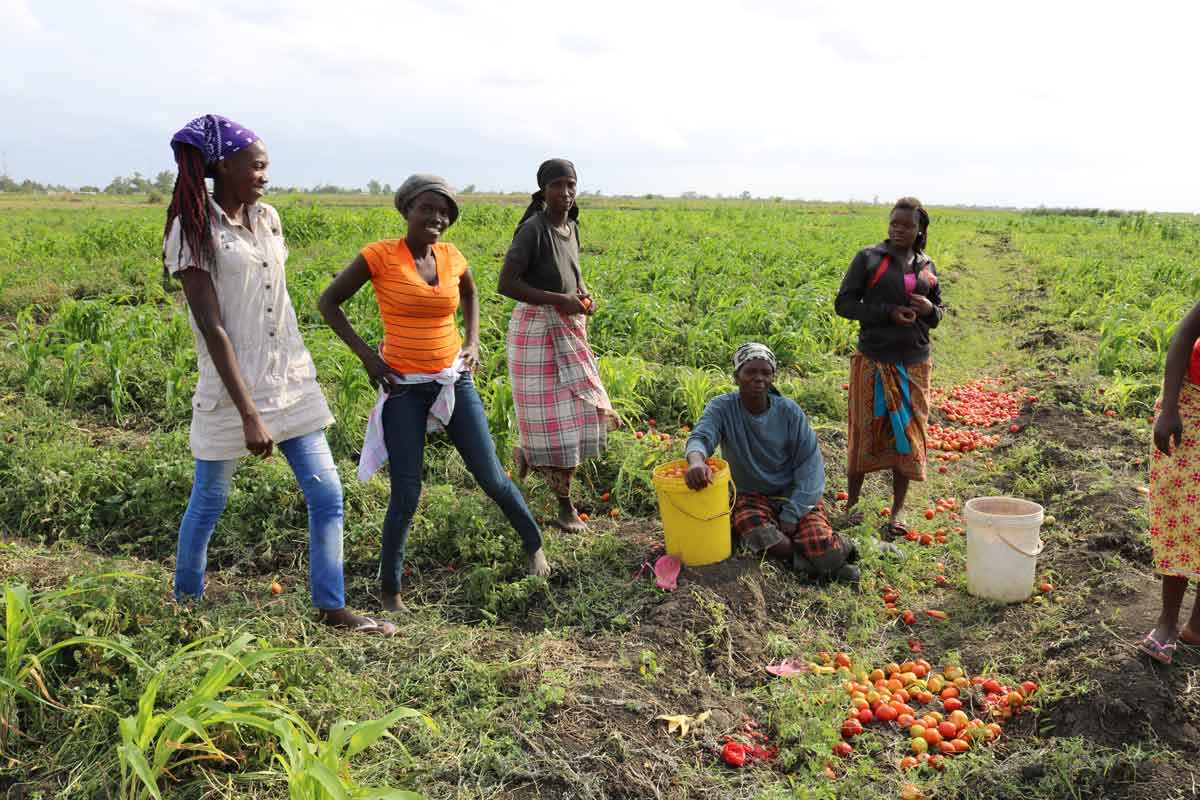
Overall, the picture is quite clear. Empowering women is an effective way to advance environmental goals and represents a formidable weapon in humanity’s quest to overcome the challenges of climate change. Men and women alike have made valuable contributions in this regard, and women continue to assume leadership roles in many contexts, exercising agency as leaders, academics, scientists, artists, farmers, or simply as members of their communities. These are powerful voices that are integral to transforming the world in which we live into a place that is sustainable and productive for all.