
From Bram Stoker’s Count Dracula to Twilight’s sparkly “vegans,” vampires are integral to what we consider gothic and ghoulish. Tracing the origins of vampire legends is complex, as many cultures have stories of dangerous undead. But modern vampires can probably be traced back to myths told by Eastern European peasants to explain contagious diseases and unexplained phenomena. But these were disgusting corpses bloated on blood. It was only through Western literature that they became the sophisticated predators that we know today.
18th Century Vampire Panics of Eastern Europe

While many different myths and folklore refer to vampiric-like revenants (undead), the idea of vampires as threatening undead creatures roaming the night is often traced by academics back to Bulgarian folklore from at least 1,000 years ago. They told of bloodthirsty undead creatures that would terrorize villages, causing widespread disease and damage, called vampires or Strzyga.
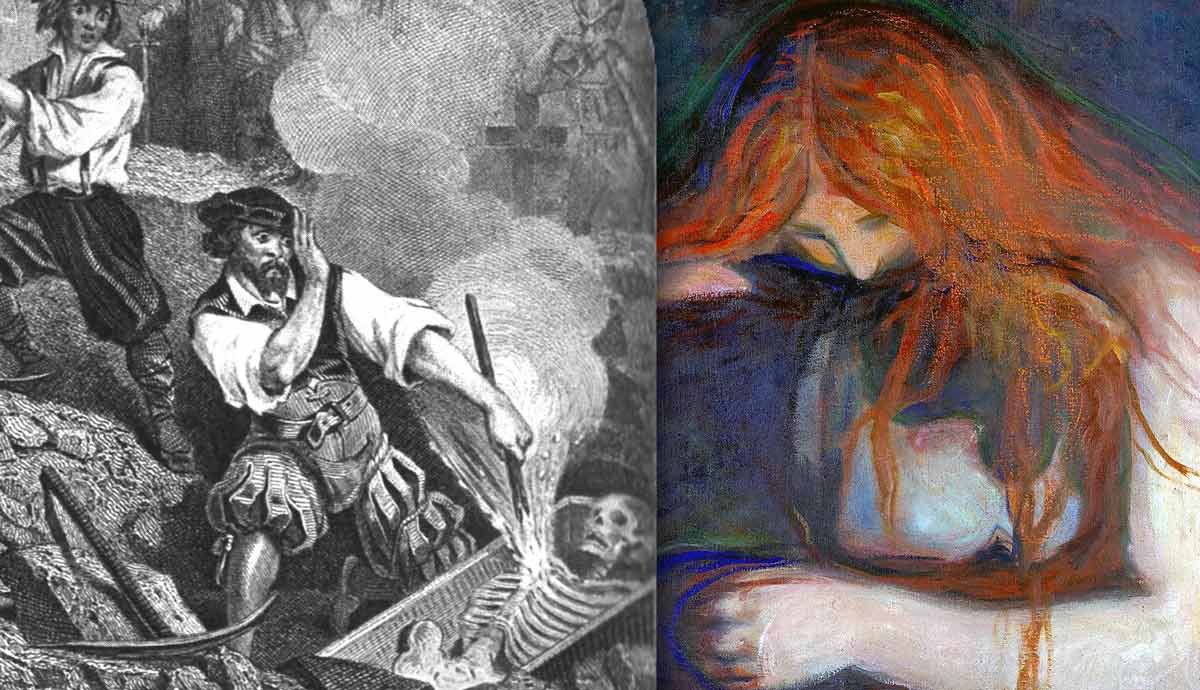
As the Habsburg Monarchy moved into former Ottoman territories following the 1718 Treaty of Passarowitz, they encountered folklore deeply rooted among Balkan and Slavic peasantry. When unexplained epidemic illnesses, sudden deaths, or livestock loss struck rural communities, villagers routinely blamed recently deceased neighbors. Recently buried bodies were often exhumed so that villagers could drive wooden stakes through the hearts of corpses, burn their organs, or sever their heads to prevent them from rising.
Official Investigations and the Spread to Western Europe
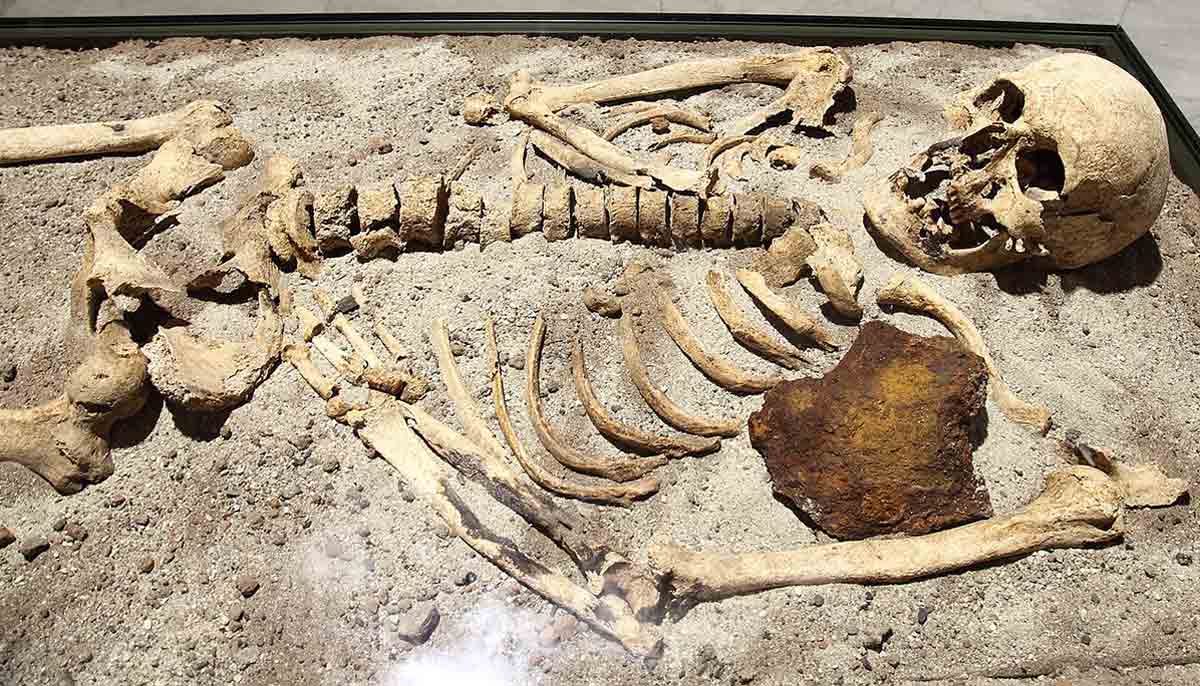
In 1725, Habsburg officials took cases of suspected vampirism seriously and investigated. In the Serbian village of Kisiljevo, peasant Petar Blagojević died and was buried. Within nine days, nine villagers fell ill and died after claiming Blagojević visited them in their sleep. Under pressure from panic-stricken locals, Imperial Provisor Frombald oversaw the exhumation. The body reportedly showed minimal decomposition, fresh blood at the mouth, and apparent hair and nail growth, which were all typical signs of natural decomposition misidentified by locals. The villagers drove a stake through his heart and burned the corpse. Frombald’s official report was published in the Wiener Diarium, sparking intense public fascination across Western Europe.
Just a few years later, Arnold Paole, a hajduk soldier from Medveđa, claimed to have been bitten by a vampire in Ottoman territory before dying in a farming accident. Weeks after his burial, four villagers died. Locals dug up Paole, found his corpse filled with fluid blood, staked him, and burned his remains. Six years later, in 1731, a second outbreak erupted in the same village, claiming 17 lives. Imperial army surgeon Johann Flückinger was dispatched to conduct official autopsies, culminating in his famous 1732 report Visum et Repertum (“Seen and Discovered”), detailing the official legal execution of suspected corpses.
How Natural Decomposition Tricked Village Communities
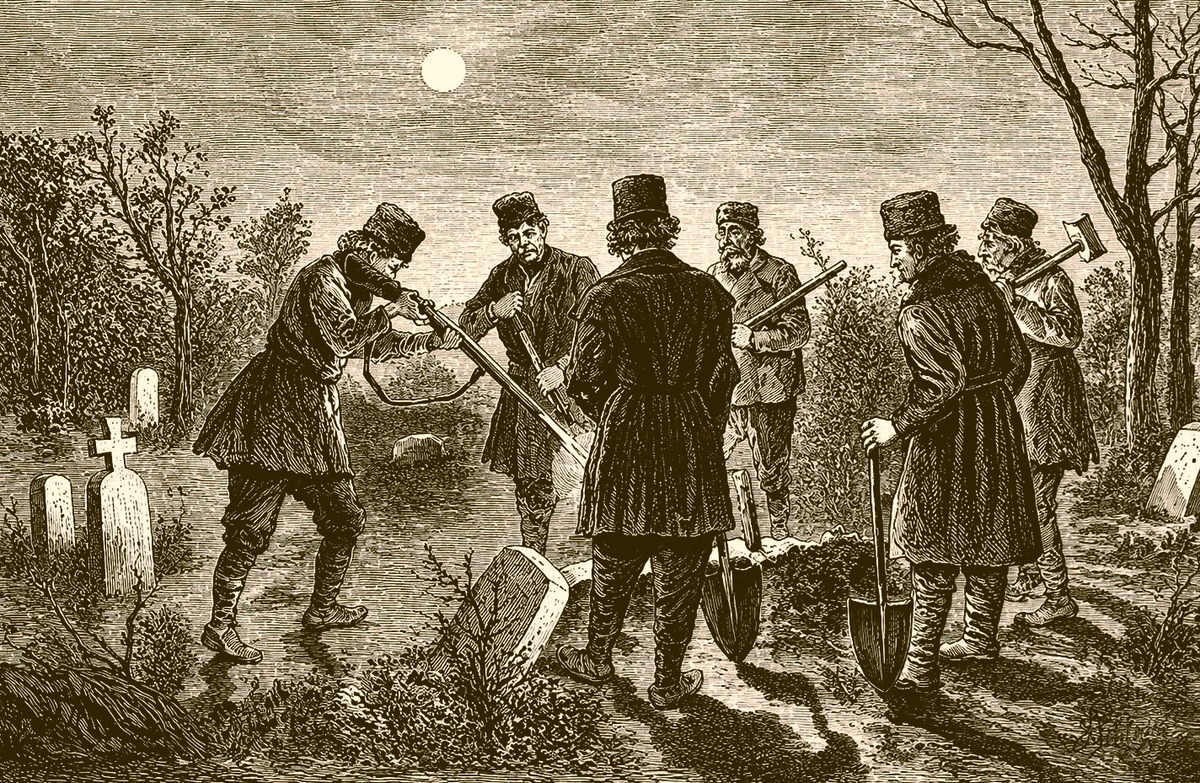
In Eastern European myths, vampires were imagined to be peasants who had come back from the dead and sustained themselves on blood. Rather than sophisticated gentlemen with pale white skin, they were imagined to be bloated bodies with blood, often without bones, with a purplish color due to their blood consumption. They also never wore fancy suits, but rather their burial shrouds.
Several natural forms of decomposition could explain how bodies were identified as vampires. First, shortly after death, anaerobic bacteria in the gastrointestinal tract break down tissue, producing high volumes of gases like methane and ammonia. This internal gas pressure bloats the abdomen, distends the torso, and forces dark, liquefied blood out through the mouth and nostrils, making it look like the corpse has just consumed fresh blood. Gas rushing past the vocal cords also explains deathly sighs and shrieks reported by eyewitnesses when exhuming bodies.
When bodies are buried in cold ground, decay slows, explaining why exhumed bodies sometimes appear not to have changed. As putrefaction progresses, moisture loss causes the skin to detach and soft tissue to shrink and retract. Dehydration pulls the skin backward around the scalp, jaw, and nail beds. This tissue recession exposes previously hidden nail bases and hair roots, creating the illusion that nails and hair had grown in the grave.
The Vampire Myth Spreads West
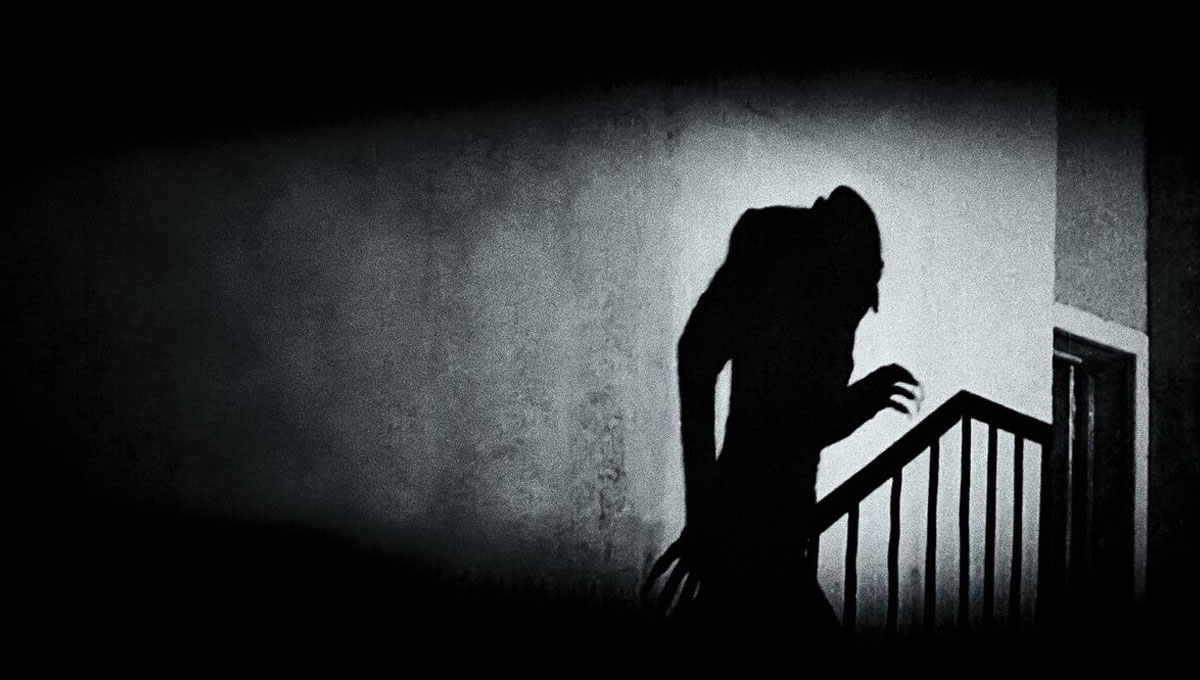
From the Habsburgs, the story of vampires made its way into cities such as Vienna and Berlin, and then Paris and London, and later the Americas.
Vampires arrived in New England with English immigrants. In isolated rural areas of Rhode Island, Connecticut, and Vermont, early American settlers re-created vampire rituals independently of Western literature. Driven by widespread outbreaks of tuberculosis, communities exhumed deceased family members whose organs were still intact or filled with liquid blood. They burned the hearts and fed the ashes to sick relatives to break the disease’s hold. In Exeter, Rhode Island, 19-year-old Mercy Brown died of consumption. When her brother fell ill, villagers exhumed her body, found her surprisingly preserved due to cold winter temperatures, cut out her heart, and burned it.
During the late 19th and early 20th centuries, millions of Eastern European immigrants, including Serbs, Romanians, Ukrainians, and Ashkenazi Jews, migrated to industrial centers across North and South America. They brought native oral traditions, keeping folk beliefs alive in urban ethnic enclaves.
What Were the First Published Vampire Stories?

Among the first surviving texts describing the vampire was Anglo-Italian physician John Polidori’s novel The Vampire, published in 1819. Polidori brought us the first version of a vampire as a sophisticated, well-turned-out gentleman with a devilish streak and a taste for human blood. In 1872, Irish author Joseph Sheridan Le Fanu’s Carmilla features a female vampire who preys on unsuspecting young women.

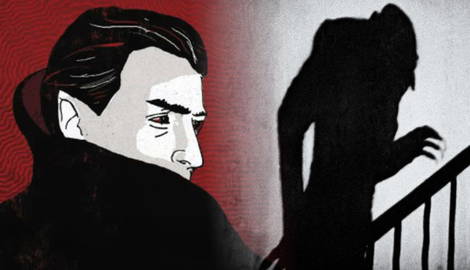
Just 80 years later, Bram Stoker’s immensely popular Count Dracula was published in 1897. It is from Stoker’s text that many of the most widespread myths about vampires have come, most notably the image of the deathly pale, impeccably dressed man with white hair and a moustache. Stoker went further, giving his Dracula long fingernails, pointed ears, hairy palms and, of course, the sharp fangs for withdrawing human blood, and transferring his vampiric fate to others. Stoker drew his inspiration for the classic story from various sources, including Slavic folklore, and also possibly Vlad Draculea, also known as Vlad the Impaler.
Contagious Diseases Mistaken for Vampiric Attacks

According to various academics during the 1980s, a rare blood disorder may have provided us with at least some of the mythology surrounding vampires that would go on to inspire Bram Stoker. The disorder, known as porphyria, which causes the body to produce less heme, has been around for millennia. Symptoms are uncannily similar to those traits we have come to associate with vampires, most notably pale skin, a sensitivity to sunlight, an aversion to garlic, receding gums that gave teeth a fang-like appearance, and red urine, which some associated with drinking blood. It was thought the so-called “vampires” suffering from the blood disorder were burned at the stake during the Spanish Inquisition, which may well also account for a fear of crucifixes now associated with vampires.
While porphyria may have inspired some stories of vampires, considering how rare it is and the fact that it is not contagious, it could not have inspired the mass hysteria seen in certain cases, but other infectious diseases did. In 18th- and 19th-century New England and Eastern Europe, tuberculosis was the single largest driver of localized vampire panics. Victims suffered a slow, agonizing decline characterized by severe weight loss, sunken eyes, pale skin, extreme fatigue, and coughing up bright red blood. To onlookers, the patient appeared to be literally “consumed” or drained of their life force. TB spreads via airborne droplets among close household contacts. When the first family member died of consumption, the rest soon fell ill one by one. Villagers concluded the dead relative was feeding on their surviving kin from inside the coffin. The famous New England Vampire Panic of the late 19th century involved exhuming family members who had died of TB to burn their hearts and feed the ashes to surviving infected relatives as a cure.
How Do We Define Vampires Today?

The original fear surrounding vampires has long since dissipated, and the figure has become romanticized over the centuries. Anne Rice’s book Interview with a Vampire (1976) transformed vampires into sympathetic, introspective beings, influencing their later representation in film and literature. Gary Oldman’s turn in Dracula 1992 was tragic, and we have Angel, the tortured vampire with a soul in Buffy the Vampire Slayer (1997-2003), not to mention the teen heartthrob vampires of The Vampire Diaries (2009-2017). But beneath these glamorized versions of “immortals,” we can still see elements of the dangerous undead from Eastern European folklore.