
By 1900, much of Africa had been divided like a proverbial cake among seven European powers. However, high up in the Horn of Africa was Ethiopia. A mountainous kingdom that refused to yield to European powers. What made Ethiopia different from nearly every other African nation?
The Berlin Conference and the Carving of a Continent
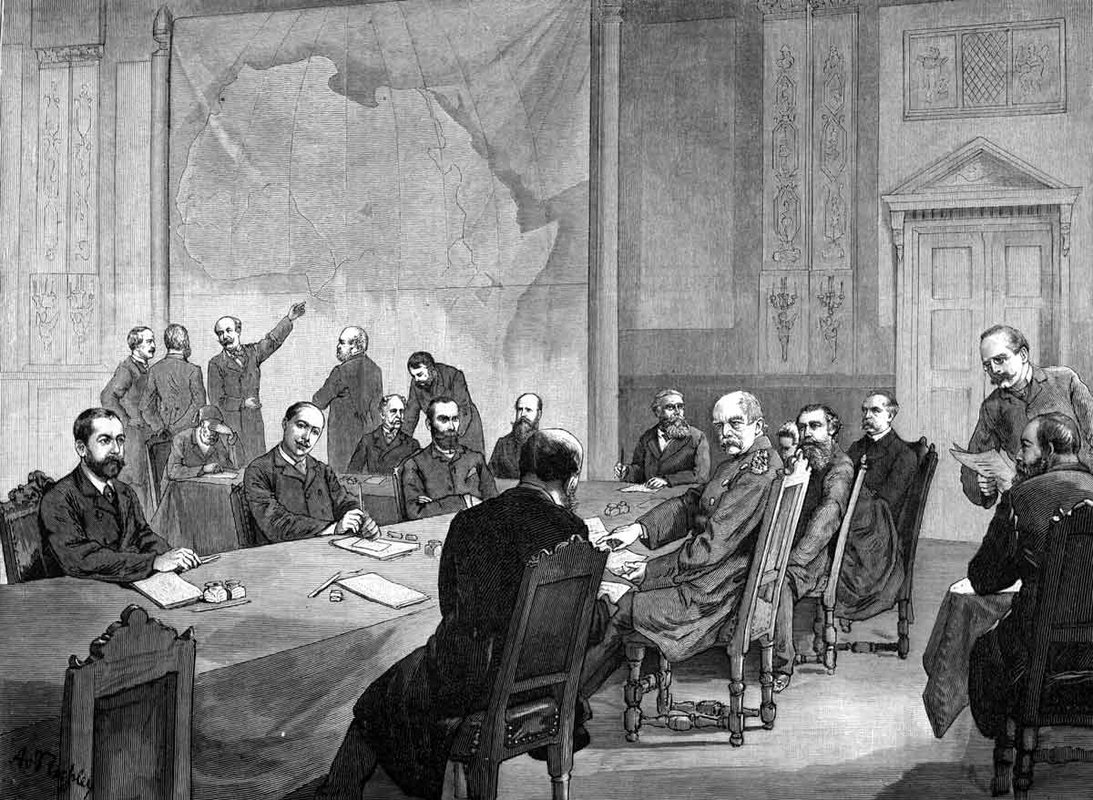
To fully understand how Ethiopia avoided colonization, it helps to appreciate how unique its situation was. At the Berlin Conference of 1884 – 1885, 14 nations, including major powers like France, Great Britain, Germany, and Italy, set down rules for the division of Africa. Dubbed the Scramble for Africa, the process was done without the consent or participation of any African leaders. The European powers simply drew lines on maps and staked claims to territories based on vague treaties and coastal footholds.
By 1914, the European powers controlled about 90 percent of Africa. Motivations for the frantic land grab included economic benefits such as securing raw materials and gaining strategic military positions. Some nations also did it to boost national prestige. At the time, Italy, which had recently unified as a kingdom in 1861, was eager to secure its place as a colonial power. Having arrived late to the imperial game, it turned its attention to Abyssinia, the territory now called Ethiopia.
How Emperor Menelik II Outmaneuvered Imperial Europe
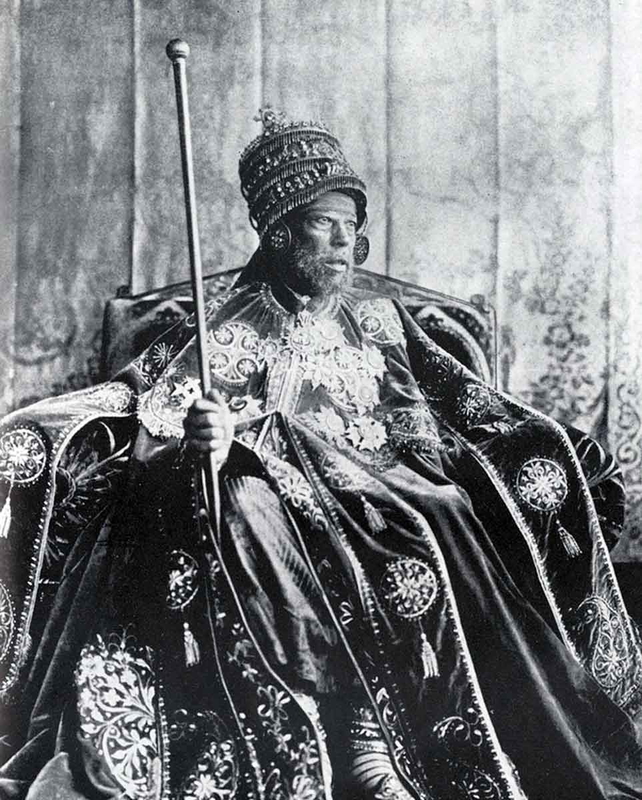
The man most responsible for Ethiopia’s survival was Emperor Menelik II. He had come to power in 1889 and was wise enough to understand European politics, including the deep rivalries that existed between nations such as Italy, Britain, France, and Russia. This knowledge allowed him to play the powers against each other. He also knew that Ethiopia was surrounded by colonies, and so he acted quickly to modernize its army, buying rifles and cannons by the tens of thousands from numerous sources, including Italy, France, and Russia.
Additionally, Menelik spent years removing rivals to his power. Once he brought all the regional warlords in his country under his authority, he implemented extensive administrative and tax reforms that allowed the nation to support a large national army. Menelik simply transformed Ethiopia from a country of squabbling provinces into a nation ready for war.
The Deceptive Treaty That Sparked a War
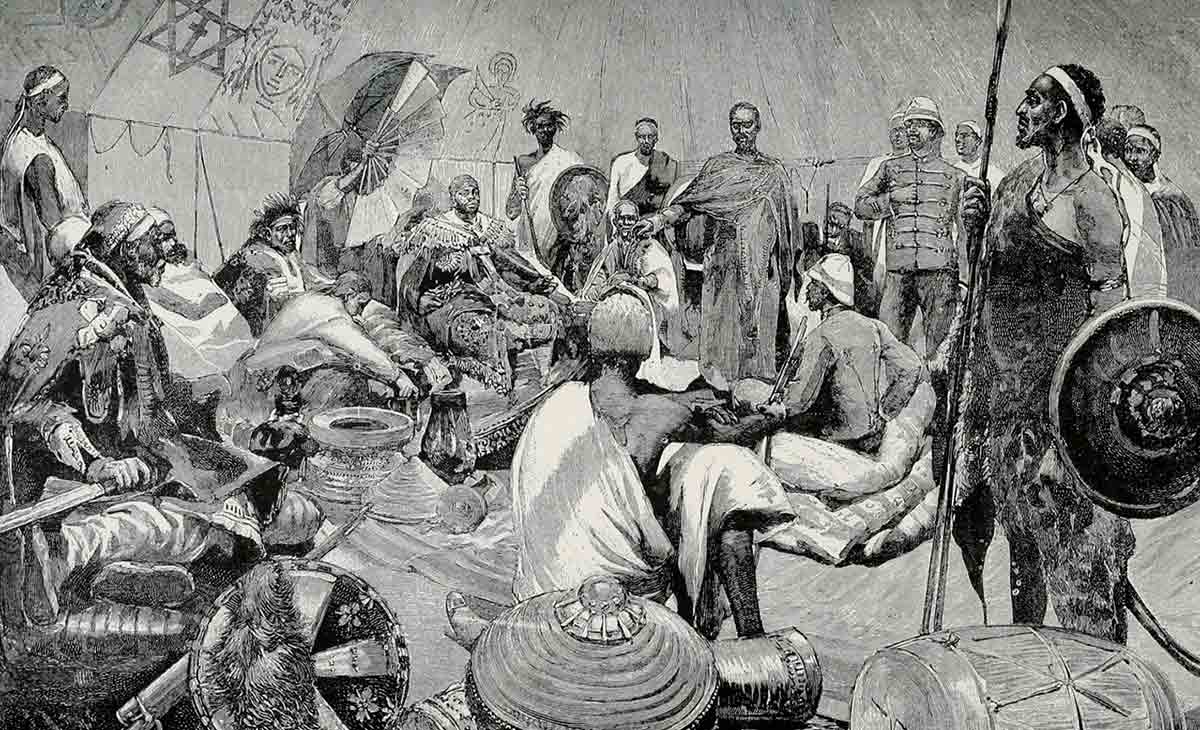
Italy did try to colonize Ethiopia, and the moment of crisis arrived with the Treaty of Wuchale, which was signed on May 2, 1889, in both Italian and Amharic languages. On the surface, the treaty appeared to be a typical friendship and commerce agreement between the two nations. Article 17 of the Amharic version, in particular, stated that Ethiopia had the right to manage its own international affairs and could use Italy as an intermediary if it saw fit, meaning that it was entirely optional. The Italian version of Article 17, however, stated that Ethiopia was required to conduct all its foreign affairs through Italy, essentially turning it into an Italian protectorate.
When Menelik II discovered this deliberate deception, he was furious and spent time expanding his army and strengthening his alliances. In 1893, he officially withdrew from the treaty and let Italy know that his country would not be pushed around.
The Battle of Adwa: Shattering an Imperial Army
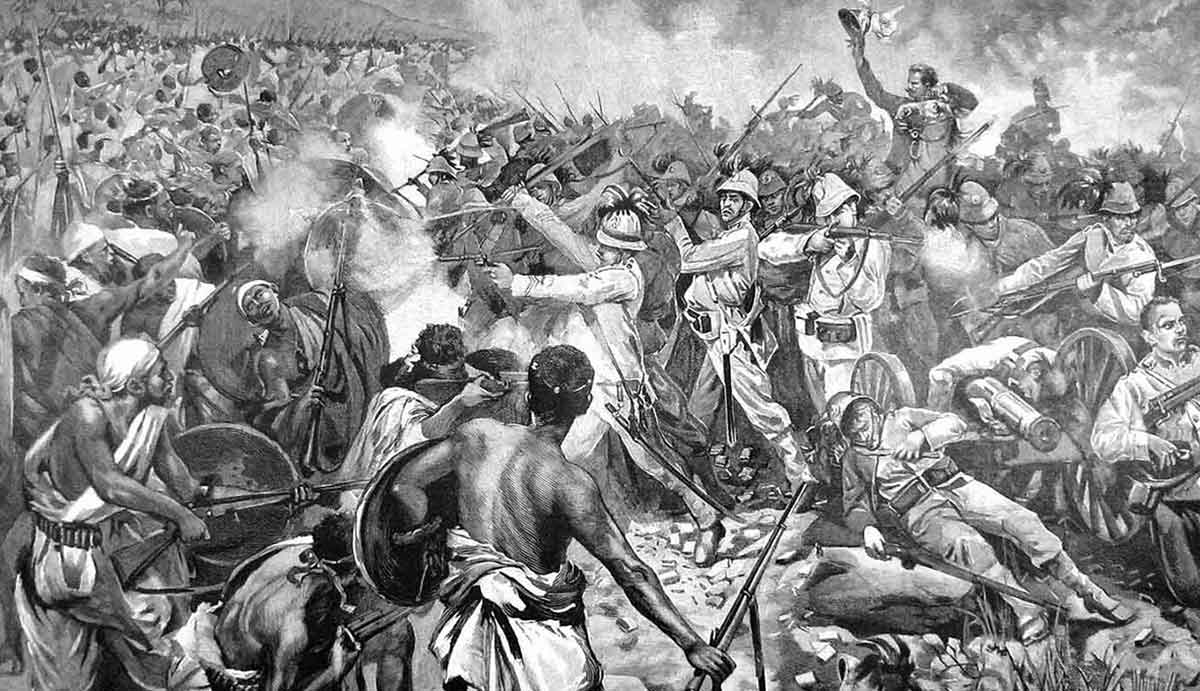
Feeling insulted and wanting to restore prestige, Italy decided to teach Menelik a lesson and sent a full expeditionary force into Ethiopia in 1895. A war between Italy and Ethiopia ensued and peaked at the Battle of Adwa on March 1, 1896, in northern Ethiopia.
Expecting to easily defeat the Ethiopian forces, the Italian soldiers numbering around 20,000 walked straight into a trap. Waiting for them in the mountains was an army of nearly 100,000 trained military men led by Emperor Menelik II and his wife, Empress Taytu Betul. Flanked on all sides, the Italian brigades were picked off throughout the day. By sunset, thousands had been killed or captured. The Italian government, led by Prime Minister Francesco Crispi, fell within days of the battle. Crispi himself resigned in disgrace, unable to bear the humiliation.
The Lasting Global Legacy of Ethiopia’s Victory

News of the Adwa victory spread fast. Rarely had an indigenous army defeated a major European imperial force in open combat. Ethiopia quickly secured peace through the Treaty of Addis Ababa signed with Italy in 1896, which officially recognized Ethiopia as an independent state.
The nation soon became a source of pride for the people of Africa and inspired later anti-colonial movements across the continent. Italy would invade again nearly 40 years later under dictator Benito Mussolini in 1935, resulting in a five-year military occupation.
Although the occupation was brutal, Ethiopia was successfully liberated in 1941 by a group of resistance fighters known as the Arbegnoch and Allied military forces led by Great Britain.