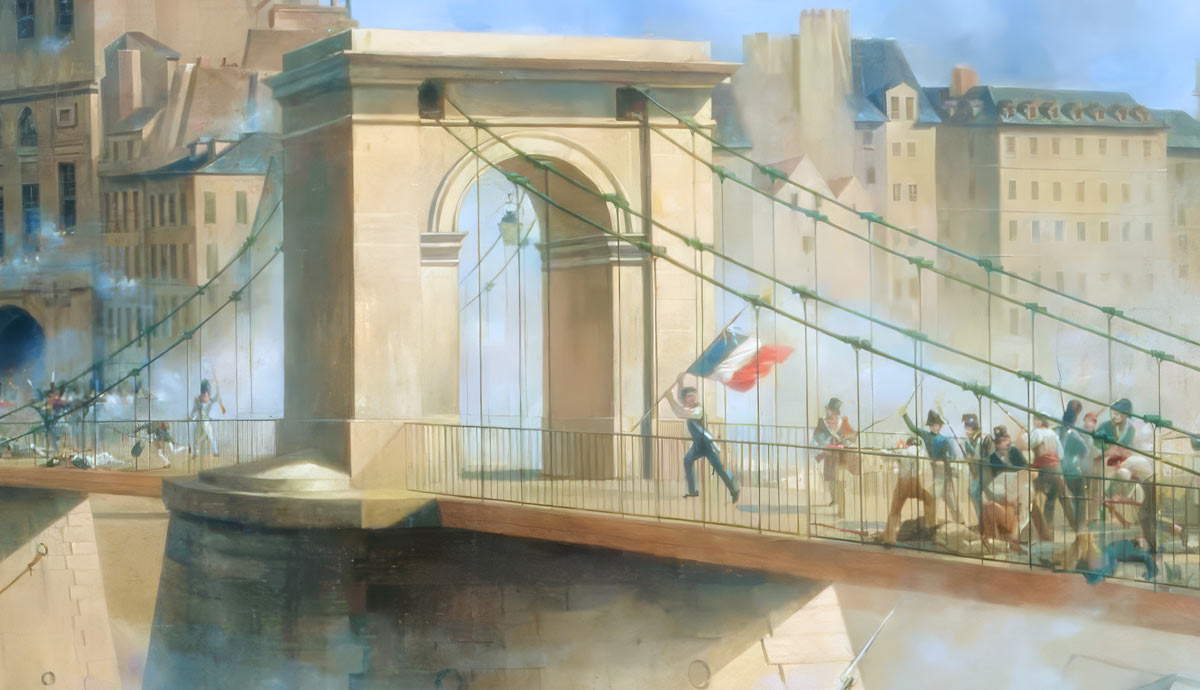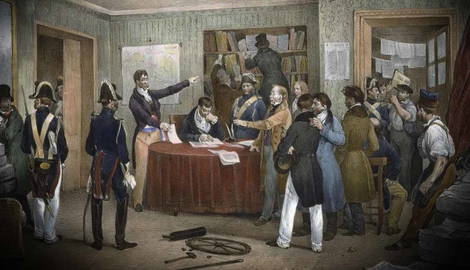

In the summer of 1830, France felt like a country teetering on the edge of upheaval. For 15 years following the fall of Napoleon, the restored Bourbon monarchy had attempted to keep power under a new constitution while still secretly looking to restore the absolute authority that the kings of France had enjoyed prior to 1789.
And so it was a fragile truce between a ruling family still dreaming of autocracy and citizens who had lived through revolutionary changes and the expansion of individual rights. The band-aid was suddenly pulled when Charles X, the King of France, issued a set of decrees limiting press freedoms and the freedom of the people on July 25, 1830.
What Caused the 1830 July Revolution?
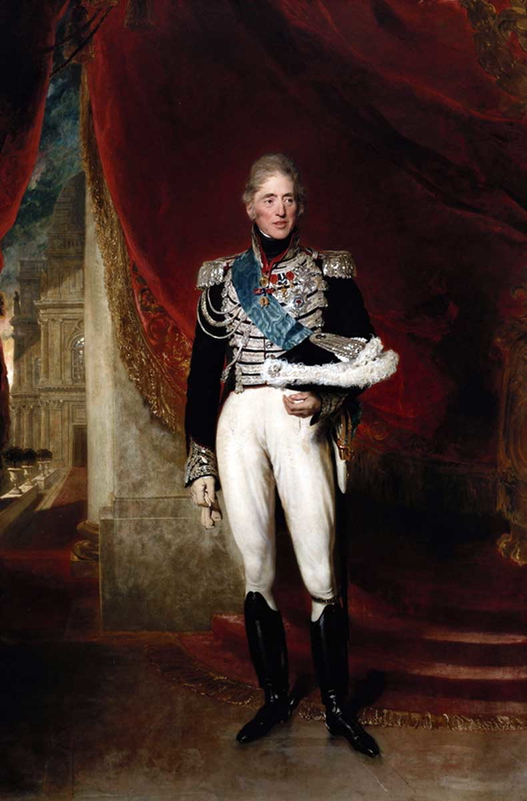
At the time, Charles X led an ultra-royalist group that intensely despised the outcomes of the 1789 Revolution that overthrew the absolute monarchy and triggered radical democratic reforms. He strongly believed that France should return to the days of an absolute monarchy and felt that any liberal reform was an insult to the tradition of divine right.
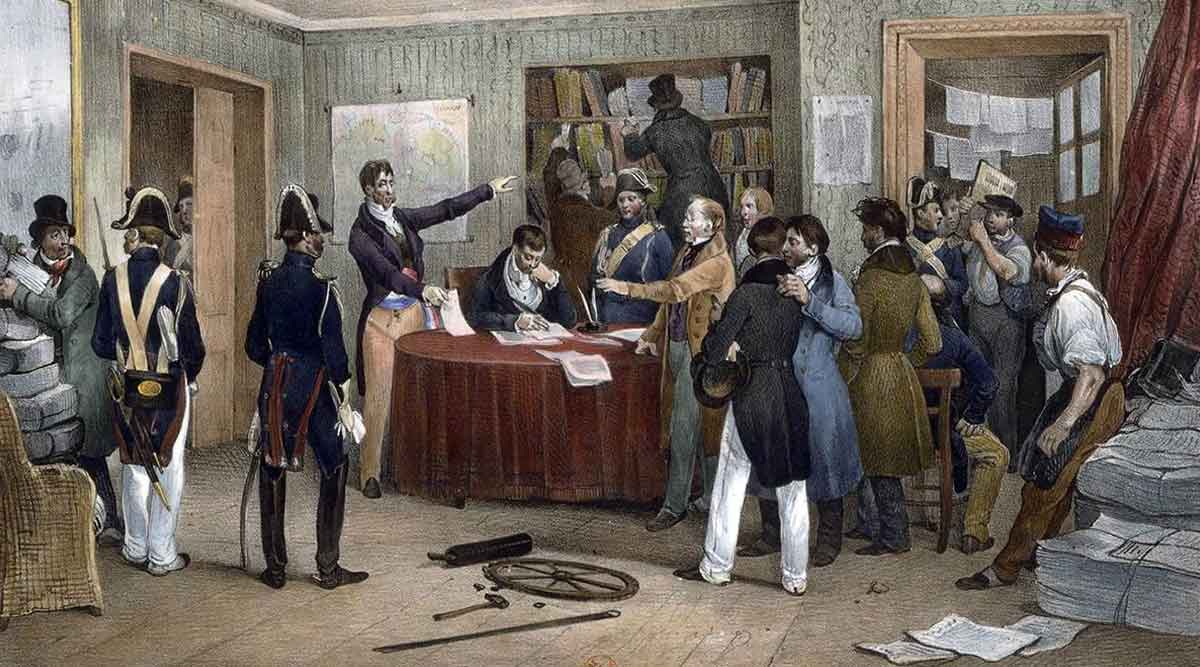
As such, issuing the orders was essentially a declaration of political war on the masses. He censored the press, dissolved the newly elected Chamber of Deputies before it had even convened for the first time, and cut the number of eligible voters in France sharply by effectively restricting voting rights to mostly the wealthiest landowners in France. When the ordinances were published on July 26, Charles X and his prime minister, the Prince de Polignac, believed the people of Paris would remain quiet. That evening, the first royal carriage was pelted with stones. However, on July 27, members of the press and printing trades defied the order to shut down their operations. They printed protests denouncing the ordinances as illegal. By noon, crowds had filled the streets across Paris. Widespread unrest had begun.
What Happened During the Three Glorious Days?
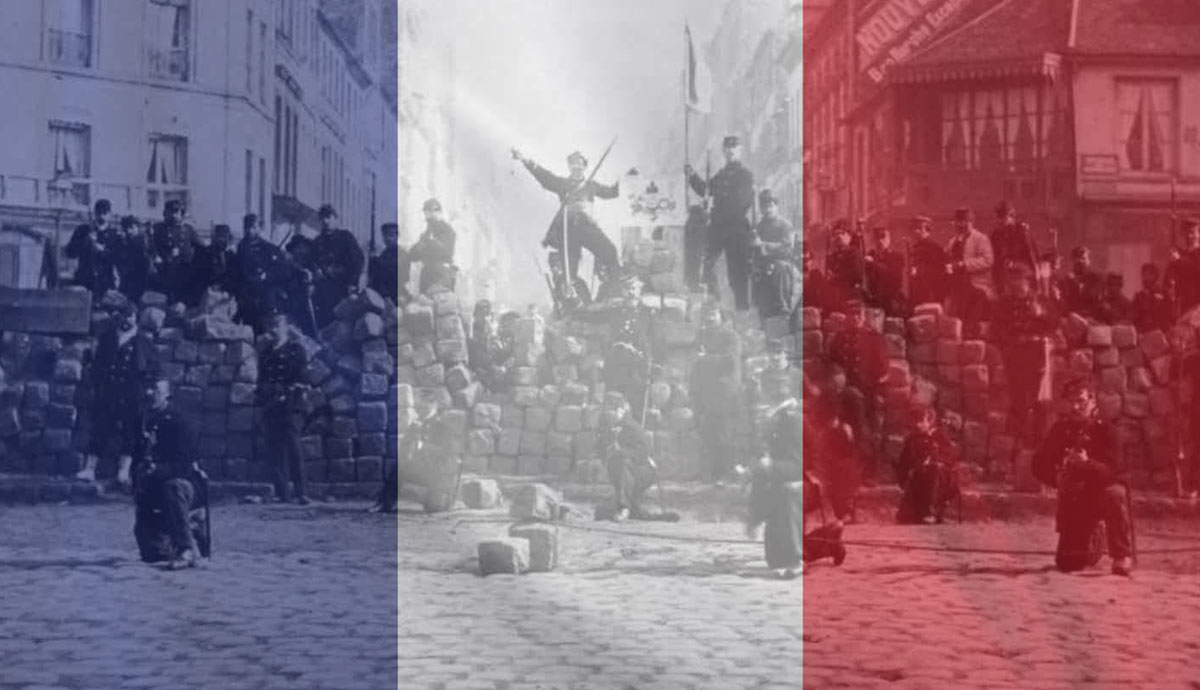
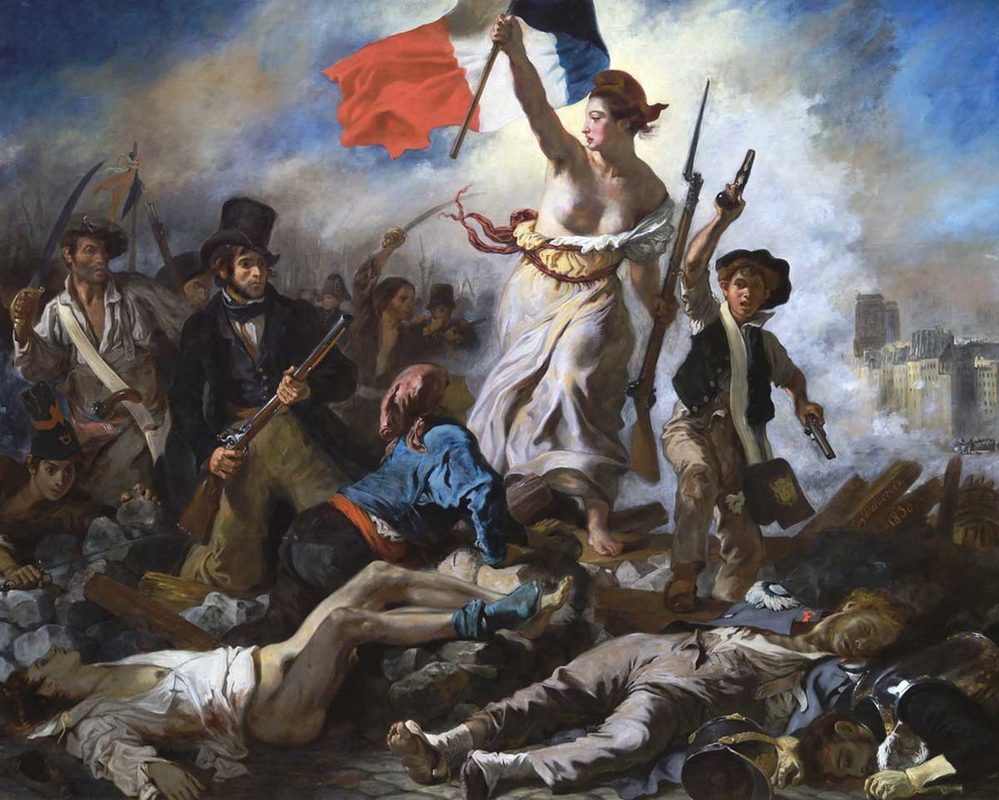
It was on July 28 that the real fighting began. Marshal Marmont, who led the royal forces, was in an utterly dreadful situation. The citizens had turned Paris’s cramped, twisting thoroughfares into formidable defense structures. Thousands of barricades were assembled from overturned carts, furnishings, and paving stones, and the revolutionary tricolor flag was raised high on Notre Dame‘s spires.
The ghost of the first revolution had risen once more. The street battles were vicious. Even the king’s troops, some of them teenage boys who didn’t want to shoot their neighbors, began deserting in droves. By July 29, the rebels were in control of the Louvre and the Tuileries Palace, and the army withdrew to the suburbs.
After three days, about 1,500 insurgents had been killed and wounded, but they emerged victorious. With his army melting away and his capital city lost, Charles X gave up the fight, abdicating on August 2 before escaping to England, and later other places in exile. The senior line of the Bourbon dynasty had been effectively removed from power.
Who Was Louis-Philippe and How Did He Become King?
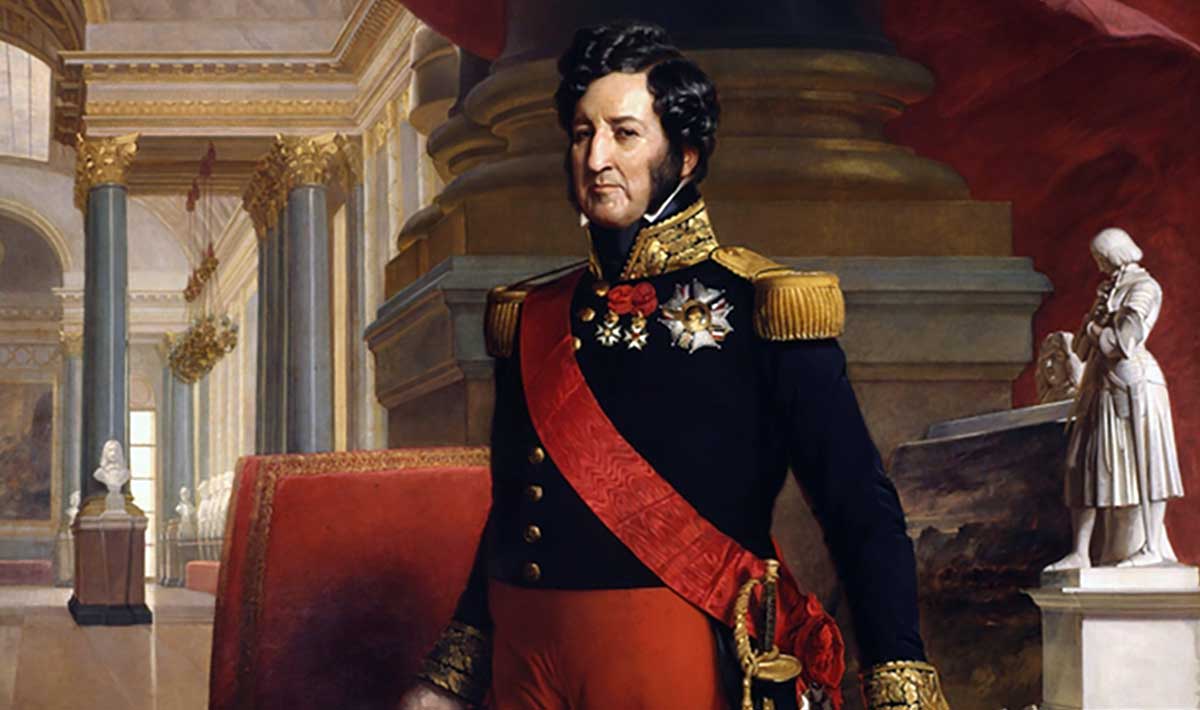
Although the workers and students bore the brunt of the fighting, the liberal bourgeoisie, comprising bankers, lawyers, and businessmen, ultimately dictated the results. They dreaded a pure republic because they thought it would bring back the violence of the 1790s. To them, it was synonymous with Jacobin radicalism and the mass executions under Maximilien Robespierre, and so they wanted Louis-Philippe, Duke of Orléans, to lead the nation. Though a cousin to the reigning monarch, he had earned a reputation as a man of the people for having joined the revolutionary forces in his younger days.
Louis-Philippe was installed as king on August 9, 1830. However, he was not crowned King of France, but rather King of the French. This subtle change of title meant that his power was derived from the people instead of from God. He swore allegiance to the Charter of 1830, which greatly increased civil liberties. The Tricolor was established as the nation’s permanent flag.
What Were the Long-Term Effects of the July Revolution?
The events of the 1830 Revolution altered the course of French history forever. Political power was transferred from the landed aristocracy to the wealthy bourgeoisie. The electorate was expanded to include a larger portion of the population. Though it represented a tiny fraction of the nation’s people, it included the growing class of entrepreneurs who would go on to drive the Industrial Revolution.
Under what became known as the July Monarchy, France underwent significant economic expansion. It created its first national railways and expanded its banking industry.
Modern France developed further in the 1830s as a constitutional and bureaucratic power, building on administrative systems set up during the French Revolution and under Napoleon. The July Revolution’s contagion of freedom soon spread to Europe, igniting revolutions across the continent such as in the Southern Netherlands, where a revolt against Dutch domination on August 25, 1830, led to the establishment of the independent country of Belgium.