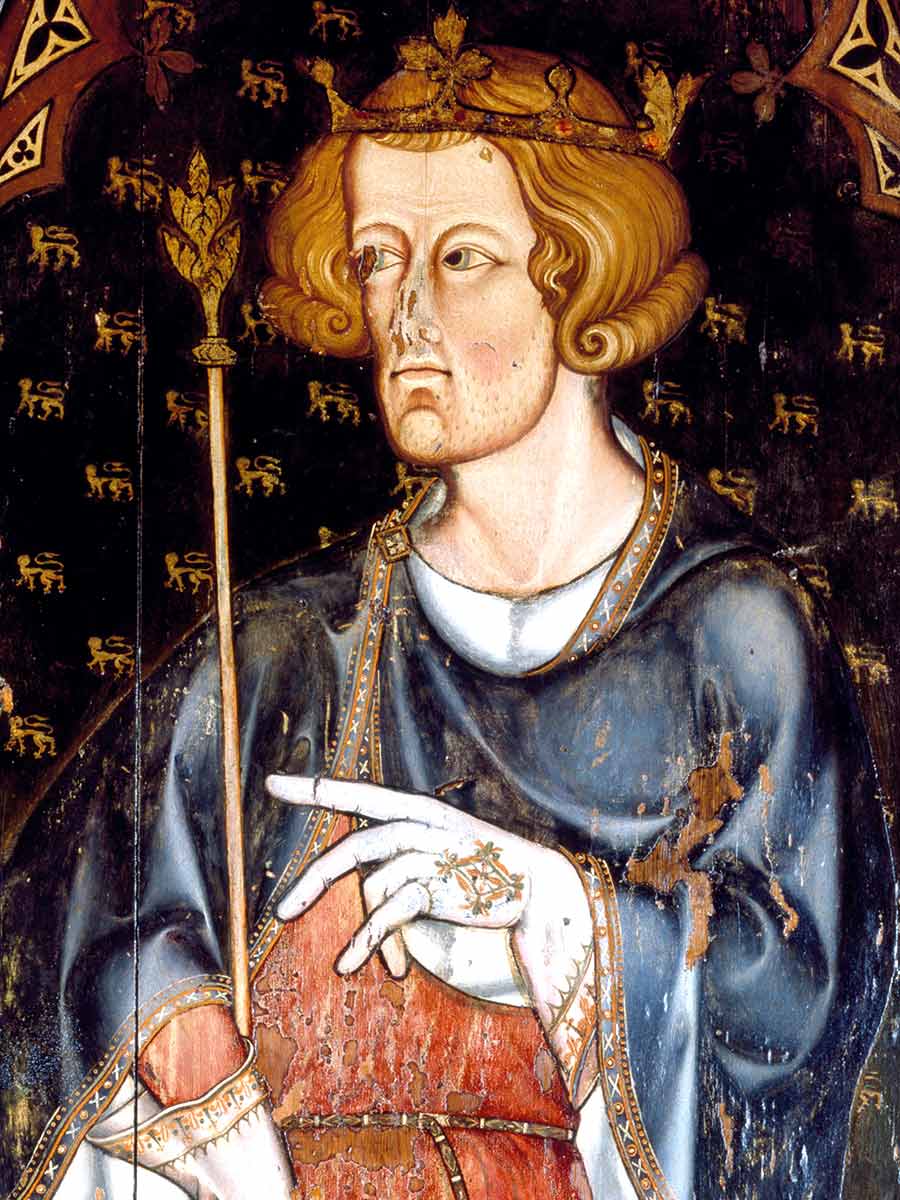
Edward I, the “Hammer of the Scots,” one of the most formidable kings in English history, first earned military glory not in England, but in the Holy Land. Before his accession, Lord Edward took the cross along with his wife, becoming one of the leading participants of the Ninth Crusade. The Crusader states were crumbling, and the formidable Mamluk Sultan Baibars was aggressively expanding his empire. Armed with only a small force, Edward plunged into a brutal conflict that would test his tactical genius and nearly cost him his life.
What Inspired Prince Edward to Take the Cross?
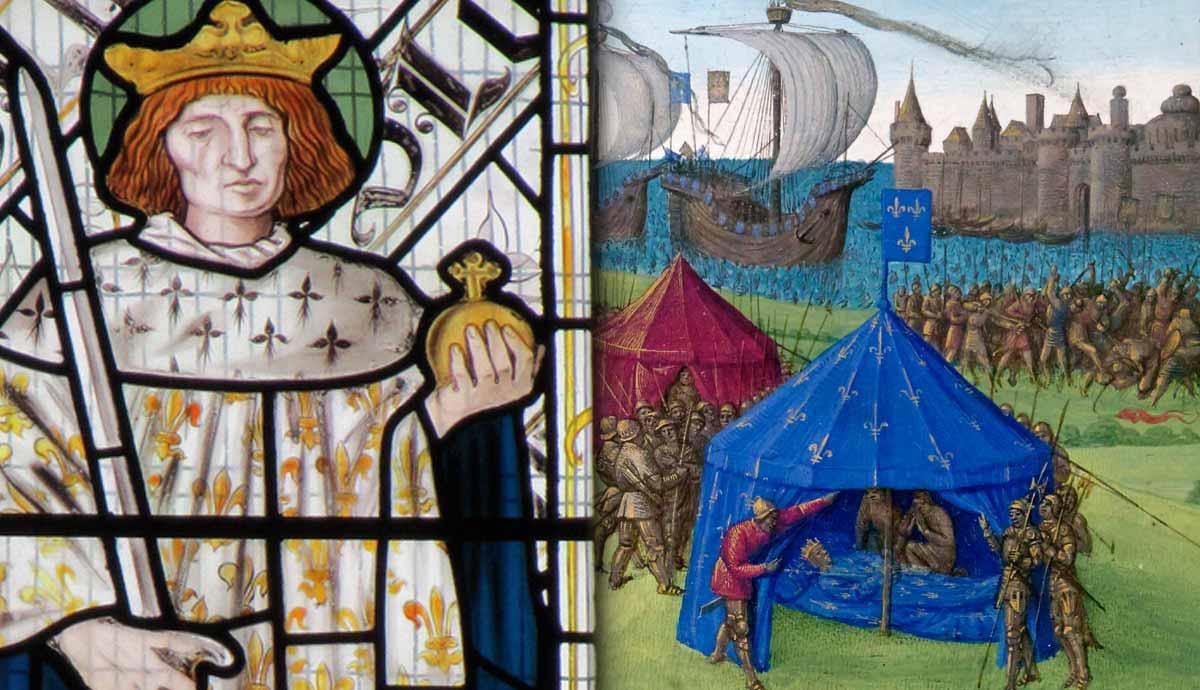
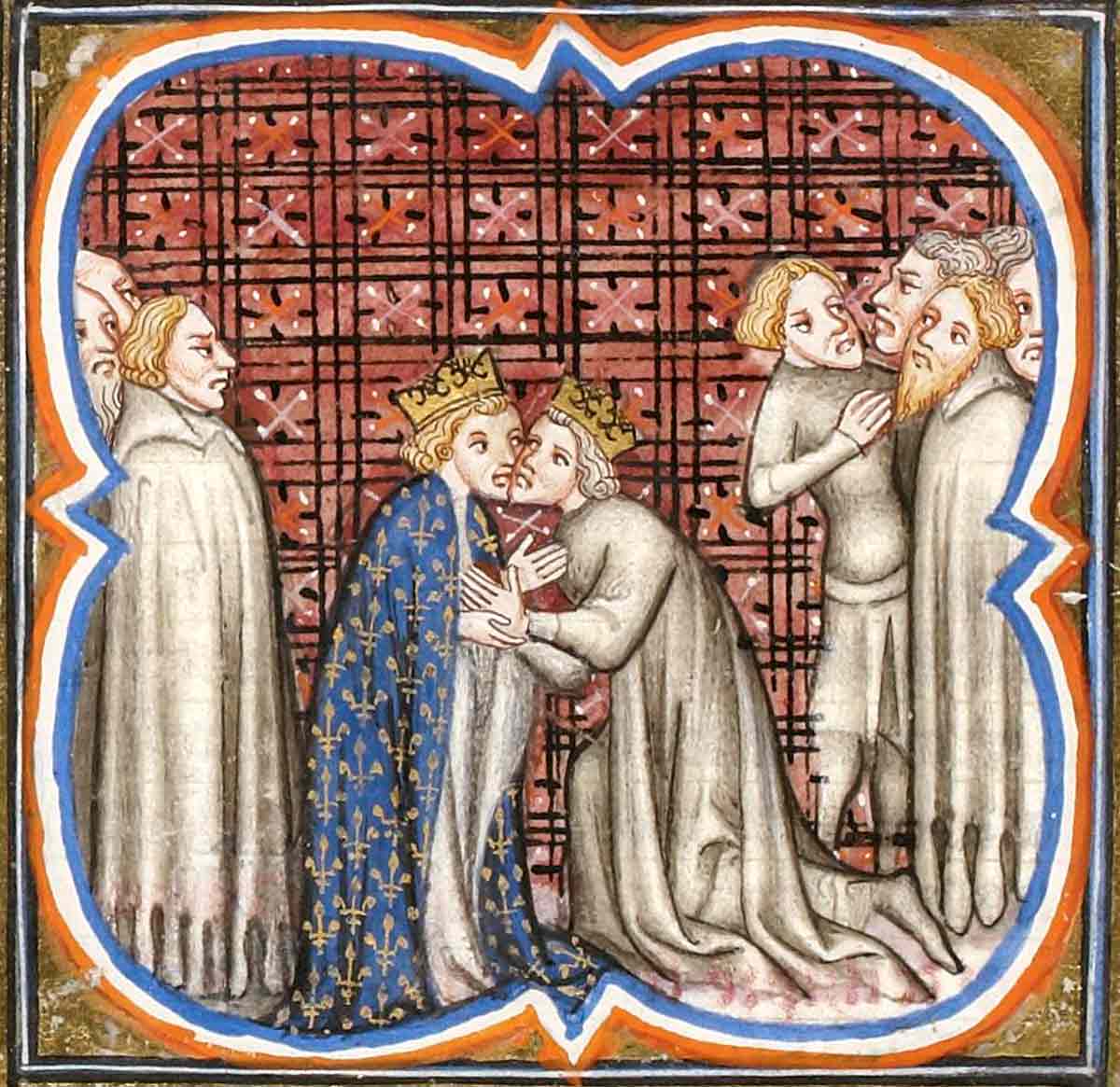
The collapse of the remaining crusader states in the 13th century prompted a military response from Western Europe. Louis IX of France, later canonized as St Louis, had little success on the Seventh Crusade to Egypt, 1248–1254, but was determined that he could achieve more success by launching another expedition in 1268. The Eighth Crusade attracted the support of King Henry III of England and his son and heir, Lord Edward, and his youngest son, Edmund Crouchback. Domestic matters prevented Henry from taking the cross himself, so his sons went to the Holy Land in his stead.
Edward’s motives are not entirely clear; as the heir to an aging father, it was suggested that Edward ought to remain in England to ensure his succession in the event of his father’s death. However, the sons of the king of France were embarking on the crusade, and Edward undoubtedly felt it was his duty to go east, especially if his father could not make the journey. Edward undoubtedly welcomed the opportunity to escape the political upheavals caused by his father’s ongoing conflict with the barons. Religious devotion cannot be underestimated; Edward’s piety also served as motivation for the perilous journey far from home.
Edward received a loan of approximately £17,500 from Louis to finance the expedition, departing in the summer of 1270 with a small force numbering in the hundreds rather than the thousands. Edward’s courage was, however, bolstered by the presence of his wife, Eleanor of Castile, who joined her husband as they sailed to Tunis. It was here in September 1270 that they discovered that the leader of the crusade, Louis IX, had died of dysentery. Not to be deterred, Edward sailed to the Holy Land, leading what would become known as the Ninth Crusade.
The Arrival at Acre and the Mamluk Threat
While other crusaders altered their plans and returned home following the death of Louis IX, Lord Edward remained resolute. He sailed from Tunis to Sicily and arrived in Cyprus to gather his forces in May 1271. Shortly thereafter, he crossed to the Levant, reaching Acre on May 9 with a relatively small army of no more than a thousand men, including only a few hundred knights.
The situation he encountered was precarious. The Mamluk sultan of Egypt and Syria, Baibars, had already captured several key Christian strongholds, including Ascalon, Jaffa, and Caesarea, leaving Acre and Tripoli as the principal remnants of the once extensive Crusader States. As a former slave who had risen through the military ranks and orchestrated the assassination of his predecessor to seize power for himself, Baibars was a formidable adversary. Louis IX had previously faced Baibars during the Seventh Crusade, and Edward would have been well aware that the sultan was not to be underestimated.
Edward’s arrival proved strategically significant. It likely delayed an immediate Mamluk assault on Acre, as Baibars reconsidered his approach in the face of renewed Western presence. Furthermore, Edward’s presence forced a significant number of Mamluk troops to leave the region. However, Edward could not hope for a swift victory. Baibars had far superior numbers in the field and could call upon more if needed. Although Edward rallied support among the remaining Christians, they were severely outnumbered. These constraints shaped Edward’s military strategy, compelling him to adopt a more cautious approach rather than seeking outright victory in a pitched battle.
Forging Alliances and Raiding the Enemy
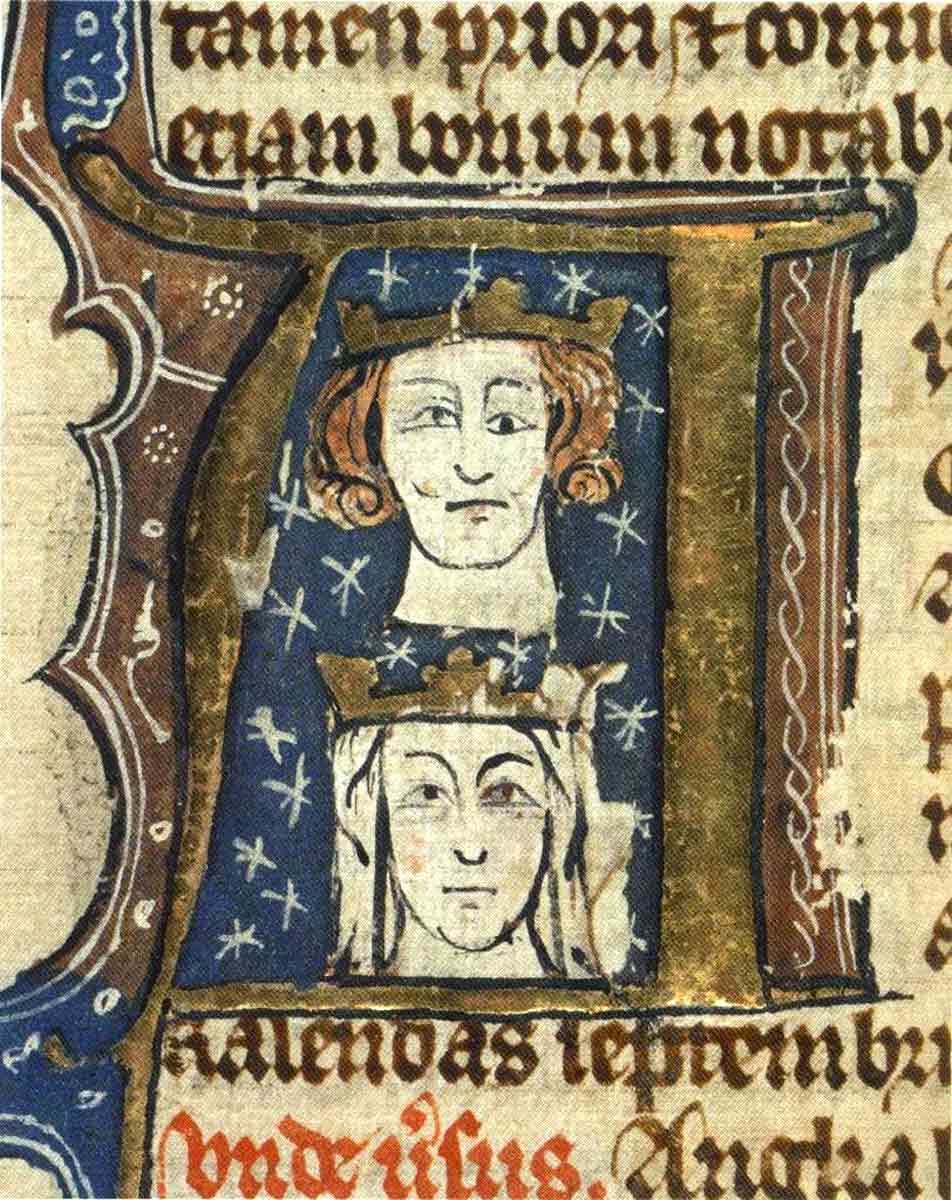
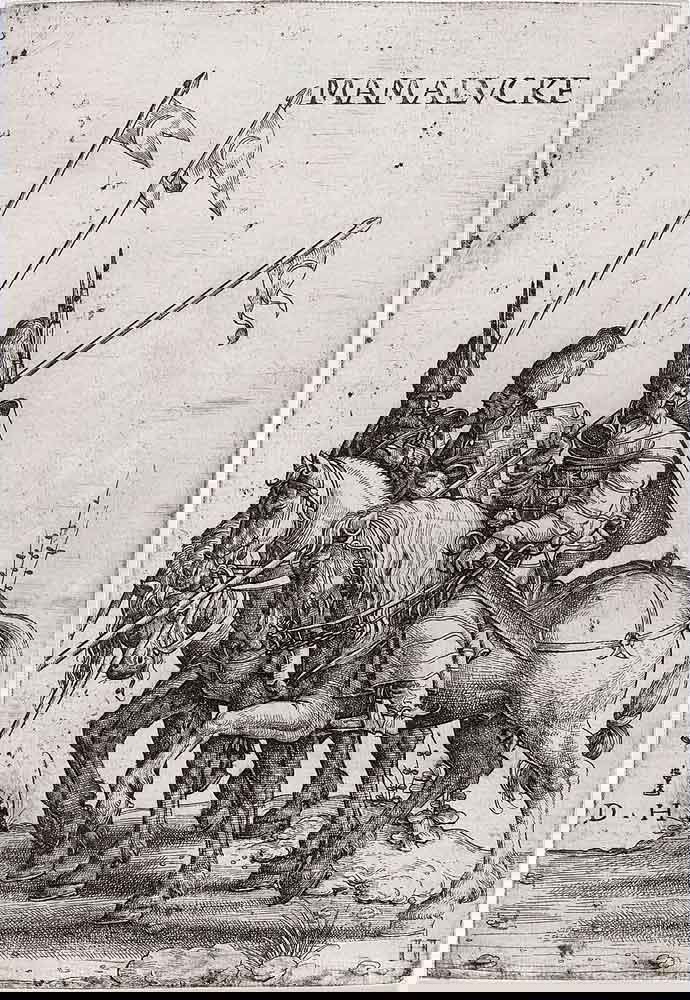
Lord Edward paused to consider a way to increase his numbers and thereby his prospects of success. The Mongols’ hostility to the Mamluks was just as strong as that of the Christians. Edward sent an embassy to the court of Abagha, the Mongol khan of Persia, proposing an alliance against the Mamluks. This had the potential to put pressure on the Mamluks from both the east and west. Abagha welcomed Edward’s proposal and agreed to the alliance.
Abagha dispatched 10,000 horsemen to Syria who caused panic and fear in the local Muslim population, many of whom fled the region. After a few skirmishes, the Mongol army departed, leaving Edward to reconsider his strategy. With so few numbers, Edward could ill afford to meet Baibars in open pitched battle. Instead, he focused on raiding in an attempt to wear the enemy down through guerrilla warfare.
In June 1271, Edward and his troops raided St. Georges-de-Lebeyne, 15 miles from Acre. Little was achieved after the army suffered food poisoning and lost its strength. Another raid was launched in November into Qaqun, 40 miles outside of Acre, which saw Edward’s ranks swell with members of the local nobility and the Military Orders. Edward’s troops gained a minor tactical victory in battle, but the citadel remained in enemy hands.
The situation had become so hopeless that in May 1272, Hugh III, King of Cyprus, who also held the nominal title of King of Jerusalem, agreed to a decade-long truce with Baibars. Edward was furious but remained in the Holy Land until September 1272. His stay may be an indication that Edward hoped military hostilities would resume, but perhaps he remained for another reason.
How Did Edward Survive an Assassination Attempt?
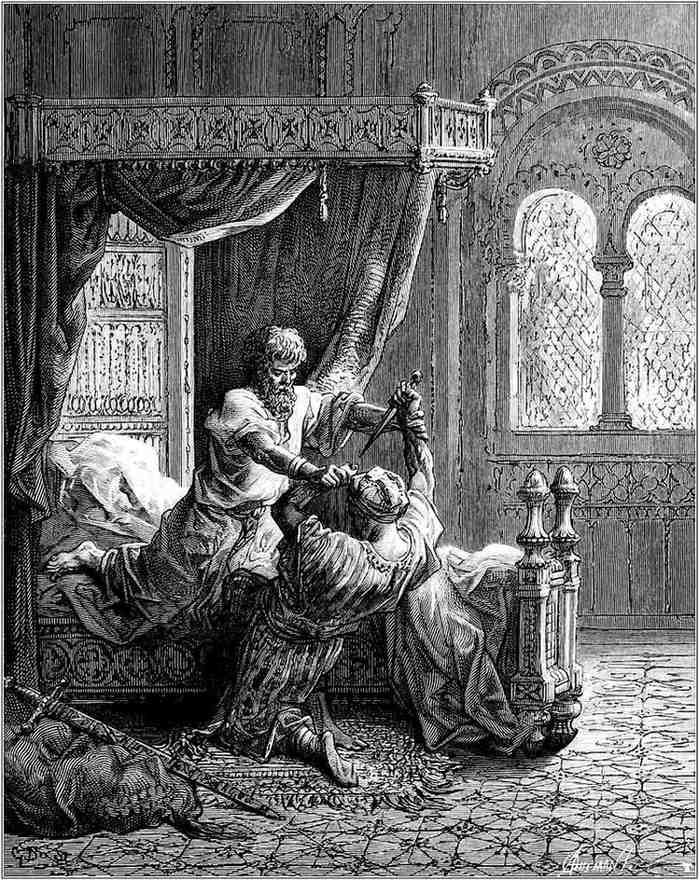
Several months before his departure, Edward survived an attempt on his life. As Edward lay resting in his tent, a Muslim man sent by the Emir of Ramlah entered in the disguise of a messenger. The man had with him a dagger dipped in poison and he lunged towards Edward. The dagger stabbed him in his arm as Edward grappled with the assassin. Edward, nicknamed “Longshanks” for his tall stature, either killed or seriously wounded the assailant with an almighty kick.
The Master of the Templars tried to slow the poison down with a remedy which failed. Edward’s English doctor came to the rescue and saved the prince’s life by cutting away the infected flesh, allowing Edward to go on to make a full recovery.
One legend grew from this tale. Eleanor, Edward’s wife, was so devoted to her husband that she sucked the poison from his wound, thereby saving his life. This is a later addition to the story with no contemporary evidence to support the assertion. However, Edward and Eleanor were a devoted couple, and her alleged actions at the time do serve to convey the loving nature of their marriage.
It may then be that Edward was not fit to travel until his wound healed in autumn. During the return journey, Edward received news of his father’s death on November 16, 1272. The new king was in no hurry to secure his throne and wandered through Europe attending tournaments and visiting his lands in Gascony as well as the French court.
The Legacy of the Ninth Crusade on Edward’s Kingship
Edward’s reputation as a crusader undoubtedly had a profound impact on his life and his kingship. His lack of urgency to return to England following the death of his father was an indication of his reputation as a Christian warrior. Edward assumed no one would challenge his succession, despite all the domestic problems his father had endured, precisely because he earned a new and important status as a crusader.
Crusading forced Edward to endure extreme conditions in a brutal and volatile landscape. This experience had hardened Edward and sharpened his military skills. Unable to engage in open battle because of a lack of numbers, Edward had to adopt new strategies to challenge his opponent. The expedition was a training ground which had made Edward into a hardened warrior and a formidable military commander.
Edward was able to draw upon these experiences during his wars with the Welsh and the Scots. Edward was nicknamed the “Hammer of the Scots” for his relentless efforts to assert overlordship over Scotland. This persistence, coupled with his aggressive military ambitions, was undoubtedly something he had developed in the Holy Land. During the Ninth Crusade, Edward also developed practical skills in financing military expeditions and building fortifications. Edward was inspired by the Crusader castles in the Middle East defended by concentric walls and built his own network of formidable castles to secure his conquests in northern Wales. The Ninth Crusade also taught Edward the importance of diplomacy in securing political and military objectives.
Accordingly, Edward’s crusading experience was a pivotal and defining moment in his life. He drew upon this experience after becoming king of England to make him one of the most formidable kings of medieval England.