
Primogeniture established a clear line of succession, with the eldest son inheriting the crown. Younger sons would typically hold senior military commands or church offices. Yet this system was often disrupted by fate. Accidents, disease, and warfare frequently claimed the lives of heirs, thrusting younger sons into unexpected prominence. Kings such as Henry I, John, and Edward II were not originally destined to rule, but unforeseen circumstances altered the course of succession and reshaped English history.
How Did the Rules of Succession Shape Medieval Power?
By the 12th century, male primogeniture, in which the eldest son inherited his father’s titles and lands, was becoming standard practice in Western Europe. For royal families, it provided clarity in succession, particularly when a king had multiple sons. The eldest son was identified early as heir and trained accordingly for kingship. His household, education, social network, and daily life were all shaped by preparation for rule.
Younger sons, however, had a different destiny. Their role was to support the dynasty and serve their elder brother following his accession. They were often expected to take on military responsibilities, commanding troops and leading them into battle when required. Marriage offered another means of advancing dynastic interests, with strategic alliances secured through unions with foreign royalty. Others were destined for a career in the Church and could expect senior ecclesiastical appointments.
Diseases and fatal accidents were ever-present threats in the Middle Ages, and royalty was not spared. Many medieval princes destined for kingship predeceased their fathers, leaving younger brothers, or “spares,” to fill the vacancy and assume the role of king. With roles designated from an early age and trained from childhood for different purposes, these sons often found the transition from spare to heir a rather daunting one. In some cases, their lack of training became evident once they assumed the throne, while others proved naturally capable of kingship despite their unexpected rise.
Henry I and the Convenient Death of William Rufus
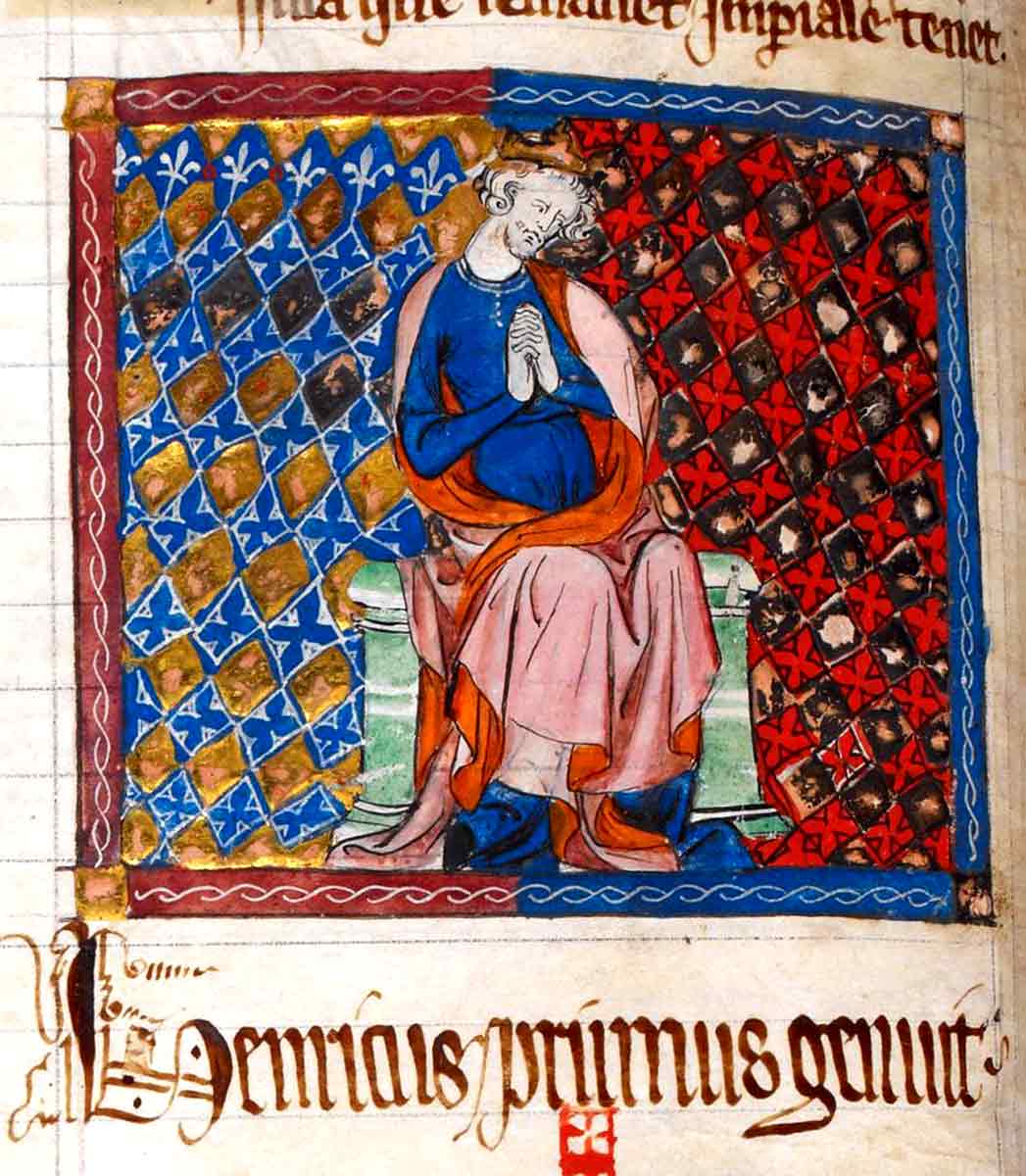
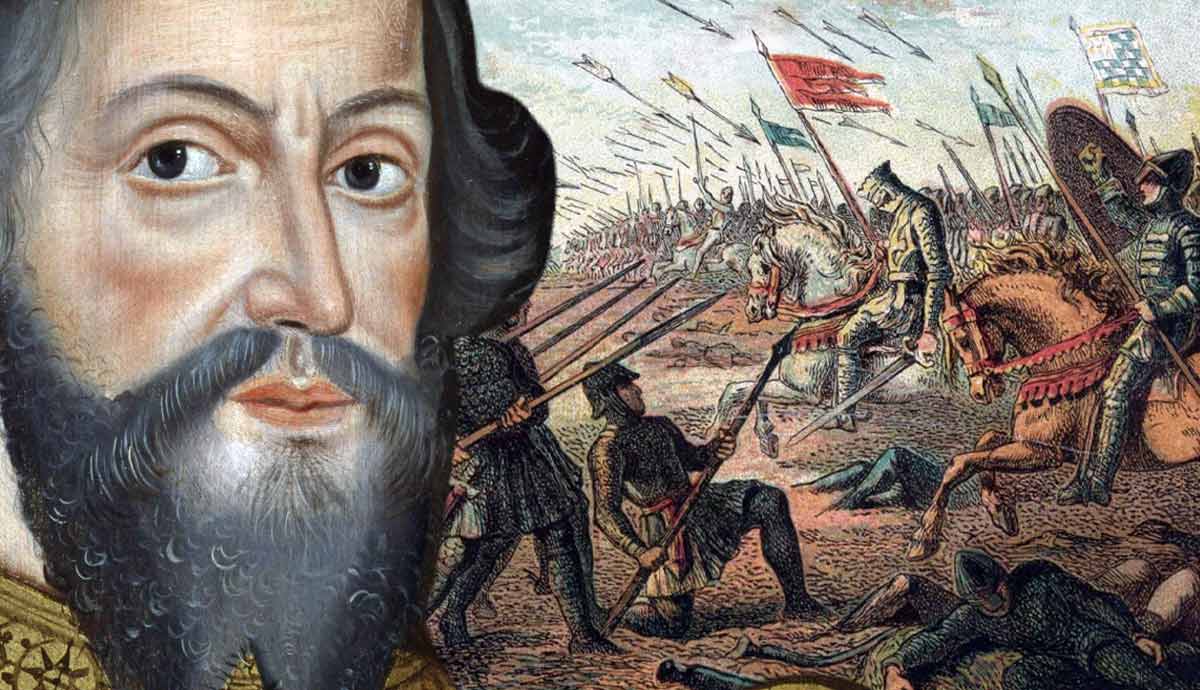
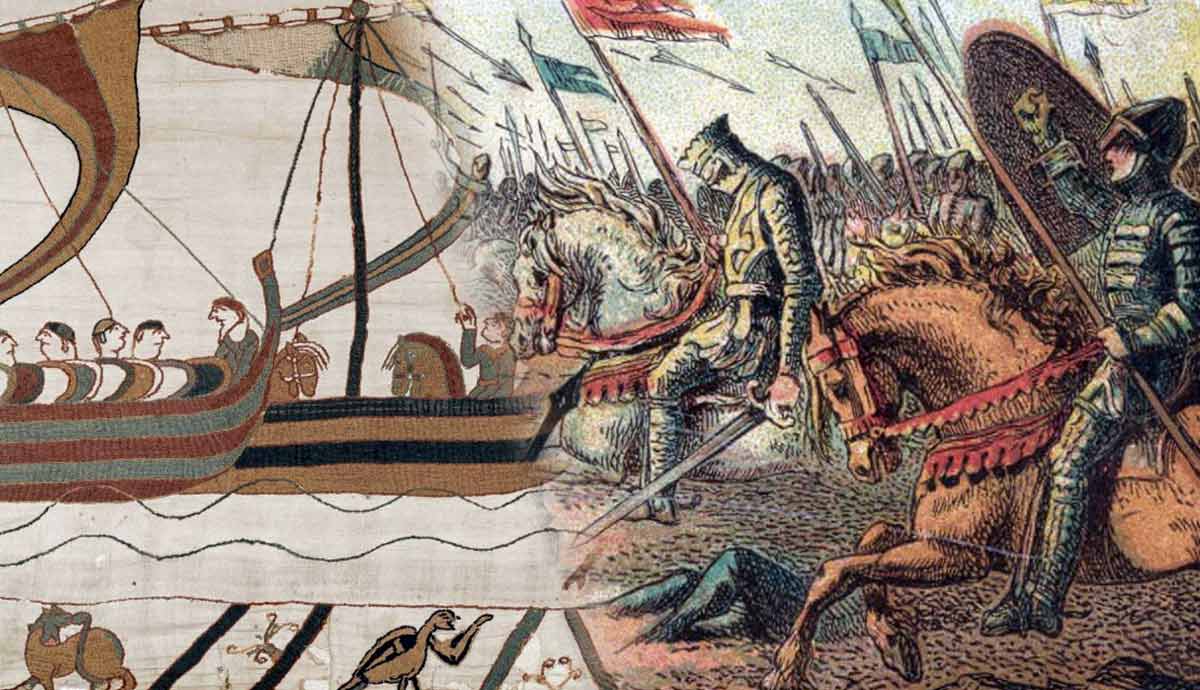
Upon his death in 1087, William the Conqueror chose to divide his lands and titles between his sons; Robert Curthose, the eldest, received his father’s hereditary duchy of Normandy. As was customary in Norman tradition, the conqueror’s second son, William Rufus (William II), inherited the kingdom of England, which his father had obtained through the conquest in 1066. The youngest of the brothers, Henry, was left a substantial cash sum and his mother’s estates in Buckinghamshire and Gloucestershire.
The relationship between the brothers was marked less by affection than by rivalry and tension, although William Rufus and Henry’s relationship was close towards the end of the 11th century. Henry was with Rufus when, in August 1100, the unmarried and childless king went hunting in the New Forest. Either by design or by a stray arrow, Rufus was shot and killed. Chaos ensued, and Henry rode to Winchester, where a dispute had arisen over who had the best claim to the throne—Henry or his elder brother, Robert. Arguably, Robert, as the eldest of the brothers, had the best claim; however, Henry enjoyed a special status as the only son to be born after his father had become king.
Fortunately, for Henry, Robert was still abroad, traveling back from the First Crusade, and proximity was key in matters of succession. Swiftly, Henry seized the royal treasury and persuaded the barons to support him. Just three days after Rufus’ death, Henry was crowned king. Robert was not prepared to accept his brother’s perceived usurpation and fought against his brother until Henry incarcerated Robert in 1106 and seized Normandy. Henry, the youngest son and unexpected king, ruled both England and Normandy while his brother languished in jail until his death in 1134.
King John and the Fall of the Angevin Empire
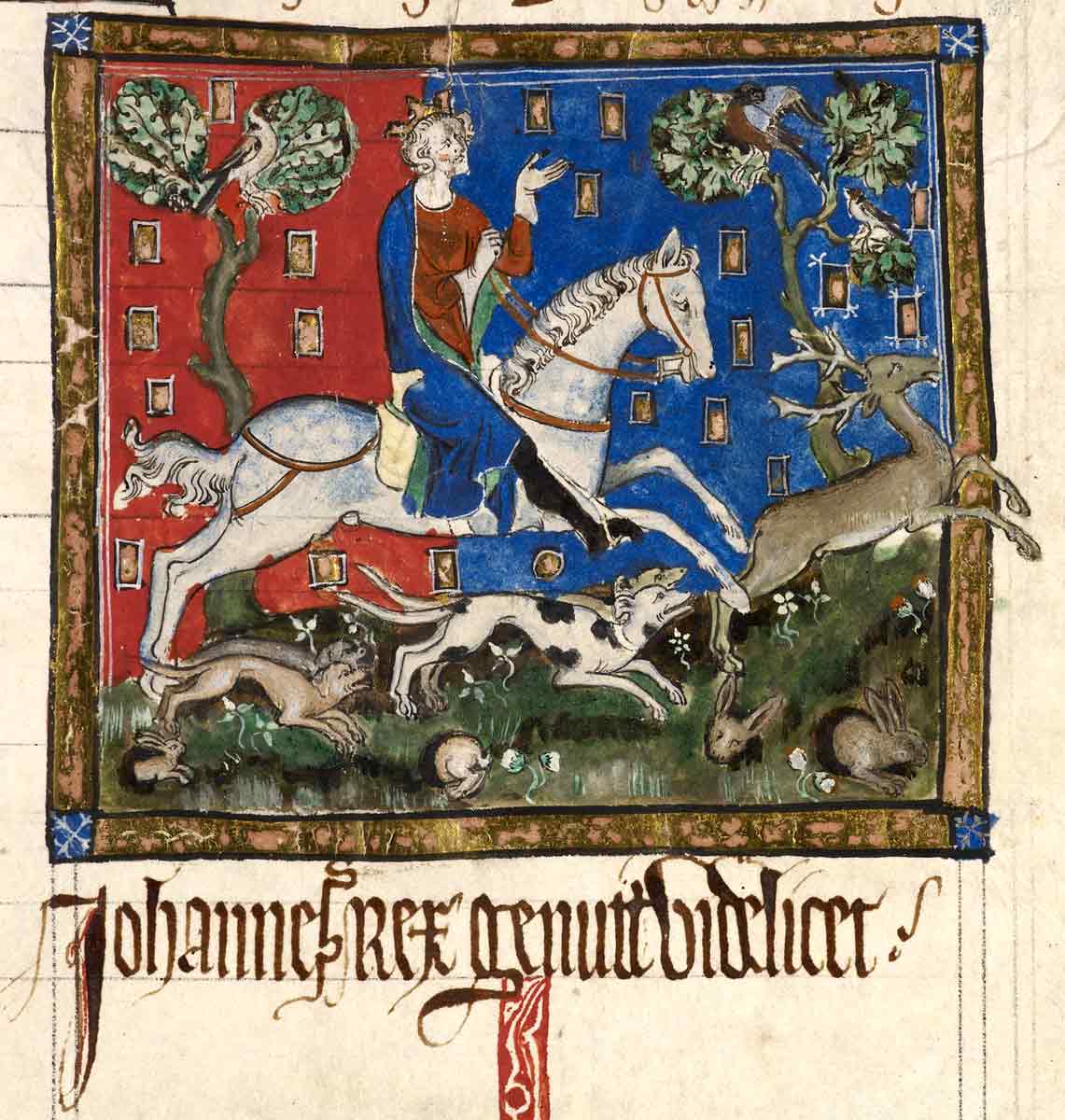
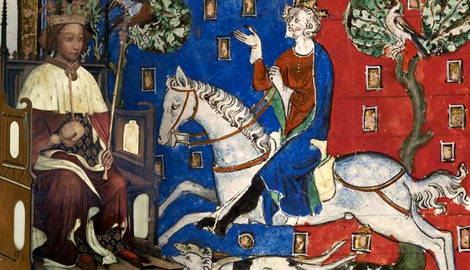
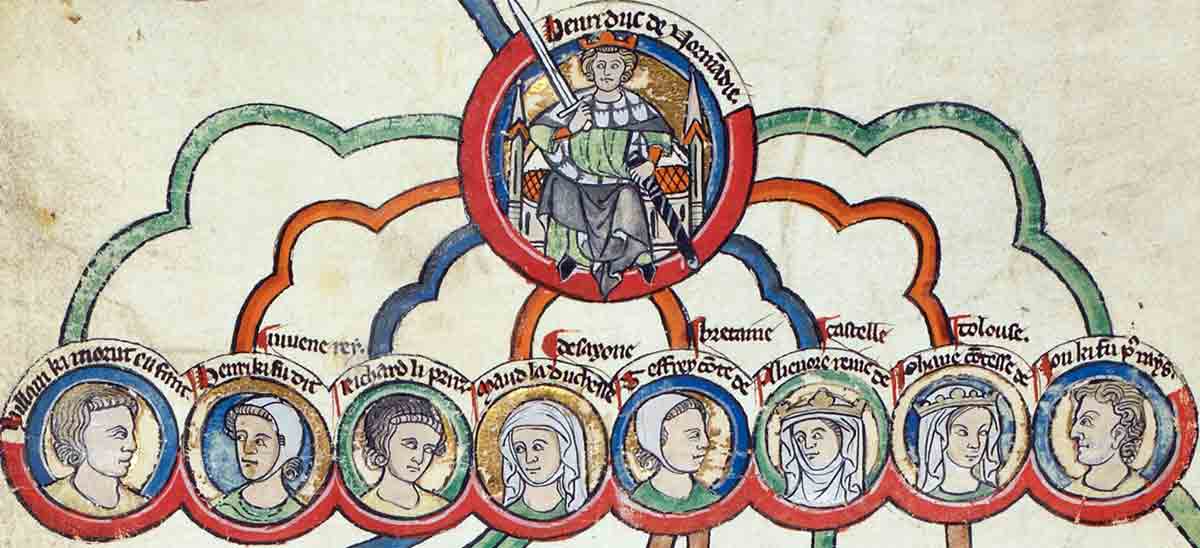
King John has often been assessed as the worst king in English history. Born in 1166 to Henry II of England, Duke of Normandy and Count of Anjou, and his wife Eleanor, Duchess of Aquitaine, John was the youngest of the couple’s four sons who survived infancy. In 1170, when his eldest brother, Henry the Young King, was crowned alongside their father, Henry II’s intentions for the succession were made clear. The Young King was to inherit his father’s titles and lands. Richard, the second eldest son, was to inherit their mother’s Duchy of Aquitaine, while Geoffrey, the third eldest, would become Duke of Brittany by marriage. John, by contrast, was left without lands and was mockingly nicknamed “Lackland,” reflecting his lack of inheritance and prospects. Consequently, he was not trained for rulership from an early age.
In an attempt to secure a position for his youngest son, Henry II appointed John Lord of Ireland. However, John’s conduct during his visit there as a teenager, insulting Irish rulers and ultimately losing control over much of the territory, revealed his inexperience and unsuitability for leadership. Despite this unpromising start, events gradually brought John closer to the English crown. The death of Henry the Young King in 1183 made John third in line to the throne after Richard and Geoffrey. When Geoffrey died in 1186, John became second in line. When Henry II died in 1189, Richard became king and John was next in line.
John succeeded his childless brother in 1199 and proved to be less than an effective king. He lost almost all of England’s continental lands; subsequently, his barons rebelled against him, forcing him to sign Magna Carta. So dissatisfied were his people with his rule that Prince Louis of France was invited to depose him. John’s death in 1216 saved his dynasty as his barons could rally around his blameless nine-year-old son, King Henry III.
Edward II and the Burden of an Unexpected Crown
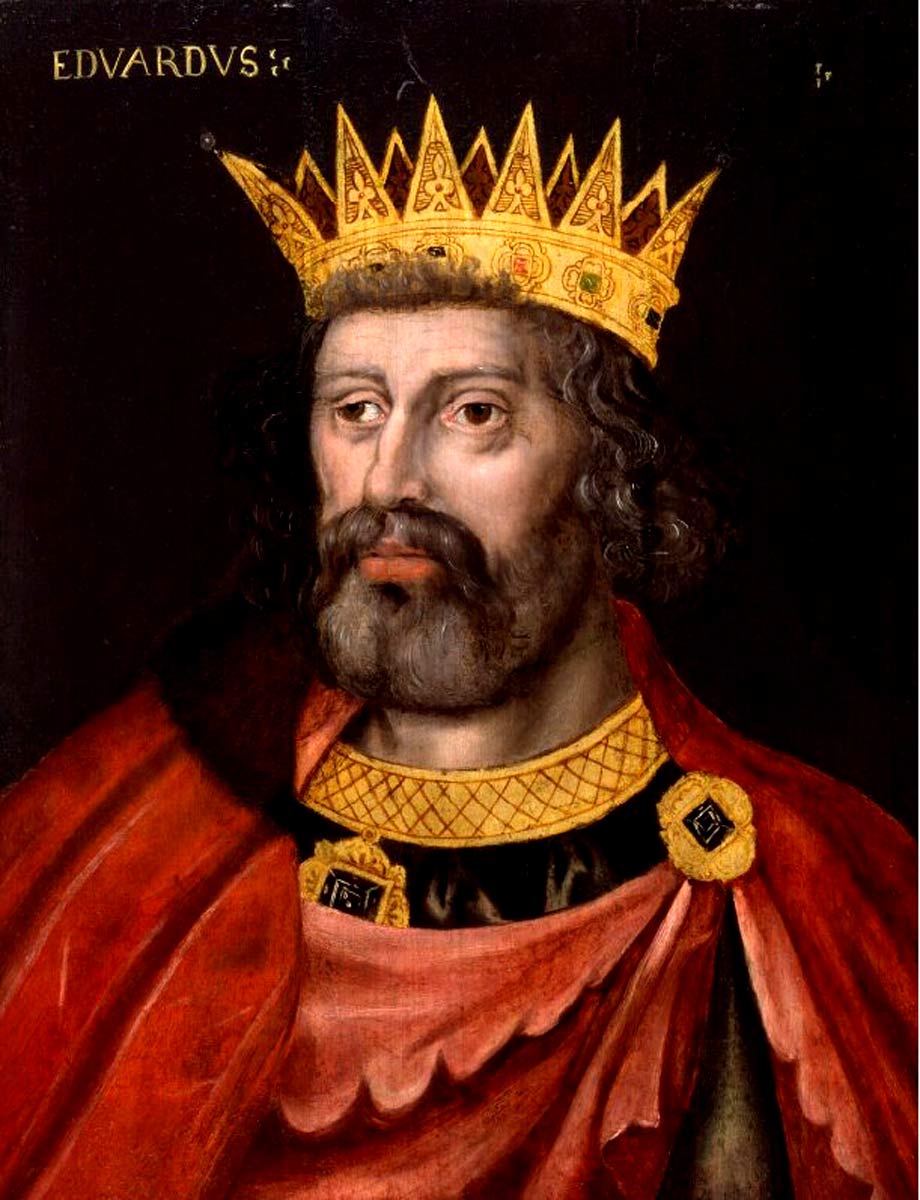
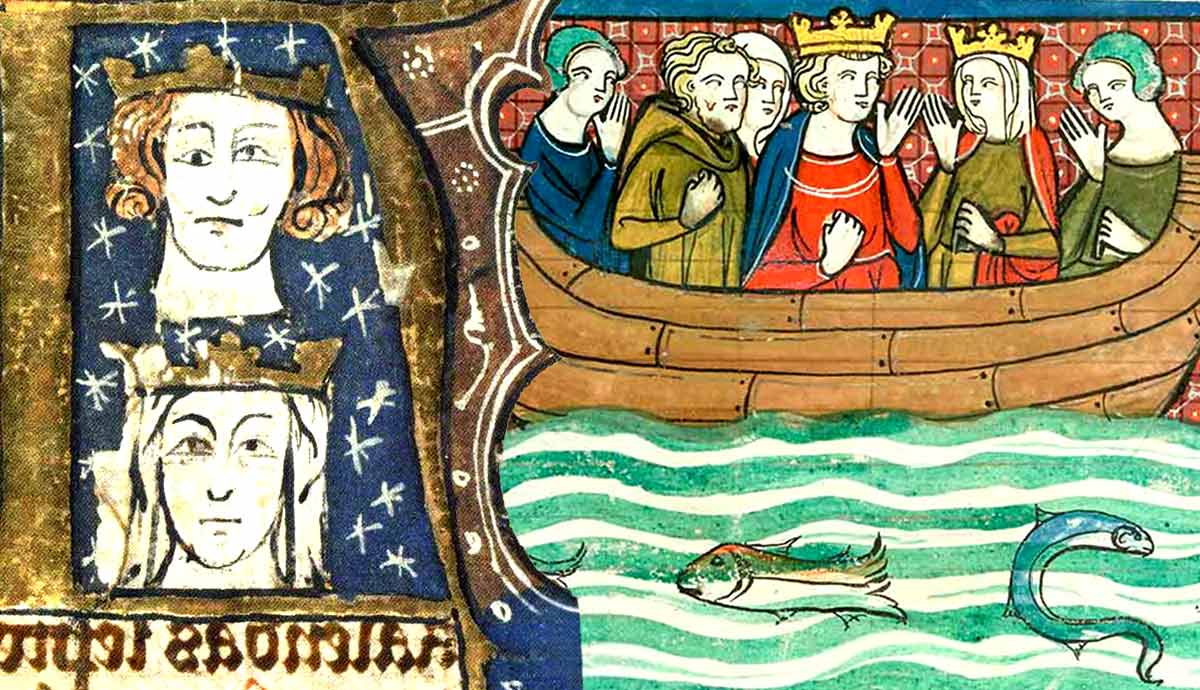
Edward II differs from Henry I and John in that he knew from childhood that he would one day be king. Edward was the youngest son of Edward I and his wife Eleanor of Castile, and their only son to survive childhood. Three elder brothers, John, Henry and Alphonso, had each been designated as their father’s heir but had died as children. It was upon Alphonso, closest to Edward in age, that the kingdom had placed its hopes. His sudden passing at the age of 10 was widely mourned.
Born a few months before Alphonso’s death, Edward II did not appear suited to kingship from an early age. Although he possessed all the physical characteristics of an ideal king, he was tall, handsome and athletic, Edward failed to live up to the military reputation of his formidable father. His military record both before and after he became king was heavily criticized by his contemporaries, and he failed to emulate his father’s military success against the Scots. Contemporaries noted Edward was far too fond of the company and the pursuits of the common people, such as rowing, digging ditches, mending roofs and fishing.
Edward was heavily criticized for his overfamiliarity with two notable favorites, Piers Gaveston and Hugh Despenser the Younger. It is assumed Edward was in homosexual relationships with these men, and contemporaries cited his lifestyle as evidence for his unsuitability for kingship. Edward’s barons rebelled against him, and eventually, in 1326, his wife, Isabella of France, launched an invasion of England with the purpose of deposing her husband in favor of their son, Edward III. Edward II was murdered in Berkeley Castle, probably at the orders of his wife.
The Far-Reaching Impact of Accidental Kings
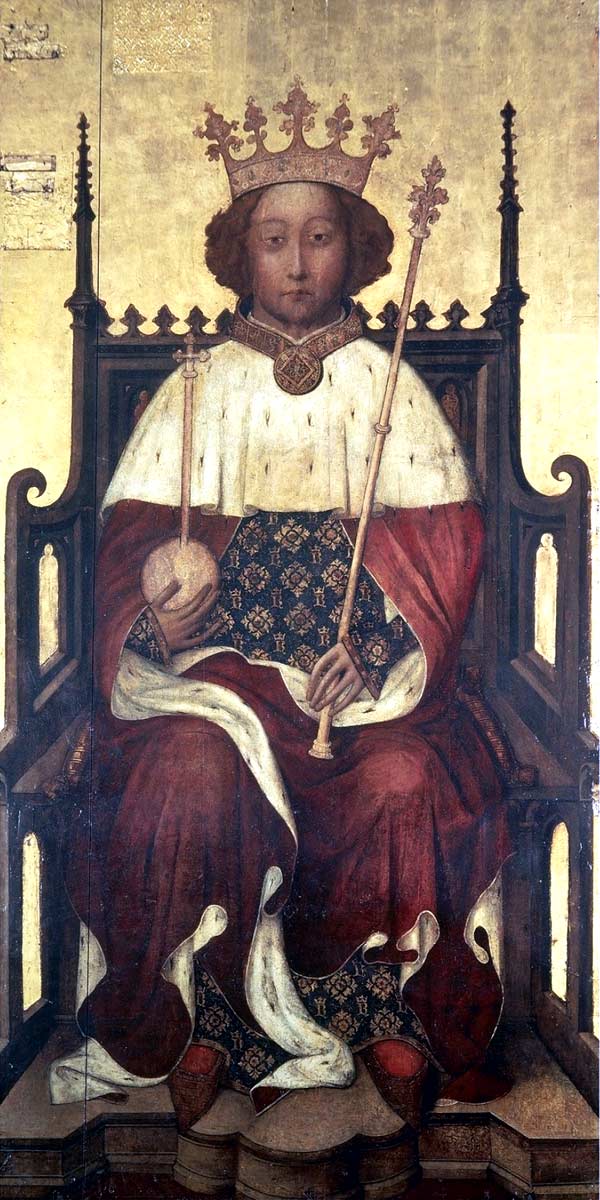
Unexpected heirs were a common phenomenon in medieval England, largely due to high mortality rates among both children and adults. Younger sons who unexpectedly inherited the throne often lacked preparation for kingship, and their shortcomings could become evident once they assumed power.
Richard II, for example, became king at the age of ten in 1377. His accession was unforeseen, following the death of his elder brother and the untimely death of his father, the renowned Edward the Black Prince, in 1376, followed by the death of his grandfather, King Edward III, the following year. With little opportunity for adequate preparation, Richard developed an exaggerated sense of his own authority, rooted in the doctrine of the divine right of kings, believing himself accountable to no one. This attitude alienated the nobility, ultimately leading to his deposition by his cousin, Henry Bolingbroke, who was crowned Henry IV. It may be argued that, had Richard benefited from stronger guidance and more experience of effective kingship, later conflicts such as the Wars of the Roses might have been avoided.
Unplanned accessions could also produce significant constitutional consequences. King John, for instance, was compelled to seal the Magna Carta, an attempt by the barons to impose limits on royal authority, despite his later rejection of its terms. Similarly, Edward II faced baronial opposition in the form of the Ordinances of 1311, which sought to restrain his governance. Although Henry I ultimately proved to be a capable ruler, his position as a younger son initially left his claim vulnerable, and he faced challenges to his legitimacy throughout his reign. Although being an unexpected heir could be disadvantageous, it was not decisive. Henry I possessed the qualities necessary for good kingship, whereas evidently John, Edward II and Richard II were deficient in those abilities.