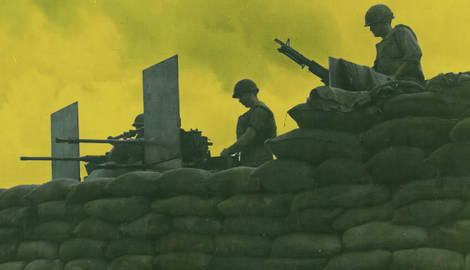

On March 8, 1965, America’s first official ground combat troops arrived ashore at Da Nang, coming not under fire, but to the welcome of young Vietnamese women tossing flower garlands. To most observers, it signaled a major show of strength by the United States. Beneath the strategy, however, lurked a lethal sequence of traps and blunders, historical blinders, and political paranoia that caught America in its own rationale.
Cold War Chess: The Fatal Trap of Containment
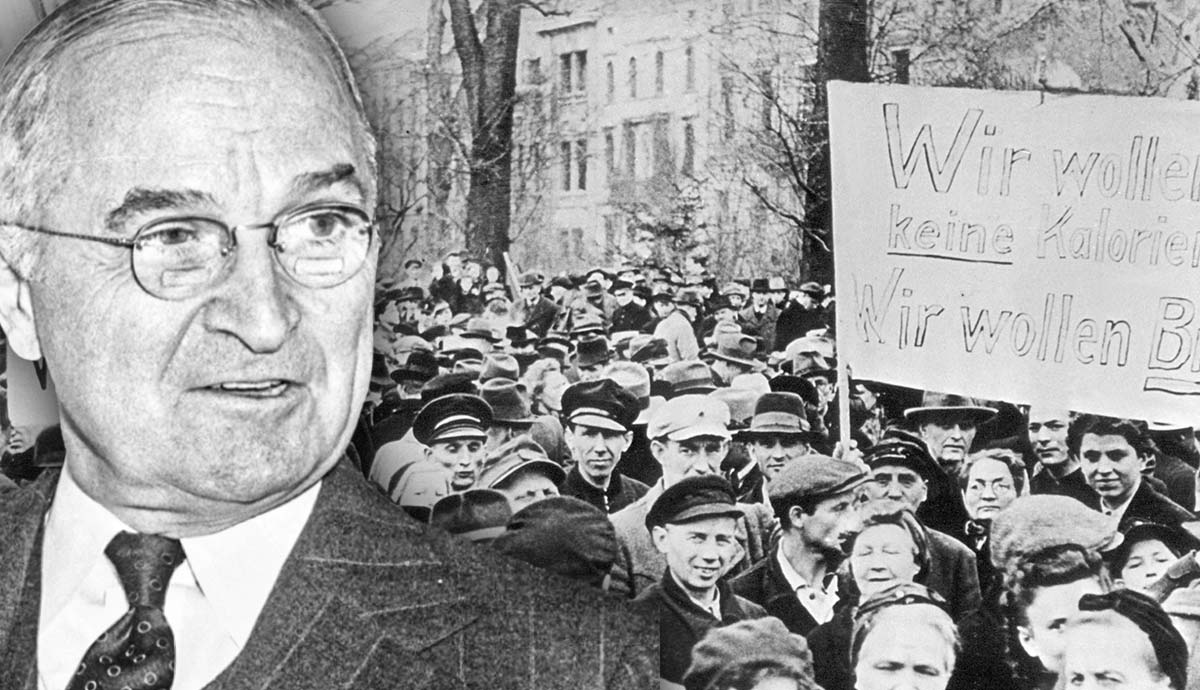
After World War II, the Truman Doctrine of 1947 set the tone for what became known as containment: the policy that the US should extend political, military, and economic aid to all democratic nations threatened by external or internal communist pressures. But policymakers in Washington soon faced a severe political crisis in 1949, when China fell to Mao Zedong’s communist forces in the Chinese Civil War.
US leaders were convinced that any further spread of communism in Asia would be unacceptable and bring harm to US prestige and safety. Consequently, Vietnam was no longer seen as a nation trying to shrug off the yoke of colonialism, but rather as a pawn in a worldwide game of chess.
The Canceled Elections That Sealed Vietnam’s Division
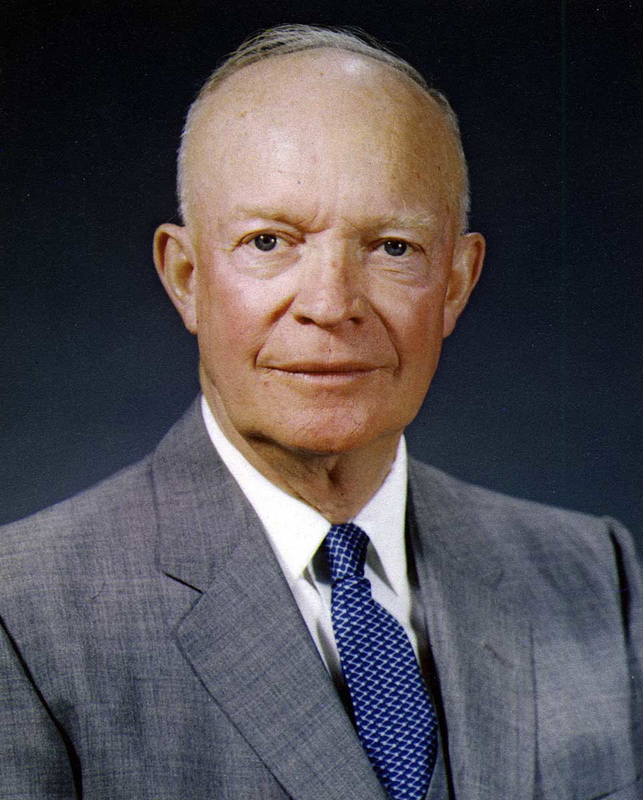
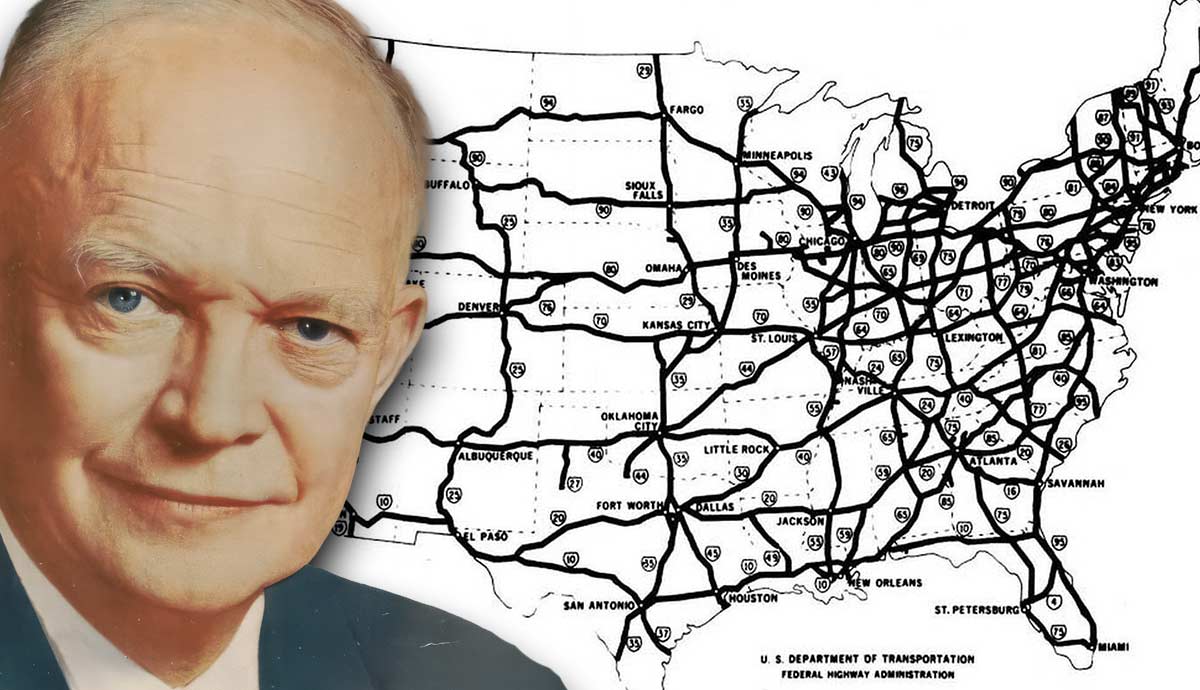
In 1954, US President Dwight D. Eisenhower popularized what became known as the Domino Theory. As Eisenhower saw it, the communist conquest of Indochina would lead to other nations in Southeast Asia falling to communism like a string of dominoes, and he feared that even Australia and New Zealand would eventually be at risk. Confirming this risk, French forces were soundly defeated at Dien Bien Phu by Viet Minh forces led by General Vo Nguyen Giap in 1954. Following this defeat, the Geneva Accords were signed on July 21, 1954. They temporarily divided Vietnam at the 17th parallel into North and South Vietnam until national elections could reunify the country two years later, in July 1956.
Under pressure from the US, a strongly anti-communist regime led by President Ngo Dinh Diem was established in South Vietnam in 1955. When it became apparent that communist nationalist leader Ho Chi Minh would win the scheduled 1956 election, the United States supported Diem’s decision to cancel the vote. Consequently, by 1960, over one billion dollars in aid and around 700 military advisors had been committed to South Vietnam.
Coups, Assassinations, and a ‘Blank Check’ for War
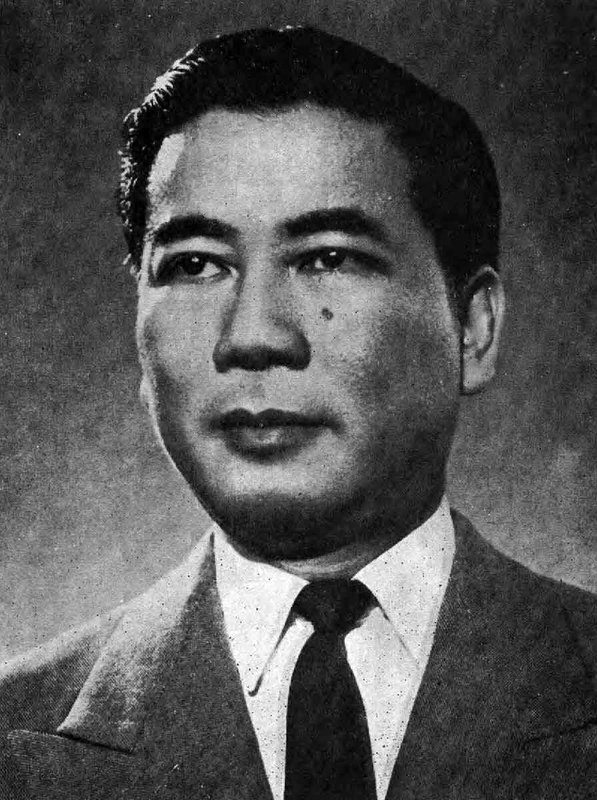
When John F. Kennedy assumed office in 1961, he increased the number of US military advisors in Vietnam from about 900 to more than 16,000 by late 1963. When Diem’s regime proved to be corrupt and oppressive toward the Buddhist majority, the US found itself tacitly backing a military coup in November 1963 that resulted in the assassination of President Ngo Dinh Diem. With political instability mounting in Saigon, Kennedy was himself assassinated mere weeks later, leaving successor President Lyndon B. Johnson with a deep level of commitment from which there was no backing down.
The metaphorical Rubicon was crossed on August 7, 1964, when Congress passed the Gulf of Tonkin Resolution following clashes between US destroyers and North Vietnamese torpedo boats earlier that month. Although it was not an official declaration of war, it essentially provided Johnson with a blank check to use any means necessary to prevent further armed attack against American forces. Upon receiving authorization from Congress through the resolution, Johnson ordered Operation Rolling Thunder on March 2, 1965. This action marked the start of a sustained aerial bombardment campaign against North Vietnam. By the end of 1965, approximately 180,000 American soldiers had been deployed to South Vietnam.
How Broadcast Television Instantly Turned Public Opinion
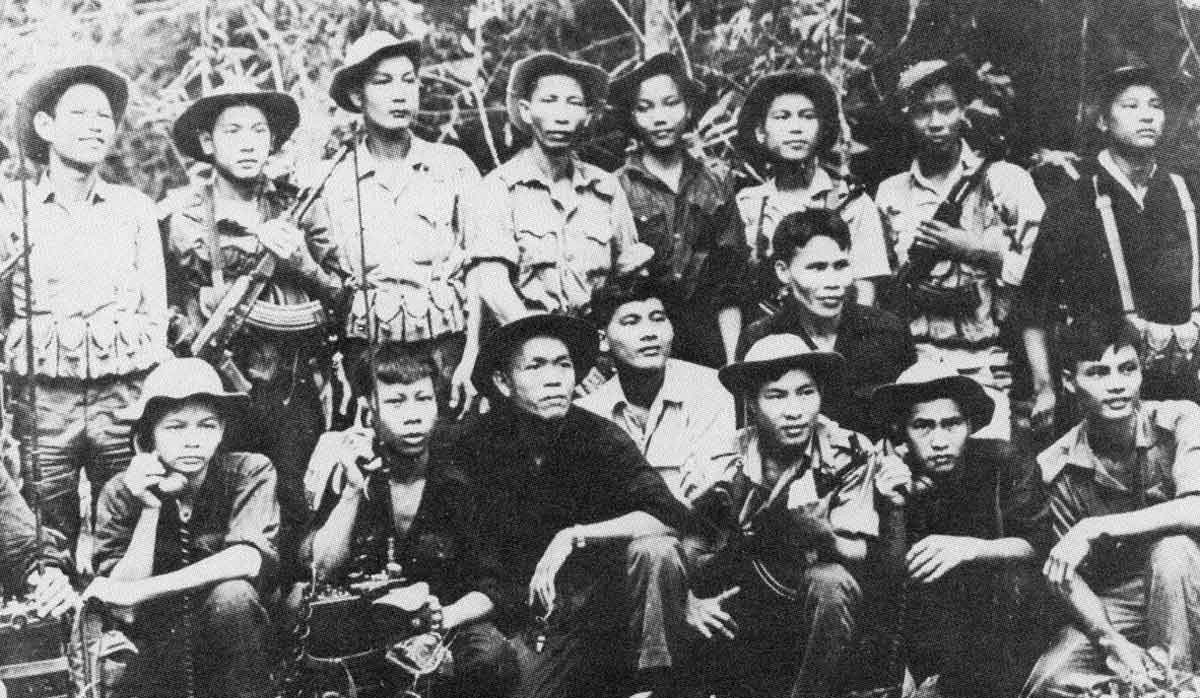
By 1967, the war had devolved into a war of attrition. Starting early on January 30, 1968, during the Lunar New Year celebration known as Tet, the North Vietnamese and Viet Cong, using weapons and supplies provided by the Soviet Union, attacked over a hundred cities and outposts in South Vietnam. Though US and South Vietnamese forces were eventually able to regain control, the Tet Offensive was a strategic victory for North Vietnam. Before the offensive, Americans had been hearing from officials that there was light at the end of the tunnel for years. Seeing the US Embassy in Saigon being breached on their televisions was enough for most to turn against the war.
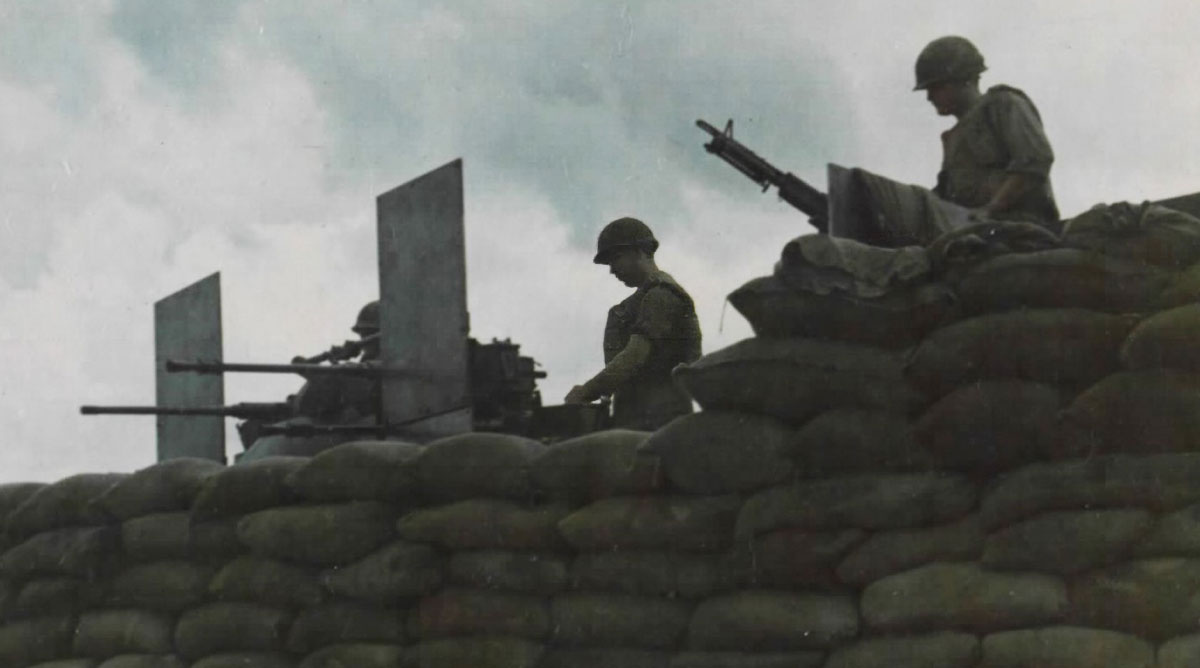
Following the Tet Offensive, newly elected President Richard Nixon initiated Vietnamization in 1969, the gradual process of withdrawing US troops and placing combat responsibilities onto the Army of the Republic of Vietnam. Yet the fighting and losses continued for about five years. About 58,000 American soldiers lost their lives fighting in Vietnam, and over $168 billion was spent waging the war. The United States withdrew its last combat troops from Vietnam on March 29, 1973.