
Dwight D. Eisenhower is one of the most illustrious figures of the 20th century. While largely remembered for his role in leading the successful Allied invasion of Normandy on D-Day, Eisenhower’s contributions to the United States extend well beyond his military career. Among many notable post-war achievements, President “Ike” oversaw the advancement of the Civil Rights Movement, end of the Korean War, and the creation of the National Aeronautics and Space Administration (NASA), cementing his legacy in modern American history for decades to come.
Early Life and Military Career
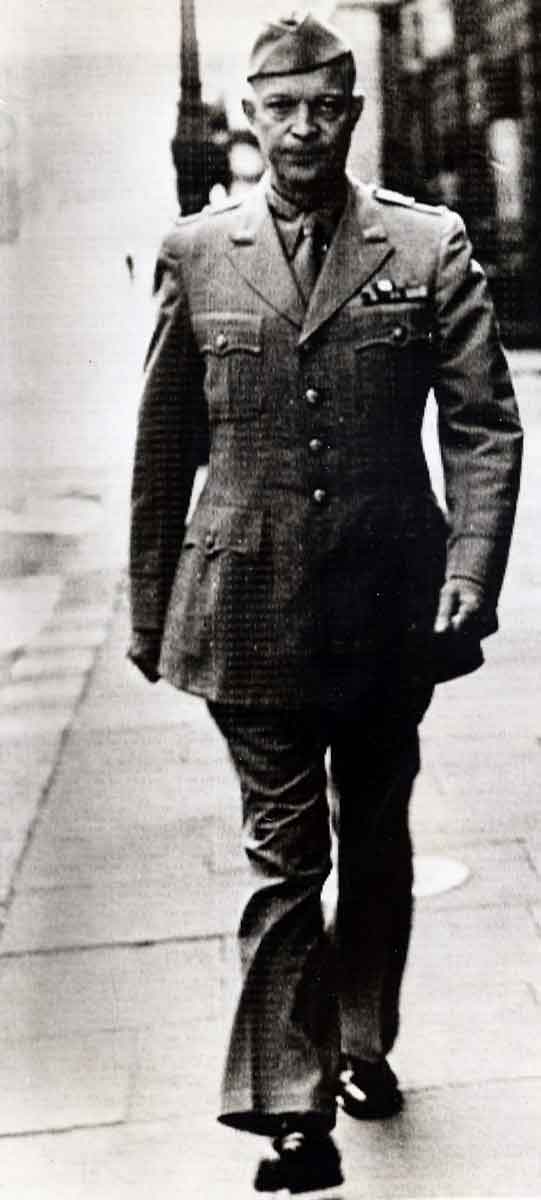
While destined for military and political greatness, Dwight D. Eisenhower’s early life was marked by humble beginnings. Born on October 14, 1890, in Texas, the future president was the third of seven children in a modest family from rural Kansas. During his childhood, Eisenhower exhibited a strong work ethic as a student-athlete, gaining acceptance to one of the country’s most prestigious educational institutions: the United States Military Academy at West Point. There, Eisenhower was just one steward of military excellence among many. His graduating class, the class of 1915, would eventually become known as “the class the stars fell on” due to the 59 generals of the group including Omar Bradley, James Van Fleet, and Joseph T. McNarney.
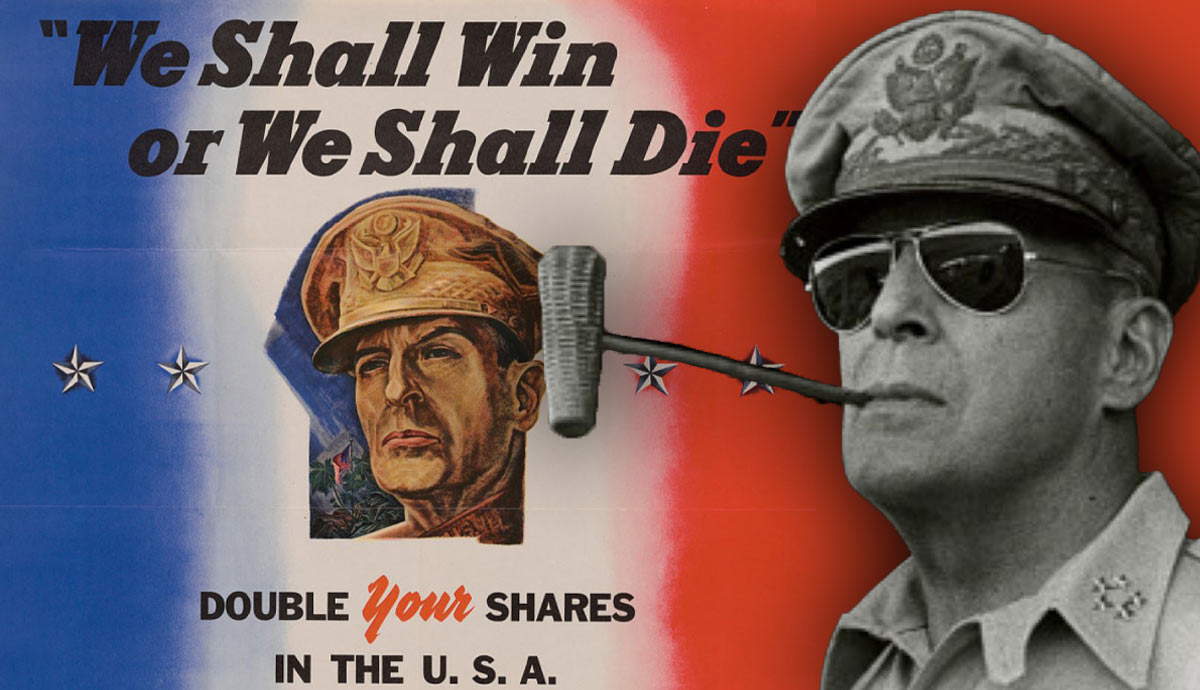
Eisenhower’s rise to the Supreme Commander of Allied Expeditionary Forces in Europe, however, was not easy. Although he hoped for a combat role overseas during World War I just two years after receiving his commission, Eisenhower stayed stateside to train tank crews headed to Europe. In the two decades leading up to World War II, Eisenhower demonstrated his abilities as a capable leader under some of the most influential American military leaders of the 20th century including John J. Pershing and Douglas MacArthur. After several command, staff, and training positions, including service in the Philippines and Panama Canal Zone, Eisenhower’s 25 years of experience thoroughly prepared him for the significant challenges that lay ahead in the Second World War.
World War II Leadership
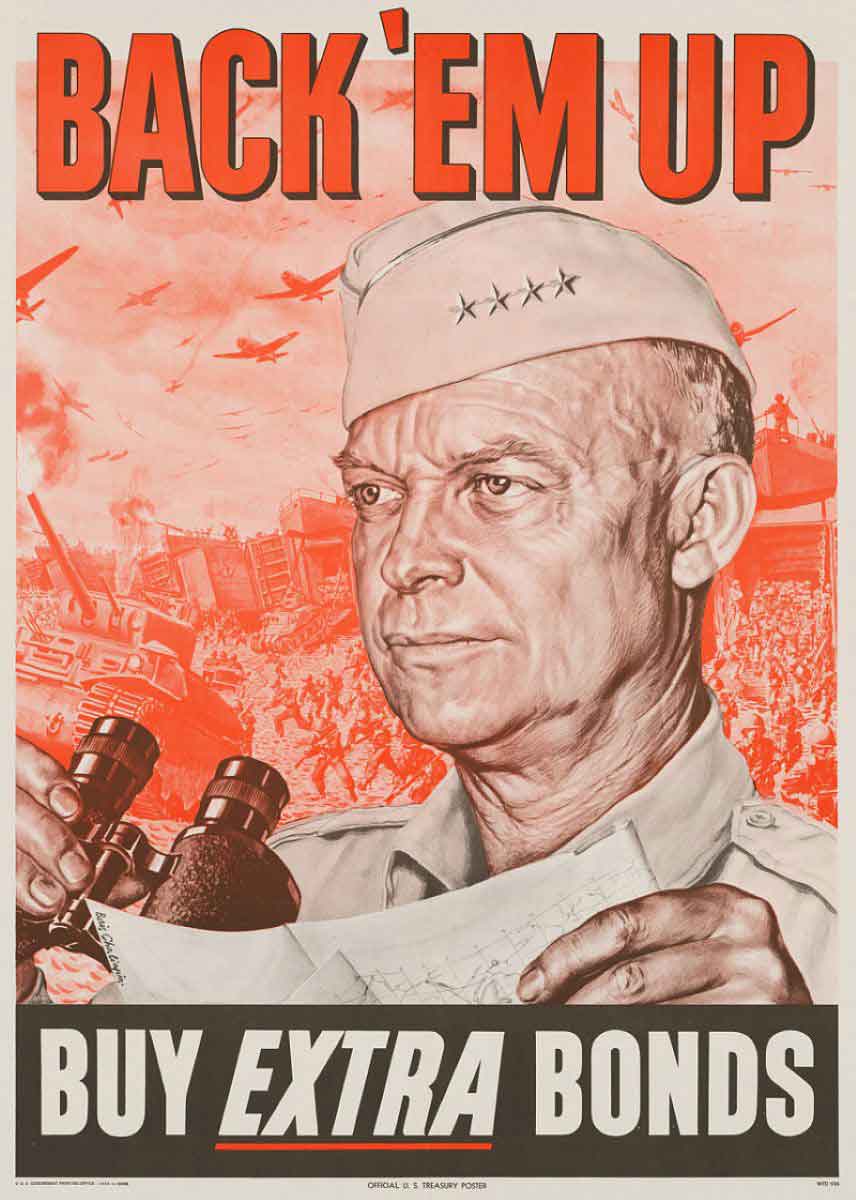
As the Pearl Harbor attacks led the United States to join the Allied Powers in World War II, Eisenhower served in the War Plans Division in Washington DC. This unique role allowed Eisenhower to demonstrate his organizational skills and directly shape overseas military responses alongside General George C. Marshall, then-Army Chief of Staff. By June 1942, Eisenhower was selected as commander of the European Theater of Operations. Just five months later, Eisenhower was additionally appointed commander of Allied Expeditionary Forces of the North African Theater of Operations.
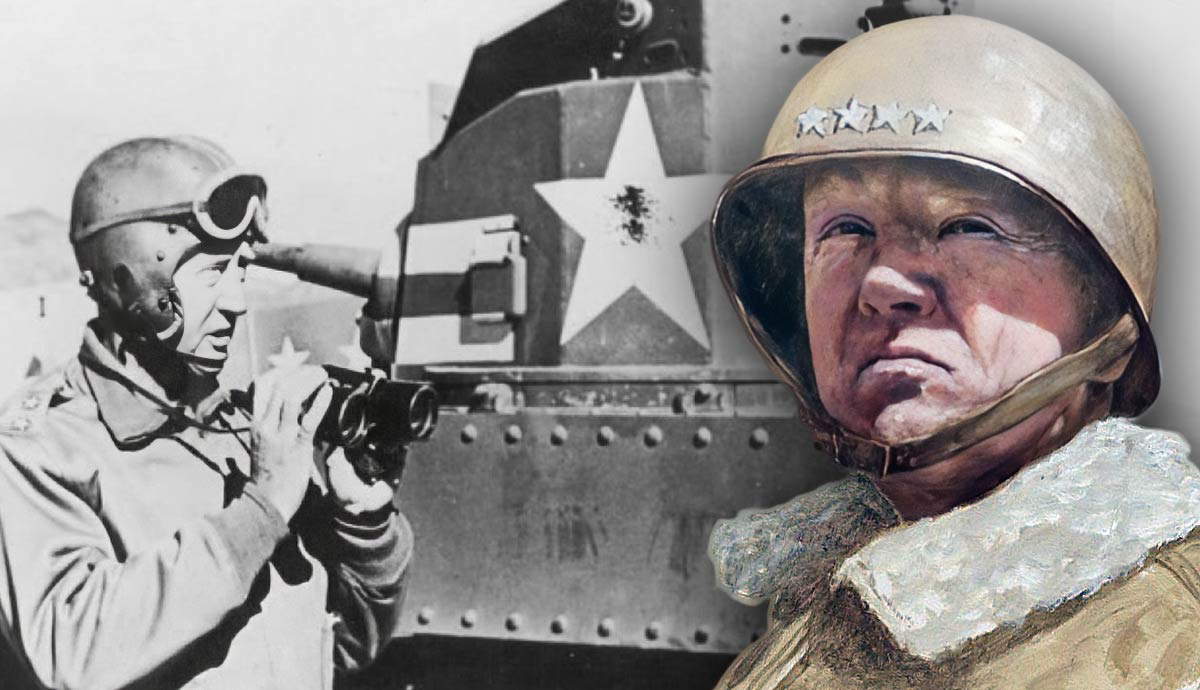
Eisenhower’s new responsibilities enabled him to oversee important Allied missions in North Africa, particularly Operation Torch, the first significant offensive against Axis Powers. While the invasion of North Africa proved ultimately successful, Eisenhower’s troops endured initial defeat at the Battle of Kasserine Pass. Undeterred, Eisenhower rapidly adjusted by increasing coordination with Britain and leaning on the tactical expertise of General George S. Patton, strategic adjustments that led to the German surrender of Tunisia in May 1943.
Now a battle-hardened general, Eisenhower was given the immense responsibility of planning Operation Overlord, the amphibious landing of Allied troops on the Normandy beaches, by President Roosevelt. A challenging feat, efficiently organizing the invasion of Normandy required months of careful logistical groundwork, operational coordination between several Allied armies, and efforts to conceal the intended landing targets. Come D-Day, however, Eisenhower’s direction of 160,000 troops across five beaches proved successful, leading to the liberation of Western Europe and eventual victory over the Axis Powers by May 1945.
Presidential Campaign and Election
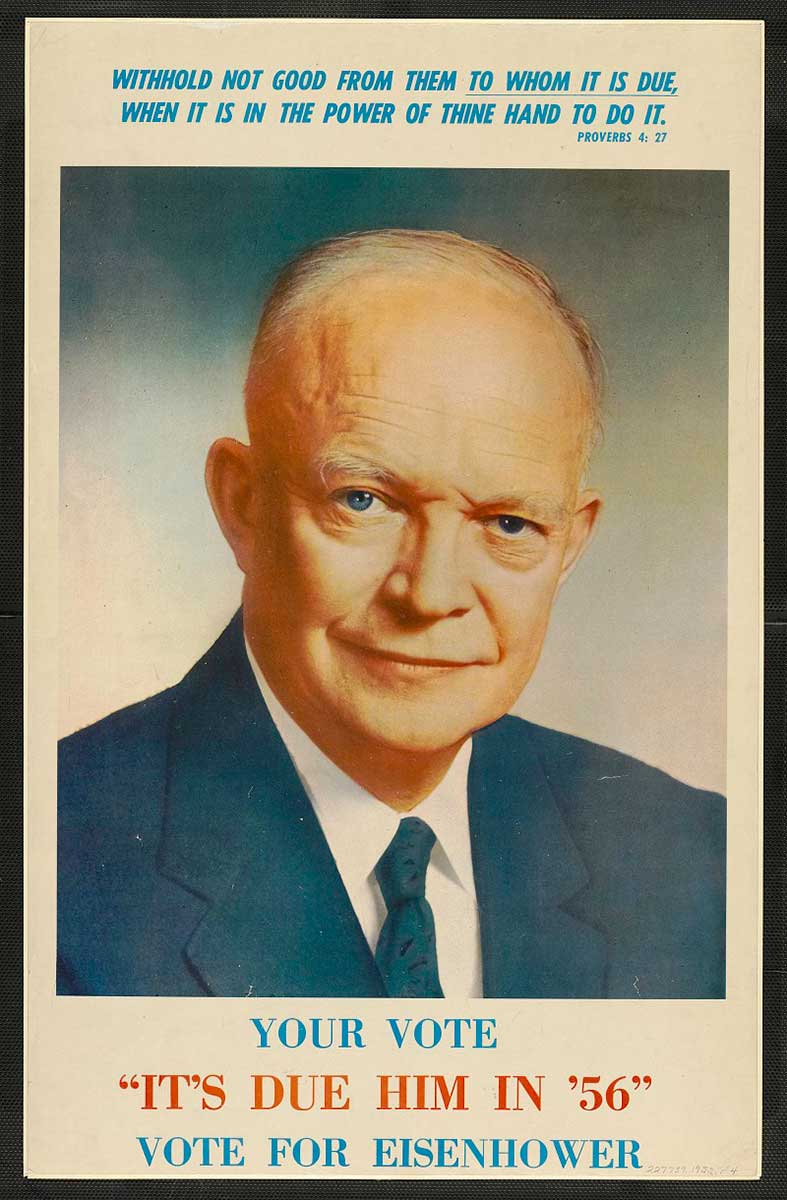
Eisenhower’s military fame enabled his rise to the American presidency, but immediately following World War II, the commander continued his military service. As a five-star general, Eisenhower was installed as the United States Army’s Chief of Staff before acting as the first Supreme Commander of the newly established North Atlantic Treaty Organization. Outside of the military, Eisenhower served as the president of Columbia University until he took office as the nation’s 34th president and commander-in-chief.
Due to his irreplaceable role in securing Allied victory during World War II, both the Democratic and Republican parties invited Eisenhower to run for president. Aligning more with conservative visions of national security, especially considering the rise of global communism, Eisenhower ran on the Republican ticket as a moderate candidate in the 1952 election.
While the former commander had no political experience, the public was quick to endorse Eisenhower. His campaign creatively coined the slogan “I like Ike,” one of the most memorable mottos of modern American political history, to capture Eisenhower’s widespread appeal and effective leadership. Combined with an extensive television advertising campaign, one of the first in presidential history, Eisenhower chose the up-and-coming Richard Nixon of California as his running mate. The pair won a landslide victory against Democrat Adlai Stevenson II in the November election. Although the country was determined to enjoy a peaceful rebound from the Second World War, Eisenhower faced a number of domestic and international challenges during his presidency.
Domestic Policies and Achievements
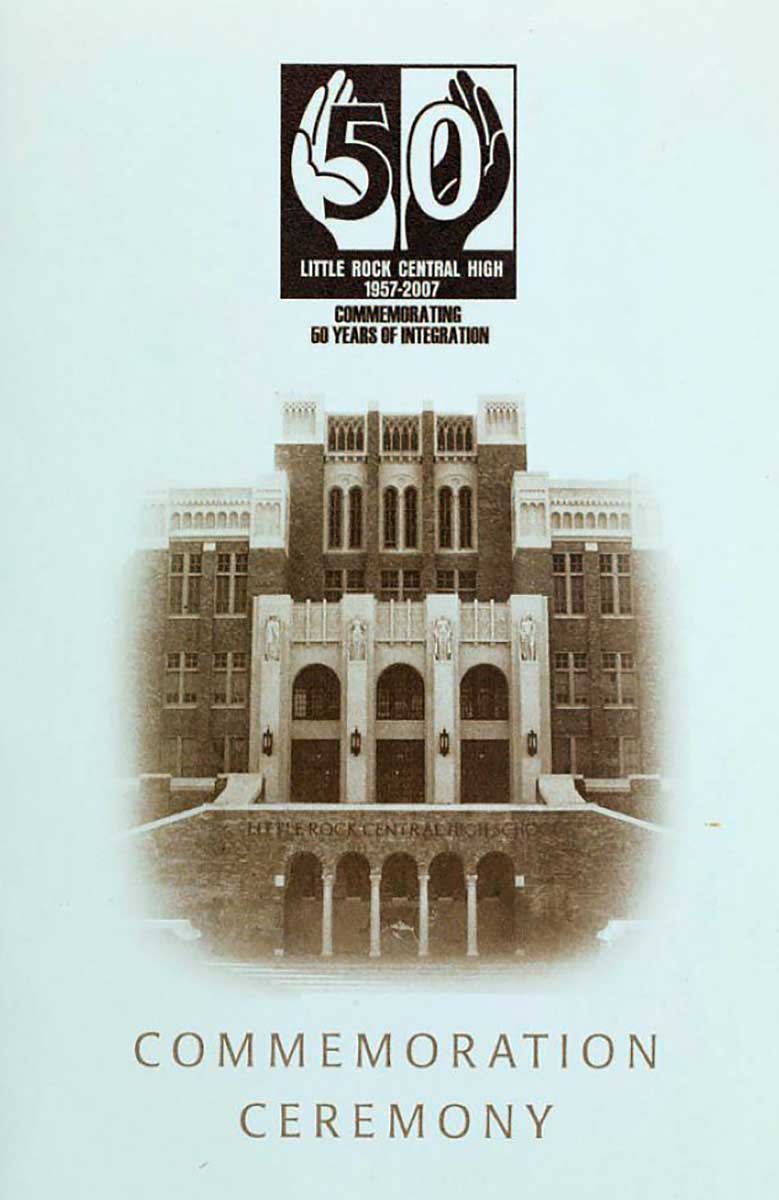
The political climate of the 1950s demanded Eisenhower’s attention to deep-running domestic issues. The Civil Rights Movement gained momentum in the postwar era, partly due to the courageous service of African American troops overseas. Eisenhower’s civil rights legacy is controversial, but he took tangible steps towards ending racial segregation. In addition to signing the Civil Rights Act of 1957 to protect universal voting rights, Ike federalized National Guard troops and mobilized active-duty units to Little Rock, Arkansas, to mandate the desegregation of Central High School in 1957, protecting the Little Rock Nine and marking a key step forward in racial progress following the landmark Brown v. Board of Education Supreme Court ruling in 1954.
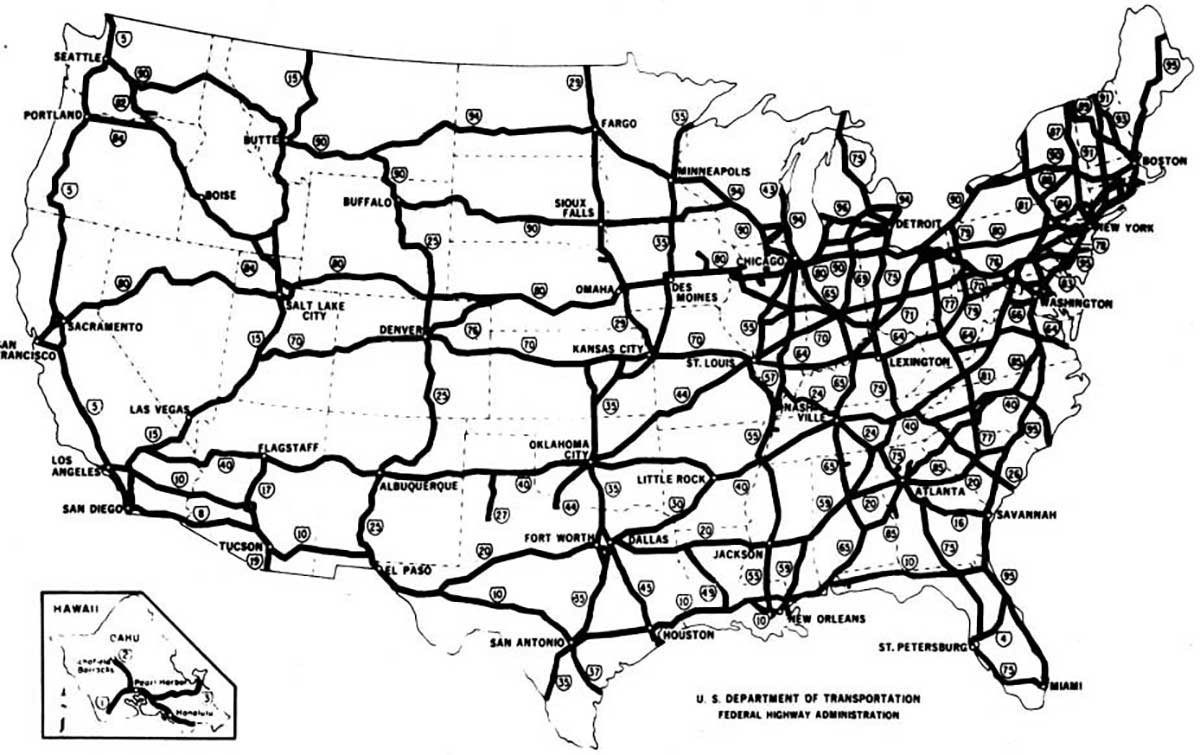
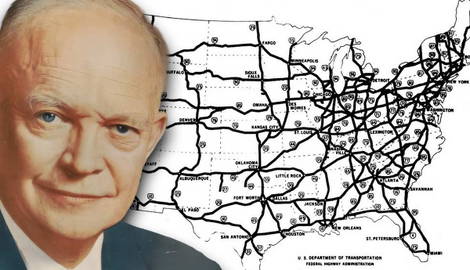
Economically, Eisenhower focused on preserving balanced spending and reducing government waste. One of his most significant accomplishments, however, was the creation of America’s Interstate Highway System via the Federal-Aid Highway Act of 1956. Improving transnational infrastructure drastically improved internal transportation and trade within the United States.
Other Eisenhower policies reached millions of Americans. He expanded social security benefits to traditionally overlooked populations including self-employed workers and farmers. Academically, Eisenhower increased spending on science, mathematics, technology, and language programs in schools. While this initiative was a part of a deliberate, long-term plan to counter Soviet competition during the Cold War, these measures enabled the United States to become a world-leading educational power in the 1950s and beyond.
Foreign Policy and the Cold War
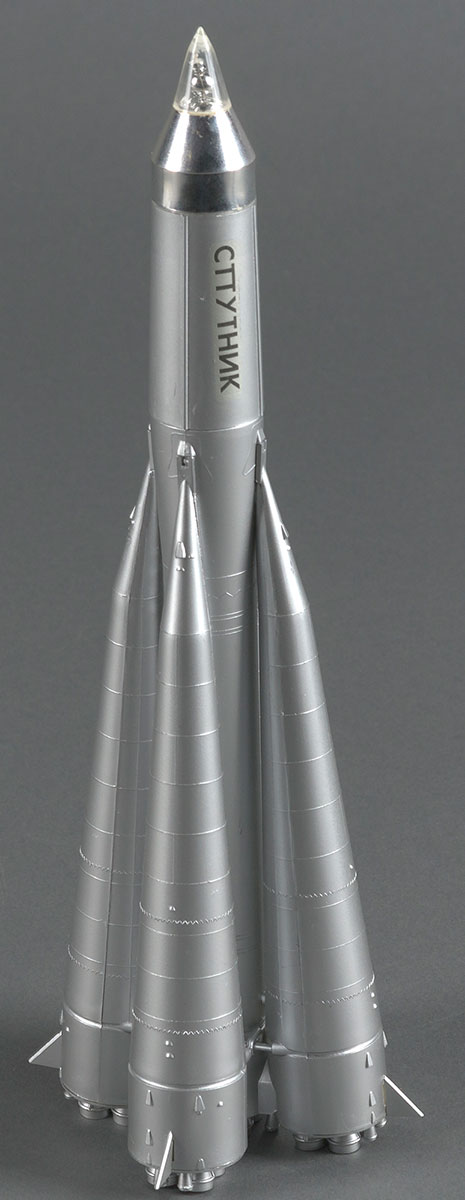
Shortly after taking office, Eisenhower negotiated a successful armistice to end the Korean War, creating the demilitarized zone between North and South Korea that still exists today. Eisenhower took a number of foreign policy initiatives during the early Cold War to counter Soviet influence. For example, the Soviet Union’s 1957 launch of Sputnik led the President to develop American capabilities by creating NASA and passing the National Defense Education Act. Three years later, tensions escalated to new heights. The 1960 U-2 spy plane incident riled the two superpowers after the American surveillance aircraft was shot down over Soviet airspace, interrupting plans for a summit meeting between Eisenhower and Soviet leader Nikita Khrushchev.
As a former NATO supreme commander, Eisenhower’s foreign policy involved the creation of other multilateral defense agreements including the Southeast Asia Treaty Organization (SEATO) and the Baghdad Pact. Simultaneous to the Cold War, Eisenhower’s “Atoms for Peace” agenda aimed to reduce the threat of nuclear conflict by supporting programs to research civilian applications of nuclear power.
While outwardly unifying, it is worth noting that behind the scenes, Eisenhower empowered covert intelligence agencies to protect national security and interests despite risks to other nations. The Central Intelligence Agency’s involvement in toppling Iranian and Guatemalan leaders during the 1950s, for instance, adds a controversial element to his otherwise positive legacy.
Legacy and Impact
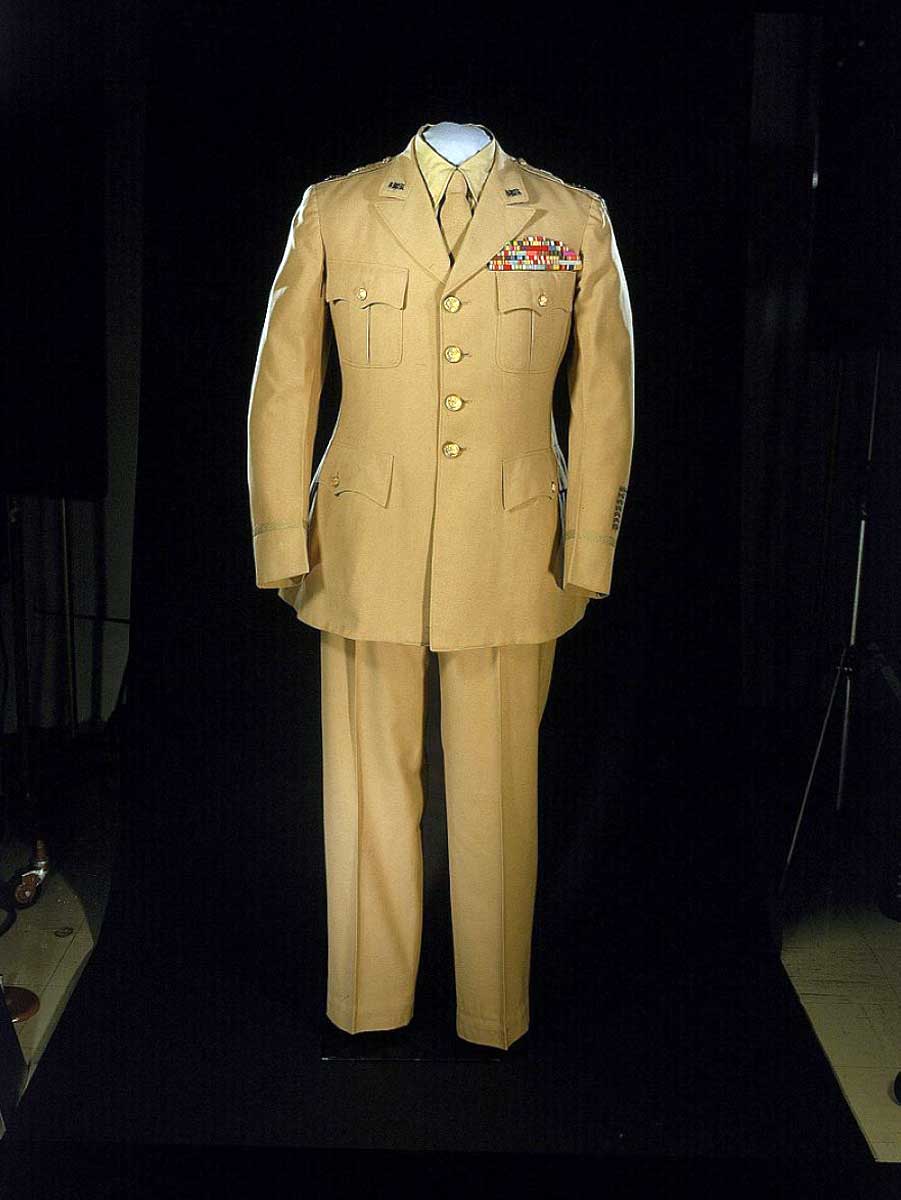
Today, Eisenhower’s legacy is largely positive. As one of the United States’ most influential leaders of the 20th century, Eisenhower played a significant role in the US military and political stage, and also had a major impact on American society as a whole.
Militarily, Eisenhower stands alongside the most significant Allied generals of World War II including Douglas MacArthur, Bernard Montgomery, and George S. Patton. His leadership helped the Allies overcome significant operational and strategic challenges presented by the Axis Powers. Victory in North Africa and Europe, particularly during the climatic D-Day offensive, enabled ultimate Allied victory in the conflict. A Nimitz-class aircraft carrier, the USS Dwight D. Eisenhower, continues the former president’s legacy.
After the war, Eisenhower’s policies as president brought social progress to marginalized populations, disrupted existential threats presented by the Soviet Union and communism, helped galvanize NATO’s early activities, and championed new technological and infrastructure development.
As with most historical figures, Eisenhower’s legacy is not without controversy. Critics highlight his overly cautious approach to the Civil Rights Movement, his authorization of clandestine espionage operations, and the unintended escalation of the nuclear arms race. While these criticisms are justified, Eisenhower’s contributions to World War II and the United States solidify his place as a hero of modern American history.