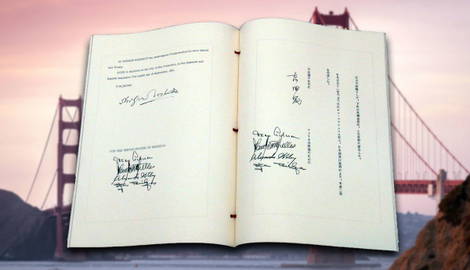

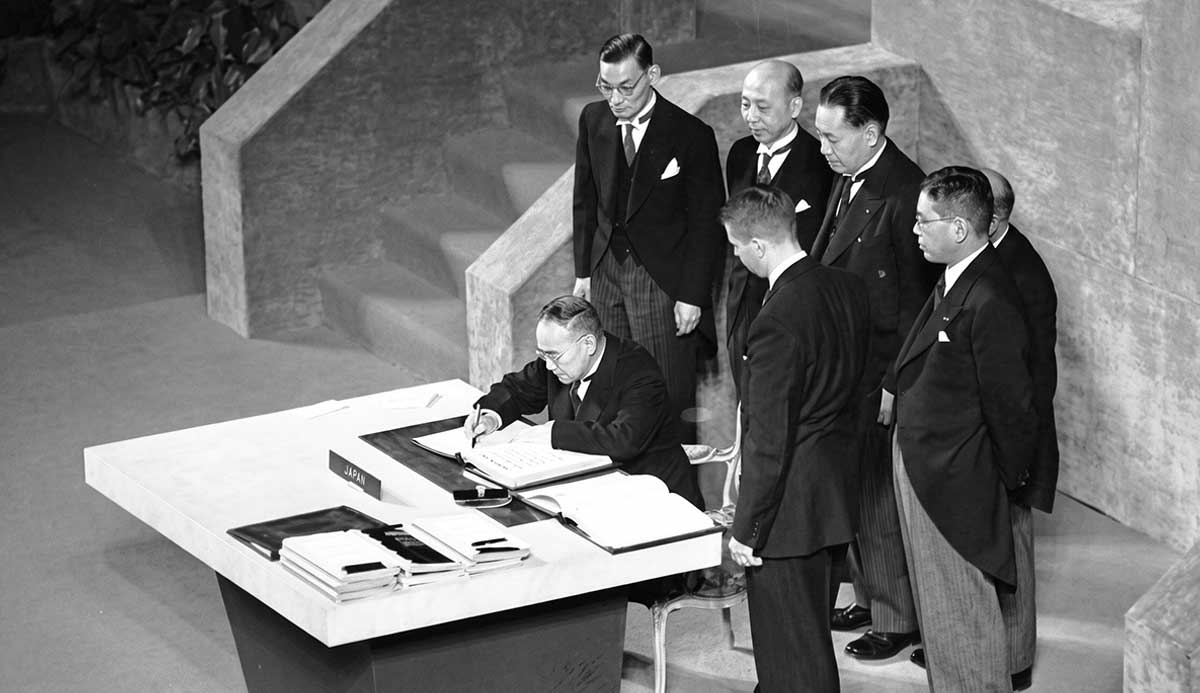
Japan’s unconditional surrender on September 2, 1945, only ended the armed conflict. The legal state of war ended only with Japan’s signature on the Treaty. The years that followed were marked by the Allied Occupation (primarily American), the loss of self-government, and economic and political reform. The Treaty, signed on September 8, 1951, not only legally ended hostilities but also terminated the Occupation and restored self-rule. The Treaty took effect on April 28, 1952.
While signed and ratified, certain conditions still applied. Treaty requirements meant Japan gave up all territorial claims (including Korea, Taiwan, the Kurile Islands, and others). Two others were the recognition of the Tokyo War Crimes Tribunal and the U.S.-Japan Security Treaty. This last part allowed American bases in Japan, reflecting Cold War concerns as time went on.
From Defeat to Reform
With Japan’s surrender, intense scrutiny of the Imperial government followed. The Occupation (1945-1952) had two overriding goals: demilitarization and democratization. Dismantling Japan’s military and associated industries came first. Next came the removal of hardliners and militarists from public life. Democratization started with a 1947 constitution, land and economic reform, and expanded civil liberties. Economic reforms meant rebuilding infrastructure and factories.
The political reshaping coincided with the Cold War’s ramp-up, the Communist victory in China, and the Korean march to war all by 1950. As such, America needed a stable, economically strong Japan as a partner and as a base for its Asian presence. The 1951 bilateral security treaty allowed the American military to operate freely.
Convening in San Francisco, 1951
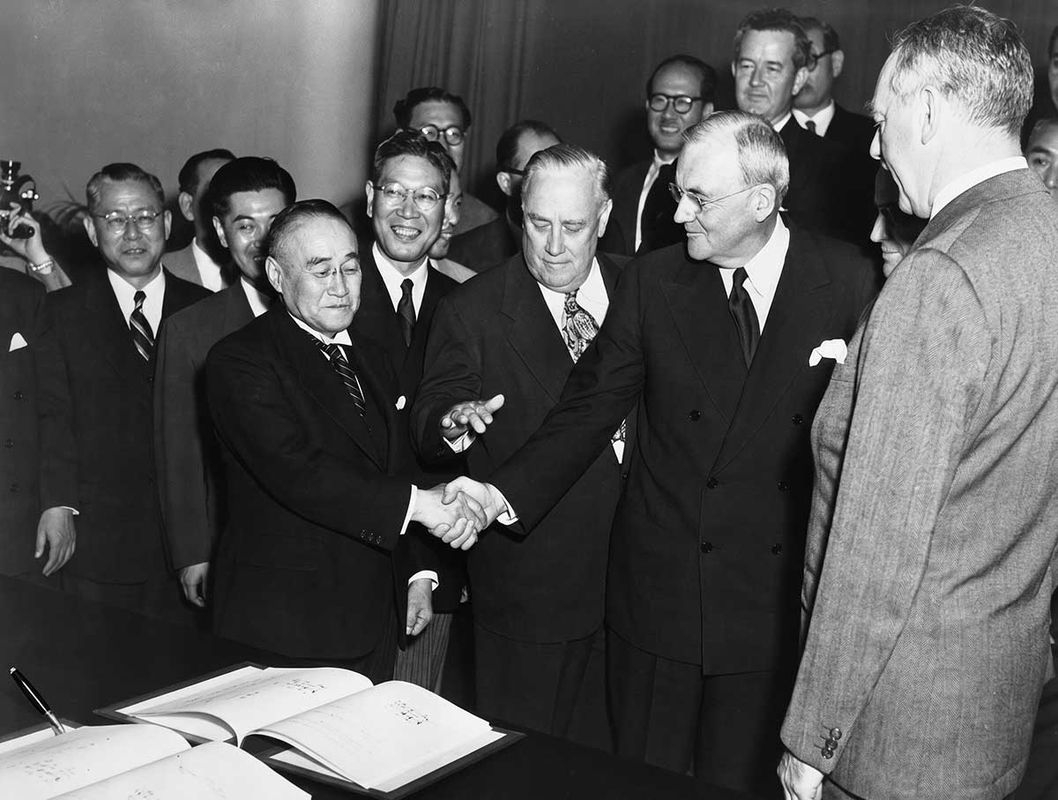
On April 28, 1952, Japan regained its sovereignty. The negotiations took place seven months earlier, in September 1951. Here, delegations from 49 nations met to formally end World War II. Besides the Allied powers, others came from the Middle East and South America. However, neither China nor Korea had representation. Regarding China, Britain and the U.S. couldn’t decide if Nationalist China (Taiwan) or Communist China (Beijing) was the legitimate nation. Korea, divided into two opposing governments, was left out for this reason.
The Treaty negotiations reflected the Cold War reality of the era. The U.S., wary of Cold War tensions, pushed for a moderate treaty to reinstate Japan’s sovereignty. This would make Japan pro-Western. The Soviet Union refused to sign, stating that the Treaty was not harsh enough and only favored American goals. Others, such as India and Yugoslavia, objected, claiming American favoritism and a lack of neutrality in the Treaty.
For all, the treaty required a delicate balance of justice and accountability for Japan’s actions.
Sovereignty and The San Francisco System
The Treaty of San Francisco’s provisions fully restored Japan’s sovereignty, but with conditions. First, the Treaty ended the Occupation. In addition to the aforementioned territorial and accountability conditions, the Treaty required reparation payments to victims and Allied countries.
Strategically, the Treaty established the San Francisco System. Paired with the 1951 U.S.-Japan Security Treaty, Japan became a concrete part of America’s Pacific strategy. While key, Japan’s military role remained limited. With sovereignty restored under a U.S. security umbrella, Japan’s economic recovery sped up. Political re-establishment meant focus now turned to Japan’s long-term plans, not ones benefiting the Occupation.
Japan’s Economic Miracle
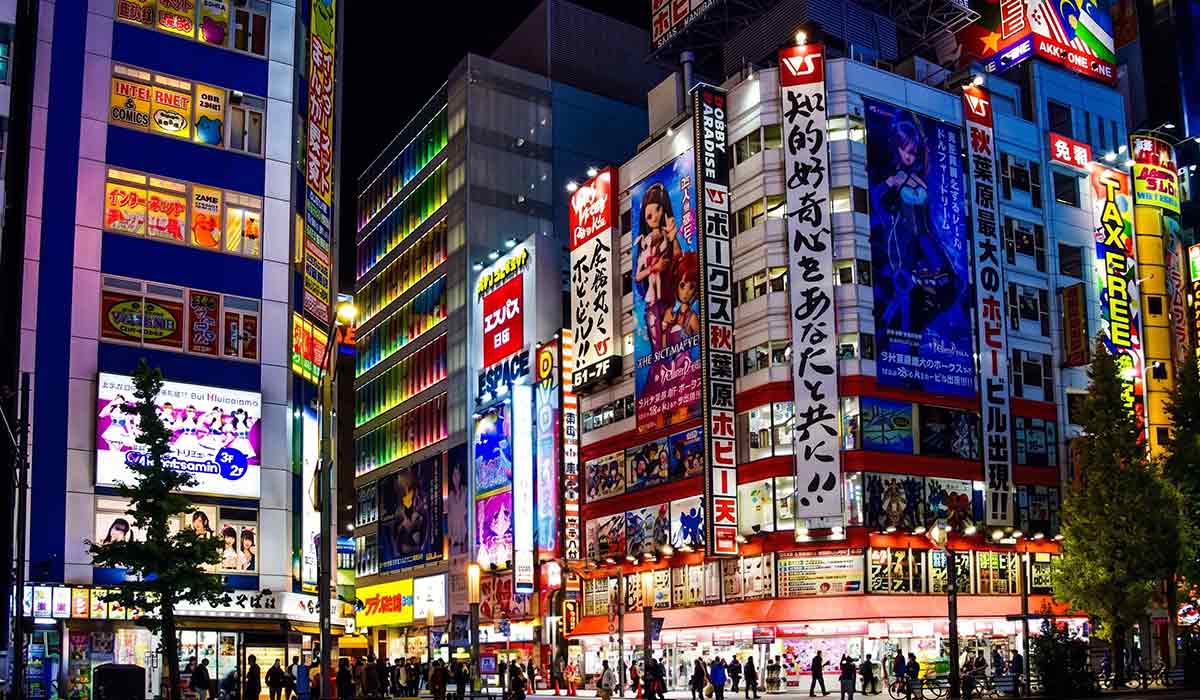
With the Treaty now in force, Japan regained access to important markets, primarily in Europe and the Americas. The government joined international organizations (i.e., the World Bank) and negotiated commercial treaties. Japan imported industrial machinery, modernizing its industry. Partnering with foreign companies brought in knowledge and technology transfers, providing a further economic boost.
Japan utilized its well-educated population, low-interest loans plus import controls. With little money required for defense, funds went to steel, automobiles, or electronics; products made famous within a few short decades. These industries would pay high returns, much to Japan’s benefit. The government synchronized its industrial policy. This led to one of the world’s fastest industrial expansions.
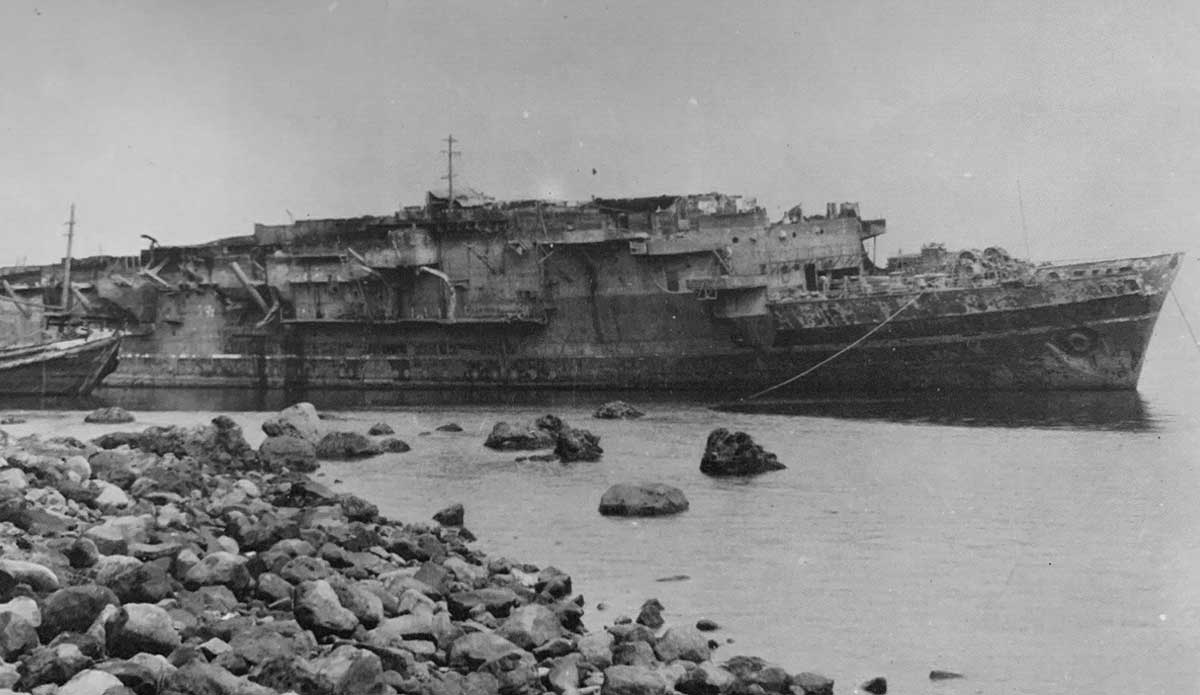
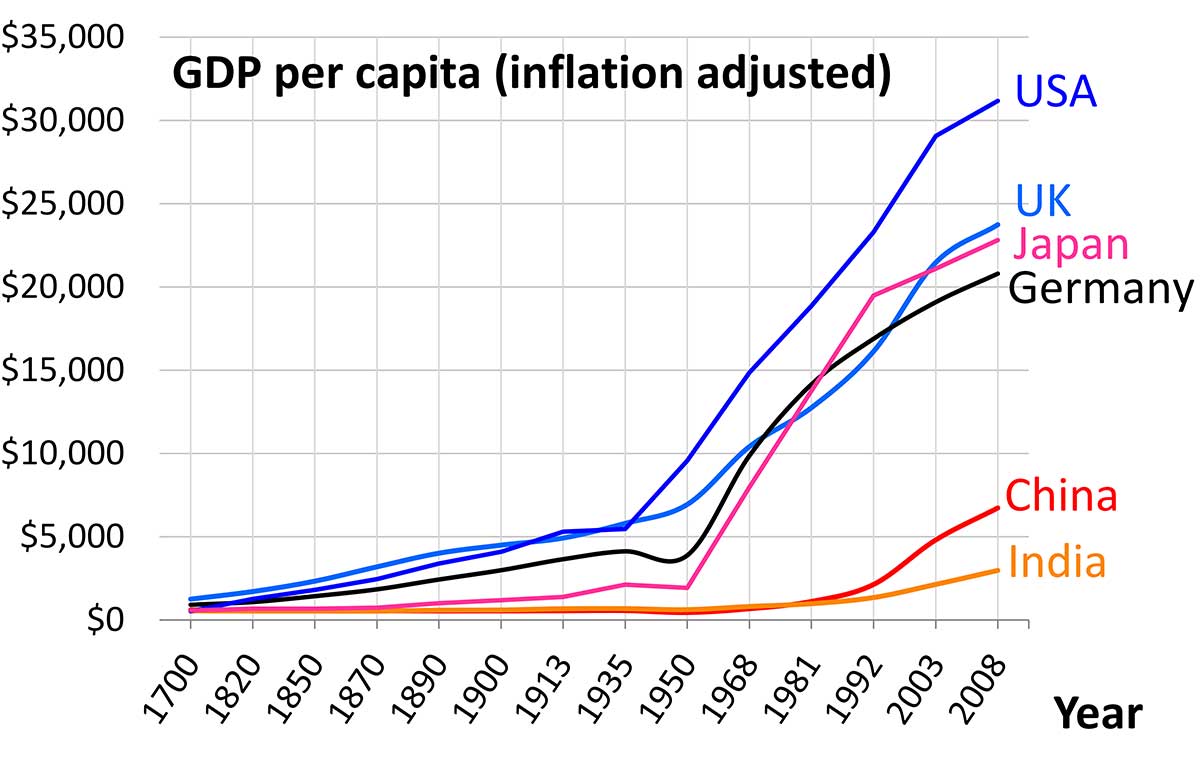
The coordination of policy in the late 1950s and early 1960s produced an annual GDP growth rate of 8-10%. Japan’s industrial fame rose on the strength of its steel, shipbuilding, automotive, and electronics industries. Rising exports propelled Japan into the G7 by 1975.
Japan’s aggressive role in World War II can’t be denied. The only gain won was near ruination, occupation, and humiliation. The 1952 Treaty of San Francisco reversed all that, albeit with some grace from the world. With sovereignty restored, Japan’s real growth began.