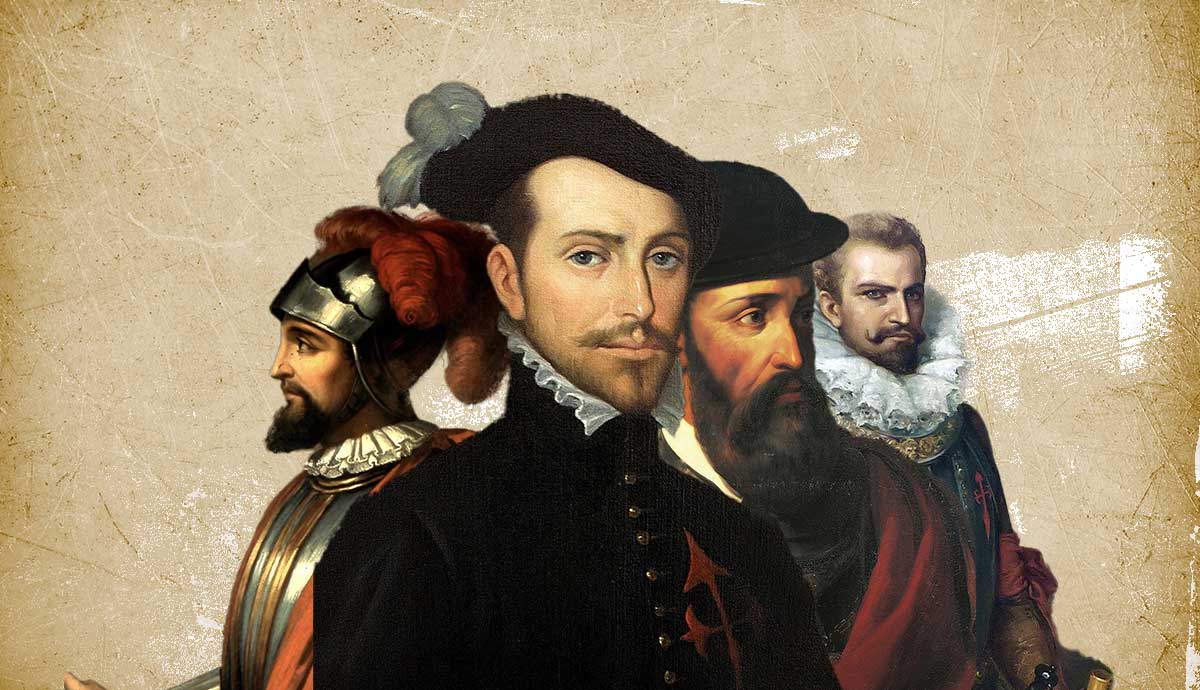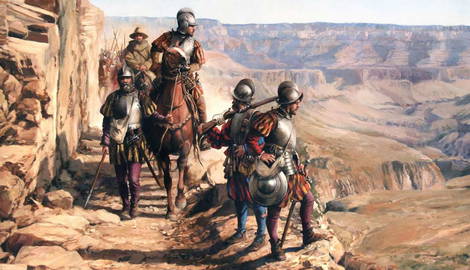

In a case of historical irony, around 1519, Spanish conquistadores helped reintroduce horses to the American continent. Cortés, the commander, brought sixteen; these early sires contributed to future herds. The transported Spanish breeds were all muscular, compact, and agile types. Central to Spanish military doctrine, equines signaled status, enhanced mobility for exploration, and warfare.
With this landing, Cortés brought a reproducing population. Like in Europe, horses became vital to colonial administration. This unfamiliar environment killed many, but enough survived. Of these, more imports and reproductions of horses went where the Spanish settled.
Rapid Adoption and Adaptation
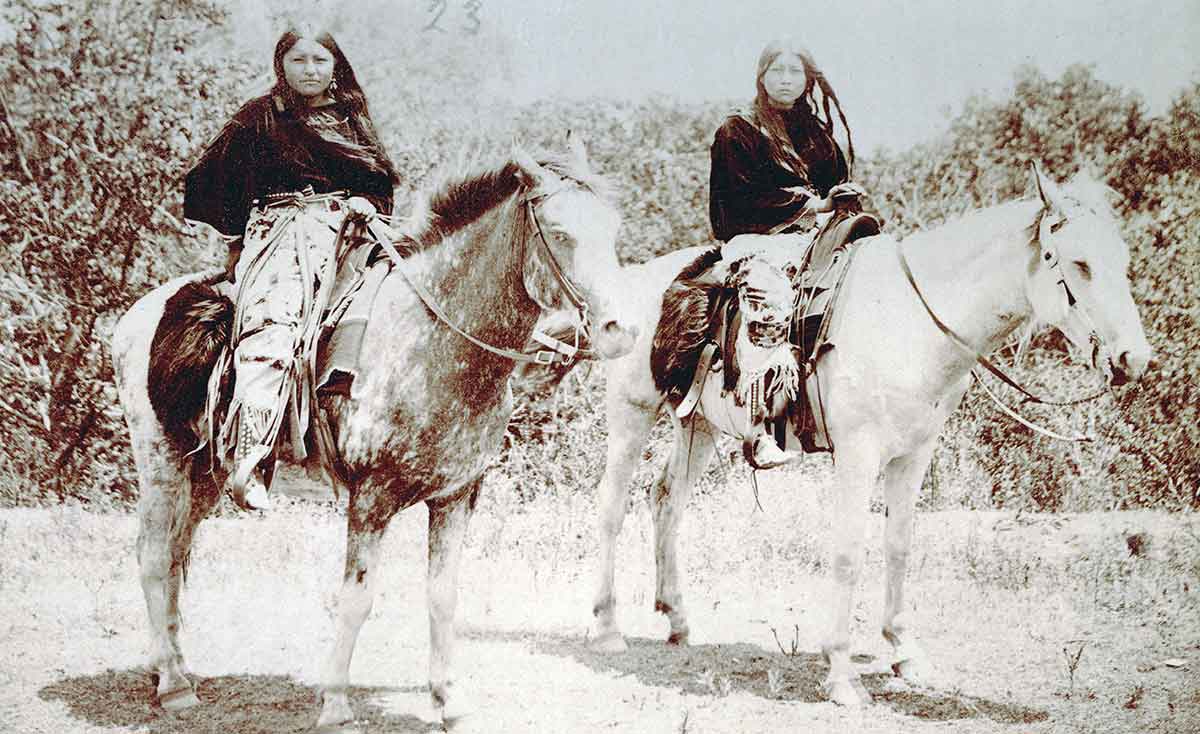
The horses’ impact was immediate, evident in cultural, economic, and military uses. Initially shocked by the Spanish cavalry, Native tribes quickly grasped the horse’s significance.
And they adopted horses fast. By the late 1500s, Native tribes began building their own stock. Some traded with the Pueblo people, with their Spanish contacts. Other tribes, such as the Apaches and Utes, raided Spanish settlements in New Mexico. Feral herds provided another source, which Native people tamed. In addition to acquiring stock, tribes bred it to meet their unique needs.
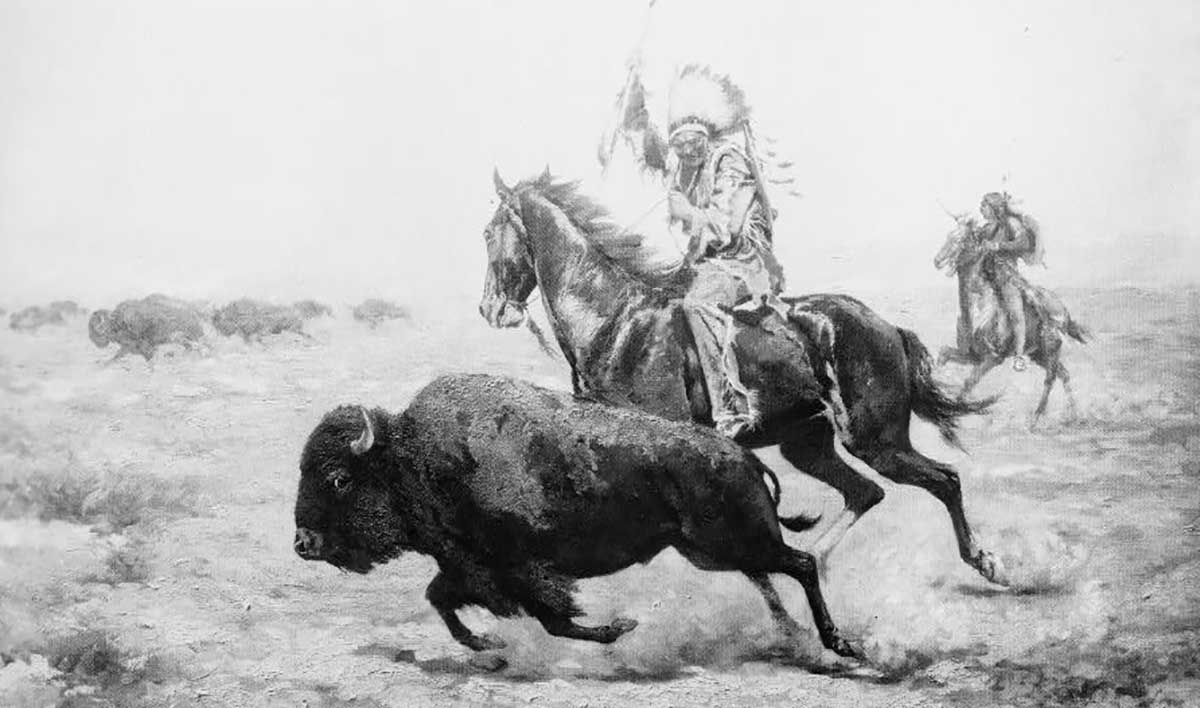
The horse enabled Native cultures to evolve from a pedestrian culture. Besides hauling, horses also changed trade, enabling exchanges with distant tribes. Hunting strategies changed, too, from a slow, foot-based process to a swift, mobile chase. Using bows adapted for horseback, hunters could flank, pursue, or surround herds, becoming more efficient overall.
Historically, the “horse frontier” moved more quickly than previously thought. Different evidence, genetic and archeological, showed that Plains and other Native tribes raised horses decades before European written history shows. Besides physical evidence, Lakota and Comanche oral traditions revealed that horses were already familiar and culturally embedded.
The Trade Network Link
In another change, historians now know the Spanish introduced horses. However, Native trading networks primarily distributed horses. Scholars incorrectly emphasized the 1680 Pueblo Revolt as the major release point for horses. Now, though, genetic and historical records show equestrian cultures existed in the Great Plains and Rockies by the 1600s.
Examples of direct horse culture include the Shoshone and the Comanche. Shoshone acquired a reputation as horse breeders and traders. The eventual Comanche powerhouse rose to prominence by using horses.
An Equine Revolution

Horses changed Native life at a blistering speed. Tribes became horse cultures within a generation or two. Besides cultural and economic benefits, the horse also introduced political instability.
One cultural improvement involving horses led to an overall population increase. The Plains tribes benefited the most. Mounted buffalo hunting meant greater yields. With this new mobility, tribes shifted, following herds to entirely new hunting grounds. The result: food security became more stable.
The horse remapped Native tribe trading networks. Trading with other tribes or Europeans increased as distances decreased. The Kiowa (a Southern Plains tribe) occasionally traveled east, trading with eastern tribes such as the Wichita. Exchanged goods included horses for agriculture. The Shoshone traded their famous horses far north with the Nez Perce or Blackfeet tribes.
Over time, distinct Native breeds emerged, adding to this revolution. Tribes bred horses suiting their needs. Bloodlines were maintained, often selecting for endurance, temperament, or gait. Famous breeds like the Spanish Mustang and the Appaloosa trace their heritage to Spanish breeds. The term mustang comes from the Spanish word mesteno, meaning “wild” or “stray.”
A New Kind of Warfare
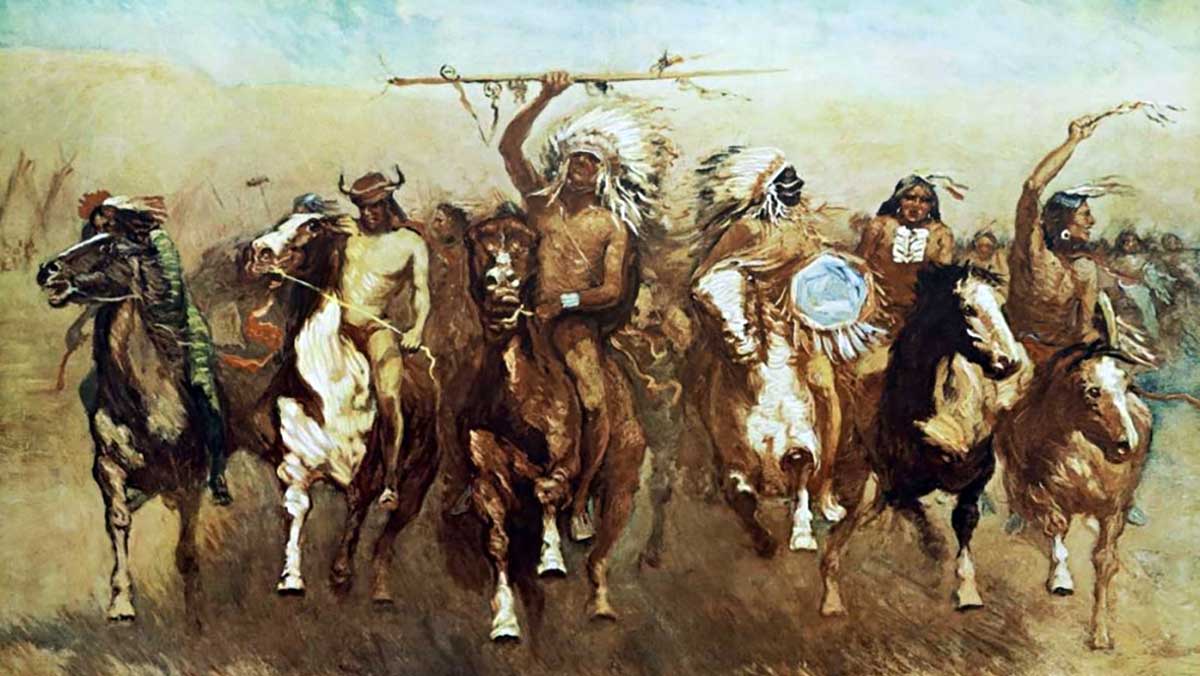
The Native American tribes recognized the horse’s military potential. Being quick to learn, many Native tribes displayed some of history’s finest horsemanship. A new style of warfare emerged, changing the political or tribal landscape. Power could change rapidly, depending on which tribe had better resources or better equstrian skills. These new horse cultures pushed into new regions, breaking down barriers. For example, the Lakota Sioux grew rapidly, enabling them to push back their foes, the Pawnee, from parts of the Great Plains.
Three tribes adapted better than most, introducing true mobility, completely dominating their neighbors. The most undisputed were the Comanche. Their feared light cavalry fought the Spanish, Mexicans, or Americans equally. They controlled a region called Comancheria, which only declined in the late 19th century. Next came the Shoshone, the forebears of the Comanche.
The Eastern Shoshone, after the Ute tribe, mastered horses early. They became proficient riders and horse breeders. The third tribe, the Lakota, spread west onto the Plains. Like the Comanche, they stayed a dominant power for decades. Without a doubt, the horse reshaped Native American life. This process only took several generations as tribes adapted, changing power, culture, and economic life.