
The Battle of Guadalcanal began with U.S. Marines landing on the island of Guadalcanal in the Solomon Islands on August 7, 1942. The Japanese, who had occupied areas of the Solomon Islands during the first six months of 1942, reacted swiftly, starting a vicious air, land, and naval campaign that lasted until February 1943. The U.S. invaded Guadalcanal to stop further Japanese expansion. Japanese plans included an airfield to attack Australian-bound convoys. The island provided a base for future offensive operations south towards Fiji or other locations.
Setting the Stage
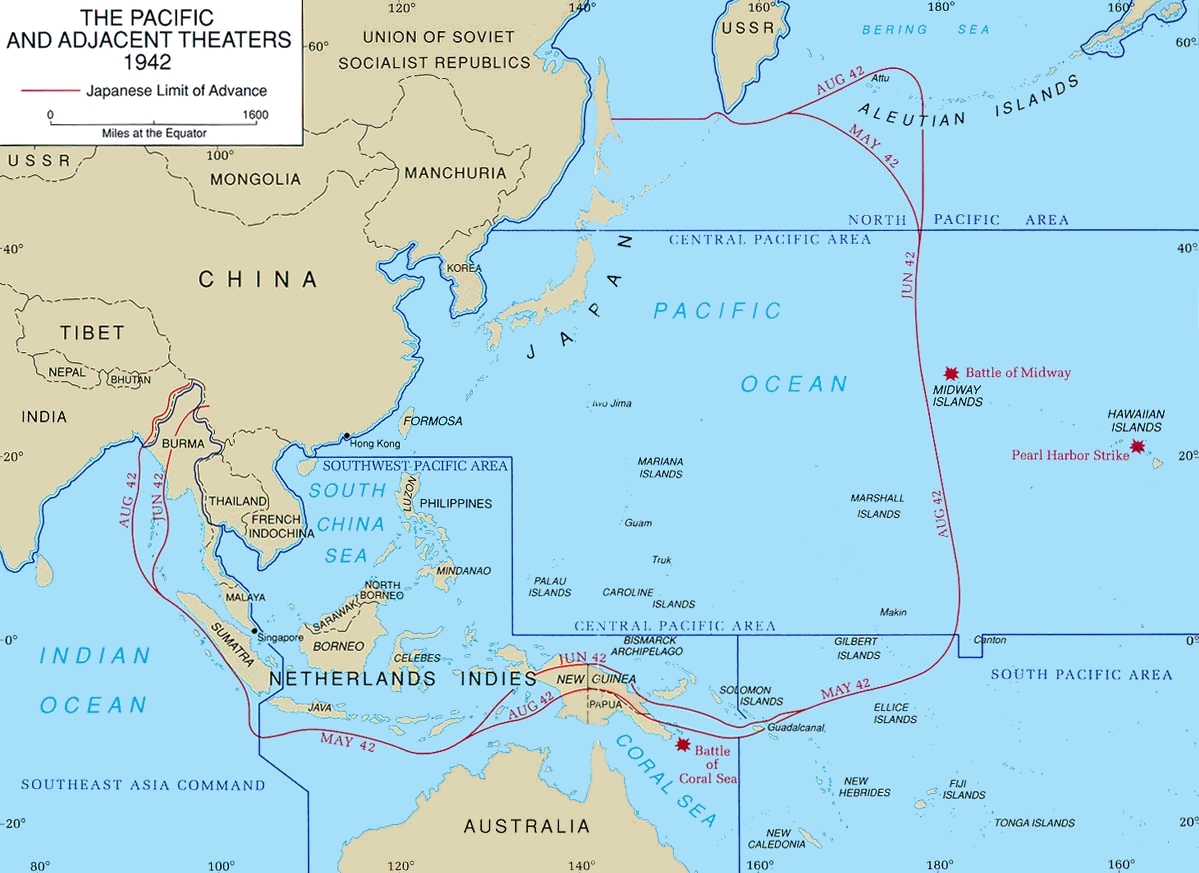
The Japanese began landings and occupation of several areas in the British Solomon Islands and Bougainville Island, in the Territory of New Guinea, during the first six months of 1942. Their purpose was the construction of naval and air bases to protect Japanese interests in the Pacific. It was also in response to the Australians capturing the Japanese naval base at Rabaul, New Britain, in January 1942.
Despite severe losses from the Coral Sea and Midway battles, Japanese airfields were established across the region, the southernmost being Guadalcanal. This facilitated Japanese advances on Australia, such as the bombing of Darwin in February 1942. This was a problem for the U.S., which considered supply lines with Australia vital. Feeling confident after its victory at the Battle of Midway a month before, the U.S. risked an assault on Guadalcanal, which sat astride the shipping lanes.
The Marines Have Landed: August 1942
On August 7, 1942, 11,000 Marines landed on Guadalcanal, Tulagi, and other local islands, taking the big island’s unfinished Japanese airfield. Stunned by the landing, the local Japanese troops resisted but soon retreated, leaving behind construction equipment to finish the airfield. Tulagi’s garrison fought to the last man. The Marines built a six-mile-long by three-mile-deep bridgehead and waited.
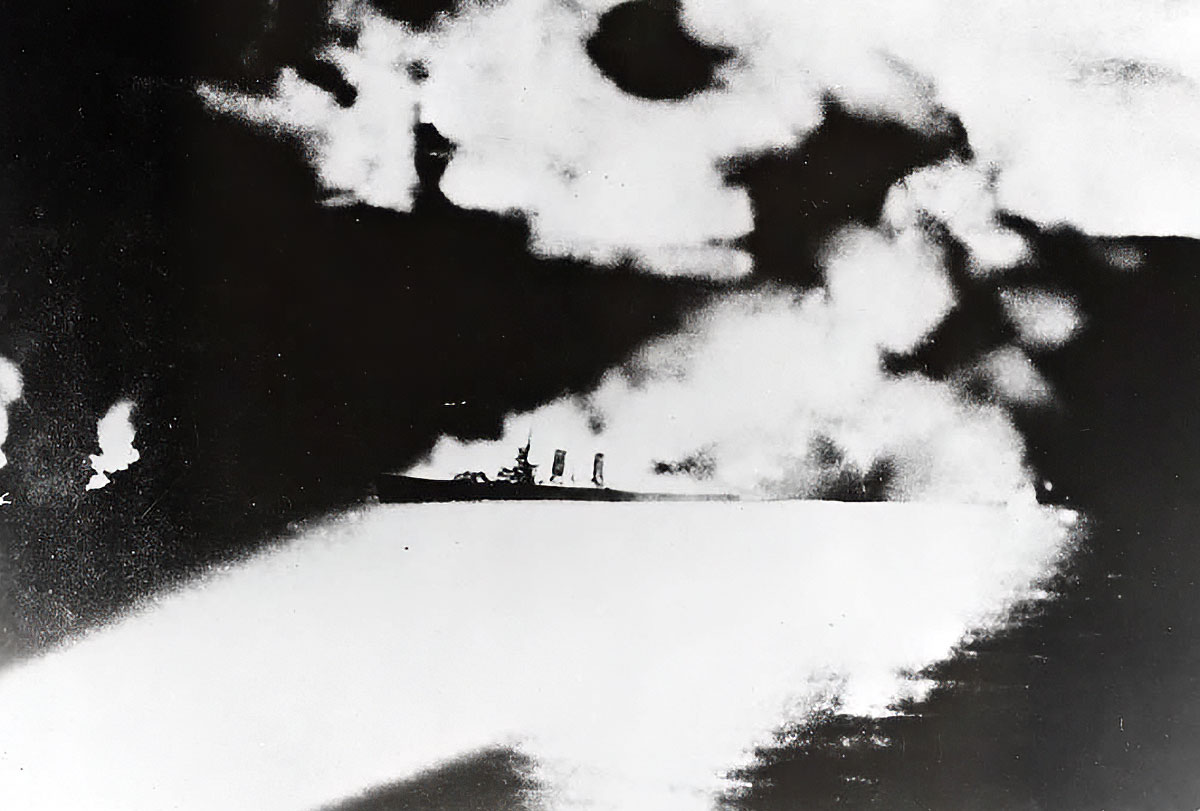
The Japanese responded with airstrikes on the now American Henderson Airfield, Tulagi, and on ships. On August 8, at the first Battle of Savo Island, the Japanese sank four Allied heavy cruisers in a night attack. The U.S. Navy pulled back, fearful of attacks damaging its two remaining carriers. By the campaign’s February 1943 conclusion, each side had lost 24 ships, from battleships to destroyers. The losses were so devastating that the Americans named the local waters “Ironbottom Sound.” The Japanese rapidly transferred troops from other bases and the Philippines.
Henderson Field: August to December 1942
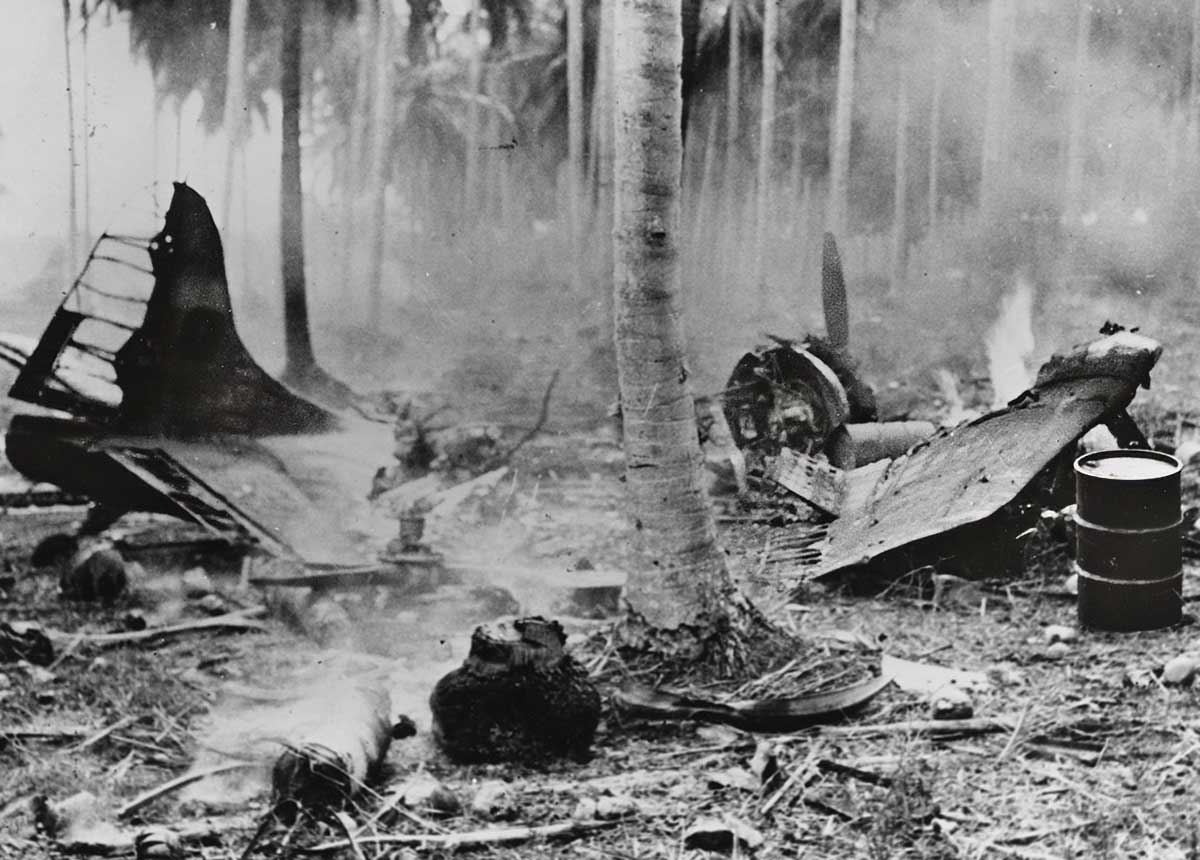
Several factors made Henderson airfield, named for a deceased Marine, crucial to the battle. First, preventing Japan from using the airfield. Second, Henderson became known as an “unsinkable aircraft carrier” because of its immovable nature and strategic importance. The U.S. was able to carry out strikes or interceptions during the day with at least nine Marine, Army, and Navy squadrons. Due to American airpower, the Japanese resorted to fast destroyers to move supplies. However, the airfield became the target for all Japanese raids.
From August to December, constant air battles raged over Henderson, intermingled with bombing raids. At night, Imperial Navy ships snuck in to shell the airfield. Two battleships, the Haruna and Kongo, fired 989 14-inch shells at Henderson on October 11 and 12. The Japanese also launched three significant attacks, all futile, with hundreds of casualties. The fighting around Henderson Field was as deadly as any in World War II.
The Clash of Giants: November 1942
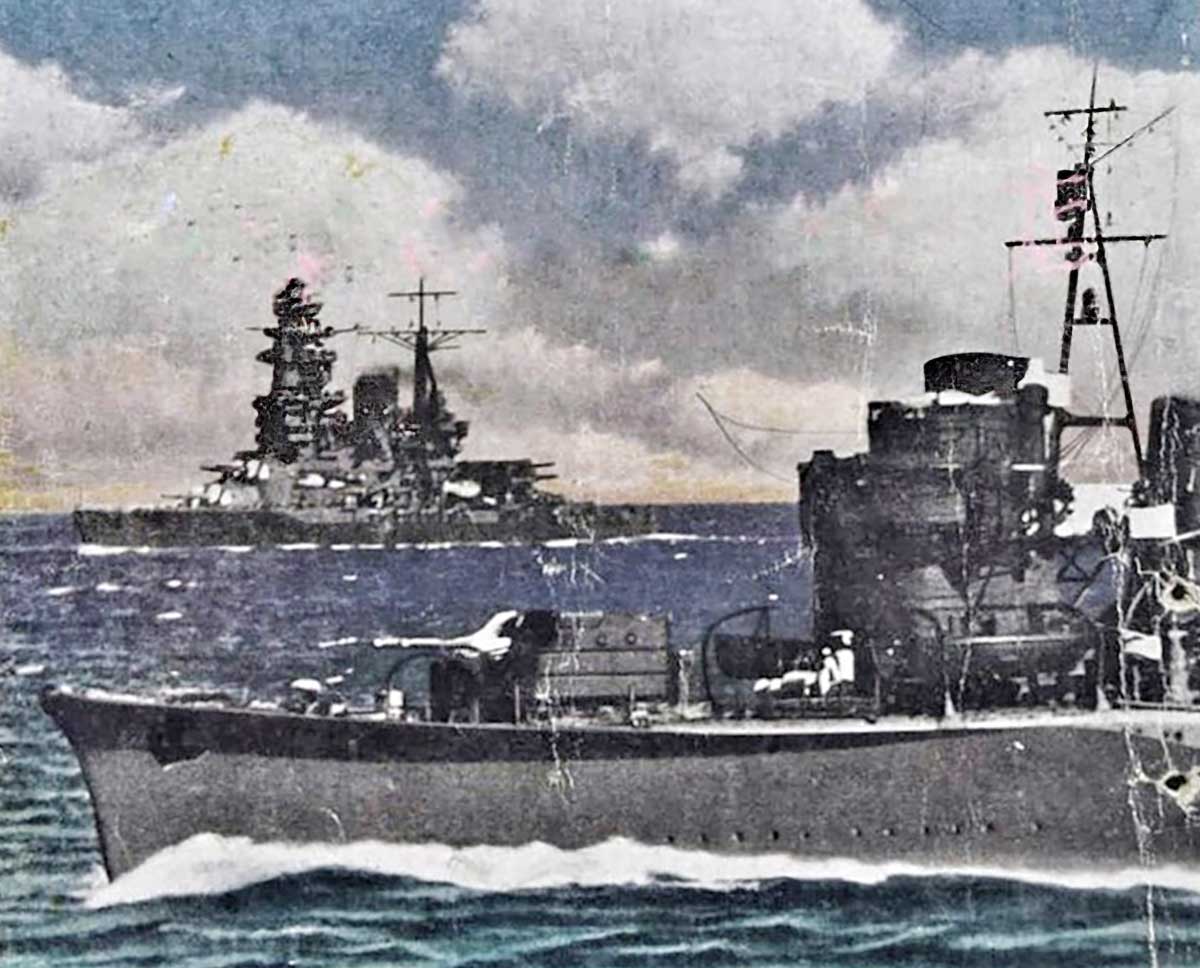
Like heavyweight boxers, the U.S. and Imperial Navies danced nightly around the waters of Guadalcanal. Both flung huge battlewagons into the melee. The Japanese tried to get desperately needed food to their starving troops. The U.S. sought to deny that and protect its forces.
In one of the last battleship-only fights, the South Dakota and Washington tangled with the Japanese Kirishima on November 12th and 13th. The South Dakota, damaged by the Kirishima, fell away, leaving Washington to fire point-blank and sink the Japanese battleship.
Japanese nightly supply runs dubbed “The Tokyo Express”, using fast destroyers, suffered heavy losses. During the day, American planes dominated the skies, sinking any ship discovered. Soon, Japanese submarines took over supplying, but they only carried enough supplies for the next day. At least three large convoys were pulverized by airpower trying to sneak into northern Guadalcanal.
Jungle Conflicts: 1942-1943
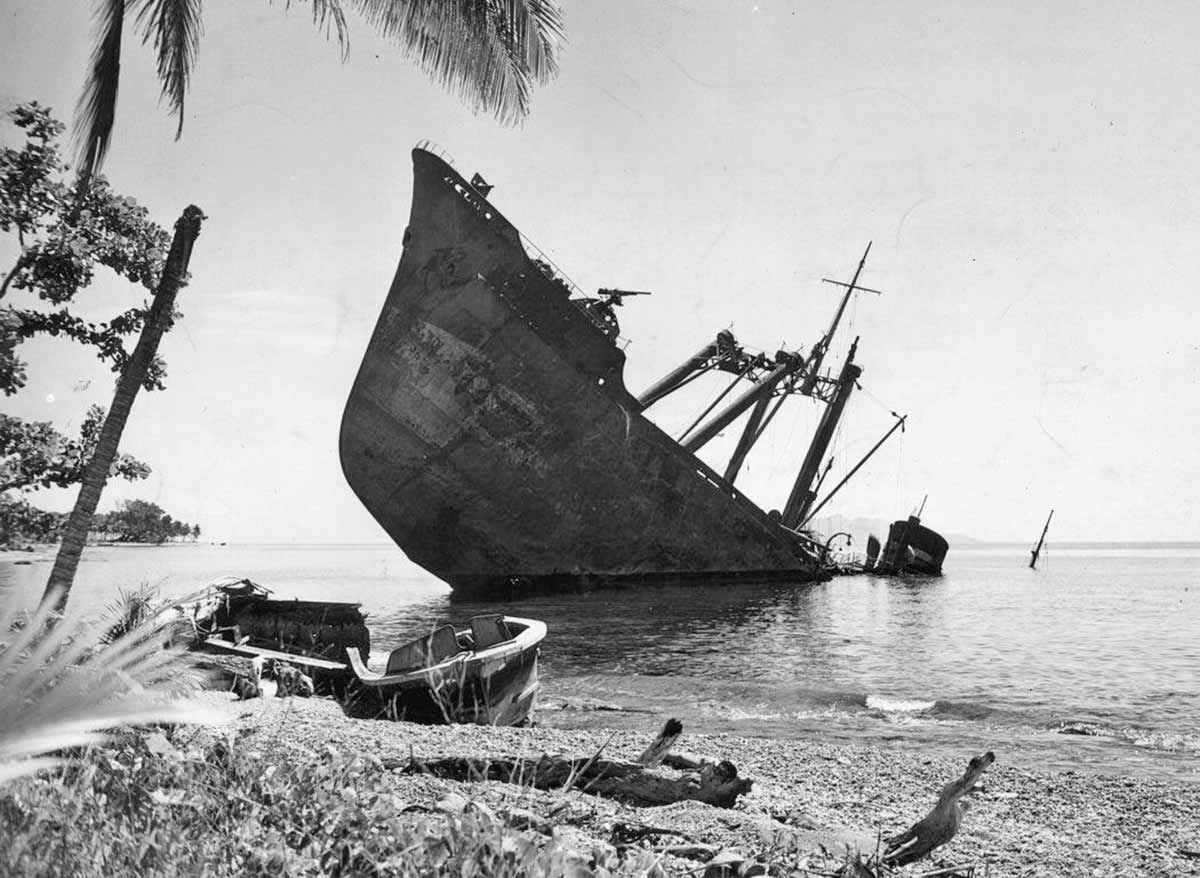
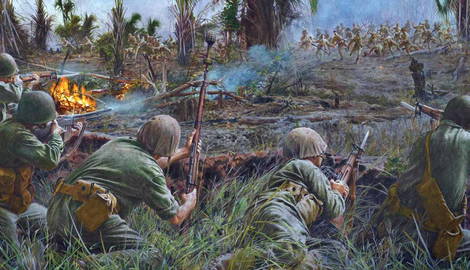
As fighting moved from sea to land, famous Guadalcanal fights include the Battles of the Tenaru, Henderson Field, and Bloody Ridge. The Americans brutally fought off tough Japanese attacks, but the Japanese could not replace or sustain their troops. The jungle was everyone’s enemy with nasty diseases like mosquito-borne malaria, dysentery, and jungle rot.
Evacuation & Conclusion
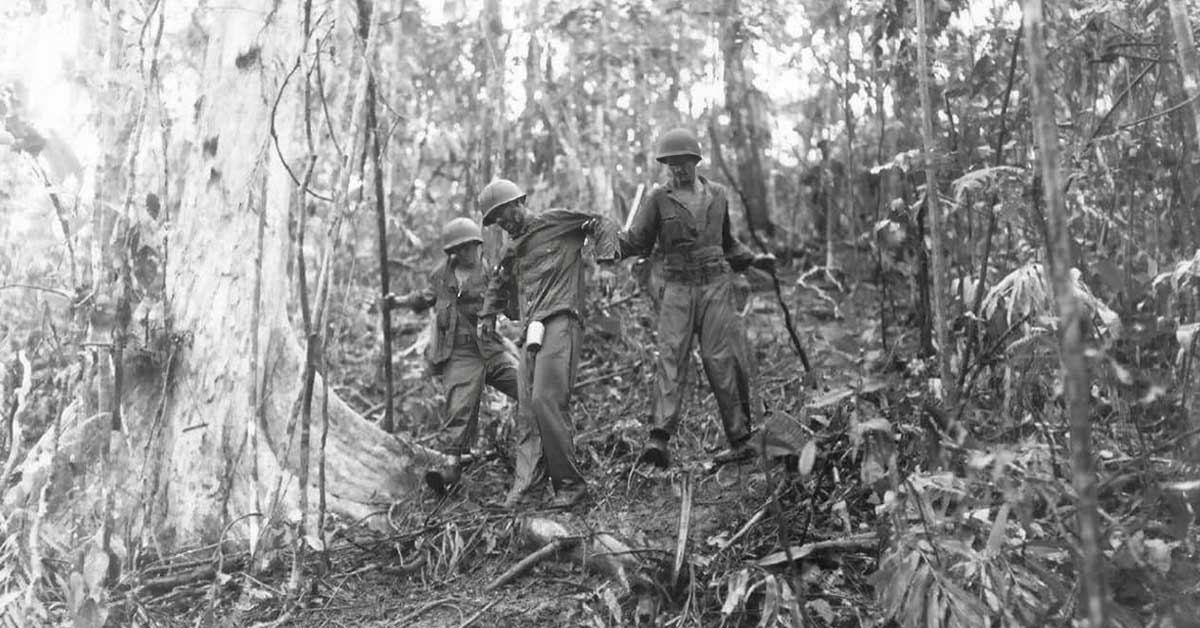
In January 1943, Japan decided to evacuate Guadalcanal. Staggering, irreplaceable losses of aircraft and ships swayed the decision. And with no control of the seas, Japanese troops began to starve and could not fight. In a clever but risky effort called Operation Ke, the Japanese navy used fast destroyers to evacuate its forces with few losses. By February 9, 1943, no Japanese remained on Guadalcanal.
Japan’s painful defeat at Guadalcanal checked further expansion. Future battles were all defensive, consolidating previous gains. With America’s industrial might growing, fighting in the Pacific became a war of attrition, and the Japanese could not compete.