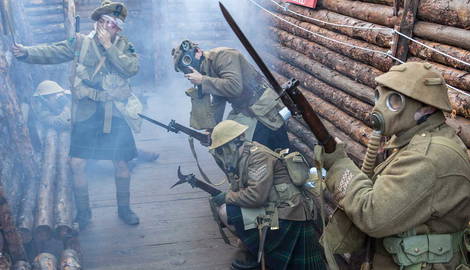
At the start of World War I, it was expected that hostilities would be over in a few weeks, and perhaps everyone would be home for Christmas. This thinking was understandable given the historical precedent for short wars that involved battlefield maneuvering, a few clashes to determine who held the upper hand, and the hammering out of a political deal.
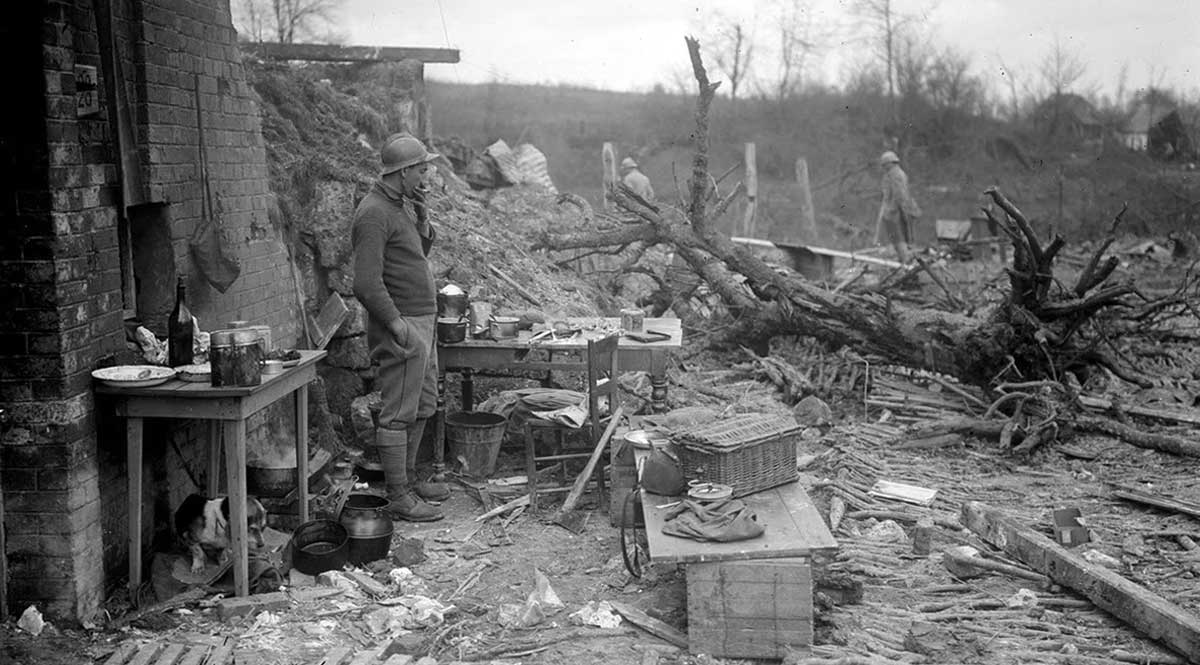
But four years later, in the miserable mud and churned up hell of the Western Front, soldiers were still facing off, with millions having become victims while the frontlines remained mostly static.
Why Was This War Different?
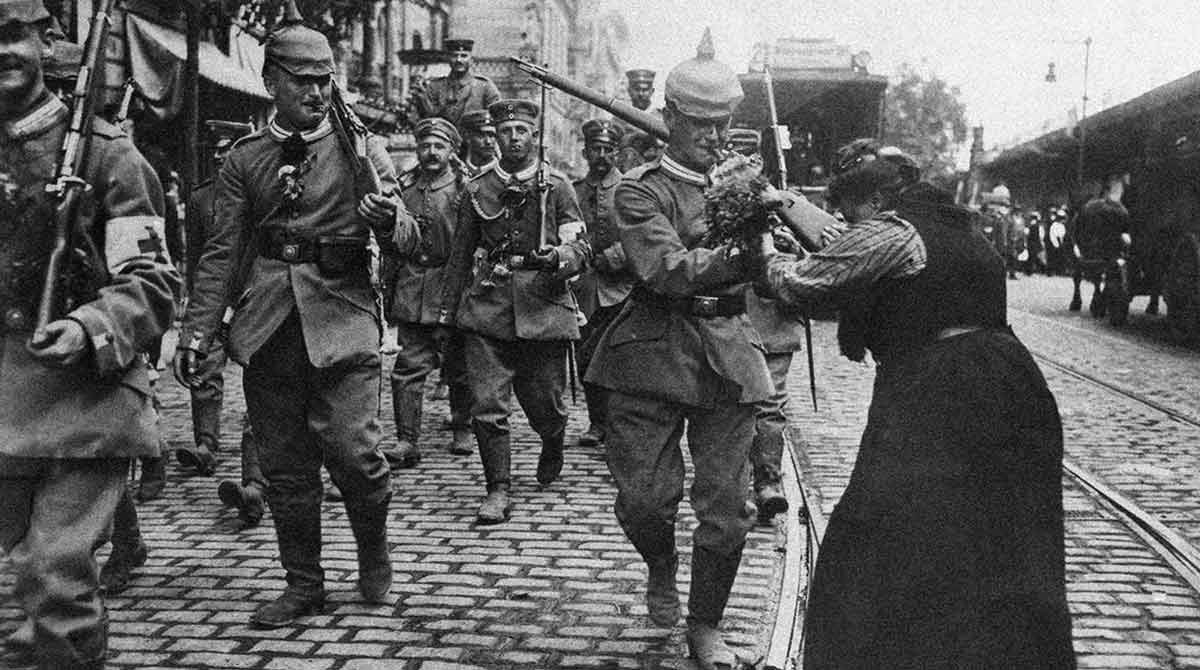
World War I was a war like no other. It was the first truly total war in which the resources of entire nations were pitted against one another. This type of warfare blurred the distinction between combatants and civilians, as is shown by the bombing of towns and attempts to starve civilian populations. This war unlike many before it, involved states mobilizing all of their human and material resources.
By the same token, victory would not be just on the battlefield but by the complete domination of the defeated enemy nation. The struggle was military, economic, and political. This is shown by the peace treaties after the war, which addressed all these issues in the hope that this was “the war to end wars,” in a phrase coined by H.G. Wells. It was, like most wars, one of science and technology, but now this was harnessed to modern industrial power, which could mass-produce weapons of destruction.
How Did the Battlefield Become Deadlocked?
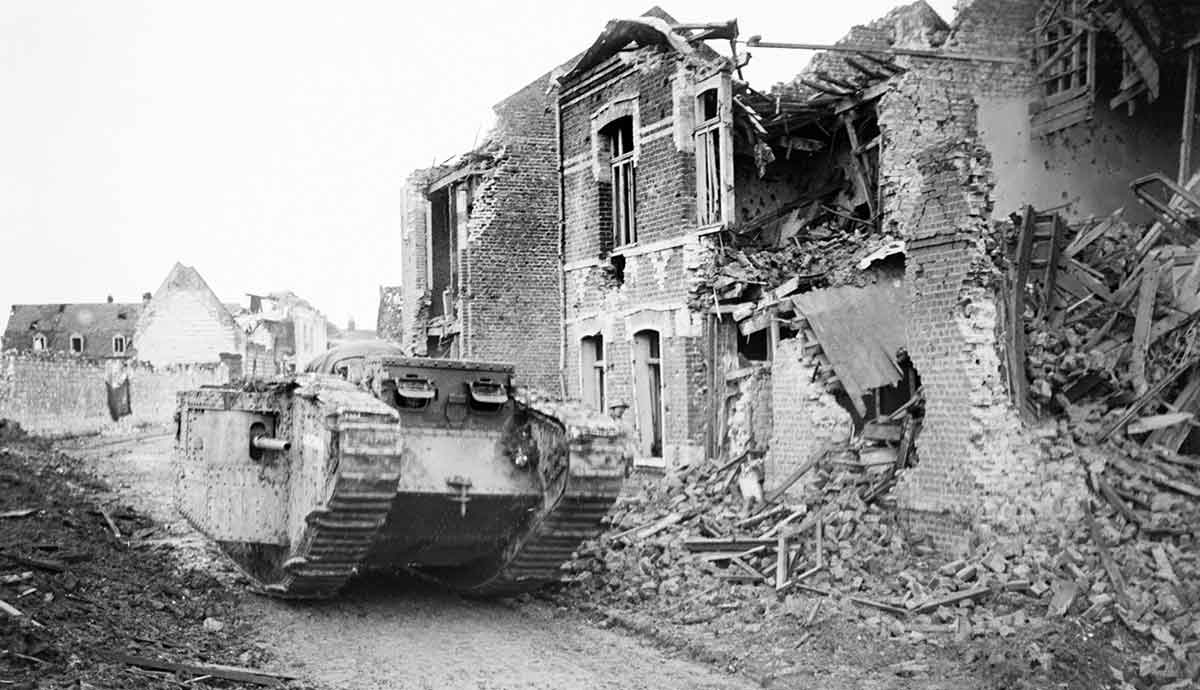
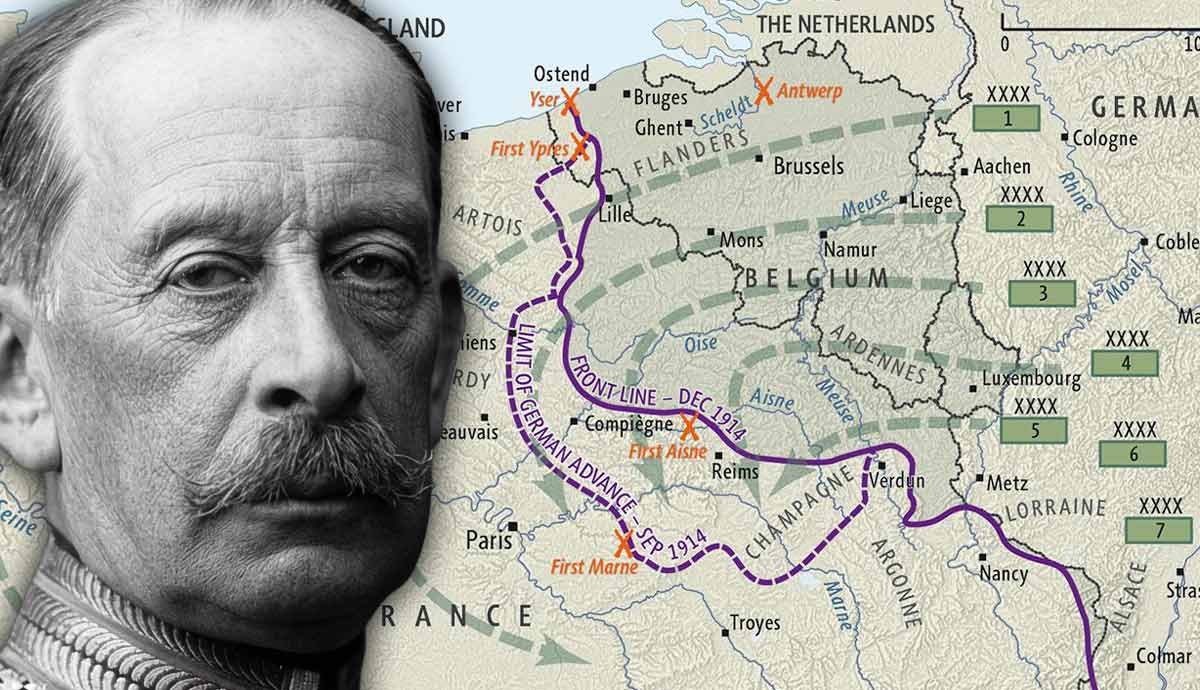
The Western Front was the decisive theater of the land war, and it was here that each side deployed most of its resources. When the war began, both the French, with Plan XVII, and the Germans, with the Schlieffen Plan, hoped for a rapid and decisive victory, but by early November 1914, both had failed. A stalemate ensued and lasted for most of the next four years. The front moved less than one hundred miles west to east between October 1914 and the armistice in November 1918.
Despite enormous losses, such as 337,000 Frenchmen lost at Verdun, there was no breakthrough. New technologies, such as poisonous gas, aircraft, flamethrowers, and tanks, all promised much but were ultimately countered. Defense, in the form of sophisticated trench systems, was always dominant. Additionally, railways could easily reinforce a defensive position while supplies for the offence were carried by horse-drawn wagons or trucks, often operating over severely shelled terrain. It was only with the arrival of American troops and equipment that a breakthrough was achieved. German resistance began to falter in July 1918, but it was not until November, with their front line still intact, did Germany asked for an armistice.
Economic Warfare
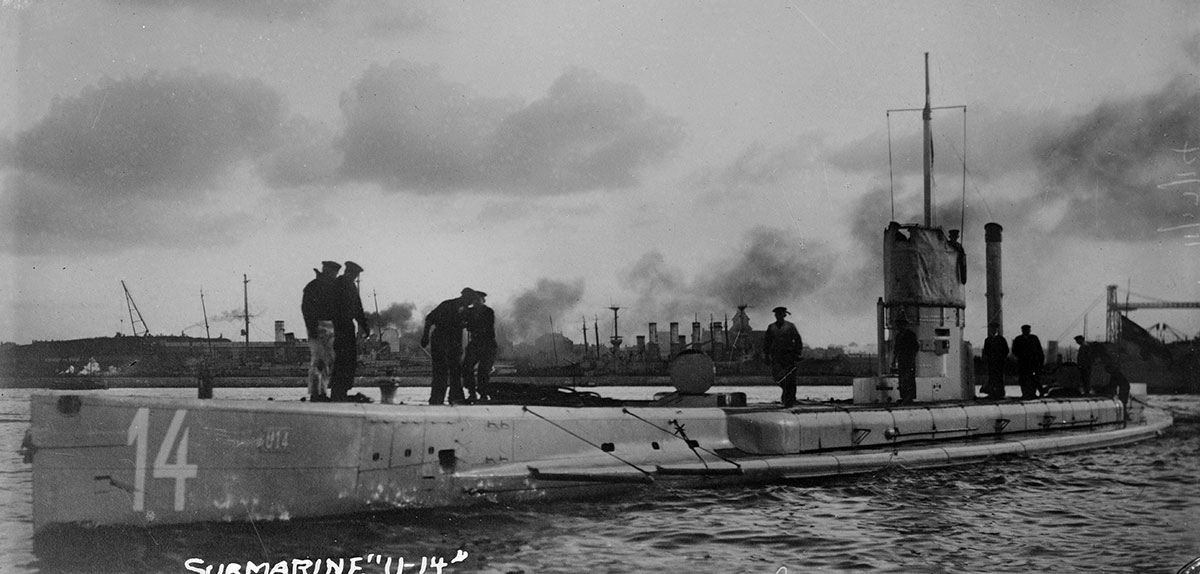
With neither side achieving a breakthrough on the battlefield, the war became one of attrition. Both sides tried to destroy the enemy’s economy and civilian morale by cutting vital imports. Britain and France had blockaded Germany from the start of the war, while Germany’s U-boats and surface raiders attacked British and French ships at sea. This type of warfare obviously took time to have an effect due to pre-war stockpiles and government controls.
Economic warfare was effective, however, and Germany introduced civilian food rationing in 1915, followed by Italy, France, and Britain. This became more severe as the war progressed. The adoption of the convoy system and the entry of the USA into the war in April 1917 began to defeat the U-boats. In Germany, by 1916, the blockade was affecting the economy, the population was gradually starving, and the front-line troops were not as well fed as their British and French counterparts. There were food riots as early as Autumn 1915, and cases of death by starvation increased among the civilian population.
Overall, the economic power of France and Britain was 50% more than Germany, and they had more men of military age. Time was on their side, even after Russia was knocked out of the war. All the protagonists were unprepared for this new type of total, attritional conflict, and output of many vital supplies declined initially. Eventually, all the major powers had transformed themselves into war economies, completely dedicated to victory, but it took time.
Could There Have Been Peace Before 1918?
There were several attempts during the war to reach a settlement, beginning with international socialists in 1914 and 1915. With the impasse on most fronts, the strain on all combatants was beginning to tell by 1916. In November, Austro-Hungary tried to leave the alliance with Germany, negotiating with the Entente. There were anti-war demonstrations in Germany from 1916; in 1917, there were mutinies in the French army; and in Britain, there was government consideration of a negotiated peace.
President Wilson of the USA tried to mediate between the fighting powers in December 1916, but the war aims of the major powers were incompatible, and the initiative foundered. Russia and Germany agreed to an armistice in December 1917. This was followed by a peace treaty in March 1918. This, however, had the effect of lengthening the war as it enabled Germany to transfer huge forces to the Western Front and launch the Michael Offensive that month. Although the attack failed, it advanced the German line 40 miles, which had to be retaken by the Allies in the final battles.
The ‘Nation in Arms’: No Quick Victory
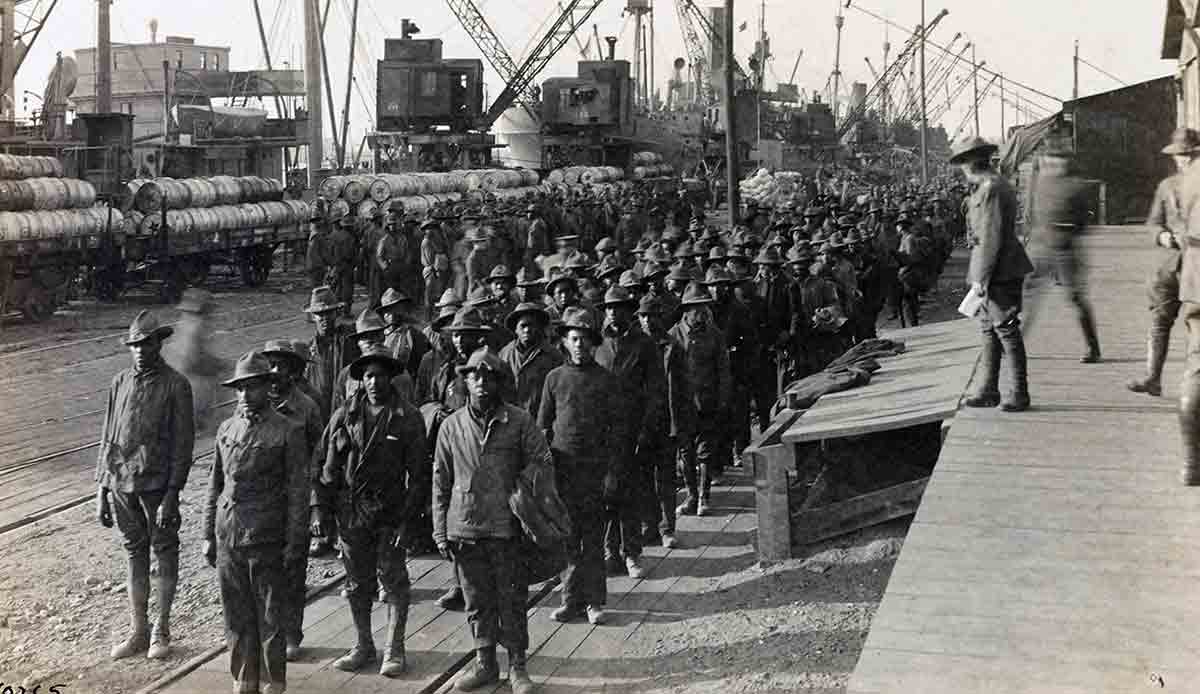
France and Britain, even without the USA, were by 1918 industrially and militarily superior to Germany and Austria-Hungary. Germany, however, was still a large, powerful, and resource-rich nation. The war became one of attrition on the military, civilian, and economic fronts. The latent superiority of the Allies took time to realize, and even by Autumn 1918, when the German army was beginning to crack, it still took more than two months before an armistice could be called. In this new type of total war, the entire nation had to be defeated, not just its armies or navies, and this took time.