
1968 was one of the most sociopolitically tumultuous years in American history, featuring aggressive movements against racism, the Vietnam War, and sexism. A large counterculture movement, whose adherents were often known as “the Hippies,” criticized the government and traditional social norms. Moderates were caught in the middle, often dissatisfied with the bloody Vietnam War, lingering racism, and institutionalized sexism but wary and exhausted of loud protests. After the riots at the Democratic National Convention (DNC) in Chicago in August 1968, the government put eight (later reduced to seven) anti-war protest leaders on trial. What would the Trial of the Chicago Seven reveal about America?
Setting the Stage: The Anti-War Movement
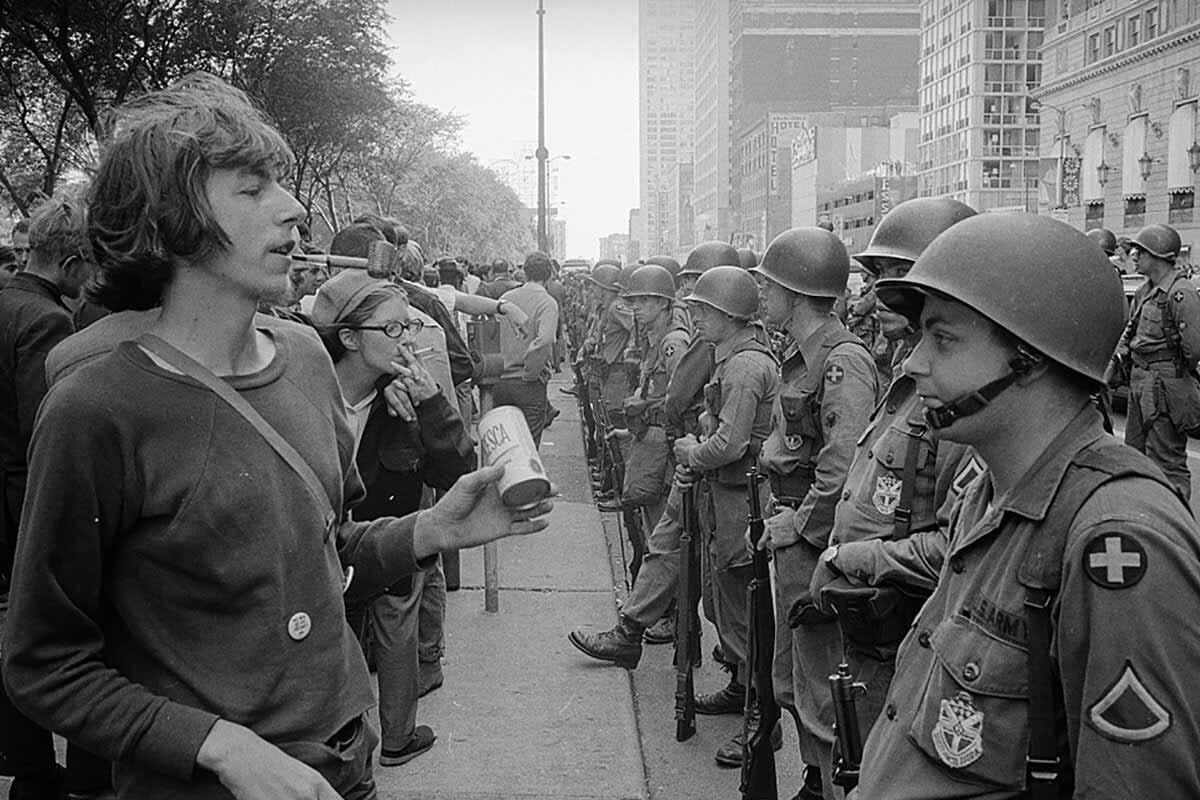
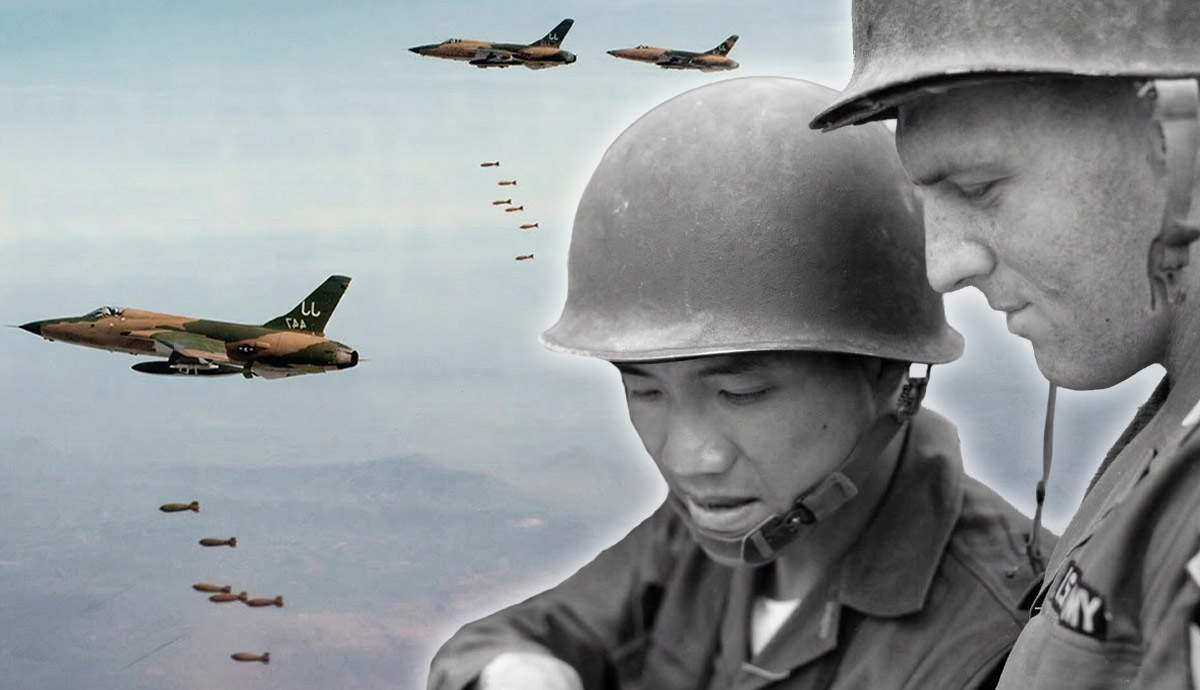
The Vietnam War became increasingly controversial in the United States as it escalated after the Gulf of Tonkin Resolution in the autumn of 1964. Despite more and more US ground forces committed, the communist forces of the North Vietnamese Army (NVA) and Viet Cong (VC) guerrillas remained unbeaten. Between 1965 and 1967, the administration of US President Lyndon Johnson frequently asserted that victory was close at hand. However, in January 1968, the Tet Offensive by NVA and VC forces across South Vietnam revealed that the enemy was still strong. This dramatically increased support for the anti-war movement, which had been growing over the past few years.
Unlike previous foreign wars, the Vietnam War was viewed with skepticism by many young Americans. Unlike World War I, World War II, and the Korean War, there was no definitive act of aggression against the US or its ally, South Vietnam. The Vietnam War, in fact, was allegedly provoked by the US and South Vietnam suspending elections that were to be held in 1956. Additionally, it was harder for many Americans to see the Vietnam War as crucial to US security, especially since it escalated over time instead of erupting with a large-scale invasion. Finally, the controversial nature of the draft (conscription) led many young Americans to see the government as willing to sacrifice innocent citizens in the name of halting the spread of communism.
August 1968: The DNC Riots
The year 1968 was one of the most tumultuous years in US history. After the surprising Tet Offensive, the US suffered through two tragic assassinations: Civil Rights leader Dr. Martin Luther King, Jr. was killed in April, and US Senator Robert F. Kennedy (D-MA) was killed in June while running for president. US President Lyndon B. Johnson, a fellow Democrat, had announced in March that he would not run for re-election, sowing political turmoil. Unrest in America was high, particularly in urban areas—summers since 1965 had featured riots in major cities as minority communities reacted angrily to perceived racism and brutality in law enforcement.
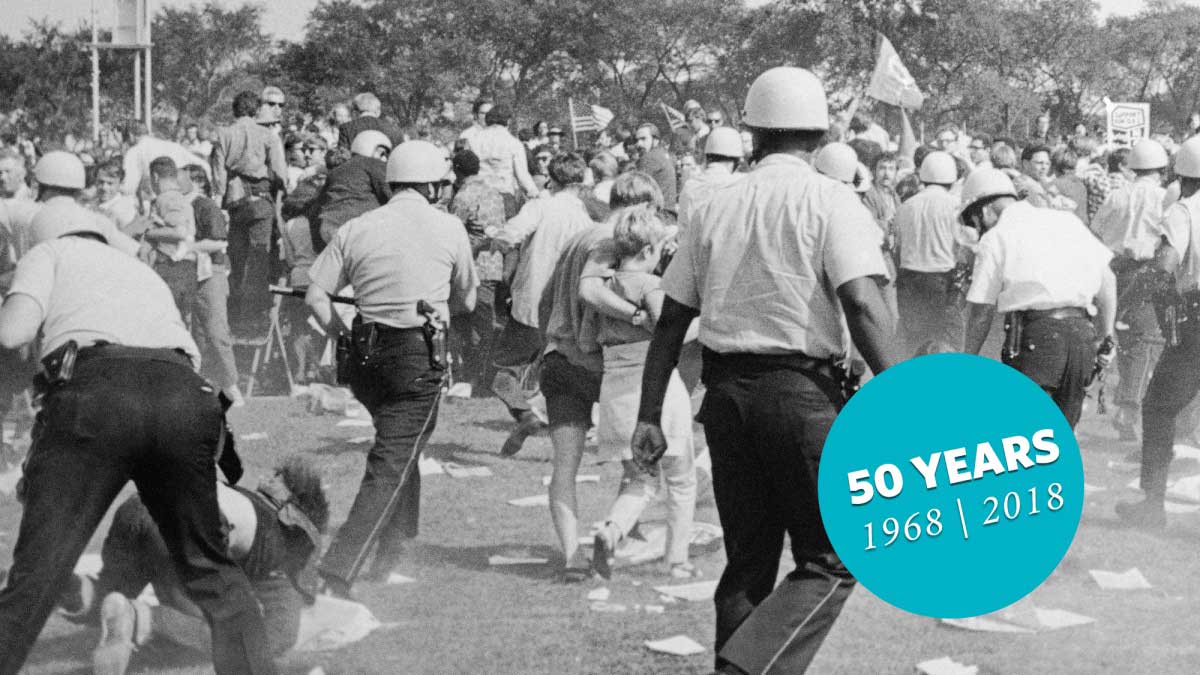
Many protesters against the Vietnam War, the draft, racism, and the Johnson administration planned to protest at the Democratic National Convention (DNC), which would be held in Chicago at the end of August. Aware of the plans to protest, the Chicago police and Illinois National Guard were mobilized in force and told to deal aggressively with protesters. The DNC Riots erupted, though many onlookers blamed overly aggressive law enforcement for the violence. Famously, the violence was broadcast on television, coining the phrase “the whole world is watching!” on August 28, 1968. Ultimately, the DNC was relatively unaffected and chose Vice President Hubert Humphrey, who had not run in the primaries, as the party’s presidential nominee.
Autumn 1968: “Law and Order” Carries the Election
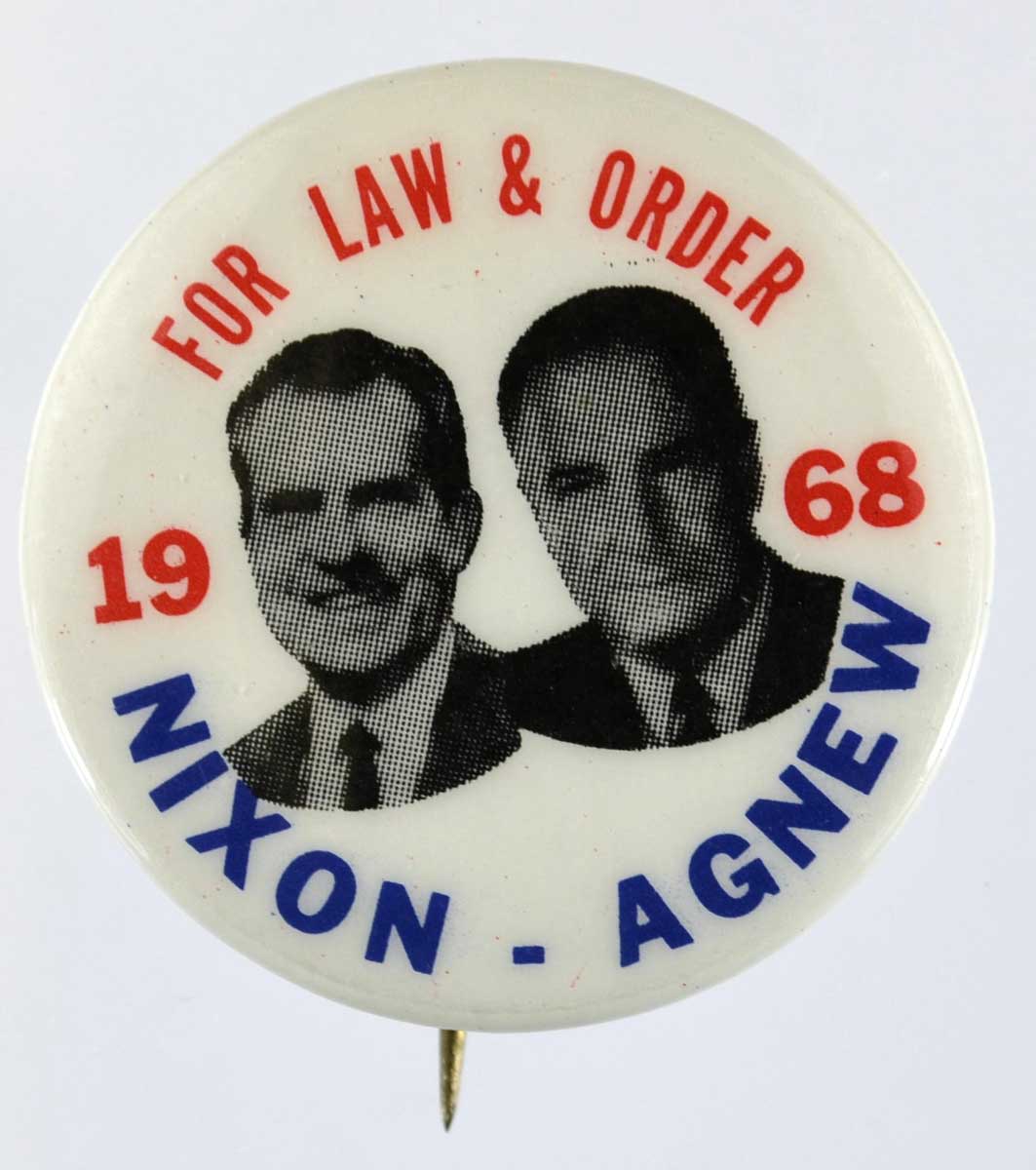
The DNC Riots did not have the intended effect on the public. Instead of sympathizing with the protesters, many middle-class Americans were tired of the past four years of urban unrest and demanded “law and order.” This was to the great advantage of Republican presidential nominee Richard Nixon, former vice president under Dwight D. Eisenhower, who was running on such a platform. Nixon claimed to represent the “silent majority” of Americans who were not loudly protesting and wanted to return to normalcy. Although Nixon’s surge of support after the DNC Riots eroded during the autumn, he kept enough to win the 1968 presidential election in November.
In the aftermath of the DNC Riots, the government investigated those allegedly responsible for the protests-turned-riots. Investigators focused on the Yippies (Youth International Party members), who had applied for public march permits in Chicago ahead of the DNC. In Congress, the House Un-American Activities Committee (HUAC) investigated the riots, and two eventual members of the Chicago 7, Abbot “Abbie” Hoffman and Jerry Rubin, interrupted their proceedings with mockery. The National Commission on the Causes and Prevention of Violence later issued the Walker Report, named after leader Daniel Walker, which blamed the police for escalating the violence.
Anti-Riot Provision of Civil Rights Act of 1968
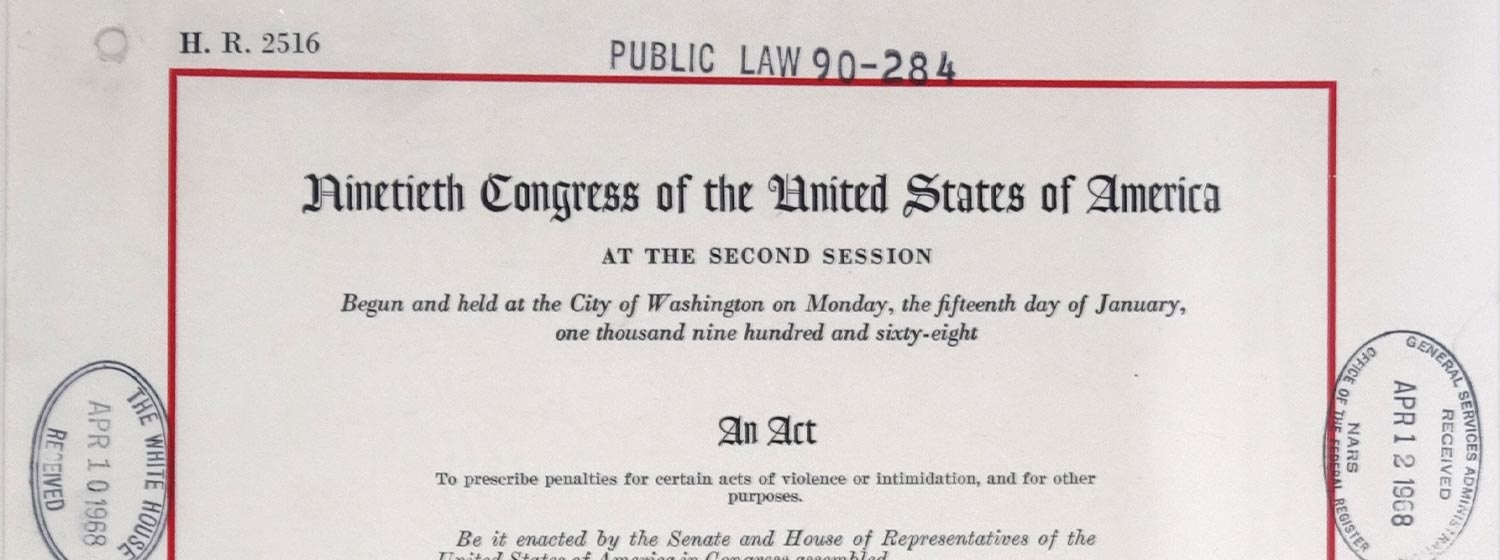
The government had a new tool to prosecute the alleged instigators of the DNC Riots: the Federal Anti-Riot Act, or Title X of the Civil Rights Act of 1968. Those who engaged in interstate travel to incite, encourage, or participate in a riot could be charged under this Anti-Riot Act. The Act was inspired by the race riots of 1965-67, with critics arguing that the law was more of a tool for repressing African American protesters than preventing violence. Since many protesters at the 1968 Democratic National Convention had arrived from out of state, prosecutors could argue violation of this new law in federal court.
Historically, tension has always existed between the right to protest and the government’s mandate to maintain law and order. At what point does peaceable assembly, protected by the First Amendment of the US Constitution, become not peaceful? And what constitutes the definition of ambiguous terms like “incite” and “encourage”?
Laws prohibiting “incitement of violence” became more common in the United States circa 1902, following the assassination of US President William McKinley. The Smith Act of 1940 was a federal law prohibiting any attempt to “advocate,” “abet,” or “teach” the violent overthrow of the US government, with the US Supreme Court narrowing its acceptable use in the late 1950s.
September 1969: Indictments of the Chicago 8
Using the Anti-Riot Act of 1968, a federal grand jury handed down indictments in March 1969 for eight protest leaders involved in the DNC Riots. The jury also indicted eight police officers. This would be the first prosecution under the Anti-Riot Act, providing a “law and order” test for the new Nixon administration. Six of the protest leaders indicted were widely known leftist advocates, while the remaining two had smaller profiles. As the outgoing Johnson administration had not pursued prosecutions, some thought the Nixon administration’s pursuit of trials was politically motivated.
Those indicted argued that they had only planned for peaceful assemblies, with Tom Hayden and Rennie Davis having written in May 1968 that violence would turn off potential supporters. Dave Dellinger, an avowed pacifist, had even accepted prison time during World War II rather than being drafted into the conflict. Thus, some viewers saw the prosecutions as political rather than legal, with the Nixon administration charging peaceful “hippies” with violence when the defendants had actually advocated anti-violence. The other five defendants, however, had no such anti-violence publications or speeches to provide a pre-made defense.
The (Mis)Trial of Bobby Seale
Controversially, one of the eight men charged by prosecutors was Bobby Seale, co-founder of the Black Panther Party. Seale had not planned any of the DNC protests and had only provided a single short speech to protesters in Chicago. Unfortunately for Seale, his inflammatory language in the speech was considered by some to advocate violence against police officers (though he only referenced using force after the officers struck first with “a billy club”). Linking Seale, a co-founder of the Black Panthers, to the anti-war protests could be seen as the Nixon administration pushing back against Civil Rights protests as well.
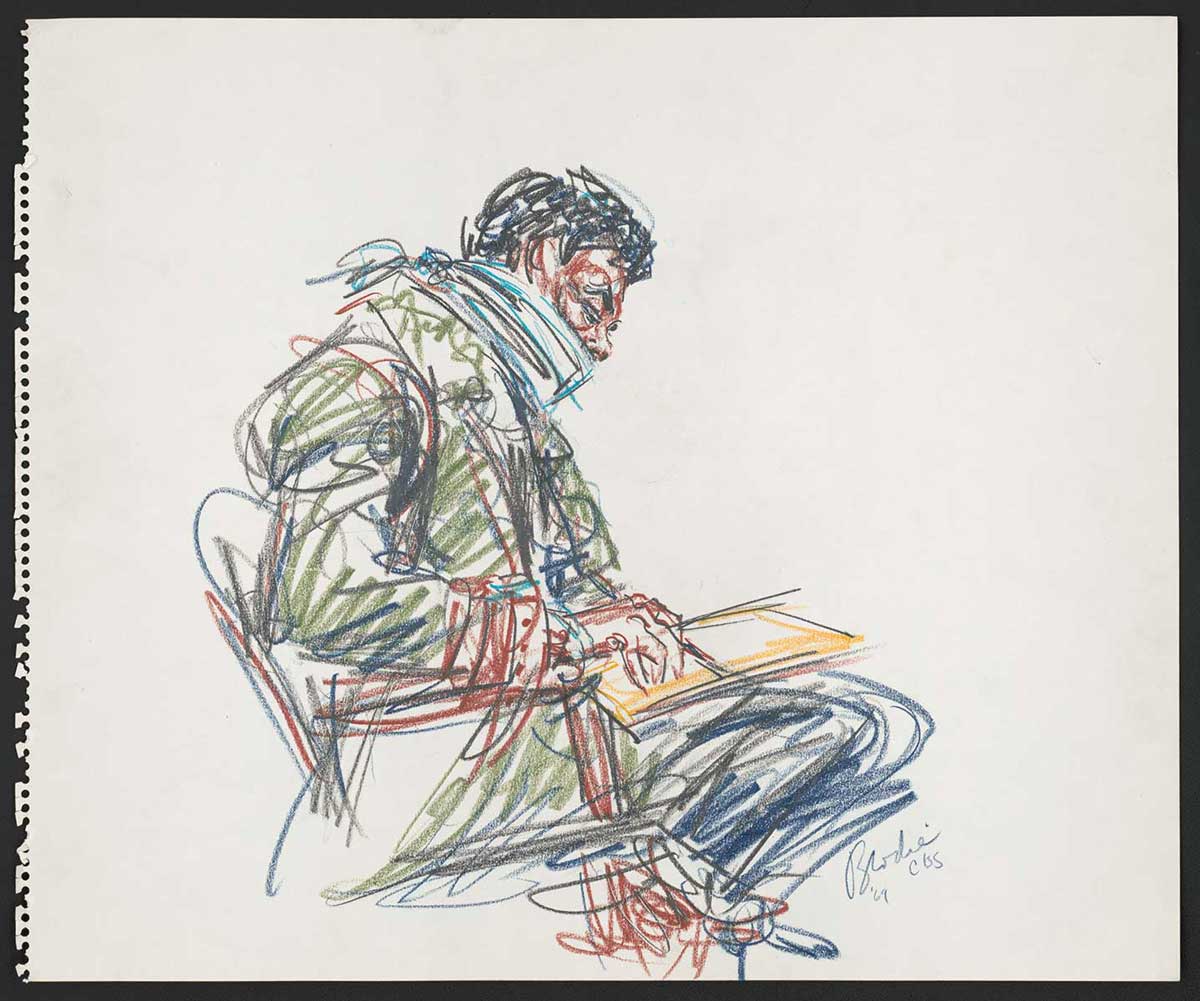
Controversially, Seale was bound and gagged during trial after regularly rising to his feet to protest decisions made by federal district court judge Julius Hoffman, especially refusing to grant Seale a continuance or the right of self-representation when his desired lawyer was unavailable due to medical circumstances. Hoffman argued that binding and gagging Seale was necessary to maintain the trial, while critics argued that it was excessive and brutal. On November 3, 1969, after letting Seale return to the trial without restraints or the gag, Hoffman declared a mistrial on the conspiracy to incite a riot charge and sentenced the defendant to four years in prison for contempt of court after the defendant made another outburst.
The Chicago Seven on Trial
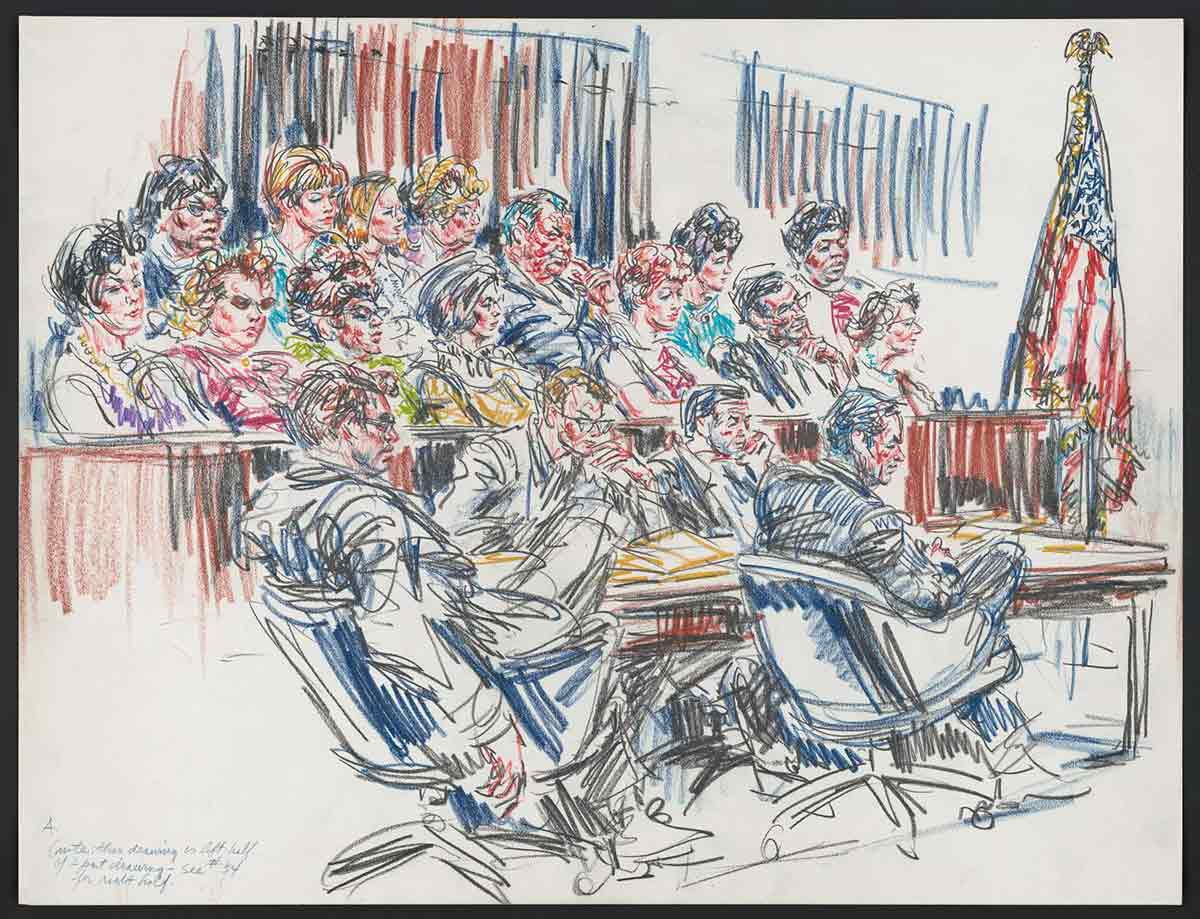
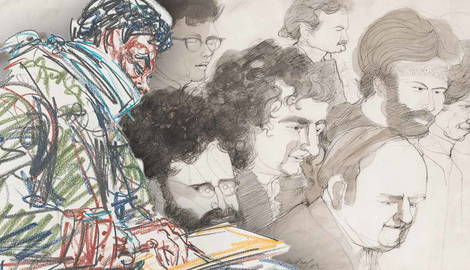
With Seale gone, the Chicago Eight became the Chicago Seven. Although not as disruptive as Bobby Seale, the remaining defendants were outspoken and irreverent in their dress and mannerisms, giving the media plenty of interesting coverage. Many newspaper readers (as cameras were not allowed in the courtroom) eagerly followed the trial, which was seen as putting the entire hippie, counterculture, and anti-war movements on trial. The crowded defense table, usually littered with debris from snacks, contrasted sharply with the orderly and suit-wearing prosecution table.
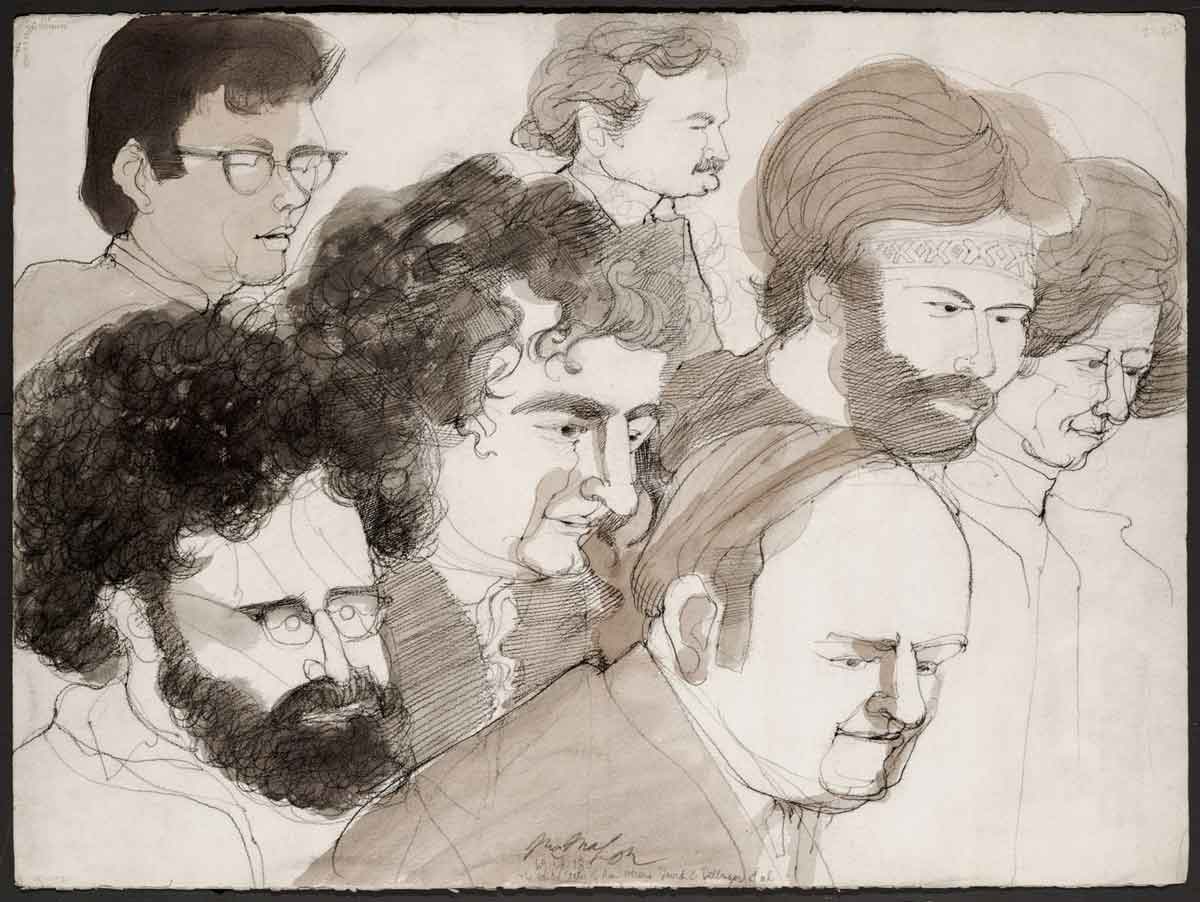
The prosecution witnesses included three law enforcement officers who had gone undercover as members of the leftist protest movements. Many observers felt that Judge Hoffman was heavily biased in favor of the prosecution and allowed inflammatory but irrelevant evidence, such as aggressive speeches made by defendants long before the DNC Riots. Simultaneously, Hoffman denied defendants the right to introduce pre-DNC writings calling for peaceful protest only. For three months, the courtroom was a relative circus as the seven defendants frequently refused to stand for the judge, used colorful language, and put their feet on the defense table.
Contempt Convictions of the Chicago Eight
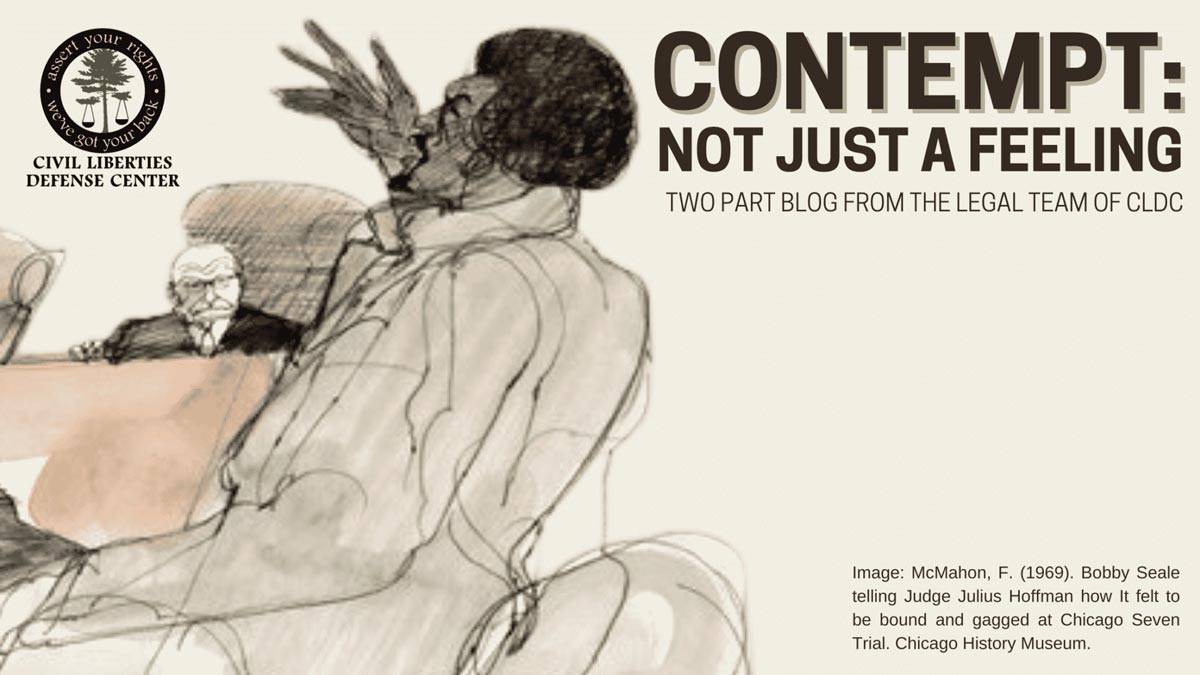
Beginning with Bobby Seale, the eight defendants and two defense attorneys, William Kunstler and Leonard Weinglass, were held in contempt of court by Judge Hoffman. These convictions, made only by the judge instead of by the jury, were handed down shortly after the jury began deliberating on the charges of inciting a riot and conspiracy. Hoffman had even been hostile toward the defense’s pretrial lawyers, holding them in contempt and attempting to jail them, but was reversed by another federal court for failing to cite an offense.
Throughout the trial, the judge and the defense table verbally sparred with each other. Hoffman was openly antagonistic to the defense and portrayed them as outsiders before the Illinois jury, while defense attorneys Kunstler and Weinglass questioned Hoffman’s integrity. This sparring led to 159 convictions of contempt of court. Kunstler received a four-year total sentence for his counts of contempt of court, while Weinglass received a year and eight months. Of the Chicago Seven, Dave Dellinger received the most punishment—over 29 months—and John Froines and Lee Weiner received the least punishment at only five months.
February 1970: Verdicts Announced
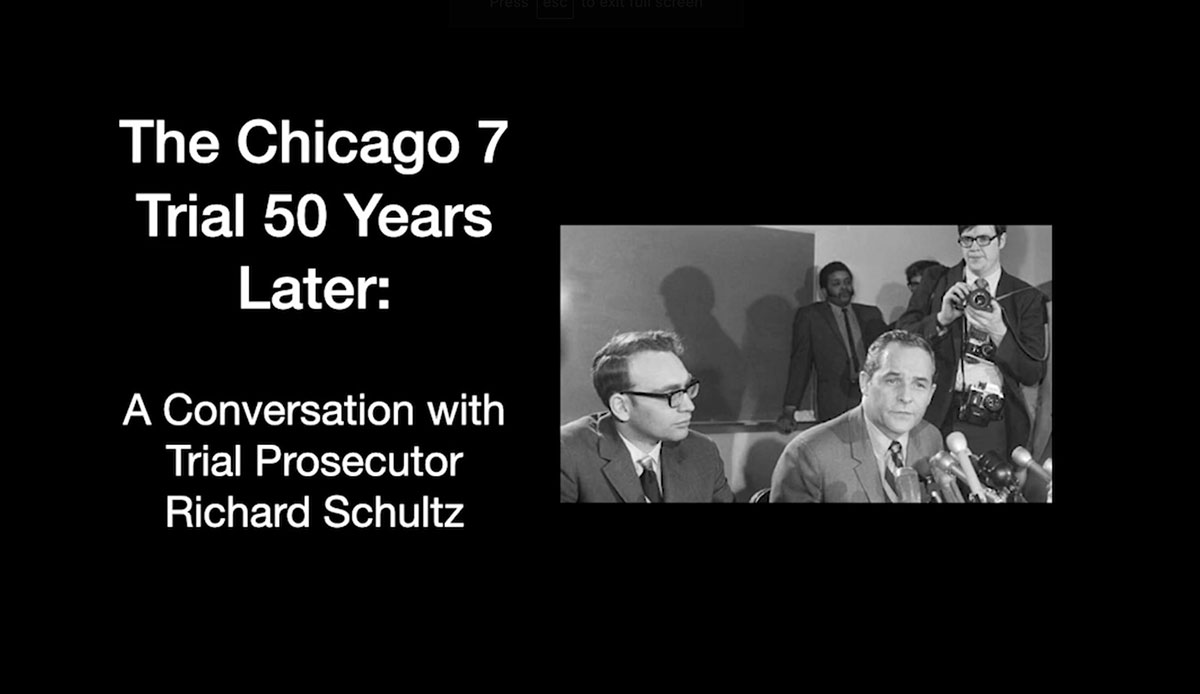
With contempt of court sentences already handed down by Judge Hoffman, everyone awaited the jury’s verdict on the criminal charges. The jury struggled to find consensus during deliberation, but Hoffman ordered them to continue deliberating rather than declare a mistrial. Eventually, a compromise was reached, with the jury acquitting all defendants on the charge of conspiracy, finding that the Chicago Seven did not plan with each other. However, on February 18, 1970, the jury convicted five of the seven defendants on the charge of inciting a riot under the 1968 Anti-Riot Act. John Froines and Lee Weiner, the least known of the seven, were acquitted.
The five guilty men—Tom Hayden, Rennie Davis, Abbie Hoffman, Jerry Rubin, and Dave Dellinger—were all sentenced to five years in prison and a $5,000 fine each by Judge Hoffman on February 20. Each man was allowed to make a statement before sentencing, and they were collectively defiant. Most opined that the prosecution had made them far more powerful, as the public now knew their work. One commended Hoffman on becoming the country’s “top Yippie” by proving the Yippies’ points about criticizing mainstream conservatism. Another suggested the judge try LSD.
November 1972: Appeals Court Reverses Convictions
The Chicago Seven and their two attorneys were released from jail on February 28, 1970 and promptly appealed their convictions. In May 1972, some contempt convictions were dismissed by the US Seventh Circuit Court of Appeals, which found that Judge Hoffman had been too aggressive in citing the defense attorneys. A new district court judge upheld some of the contempt convictions but did not sentence the defendants to new punishments. The circuit court clarified that judges could not punish defense attorneys for “reasonable persistence” in defending their clients or for the misbehavior of clients when such behavior was not encouraged by the attorney.
On November 21, 1972, the Seventh Circuit overturned all criminal convictions of the Chicago 7. Although the court upheld the constitutionality of the Anti-Riot Act of 1968, it found that Judge Hoffman had been unfairly biased against the defendants. Hoffman’s behavior had been so egregious that it denied the defendants’ constitutional guarantee of a fair trial. Specifically, the appellate court criticized Hoffman’s demeanor toward the defense, as well as his allowing prosecutors to use inflammatory language when describing the defendants. In January 1973, the US Department of Justice announced that it would not re-try the defendants, allowing them to remain free. That same month, the United States agreed to end all combat operations in the Vietnam War as part of the Paris Peace Accords.