
Britain’s plight after the Battle of France in 1940 exposed Britain’s limited industrial base. Despite several years of preparing and even buying some American weapons, that base couldn’t meet that need. Though Germany had a military edge in several areas, Britain excelled in other areas (such as radar). But to exploit any edge, Britain needed a partner. With its unmatched manufacturing capabilities, the United States became that collaborator. Their cooperation began well before Pearl Harbor.
Connections and Breakthroughs
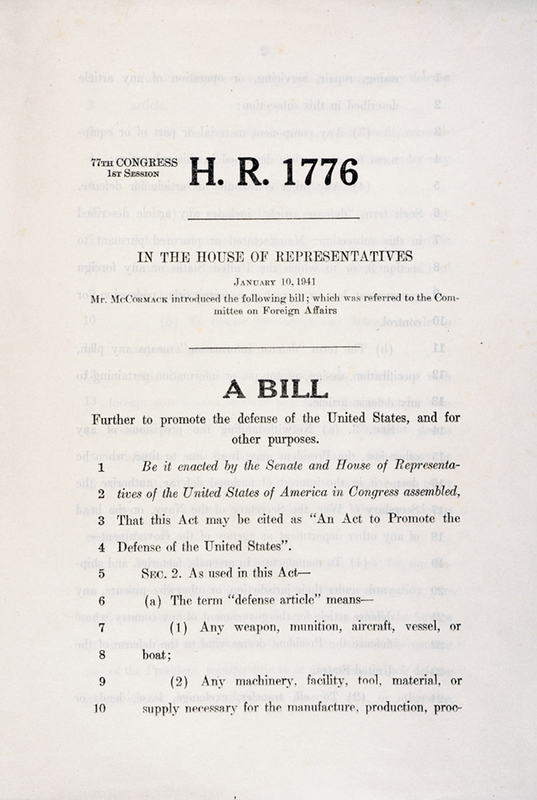
From 1939, American participation in the war slowly increased. President Roosevelt’s December 1940 “Arsenal of Democracy” speech and the 1941 Lend-Lease Agreement made America’s political stance clear. Britain’s Tizard Mission, dispatched before both (September 1940), offered British technical secrets to sweeten the pot.
British secrets in 1940-1941 were very cutting-edge due to wartime innovation. One such example was the coastal chain of radars, which enabled the numerically smaller RAF to intercept Luftwaffe bombers. Thus, items such as radar, Ultra intercepts, and the cavity magnetron became enticements to the relationship.
Depression and Isolationism

1940 saw America still recovering from the Great Depression. During this terrible time, the downturn created slack. America owned efficient, underutilized factories and a skilled workforce, all of which could scale up quickly. Companies modernized during the bad times, improving supply chains and assembly lines, plus standardized parts were refined. Now all stood ready if needed.
Britain, however, faced a wary American public. Isolationism reigned, influenced by the Great War, the Neutrality Act, and determined groups like the America First Committee. But President Roosevelt wove his way through a distrustful Congress, building support for entering the war. Eventually, this led to Lend-Lease.
By late 1940, America and Britain agreed in principle to share secrets and inventions. The August 1941 Atlantic Charter strengthened the partnership.
Mass Production and Technowizardry
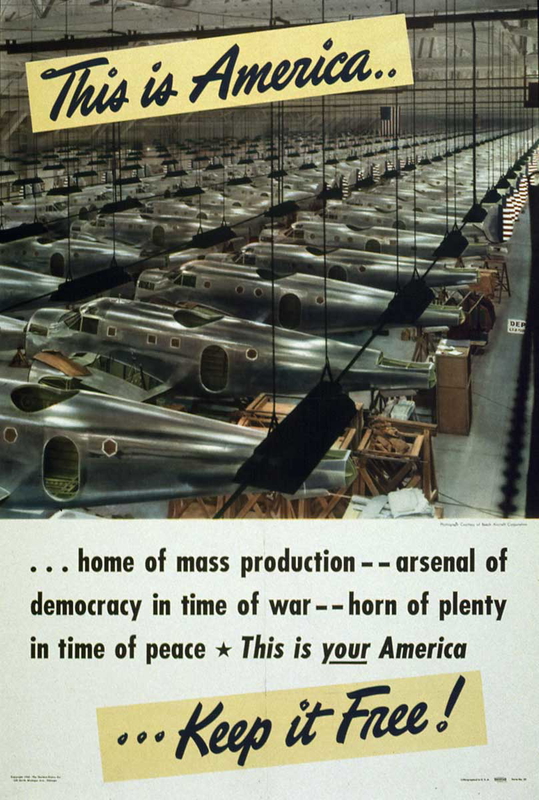
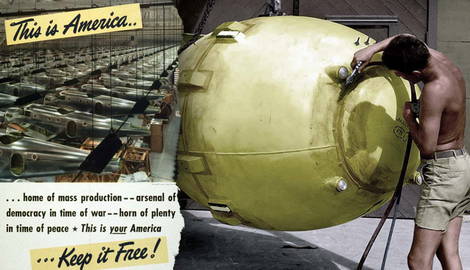
America’s manufacturing makeover post-1940 was extraordinary. In an incredibly short time, big names like Chrysler and Ford switched to manufacturing war materiel. Countless smaller companies were networked into nationwide supply chains, providing specialized components. Weapons and material soon poured out in unparalleled amounts, dwarfing Axis output.
Soon, the innovations developed by this American-British alliance arrived. Prototypes became winning weapons and products.
Famous Innovations
As war pressures mounted after 1942, R&D achieved results, submitting designs for wartime production. Several of the more eminent ones included:
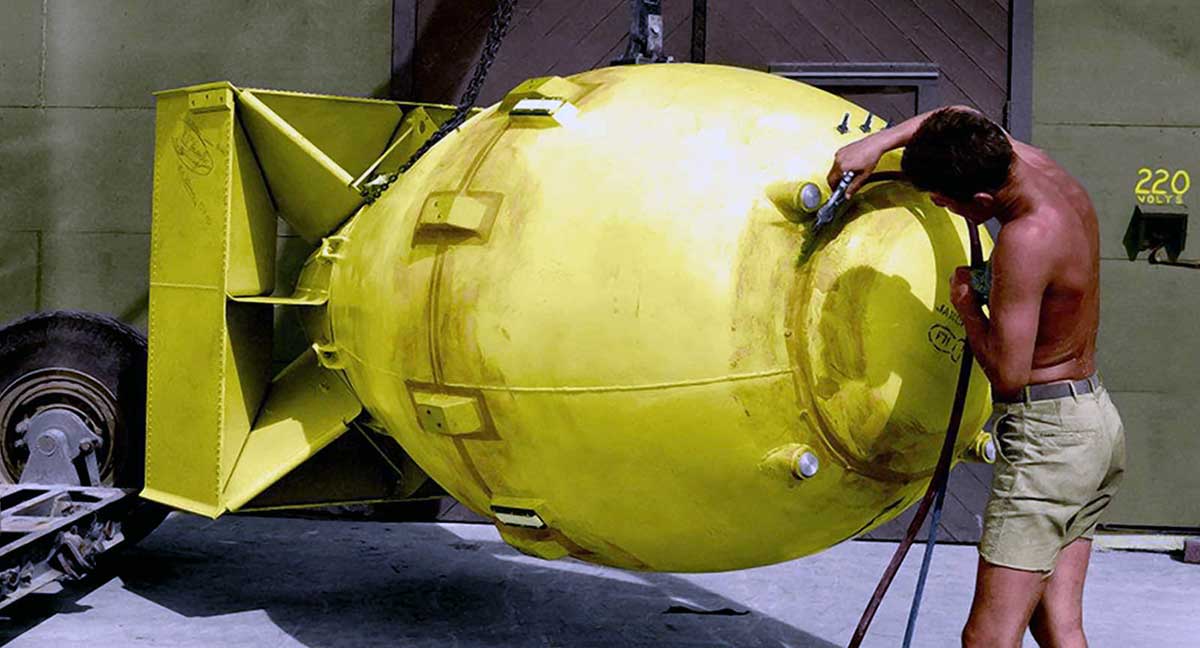
- The Manhattan Project: In August 1940, British scientists discovered that building an atomic bomb was feasible. They shared this knowledge, thereby accelerating American plans. This evolved into the Manhattan Project in 1942.
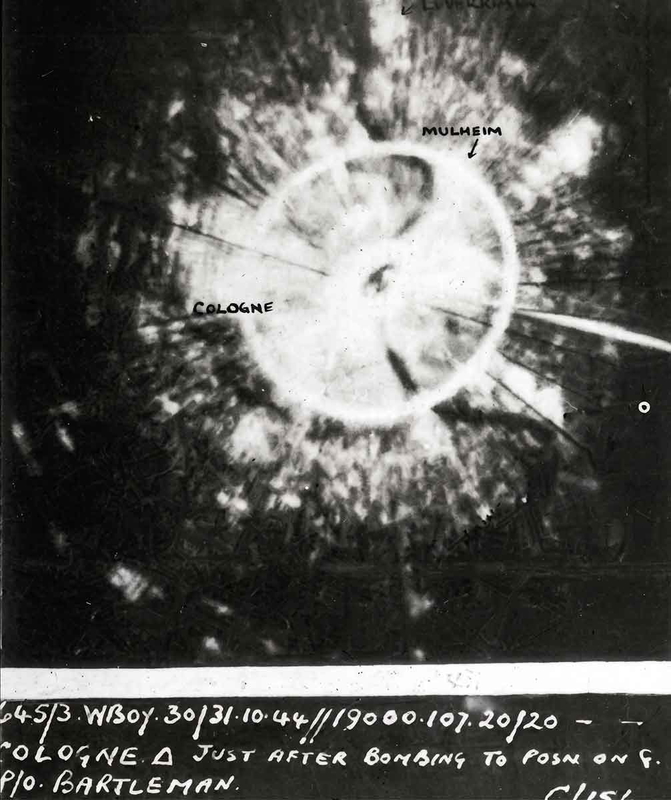
- Radar: Already a known item, its effectiveness skyrocketed with the invention of the cavity magnetron. Refined into a reliable device, this became a game-changer. Systems included the H2S ground-mapping radar for bombers and for detecting U-boats at night.
- The Merlin engine: Designed by Rolls-Royce, this liquid-cooled V-12 engine powered famous British planes like the Spitfire and Lancaster. In September 1940, the Packard Motor Company signed a licensing agreement with Rolls-Royce for production in the United States. This led to re-equipping the future P-51 Mustang, creating one of World War II’s best fighters.
The Less Famous Innovations
Looking at the famous results from this collaboration is easy. Yet equally effective systems emerged but are nearly forgotten.
- Ship design: The battle for controlling the Atlantic proved crucial, especially at the war’s start. By 1943, the British-designed and American-adapted Liberty ship was deployed. So many, in fact, that sheer numbers easily made up for any sunk by U-boats.
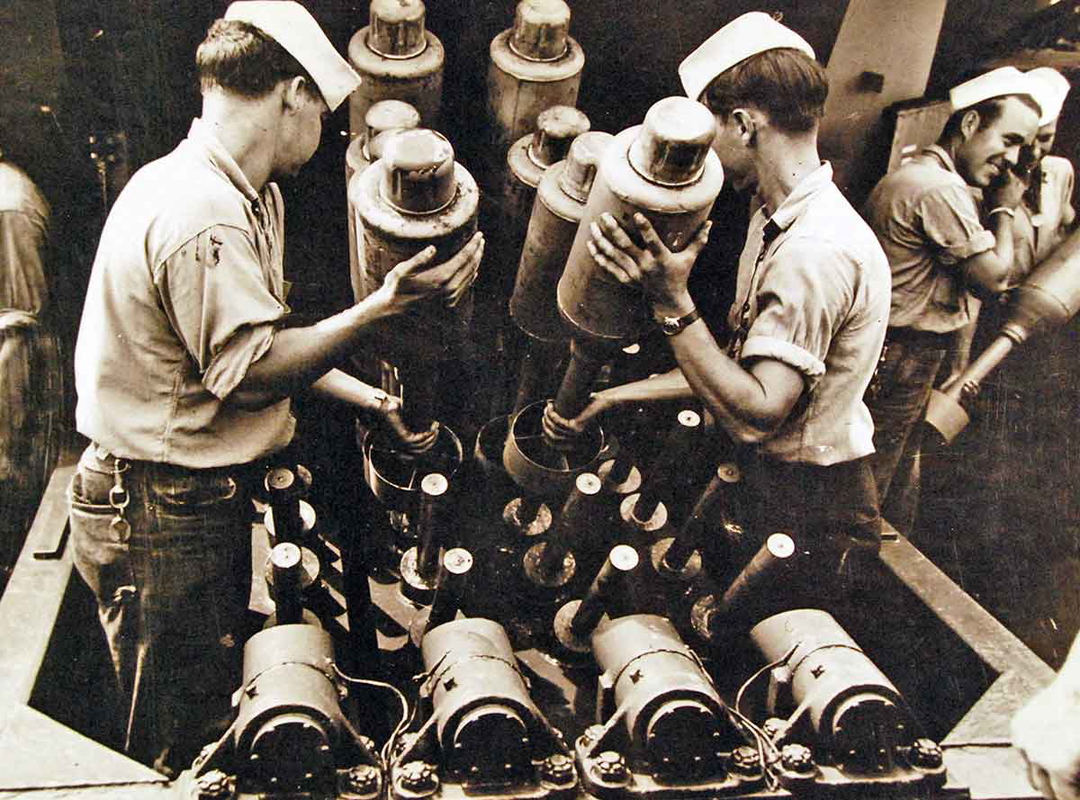
- The Hedgehog: This British-designed spigot-style mortar fired 24 contact-fused bombs forward, exploding on contact, unlike fixed depth charges.
- DD Duplex Drive: This British-conceived amphibious drive system allowed American-built Sherman tanks to “swim.” On D-Day, these tanks landed at several beaches, giving the infantry instant armored firepower at a critical moment.
The People Behind All This
Technological achievements depended on people, and each side had different methods. The British toiled in small, select research groups while Americans worked in industrial laboratories and military bureaucracies. But they worked together, very aware of the Nazi threat and the consequences should they win.
Famous names working together included scientists such as James Chadwick and Robert Oppenheimer, and the whole effort came from the highest political level. Roosevelt and Churchill’s amicable relationship helped push through joint research that integrated command structures or addressed bureaucratic problems.
The story of British innovation and American know-how enabled the creation of a winning system. When produced and deployed at all levels, it easily fed the Allies’ battlefield needs.