
Even before the United States became the world’s leading superpower, its generals and admirals have long had influence over the decisions on whether to use military force. Below are seven of America’s most famous generals and how they left influential legacies through their leadership on and off the battlefield.
| General | Key Historical Legacy |
| George Washington | Established a precedent against autocracy by relinquishing the presidency after two terms and served as the model “citizen-soldier”. |
| Ulysses S. Grant | Saved the Union through a multi-pronged strategy and became a world-famous example of an effective commander. |
| George Marshall | Transformed a small, ill-equipped army into a global juggernaut and set the “gold standard” for American military leadership. |
| Dwight Eisenhower | Mastered coalition warfare by keeping Allied nations united and oversaw the massive 4.5 million-person force that entered Germany. |
| William T. Sherman | Acted as a “prophet of total war” by destroying Confederate infrastructure to undermine their ability to fight. |
| Douglas MacArthur | Orchestrated the “island-hopping” strategy to dismantle Japanese control in the Pacific and rebuilt the postwar Japanese economy. |
| Winfield Scott | One of the first true professional soldiers who doubled the size of the U.S. through the Mexican-American War and crafted the successful “Anaconda Plan”. |
1. George Washington: Winning Independence
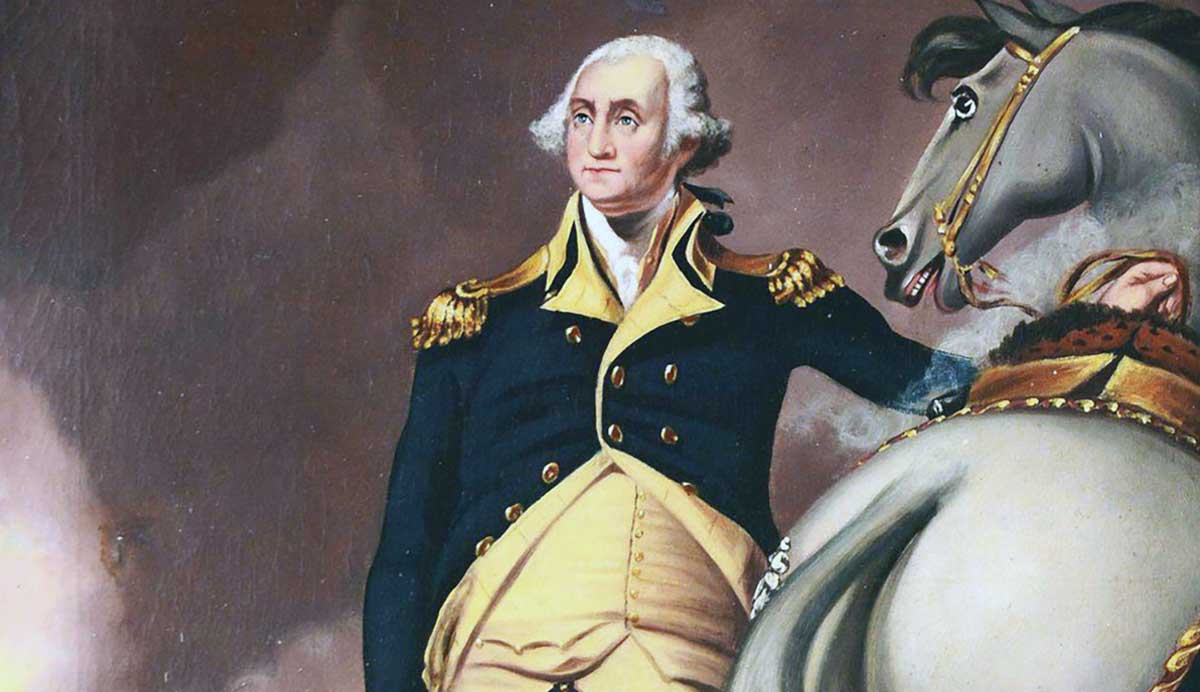
Many revolutionary generals become head of state after leading their armies to victory. Few of these people step down voluntarily after serving a term or two as leader. By following the example of the Roman statesman Cincinnatus and relinquishing the presidency after two terms, George Washington established a precedent and ensured that the United States would not become a country defined by autocrats or military rule.
From 1775 to 1783, Washington commanded the Continental Army, leading his men into battle after battle with the British and their German allies. While he often complained about his civilian masters, Washington also understood that he could not become a tyrant. He fought the American Revolutionary War under the auspices of the civilian Continental Congress and gave up his command after the war.
Although one of the most impactful generals in world history, Washington was not always a successful battlefield commander. Time and time again, he was bested in battle: Brandywine, Long Island, Germantown, and other engagements. However, he was able to keep his army together and prevented the British from crushing the rebellion. He won the devotion of many of his men and staff by leading by example and sharing in their hardships, particularly during the bitter winter at Valley Forge in 1777-78. In many ways, he was America’s model citizen-soldier.
2. Ulysses Grant: Saving the Union
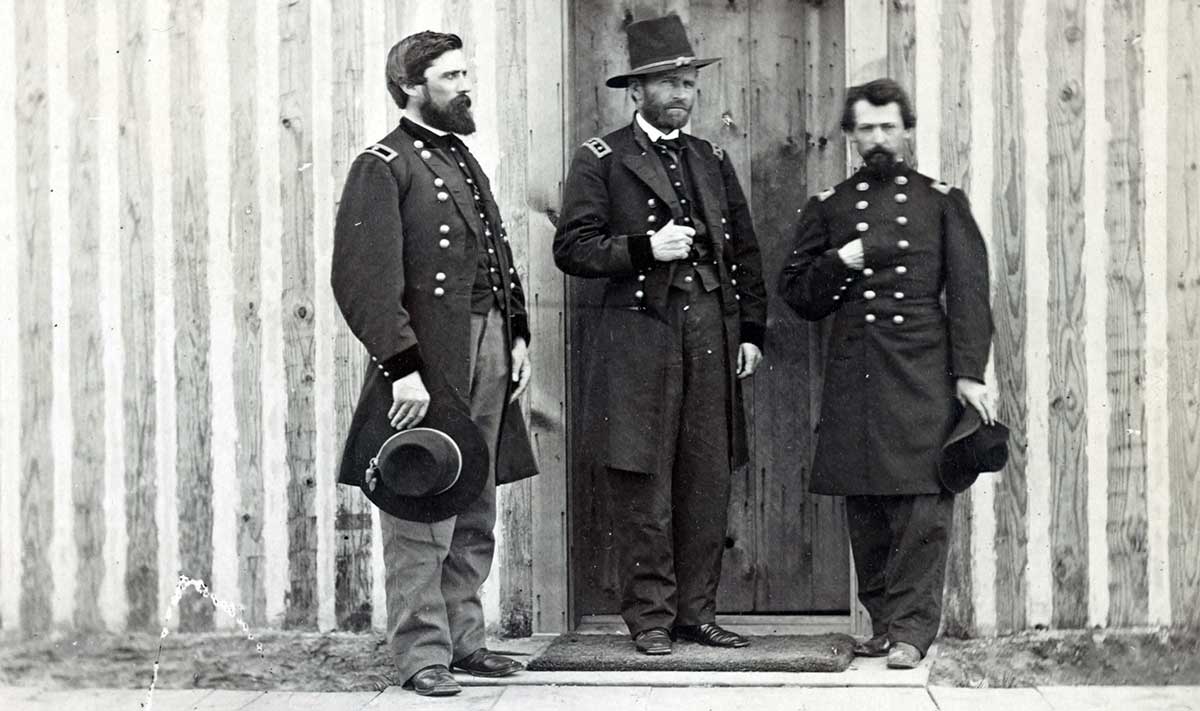
There were many differences between Ulysses S. Grant and George Washington. Washington was the scion of a prominent Virginia family and Grant came from a poor Ohioan family. Washington defended slavery as a necessity and Grant hated the “peculiar institution”.
However, Grant also proved to be a model citizen-soldier. When he was a general, he wore a private’s uniform with stars attached. He commanded with a coolness that inspired his men to fight hard. And he did not enter politics until after he retired from the army.
As commanding officer of the Union Army during the latter stages of the Civil War, he aimed to march on the Confederacy from multiple directions to split its defenses. His effectiveness as a commander contrasted with that of other Union generals who were less effective at overcoming the South’s forces.
While his presidency was marred by scandals and his inability to control the most controversial members of his cabinet, his record as a general became famous around the world. Few commanders in the war matched his talent for commanding troops over such a wide theater. To this day, American military commanders seek to emulate his knack for implementing a multi-pronged strategy against a formidable and well-placed enemy.
3. George Marshall: Building the American Century
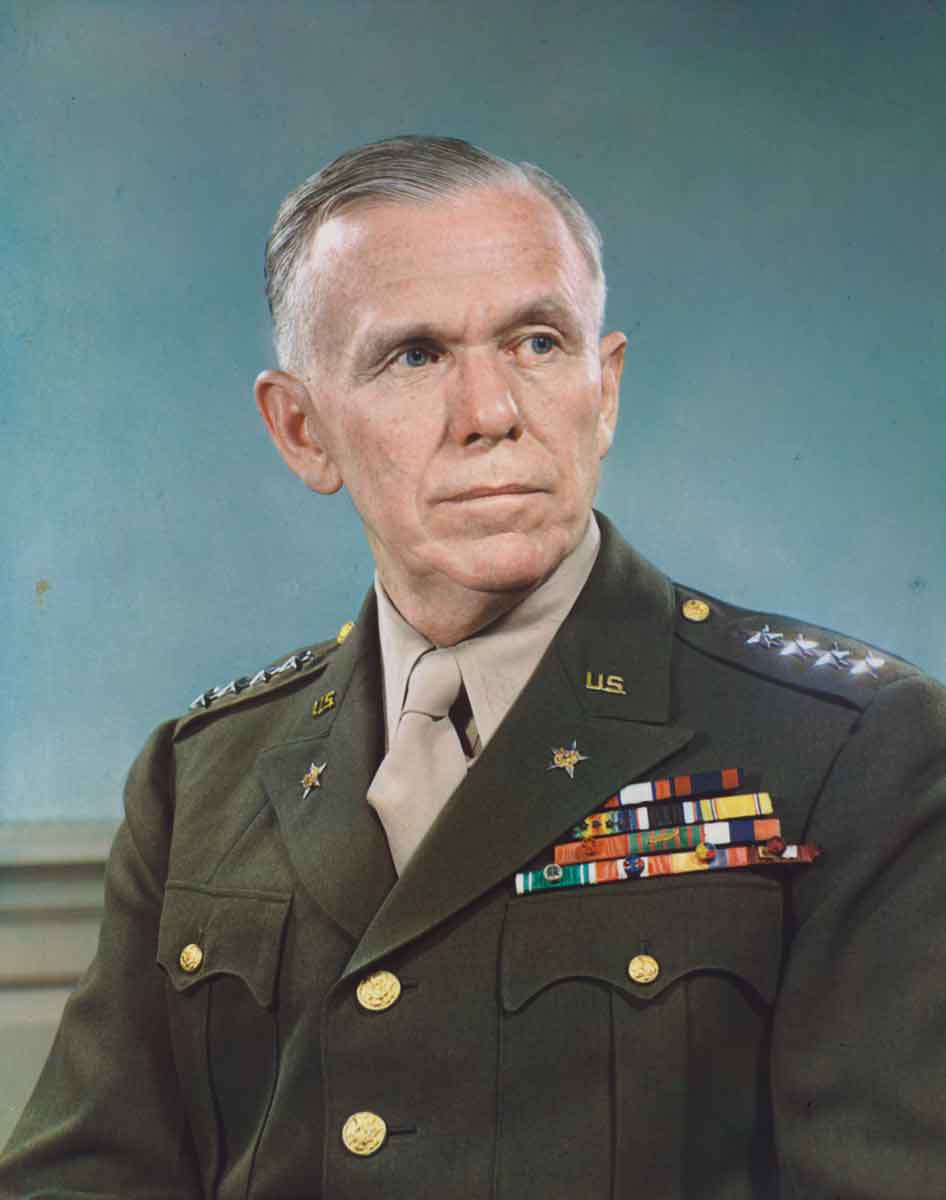
The US Army started WWII small, ill-equipped, poorly-trained, and overstretched. By 1945, it had become a juggernaut, winning almost every battle against the Axis armies arrayed against it. This was largely due to the efforts of General of the Army George Marshall. As the Army Chief of Staff during the war, he helped implement the Allies’ grand strategy, allocating army divisions as needed to different theaters and working closely with America’s partners. After the war, he served as President Truman’s Secretary of State and formulated the plan for the reconstruction of Europe that bears his name.
Marshall saw himself as a servant of presidents Roosevelt and Truman. He did not seek glory, nor did he aim to please everyone. In one of his first meetings with President Roosevelt, he stated that he would not whitewash anything and that he would give his honest assessment of the army’s performance. Instead of aiming to solve every problem personally, he empowered subordinates and staff to do that themselves. Instead of relying solely on seniority, he encouraged meritocracy, even if this meant more senior officers who had been expecting to be given command. His demeanor and record became the gold standard for American army commanders in the future.
4. Dwight Eisenhower: The Master of Coalition Warfare
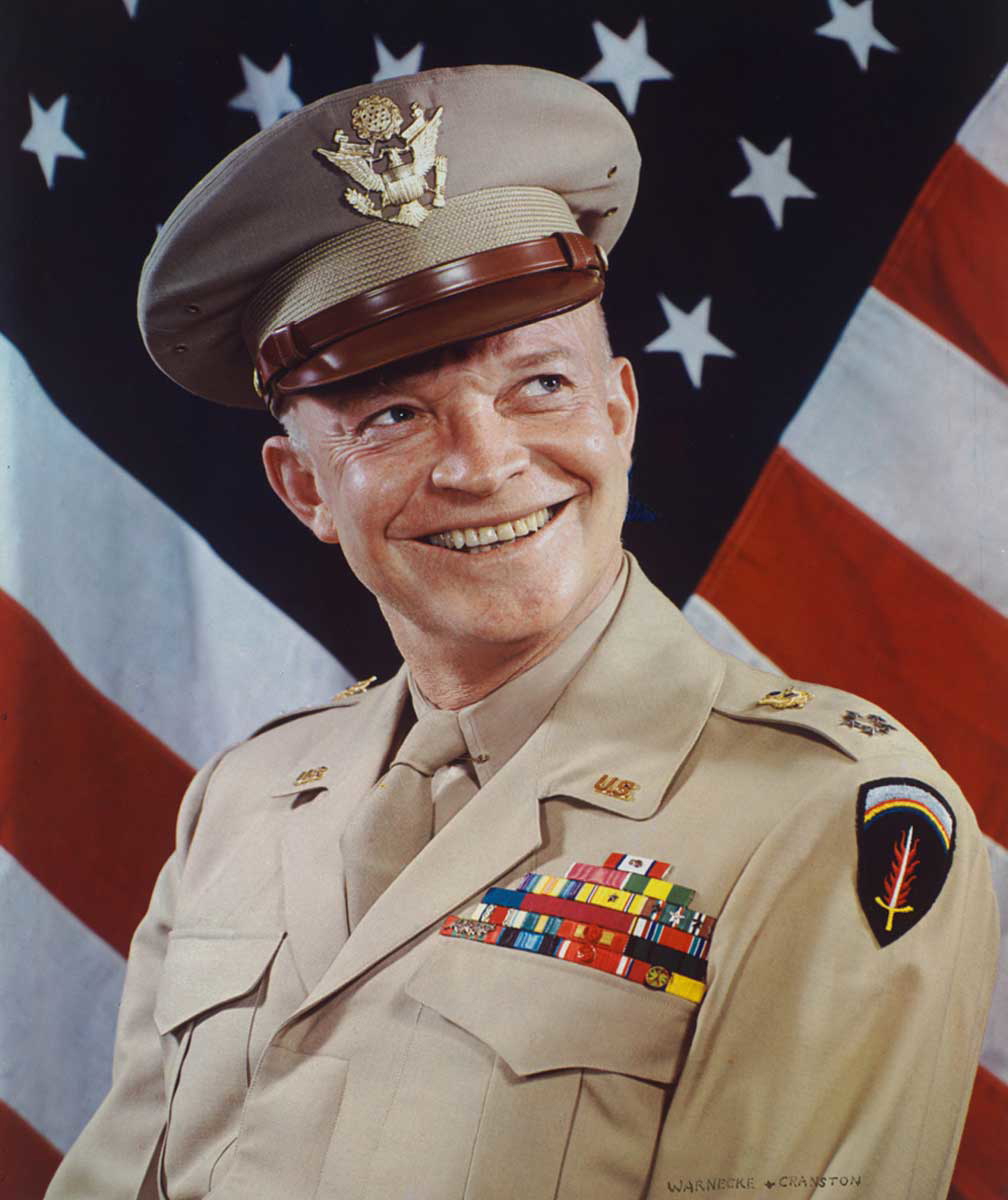
One of Marshall’s most effective and well-known subordinates was a man who started the war as a lieutenant-colonel and ended it as General of the Army and Supreme Allied Commander in Europe. Dwight David Eisenhower’s main talent was keeping the Allies together even when tensions rose during the war. He showed a knack for diplomacy that a lesser man would have struggled with as Supreme Allied Commander. Additionally, he did not back down from the task of overseeing multi-pronged offensives into the German heartland in 1944 and 1945.
Eisenhower had limited experience as a battlefield commander. He never commanded an infantry or armored division in battle and some other Allied commanders questioned his ability to lead a massive army against a formidable foe. However, he proved to be one of the most effective theater commanders of the war. By 1945, his force had 4.5 million men and women arrayed in three separate army groups.
After the war, he served as Army chief of staff, the first military commander of NATO, and two terms as president from 1953 to 1961. All the while, he never shrank from the tasks he faced, nor did he become a prima donna. He continued to embrace the reputation of the American citizen-soldier established by George Washington centuries earlier.
5. William T. Sherman: The Prophet of Total War
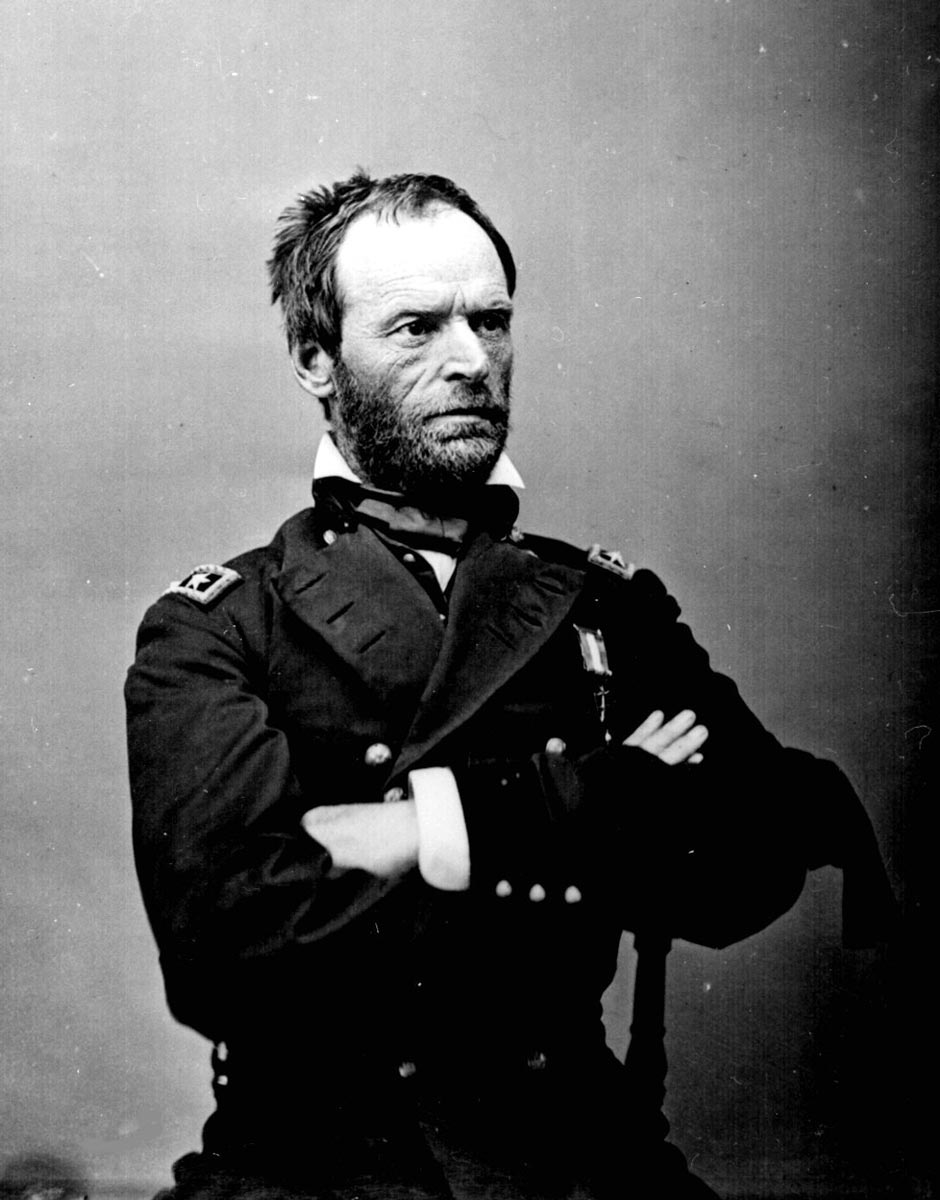
Ulysses S. Grant’s main partner in his endeavor to crush the Confederacy was William Tecumseh Sherman. A native of Ohio, he had cut his teeth in some of the war’s early battles and became a prominent general in the western theater of the war. By 1864, he was leading a force of 100,000 towards the city of Atlanta, an industrial powerhouse in the South. In a campaign lasting months, he seized the city from a Confederate force numbering 60,000 that was well dug in on the high ground surrounding the city.
After this success, he embarked on his most famous campaign, the “March to the Sea”. His men marched from Atlanta to Savannah in Georgia, destroying as much Confederate war infrastructure as they could. His actions proved decisive in undermining the South’s ability to make war. After seizing Savannah, he turned north and marched through the Carolinas, causing even more devastation.
At the end of the war, he succeeded Grant as the commanding officer of the US Army, overseeing Reconstruction and the campaigns against Indigenous tribes on the frontier. His ruthlessness as a commander unsettled many, but also defined him as an effective leader of men.
6. Douglas MacArthur: Shogun of the Pacific
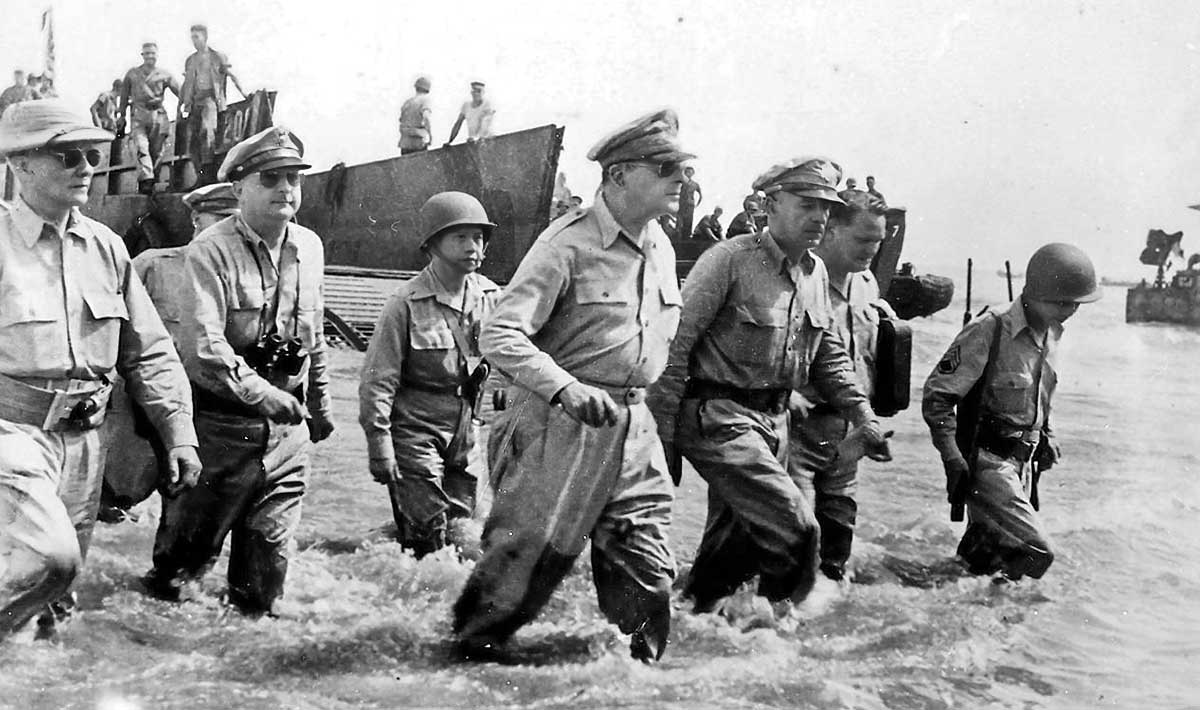
Unlike the other WWII generals in this article, Douglas MacArthur had a reputation as a self-promoter and had trouble accepting orders from superiors, whether civilian or military. Ultimately, this character flaw played a major role in his ouster from command during the Korean War. Nonetheless, he earned a reputation as a capable strategist and effective battlefield commander. Managing a campaign over thousands of miles in the Pacific Ocean required a man of his talents.
The son of another American general, MacArthur took command of an infantry division on the Western Front in WWI and stayed in the postwar army. While his reputation took a hit after leading a force to crush a protest movement of WWI veterans, he earned public sympathy when he led the brave but doomed defense of the Philippines in 1941-1942.
After retreating to Australia, he took command of the Southwest Pacific Area Command and oversaw the campaign to destroy Japanese control of the region. His island-hopping strategy of isolating Japanese garrisons and striking deep into the enemy’s rear proved successful, enabling him to land in the Philippines less than three years after he was forced to leave.
After the war, his actions as the military governor of Japan helped rebuild the postwar Japanese economy. His final battlefield success was when he came up with the plan to land American forces at Inchon behind North Korean lines, enabling the UN forces to advance to the 38th parallel and beyond.
7. Winfield Scott: The Grand Old Man
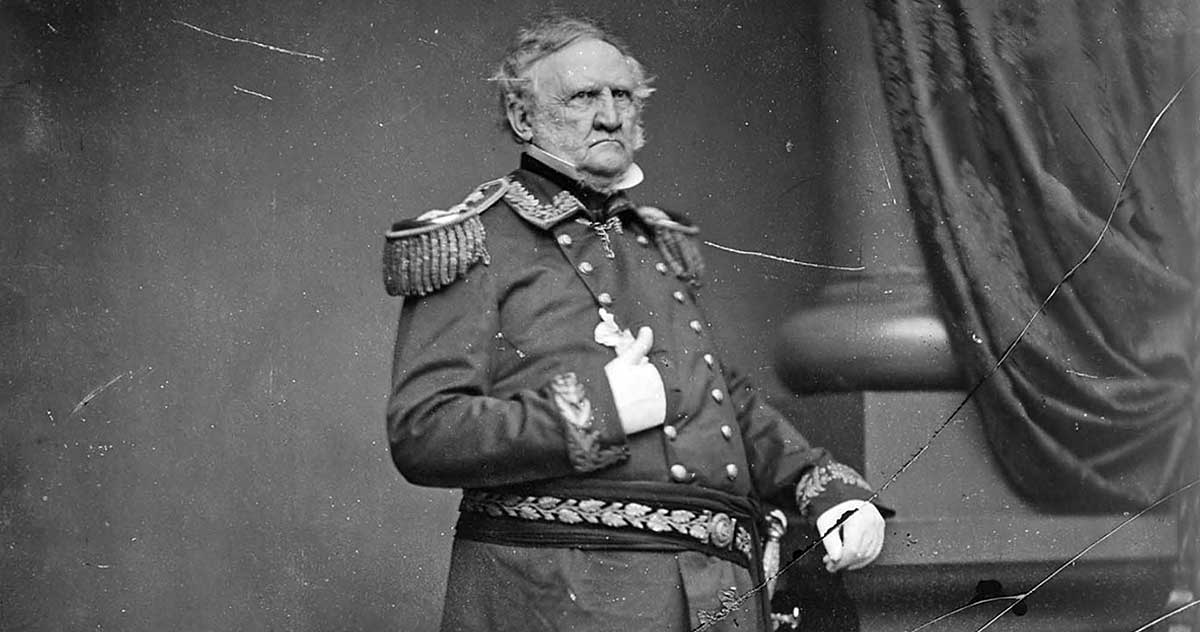
In 1812, Winfield Scott was a lieutenant-colonel of artillery. Three years later, he was a brevet Major General and one of the United States’s most effective battlefield commanders. Scott was a Virginian who believed in maintaining a small, professional army capable of undertaking a variety of tasks. During the War of 1812, he gained a couple of victories over British troops that highlighted his talents.
His career commanding forces against Native American tribes in the southeast was marred by his willingness to execute the infamous “Indian Removal” in Georgia, Florida, and Alabama. However, he regained his fame when he led the successful invasion of Mexico in 1847-1848. He ran for the presidency in 1852 as the Whig candidate but was easily defeated by Democrat Franklin Pierce, who had served under his command in Mexico.
By the time the American Civil War broke out, Scott was the commander-in-chief of a small and weak force that struggled to stop the rebellion. Despite hailing from Virginia, Scott was an opponent of slavery and remained loyal to the Union. During the early months of the war, he helped craft what became known as the “Anaconda Plan”. This strategy involved a multi-pronged plan to blockade Confederate ports, divide both parts of the South, and strike at Confederate industrial centers.
The Anaconda Plan would prove a success, though the aged Scott was soon replaced as commander-in-chief by the much younger George McClellan. Scott had served in American uniform for half a century and was one of the United States’s first professional soldiers, a man whose life was defined by his country’s willingness to exert power through military force.
The Enduring Legacy of the Great American Commanders
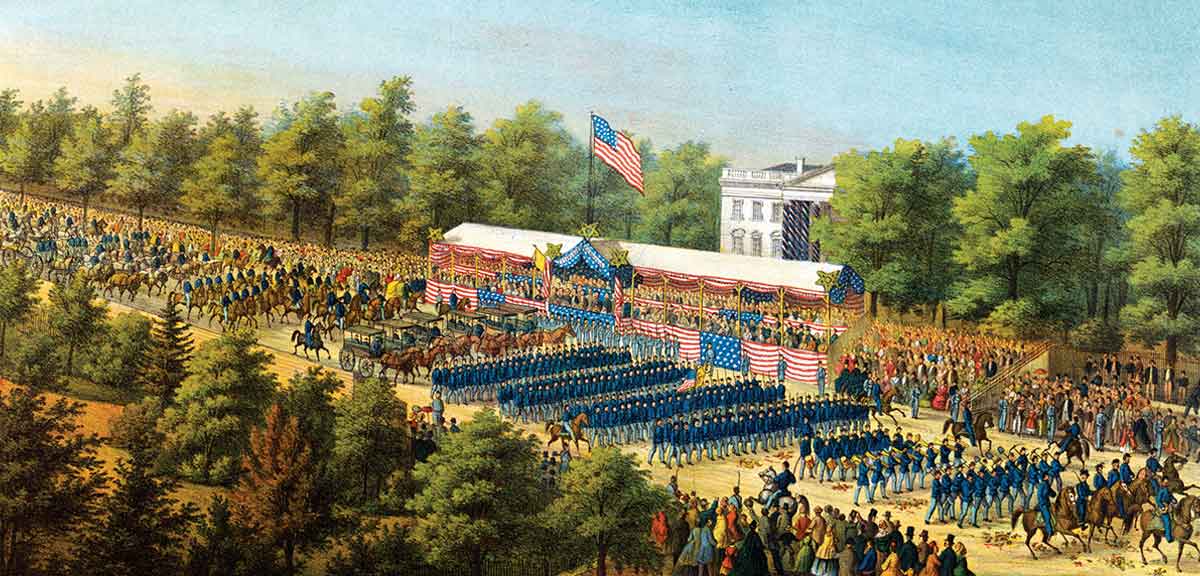
The seven individuals listed are a very small number of men who attained the rank of general in the US Army. They all had different personalities and careers. Some went into politics while others remained career soldiers. However, they all shared one characteristic: they recognized that America was a strong power due to its military.
General Scott’s march into Mexico City led to a doubling in size of the country. General Eisenhower oversaw a coalition of forces numbering 4.5 million men, the largest force of men commanded by an American officer in history. And General MacArthur became the first Westerner to govern Japan due to his stature as an American officer.
In recent decades, the United States has prided itself on its soft power and role in building multilateral institutions. However, its main power has come through its capacity to fight its adversaries using hard military force. The generals and admirals of the US military were not always willing to use force to accomplish their goals, but once ordered to do so, they did not hesitate to formulate plans to vanquish their enemies. Accordingly, the most influential American commanders find themselves among the most influential figures in American and world history.