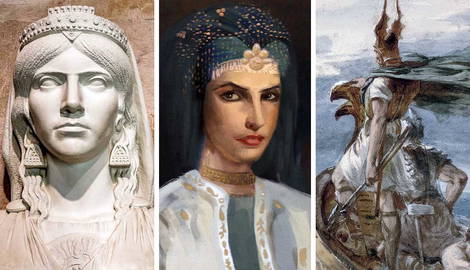

Piracy is a way of life traditionally associated with men. However, plunder on the high seas was never an entirely male occupation. Over the centuries, women have confounded stereotypes to demonstrate that they could be equally successful pirates. While the history of women pirates is often tangled in myth and legend, the accounts tell of their strength, resilience, and fearsomeness in equal measure to their male pirate counterparts. Despite the obstacles they faced, these women proved their ability as fearless leaders of the seas.
Women in Pirate Lore
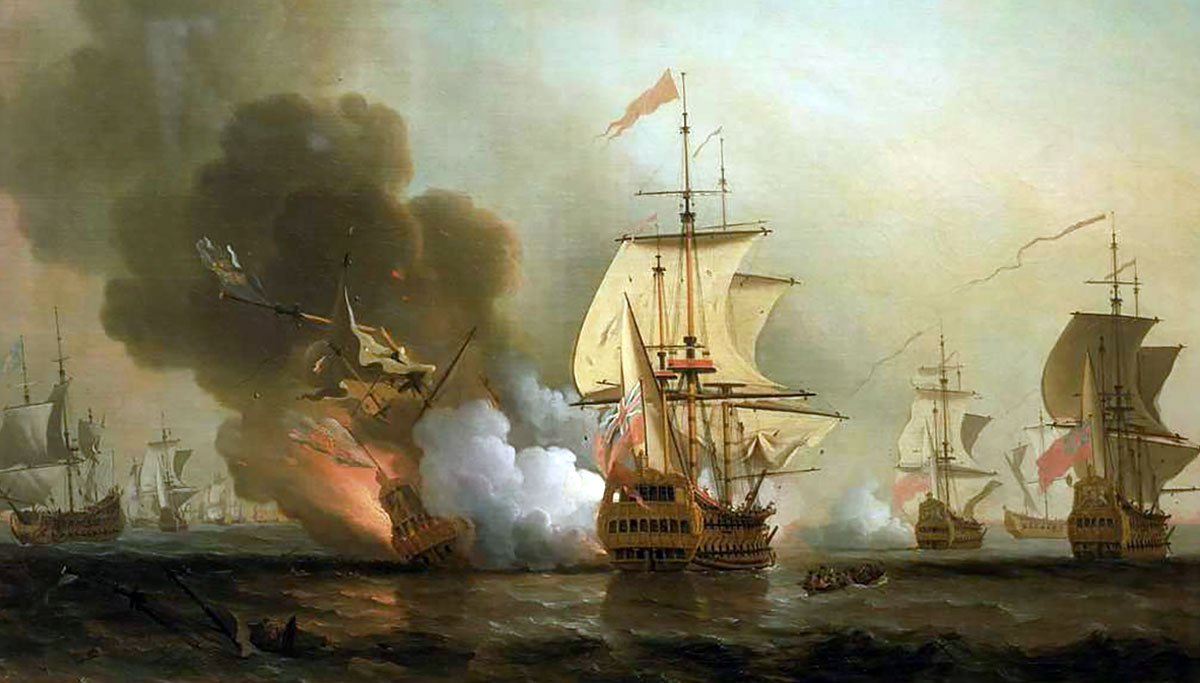
Where do women fit into tales on the high seas, besides as sirens dragging ships to their deaths? Laura Sook Duncombe, author of Pirate Women: The Princesses, Prostitutes, and Privateers Who Ruled the Seven Seas, attributes women’s absence from pirate tales and historical records to pirate women not harmonizing with gendered personifications of the sea, as well as ‘traditional’ expectations of women.
The sea historically has been personified as a feminine force that can be equal parts serene, divine, unpredictable, and dangerous. It followed that men were responsible for, or rose to the challenge to, taming it in some way, a literary trope seen in stories as old as Homer’s Odyssey to Hemingway’s 1952 novella The Old Man and the Sea. Female pirates disrupt the personification of the sea as feminine; what does it mean when a woman ‘dominates’ a feminine object?
Female pirates also subverted expectations of women as childbearers, or anchors of the home whose bounds were confined to domestic spaces. Just like men, for women the sea meant freedom, no borders, exploration, and being untethered to any stability or home.
1. Queen Artemesia of Halicarnassus
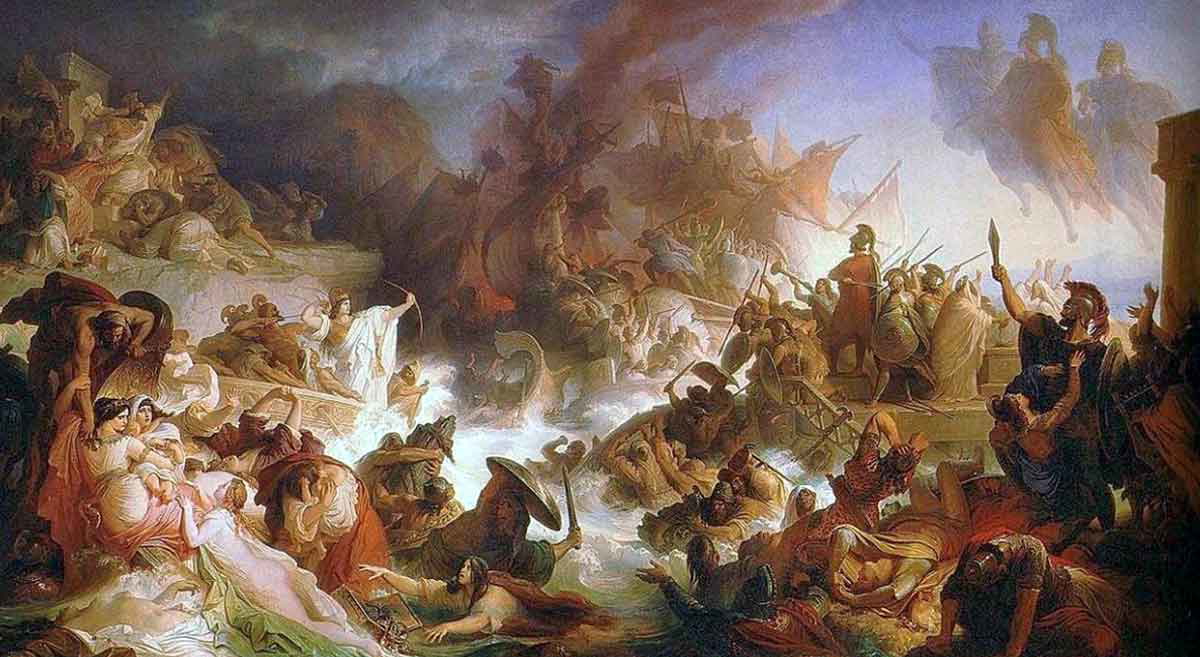
What is known about Queen Artemesia of Halicarnassus is left to us by two ancient texts: The Histories of Herodotus and Stratagems of War by Polyaenus. Herodotus is known as the Father of History, though the reliability of his accounts has long been questioned. However, he was a native of Halicarnassus and wrote admiringly of Artemisia.
Artemesia was the widowed queen of Caria in southwestern Anatolia who ruled her kingdom from the city of Halicarnassus in present-day Bodrum, Turkey. While the Carians were Greeks, Artemisia commanded five ships as part of King Xerxes of Persia’s invasion of Greece in 480 BC. In Herodotus’s account, Artemisia is the only female admiral in Xerxes’ war council, and the only one who advised him against seeking battle with the Greeks at Salamis. When Xerxes decided to launch an attack regardless, Artemisia dutifully led her fleet into the fray.
As Artemisia had anticipated, the Greeks were well prepared for the naval attack. With Persian ships trapped in the narrow straits of Salamis, Artemisia rammed into an allied Persian ship to escape. This tricked her enemy into thinking hers was a Greek ship, allowing her to leave the battle unscathed. Xerxes also believed that she had sunk a Greek ship and remarked “my men have become women and my women have become men.”
2. Queen Teuta
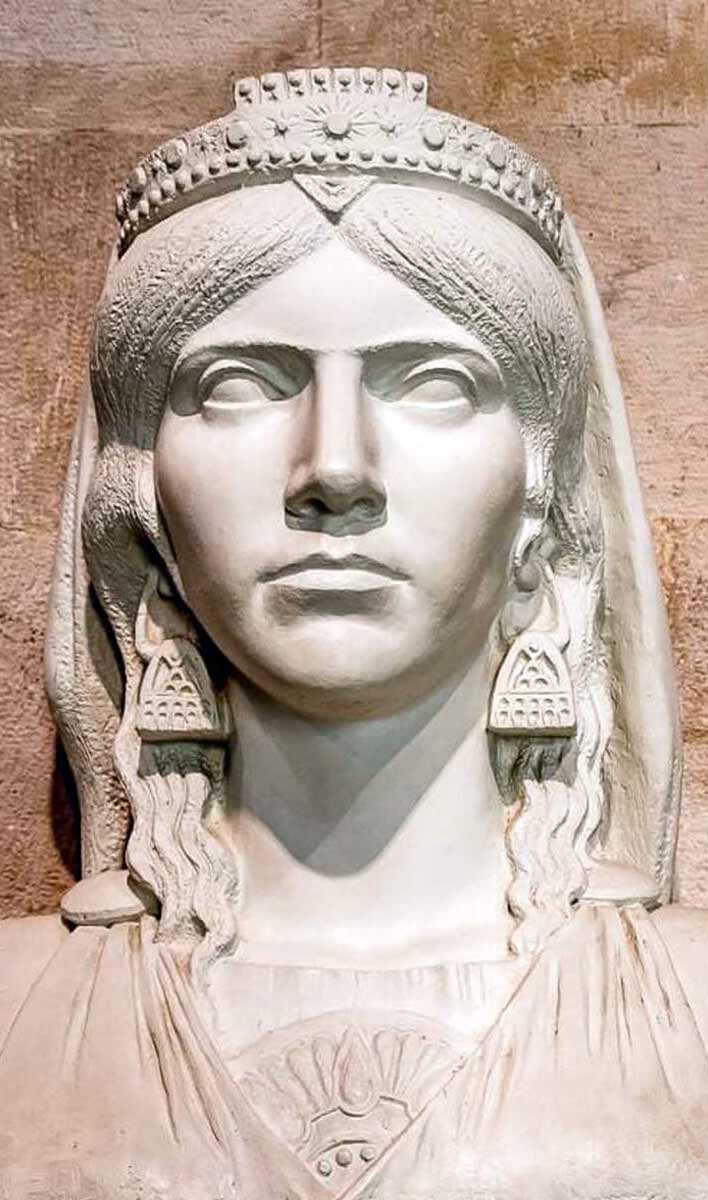
The exploits of Queen Teuta of Illyria were recorded by several ancient historians, most notably Polybius. She and her husband King Agron ruled the region of Illyria in the western Balkans around 231 BC. After the King died, apparently from a drinking binge, Queen Teuta became his de facto successor in the name of her young stepson Pinnes. Allegedly, one of her first accomplishments was granting all naval ships licenses to essentially loot and steal whatever they could in order to bring plunder to Illyria (Duncombe, p. 15).
Queen Teuta’s fleets blew through the coasts of the Adriatic and Italy (Duncombe, p. 16). They attacked not just enemy ships, but also their own allies. Anyone was fair game. The Queen would sometimes join the raids herself, and showed no more mercy than her subordinates. In one story, Queen Teuta and her ships arrived in a town begging for water with empty jugs. Once the gates were open, she and her forces ditched the containers and grabbed their swords, commencing their attack on the town. She quickly became known as the “Terror of the Adriatic,” and was a burgeoning thorn in the side of another Mediterranean power (Duncombe, p. 16).
Not only would Queen Teuta’s crews raid Roman merchant vessels, they would also enslave the sailors on board. In one instance, the Roman authorities sent envoys to ask her to stop her attacks on Roman vessels. She refused. To add injury to insult, she had one of the messengers killed. The Queen’s ‘terror’ went as far as western coasts of present-day Greece. The Greeks, although enemies with the Romans, temporarily allied with the Romans to confront the threat of the Illyrian pirates.
Queen Teuta’s maritime exploits came to an end when Rome declared war against Illyria and conscripted other cities to join them in 229 BC. She fled to the Illyrian fortress of Rhizon (Risan in present-day Montenegro), where she and her loyal subjects remained in a year-long siege (Dubcombe, p. 18). After supplies ran out, Queen Teuta was forced to surrender, which the Romans accepted.
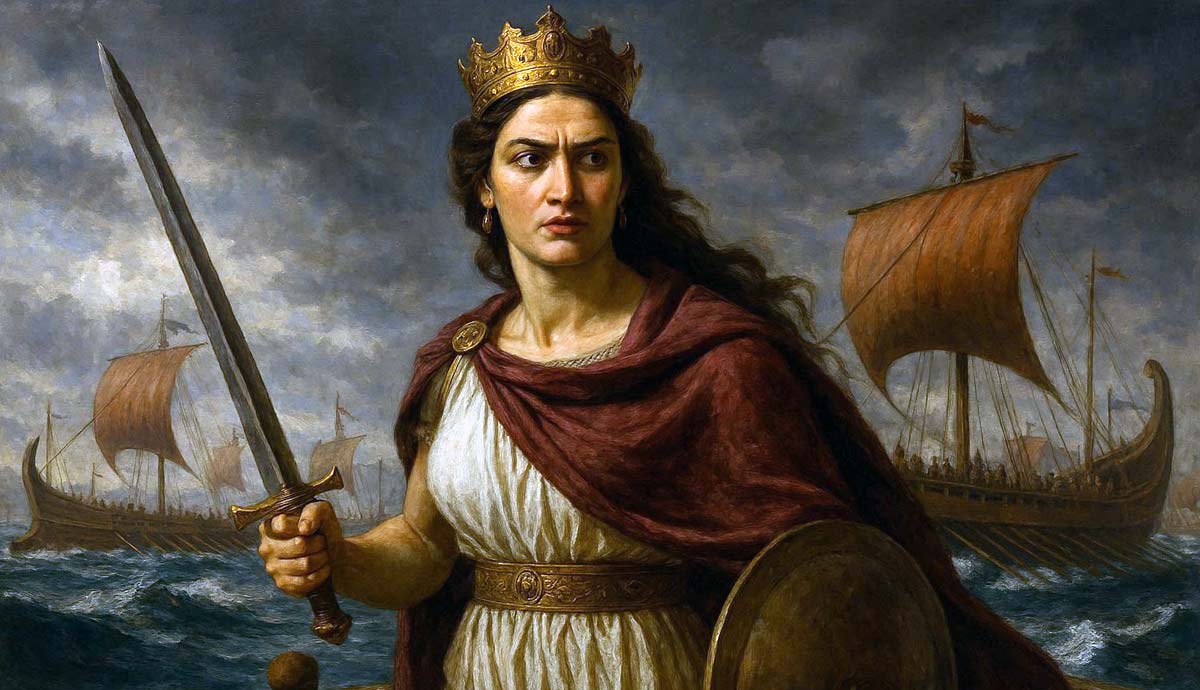
3. Lagertha, the Viking Shieldmaiden
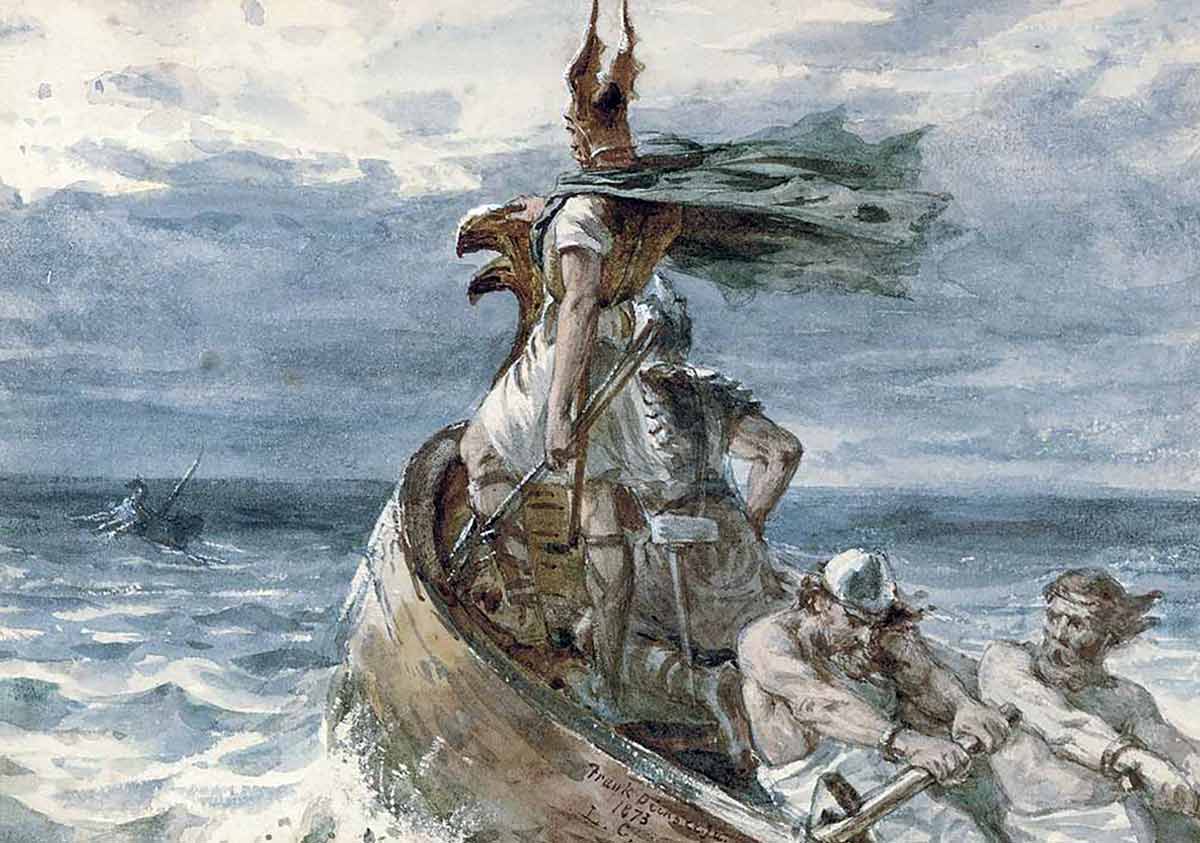
According to the 12th century Danish historical text Gesta Danorum, Lagertha was a 9th century shieldmaiden, or a Viking woman renowned for her fierce fighting skills on land and at sea. She is mentioned after a fatal attack by Swedish King Frey on her village, where she and other women were forcefully placed in a brothel (Duncombe, p. 28). Catching word of this, the Danish leader Ragnar Lothbrok set out to save them. According to the text, upon his arrival, Lagertha disguised herself as a man to fight alongside his ranks.
In the midst of fighting, Lagertha stands out to Ragnar for her skills and ferocity. So much so he asks for her hand in marriage. Allegedly, after some time Ragnar leaves her for another woman and heads home to Denmark. Later, he becomes so embroiled in a civil war that he calls Lagertha to his aid. She accepts, and along with her 120 ships helps secure Ragnar’s victory (Duncombe, p. 29). However, after Ragnar’s safety was sealed, she used a concealed spear to stab Ragnar, claiming the Danish throne for herself. Although Lagertha’s story shares similarities with myths of the Norse goddess Theogord, her tale suggests that the Viking women could be successful military leaders.
4. Sayyida al Hurra
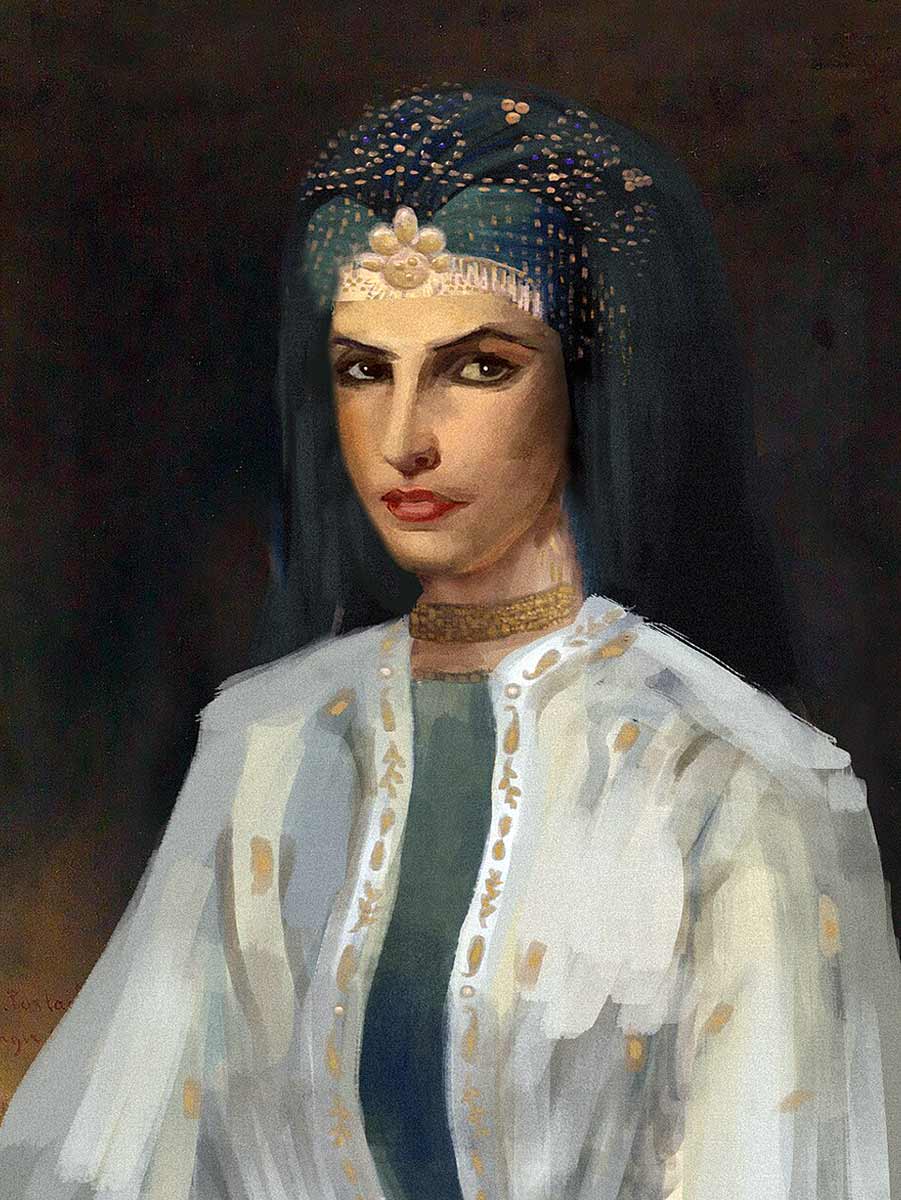
The story of Sayyida al Hurra is set in the backdrop of the fall of Granada at the end of the Reconquista. After the fall of the city, Sayyida and her family, the Banu Rashids, returned to North Africa. Sayyida’s family was one among many other Andalusian refugees who were forced to leave Spain. The traumatic experience motivated Sayyida to seek revenge against European and Christian ships through piracy.
Sayyida’s husband Captain Abu al-Hasan al-Mandri, also a refugee, received approval from Morocco’s Sultan to establish a settlement on the long-abandoned port city of Tetouan (Mernissi, 19). After his death, Sayyida became a prefect, and was later elevated to governor, or Hakima Tatwan (Mernissi, p. 18). In 1515, she became the last woman in Islamic history to earn the title ‘al-Hurra,’ meaning “the noble lady who is free and independent; the woman sovereign who bows to no superior authority” (Mernissi, p. 115).
Sayyida al Hurra would eventually contact the famous Ottoman pirate Barbarossa, who helped her furnish a fleet to raid Christian ships in the Mediterranean (Mernissi, p. 19). Sayyida was famous for capturing crew members of Portuguese and Spanish ships, forcing the representatives of the two powerful nations to negotiate their terms of release with her directly. Not much is known about the subsequent fate of Sayyida al-Hurra, but she is mentioned throughout Spanish and Portuguese historical records and logs from this time. Notably, almost no Arabic sources mention her during this time.
5. Anne de Graaf
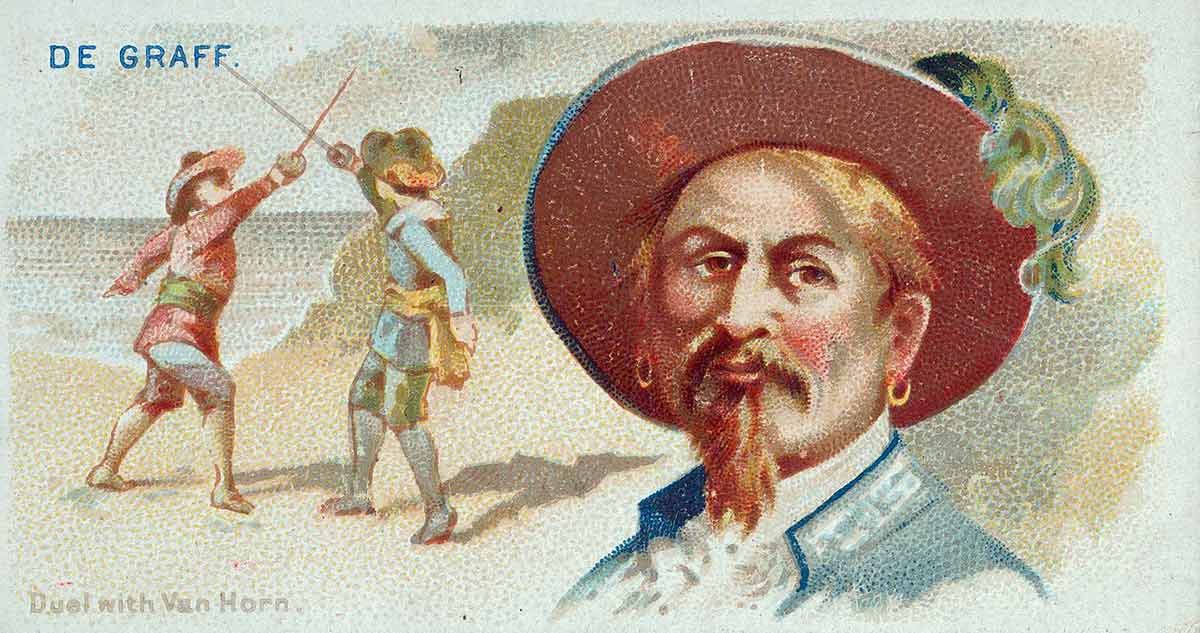
Less well known than other female pirates of the age, Anne de Graaf was a French woman whose tales of piracy occurred on the island of Tortuga in present-day Haiti, where she likely arrived between 1665 to 1675 (Duncombe, p. 91). There is much speculation regarding why and how she ended up there. She may have been sent there as part of a group of women to encourage the male population to settle and become farmers. However, it is also likely that Anne may have been deported for prostitution in France. It was common practice for criminals, which at this time included prostitutes, to be sent to the colonies.
Conditions of her arrival aside, once in Tortuga, she married French buccaneer Pierre Le Long. Not long after, Le Long was supposedly killed by Dutch buccaneer Laurens de Graaf. There are many versions of how exactly Anne and de Graaf became a pair, and one in particular speculates it was Anne’s challenging de Graaf to death for revenge that allegedly inspired de Graaf to ask for her hand (Duncombe, p. 92). Anne therefore became Anne de Graaf and joined her new partner aboard his ship.
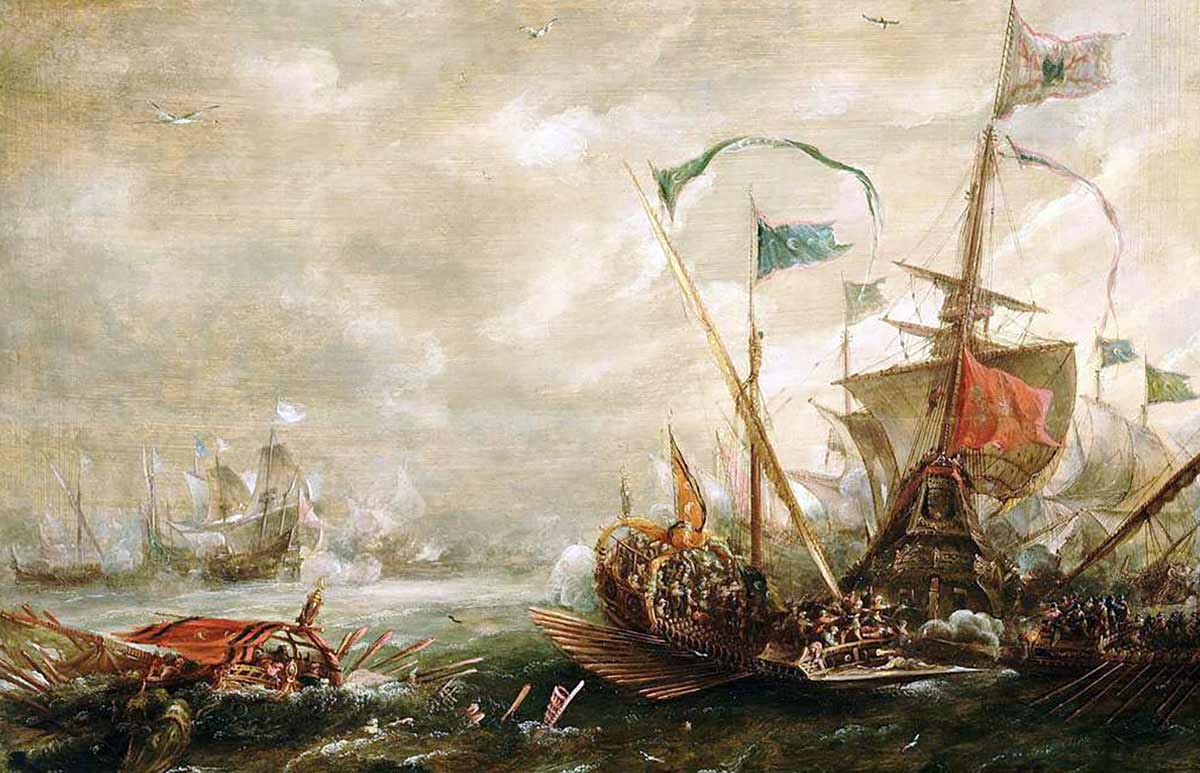
Although women’s presence was considered bad luck on ships, a common superstition, she was allegedly well-liked by de Graaf’s crew. She was even nicknamed as Anne Dieu-le-Veut, or “God wills it.” Whatever Anne wanted, she got (Duncombe, p. 93). Rather than plaguing the ship with bad luck, she apparently became their good luck charm.
Anne partook in the buccaneer’s attacks on Spanish ships. Separately from pirates, who were indiscriminate in their attacks, Buccaneers would solely target Spanish ships in the Caribbean. Not only were their fleets full of high-value cargo from all over the globe, they moved extremely slowly, making them easy to capture. The story goes that when Laurens de Graaf was killed in a battle by a Spanish cannon, Anne took the ship’s command as captain. The bloody battle ended with Anne’s defeat. After she and her crew were captured, it is unclear what became of Anne’s fate.
Bibliography
Duncombe, Laura Sook. Pirate Women: The Princesses, Prostitutes, and Privateers Who Ruled the Seven Seas. Chicago Review Press, 2019.
Mernissi, Fatima, and Mary Jo Lakeland. The Forgotten Queens of Islam. University of Minnesota Press, 2012.