
The Holocaust was unique as a genocidal event due to the industrialized nature of the killing. However, it was not unique in that many people denied it even as it was being exposed to the world. The best tool to combat denialism was to air the testimony of survivors who witnessed the terrible atrocities committed by Nazi Germany during World War II. Several survivors became world-famous for their work in exposing the Holocaust’s horrors in the decades after the war.
1. Simon Wiesenthal
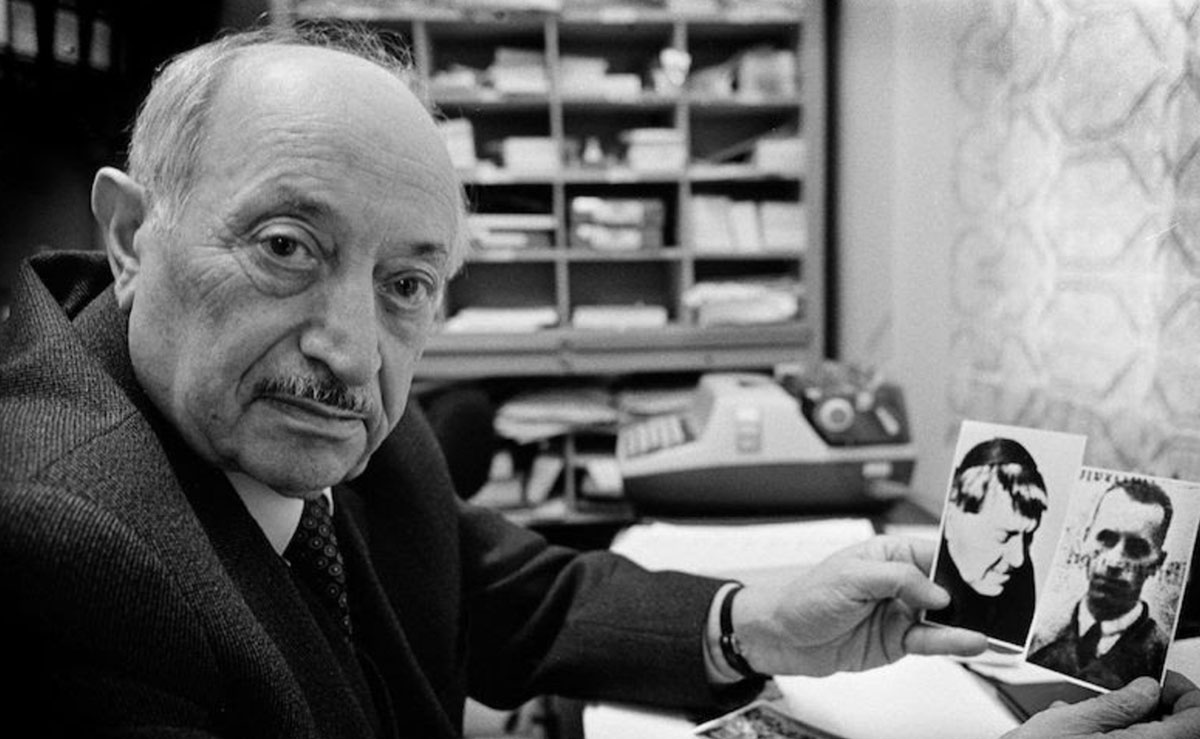
Born in 1908 in Austrian-ruled Galicia (in modern-day Ukraine), Simon Wiesenthal was a young German-speaking Austrian architect who studied in Prague before WWII broke out. In 1936, he married Cyla Mueller and opened an architecture firm in the Polish city of Lwów (present-day Lviv, Ukraine). When the Soviets invaded, some of his relatives were deported to Siberia. Subsequently, he was arrested by the Germans during Operation Barbarossa and sent to several different concentration camps. He survived the war in Mauthausen and was liberated by American troops, but lost 89 relatives in the process.
The scale of the tragedy that affected his family and acquaintances shook him and he vowed to seek justice. Within three weeks of his release, he put together a list of Nazi war criminals for the US Army Counterintelligence Corps to hunt down. In 1947, he established the Jewish Historical Documentation Center in the Austrian city of Linz (which happened to be Hitler’s hometown) to go after Holocaust perpetrators. The Center closed in 1954 due to lack of external assistance and funding and its files went to Yad Vashem in Israel. He continued his work, in addition to assisting Jewish displaced persons to find their families with the Jewish Central Committee.
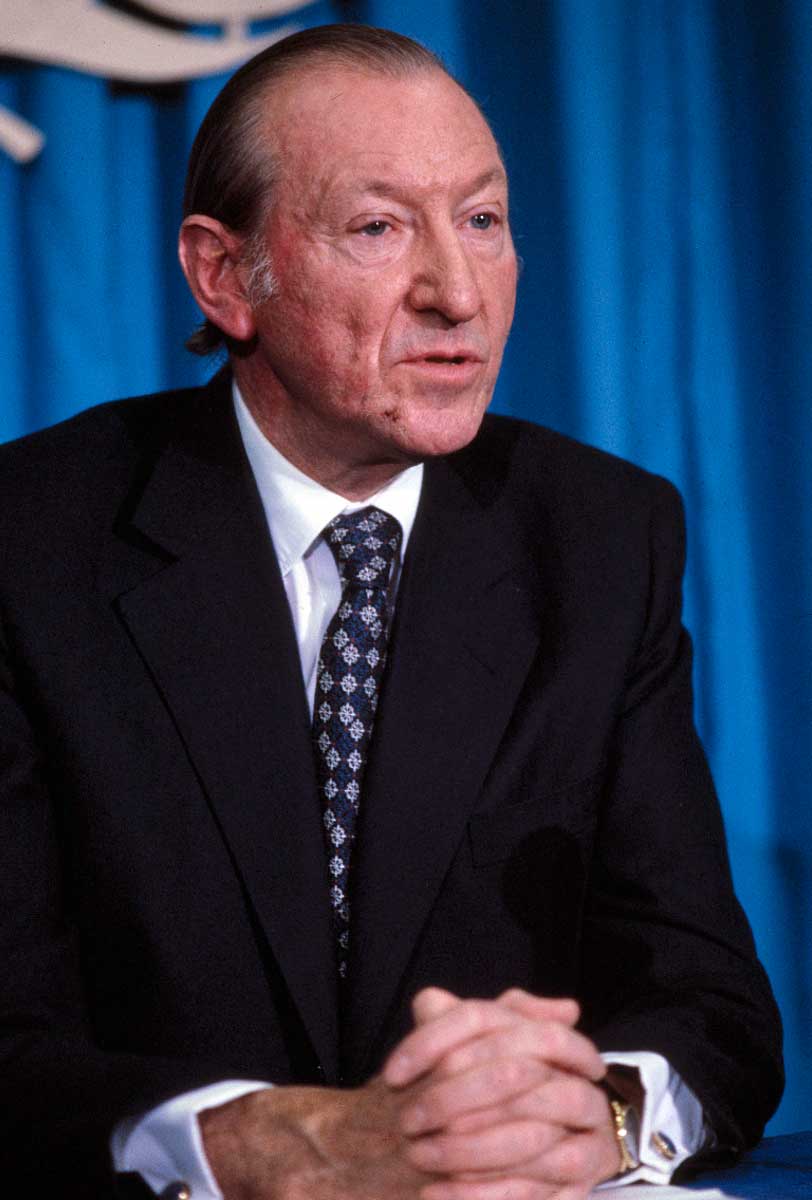
His most famous exploits were uncovering Adolf Eichmann’s hideout in Argentina and identifying several Nazis in Austrian Chancellor Bruno Kreisky’s government. Eichmann had fled to Argentina in the aftermath of the war and hid under an alias. In 1961, the Mossad went to Argentina and kidnapped him to bring him back for a trial. Later in the 1970s, he found that Kreisky, Austria’s first Jewish Chancellor and a fellow Holocaust survivor, was forming a coalition with a party including a former Nazi—this public spat between the two men divided Jewish communities in Austria and beyond.
In 1986, his reputation was damaged after details emerged of Kurt Waldheim’s service as a German military intelligence officer in Yugoslavia during WWII. Waldheim had served as Secretary-General of the United Nations between 1972 and 1981. Wiesenthal had previously cleared Waldheim of any wrongdoing and was greatly embarrassed when Waldheim’s Nazi past was discovered during his successful campaign for the Austrian presidency in 1986.
Wiesenthal received assistance in his work from volunteers, informants, and other Nazi hunters. He even received support from German war veterans who were appalled by the atrocities they had witnessed. He passed away in 2005 in Vienna and was laid to rest in Herzliya, Israel.
2. Primo Levi
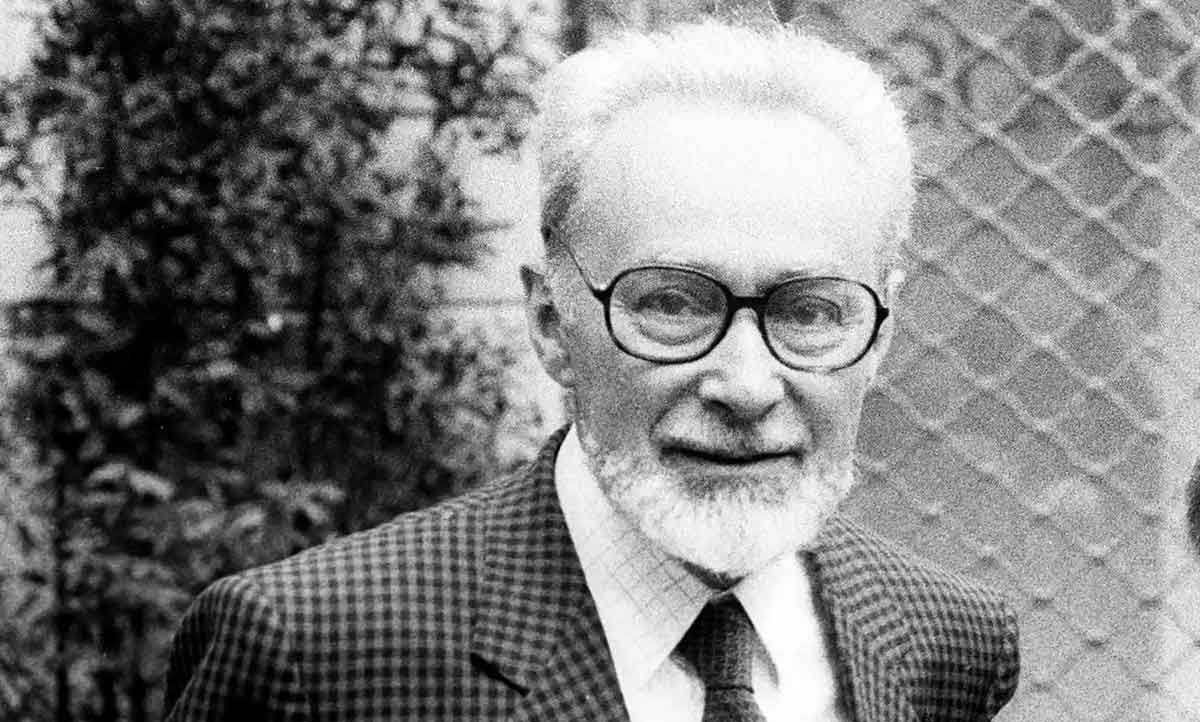
Survivors of the Holocaust came from a variety of backgrounds. Primo Levi was a scientist who witnessed the worst of humanity from behind the wire in Auschwitz. He was born in 1919 in Turin, northern Italy. In his youth, he witnessed the destruction of democracy in Italy and the rise of the Fascists and Squadrismo. After graduating from the University of Turin with a degree in Chemistry, he worked in northern Italy. He lived in Milan until 1943.
Italy initially respected Jewish concerns, even with the rise of fascism. However, allying with Germany meant that Nuremberg-style legislation was implemented in the late 1930s. By WWII, Italian fascists began hunting down Jews they considered enemies of the state. Levi was sympathetic to antifascist Italians and, as a result, was arrested and deported to Auschwitz in 1944. Of the 650 Jews on his train to occupied Poland, a mere 20 including Levi survived.
While at Auschwitz, he almost went into the gas chambers. However, his chemistry degree meant he was kept alive to work for the German industrial conglomerate IG Farben. He was liberated by the Red Army on January 27, 1944. A shell of his former self, Levi decided to write his memoirs of his time in Auschwitz under the title If This Is A Man. This was complemented by other writings like The Periodic Table. In 1987, he fell from a balcony in his apartment in Turin, which was ruled a suicide. He never truly recovered from his time in a camp. His writings gave a clear inside look at conditions in Auschwitz.
3. Simone Veil
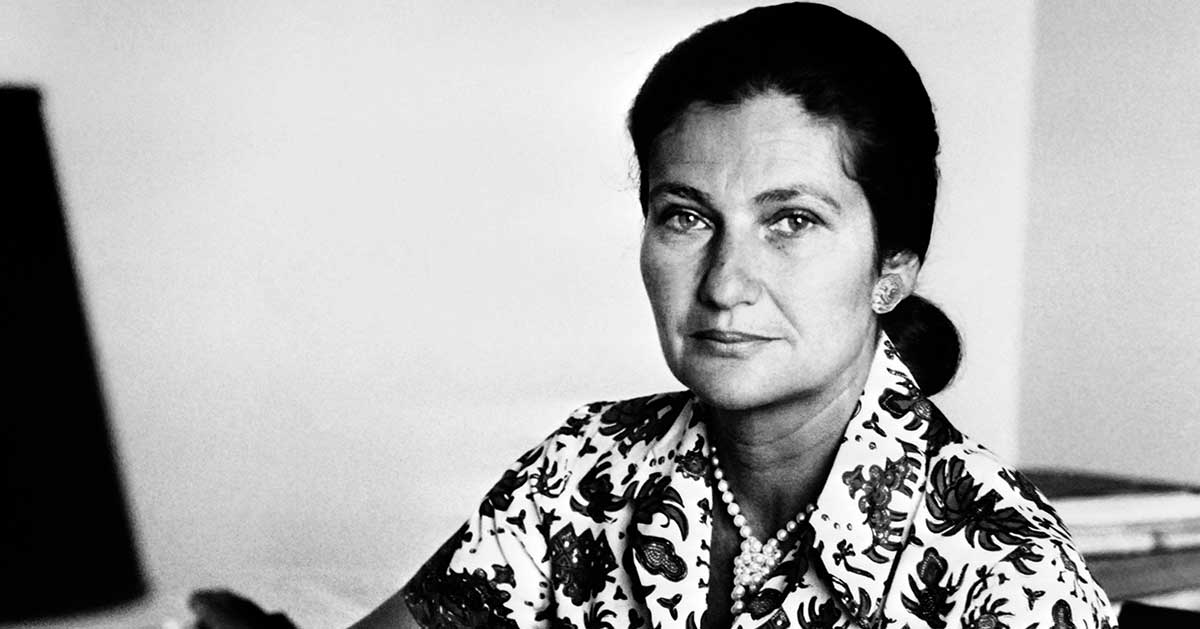
The surviving Jewish community in Europe made a significant contribution to the creation of postwar political institutions in the continent. One of the EU’s most famous parliamentarians was Simone Veil. She was born on July 13, 1927 in the city of Nice. Her family were architects and chemists who lived near the Côte d’Azur. Simone Jacob was deported to Auschwitz by the Germans along with her sisters on March 28, 1944. Her parents and brother did not survive the war.
Once she returned to France, she vowed to move forward and make up for the part of her life lost during the war. She studied law at the University of Paris, married Antoine Veil, and worked for the Ministry of Justice. Over time, she became a passionate advocate for women’s rights and equality. While serving as Health Minister for President Valery Giscard D’Estaing, she promoted abortion rights for French women. Initially, the law enshrining abortion rights faced heated opposition; it became widely accepted in France within a few decades.
Afterward, she ran for a seat in the European Parliament. She was a major supporter of European integration, including the Maastricht Treaty that created the European Union out of the European Economic Community. From 1979-1982, she served as the first President of the European Parliament. In 2008, she was elected to the Académie Française, and in 2012, she received the Grand Cross of the Legion of Honor. Throughout her life, she spoke about the impact her parents’ and brother’s death had on her. When she passed away in 2017, she was granted a state funeral and buried in the Pantheon.
4. Theodor Meron
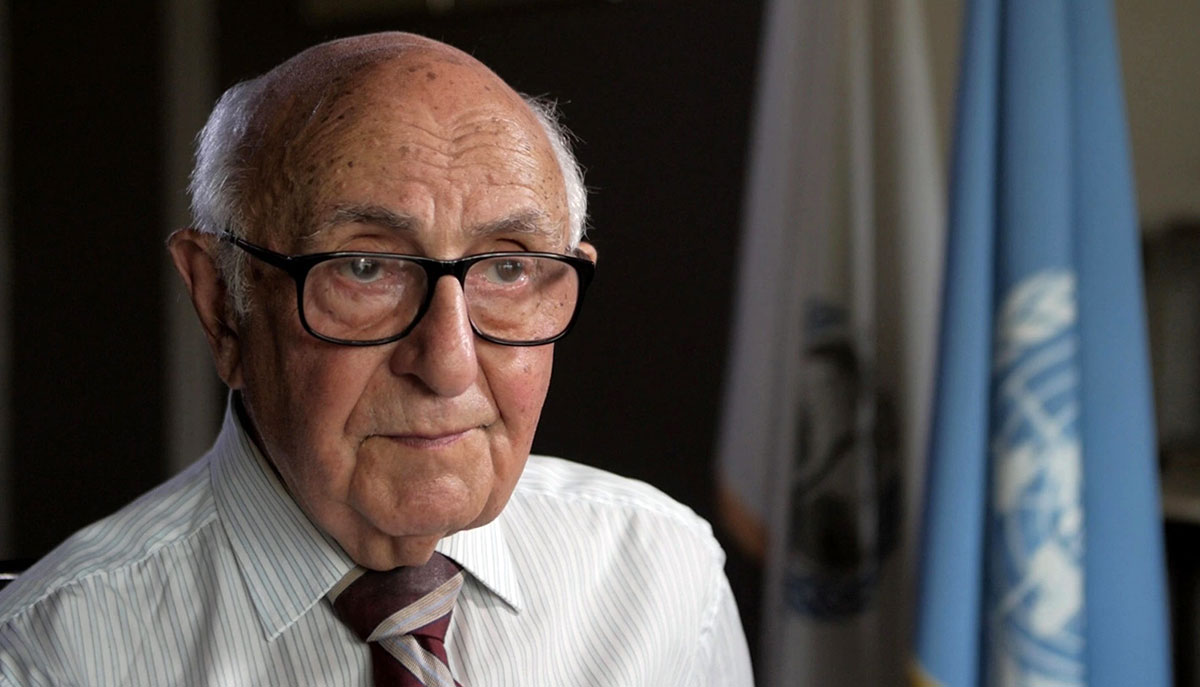
The end of the Second World War led to the creation of the regime of international law that exists today. One survivor who dedicated his life to these principles was Theodor Meron. Born in the Polish city of Kalisz in 1930, he was still a young man when he and his entire family were deported to the Częstochowa Ghetto. Four years later, he was liberated but almost his entire family had been killed. He was orphaned and deprived of a proper education, leading to his immigration to Mandatory Palestine.
After gaining a law degree from Hebrew University in Jerusalem and serving in the Israeli Defense Forces, he joined Israel’s diplomatic mission to the UN. This was the start of his career in Israel’s civil service. As a legal advisor to the Israeli Foreign Ministry, he warned the government in 1967 that building settlements in the territories seized after the Six-Day War was a violation of international law. He maintains this stance to the present day.
As a member of the U.S. delegation to the Rome Conference for the establishment of the International Criminal Court in 1998, Meron helped draft the provisions on war crimes and crimes against humanity. He became a judge for the ICC, a professor at multiple universities, and the editor-in-chief of the Journal of International Law. While presiding over the International Criminal Tribunal for the former Yugoslavia, he witnessed numerous trials of war criminals in the Yugoslav Wars. His writing about the Holocaust emphasized that it was a tragedy for the whole of humanity, not just the Jewish people.
5. Éva Fahidi
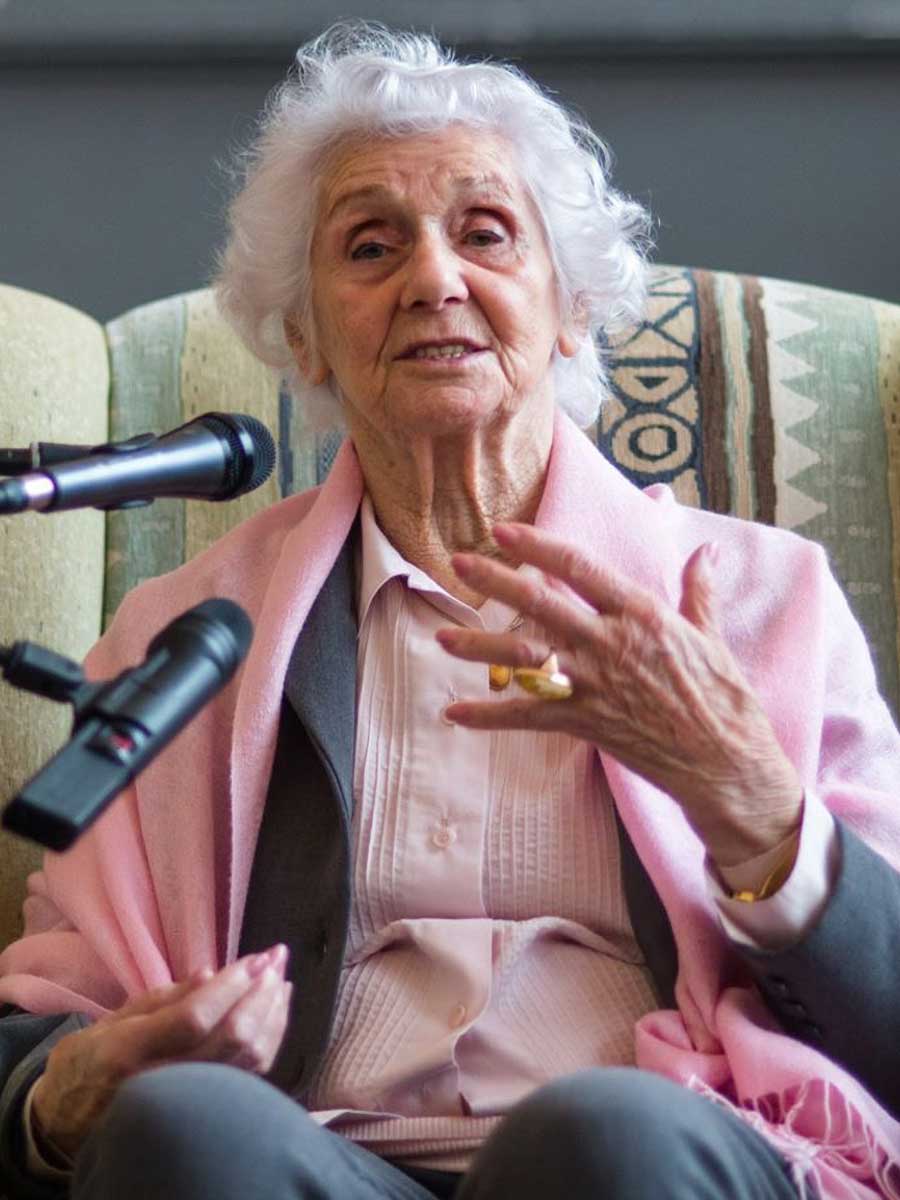
Around 440,000 Hungarian Jews were sent to the death camps between May and July 1944. One of these was 18-year-old Éva Fahidi. Born on October 22, 1925, in Debrecen, Hungary, Fahidi grew up in a middle-class Hungarian Jewish family. Her family converted to Catholicism in 1936 but were still subjected to discriminatory legislation under Admiral Miklós Horthy’s regime. For most of the war, Hungarian Jews managed to avoid deportation until 1944. Local gendarmes turned Fahidi’s family over to the SS.
The rest of her family was killed in Auschwitz but she managed to survive and was transferred to Buchenwald. There, she was forced to work in armaments production. Upon being liberated by American troops in 1945, she returned to Hungary. For decades, she worked in menial jobs and kept a low profile until after the fall of communism. In 2003, when she visited Auschwitz, she was stunned to see what had happened there since the end of the war. She decided to write memoirs of her experiences because she did not want her story to disappear.
Her book, The Soul of Things, was widely read and she spoke to crowds of people who wanted to know about her story. In 2015, she attended the trial of Oskar Gröning, an SS guard at Auschwitz. She was a dancer in her youth and participated in performances later on. In 2012, she was awarded the Order of Merit by the German government. On September 11, 2023, she passed away in Budapest at the age of 97.
6. József Forgács
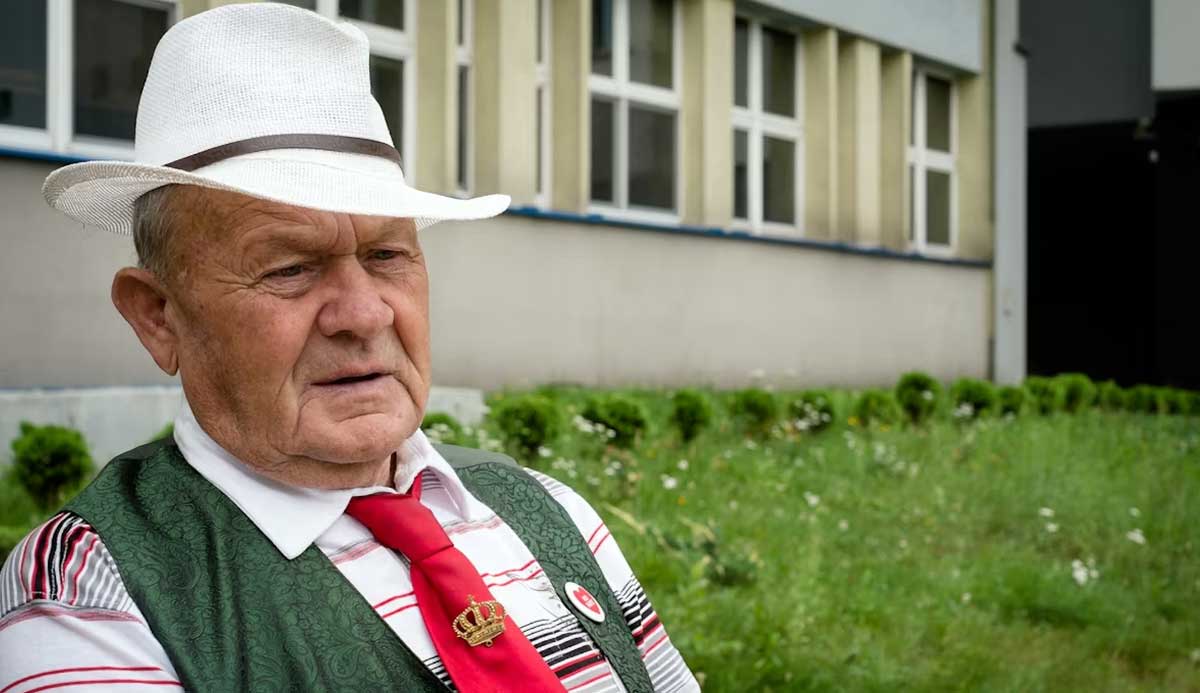
Roma Holocaust survivors are not as prominent as their Jewish counterparts, but many nonetheless attempted to make their voices heard. József Forgács was born in the Hungarian town of Zalaegerszeg on April 22, 1935. His family lived a poor, destitute existence typical of Roma and Sinti in interwar Europe. Similar to Éva Fahidi, he and his family were rounded up by the Hungarian police in November 1944. His parents and brothers were killed at Auschwitz while he was sent to a labor camp in Germany. For many years, he was unsure of where he was sent; over time, he learned that he went to Mauthausen.
For the rest of the war, he did forced labor until his liberation. He had no idea of how to get home, so he joined some other Roma boys trying to return to their respective countries of origin. Upon arriving at the Hungarian border, he immediately went to his hometown to see if he could find out what happened to the rest of his family. His home was destroyed and he slowly rebuilt his life. For 40 years, he worked in construction or as a border guard as part of mandatory military service. Only after Hungary gained freedom from communist rule did he feel free to speak about his experiences.
Unlike the other survivors mentioned above, Forgács did not write a book about his experiences, but he did speak about what happened to his family. The Porajmos, which was the Roma word for the Holocaust, took a longer period of time to enter the public consciousness. Only with testimony from people like József Forgács did it become known what happened to the Roma of Europe in WWII.