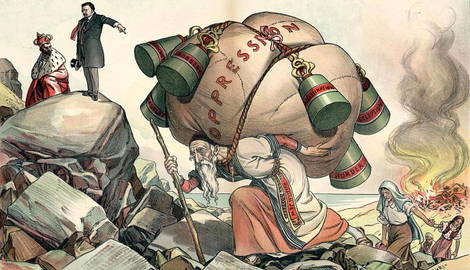

The Kishinev Pogrom epitomized the worst of the Russian Empire’s excesses: an act of mass violence against a minority ethnic group that was blamed for Russia’s ills. It was hardly the first act of violence against Jews, nor would it be the last. However, it proved to be a pivotal event for Europe’s Jews. Instead of living quietly in the countryside, many Jewish people in the Russian Empire became committed revolutionaries and formed self-defense groups. Its legacy continues to resonate today.
The Jews of Bessarabia and Kishinev
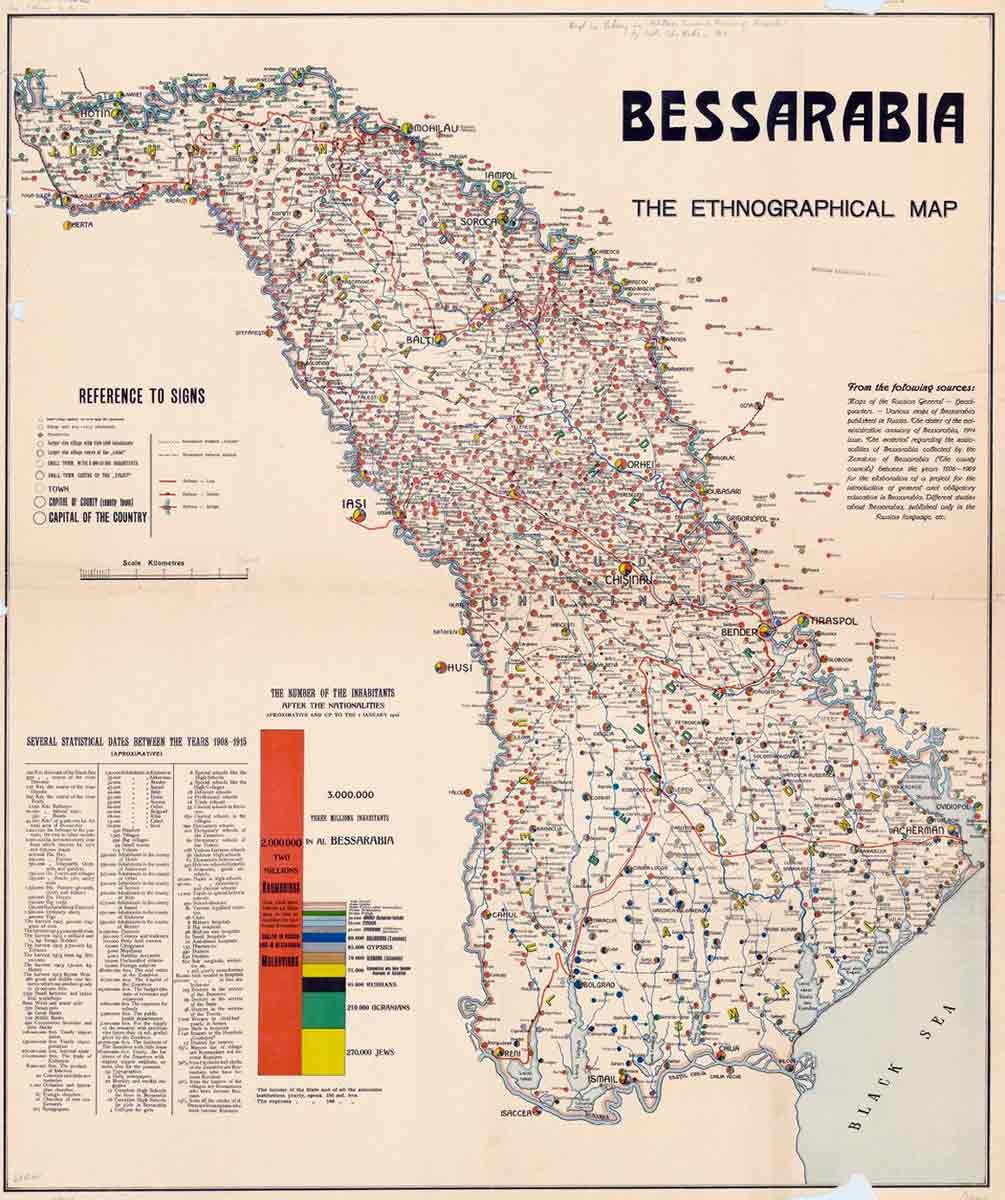
In the 15th century, some Polish monks mentioned in writing that they witnessed a rabbinical court operating in the town of Akkerman (Bilhorod-Dnistrovskyi in present-day Ukraine). Apart from some Jewish names mentioned on official documents before, this marked the first written reference to a large Jewish presence in the region of Bessarabia. Lying in territory now comprising Moldova and parts of Romania and Ukraine, Bessarabia was originally part of the Principality of Moldova and the Ottoman Empire when it was annexed by Russia in 1812 during the Napoleonic Wars. It remained part of the Russian Empire until 1918.
By 1812, some 20,000 Jews were estimated to live in Bessarabia. During Ottoman and Moldavian rule, they had been granted some autonomy. Most lived in small villages or the countryside. Yiddish was the primary language; Russian started to appear later in the 19th century. Russia included Bessarabia in the Pale of Settlement, the western provinces of the Russian Empire where most Jews were confined to. Bessarabia’s favorable climate made the region suitable for farming and wine production. Many Jews from the rest of the Russian Empire migrated there.
By the late 19th century, the tsarist regime passed laws demanding that Jews leave their farms so Christians did not face agricultural competition. This led to a movement of Jews to urban centers such as Kishinev (now Chisinau, the capital of Moldova). Jews became disproportionately involved in business, especially once these communities became better educated. Young men were also subject to mandatory military service. Their social advances led to trouble from other communities worried about economic competition.
Antisemitism in the Russian Empire
Antisemitism was rife in the Russian Empire, and many Russian rulers of the Romanov dynasty were personally antisemitic. In response to the rise of nationalism and the spread of radical revolutionary ideologies across Europe during the 19th century, the Russian government feared revolts by the masses and pursued a divide-and-conquer approach that kept minority groups and lower classes fighting each other. Russia’s elites claimed that Jews posed a fifth column that needed to be expelled or forcibly assimilated.
By the early 20th century, Russia’s antisemitism was a lethal combination of medieval tropes mixed with modernized forms of bigotry. The Russian Orthodox Church played a leading role in the spiritual and social lives of most Russians. Church doctrine that Jews had been responsible for killing Jesus and murdered Christian children for their blood. Other religious institutions in the empire echoed these sentiments. Some tsarist ministers claimed that Jews were a revolutionary force. The tsar’s secret police forged the notorious Protocols of the Elders of Zion which claimed that Jews were intent on world domination. As the Jewish population increased with high birth rates, these fears became more widespread.
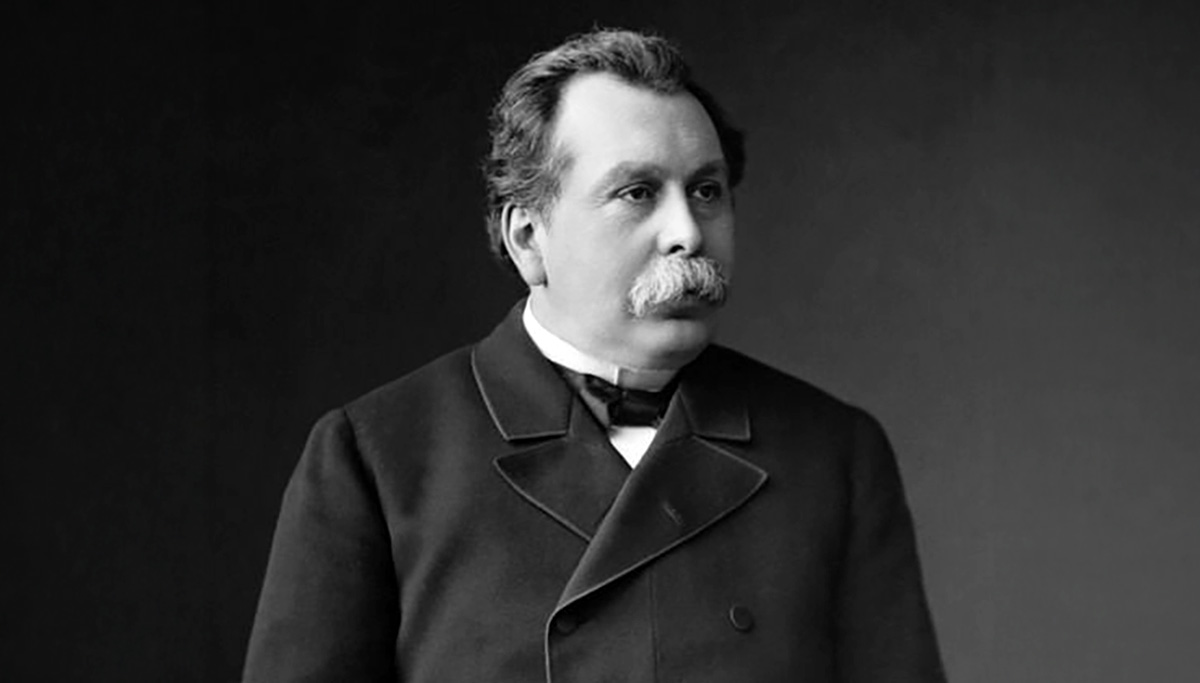
By 1903, Tsar Nicholas II was in charge of the empire. He was assisted by a cabinet of ministers who mostly reflected his reactionary worldview. One of these men was the interior minister Vyacheslav von Plehve. Plehve ordered the Okhrana, the secret police, to target anyone suspected of revolutionary sympathies. He also refused to stop violent attacks on Jews. This bode ill for the Jews of Kishinev, who had already suffered attacks during the first wave of pogroms in the 1880s.
Trouble During Easter 1903
In the days leading up to Easter in Kishinev, tensions ran high between the Jewish and Christian populations of the city. Christian church leaders had been claiming in their sermons that Jews had killed Jesus and that they were planning acts of violence during the Holy Days. Some Christians told Jewish merchants that they would not need to buy goods from them during Easter because they could steal it from them in the coming days. Orthodox clergymen had a lot of influence in the city because of their stature and the support of the local authorities. Many Jews were on edge and the police did not seem to be taking the threat of mob violence seriously.
Additionally, the local newspaper Bessarabets published an incendiary report bound to make things worse. A young Ukrainian boy had been found murdered in a neighboring town and a young woman took her life as a patient in a hospital in the Jewish district of Kishinev. Bessarabets claimed that local Jews were responsible for both deaths. While subsequent investigations found that neither death could be attributed to Jewish people, the reporting enraged locals who were already radicalized into fearing and hating Jews.
Kishinev’s Jewish community either lived amongst each other or in majority-Christian parts of the city. Moisei Slutskii, the director of the local Jewish hospital, had gone with other Jewish leaders to convince the city leadership and Christian leaders to dampen tensions. The mayor promised nothing would happen and Church leaders refused to stop the sermons. When the pogrom started, Slutskii and others were caught off guard.
The Attacks and Its Effects
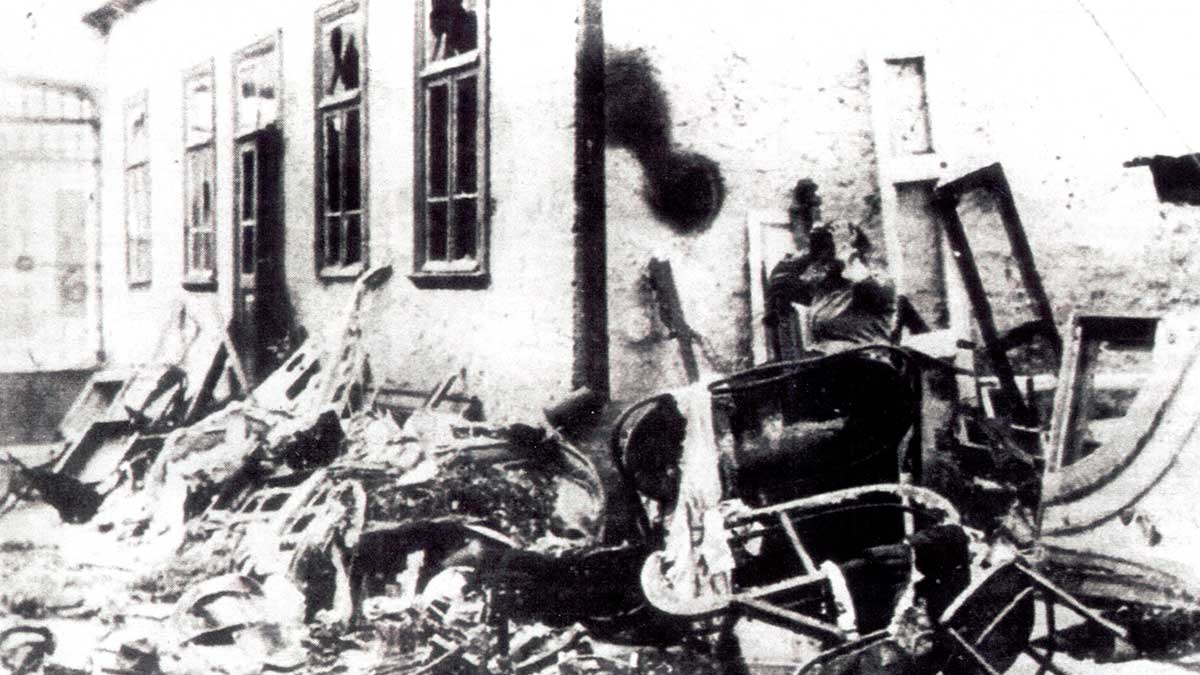
Mobs of people began attacking Jewish businesses and homes in the morning of April 19, 1903. Many local Christian congregants had been in church and gathered in public spaces. They took advantage of the police’s apathy and plundered liquor from local stores. Despite warnings to go home after Passover services, some Jews stayed in public streets to go shopping at some of the city’s markets. They were amongst the first people attacked by the pogromists.
The attacks on local businesses were small in scale but caused major damage in the city’s New Market district. By 4:00-5:00pm, the rioters grew in number and began attacking residential neighborhoods with a large Jewish presence. They broke into homes and stole property from the Jewish residents. Anyone who resisted was beaten or killed. There were rapes recorded too, especially in homes where no men were present to help protect the female residents. The violence did not abate overnight; looting and marauding continued and even encouraged others to join the pogrom. Some women were seen taking high-quality coats from Jewish businesses in New Market.
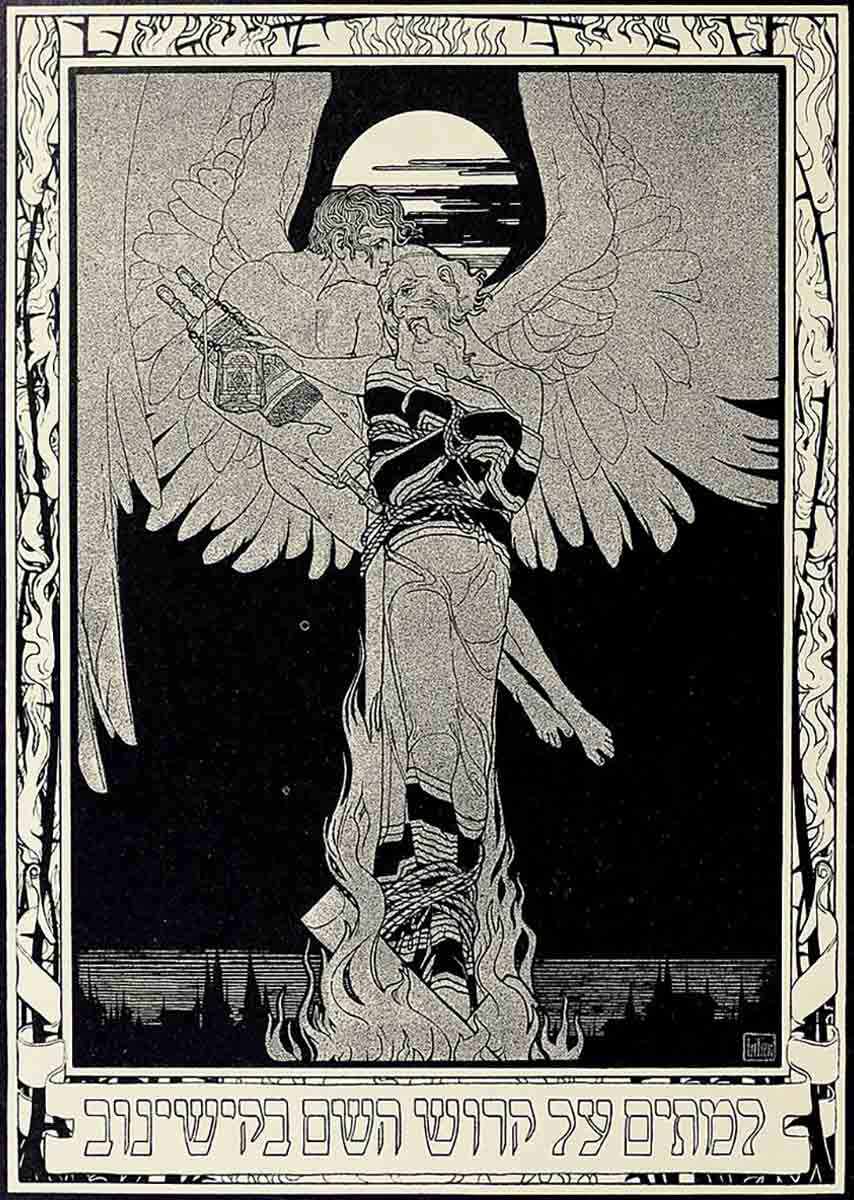
By the end of the pogrom, some two-thirds of the city had been affected. The rioters had killed 49 Jews; 38 of them were men and 11 were women. Some young children were listed as having been killed too. Some 2,000 Jewish people were left homeless and hundreds of businesses were destroyed. The pogromists succeeded in creating a strong sense of insecurity for Jews in Kishinev.
Aftermath of the Pogrom
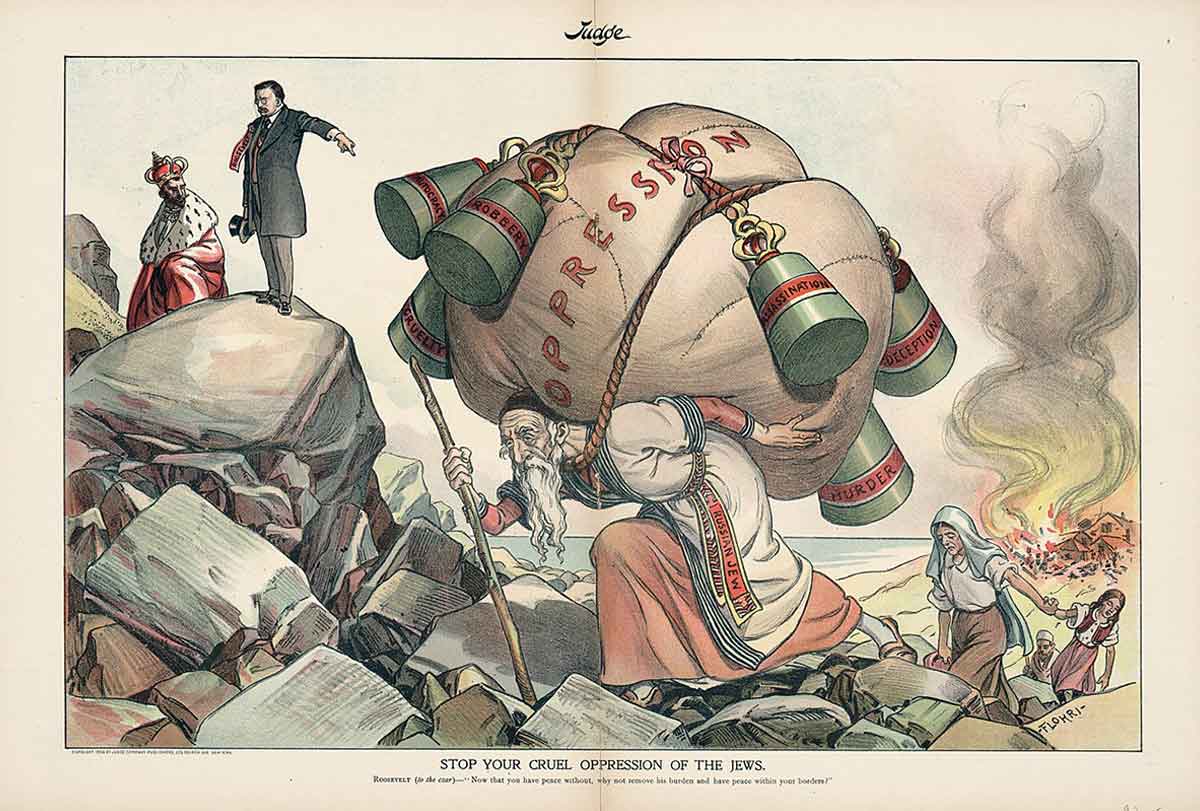
For many years it was assumed that the Russian state had promoted the pogrom. There was a letter apparently written by the Russian Interior Minister von Plehve that claimed Moscow officially supported the rioters. However, this letter turned out to be a forgery. The reality was slightly different: the Russian government did not support the riots but did not want to be seen as too sympathetic to the Jews. Nonetheless, the Tsar’s government was held responsible for allowing the pogrom to take place. The army and police turned a blind eye and failed to maintain law and order.
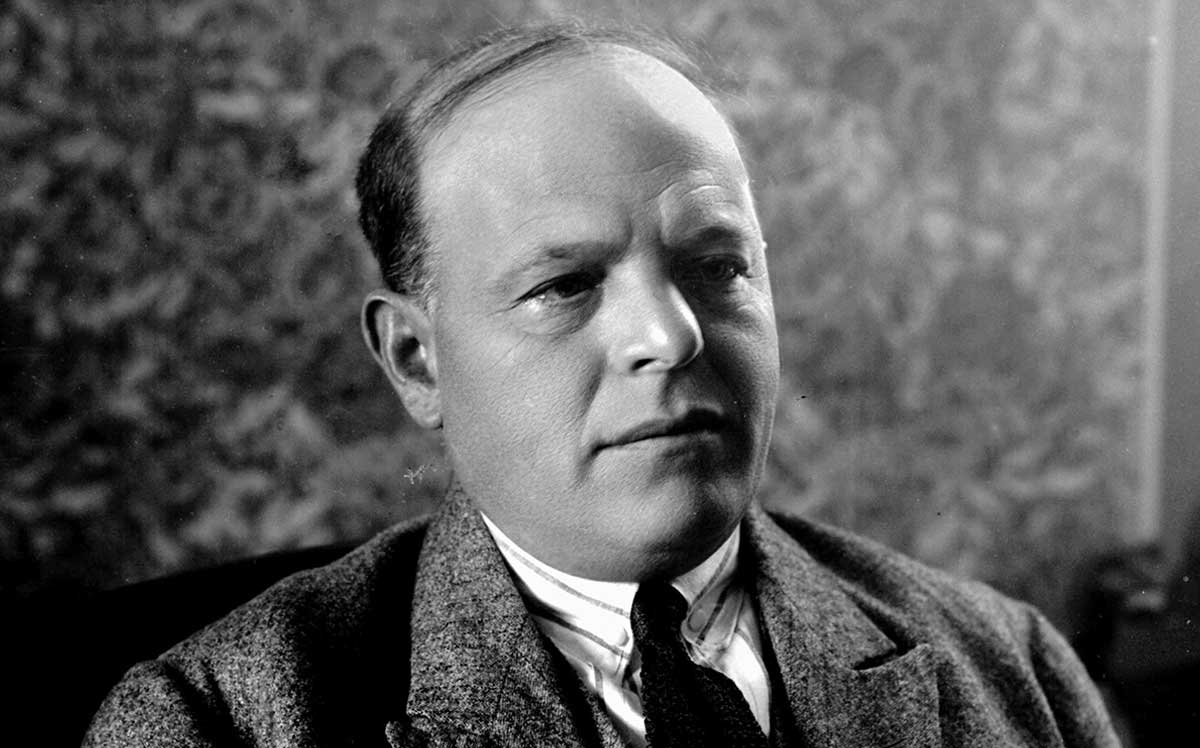
Right after the pogrom occurred, the Jewish Historical Commission in Odesa sent an investigator to find out what exactly had happened and report on it. This man was Hayim Nahman Bialik, a Jewish poet and ardent Zionist. Bialik gathered eyewitness testimony and wrote a report, claiming that the local Jews were beaten and killed without much resistance. He also wrote a poem called “In the City of Slaughter” that would come to be one of the most famous literary works by a Jewish author.
In the United States, the pogrom inspired a surge in criticism of Russia’s treatment of Jews. While President Theodore Roosevelt hoped to maintain amicable ties with the Russian government, he also promised the American Jewish community that he would denounce the pogrom and offer support to its victims. This internationalized the issue of antisemitism in Russia and set a precedent of the United States becoming a promoter of Jewish civil rights around the world.
The Legacy of the Kishinev Pogrom
The Kishinev Pogrom was a turning point for Ashkenazi Jews in the Pale of Settlement. It was not the first time Jews had been mercilessly attacked by their neighbors. However, the reporting on the event was widespread and the perception that the victims had been helplessly cut down struck a chord. Even though there was evidence that Jewish families in Kishinev fought back, the prevailing narrative was that Jews needed to defend themselves and could not be so weak in the future.
In the emerging Jewish settlement in Palestine, the Jewish community feared mob violence from the Arabs similar to what transpired in Kishinev. This led to the local Jewish Agency forming a militia called the Haganah: “defense” in Hebrew. The Haganah and other Jewish militias in Palestine would be armed to defend the community whenever there were clashes with the Arab community. Throughout the rest of the Russian Empire, Jewish communities organized into political and civic organizations to defend themselves in the face of pogroms. Groups like the General Labor Bund and Poale Zion formed armed bands to resist pogroms.
In the United States, the Kishinev Pogrom reminded people of the systemic racial violence against African Americans and Native peoples. The US government was accused of hypocrisy for condemning antisemitism while it was unwilling to prevent mob violence against minorities at home. American Jewish philanthropists wanted to fight back against the tide of bigotry and formed the Anti-Defamation League and National Association for the Advancement of Colored People. The Kishinev Pogrom became a symbol of mob violence and inspired a willingness to fight back. In Russia, the pogroms, combined with World War I and the Russo-Japanese War, contributed to the collapse of the tsarist regime. Kishinev’s days of violence cast a pall over the city that continues to the present day.