
For thousands of years, cavalry dominated battlefields through speed, shock power, and mobility. Before there were tanks and aircraft, mounted warriors were often the deciding factor in military engagements. Wars and battles could be determined by a single dramatic charge or outflanking maneuver by men on horseback. Certain cavalry units became legendary not only for their battlefield success but for their discipline, tactics, and impact. From the Eurasian Steppe to Napoleonic Europe, these six cavalry forces stand above all others in their military impact and enduring reputation.
1. Mongol Horsemen: The Storm from the Steppes
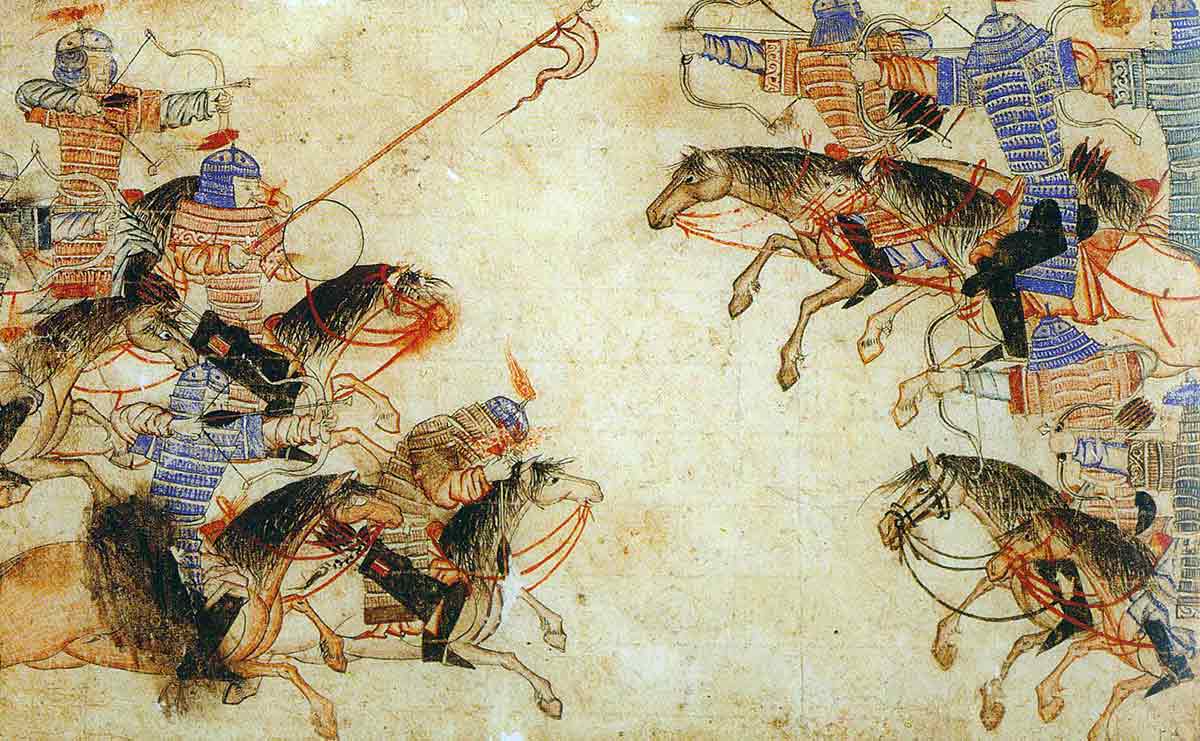
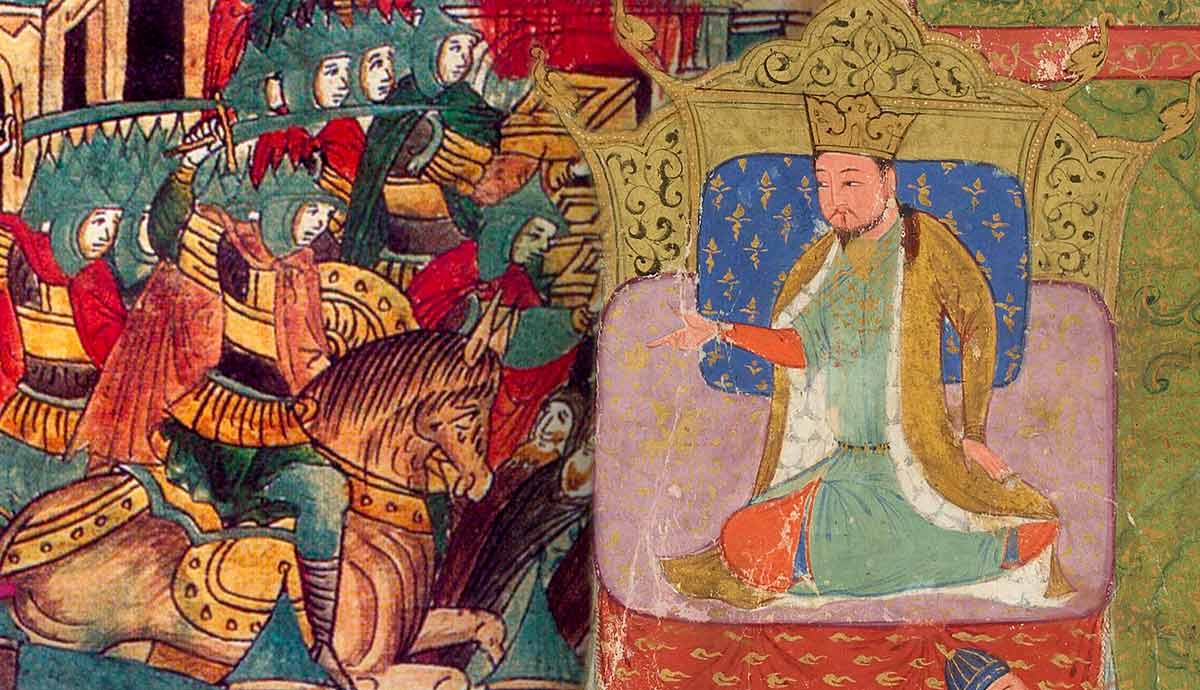
No other cavalry force was more feared, disciplined, and successful than the vast hordes of horseman employed by the Mongols throughout their conquests. Born into a nomadic system with one of the oldest equine cultures on earth, Mongols honed their skills in horseback riding and archery from the time they could walk. The Mongols valued and took great care of their robust mounts, with each warrior usually equipped with four to six. Owning several horses endowed the Mongols with their quintessential advantage in mobility, often riding multiple horses over vast distances to sustain their steeds’ health and fighting ability.
Mongolian horses tend to be smaller but uniquely hardy. They could survive in both extreme heat and cold and in addition to being highly intelligent displayed incredible loyalty to their riders. On horseback Mongols could travel between 60 and 100 miles a day, a rate unmatched by any army until the era of mechanization.
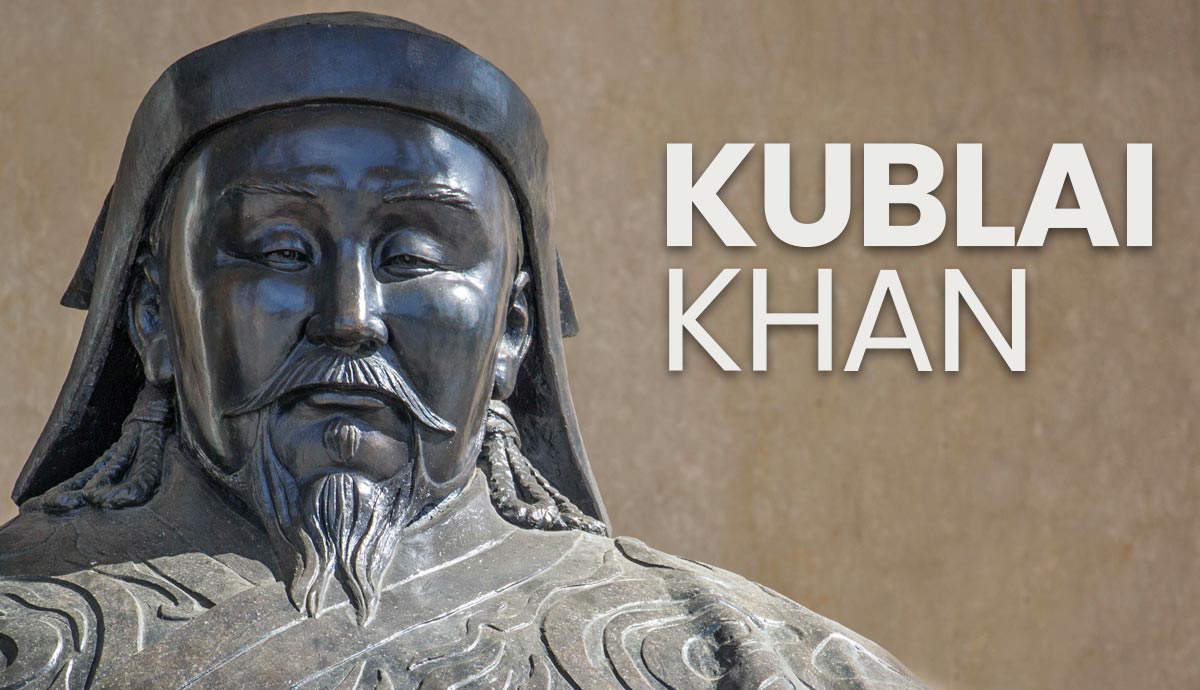
The Mongols boasted the largest cavalry forces in history, with as many as 100,000 horsemen serving in the armies of Genghis and Kublai Khan, employing their recurve bows with natural and lethal efficacy. During the first half of the 13th century, the Mongols defeated almost any army they came across. From the Eurasian steppes to Hungary, no military could withstand their rapid conquests. The Mongols favorite tactic was the feigned retreat followed by encirclement, but they would also employ experts in siegecraft and amphibious operations.
Employing cunning, discipline, and ruthless annihilation, Mongol cavalry could not be sufficiently deterred as they carved out the largest contiguous land empire in history. Their methods and unmatched equestrianism are still practiced by their descendants in the present day, giving credence to their esteemed legacy.
2. Companion Cavalry: Thunder of Macedonia
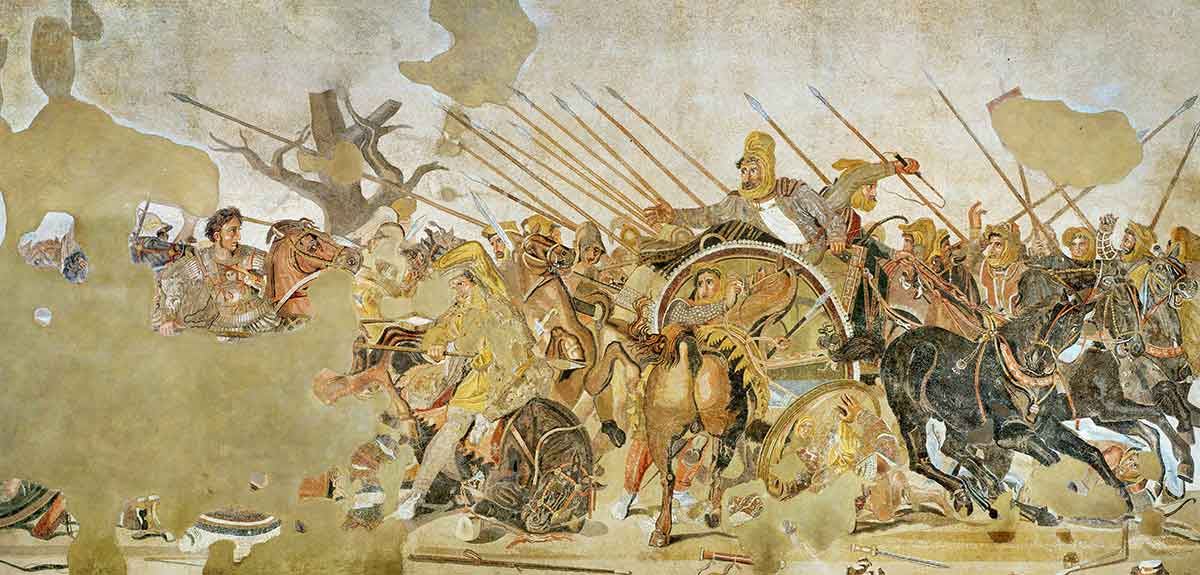
Alexander the Great is one of the most important figures in history. He conquered an empire that expanded from the Balkans to modern day Pakistan, contending with and defeating multiple adversaries from vastly different regions and military cultures. Though he utilized a combined arms military with the essential pillar being the infantry phalanx, the senior arm of his army was the cavalry. During his great campaigns, Alexander rode and fought alongside his Hetairoi or Companions, the elite formation composed of Macedonian nobles who trained together since childhood.
In early antiquity, Macedonia was often viewed as a backwater by much of the Greek-speaking world. Yet the region was renowned for its equestrian tradition and enjoyed close ties to Thessaly, famed for its horsemen. Macedonia rose to prominence under Alexander’s father Philip II, who enacted sweeping military reforms with an emphasis on cavalry reorganization. Philip forged a dominant military force that subdued much of Greece. After Philip’s assassination, Alexander inherited this army and wielded it with even greater success during his expeditionary conquest of the Achaemenid Persian Empire.
As units were organized into squadrons of 200 men each, the Companions would consistently fight on the right side of the army, the traditional place of honor. They often attacked in critical situations, effectively tipping the scales of engagements. They would usually charge against the enemy in a wedge formation; the Companions were a highly synchronized force capable of overwhelming mounted and ground troops alike.
Macedonian horses were typically smaller than present-day horses but were incredibly strong, durable, and athletic. The Companions were critical at the Battle of Gaugamela in 331 BC, perhaps Alexander’s most improbable and spectacular victory. Over more than a decade of Alexander’s campaigns, the Companion Cavalry constantly played crucial roles, often against similarly proficient mounted units such as the Scythians and the deadly elephant formations at the Battle of Hydaspes in 326 BC. Alexander’s battlefield triumphs would not have been possible without his loyal and select cadre of aristocratic horsemen.
3. Cataphracts: Juggernauts of the Near East
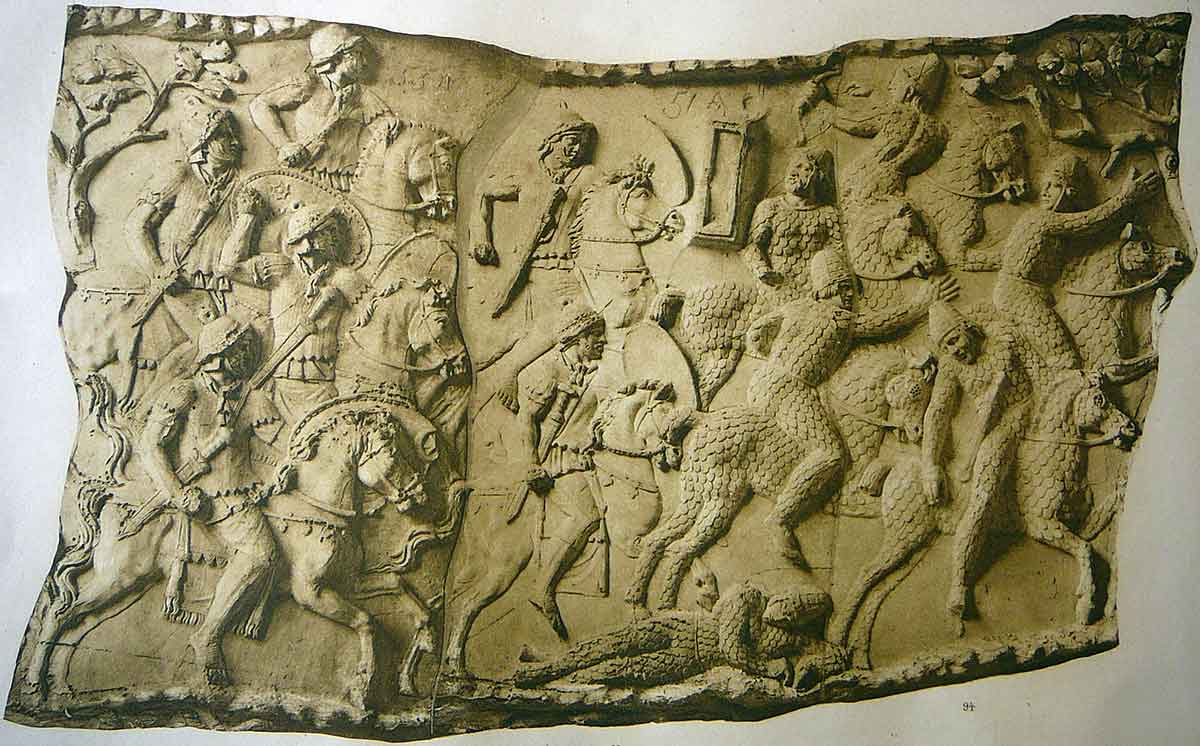
Ancient Persia established an early precedent for elite cavalry forces. The Persians, particularly the Parthian Empire, mastered light horse tactics and mounted archery, employing them with devastating effect against the Romans at the Battle of Carrhae in 53 BC. Cavalry warfare evolved over the following centuries, culminating in the adaptation of heavily armored cavalry known as Cataphracts. The term “Cataphract,” derived from Greek kataphraktos, means fully armored or enveloped, referring to the extensive armor worn by horse and rider alike.
The overlapping metal plates were both highly protective and culturally distinct. Cataphracts were equipped with an extra-long lance as well as a sword. These armored horsemen could demolish enemy formations with the efficiency of a battering ram. They would likewise work in conjunction with light cavalry who often would shower their adversaries in a torrent of arrows. This combined arms equestrian-oriented approach to warfare sustained the Parthians as a regional superpower, as they contended with numerous enemies and permanently thwarted Roman expansion eastward.
Cataphracts were so successful that their style of warfare would be adopted and modified by their successors, the Sassanians, and even their adversaries such as the Eastern Roman or Byzantine Empire. The heavily armored prototype was the precursor to the European knight. Although Persia went through multiple dynastic changes during antiquity and the early medieval period, consistent use of Cataphracts in their armies was a major force multiplier in helping them dominate the Near East for centuries.
4. Polish Winged Hussars: The Wings of War
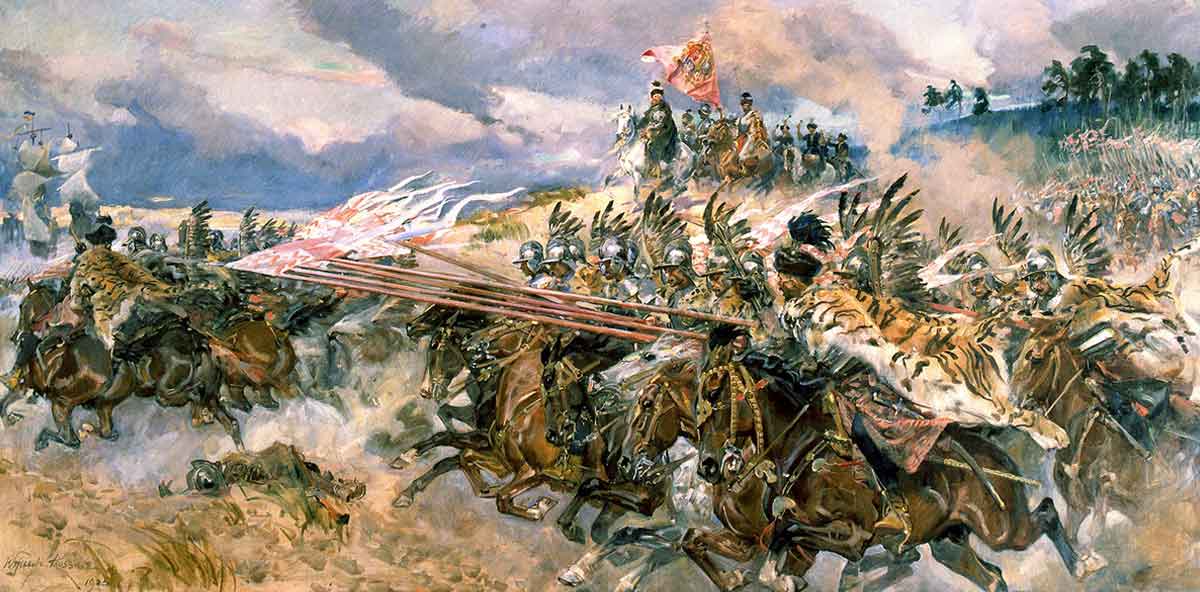
Combining elements of Eastern and Western influence, the Polish Winged Hussars attained great renown as one of the most remarkable military formations of early modern Europe.
Unlike the more urbanized states of Western Europe, Eastern Europe long maintained a strong equestrian tradition. The Polish-Lithuanian Commonwealth, one of Europe’s leading powers during the 16th to 18th centuries, drew on these traditions while modernizing its military. Recruited largely from nobility, the Winged Hussars were named for their distinctive artificial wings and became one of history’s most cohesive and formidable shock cavalry units.
The Winged Hussars rode expertly bred war horses that were often Polish-Arabian hybrids. The aristocratic riders furnished their mounts and armor at considerable expense. Hussars were clad in heavy steel armor typical of the era and often adorned themselves in exotic animal furs while riding on saddles laced with fine silk.
A long lance and curved saber were the most consistent and preferred weapons of the Winged Hussars, but they also carried firearms. As for the Wings themselves, both eagle and falcon feathers were used and served a dual purpose. They were not only visually threatening to foes, but the din produced by the feathers rubbing against each other during cavalry charges contributed to the shock and awe.
Although the Winged Hussars fought countless battles over many fronts and foes, their greatest moment came at the Siege of Vienna in 1683, when they rode in the vanguard of an immense relief coalition. The 4,000 Winged Hussars led by King John Sobieski spearheaded what may have been the largest cavalry charge in history, crushing the besieging Ottoman forces and saving Vienna in the process.
5. French Cuirassiers: The Backbone of Napoleon’s Cavalry
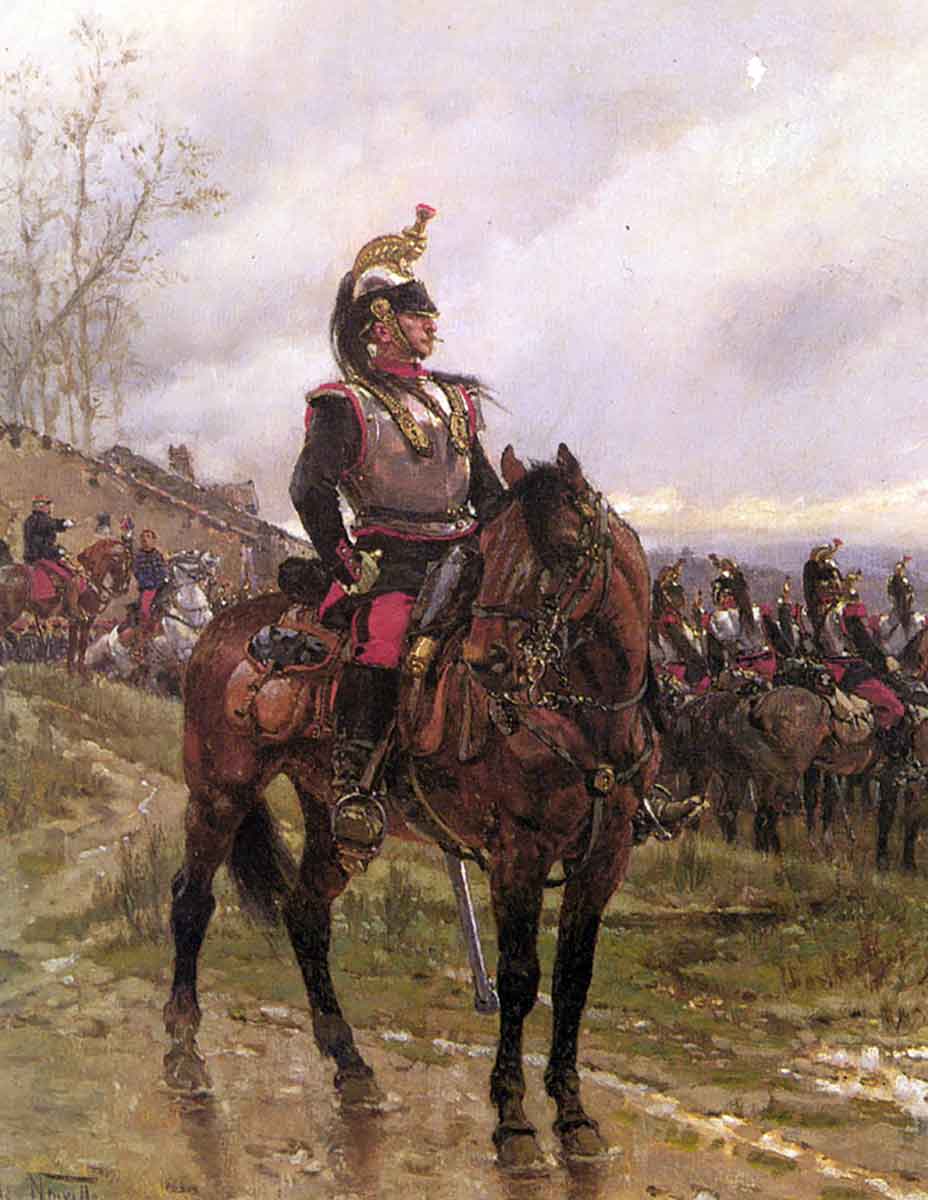
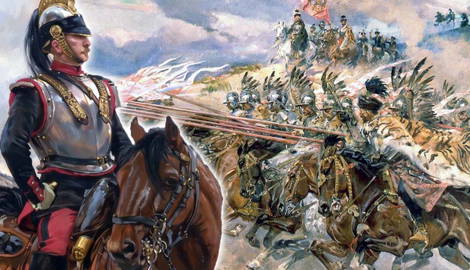
Cavalry has experienced multiple golden ages over the course of military history, often functioning as the crucial force necessary for victory on the battlefield. The Napoleonic Wars was one of the last periods this would be apparent, and no cavalry unit represented the elan and prestige of Napoleon’s Grand Armée more than the Cuirassiers.
France has enjoyed a long history as a premier horse breeding location. The French, like most conventional European armies of the period, employed a variety of cavalry typically classified into light and heavy units with versatile but differing purposes. Cuirassiers were heavy cavalry named after their breastplates or cuirasses. They rode larger horses and wielded straight sabers with carbines and pistols as sidearms. They sported helmets made of steel and brass with distinctive horsehair plumes.
Napoleon’s cuirassiers were among the most formidable and visually striking forces on Europe’s battlefields. Through superior organization, morale, and tactics they achieved notable success during the battles of Austerlitz and Eylau, where thousands of horsemen under Marshal Joachim Murat charged through the snow. The large number of horses Napoleon lost during his disastrous Russian campaign of 1812 was one of the major factors in his inability to fight effectively against the armies of the Sixth Coalition. At the Battle of Waterloo in 1815, the Cuirassiers were cut down while assaulting organized British infantry squares.
Though the importance of cavalry declined as warfare became increasingly mechanized, the French Army retained the 12th Cuirassier Regiment as a tank unit, which maintained its legacy for speed and boldness during the Second World War.
6. Comanche Warriors: The Scourge of the Southern Plains
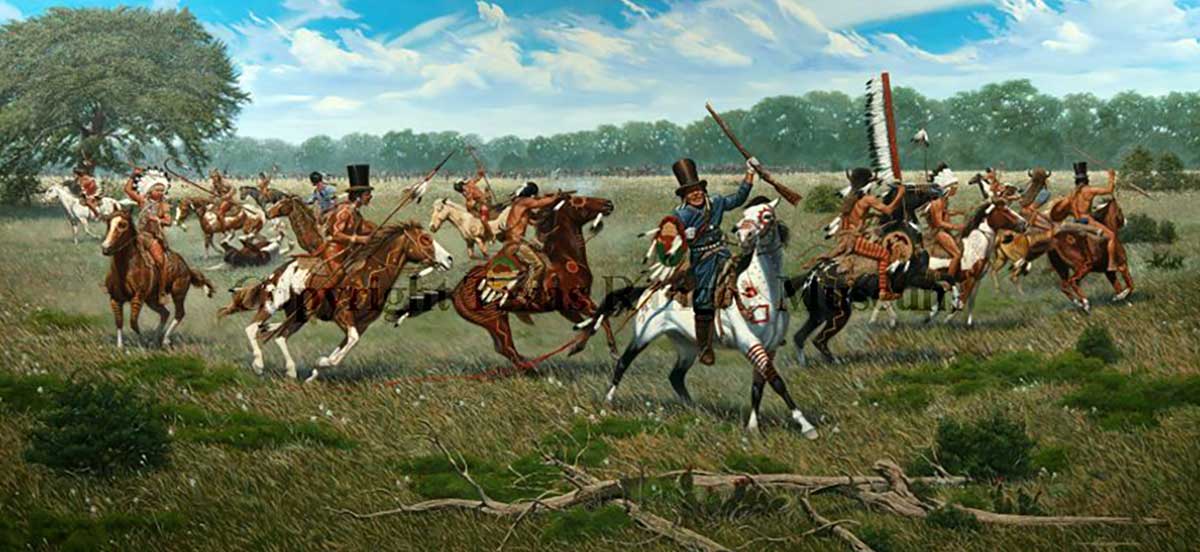
The Great Plains of North America were once dominated by a litany of mounted warrior cultures, but none were more imposing nor feared than the Comanche of the Southern Plains. Originally related to the Shoshone, the Comanche gradually migrated southward from the Great Basin into modern day Texas, New Mexico, Oklahoma and Colorado. One impetus for this migration was the availability of horses which were introduced by the Spaniards who had utilized them with great effect in their conquest of the New World.
In a remarkably short time, horses transformed plains society and culture. The Comanche were among the tribes that mastered horsemanship, using their mobility to follow buffalo herds and conduct raids against rival tribes. Horses became central to Comanche life, symbolizing wealth and status and both men and women learned to ride from an early age. The Comanche fought numerous enemies including the Apache, Mexicans, Texans and the United States Army. Their raids covered vast distances, often striking settlements with sudden and overwhelming force.
Comanche warriors utilized a variety of weapons, from traditional bows to long spears and eventually firearms. The Comanche were masters at sowing confusion and simply outmaneuvering their adversaries. They rode swift agile mounts which were selectively bred and retained in great quantities. Through sheer brutality and military prowess, the Comanche resisted US encroachment for much longer than most other tribes. But they could not halt the inevitable forever.
As the United States expanded further west, the US Army dealt the Comanche a crushing defeat through relentless campaigning and scorched-earth destruction of their horse herds. Although the Comanche survived, they witnessed their culture forever transformed by the reservation system and population decline. To this day, no Native tribe better embodies the spirit of resistance, horsemanship, and lethality than the Comanche.