
World War I was a considerably devastating war with an estimated 20 million deaths. But about 60 years prior, another war in East Asia caused even more devastation. Known as the Taiping Rebellion, it was one of the deadliest civil wars in history, with death estimates reaching 30 million people, while others put the figure as high as 70 million. While World War I lasted for 4 years between 1914 and 1918, the Taiping Rebellion went on for 14 years, from 1850 to 1864.
A Failed Test and a Vision That Triggered a Holy War
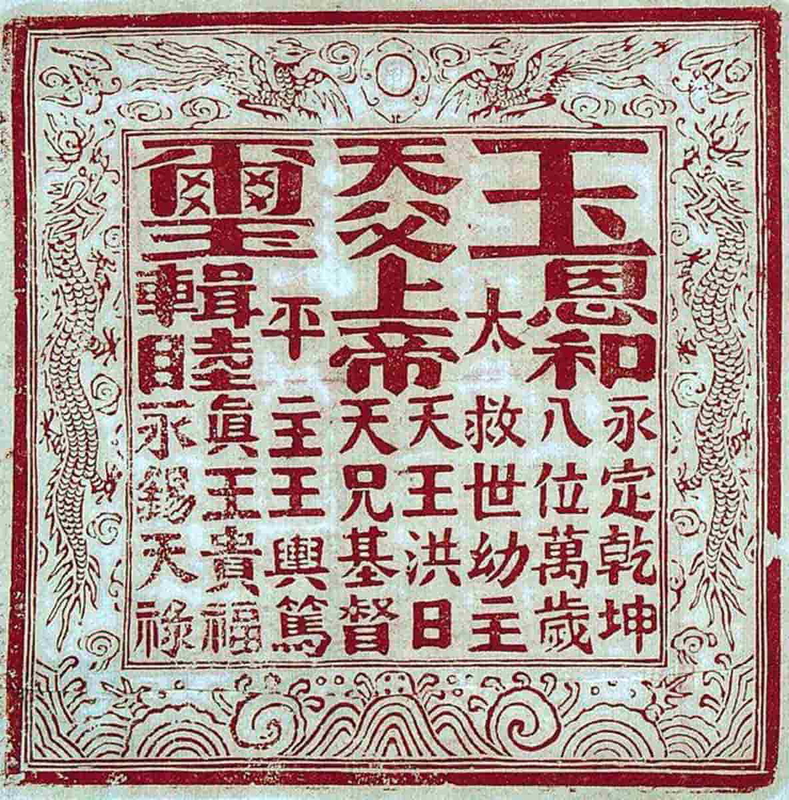
The Taiping Rebellion was started in the 1840s by Hong Xiuquan, a Hakka man who, after failing the imperial civil service examination four times and suffering a nervous breakdown, came to believe that he was the younger brother of Jesus Christ.
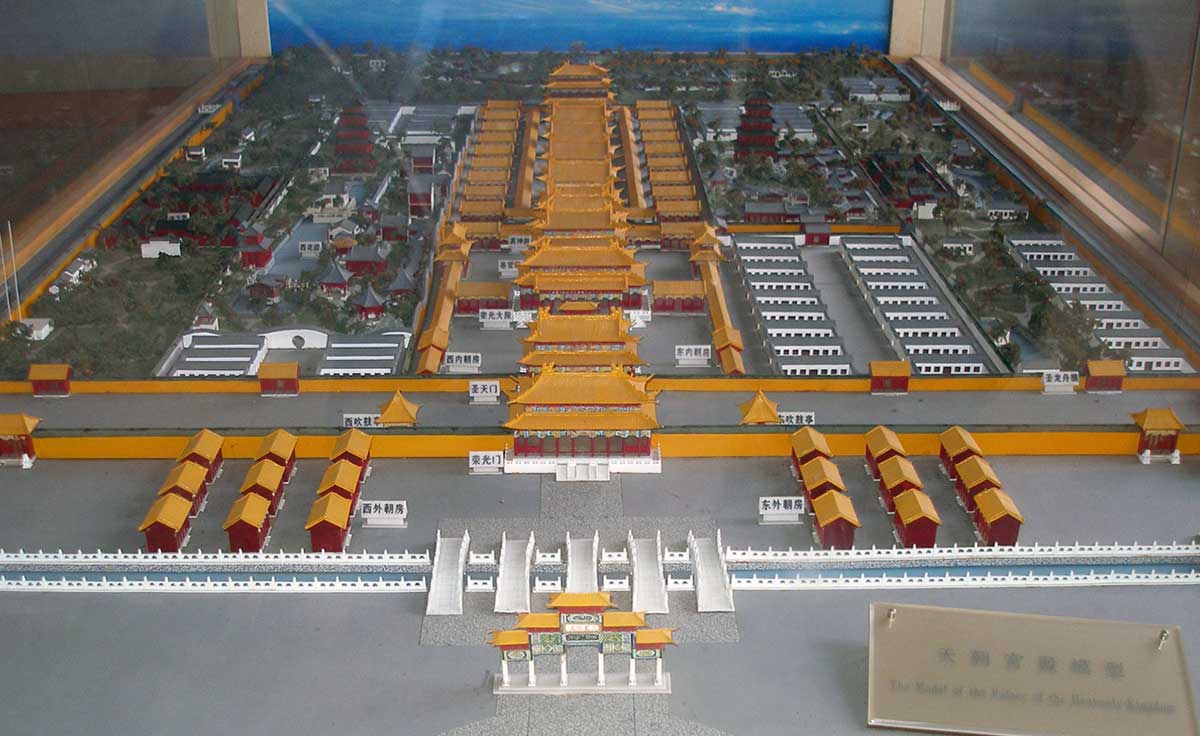
Following a series of vivid visions, he was convinced that God had chosen him to purge China of the Manchu rulers and create a new Heaven on Earth. Eventually, Hong found a massive audience and gained a large following that would swell into millions by drawing on intense local social discontent and combining it with potent religious overtones. By labeling the Qing dynasty as demon worshippers and blaming it for the economic instability following the Opium Wars, he made dissent a holy and righteous act. Soon, he created a group of armed followers called the God-Worshiping Society that resided in the village of Jintian.
Fourteen Years of Relentless Conflict That Shattered an Empire
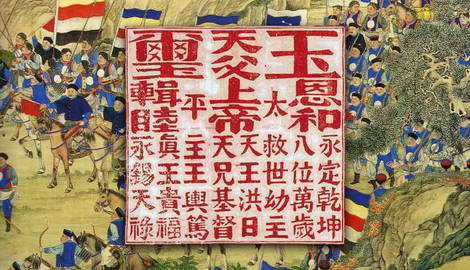
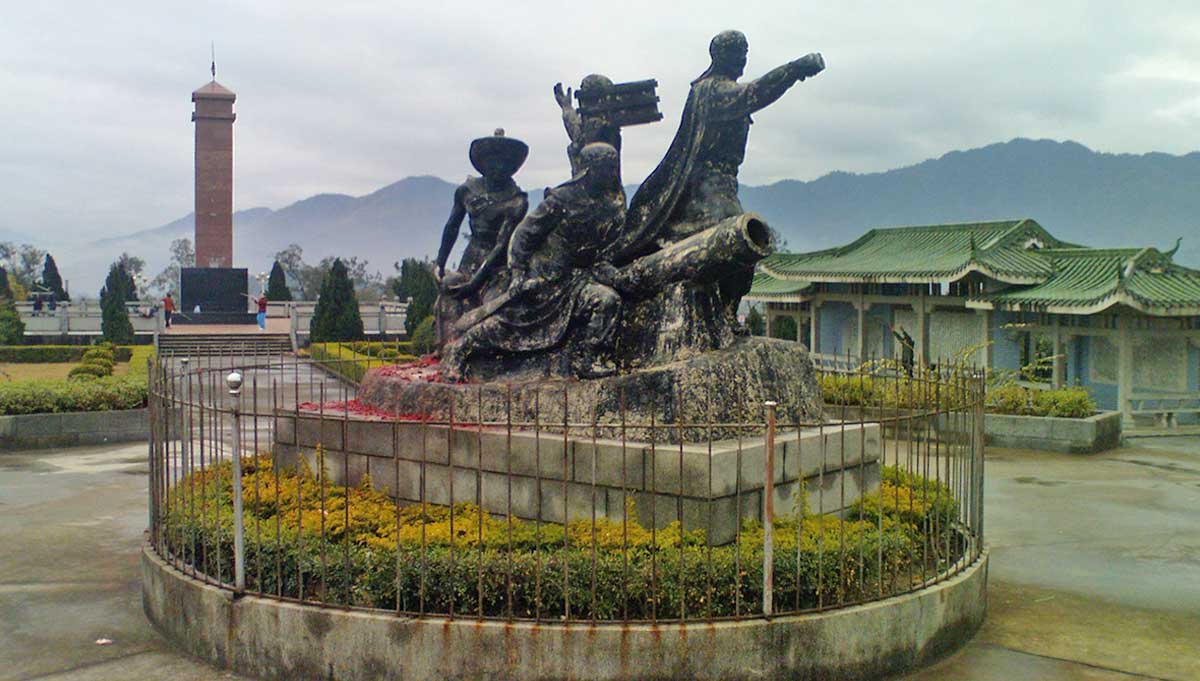
By late December of 1850, between 10,000 and 30,000 armed God Worshippers had congregated in Jintian. Now organized as a cohesive, communal militia with strict regulations based on religious law, the revolutionaries soon countered Qing imperial forces that tried to encircle their settlement, and defeated them outside Jintian, in the district of Xunzhou.
On January 11, 1851, Hong Xiuquan declared a universal holy war against the ruling Manchu-led Qing dynasty, officially starting the rebellion. Absorbing hundreds of thousands of impoverished peasants, workers, and local sympathizers along the way as they moved war campaigns northwards, the rebels eventually set up their main administration center in Nanjing. The long conflict ended in July 1864 when imperial forces finally breached Nanjing and suppressed the rebellion.
Total Ideological War in the Most Densely Populated Region on Earth
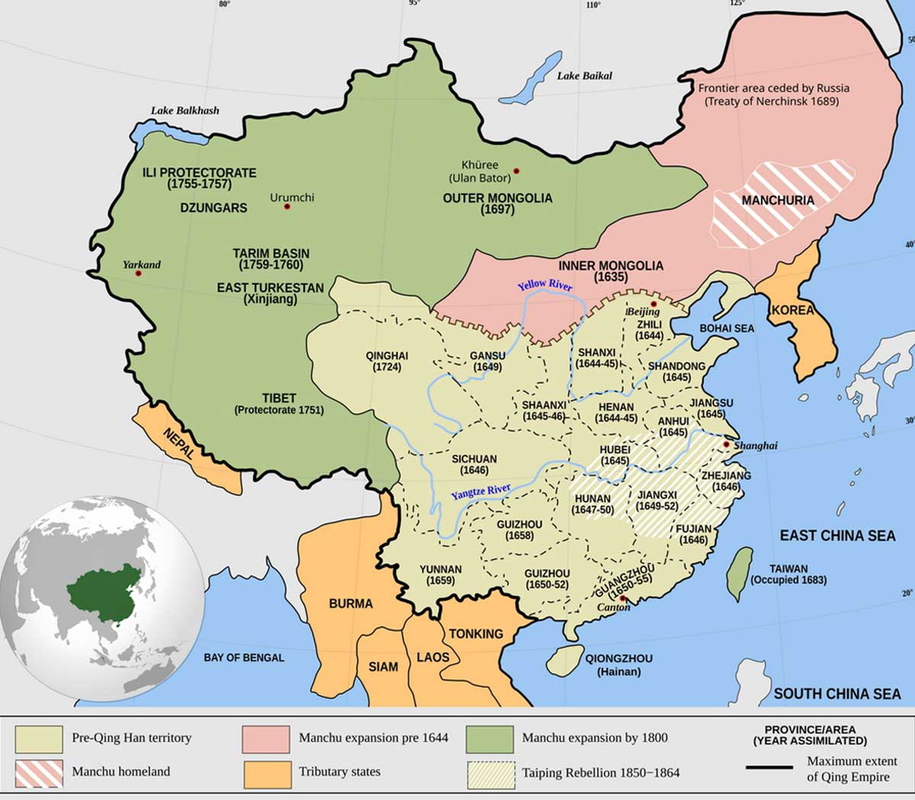
Unlike World War I, the war in China pitted the imperial government against an ideologically driven revolutionary force that sought the complete destruction of the existing social and political order. Because of this radical goal, there was never going to be a peace treaty to stop the violence. To make matters worse, the Taiping Rebellion was fought mostly in China’s Yangtze River valley, the most densely populated region in the world at the time. Thus, the scale of demographic destruction was appalling.
Additionally, four years is a long time for a conflict, but 14 years allows for generations to be born into a world at war. Whole generations were affected by the violence during the First World War, but in China, there were children born at the start of the conflict who were old enough to be enlisted by the end, a situation that led to higher mortality rates because of the longer duration of constant perils.
Scorched Earth Tactics and Epidemics That Starved Millions
As is common in wars, secondary causes like diseases and starvation accounted for a far greater loss of life than direct involvement in combat. Despite high mortality rates from illnesses during WWI, advancements in 20th-century military medicine alleviated many of the widespread health crises that had defined 19th-century warfare. This led to fewer deaths from ailments compared to the Taiping Rebellion.
During the Taiping Rebellion, local governments collapsed, allowing diseases like cholera to blitz through refugee encampments and cities alike, and this resulted in the high casualty figures.
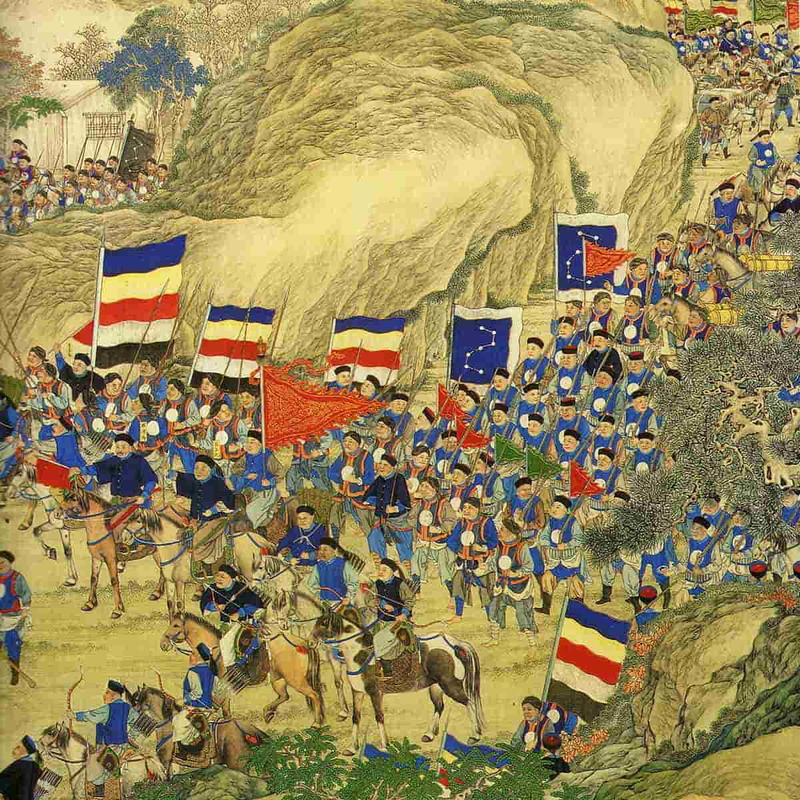
Both the Taiping and the Imperial Qing armies, specifically the provincial Xiang Army led by Zeng Guofan, also employed scorched-earth tactics against opposing forces. If the enemy was near, the armies would burn crops, kill livestock, and destroy water systems to starve the opposing side.
By July 1864, when the Siege of Nanjing, the final battle, came to an end, many of the affected regions in China had been rendered incapable of producing food. This led to a cycle of starvation that continued even after the fighting stopped.