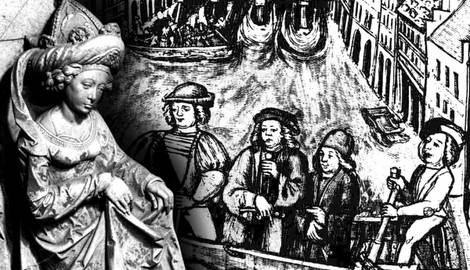

In medieval European history, justice wasn’t always a humane endeavor. In the drafty, stone-cold courtrooms, the legal system operated on a basis of intervention by divine power. Innocence was determined by miracles because the authorities and commoners believed with conviction that a higher power would intervene whenever an innocent person was put on trial.
But when the religious and political landscape of the 13th century started to shift, suddenly the bridge between the divine and justice was severed. With no miracles to determine cases, the authorities were left with little choice but to develop a more evidence-based judicial process. To meet the strict requirements of the new system, they began to determine innocence or guilt through torture.
How Early Medieval Courts Used Divine Miracles to Prove Innocence
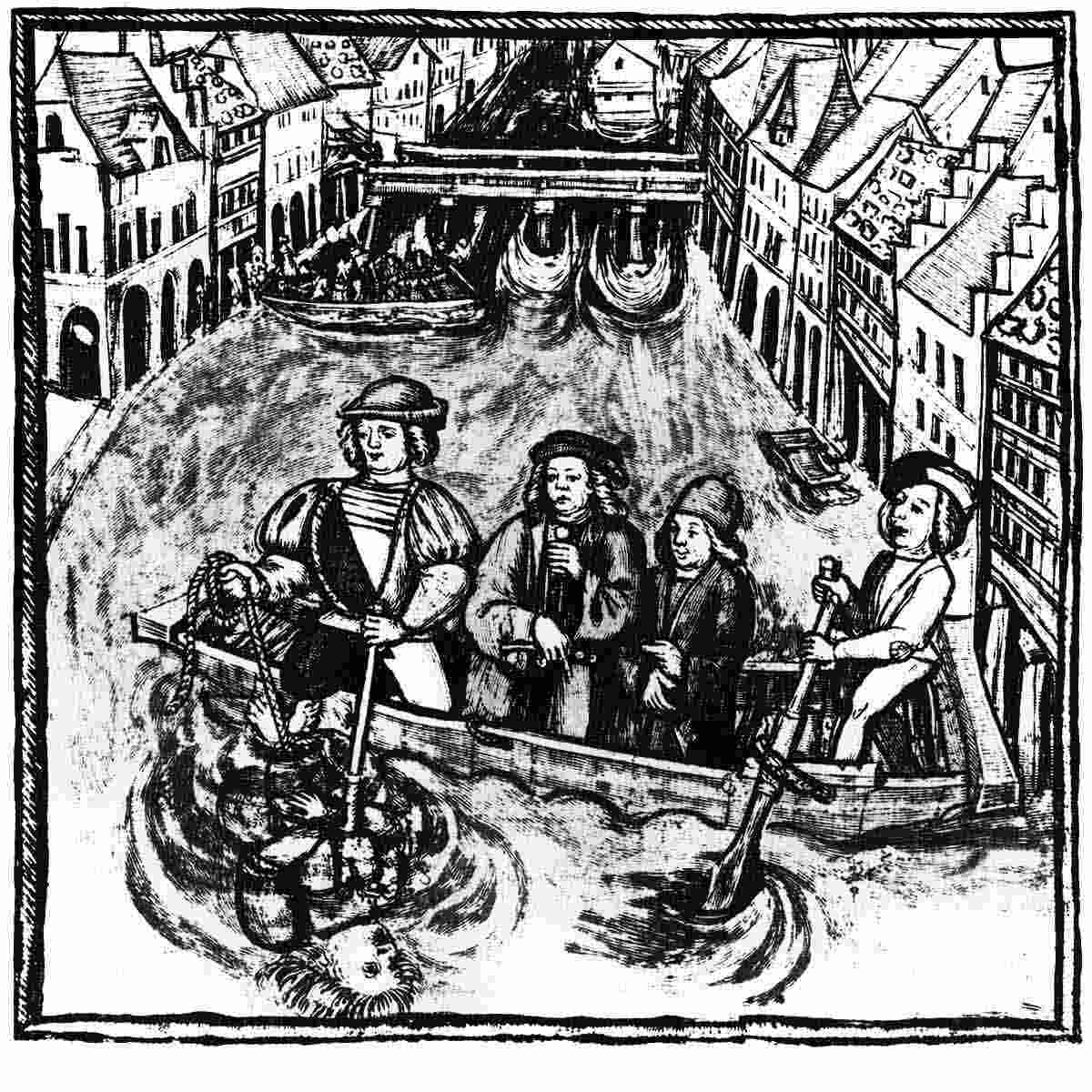
In medieval times, Europeans used supernatural ordeals to verify guilt or innocence. Called Trial by Ordeal, the rituals are believed to have begun in the early Middle Ages (476 AD to 1000 AD) as part of ancient Germanic tribal laws. They were also referred to as the Iudicium Dei or Judgment of God. Ordeals were used by judges when someone was accused of committing a crime, but other forms of proof were unavailable to legally satisfy the stringent requirements of proof. The tests were designed to manifest a miracle, as God was believed to supernaturally influence the laws of nature and protect the innocent, typically by preventing their wounds from becoming infected.
The judicial rituals relied heavily on local customs but were traditionally conducted in several distinct ways. During one of the trials known as the trial of hot iron, a judge would make the defendant walk nine feet while holding a heavy piece of iron heated in a fire. Immediately following the trial, the defendant’s hand was wrapped in linen. On the third day, the wound was examined. If the wound was healing cleanly, God had spoken, and the defendant went free. However, if the wound had become infected, a guilty verdict was reached, and punishment was administered as the judge saw fit.
In another trial referred to as the trial by cold water, judges would tie up the accused and plunge them into a consecrated pool, where they would either sink, which was viewed as being accepted by God and therefore innocent, or float, which was seen as being rejected by God, and so guilty. To ensure that the bodies of the accused could be recovered regardless of the result, all accused persons were lowered into the water using a rope attached to their torsos.
The 1215 Papal Decree That Accidentally Created a European Legal Crisis
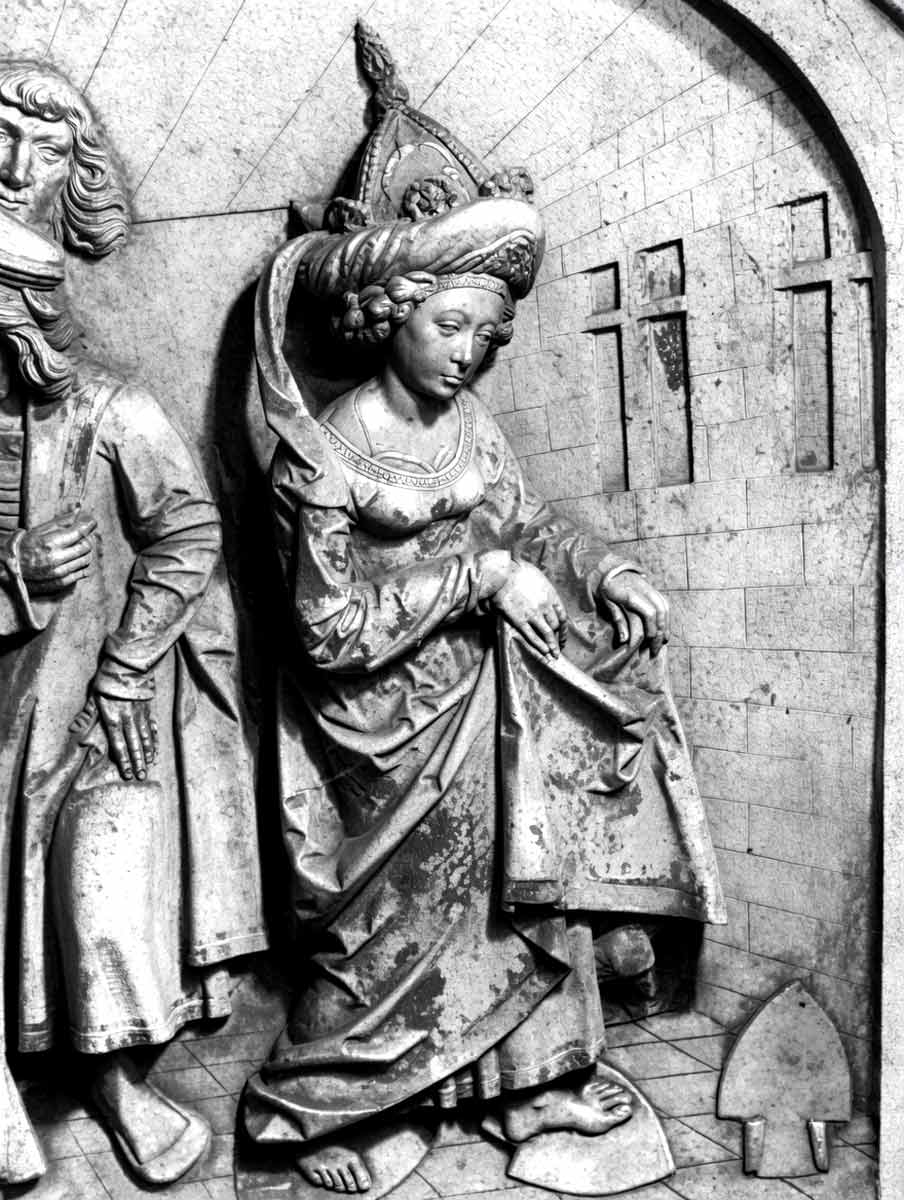
Until the early 13th century, the tests were staples of European judicial procedure. However, in 1215, the Fourth Lateran Council, the most significant ecumenical council of the Middle Ages, convened by Pope Innocent III in Rome, stripped away crucial religious backing by forbidding priests from blessing the rituals. This caused the system to collapse. The changes prompted European continental courts to develop new legal systems that eventually utilized torture to get confessions.
With no priests to bless “God’s judgment,” the Trial by Ordeal justice system faced a legal crisis as judges had no way of obtaining a conviction without irrefutable eyewitnesses or a confession. And so, lawmakers turned to Roman-canonical law and looked toward an increasingly codified approach known as the inquisitorial system, which was a formal legal inquiry conducted by authorities. Unlike the legal system from centuries prior, authorities were now obligated to investigate the case on their own.
This practice was a major development in European legal systems. Soon, authorities developed extremely strict requirements for convictions, meaning that defendants were only guilty if caught in the act by two reputable witnesses or if they confessed. Since murder and theft rarely happened around two reputable witnesses, judges needed a way to creatively fill in the blanks. How did the court make someone confess to something they may or may not have done? The answer lay in pain.
Inside the Highly Regulated World of European Inquisitorial Law
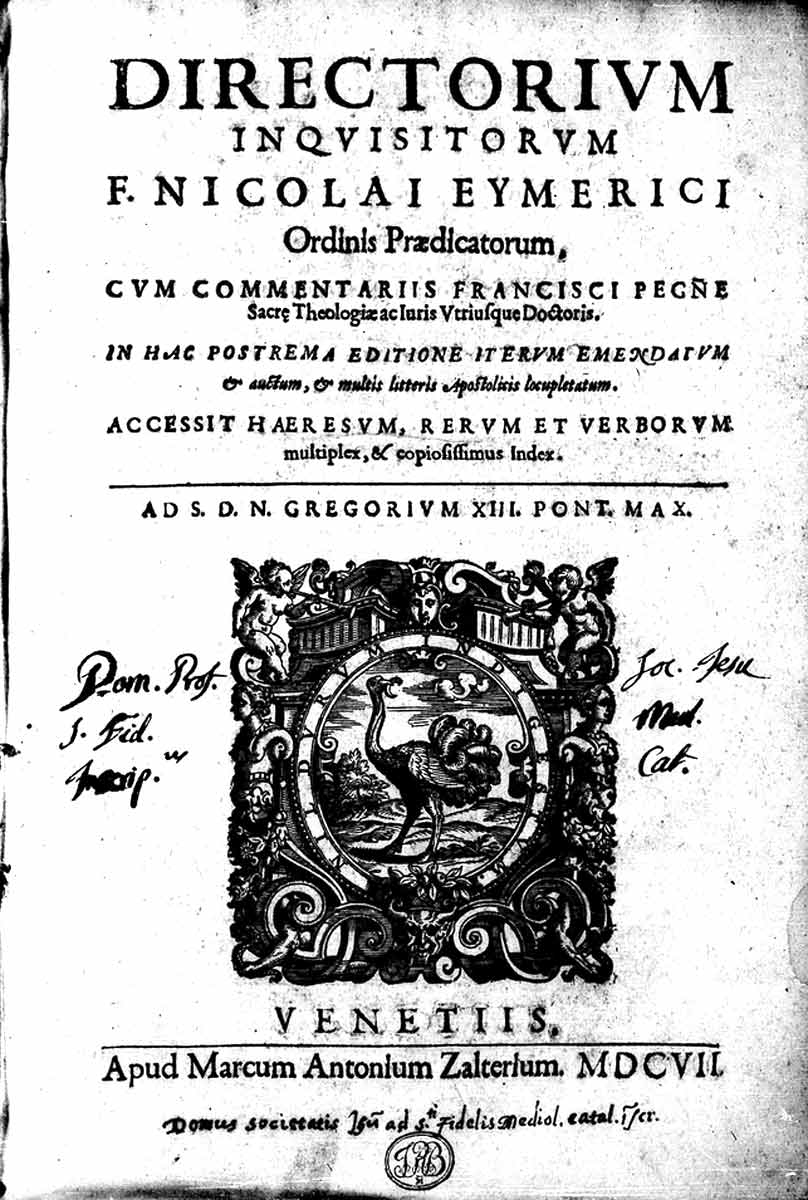
By 1380, religious inquisitors consulted early copies of manuals like the Directorium Inquisitorum (1376) by the Catalan Inquisitor General Nicolau Aymerich, which detailed how and when someone should be punished. Without irrefutable evidence involving two eyewitnesses, judges could only torture someone if they had what was known as half-proof of their guilt or probatio semiplena. Catching someone with stolen goods or seeing a suspect fleeing the scene of a crime could fall under half-proof. Methods of torture were strictly limited to what was necessary to get a confession.
Medieval inquisitorial law was also highly regulated and dictated how long torture could be used and who needed to be in the room when the sessions occurred. Every statement and confession was recorded by an assistant whose sole job was to document the suspect’s testimony for legal reasons. Because these legally coerced statements were technically inadmissible due to their violent origins, victims were asked to repeat their “voluntary” confessions the next morning in front of a judge. Most courts limited torture sessions to one sitting.
Terrifying Tools and Psychological Tricks Used to Force Confessions
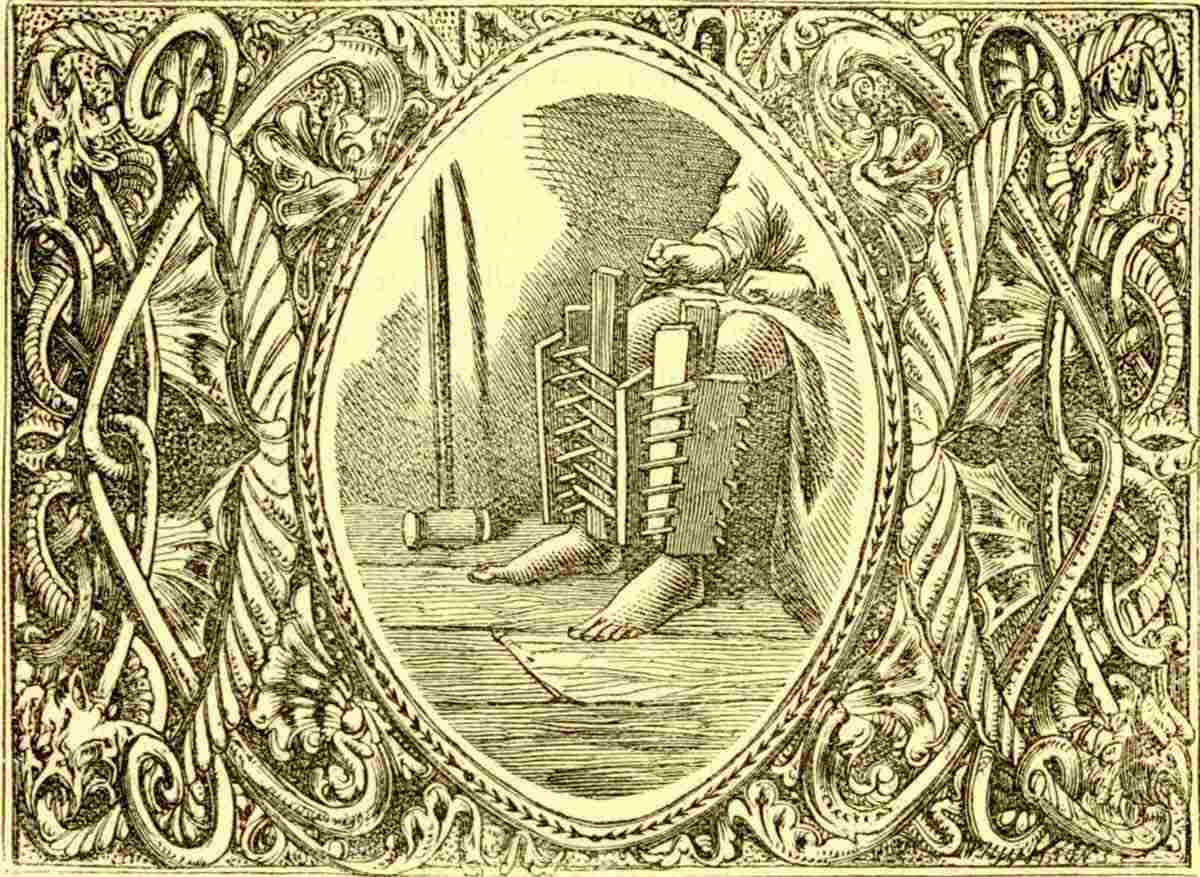
When it came to interrogating the suspects immediately after the Trial by Ordeal era, European courts had specific legal ways of obtaining information through torture. Judges were told to begin uncooperative interviews with what they called the territio, which was a scary show-and-tell of torture tools. Basically, judges outlined exactly what would happen to the prisoner’s body. Psychological torture like this convinced many suspects to talk without experiencing actual pain. Short of a confession, authorities graduated to physical torture methods using devices like the thumbscrew and techniques such as the strappado, in which victims would be lifted into the air by way of a rope tied around their wrists while their hands were tied behind their backs.
Suspension like this would forcefully dislocate shoulders. Pain was typically increased by heavy weights tied to a victim’s ankles, or by progressing to more painful torture methods that used the Spanish boot – metal plates and wedges used to crush the shins and feet. Torture was gruesome, especially when it came to water torture, or toca. Suspects were physically tied down to benches while water was forced through a linen cloth into their throats. Tribunals used these methods to press suspects for confessions, as well as the names of potential co-conspirators.
How the Frenzy of Witch Trials Sent Execution Numbers Soaring
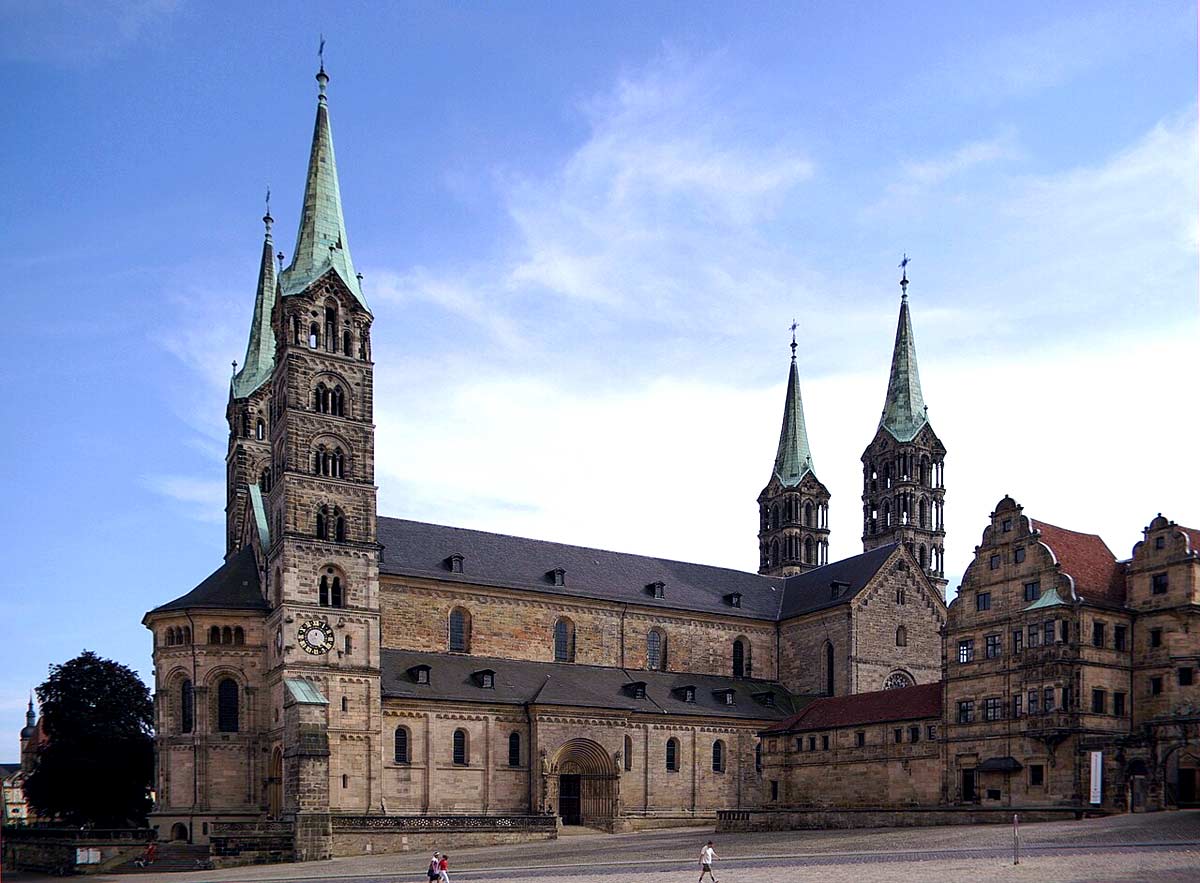
Early modern judicial torture law reached new heights during witch trials. This was because when a person was accused of witchcraft, there was hardly any physical evidence on a judge’s investigative sheet for them to look at. Witchcraft was, at the time, categorized as a sin of the soul. As such, judges mostly needed confessions. To obtain these confessions, judges relied heavily on torture. As a result, tens of thousands of people, mostly women, were killed during Europe’s worst witch hunt.
During the 1620s, the Bamberg witch trials saw roughly 900 people executed in a single German city-state using what was called the Drudenhaus, basically a dedicated witch prison. Hundreds of miles away, thousands of people in the Basque region in Spain were forced to confess to flying to the Witches’ Sabbath on broomsticks and having sex with demons. Skeptical Inquisitors eventually halted trials after realizing that the confessions were coerced.
It is estimated that between 1450 and 1750, between 40,000 and 60,000 people were legally executed under these witchcraft statutes across Europe.
Why England Chose Crushing Stones Over Standard European Torture
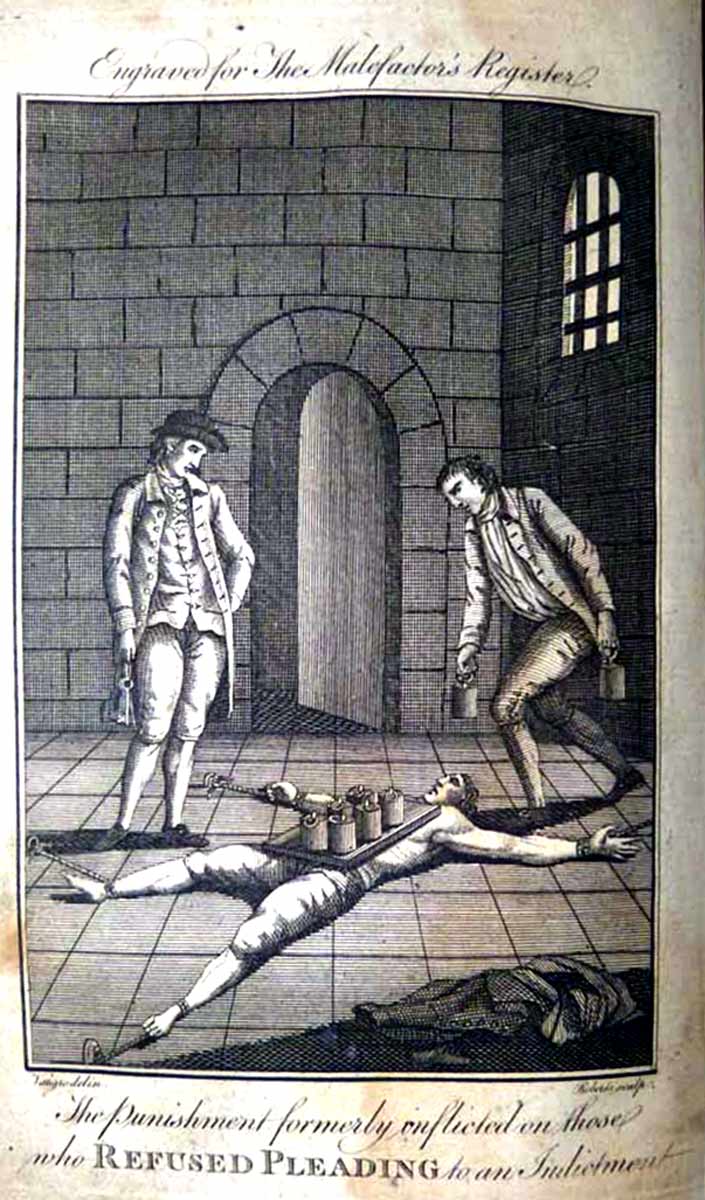
Compared to continental European legal processes, English common law was accusatorial and relied on juries rather than the inquisitorial systems. The reliance on a jury, rather than an actively interrogating judge, meant there was very little structural incentive to torture suspects for confessions. Instead of torture, English judges employed a form of harsh judicial coercion: peine forte et dure or strong and forceful punishment. By law, a suspect’s trial could not begin until they entered a plea. Should a defendant choose to stand mute, no trial could take place. Without a trial, there could be no conviction, and without a conviction, the Crown was unable to legally confiscate the defendant’s family estate and holdings. At the time, when a person was convicted of a felony or high treason, their entire estate, both land and personal property, was seized. Their families also lost the right to inherit property.
Peine forte et dure was introduced to coerce suspects who refused to plead without abolishing the requirement of a voluntary plea. In essence, it was not considered a punishment for the alleged crime; rather, it was a penalty for refusing to allow the court to exercise its jurisdiction. Large stones were placed on a suspect’s chest, layer by layer, until they either chose to plead or were crushed to death. A disturbing number of the accused allowed themselves to be killed to avoid leaving their families destitute.
It was not until 1772 that peine forte et dure was outlawed. At that time, the default for refusing to plead was changed to a guilty plea, which was eventually changed to “not guilty” in 1827.
How Enlightenment Logic Finally Replaced Pain With Evidence
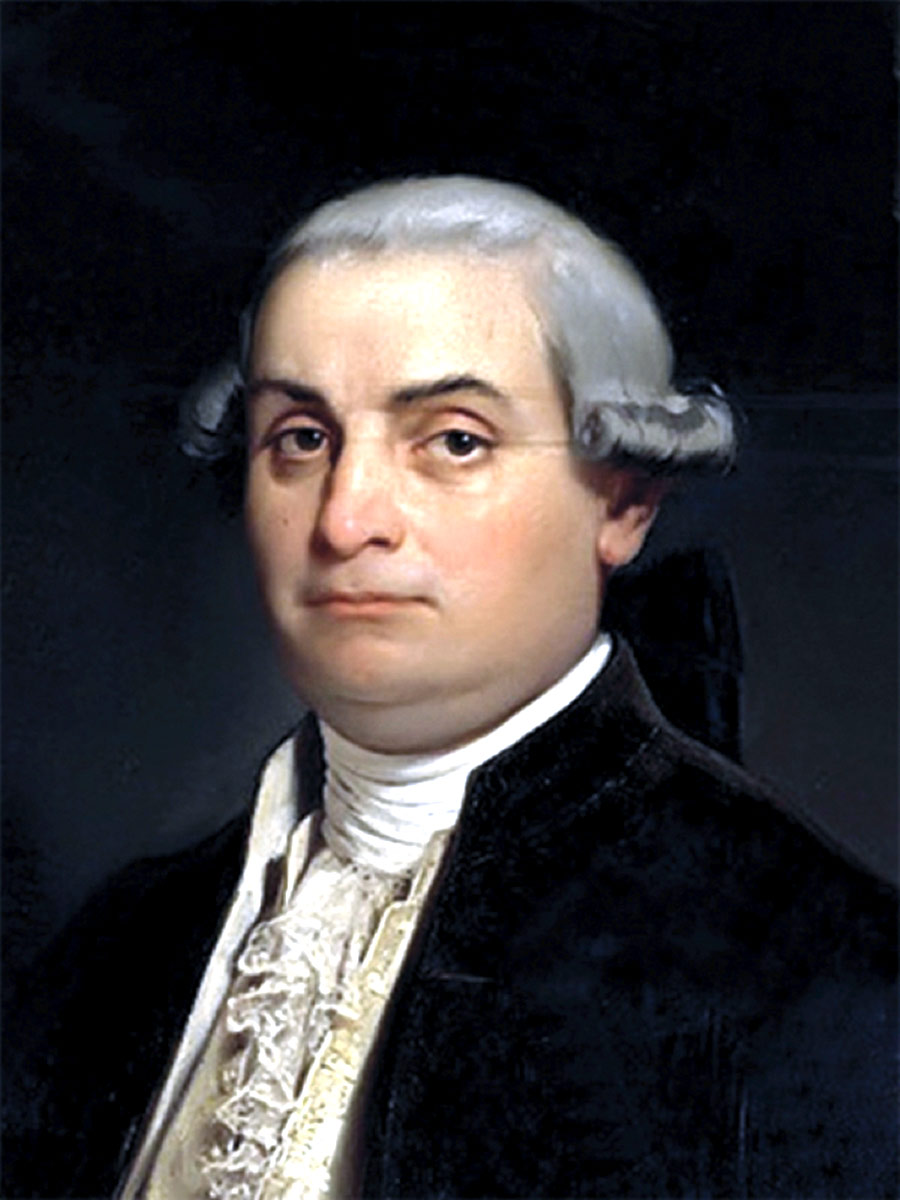
Eventually, logic and Enlightenment ideas caught up with early modern judicial processes. Among the main contributors to the change was Cesare Beccaria, an Italian jurist. He wrote a book in 1764 called On Crimes and Punishments (originally published in Italian as Dei delitti e delle pene), arguing that torture was not a reliable means of determining criminal guilt, and was merely a test of who could withstand the most pain. And so pain could not be used to reliably determine if someone was telling the truth or not.
Europeans eventually replaced their inefficient torture-based justice system with one requiring evidence. The change allowed judges to convict suspects using circumstantial evidence and rational thought. This legal shift was revolutionary because it moved the burden of proof away from supernatural events and forced confessions by tying judicial processes to evidence.