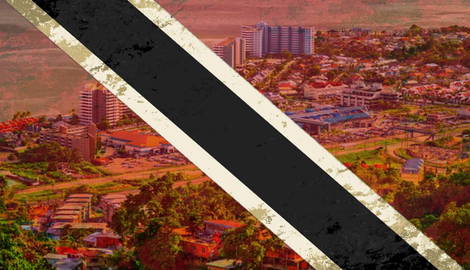

A nation of intense natural beauty and vibrant culture, Trinidad and Tobago has a rich heritage that blends fascinating history with lively traditions, beautiful beaches, crystal-clear waters, and a diverse ethnic makeup.
From the bustling cities to the peaceful atmosphere of the country’s natural spaces, Trinidad and Tobago is a place of industry as well as tranquility.
Trinidad and Tobago Geography: Location, Size, and Key Facts
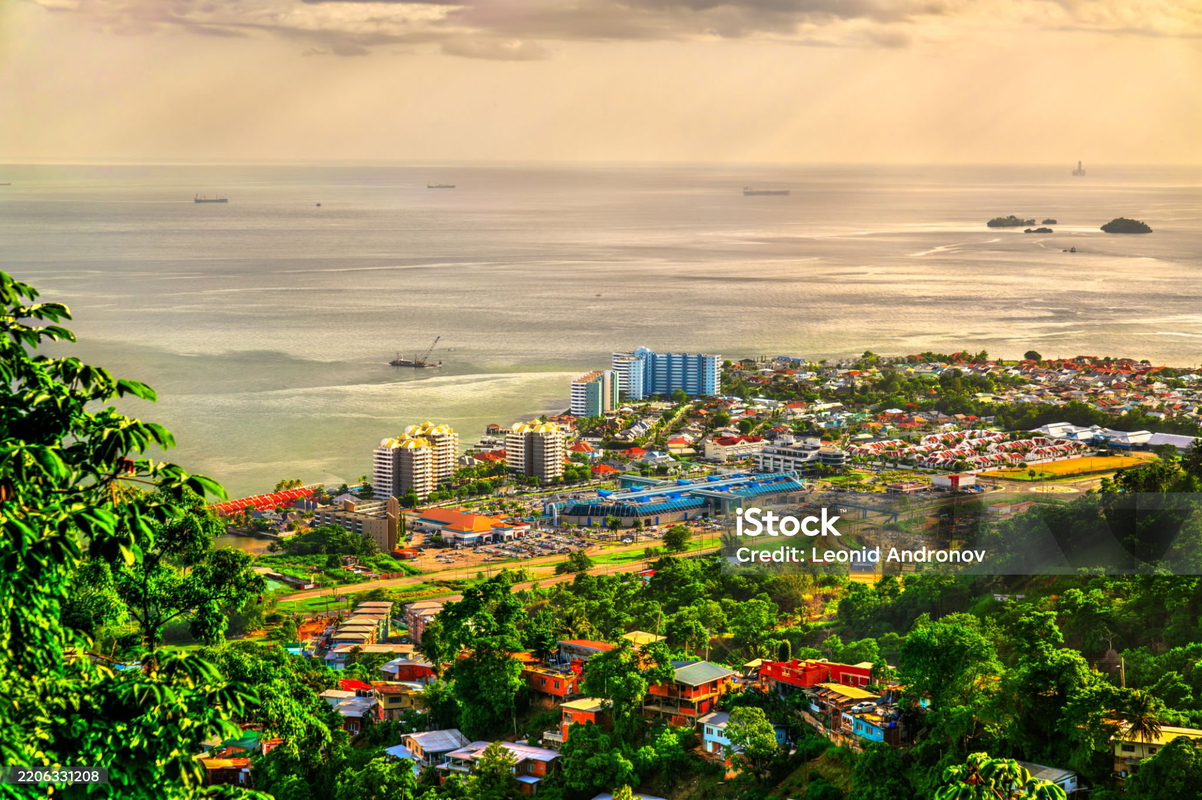
In the southernmost part of the Caribbean, Trinidad and Tobago is a twin-island nation situated off the northern coast of South America, near the northeastern shoreline of Venezuela. The country is made up of two main islands, which are Trinidad and Tobago, and several other smaller ones. Trinidad, the larger of the two islands, covers an area of about 1,850 square miles and is only about 7 miles away from Venezuela. Tobago is much smaller and spans about 115 square miles. It lies about 20 miles away from Trinidad.
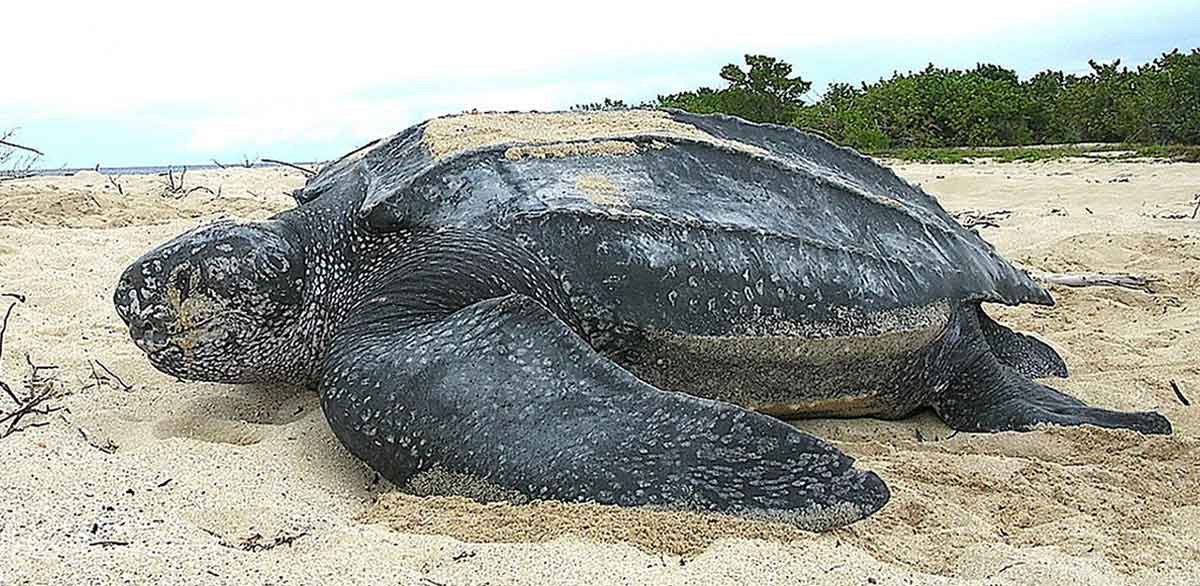
Tobago is about 30 miles long and over 10 miles wide at the widest section. Little Tobago is located about a mile off Tobago’s northeastern coast. Once known as Bird of Paradise Island, the island was historically famous for being the only natural home of the greater bird-of-paradise outside of New Guinea. Unfortunately, the bird species no longer lives there. However, the island hosts significant numbers of leatherback turtles.
Trinidad and Tobago has a population of about 1.36 million as of 2023.
How Early Settlements and European Colonization Shaped the Nation
The first inhabitants of Trinidad and Tobago, the Archaic or Ortoiroid people, are believed to have lived on the islands at least 7,000 years ago. It is thought that they came to Trinidad and Tobago from Venezuela around 4000 BC. There are 29 known sites where Archaic people lived, and most of them are in the south of Trinidad. One of them is Banwari Trace. The Archaic people are believed to have lived there until about 200 BC.
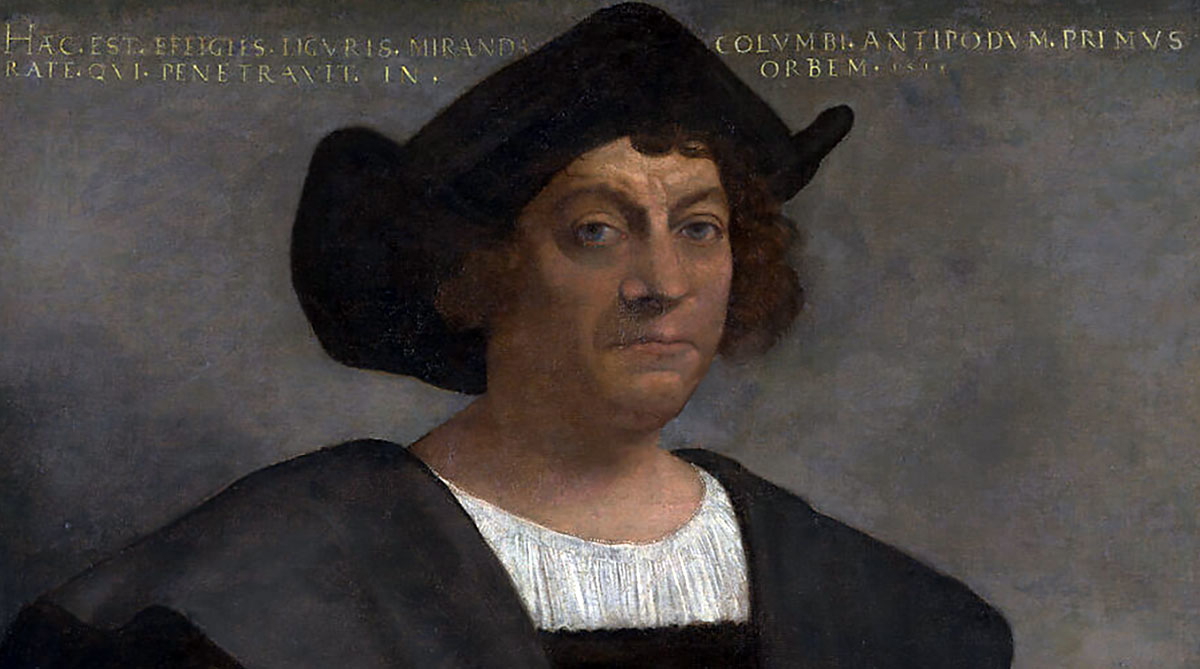
Christopher Columbus was the first European to set foot in Trinidad on his third trip across the Atlantic Ocean in 1498. However, he did not go to Tobago. He declared Trinidad a Spanish colony, allowing Spain to govern Trinidad until 1797. Adding to the Spanish influence, a significant number of French citizens settled there from 1777. This was after Philippe Rose Roume de St Laurent proposed that French planters from the islands of Guadeloupe, St. Vincent, Martinique, St. Lucia, Dominica, and Grenada, and their African slaves move to Trinidad.
Tobago was ruled by the Spanish, French, and Dutch at different times. In the end, Britain took control of Tobago after the Second Treaty of Paris in 1814. In 1889, the two islands, Trinidad and Tobago, merged to become one nation. Trinidad and Tobago gained independence from the British Empire in 1962 and became a republic in 1976.
How Oil, Natural Gas, and Tourism Drive the Economy
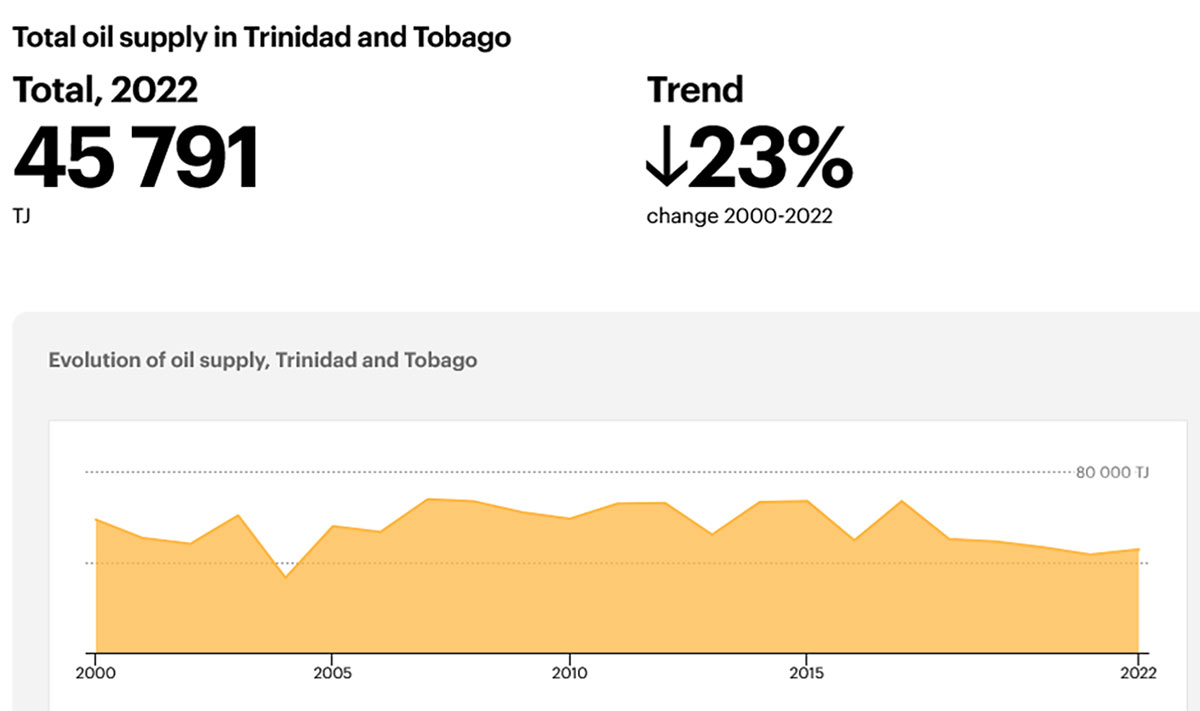
The economy of Trinidad and Tobago relies heavily on the petroleum industry. However, tourism and manufacturing also play key roles in the economy. On Tobago, tourism is the biggest contributor to the local economy.
Oil drilling started in the early 1900s on the island of Trinidad and later expanded to offshore sites. Large amounts of natural gas contribute significantly to the nation’s liquefied gas exports. While oil production has dropped sharply since its highest point in the late 1970s, both oil and natural gas remain important to the country’s economy. Other exports of the island nation include limestone, natural asphalt, iron ore, coal, gypsum, fluorspar, and argillite. Besides these, the island nation exports farm produce such as cocoa, sugar, and coffee.
Official English and the Diverse Dialects Spoken on the Islands
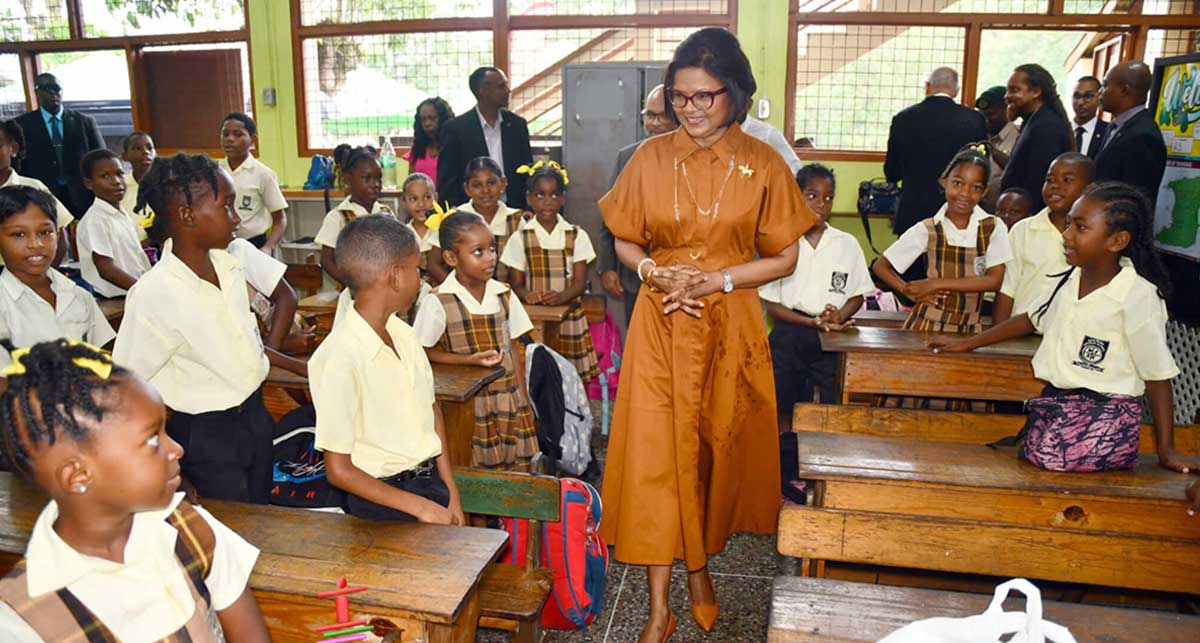
English is the official and most widely spoken language in Trinidad and Tobago. People in Trinidad and Tobago often use local dialects and Creole, including patois and Hindustani, in daily speech. However, a considerable percentage of the population speaks French and Spanish. Many high schools across the nation offer lessons in those languages. A few schools on the island nation also teach Hindi.
Multicultural Heritage and Diverse Ethnic Traditions
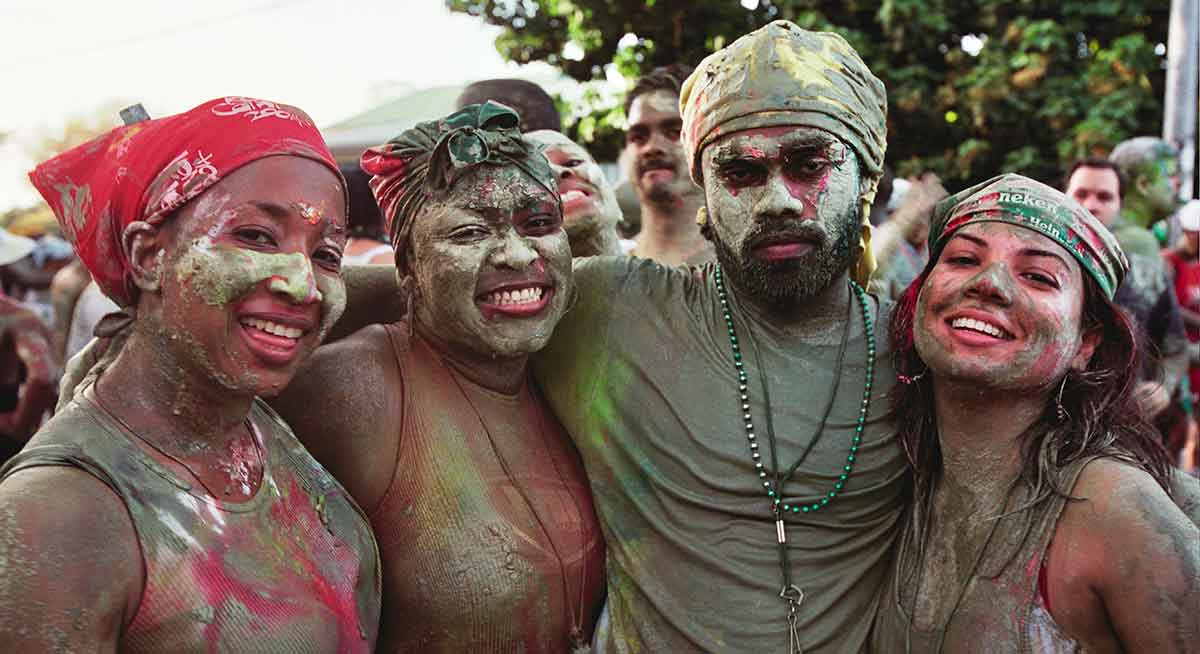
The Trinidad and Tobago culture is a blend of different ethnic backgrounds. This is because the Caribbean nation is made up of many races, each with its own distinct customs and traditions. The two largest ethnic groups in the island nation are Africans and East Indians. Moreover, the number of mixed-race people is significant. Referred to as dohgla or dougla, the unique group is growing in number.
Overall, the population is made up of about 34 percent Afro-Trinidadian, 35 percent Indo-Trinidadian, and nearly 30 percent mixed-heritage people. There are also small numbers of Syrians and Chinese. Additionally, the country is home to many religions. Some of the major ones are Christianity, Hinduism, and Islam.