
As the Great War ended, the Allied air forces saw the need for precision bombing. Level bombing attacks, though safe, failed to hit targets directly. But dive bombing provided nearly pinpoint accuracy. In a dive bomb attack, the plane steeply dove at the target. The pilot kept his eyes on the target, increasing accuracy. At the optimal moment, the pilot released the bomb and abruptly pulled up.
The Allies tinkered with dive bombing first, but the fragile canvas-and-wood Great War planes lacked a rigid airframe that could handle the stress caused by such maneuvers. The 1920s saw some planes built, like the Curtiss Hawk, that validated but didn’t fully explore the concept.
Interwar Aviation Innovations and the Design of the Ju 87
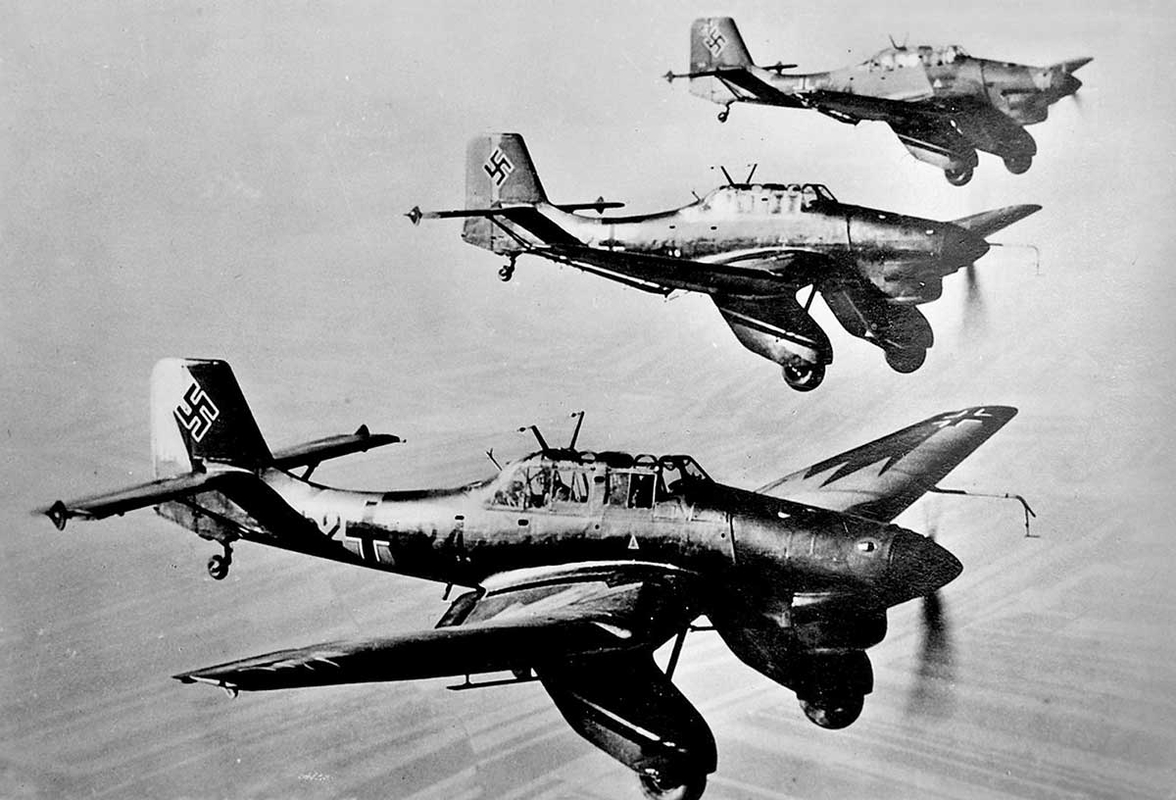
By the early 1930s, dive-bombing was a confirmed technique. Specialized planes appeared just for this one function. The Stuka, short for “Sturzkampfflugzeug” – dive bomber in German, first flew in 1935. The Junkers prototype’s inverted gull wings and fixed landing gear gave it a distinctive appearance, making it easily recognizable by friends and foes alike.
After testing the Stuka concept, Junkers initially built two prototypes using British engines. At this time, Junkers installed rotating pull-up dive brakes and wind-driven sirens on the wings. Two rivals, Heinkel and Arado, built prototypes as well. The rival company’s prototype, the Heinkel He 118, crashed during a test dive. Unfortunately for Heinkel, Ernst Udet, the Luftwaffe’s development head, was the pilot when one engine’s propeller broke. The Luftwaffe chose the Junkers Ju 87 officially in 1937.
Construction began quickly as Nazi Germany re-armed, having invalidated the Versailles Treaty. Hitler aimed to defeat the West and then pivot to attack Soviet Russia—a plan that required a prepared military.
How the Stuka Redefined Modern Close Air Support
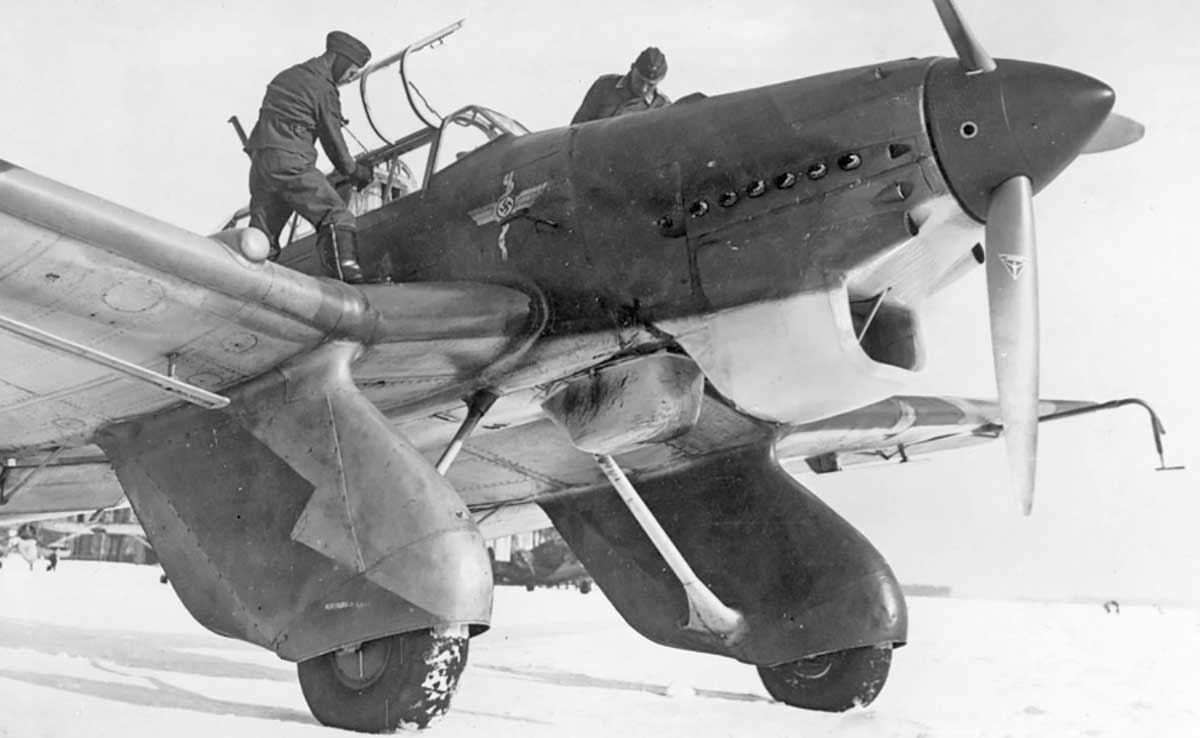
The Stuka’s dive-bombing role lent itself to the Wehrmacht’s new combined arms warfare doctrine. German armored strategy used tanks as spearheads, focusing on speed and exploitation. Any obstacles meant Stukas swooping in for close air support, just a radio call away. The Stuka’s official debut occurred on September 1, 1939, with Poland’s invasion.
Tactical Dominance Across the Campaigns in Poland and France
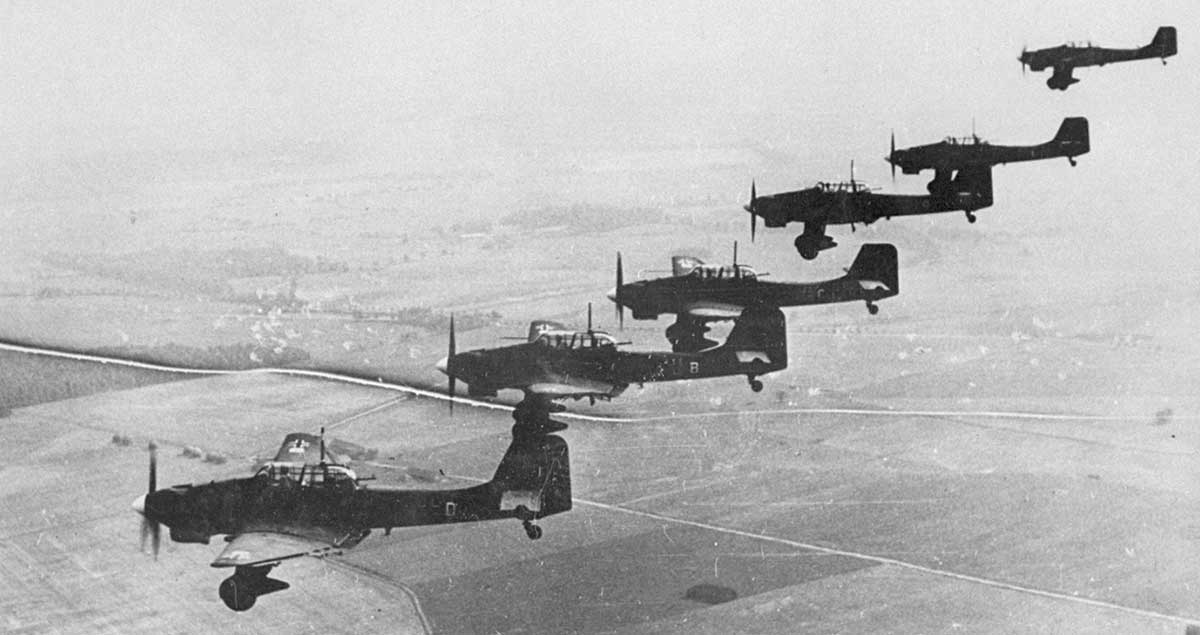
Unleashed in Poland and again in the June 1940 French invasion, the Stuka shone. With its rugged construction, heavy bomb load, and quick response times, the Ju 87 sowed terror among both refugees and military units.
Adding to the chaos with its sirens, nicknamed Jericho Trumpets, wailing and screaming in a dive, the Stuka instilled fear as it struck, often bombing or strafing refugee columns. These sounds alone created a psychological edge beyond the Stuka’s impact. Besides enemy defenses, Stukas ranged ahead of German panzer columns, striking targets like bridges, supply dumps, and troop concentrations.
How the Battle of Britain Unmasked Fatal Flaws in the Stuka
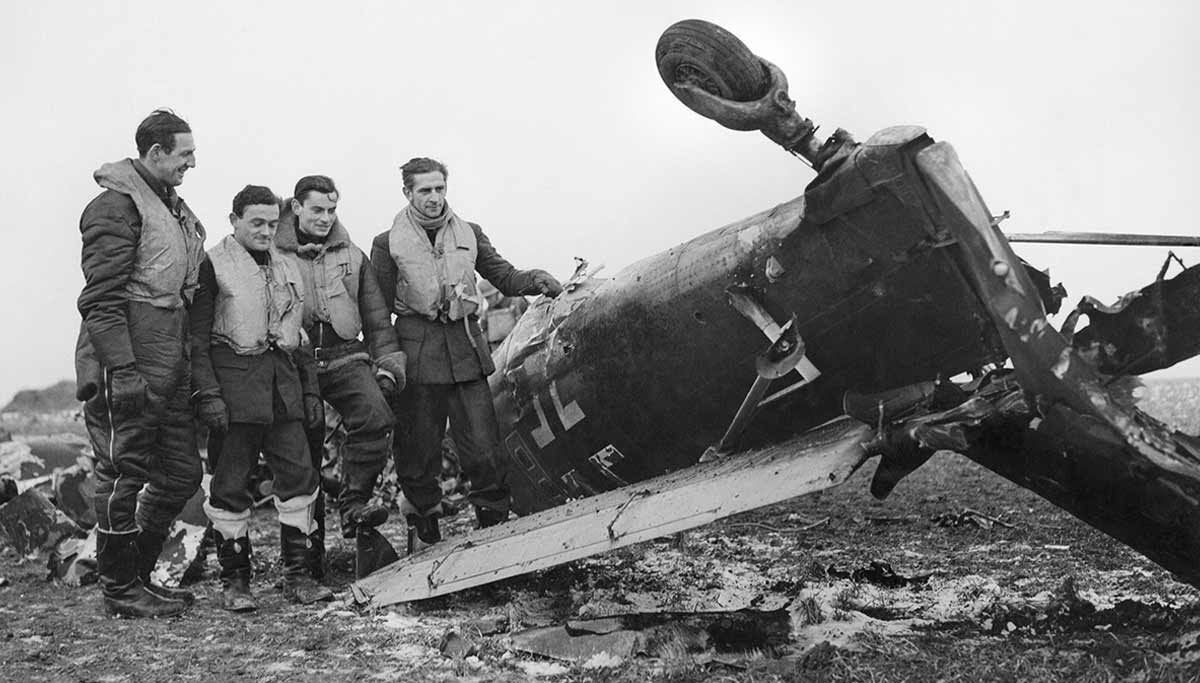
With France’s June 1940 surrender, only the English Channel remained an obstacle. The Luftwaffe occupied French airfields, mustering several massive air fleets. The Battle of Britain began in earnest, with Stukas launching the first strikes, primarily targeting Channel shipping. Here, the Stuka faced the tough RAF, squaring off against modern fighters like the Hurricane.
The Stuka’s vulnerabilities suddenly became glaring. Despite all its pluses, like accuracy and toughness, its slow speed and lack of maneuverability made for an easy target. As a result, the RAF blew dozens from the sky. After only a month or so, the Luftwaffe withdrew the Stuka squadrons, transferring many home or to other fronts.
Redeploying the Stuka Fleet to the Mediterranean and Eastern Fronts
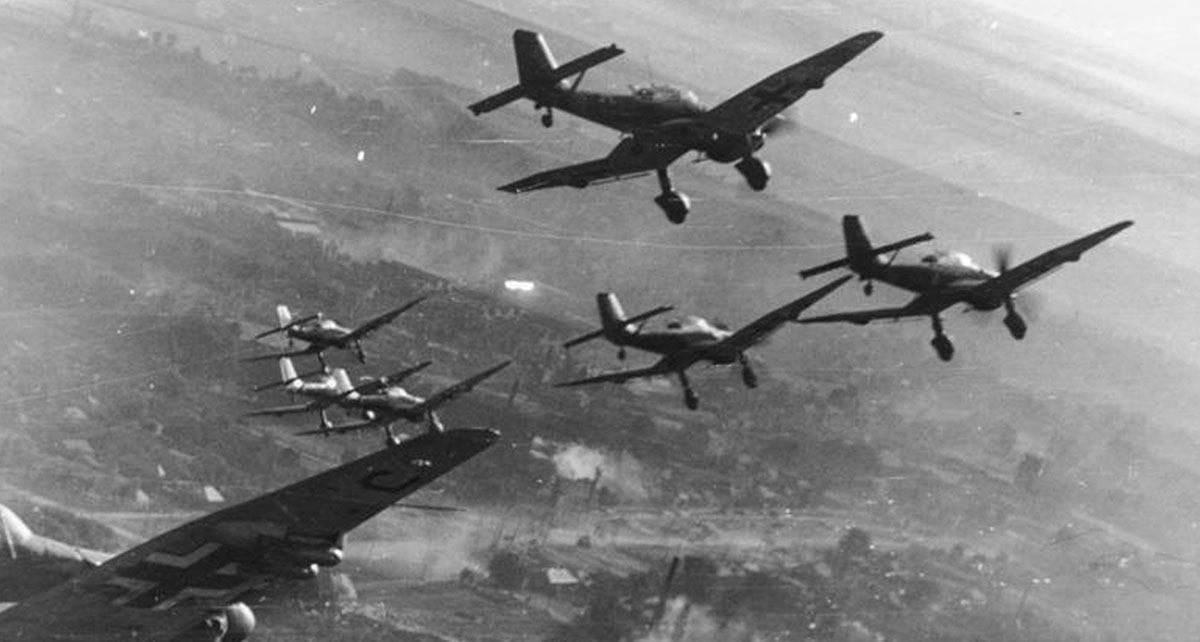
Despite the setback in Britain, the Stuka’s reputation as a strike weapon suffered little. In late 1940 and 1941, the Luftwaffe dive bomber squadrons, or Sturzkampfgeschwader, operated in the Mediterranean and over the Soviet Union during Operation Barbarossa.
The Stuka wreaked havoc on both fronts, especially in Russia, although close air support missions proved costly without fighter escort. The Stukas ranged ahead of German panzer columns, hitting airfields and supply centers especially hard, but as the war progressed, the Stuka’s inability to defend itself against better Allied fighters led to higher losses.
The Shift to Tank Hunting and the Twilight of the Ju 87
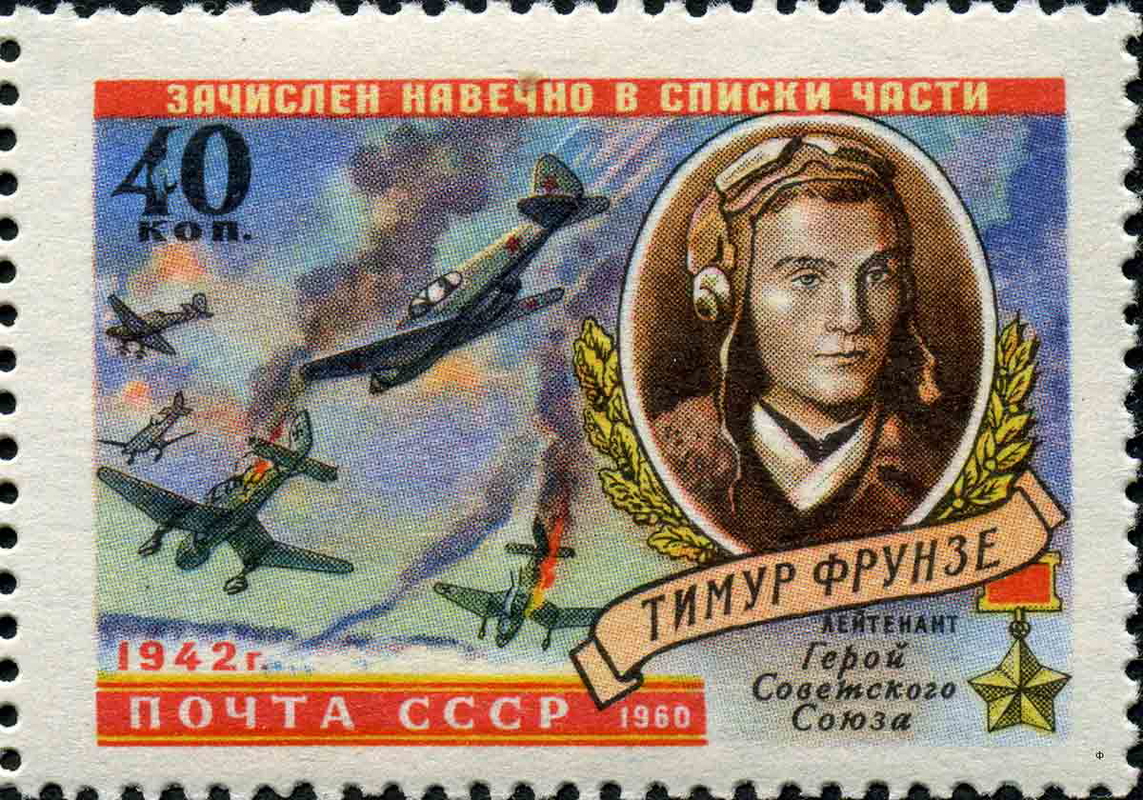
Though useful, the Stuka’s heyday had ended by 1942. Still, the Stuka assumed a larger anti-tank role with twin wing-mounted 3.7-centimeter cannons. These proved devastating when attacking massed Soviet tank columns but only with fighter cover. The Stuka’s last big hurrah came at the 1943 Battle of Kursk. Once seen as an essential part of the Luftwaffe, these slow, ungainly attack planes usually flew night missions.
Production of the type ceased in August 1944, with around 6,000 built. The Ju 87 Stuka garnered a reputation as a terror weapon. Few, if any, matched it until later in the war.