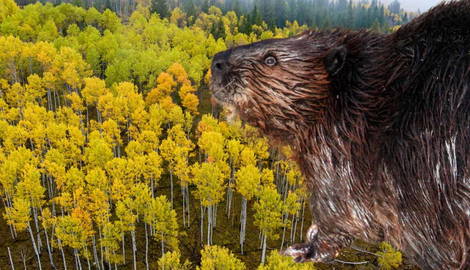

In the postwar years, the Idaho Department of Fish and Game found itself in crisis with its wild beaver population. In 1948, as human development spread, suburban beavers became problematic. The friction between the citizens and beavers living side-by-side reached a breaking point, and state officials found they had no choice but to step in. Hoping for a non-lethal option but facing roadblocks, conservationists got creative, moving beavers in a measure that proved effective and reshaped the local ecosystem.
Postwar Expansion Triggered Human-Beaver Conflict in McCall
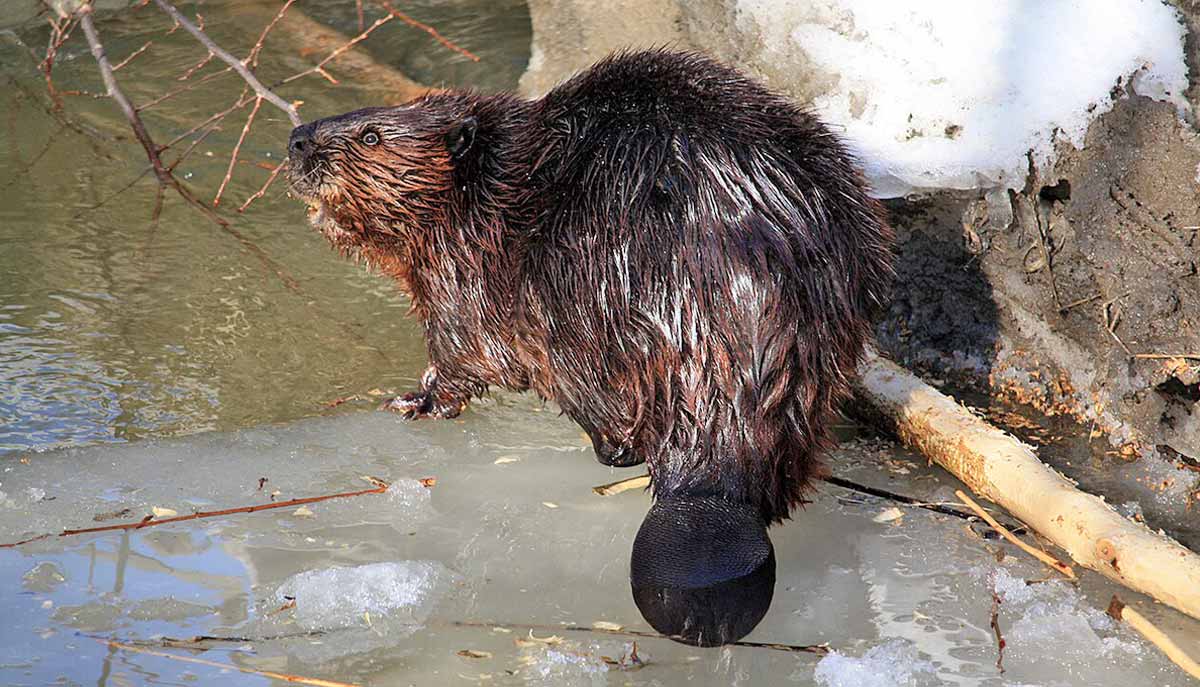
Idaho in the late 1940s, like many other parts of America, was experiencing major expansion with the conclusion of World War II just a few years earlier. New homes were springing up in the town of McCall, Idaho, particularly around the shores of Payette Lake. The catch? The lakefront was already home to some furry residents–-beavers. Unfortunately, the new human residents didn’t get along with their neighbors.
Locals and beavers clashed when the large rodents, their large teeth, and creative damming caused issues with orchards, irrigation systems, farms, and water systems. Idaho’s Fish & Game Department was soon recruited to step in and address the turmoil.
Mule Transport Failures Forced a Creative Aerial Solution
The Fish and Game Department’s solution seemed simple: relocate the beavers. Unlike some other species, beavers had thrived in past relocation efforts and even demonstrated benefits in their new homes, including reduced risks of flash floods and erosion. The Department’s scientists favored a non-lethal approach, as conservationists and wildlife agencies had come to recognize the essential role beavers play in the American landscape.
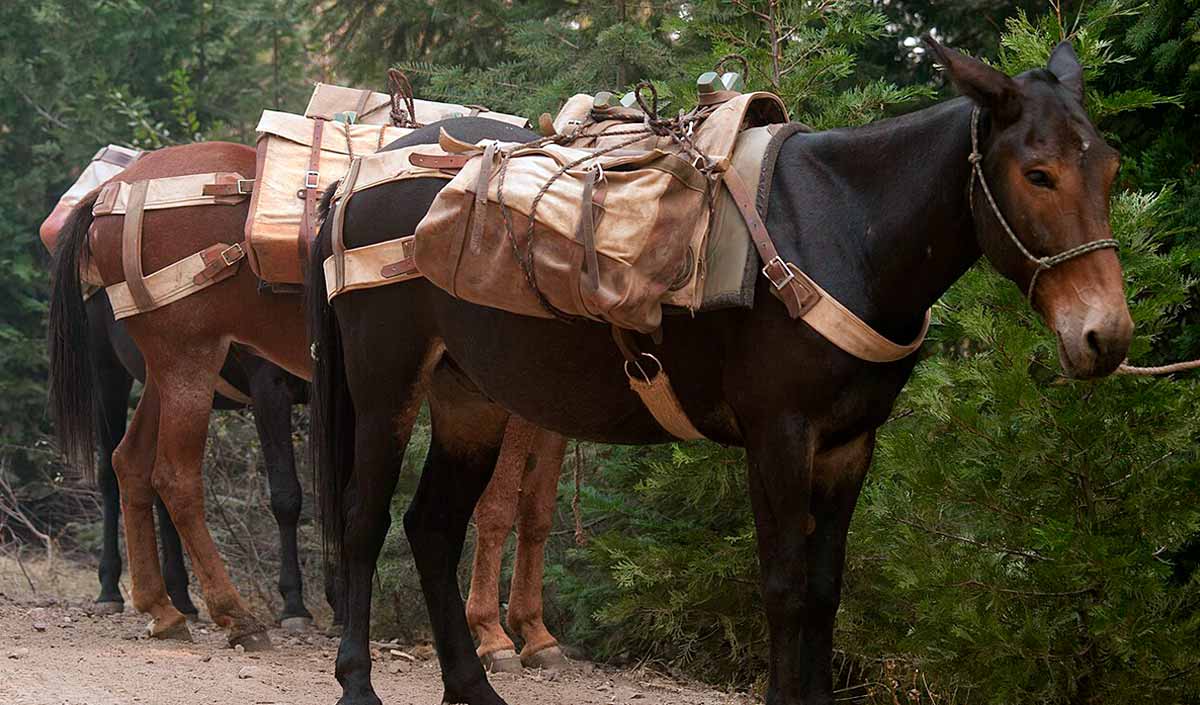
An area of the Idaho backcountry was selected to serve as the beavers’ new home. However, selecting the area was the easy part. The challenge was getting the rodents there. The area was too rugged for even trucks to access. The use of pack mules was considered, as it had been done before. However, transporting beavers by mule or horse had its own dilemmas. The water-bound creatures struggled in direct sunlight, and heat exhaustion often claimed their lives on the trip. The stress of the journey could cause the beavers to lash out at their handlers or refuse to eat. The mules and horses were not big fans of the ordeal, either. Elmo Heter, an employee of the Department of Fish and Game, proposed a creative solution: carry the critters by plane.
WWII Surplus Parachutes and Wooden Crates Saved the Mission
With a team of fellow Fish and Game scientists, Heter set to work designing the vessel that would safely transport the beavers to their new home. The team settled on a wooden box, designed with rubber fasteners that remained locked in midair but released to open the container once it hit the ground. The devices would be dropped from planes midair, fitted with surplus World War II parachutes.
The boxes were tested with dummy weights, then with a live test subject, an elderly male beaver dubbed “Geronimo” by the team. Geronimo survived multiple trial runs and was later one of the first beavers released in their new home.
The Aerial Drop Reshaped the Chamberlain Basin Ecosystem
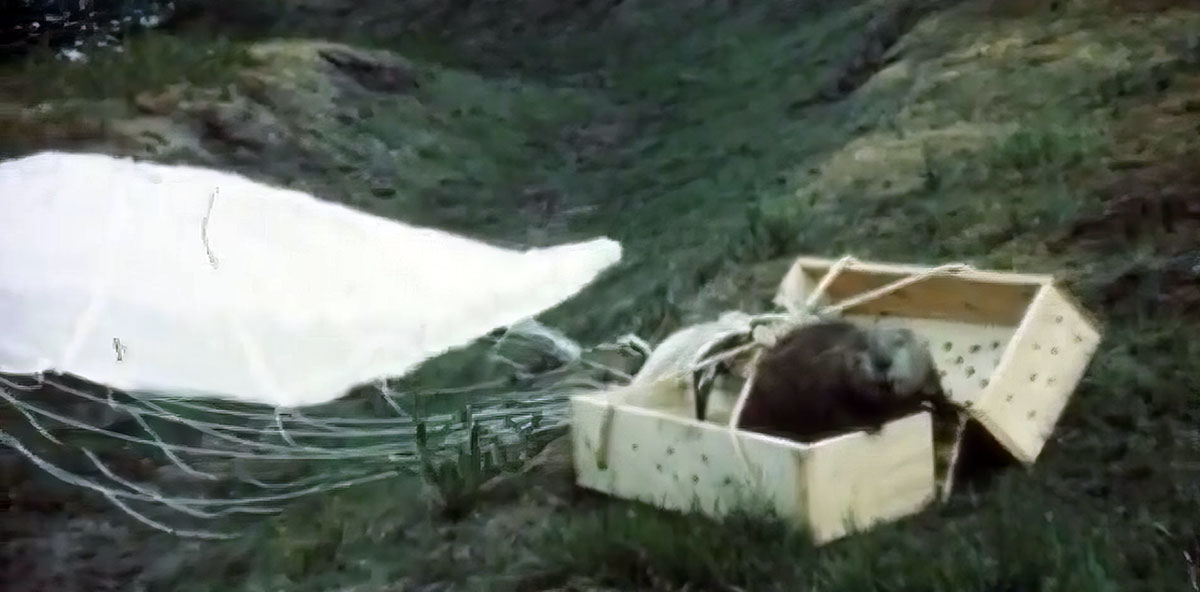
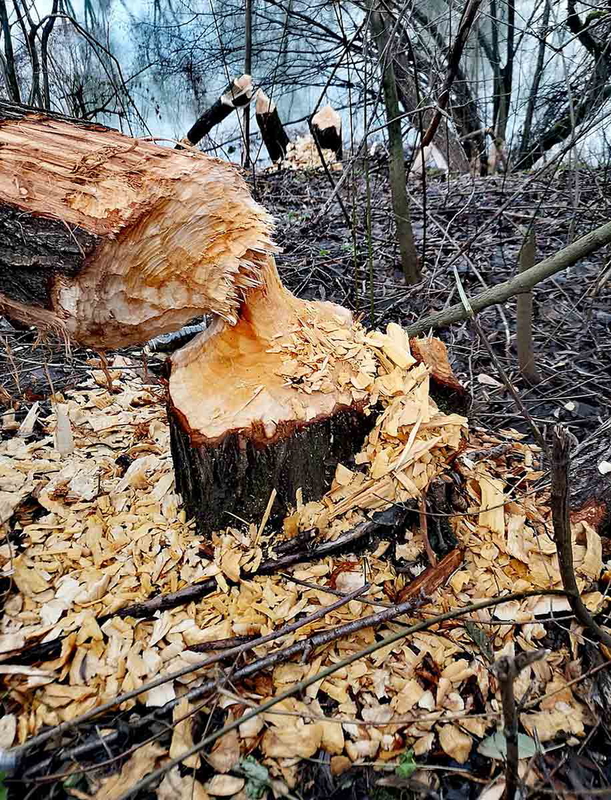
76 beavers were dropped from the planes, and 75 survived to establish a new population in the Chamberlain Basin backcountry. One subject perished after suffering a fall upon exiting his box. Within two weeks of the drops, scientists were already seeing signs of beaver impacts on the area, including dam-building.
Due to the success and stability of present-day populations, the Department of Fish and Game does not currently keep population counts, and it is unknown whether modern beavers may be descendants of the flying 1948 travelers. However, the experiment and relocation were considered “wildly successful.”