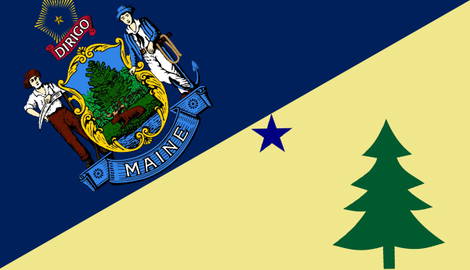

Though Maine became a state in 1820, it didn’t adopt its first state flag until 1901. Even then, the simple, yet representative design didn’t last long – it was replaced by a state seal design just eight years later, lumping the Maine flag design in with similar motifs seen on other state banners. However, the original flag has seen a revival in recent years, with its pattern appearing on souvenirs, clothing, and reprinted flags. It went so far as to be the subject of a voter referendum in 2024.
Why are some Mainers so intent on bringing back the original state flag?
Why Do Maine Voters Want to Bring Back Their Original Flag?

Maine is currently among more than 20 states in the Union that feature a state seal in some form on their state flag. Many proponents of returning to the original flag argue that the design is cluttered and fails to set Maine apart from other states. Instead, it was proposed that the state’s banner be altered, returning to a design very similar to the original 1901 emblem. Adam Lemiere created the new design, winning a 2024 state-sponsored redesign contest. Though the “new” design is a simple one, proponents argue that it is more representative of the Pine Tree State, as it centers on a white pine and the North Star. The design is slightly more complex than the original, featuring 16 branches representing the 16 counties of Maine.
The Origin & Symbolism of the 1901 Flag

The 1901 Maine state flag features a dark green pine tree and navy blue North Star on a buff-colored background. It originally passed the Maine legislature after work by marine-related committees, as Maine’s numerous sailors desired a flag that could be easily identified at a distance. Since it had no words, it could also be read and understood from either side.
How a State Seal Replaced the Pine Tree Flag
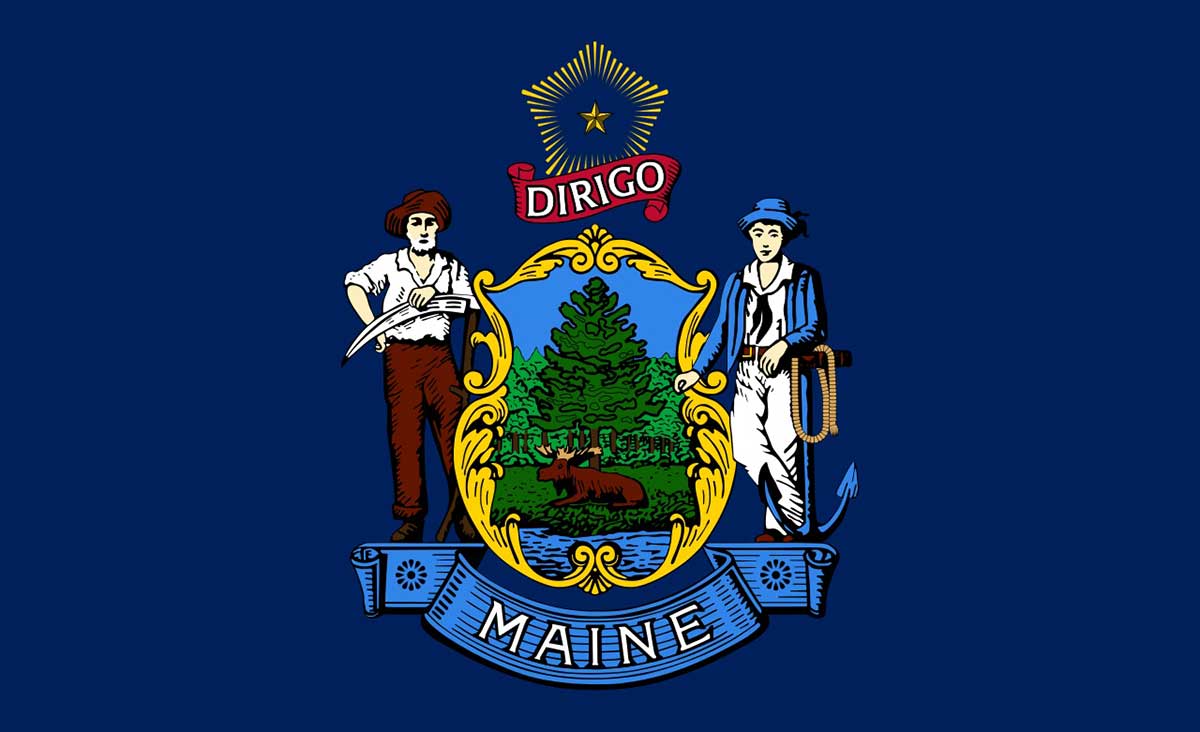
If the Pine Tree Flag was so popular, why was it changed in 1909? The history of the Maine flag is unclear. No official record explaining the change currently exists. However, at the time, many in the state government were Civil War veterans, and it is believed that the blue background was chosen in homage to the color that is most associated with the Union Army.
State seals appear on over 20 flags throughout the United States, largely because their identifying features were chosen specifically to represent each state and its identity. This has led opponents to refer to Maine’s current flag as a “seal on a blue bedsheet.”
The Grassroots Resurgence of the Pine Tree Emblem

The original 1901 state flag largely vanished after the adoption of the 1909 state seal banner. Only two known period copies are still in existence. In 2013, Bethany Field of Portland was looking for a gift for a friend and came across the 1901 design. She couldn’t find a copy, so she decided to make it herself. Her project turned into a business, Maine Flag Company. Family and friends loved the classic motif, and soon orders were flying off the shelves, and the original flag was soon popping up all over Maine, not just in banner form but on home decor, clothing, and more.
Behind the scenes, vexillologist (flag expert) David Martucci, who lives in Maine, has tried to return the state flag to its original form through legislation in 1991 and 1997, though both attempts failed. In 2024, the state legislature put the question to the people in a referendum. Voters were asked if they wished to replace the current state flag with the Pine Tree Flag. It was a close margin, with over 800,000 people voting, but the measure failed, with 44.29% of respondents voting “yes” to change the flag against 55.71% voting “no.”
Modern Vexillology vs. Centuries of Tradition
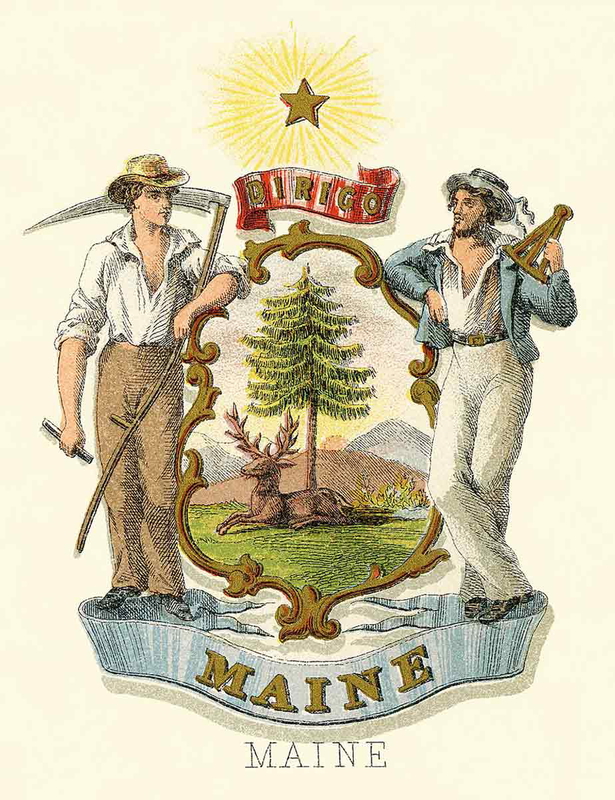
Vexillology, or the study of flags, their designs, and usage, supports the return to the original 1901 flag. According to the North American Vexillological Association, there are five principles that should be followed when designing a flag. It should be simple, use meaningful symbolism, use two to three basic colors, use no lettering or seals, and be distinctive (or related in the case of connections between flags). While the 1909 Maine seal flag does not follow these “rules,” the Maine 1901 Pine Tree Flag certainly does. Still, as the referendum outcome indicated, some Mainers prefer to stick with the historical continuation of the 1909 flag that they have spent their lives under.
Numerous states have undergone changes to their representative flags over the country’s relatively short existence. As of now, Mainers have elected to retain their 1909 state seal flag, regardless of vexillological recommendations or nostalgic resurgence. Still, it is clear that the Maine 1901 Pine Tree Flag has earned a permanent place in Maine’s local culture despite its official status.