
One of the most devastating events in the 20th century, the Holodomor was a preventable tragedy that the Soviet government tried to hide from the world. While the number of deaths is unconfirmed, it is suspected that Stalin’s intentional starvation of millions of Ukrainians is second only to the deaths under Mao Zedong in China in the number of people killed in a genocide. The harsh communist regime forced collectivization policies on the Ukrainian people not only in an attempt to bring the territory under its control but also to permanently exterminate its people and culture.
1. It Was a Brutal Genocide
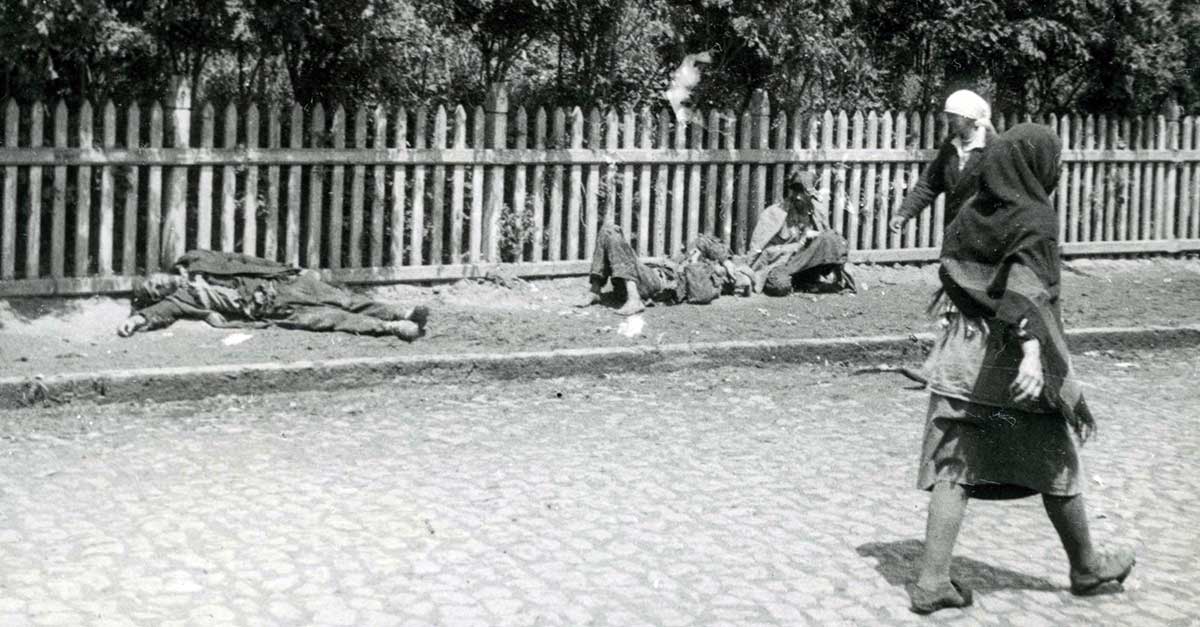
The Holodomor refers to the genocide of millions of Ukrainians at the hands of Soviet Union leadership in 1932 and 1933. Using forced starvation, the government attempted to consolidate control over Ukraine, which was seen as a threat due to its cultural independence from the Soviet Union. Soviet leader Joseph Stalin instituted a number of policies intended to suppress Ukraine, including the collectivization of farms, mass arrests, and executions. The majority of Ukraine’s rural population was stripped of their belongings and land, and they were forced to work on collective farms instead. However, these laborers were not given access to supplies that allowed them to meet their dietary and other health needs. Mass starvation was the result.
2. The Name Means Death
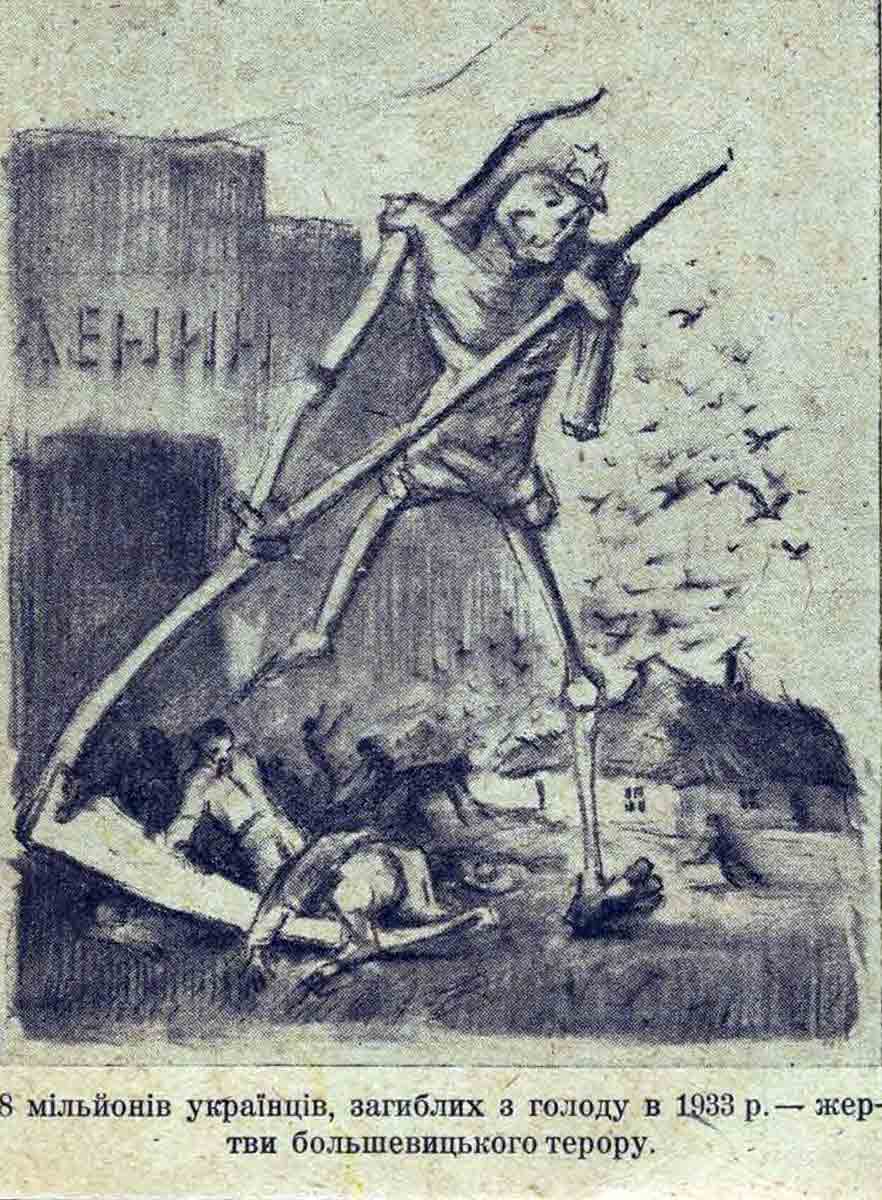
The term “Holodomor” has a very literal meaning. In Ukrainian, it is defined as “death by hunger” or “death by starvation.” On a more exact level, it is the combination of two Ukrainian words: “holod,” meaning hunger, and “mor” referring to a plague. The event is occasionally referred to as the Ukrainian Famine or the Great Famine. It would not be referred to as the Holodomor until much later, though the blueprints for its inception were considered part of Stalin’s “Five Year Plan.”
3. The Primary Victims Were Rural People
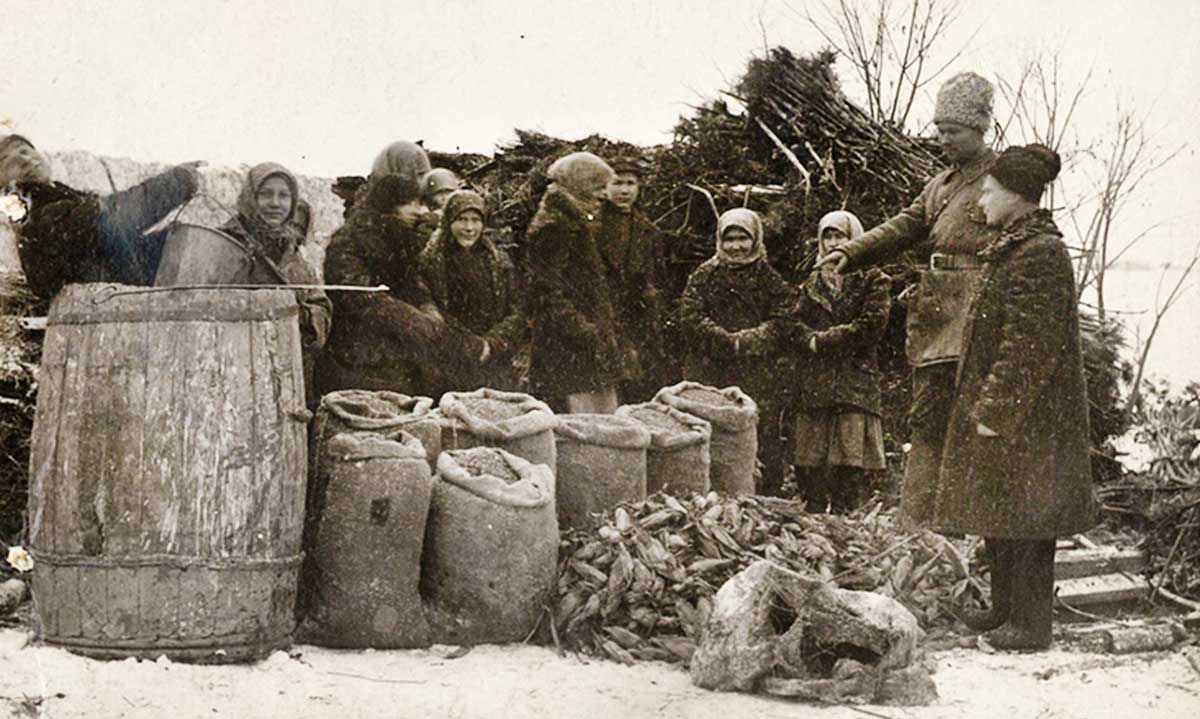
The main victims of the Holodomor were those who lived in rural villages, often farmers. Farmers were often discontented with the new Soviet policies inflicted on them as their homes became part of a communist state. Rural populations made up about 80% of Ukraine’s population at the time the genocide was inflicted. As is the case with many genocides, the accurate number of those annihilated will likely never be known, but historians estimate that anywhere from 3.5-7 million people were killed. At the height of the massacre, it is estimated that 28,000 people were dying per day.
4. Those Who Opposed Collectivization Were Given a Special Name
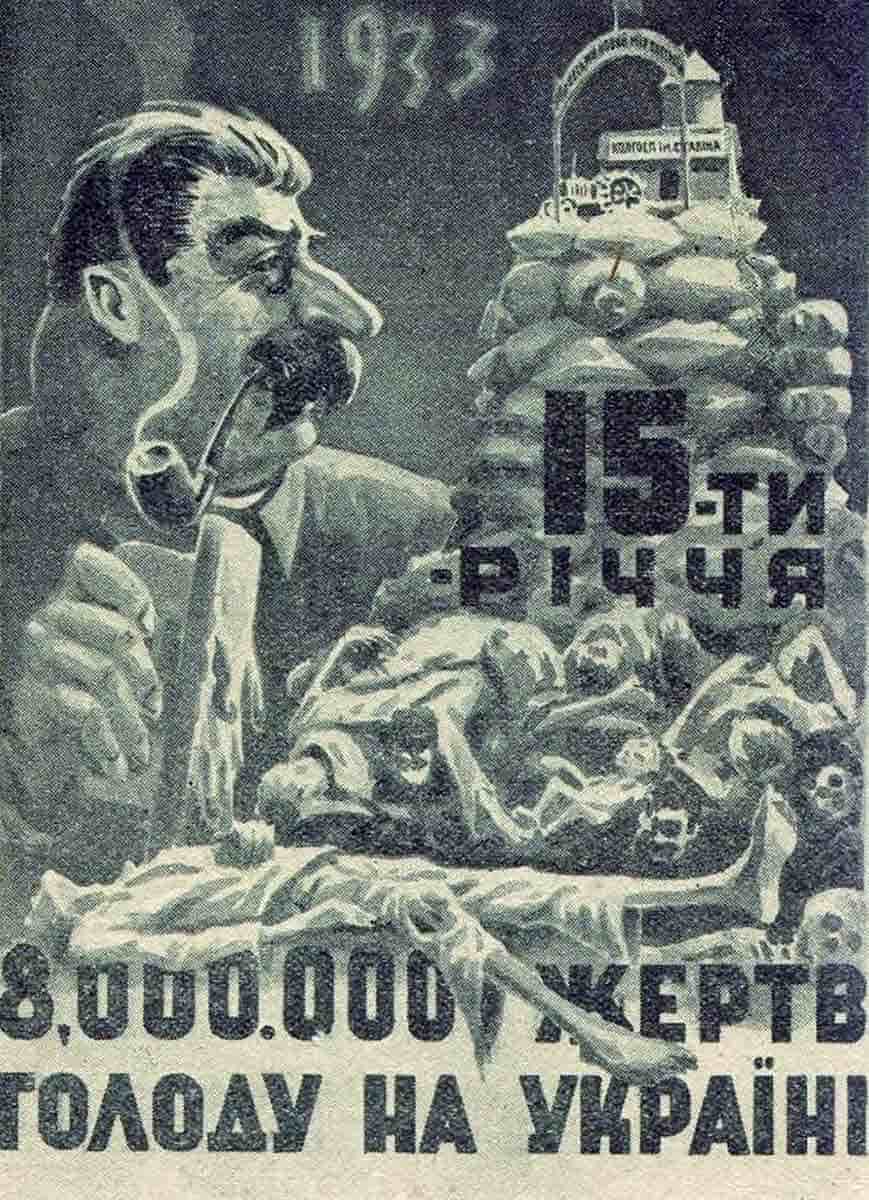
Of course, most Ukrainians opposed the policies that were being inflicted by the government of the Soviet Union. Those who had the means to protest were typically richer commercial farmers. These people and others who opposed collectivization were referred to as “Kulaks” by the Soviets. “Kulak” translates as “a fist” in Russian.
The Kulaks were vilified in Soviet propaganda and labeled as enemies of the state. They were often the first to be eliminated, not only because they challenged state control but because they were often leaders of their villages and areas. Executing them broke down resistance among an area’s people, clearing the way for Soviet control. As early as 1929, Stalin railed against the Kulaks in public speeches and used them as an easy target on which to blame food shortages.
5. Stealing Food Could Equal a Death Sentence
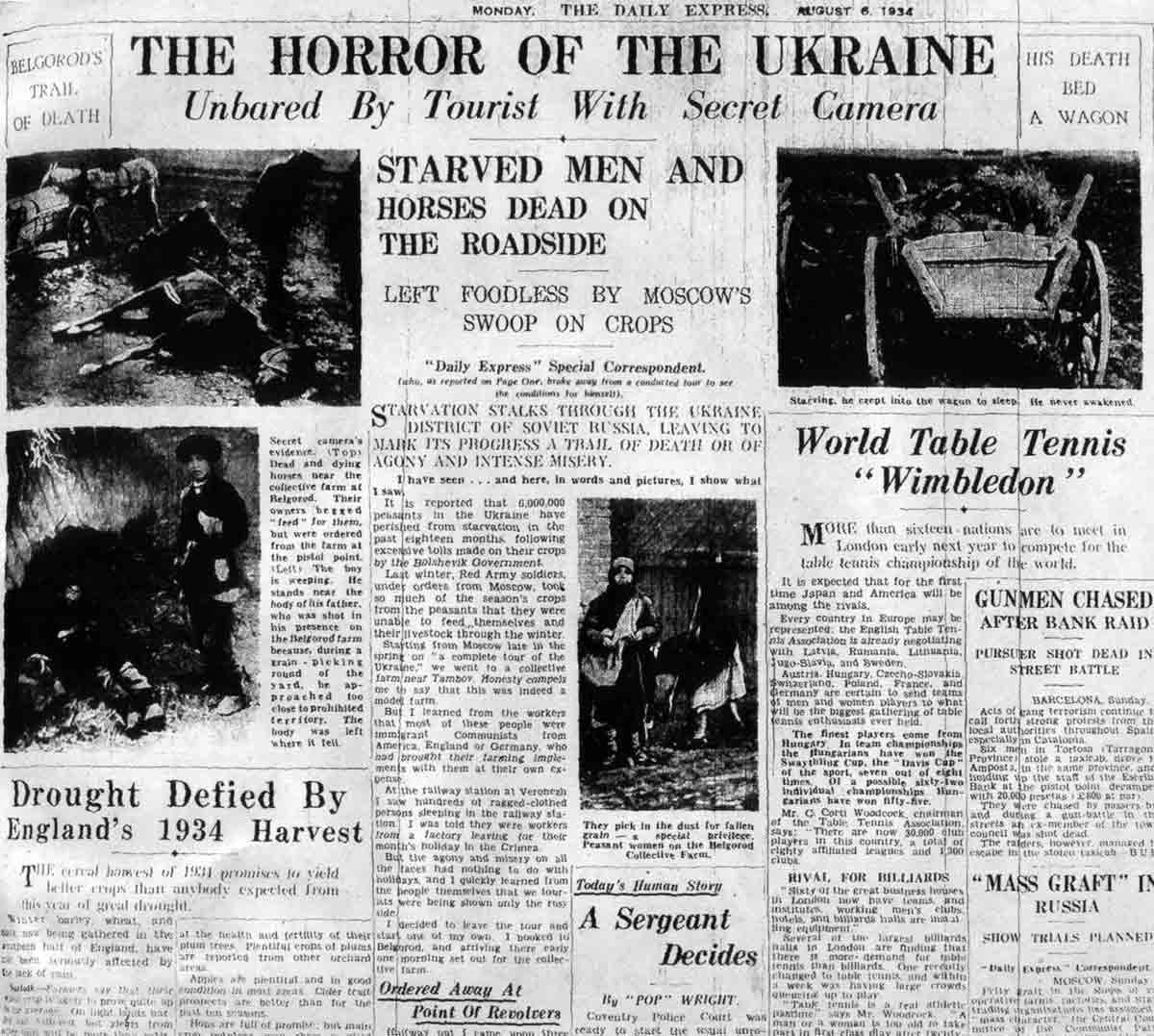
In addition to requiring farmers to give their crops to the Soviet Union, further restrictions were placed on the people. Many villagers attempted to leave their homes in search of food, and as a result, restrictions were imposed on them, allowing no one to go in or out of the poverty-stricken countryside. Ukrainian peasants were forbidden to leave the country. Some villages even had watchtowers with armed soldiers eyeing the citizens to ensure that they didn’t try to leave.
If certain areas couldn’t meet their collectivization quotas, which were usually set at unrealistically high levels, Soviet agents would descend on them, seizing their seed for future crops, as well as meat, potatoes, livestock, and any other foodstuffs to make up for the difference. Theft of food, even as little as a few stalks of grain, was punishable by death. Survivors recalled seeing people executed for simply eating a few seeds picked up off the ground.
6. People Became Desperate
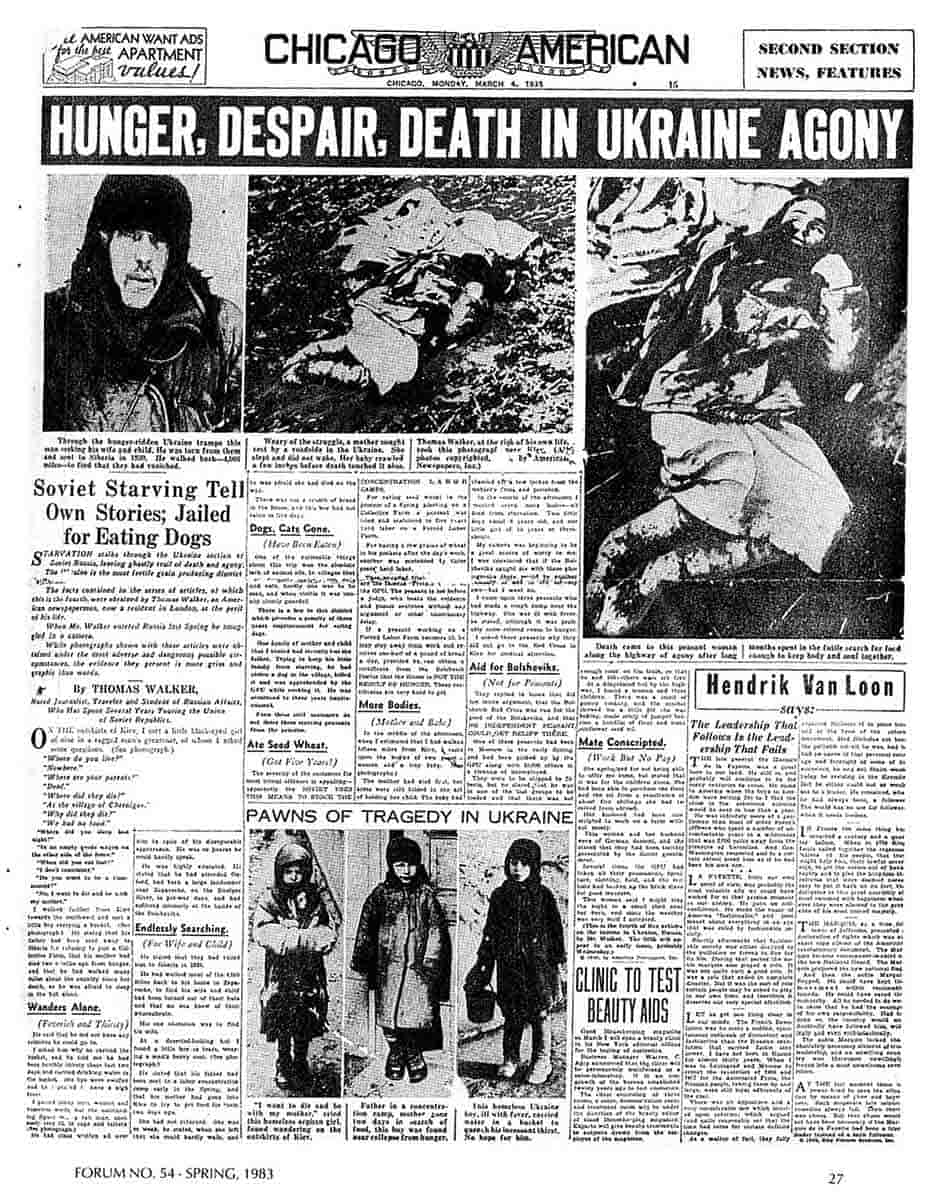
Unable to feed themselves or leave to find food, desperate villagers turned to their surroundings to offer them some hope of survival. Villagers ate plants and grasses, frogs, acorns, and even their pets. They learned to make bread from non-food items like straw and oak bark. In some situations, starving people turned to cannibalism, eating the bodies of dead family members. Some were even driven to murder in their hopelessness, with Soviet records listing about 1,000 individuals serving prison time for cannibalism in the 1930s.
7. While People Starved, the Soviet Union Took Their Grain
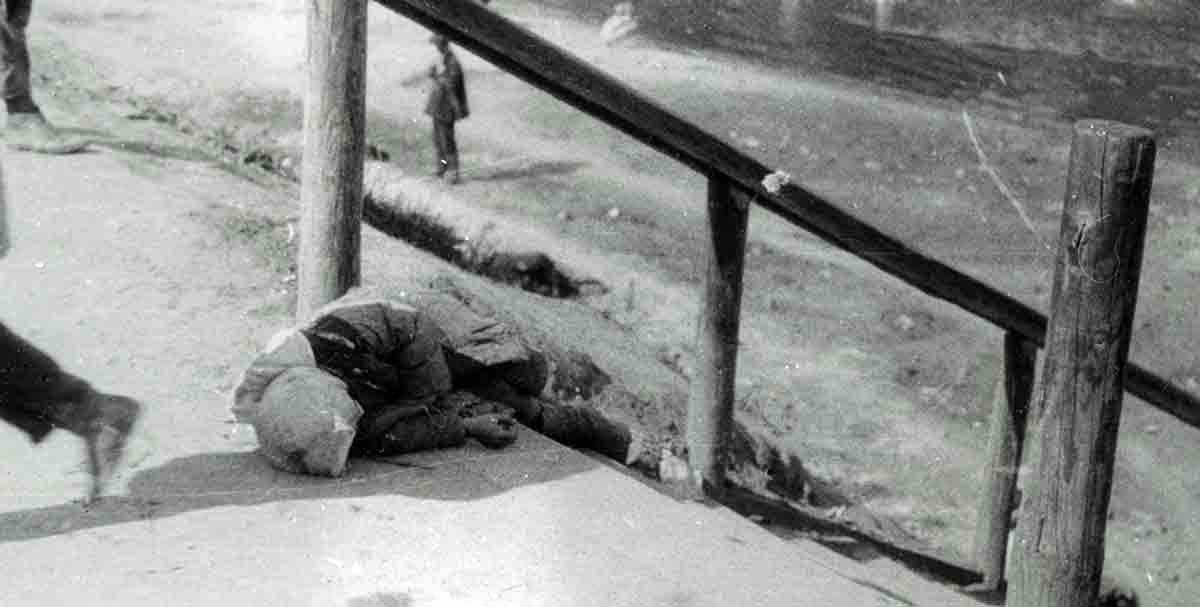
The Holodomor didn’t happen because the collective farms were unproductive. In fact, millions of tons of grain were removed from Ukraine during the event. This grain could have easily fed an estimated twelve million people during that time. In addition, there were enough extra grain reserves in the Soviet Union to feed ten million people during the Holodomor. However, these harvests were exported for cash, and foreign aid offers were turned down. Even more frustrating, the Soviet transportation system during this time was woefully inefficient, resulting in literal piles of food from the collective farms rotting before they could be sold or utilized—often in sight of starving villagers.
8. It Wasn’t Just Starvation
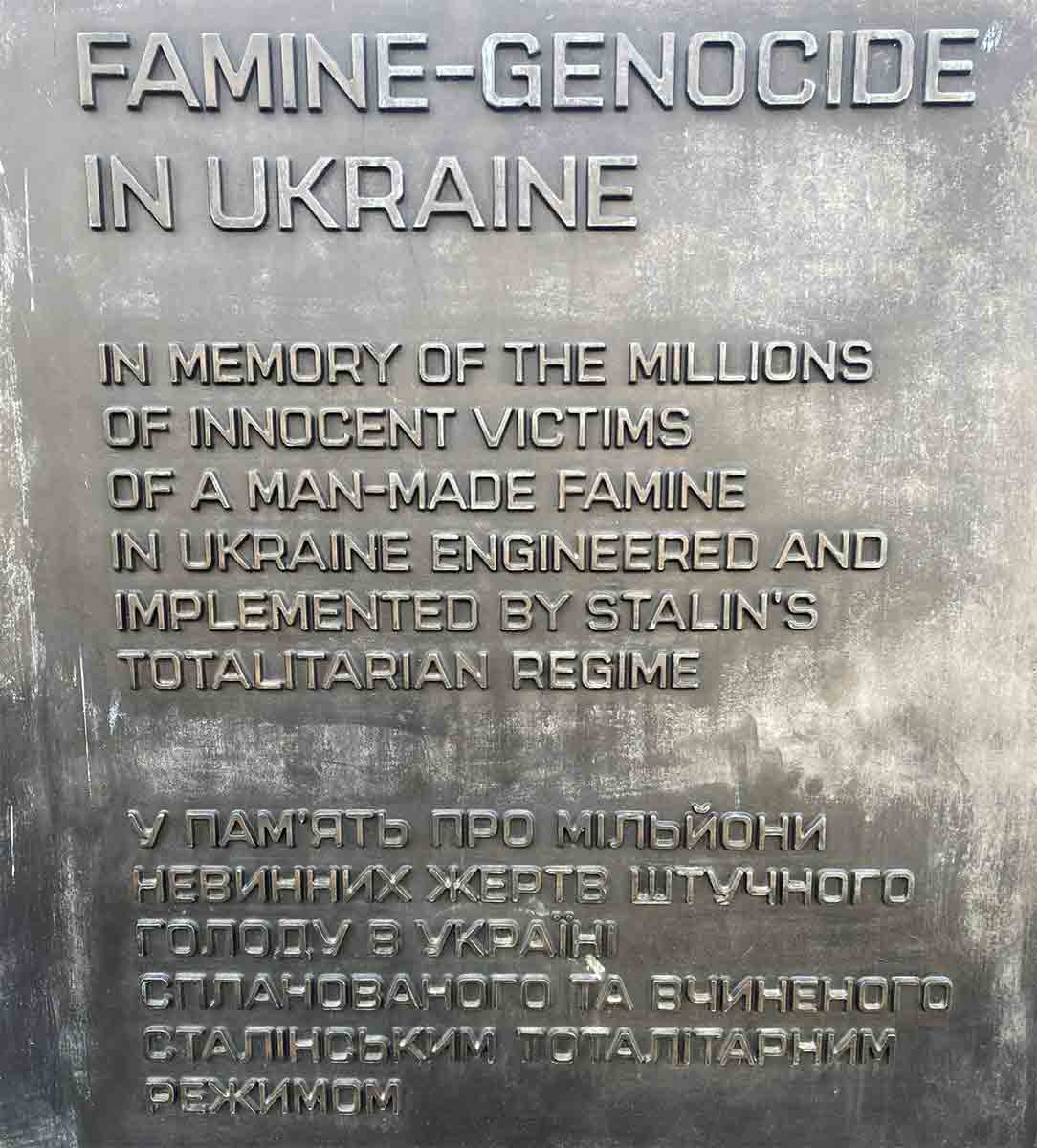
Though the Holodomor is largely remembered as a time of starvation, Stalin and other high-ranking Party members were making several other efforts to extinguish Ukrainian people and culture. Outspoken critics of the proceedings who dared to stand up were often deported to the far reaches of the USSR. Executions of these people were common, and some were sent to labor camps while others languished in prisons. Untold numbers of personal possessions and land were taken from people in the name of collectivization, with some people stripped of virtually everything. The Ukrainian economy collapsed as the means of production were taken over by and absorbed into the Soviet Union.
9. The Holodomor Would Not Be Labeled a Genocide Until the 1950s
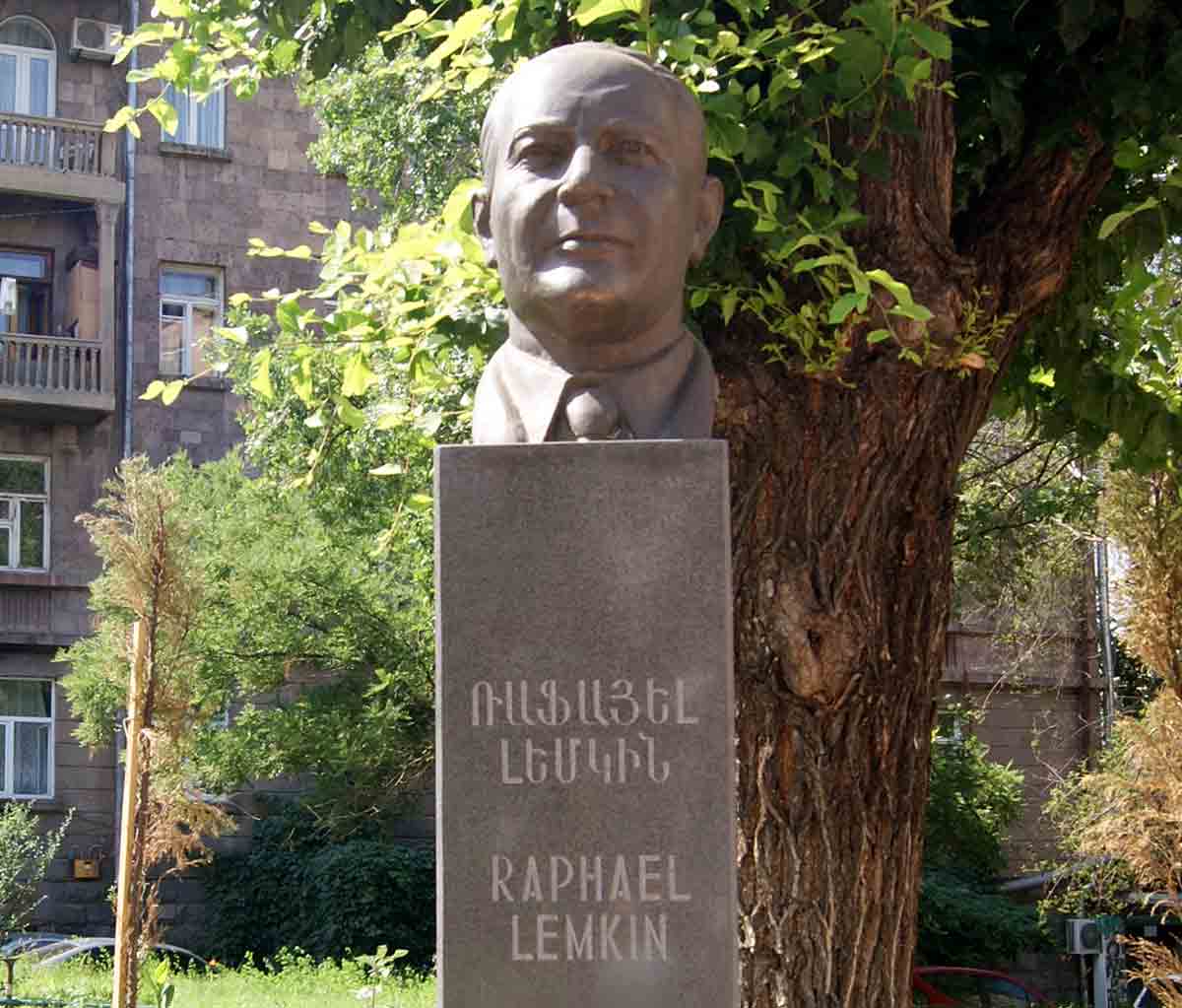
Lawyer Raphael Lemkin gave the world the term “genocide” after World War II and worked with the United Nations to create a legal definition along with regulations to prevent this horrific crime. At the time the Holodomor was committed, genocide as a term did not exist. However, in his later research and articles, Lemkin made several references to the Holodomor as a genocide. He identified four key components of the Holodomor that qualified it as genocide: the destruction of Ukrainian political and cultural leaders, the destruction of the Ukrainian church, the starvation of the farming population, and replacing the population with non-Ukrainians.
With these key components in mind, it becomes difficult to reject the notion that what happened in Ukraine was nothing less than genocide.
10. The Event Was Largely Denied—and Still is Today
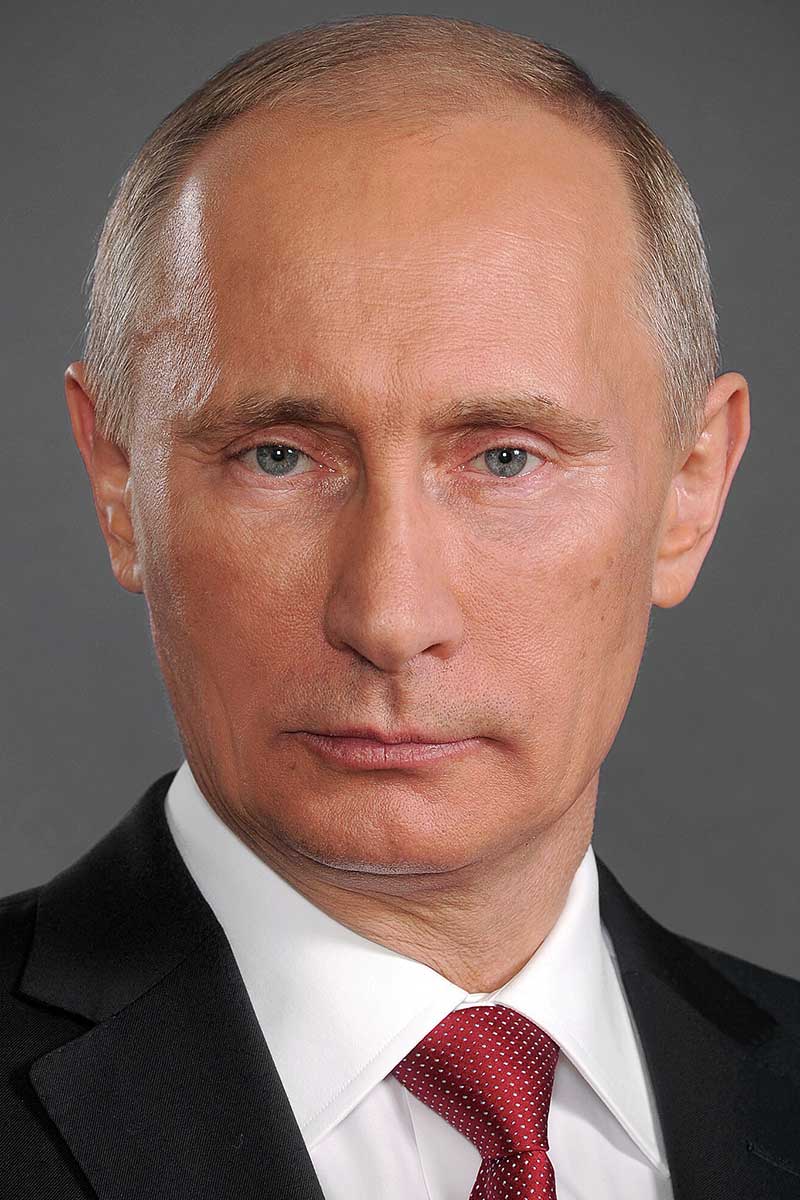
From the beginning, the USSR denied that the Holodomor occurred, particularly that it occurred as a result of governmental policies. Photos, news reports, statistics, and other data were hidden from the global public for decades. Death certificates were avoided as a way to reduce the death counts coming out of Ukraine. In some situations, false causes of death were listed, with a ban on recording “hunger” as a cause of death. However, since the Soviet Union collapsed, access to governmental archives has revealed many details about these horrific events, showing the world for the first time the depths of what occurred.
Despite this, modern Russia has continued to deny the existence of the Holodomor. In some situations, a famine is acknowledged, but not the fact that it was a man-made genocide. The Russian invasion of Ukraine in 2022 is seen by many as an attempt to re-establish Russian control of the country in an effort to revive Soviet power.
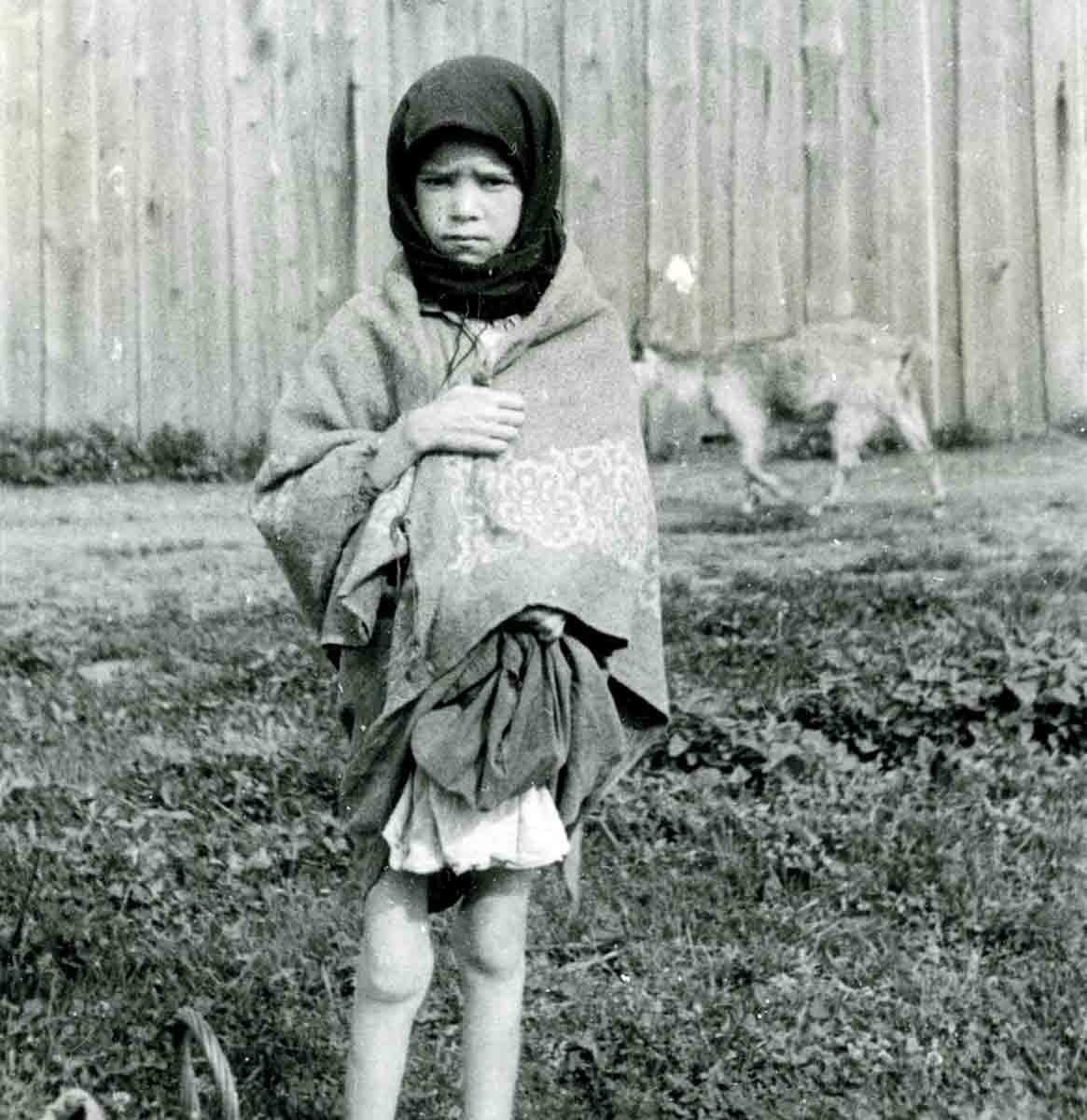
Echoes of the Holodomor are mirrored in other genocidal events throughout history. Despite this familiarity, the Holodomor is largely forgotten, due in part to the attempts to cover it up while it was happening and after the fact. The terror of the Holodomor and the extent of its tragedy are unlikely to ever be fully realized.