Maine’s challenging, ever-shifting weather is nothing new, but what happens when that weather leads to a chain reaction of deadly events? In 1947, natural factors combined to create a disaster of epic proportions, destroying thousands of acres. Lives were uprooted as Mainers were forced to make life-and-death decisions in the heat of the moment. Prestigious summer homes and fishing shacks alike were relegated to ashy ruin. Read on to learn how this raging inferno changed the state forever.
The 108-Day Drought: A State Turned to Tinder
Maine is not known as a particularly dry state, with regions averaging 46 inches of rain and up to 110 inches of snow annually. However, 1947 proved anomalous from the start. Spring 1947 was unusually cold and rainy across Maine, but once summer arrived in mid-July, the weather abruptly shifted into an unprecedented dry spell. The total rainfall for the summer fell by almost half. Temperatures soared, and dry conditions spread across the state.
As water began to evaporate from the soil and plants dried out, citizens grew concerned. Wells were drying as the warm summer weather continued into the fall months. To exacerbate the heat, rain seemed to have vanished, with 108 consecutive days without rainfall recorded. Officials had a new, growing worry: fire.
With the state now in a full-fledged, record-breaking drought, residents were urged to clean their chimneys and avoid creating sparks. In a state that was 90 percent forested at the time, fire towers that typically closed in the fall were reopened in October. Small fires were reported and extinguished. However, the fires kept returning, with records showing 204 separate forest fires burning in Maine in October. These fires were located throughout the state, with some of the largest noted in York County, the southernmost area of the state, and along the coast near the popular tourist destination Acadia National Park and the town of Bar Harbor.
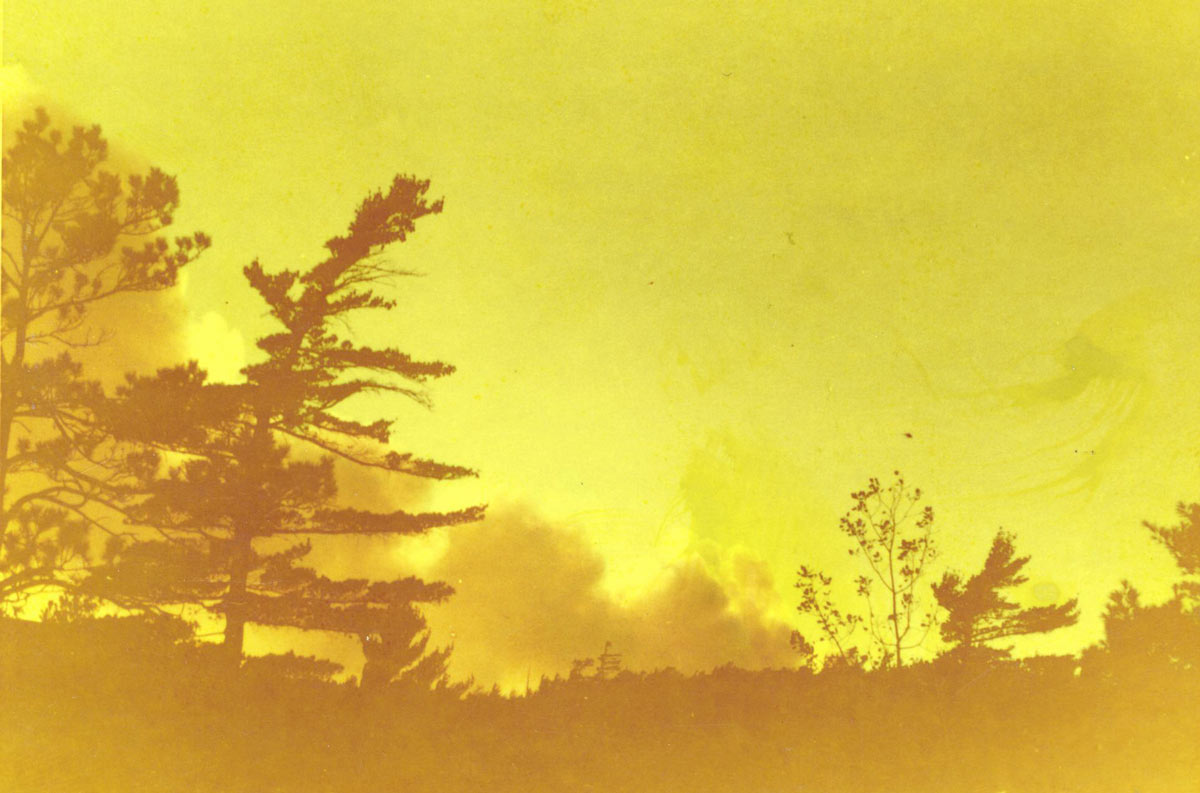
It is unknown or unrecorded how most of the fires started. Modern biologists attribute at least some of the fires to the “duff phenomenon” based on eyewitness descriptions of “underground” fires. Duff is the underlayer of the forest floor, below the top level of leaf litter. It mostly consists of fungi and decomposing organic matter and is insulated, gathering gases as a result of the decomposition processes within it. When conditions are dry and hot, duff can combust, creating a smolder that can last for days or months. In a drought scenario, a duff smolder can easily become a mature fire, spreading quickly in a dehydrated forest.
As the fires continued, they drained resources across numerous communities, with volunteers pulling together to try to manage the blazes. By October 18, the fires were only becoming more dangerous. The Shapleigh Plains Fire in southern Maine had burned 1,200 acres of land and was moving toward the town of Waterboro, while the town of Bowdoin was also being threatened by a fire that had already burned over a thousand acres. A haze of smoke was settling over the state, and still, temperature records were set on October 19. New fires were reported the next day, including on the coast. These were exacerbated over the next few days with gale-force winds.
“Red Thursday”: The Day the Winds Changed
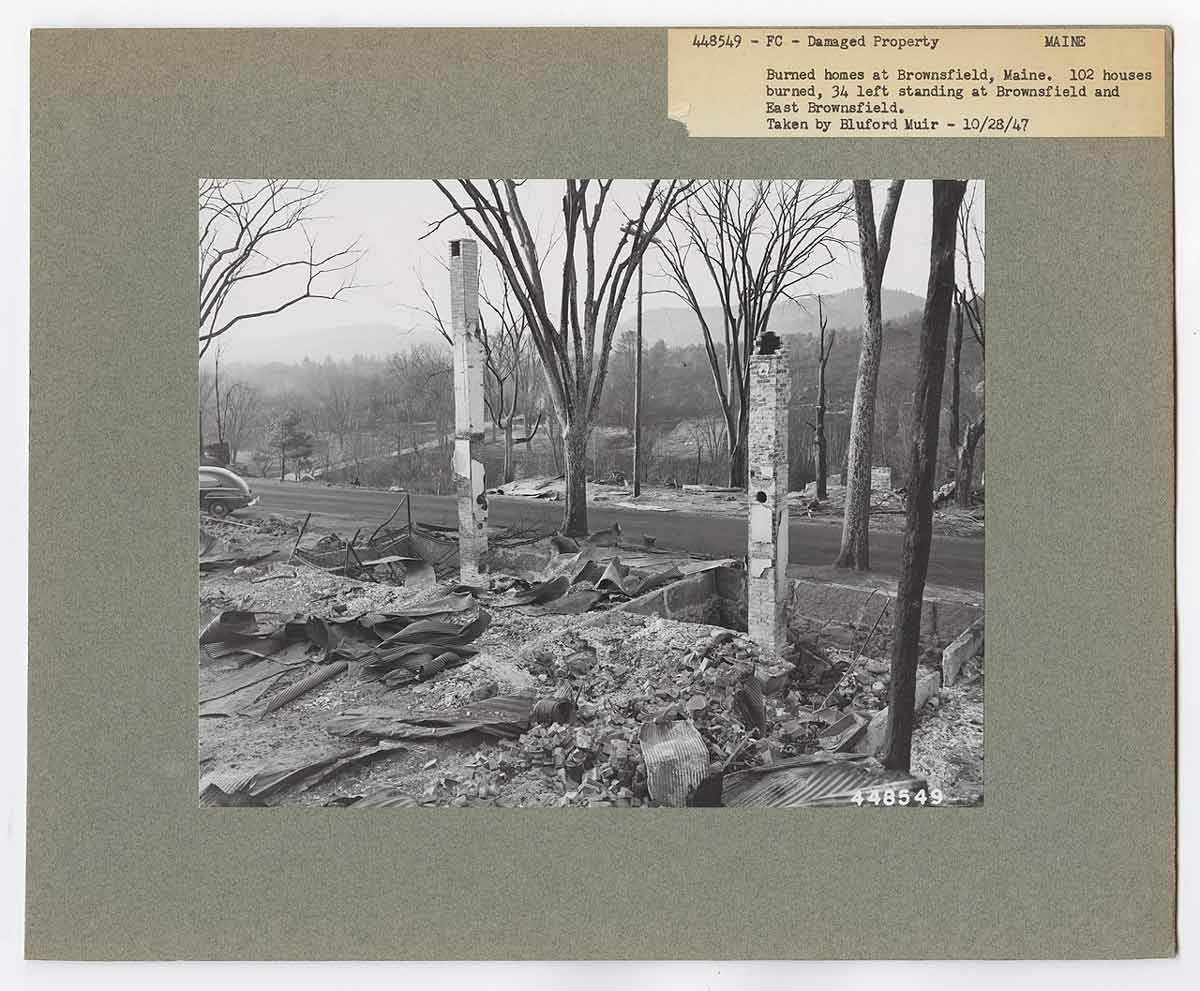
The disaster escalated on October 23, known as “Red Thursday,” when the winds picked up further. With the past few days of incredible winds, the fires had expanded to terrifying proportions, burning thousands of acres with fronts up to 10 miles long. By the time Red Thursday rolled around, 40 fires were actively burning statewide, in winds that blew 40 miles an hour. These unbelievable gales allowed the fires to easily jump roads and rivers; nowhere felt safe. People began evacuating, often at a moment’s notice, as firefighters struggled to protect homes and public buildings. Despite the efforts of the firefighters and volunteers, many of whom were sent fleeing as well, towns like Newfield, Brownfield, and Shapleigh were essentially burned to the ground.
The Siege of Bar Harbor & the Great Sea Evacuation
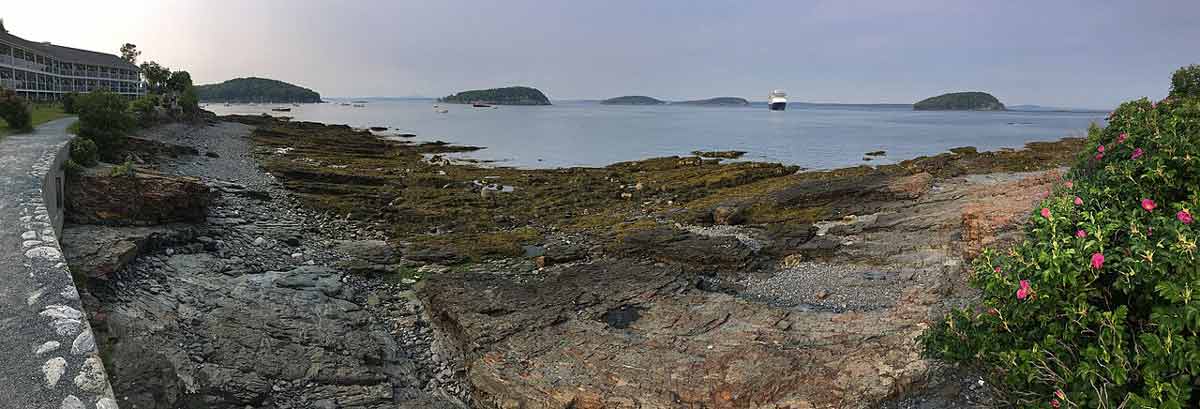
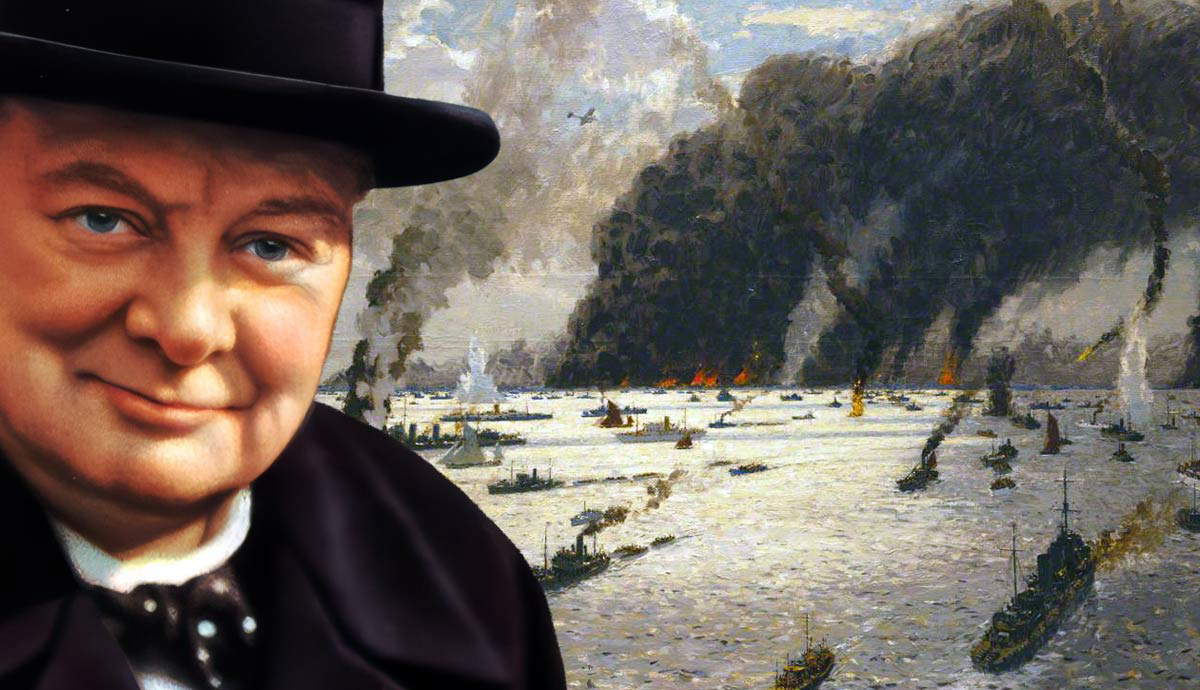
Meanwhile, on Mount Desert Island, home to parts of Acadia National Park and impressive summer homes, Bar Harbor residents found themselves cut off from the mainland by a wall of fire. Citizens fled to the town pier, where hundreds of people were evacuated from Bar Harbor by sea. Fishermen from neighboring towns, private boats, and Coast Guard and Navy vessels all arrived to ferry residents to safety. This flotilla rescue is sometimes referred to as the “Dunkirk of Bar Harbor.”
Why Were the Fires So Hard to Fight?
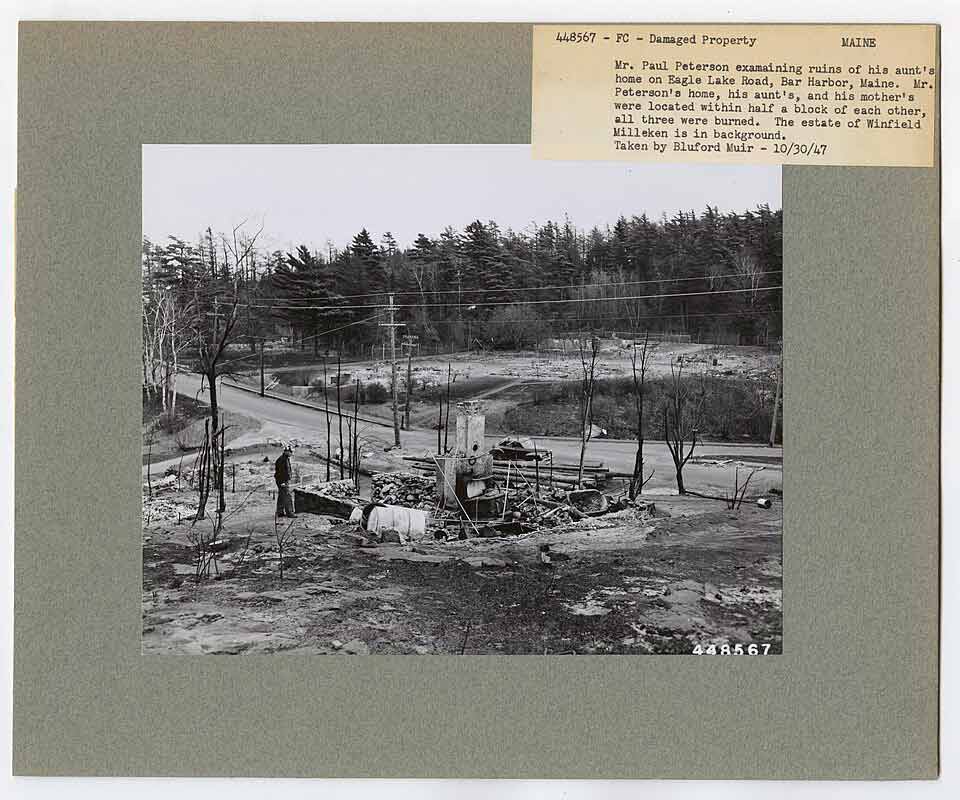
With thousands of volunteers, why were the fires so hard to contain?
Most Maine towns at the time (and today) lacked a centralized fire service. Some towns did have volunteer units, but even these often lacked training and operated with outdated equipment. The fires crossed town lines, and there was little central command, all of which was exacerbated by the recent drought drying out the rural water supply. Though the firefighters and volunteers from Bates, Colby, and Bowdoin Colleges, the University of Maine, the Red Cross, the military, National Park Service, and more fought courageously, the efforts were unorganized and lacked adequate resources. This, coupled with the challenging environmental conditions, led to the fires reaching their peak.
The Aftermath: How the Burn of ’47 Changed Maine Forever
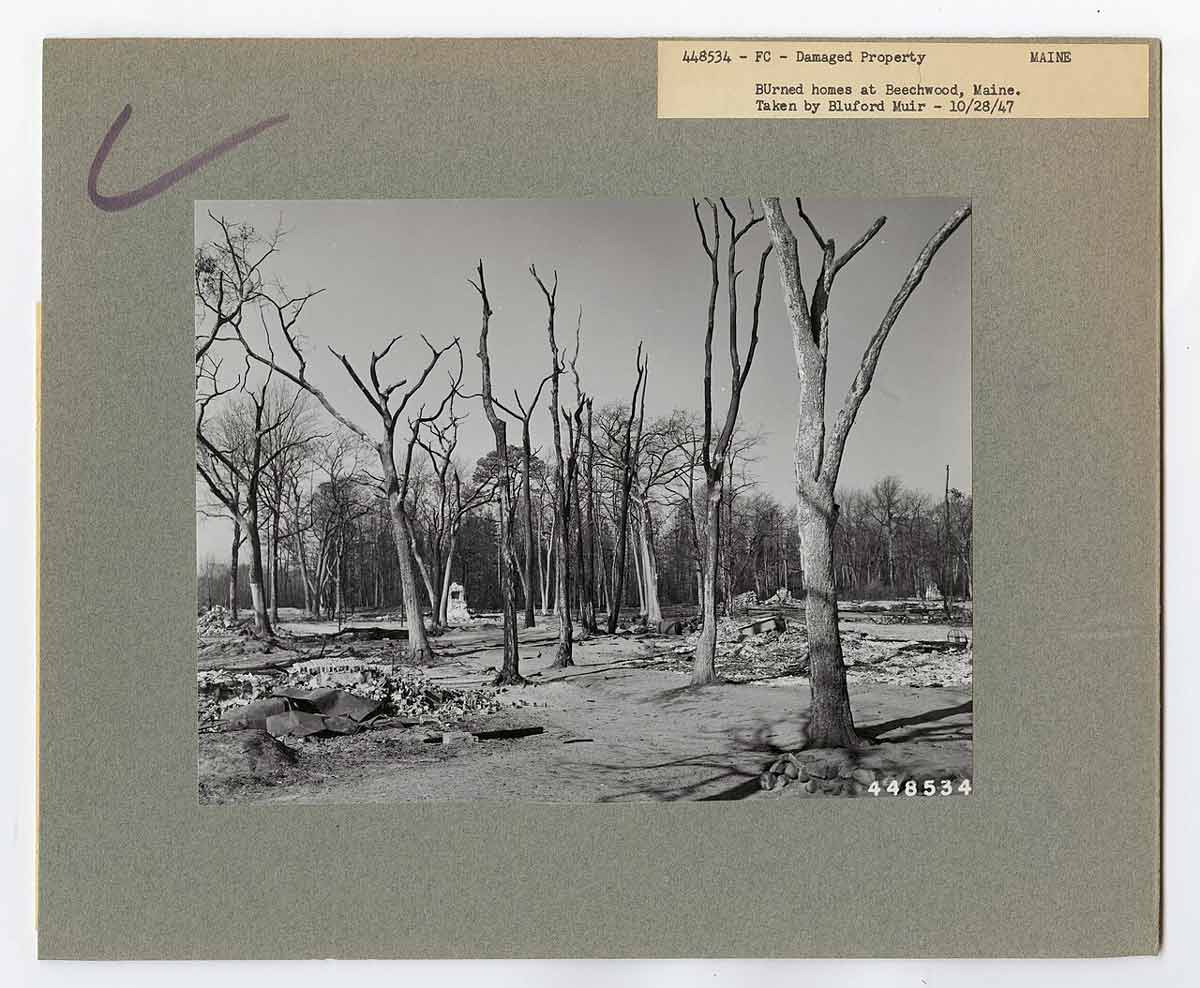
By the end of October, with dying winds and minimal but welcomed rain, the fires were starting to get under control. They would smolder for months, but by mid-November, it was snowing, and the fires were declared “out” on November 14. Still, the aftermath remained. 16 people died in the fires, and over a thousand homes were destroyed. Nine towns were considered destroyed or “mostly destroyed,” and four more were considered “seriously damaged.”
200,000 acres of the state had burned, with damage estimated at $30 million. Half a million was spent fighting the fires, and the lost timber, in a state that heavily relied on the pulp and paper industry, was valued at $17 million. The Jackson Laboratory was destroyed, killing thousands of mice used in medical research, setting scientific progress back significantly, and 10,000 acres of Acadia National Park were destroyed.
Lessons From the Ashes: Maine’s Legacy of Fire Prevention
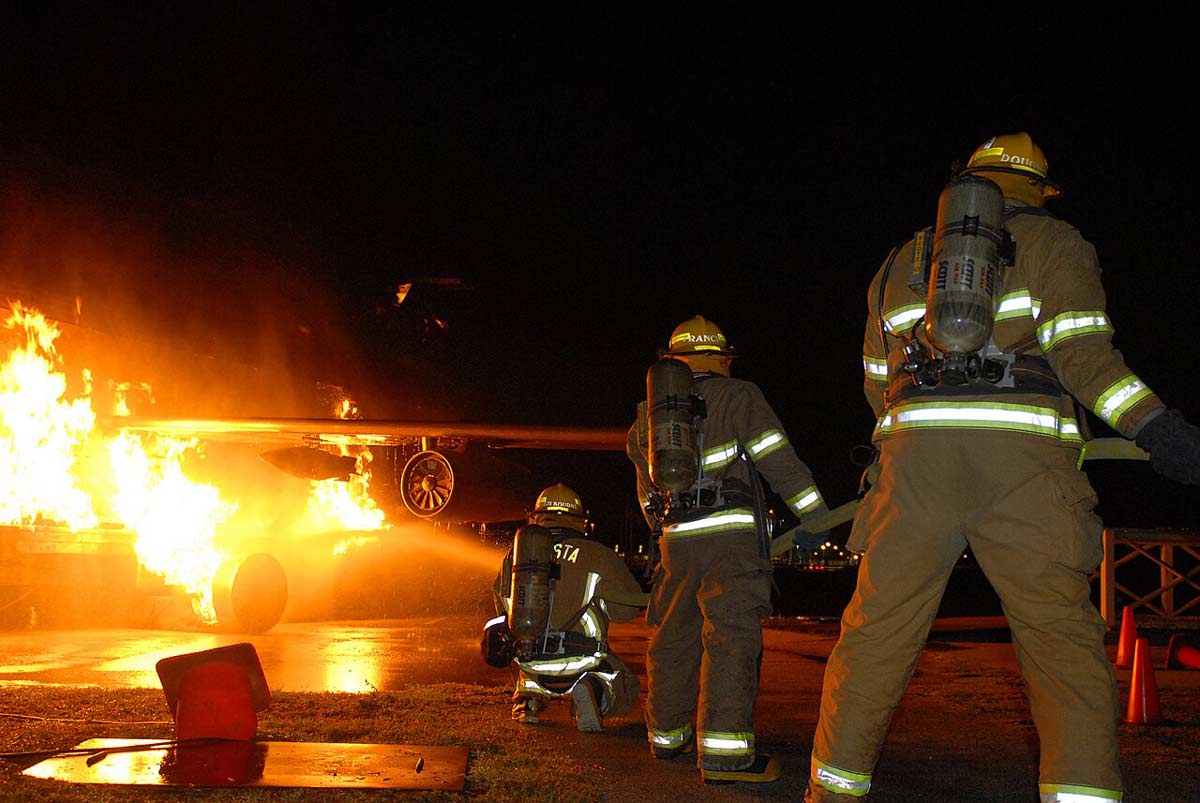
Despite all of the loss, hope arose from the fire. Perhaps most significantly were the lessons learned from the disaster. It led to innovation and an overhaul in the way fires are fought in Maine and New England. Centralized communication and oversight channels were established, and training was made the utmost priority. Public education programs were established in the years after the fire and still continue today. Evidence of the fires can still be seen in locations throughout the state in the form of new-growth forests and architectural gaps in homes and buildings.
Though it seems unlikely that an event of this magnitude could repeat itself in Maine with firefighting improvements and the rarity of the deadly chain of events that set them off, one only has to look to California or Canada to see the possibilities of modern wildfires. Despite growth and progress, 90% of Maine’s modern wildfires are caused by humans. While there is hope that the Burn of ‘47 remains a distant memory, record-breaking drought once again crossed the state in 2025, bringing with it the reminder of how quickly a spark can turn to inferno.