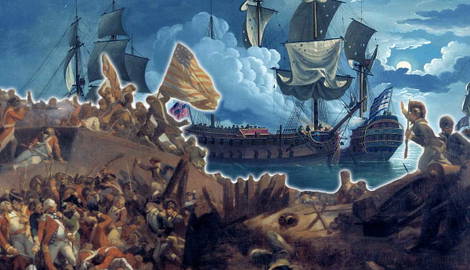

When 1776 rolled around, the British Empire was riding high. The colonial powerhouse was fresh off a victory in the Seven Years’ War and had a truly global reach. It had rich, resource-rich holdings in North America, the Caribbean, Africa, and India. Despite this apparent power, Britain would soon find itself facing a new opponent, this time from within its own empire.
As the mother country attempted to stem financial troubles resulting from the war, the thirteen American colonies were frustrated with heavy taxation and desired stronger governmental representation. War soon arrived, and despite clear British advantages, the American patriots would emerge victorious. How did a fledgling militia defeat the world’s greatest military?
1. The Long Haul: A Logistical Death Trap
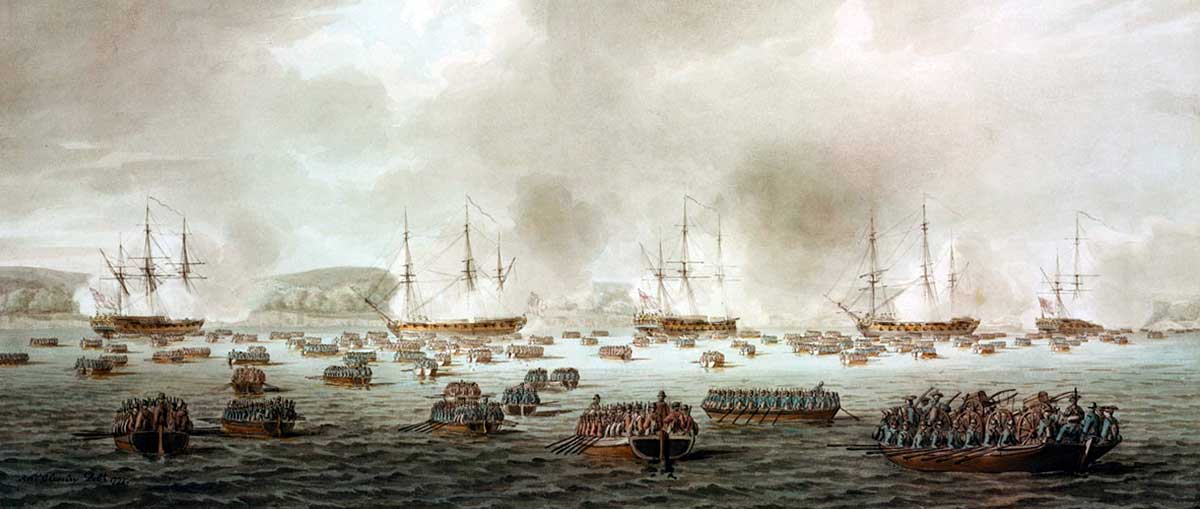
The British were at an immediate disadvantage when they stepped off their ships to fight in the American Revolution—their supply lines required transportation across the Atlantic. Not only did it take months for supplies to reach their destination in the colonies, but lines of communication were also subject to this 3,000-mile separation. Orders could take weeks to reach their intended targets, leaving officers fighting blind in some cases, forced to make strategic decisions on their own.
While the British did have some local support and therefore resources, the Patriots made it a priority to break up these chains, hampering the British army’s access, particularly those branches fighting in the southern colonies. Conversely, the Americans had a “home field advantage.” Though their supplies were scarce at times, they were locally accessible.
2. The Shift to Irregular Warfare
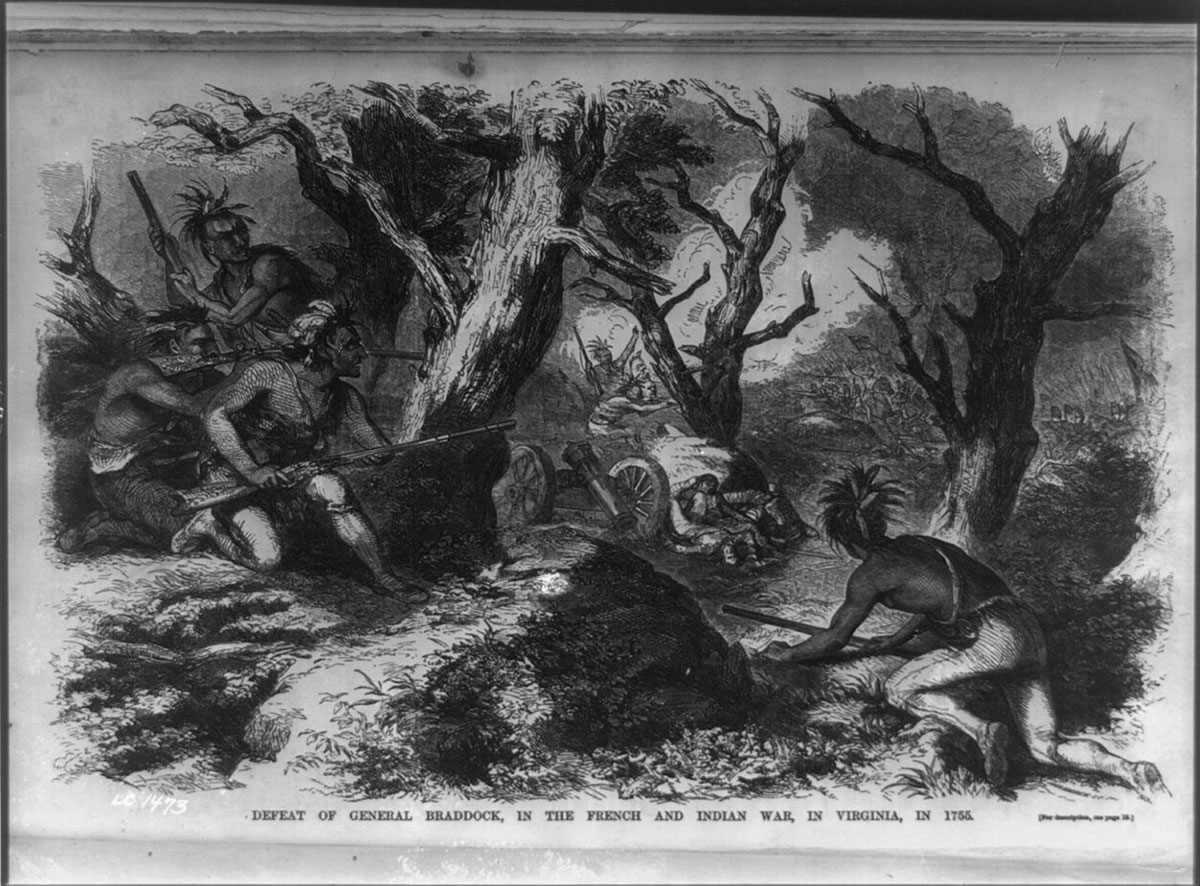
The British “regulars” were in for a shock when it came to fighting in America. European warfare at the time was of a traditional style. Flintlock muskets were the standard weapon of the era, often fitted with bayonets. With this innovation of weaponry, infantry became the center of most armies, with men organized in mass formation, marching and firing as a cohesive unit. Two armies would face one another, firing on command at decreasing distances until reaching bayonet range.
The British Redcoats were easy targets for the colonials. Though many men of fighting age had been trained by the British army itself, fighting alongside their now-enemies in the French and Indian War, life on the American frontier lent an evolution to their fighting style. New methods were adopted, including what is now known as “guerrilla,” or irregular warfare. Later in the war, the Continental Army was put through extensive drilling under Baron von Steuben at Valley Forge, greatly increasing their shooting accuracy and efficiency.
3. Overextension & Dwindling Will
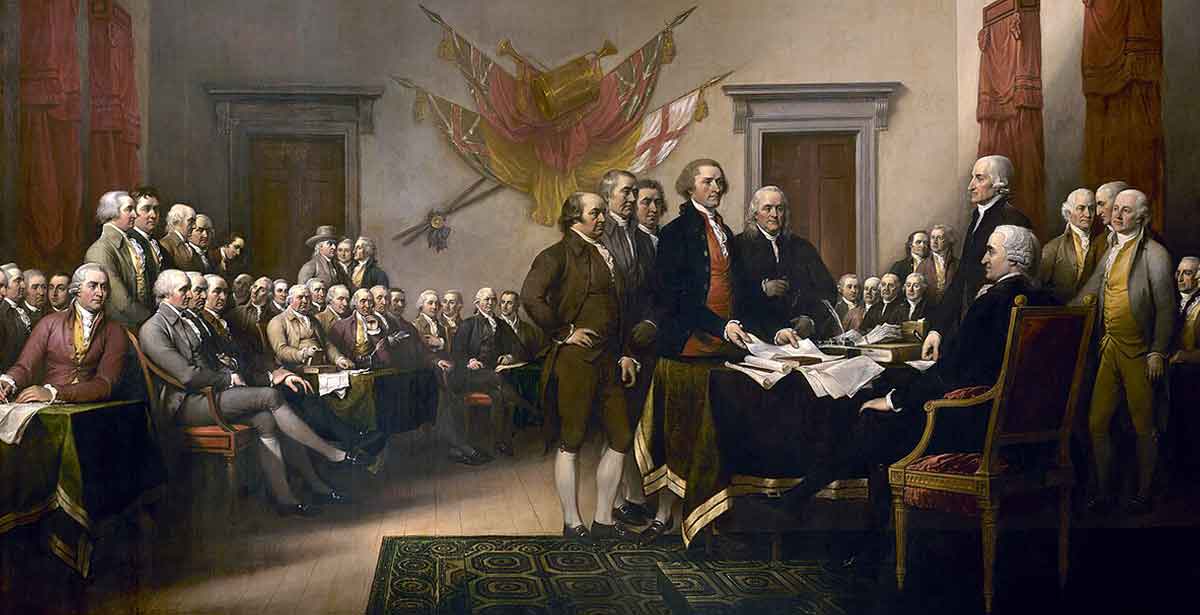
While the colonists’ sole focus was their revolution, Britain had a lot more on its plate. The American Revolution resulted in formal declarations of war from France and Spain, as those two countries lent support to the colonies. The Dutch later became involved, accused by Britain of violating neutrality. Trying to fight these battles, maintain colonies, and keep the mother country in order left much of Britain feeling war-weary. The British public and government officials alike came to view the American conflict as pricey and endless, cutting into their will to fight.
4. The Patriots’ Je ne sais quoi Leads to the French Connection
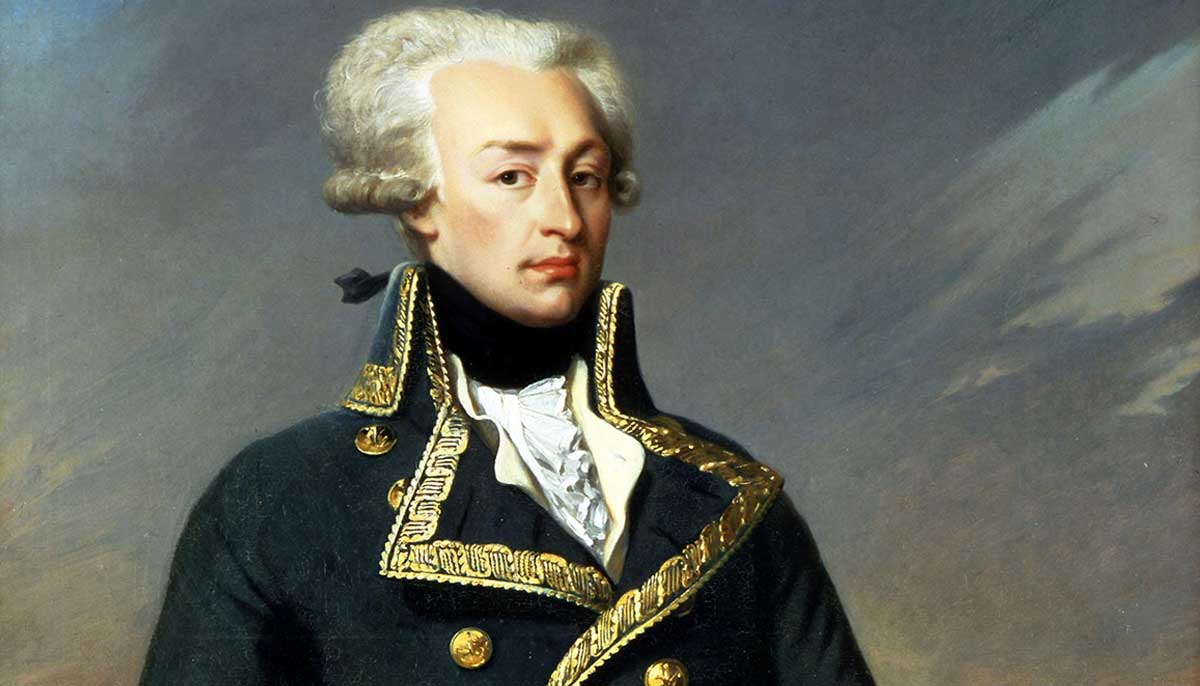
Though it took some time, the colonists eventually charmed France into lending their official support (unofficial support came even earlier). Intellectuals in France were enamored by the Americans’ plight as a result of Enlightenment ideas relating to freedom, progress, and society. In addition, England was a longstanding French enemy, and as the saying goes, “the enemy of my enemy is my friend.” After the impressive American win at Saratoga, French support became official and proved instrumental. The French Navy played a key role at the Battle of Yorktown, bringing the British Navy to its knees.
5. The Will to Fight: Battling for Ideals vs. a Paycheck
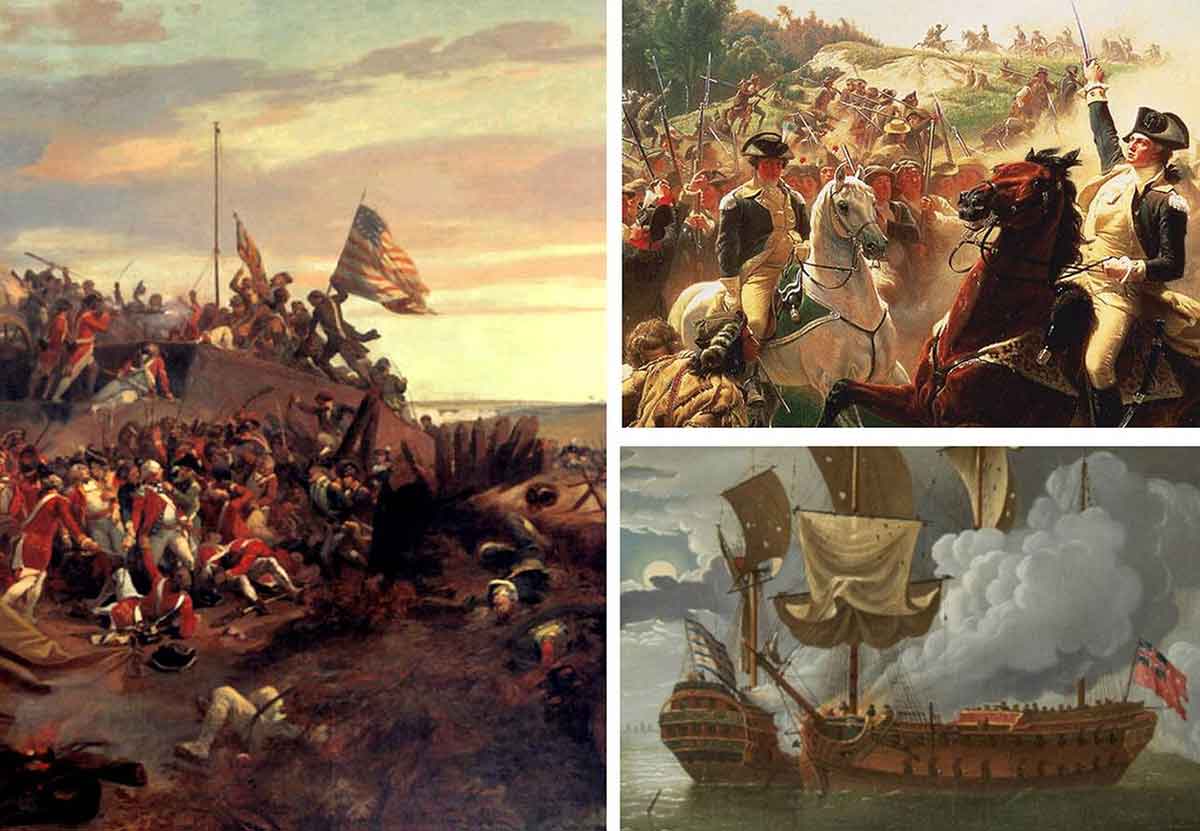
Many soldiers in the British army were there for the paycheck, not because they believed in subduing the Americans. Professional British soldiers, both English citizens and contracted mercenaries such as German Hessians, fought because it was their job. On the other hand, the colonists fought for their homeland. Soldier motivation is critical to combat readiness and performance. The Americans felt they had a cause worth fighting for, giving them the upper hand over the most powerful army on Earth.