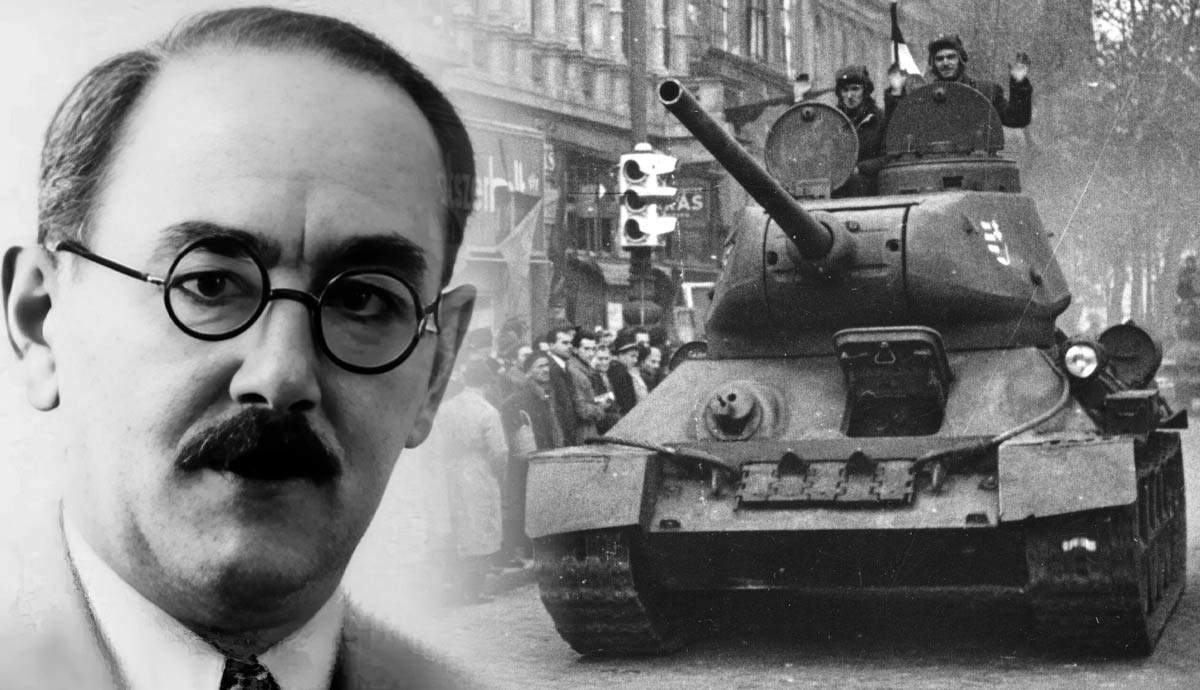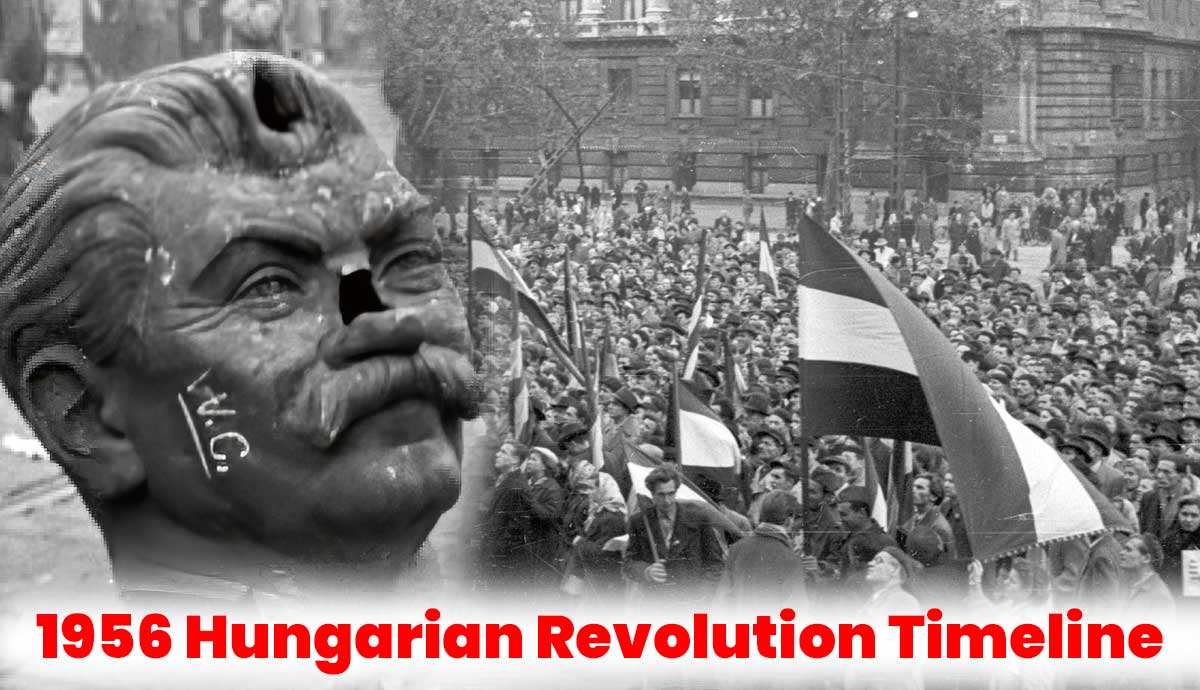

The Hungarian Uprising of 1956 was fought between the Soviet army and Hungarian Freedom Fighters, who used guerrilla warfare tactics to fight for their freedom. The revolution lasted just a few weeks. The Soviets crushed the resistance and began arresting and executing anyone involved. In the last days of the uprising, thousands of Hungarians saw their chance for freedom and began fleeing to Austria or Yugoslavia, either fearing arrest or believing the Soviets would become more ruthless. Soon, western countries and international agencies step in to aid the refugees. No other refugee crisis of that magnitude has ever been managed so quickly and effectively.
Stepping In: The Beginning of the Hungarian Refugee Crisis
Before the Hungarian Revolution even ended in November 1956, thousands of Hungarians began fleeing across the border into Austria and other neighboring countries. They chose to escape from their country on foot in the winter rather than stay and face what the Soviets would do to them or their families.
Austrians, Yugoslavs, and the United Nations High Commissioner for Refugees (UNHCR) worked quickly to help the refugees. Although it was chaotic in the beginning, the situation swiftly smoothed out. Within 48 hours of the first people arriving in Austria, a few countries had already sent Austria aid and volunteers to help with the crisis, and they began relocating the refugees immediately.
It was the first refugee crisis that the world was witnessing in real time. Photos and footage of the refugees trudging through the snow were shown to the world in magazines, newspapers, TV, and cinema reels and announced on the radio. Although people in the West were unaware of the important events leading up to the Hungarian Revolution, they felt solidarity with the resistance, and many wanted to help.
Many Westerners donated money or offered refugees a place in their homes and employment, making it possible to oversee the crisis effectively. Elvis Presley, the famous American singer/songwriter, even advocated for refugee relief to his fans. By 1957, their contributions had already amounted to six million dollars.
The UNHCR also played an instrumental role in managing the crisis. Established in 1950 to facilitate situations where millions of people are displaced, the organization was a result of the events witnessed during World War II. The UNHCR was supposed to be temporary, expiring in 1958, but it is now an integral part of the United Nations. In July 1956, a few months before the Hungarian Uprising, the high commissioner of the UNHCR died. The position would not be filled again until December. However, even without a high commissioner, the organization’s senior leadership proved more than capable of managing the Hungarian refugee crisis effectively.
Escaping Was Not Easy
On the morning of November 4, 1956, when the Soviets invaded Budapest to crush the resistance, about 10,000 people made the snap decision to escape, and they crossed the border into Austria. They were fleeing the Soviet repression imposed on them for over a decade. The Freedom Fighters, who fought against the Soviets in the Hungarian Uprising of 1956, were being rounded up, imprisoned, executed, or deported by the Soviets. Thus, many of them had no other choice but to escape.
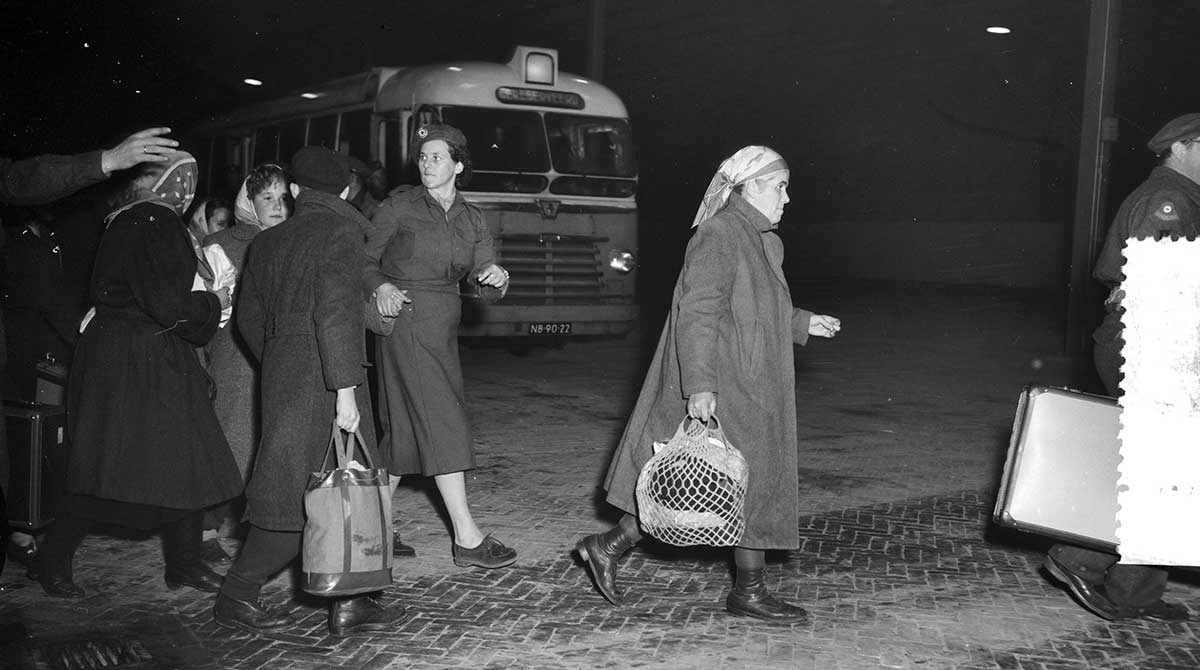
People walked the whole way, took a bus or a train part of the way, or hitched a ride with a trucker or farmer to travel the long distance. They had to navigate the swamps and the forest in the no-man’s-land between Hungary and Austria. Sometimes, they would be lost for days and nearly freeze to death. On other days, they could hear the sound of other people’s voices and follow them over the border.
Some refugees walked more than 300 miles from the east side of Hungary to the West. Parents told their young children to escape to save themselves, knowing that sending them across the border alone was safer than living under the Soviets. As a result, there were thousands of unaccompanied children among the refugees, most of whom were in their teens. Even some elementary-aged children escaped by themselves or with their siblings.
Refugees were sometimes caught by the Soviets, and reports circulated of refugees being held in a bunker in the woods, beaten, and interrogated. The Soviets moved 20,000 troops to guard the borders when the Hungarian Uprising of 1956 ended. At first, they were more concerned with foreign aid getting in rather than refugees escaping. Then, they began cracking down on the border, which led to some deadly shootings and the capture of many Hungarian refugees.
The Magnitude of the Crisis
Almost 194,000 Hungarians became refugees within a few months; 174,285 went to Austria, and 19,688 went to former Yugoslavia. They wanted to go west to get away from the Soviets. By August 1957, ten months after the crisis began, 78% of the refugees had emigrated somewhere, and over 17% remained in Austria or Yugoslavia, either as integrated immigrants or living in a refugee camp. No other refugee crisis of this size has ever been managed so quickly.
Unfortunately, about 4% percent of the refugees were repatriated to Hungary. The Austrian government, for example, agreed to repatriate Hungarians, as the Soviets promised that they would let them return safely without being arrested for escaping. Austria got several thousand Hungarians to agree to be repatriated, but many did not believe the Soviets would stay true to their word.
Over 50% of refugees stayed in Europe, but most of them did not want to return to Hungary—at least not until the Soviets were gone.
The table below shows where the Hungarians emigrated to and which country they had gone to first when they fled: Austria or former Yugoslavia.
(figures as of August 3, 1957)
| Final Destination | Austria | Yugoslavia | Total Number | % |
| All Countries | 143,400 | 8,082 | 151,482 | 100 |
| Europe | 71,112 | 6,603 | 77,715 | 51.3 |
| Americas | 59,899 | 1,310 | 61,209 | 40.4 |
| United States | 33,656 | 135 | 33,791 | |
| Canada | 23,123 | 1,073 | 24,201 | |
| Latin America | 3,115 | 102 | 3,217 | |
| Oceania | 9,202 | 9 | 9,211 | 6.1 |
| Australia | 8,247 | 2 | 8,249 | |
| New Zealand | 955 | 7 | 962 | |
| Israel | 1,869 | 160 | 2,029 | 1.3 |
| South Africa & Rhodesia* | 1,318 | – | 1,318 | 0.9 |
*6 refugees went to Rhodesia, now Zimbabwe.
Table transcribed and simplified from The American Jewish Year Book.
How International Organizations Helped the Refugees

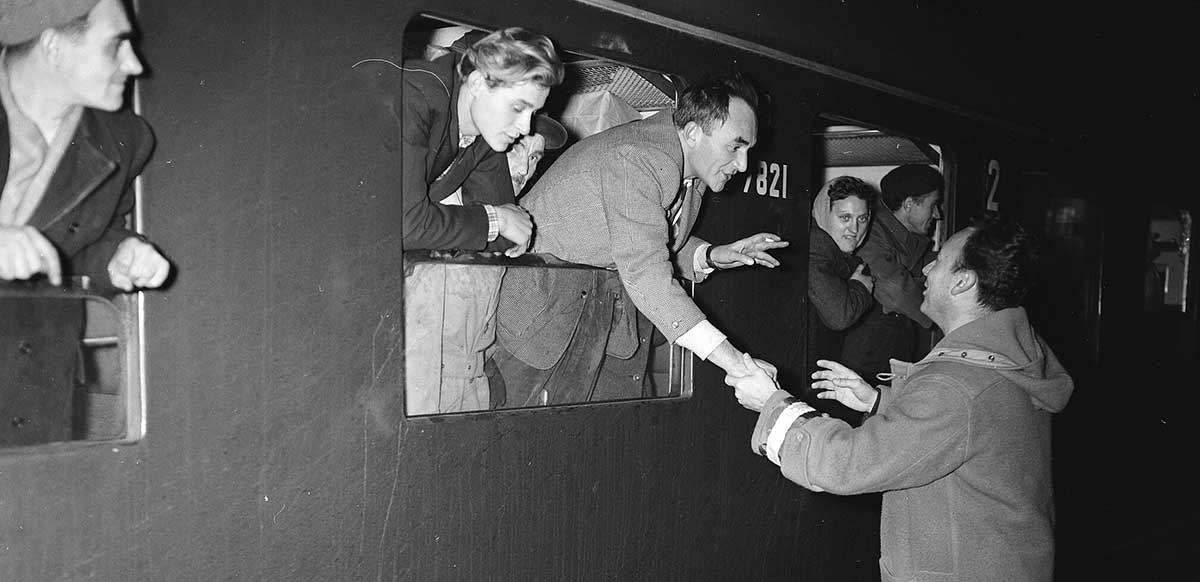
Many agencies and non-governmental organizations (NGOs) performed well during the Hungarian refugee crisis. They had no idea how many refugees would flee, and they saw thousands of Hungarians enter Austria each day—on some days, more than 10,000 people crossed the border.
The French Red Cross sent a plane full of supplies to Vienna to help the refugees on November 7, 1956, and on the return flight to France, they took a handful of people back.
The next day, November 8, 400 refugees were sent to Switzerland on a train. On the same day, President Eisenhower of the United States granted 5,000 visas to Hungarians who wanted to immigrate to America.
By November 9, several hundred refugees had been transported to France, Switzerland, Belgium, the Netherlands, and Sweden. The Swedes began resettling Hungarians immediately after the Hungarian Uprising started in October 1956, and Swedish politicians advocated for other countries to do the same.
By the end of November, nine European countries had taken in 21,669 refugees, and by the end of December, the number had risen to 92,950 refugees and 37 countries.
By the time the Soviets sealed the borders in January, 170,000 Hungarians were registered as refugees in Austria, but people continued escaping in smaller numbers for months.
The League of Red Cross Societies financially and physically supported over 35,000 refugees in 44 camps in Austria at one time. They had 350 social and healthcare workers, employed almost 700 Austrians, and still relied on volunteer labor to operate. Over 100,000 refugees passed through the camps that the organization managed.
The Refugees’ Backgrounds
About 20% of all Hungarians who had a post-secondary education left as refugees, and about 5,000 students who were enrolled in university also fled their country. Those with a college education knew they could have more opportunities in the West. Brilliant doctors, engineers, lawyers, professors and teachers, writers, artists, and intellectuals were offered jobs or college scholarships to continue their education wherever they immigrated.
The data for the refugees who entered the United States highlights that 83% of them were under the age of 40, 64% were male, and less than 1% had a background in agriculture. The statistic might be surprising because Hungary was primarily a rural country, but most people who fled resided in cities rather than the countryside.
People who owned farms were forced out of the profession or left willingly because of the imposition of collectivization. As a result, many agricultural workers moved to the cities and raised families there. People who still owned their land or worked in the agricultural sector were less likely to flee. Those who rented in the city and could not see a prospect for a career had more reason to escape.
America’s Response to the Refugee Crisis
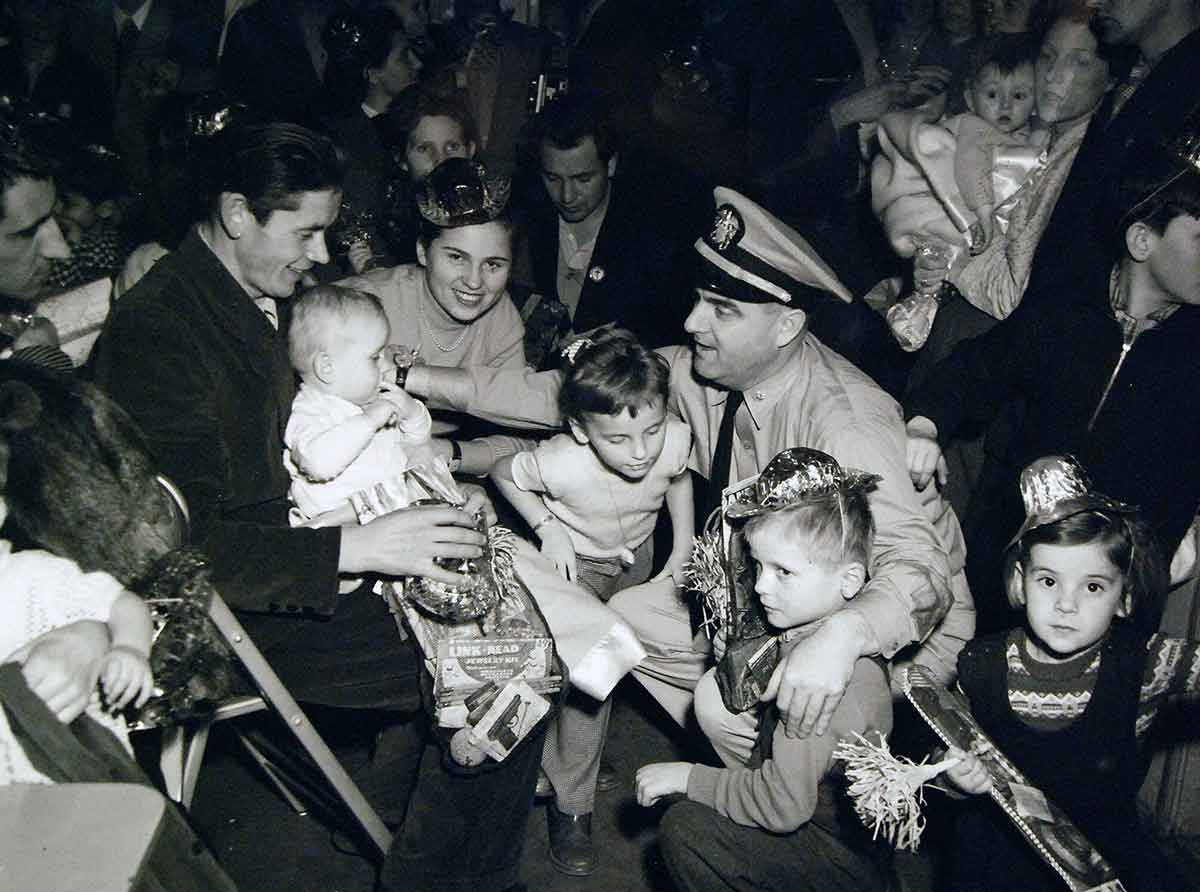
America has a tumultuous history with refugees, but they were welcoming to the more than 33,000 Hungarian refugees, most of whom did not speak English. Contradictory opinions circulated during the refugee crisis because America was in the midst of the Cold War and the McCarthy era.
During the Cold War, NATO and the Western superpowers were fighting an ideological war with the Soviet Union, with regular threats of a nuclear conflict. In America, Senator Joseph McCarthy led the anti-communist campaigns and political purges in the 1950s.
On the one hand, some Americans wanted to help the Hungarian underdogs who fled from the Soviets. On the other, some people feared that the Hungarians could be communists in disguise trying to infiltrate American society.
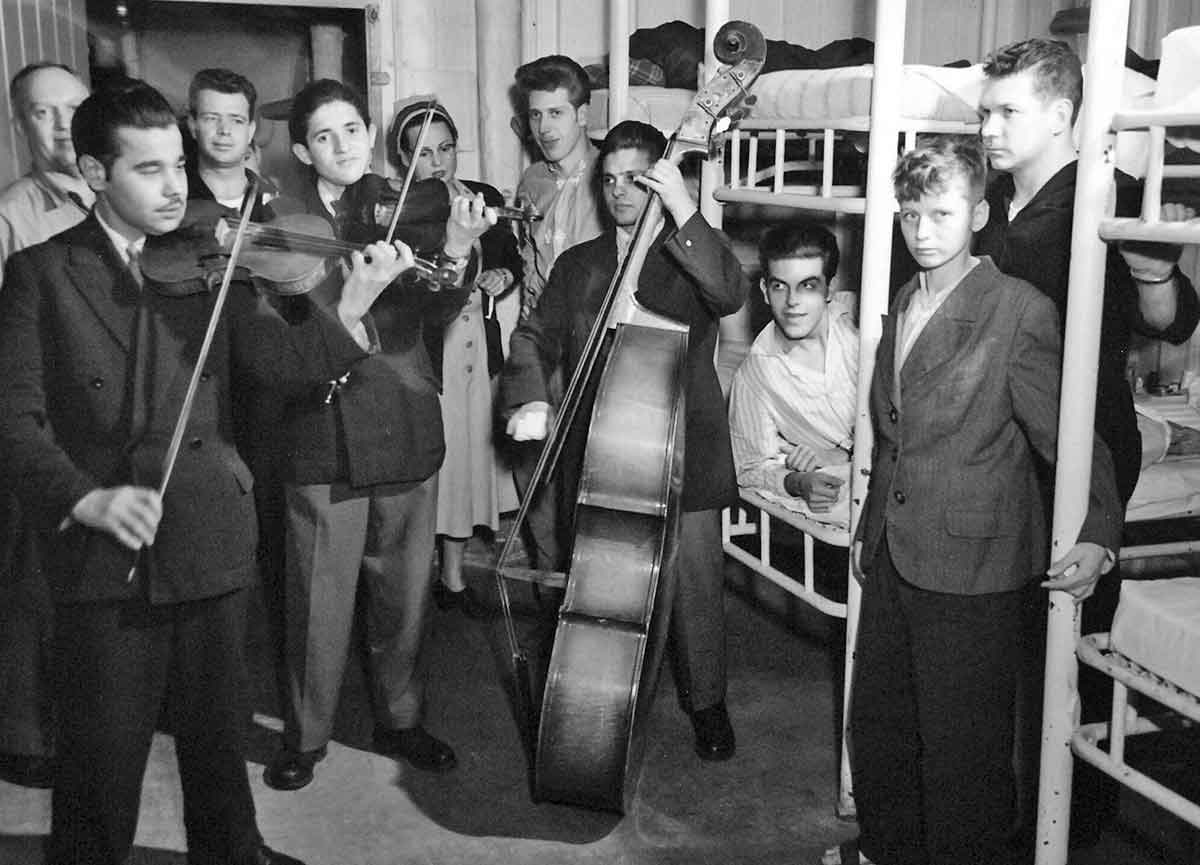
Francis Walter, a Pennsylvania Democrat in the House of Representatives, helped write the Immigration and Nationality Act of 1952. He was also a member of the House Un-American Activities Committee, the body that launched witch hunts for communists during the McCarthy era. During the crisis, Senator Walter made a sudden reversal in his backing for endorsing visas for Hungarian refugees and, at first, only wanted to allow 17,000 refugees to enter the country. His wavering position was mainly a political strategy to maintain support from both political parties.
Several other politicians began voicing their opinions and worries about the refugees, but it was Vice President Nixon who swayed President Eisenhower and Congress to grant more visas.
American politicians also believed it would be a useful strategy to admit Hungarian refugees who were running from Soviet oppression because that would paint the Soviet Union in a bad light. Indeed, any negative portraits of the Soviets in American media would benefit the American government’s reputation. Taking in tens of thousands of refugees would surely make America look good.
Camp Kilmer, New Jersey
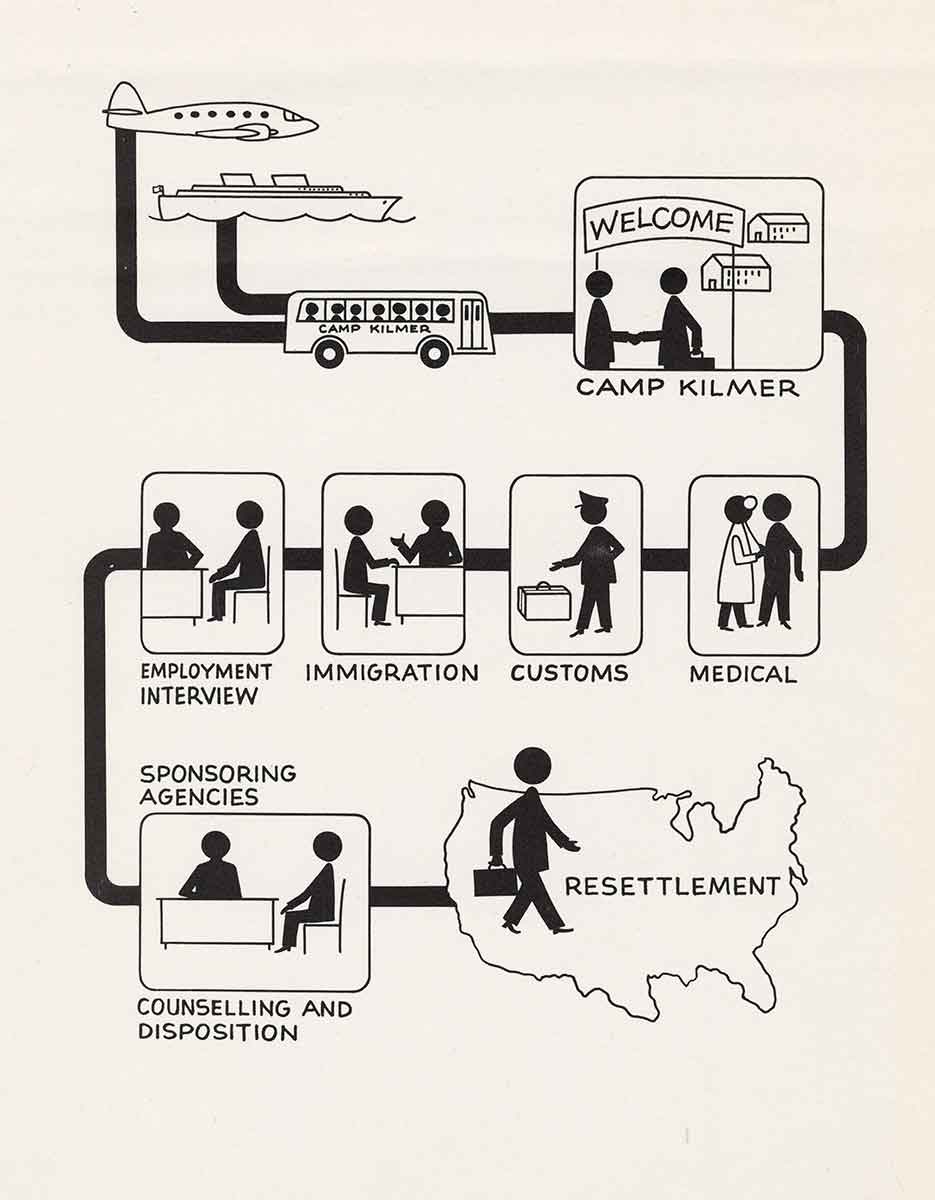
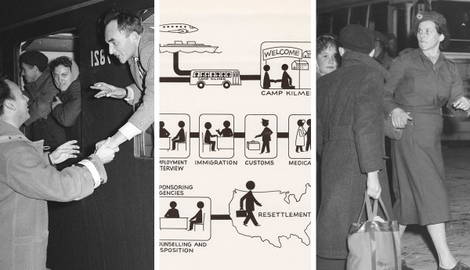
Camp Kilmer was used as a processing center for Hungarian refugees from November 1956 to May 1957. During World War II, Camp Kilmer was used by the US military as a staging area for troops preparing to deploy to Europe. The camp processed nearly every refugee. Only a few thousand were sent to a different location because they were Jewish, and Camp Kilmer was not kept kosher.
When Nixon visited the camp in December, he was moved by their spirit, and he convinced Eisenhower that they were not spies or “undesirables.”
Under Operation Safe Haven, Hungarians were relocated to America. By May 1957, 13,120 people had been transported by plane on 214 flights, and 8,925 people had been transported by sea on five ocean voyages in just two months.
The immigration process at Camp Kilmer was done in as little as an hour for each refugee. There were many volunteers who helped process paperwork, arrange transportation, and place refugees with employers or sponsor families.
How the international community came together to relocate nearly 200,000 refugees in just a few months was nothing short of a miracle to the Hungarians.
References
Cellini, Amanda. (2017). “The Resettlement of Hungarian Refugees in 1956.” Forced Migration Review.
Colville, Rupert. (2006). “Fiftieth Anniversary of the Hungarian Uprising and Refugee Crisis.” UNHCR: The UN Refugee Agency.
Coriden, Guy, E. (1996). “Report on Hungarian Refugees.” Central Intelligence Agency, 2 July 1996.
Gemes, Andreas. (2009) “Deconstruction of a Myth? Austria and the Hungarian Refugees of 1956-57.” Institut füf die Wissenschaften vom Menschen, vol. XXV.
Erdős, Kristóf. (2011). “Neue Heimat Salzburg. Die Geschichte Der Ungarischen Emigration in Salzburg Nach Dem Zweiten Weltkrieg.” Mitteilungen Der Gesellschaft Für Salzburger Landeskunde, vol. 151, 1 Jan. 2011.
Korda, Michael. (2006). Journey to a Revolution: A Personal Memoir and History of the Hungarian Revolution of 1956. HarperCollins Publishers.
Markowitz, Arthur. (1973). “Humanitarianism versus Restrictionism: The United States and the Hungarian Refugees.” The International Migration Review, vol. 7, no. 1, 1973, pp. 46–59.
Mertz, Dawn-Eve. (2024). Young Men Go West: The Hungarian Revolution of 1956 and One Teenager’s Risky Escape. Kleo Press.
Michener, James. (1957). The Bridge At Andau. Random House, Inc.
Sapir, Boris. (1958). “Hungarian Refugees.” The American Jewish Year Book, vol. 59, 1958, pp. 307–12.
Sebestyen, Victor. (2006). Twelve Days: The Story of the 1956 Hungarian Revolution. Pantheon Books.
Steinbock, Daniel J. (1989). “The Admission of Unaccompanied Children into the United States.” Yale Law & Policy Review, vol. 7, no. 1, 1989, pp. 137–200.
United States Citizenship and Immigration Services. (2022). “Operation Safe Haven: The Hungarian Refugee Crisis of 1956.” United States Citizen and Immigration Services, 14 Dec. 2022.
United Nations, General Assembly. (1957). Report of the Special Committee on the Problem of Hungary. Report No. 18 (A/3592), United Nations, General Assembly, 1957.
United Nations, General Assembly. (1958). The Situation in Hungary. Report No. (A/RES/1312), United Nations General Assembly, 12 December 1958.