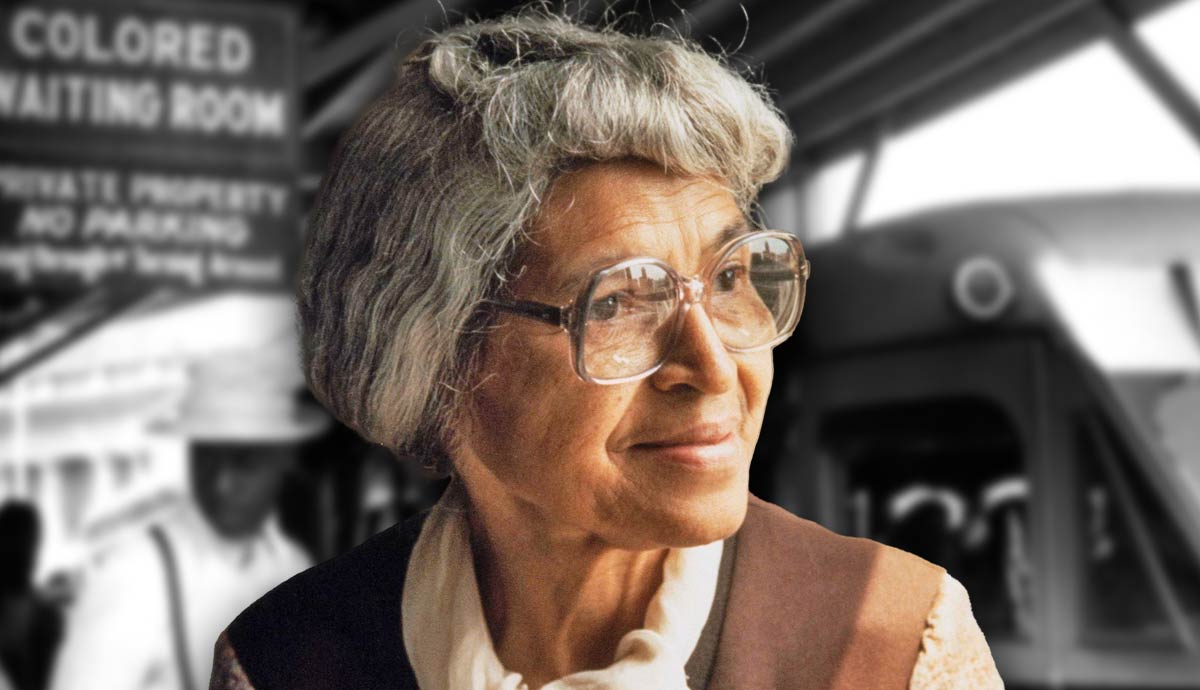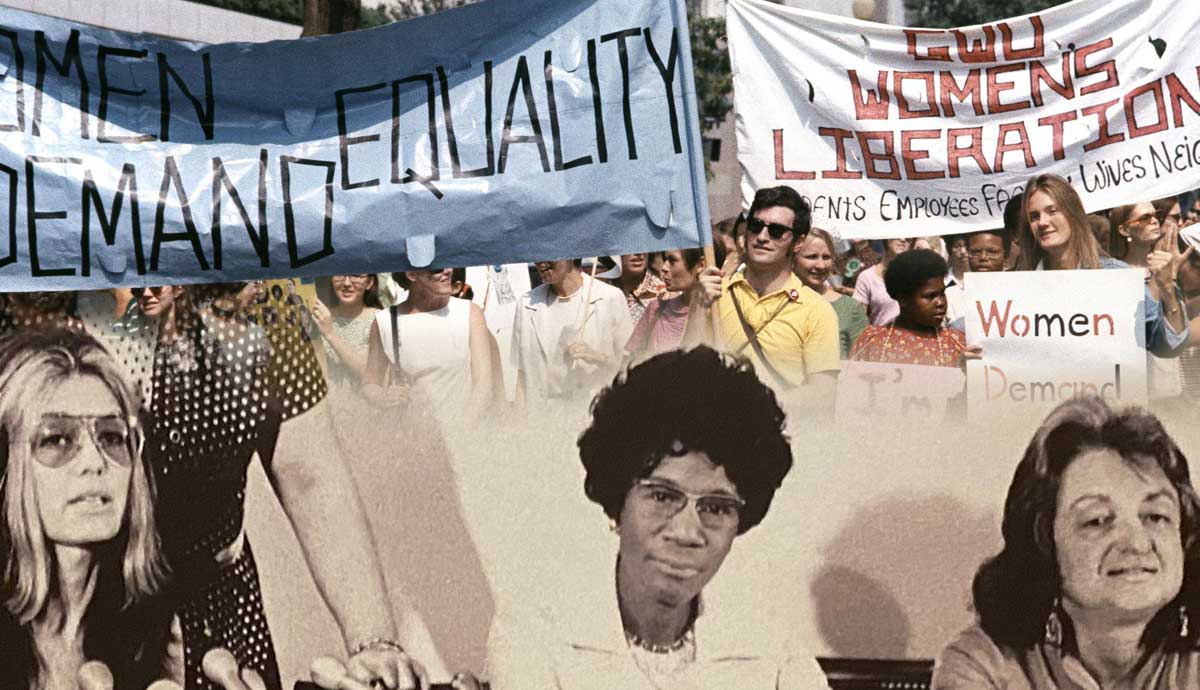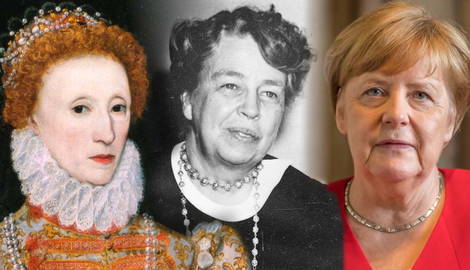

Women were not always allowed to participate in politics or even vote. It was a long fight for women to have their voices heard. Even today, in some parts of the world, women are seen as less than their male fellow citizens. Throughout history, many pioneering women had to fight hard, risk their lives, and even willingly sacrifice to achieve equal rights. This article will explore the inspiring lives of four fascinating women in political leadership who left an everlasting legacy on global politics and shaped our world.
1. Cleopatra VII (69-30 BCE)
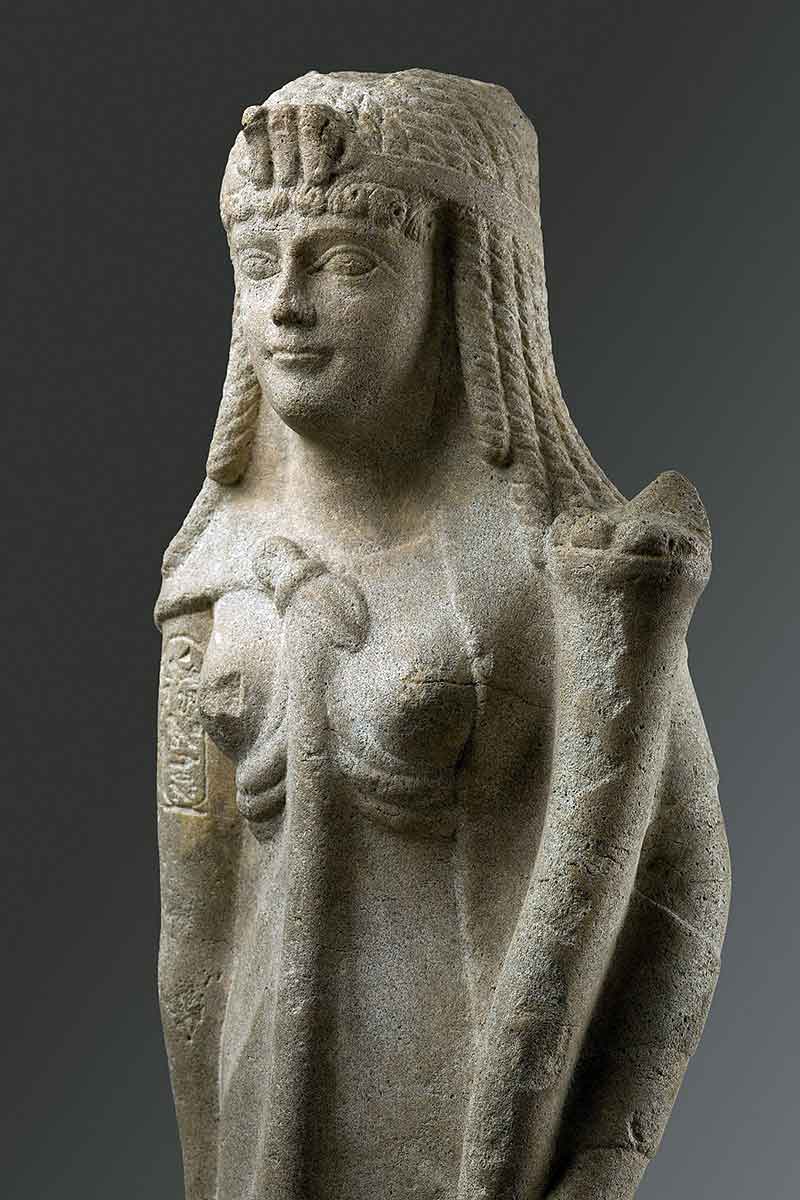
In antiquity, one of the most fascinating women in leadership was Cleopatra VII Philopator. She was a legendary ruler, one of the most influential political leaders, and the last active ruler of the Ptolemaic Kingdom of Egypt, which faced the aggressive expansion of the Roman Republic.
The Ptolemaic dynasty, Macedonian by descent, ruled the Kingdom of Egypt after the death of Alexander the Great. After Cleopatra’s father, Ptolemy XII, died in 51 BCE, the Kingdom of Egypt faced a power struggle between Cleopatra and her younger brother, Ptolemy XIII. It was then that Cleopatra realized that she would need to develop her diplomatic skills and find strong allies.
She saw a perfect opportunity in the Roman ruler, Julius Caesar. During the political conflict with her brother, Cleopatra fled Egypt to Syria, where she gathered an army to fight her brother. It was at that time that she allied with Caesar. According to some legendary tales, she was smuggled to her meeting with Caesar, arriving rolled up in a carpet. She partnered with the Roman leader and secured her throne in Egypt.
In addition to forming a military and economic partnership with the Roman Republic, Cleopatra and Julius Caesar became lovers. They were a power couple, bettering each other and securing their political stances. According to Plutarch, they welcomed a child together and connected two powerful states in every sense. However, their happiness and partnership were short-lived due to Caesar’s assassination in 44 BCE. Cleopatra was in Rome at the time.
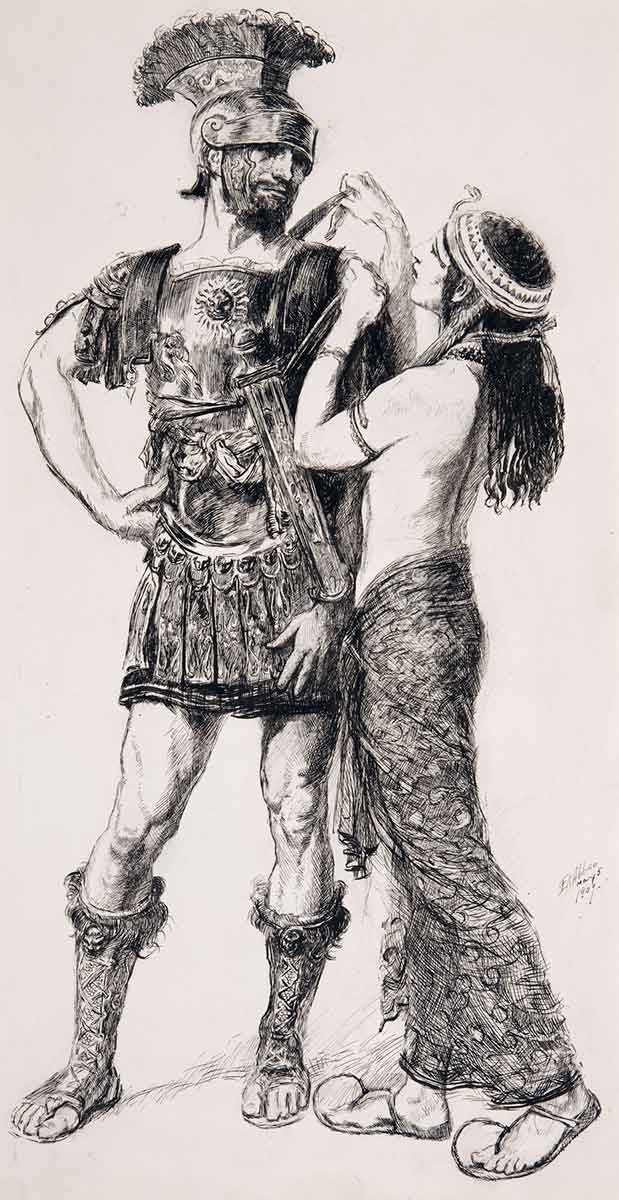
With Caesar’s assassination, Cleopatra lost the father of her child and a powerful ally. Faced with an unstable situation, she had to be decisive and secure the future of her state. She found a new ally in Mark Antony, a famous Roman general and member of the Second Triumvirate.
Mark Antony found Cleopatra to be a fascinating woman. They formed a powerful allyship but also a passionate romantic relationship. Together, they were a strong political and military unit. Cleopatra saw a downfall with the rise of Octavian (the future emperor Augustus), the political nemesis of Mark Antony. Octavian defeated the couple in the naval Battle of Actium in 31 BCE. A year later, Cleopatra committed suicide. According to most Classical authors, she took her life with the help of an asp, a venomous snake.
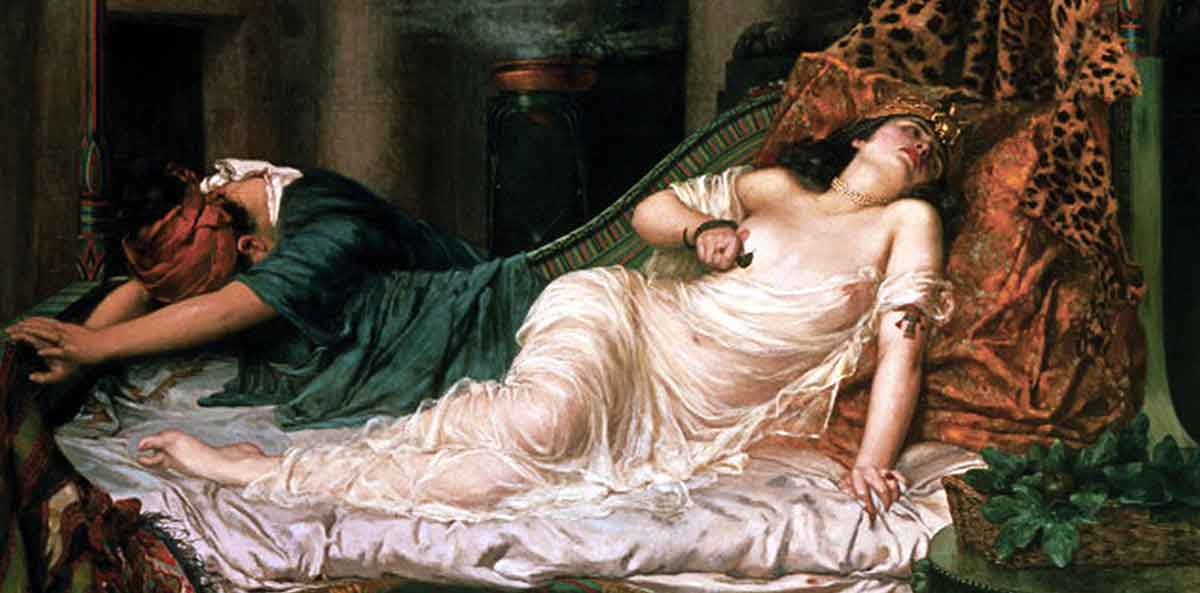
Cleopatra not only made strong political alliances but was also an astute policymaker. She was determined to boost the Egyptian economy and education. Cleopatra encouraged international trade and guided her people through an extremely challenging period. Although she ultimately did not secure her state’s independence, she refused to surrender without a fierce fight and chose to end it on her terms. Cleopatra is one of the most recognized and fascinating political leaders.
2. Queen Elizabeth I (1533-1603)
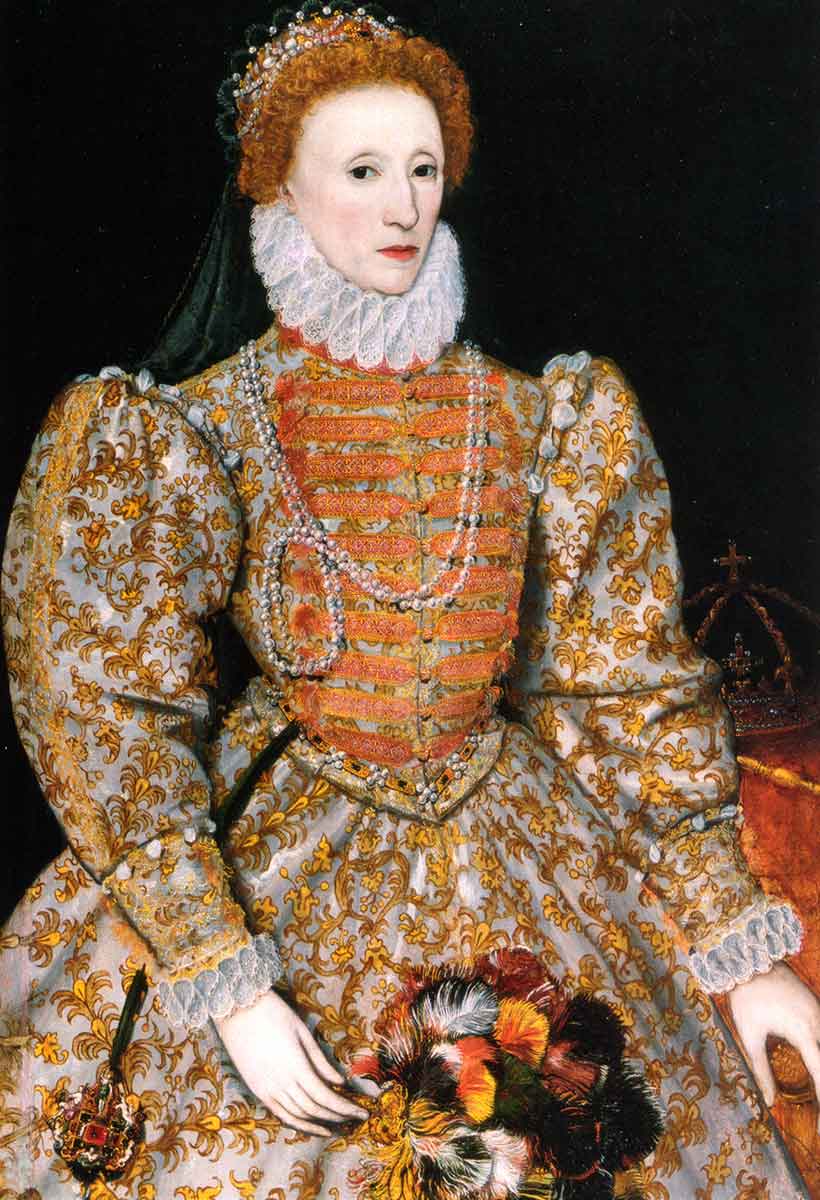
Queen Elizabeth I was one of the strongest English monarchs, changing the course of world history. Her life was far from easy, and solidifying her position and authority was challenging. She was the last ruler of the famous Tudor dynasty, and her reign is considered a golden age of English history, also known as the Elizabethan Age.
Elizabeth was the daughter of one of the most controversial royal couples in history, King Henry VIII and Anne Boleyn. Due to the multiple marriages of her father and the beheading of her mother, Elizabeth’s childhood and teen years were difficult.
Elizabeth became a queen at the age of 25, and her legitimacy was questioned every step of the way. Being a woman in the leading role, especially considering her family history, was quite uncommon at the time. However, Elizabeth proved her political opponents wrong.
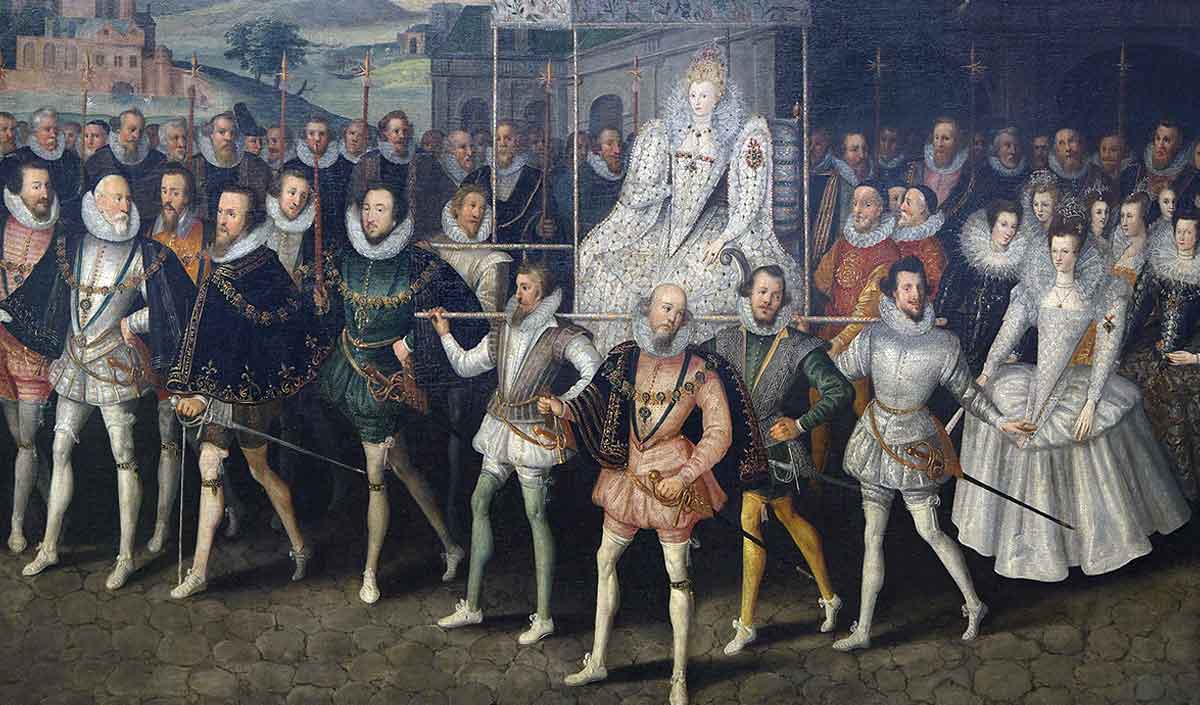
Elizabeth inherited the English throne and crown during a tumultuous period, with religious and political conflicts raging across the kingdom. However, she successfully resolved the dispute between Catholics and Protestants, establishing herself as a strong monarch, the epitome of absolute monarchy. In 1559, the Elizabethan Religious Settlement (composed of the Act of Supremacy and the Act of Uniformity) led to a more moderate and tolerant tone to the Church of England, ultimately bringing religious stability to the land.
Elizabeth was also a pragmatic leader, knowing when to turn to diplomacy and when to wage a war. She famously defeated the Spanish Armada sent by King Philip II and turned England into a naval power. During her reign, the Kingdom of England started to explore unknown lands, paving the way for the future colonial empire. Elizabeth chose not to get married and was remembered as the “virgin queen” bringing religious and mythical elements to her persona. She may have been the last Tudor sitting on the English throne, but she is one of history’s most influential monarchs.
3. Eleanor Roosevelt (1884-1964)
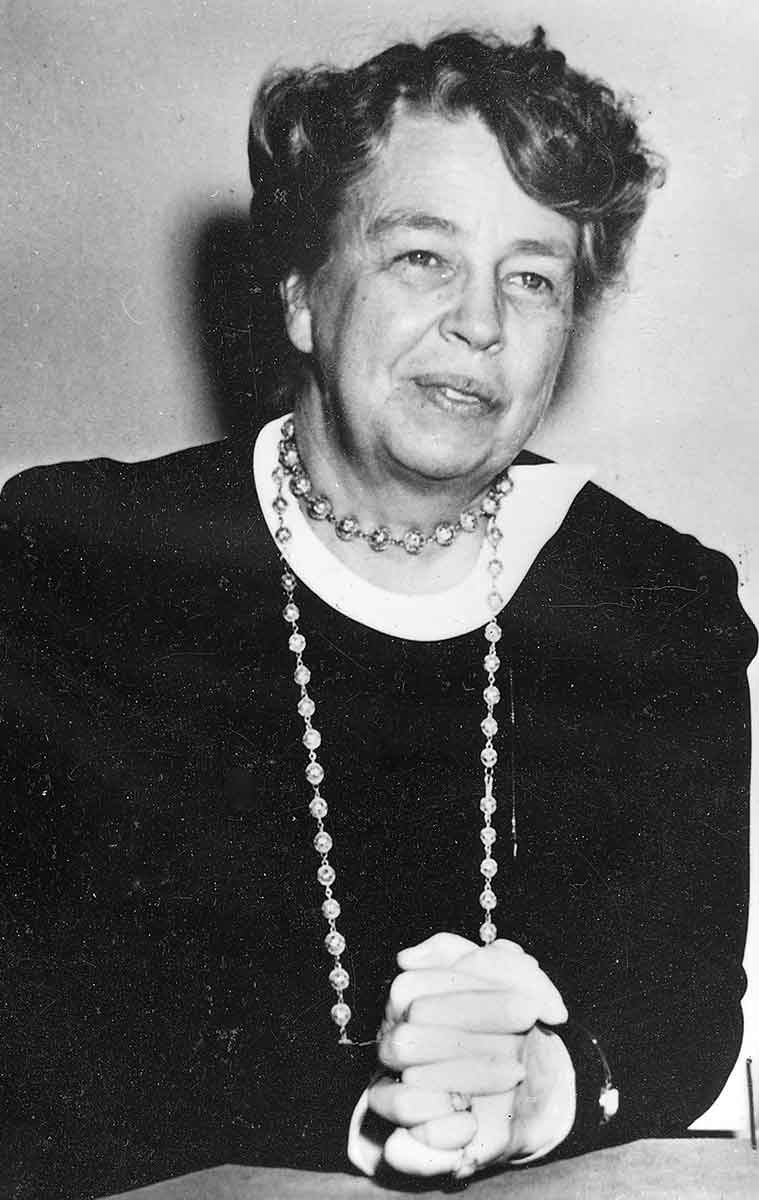
Eleanor Roosevelt was one of the most influential political voices in the United States’ contemporary history. She was the first lady and wife of President Franklin D. Roosevelt. Besides her political and social advocacy, she is credited with being the first president’s wife who changed the role of the first lady from being ceremonial to being more proactive and influential. Indeed, she was involved in many causes, from women’s rights to civil rights.
Eleanor Roosevelt was a woman who was not afraid to speak her mind. During the presidential campaign and after, she frequently visited different media outlets and discussed causes and issues she supported. She also wrote and held press briefings, ensuring women’s voices were heard and acknowledged. Eleanor, for example, was among the first women in such a public space to discuss gender equality and rights.
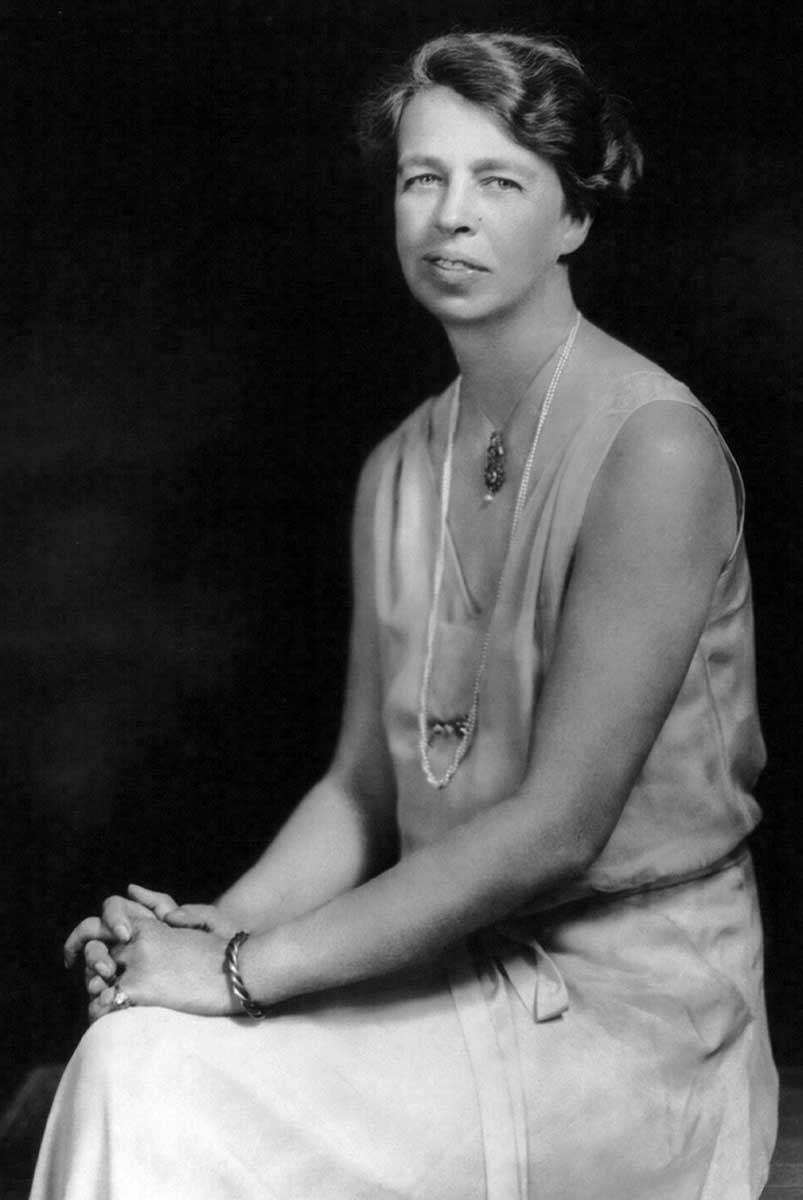
Besides being a women’s champion, Eleanor Roosevelt was also a civil rights advocate. She opposed racism and was against the ongoing segregation. In 1939, her resignation from the Daughters of the American Revolution organization due to its refusal to allow American singer Marian Anderson to perform was widely reported in the media, drawing attention to the issue of racism. After stepping down from the organization, Eleanor invited the singer to perform at the Lincoln Memorial.
When her husband died in 1945, Eleanor Roosevelt continued to be involved in American politics. Because of her experience and skills, President Truman appointed her a delegate to the United Nations, where she excelled and greatly influenced important policies and declarations. She was a member of the UN when the Universal Declaration of Human Rights was signed in 1948.
Through her groundbreaking work, Eleanor Roosevelt left an undeniable legacy and influence. Even after her time at the UN, she continued to work on various human rights causes and fight for a better and brighter future.
4. Angela Merkel (1954- )
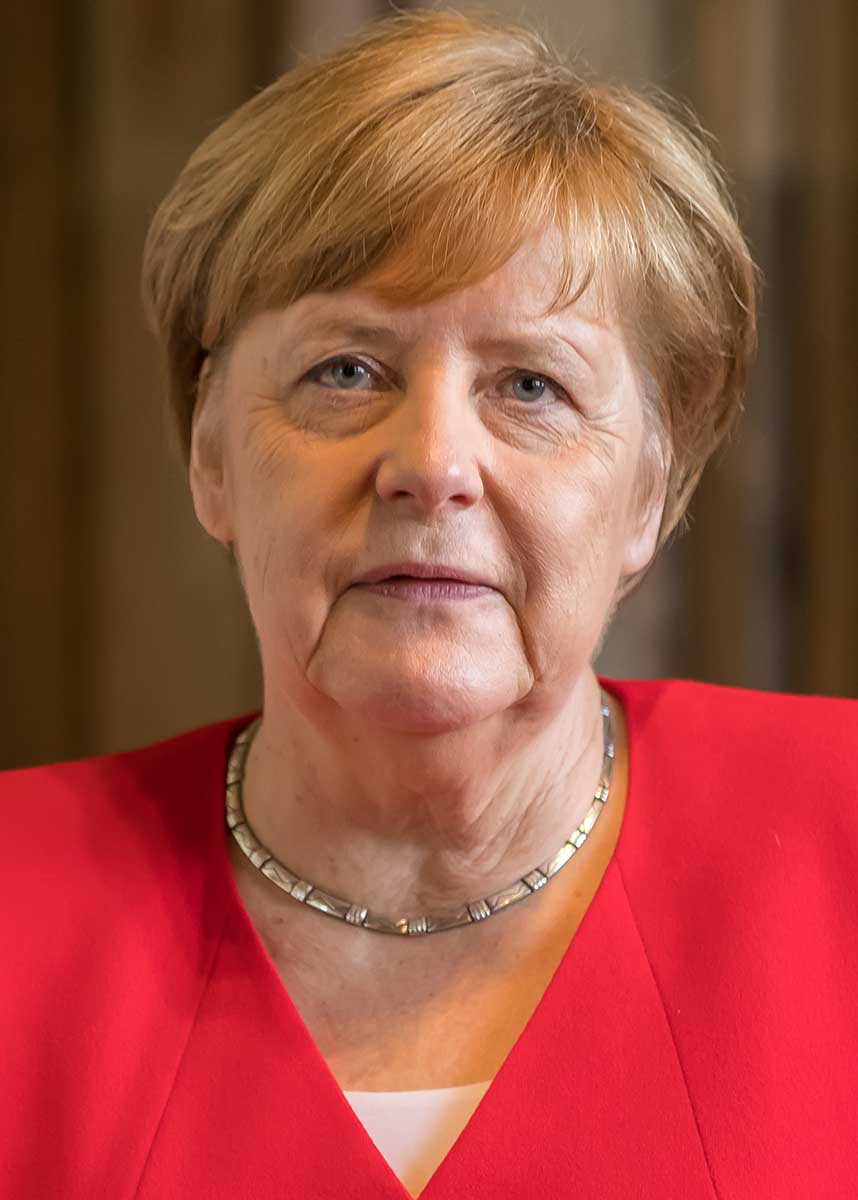
Angela Merkel is a German politician and one of the most influential people in modern and contemporary politics. She was the German chancellor from 2005 to 2021, becoming the first woman to hold the office and the longest-serving since Otto von Bismarck. Merkel broke many barriers for female political leadership and left an everlasting legacy in Germany and world politics.
Angela was born in East Germany (the DDR) during the extremely challenging Cold War years when the Berlin Wall divided the country into two political entities. She showed various interests in science from a young age, so it’s not surprising that she became a physicist. Her scientific background and analytical mind made her a strong, pragmatic, and fact-based political leader.
When she decided to enter the political scene, her approach was methodical and decisive. In 2000, she joined the Christian Democratic Union (CDU) and became its leader. By working hard and spreading her party’s program regarding economic and social strength, Merkel quickly became one of Germany’s most respected politicians and, finally, the German chancellor in 2005.
Her time as a counselor was far from easy. Germany and Europe faced several challenges, including the Eurozone crises (2009-2012), which caused many markets to crash. Angela Merkel handled the situation well, seeking to stabilize the Euro and the economy in Germany and other countries that were part of the economic bloc and dependent on each other.
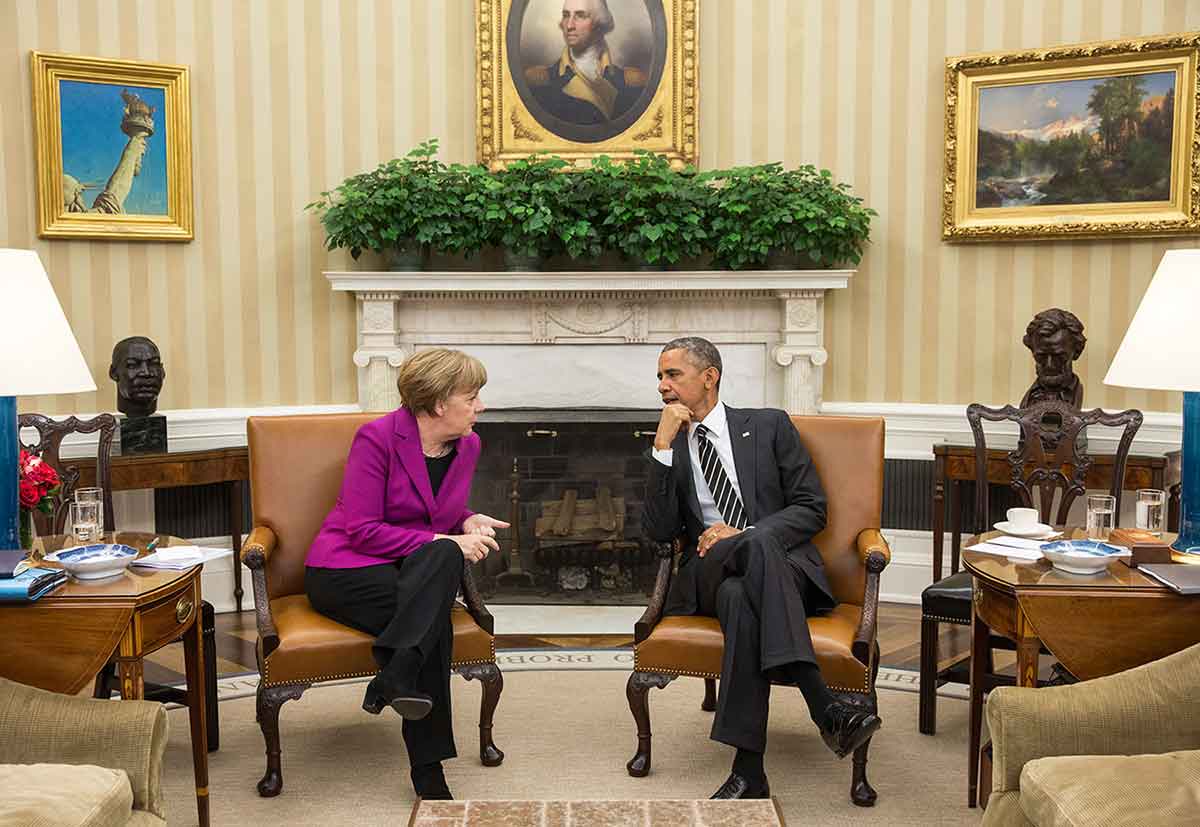
Another challenging moment Merkel faced as the German chancellor was the 2015 refugee crisis. She supported the so-called “open door policy” which meant allowing people seeking safety and fleeing their country because of wars, destruction, and famine to find refuge in Germany. Her humanitarian decisions showed her empathetic side and awareness that political leaders have to take responsibility and model humanitarian behavior that would become the standard in world politics.
While Merkel was praised for her political decisions, her “open-door policy” provoked a backlash from right-wing groups, highlighting the polarizations dividing Germany’s political landscape.
Angela Merkel achieved so much during her time in office that countless books and documentaries have been made to express admiration for her and her political legacy. She stepped down in 2021, leaving a legacy of economic success and political integrity. She deservedly earned the nickname Mutti, or Mother.
These four women in leadership lived in four different eras of human history. They faced various difficulties and discrimination but persevered and successfully challenged existing political establishments. Their determination and fight for women’s place in political leadership inspired and paved the way for women to have more agency and participate in political decision-making.