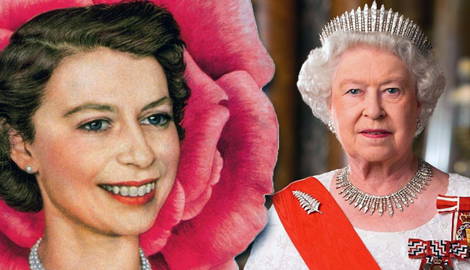

In a reign that spanned decades, Queen Elizabeth II left her mark on the world. She saw the United Kingdom through incredible changes as the kingdom, its countries, and its people moved into the twenty-first century. A regal figurehead yet a unique woman and individual, the queen was beloved by many worldwide. As famous as she was, she was still human, made up of many facets of personality, belief, and duty. From her ascension to the throne in 1952 to her death in 2022, Elizabeth II was the face of royalty to millions.
1. She is Often Called the “Accidental Queen”
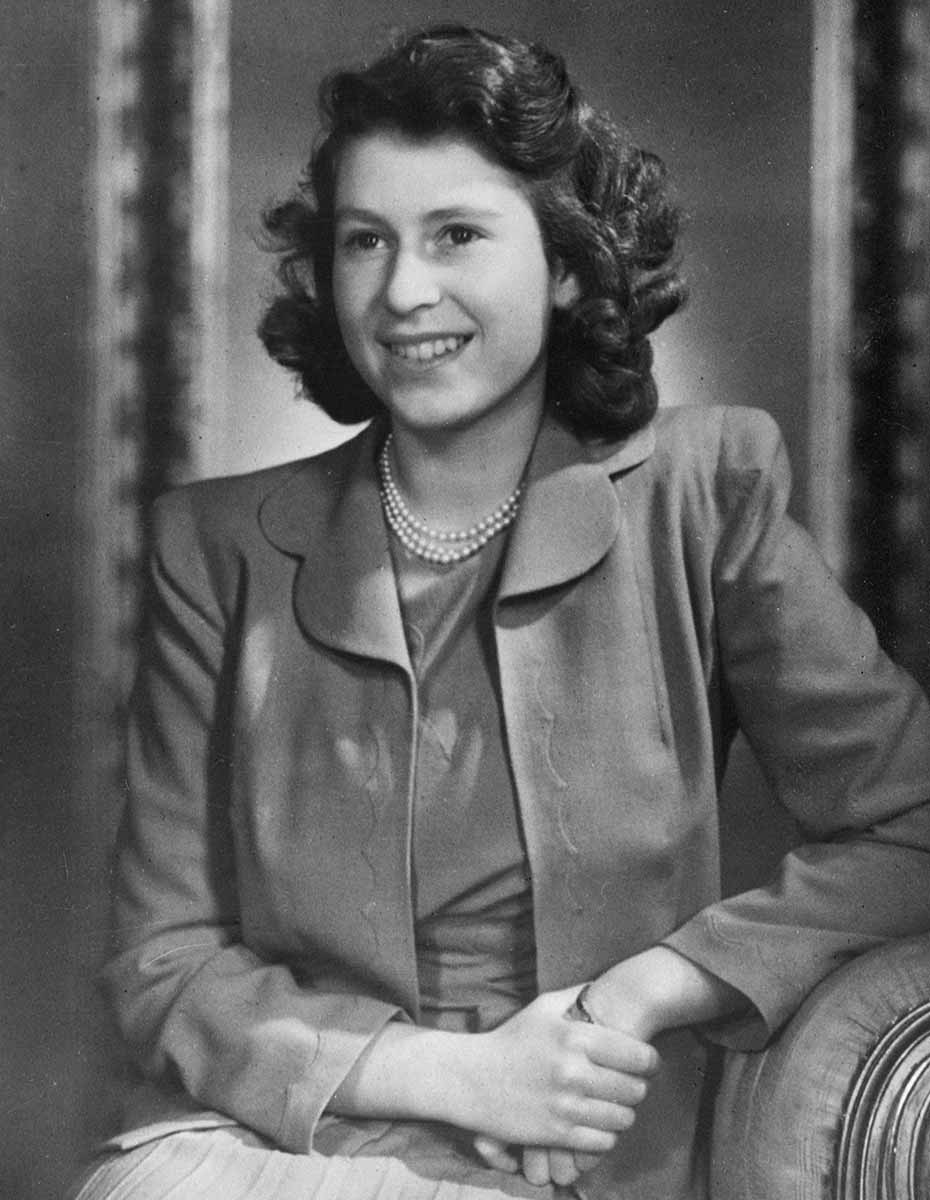
In her early years, Elizabeth Alexandra Mary Windsor was considered unlikely to reign the British kingdom. Her grandfather, King George V, was ruling when his granddaughter was born, and she was third in the line of succession at the time of her birth.
Her uncle, Edward, Prince of Wales, was first and had yet to have any children. Elizabeth’s father, the Duke of York, was next. However, the monarchy was shaken in 1936 when George V died. He had suffered from chronic lung issues and was getting progressively ill. Although his true cause of death was not revealed until 1986, he passed away from medically assisted suicide on January 20.
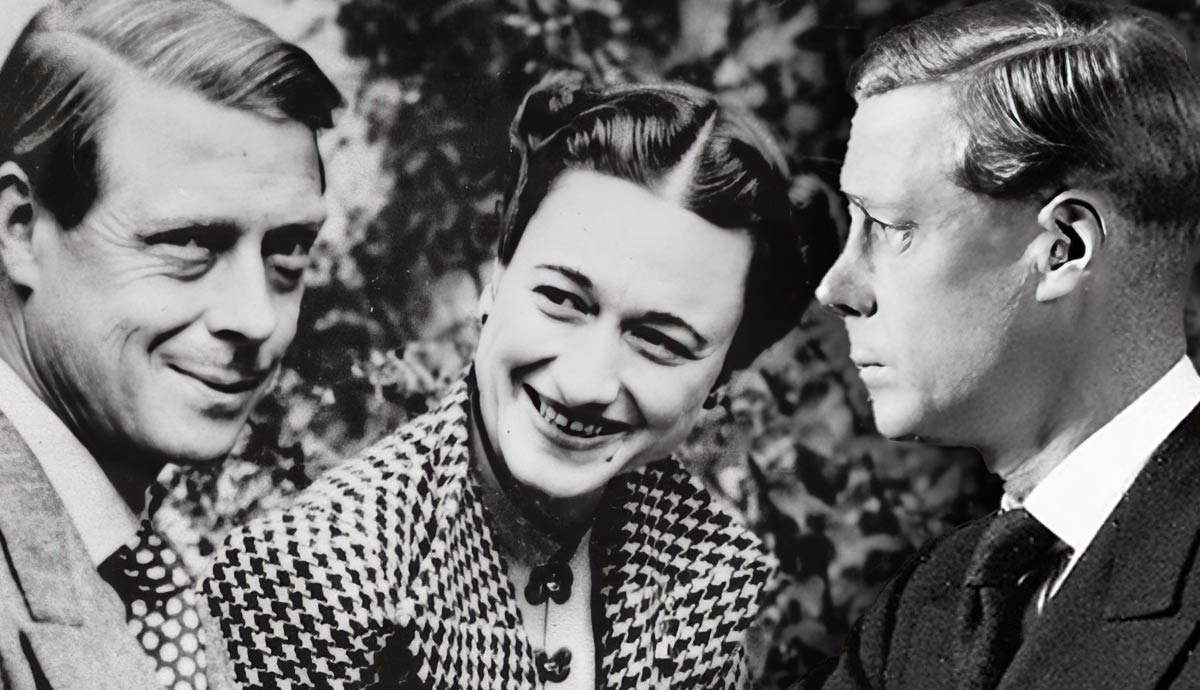
Edward, Prince of Wales, became King Edward VIII, but not for long. He became the only British monarch to ever abdicate by choice when he gave up his throne on December 10 of that same year.
After his brother ruled for less than a year, Elizabeth’s father, now King George VI, stepped into the role of king, and she found herself first in the line of succession. His reign was unexpectedly short as well. A lifelong smoker, the king suffered from lung cancer. Though he seemed to recover with treatment, he passed away in his sleep on February 6, 1952, likely from a pulmonary embolism or lung hemorrhage related to his prior illness.
Thus, a series of unfortunate events had dramatically changed Elizabeth’s life from the time she was born, and the twenty-seven-year-old was crowned in the first televised coronation ceremony on June 2, 1953.
2. Queen Elizabeth Was a Woman of Many Nicknames

Queen Elizabeth enjoyed many nicknames throughout her life, originating with many different people. Elizabeth was unable to pronounce her own name as a toddler, calling herself “Tillabet.” Her father transformed this into “Lilibet,” a name the family used until the queen’s death.
Her grandchildren and great-grandchildren called their grandmother “Granny” or “Gan-Gan.” The silliest nickname in the repertoire may be the one Prince Philip used to speak to his wife of 73 years; he called her “cabbage”! This originates from a French idiom, mon petit chou. It literally translates in English to “my little cabbage,” a fond way of referring to a darling loved one.
3. She Was the First Female Member of the British Royal Family to Join the Armed Services in an Active, Full-Time Role
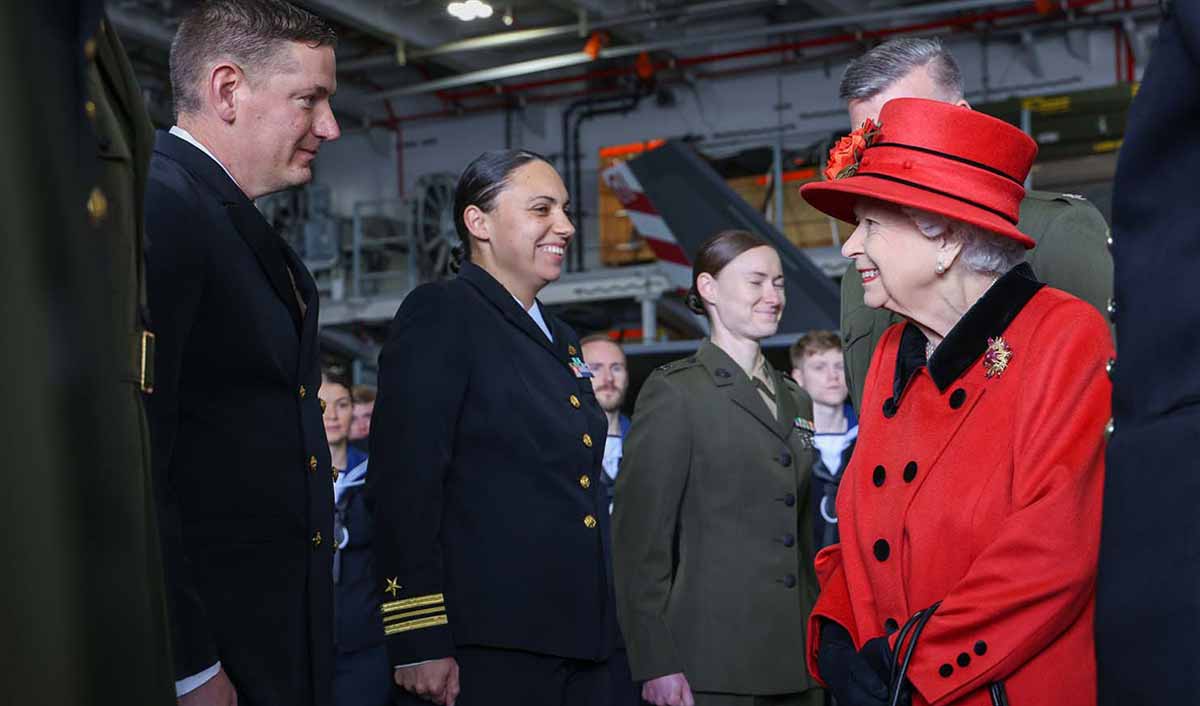
Back when she was still a princess, Elizabeth joined the Auxiliary Territorial Service in 1945. This branch of the British military was made up of women tasked with a variety of war-related jobs. In joining, Elizabeth was the first member of the royal family to be a full-time participant in the armed forces in an active role.
Elizabeth trained as a driver and mechanic and eventually reached the rank of junior commander, equivalent to captain. The queen’s involvement in the military, along with the military career of her husband, Prince Philip, who was a longstanding member of the Royal Navy, resulted in empathy and respect for the military on behalf of the monarch. She supported numerous military charities and causes and led several remembrance events, such as marking the centennial of the Tomb of the Unknown Soldier located in Westminster Abbey.
In addition, true to royal tradition, the queen was given numerous military titles with her ascension to the throne. During her reign, she held over fifty ranks and appointments in the armed forces, including Head of the Armed Forces.
4. The Queen Was a Famous Corgi Fan
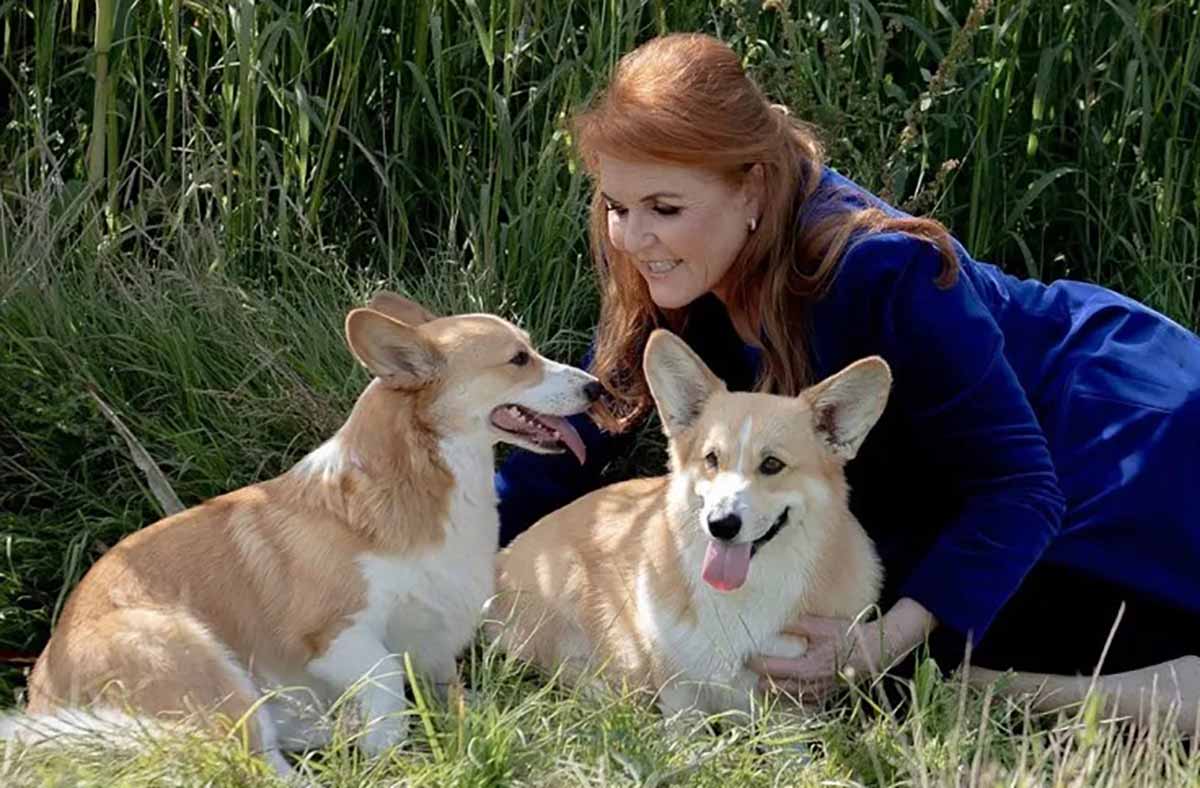
An all-around animal lover, the queen was well known for her love of dogs, specifically Pembroke Welsh Corgis. Her father gave her one of the dogs, Susan, for her eighteenth birthday. Susan was so special to Elizabeth that she accompanied the future queen and Prince Philip on their honeymoon. Her adoration for Susan led to a lifelong attachment to the breed, and she owned over thirty corgis throughout her lifetime.
Queen Elizabeth was said to prefer corgis due to their energy and spirit. Two of her final dogs, Willow and Holly, were the fourteenth generation of Susan’s descendants. Willow died in 2018, marking the end of the queen’s corgi lines. After the birth of Willow and Holly, the queen chose to stop breeding dogs, as she didn’t want to leave them behind when she eventually passed away.
Still, her home was never without dogs, as she was gifted with pets by friends and family members, including Sandy, a corgi her son and granddaughters gave her for her 95th birthday.
In addition to her corgis, with whom she established a royal breeding program, the queen had numerous mixed-breed dogs as companions over her life. When she passed away, her remaining pets, Muick (pronounced Mick) and Sandy, were entrusted to Sarah Ferguson, known as “Fergie,” the ex-wife of the queen’s son Andrew. As of the time of publishing, the dogs are thriving at Royal Lodge in Windsor with Fergie.
5. Like Other British Monarchs, She Celebrated Two Birthdays
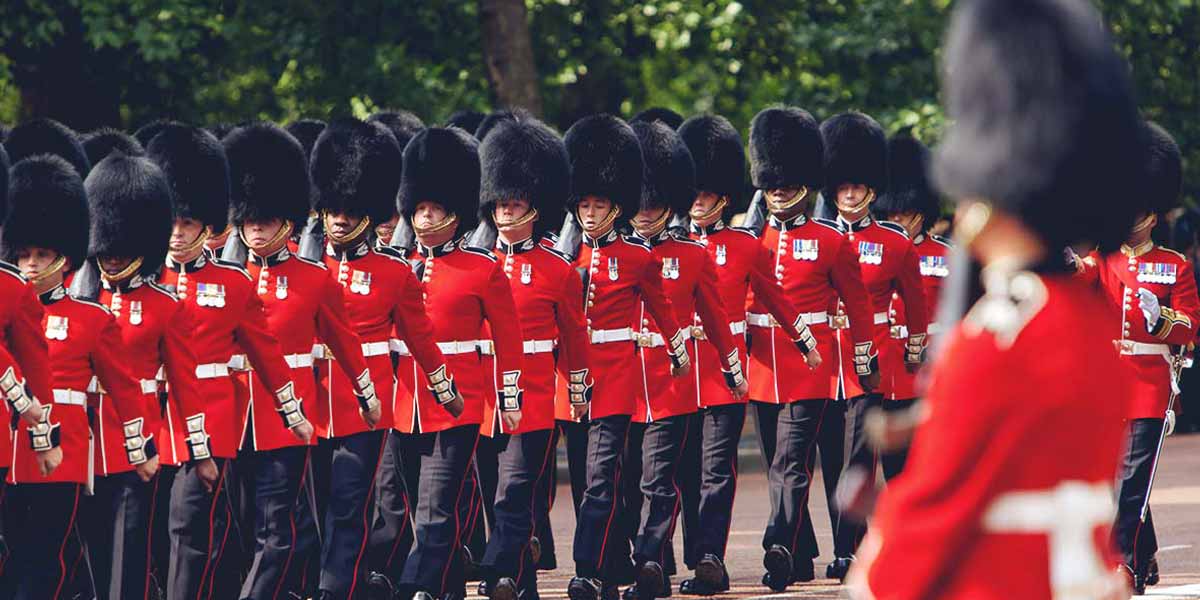
In a tradition that began with British King George II in 1748, Queen Elizabeth had two birthdays. She celebrated her actual birthday, April 21, in private. However, she celebrated her birthday publicly on a Saturday in June, coinciding with the annual Trooping the Colour parade.
Trooping the Colour is a military celebration that includes over 1,400 soldiers, military horses, and musicians. It concludes with an inspection of the troops and a royal salute. The main event is a parade that begins and ends at Buckingham Palace. The royal family views a fly-by from the Royal Air Force from the Buckingham Palace balcony.
The events of Trooping the Colour actually take place over three weekends, with the final weekend considered the sovereign’s birthday celebration. King George II started the tradition because his birthday was in November when it was too cold for an outdoor public celebration, and it was continued by the sovereigns that followed, including Elizabeth.
6. Queen Elizabeth Was Very Particular About Her Nail Polish
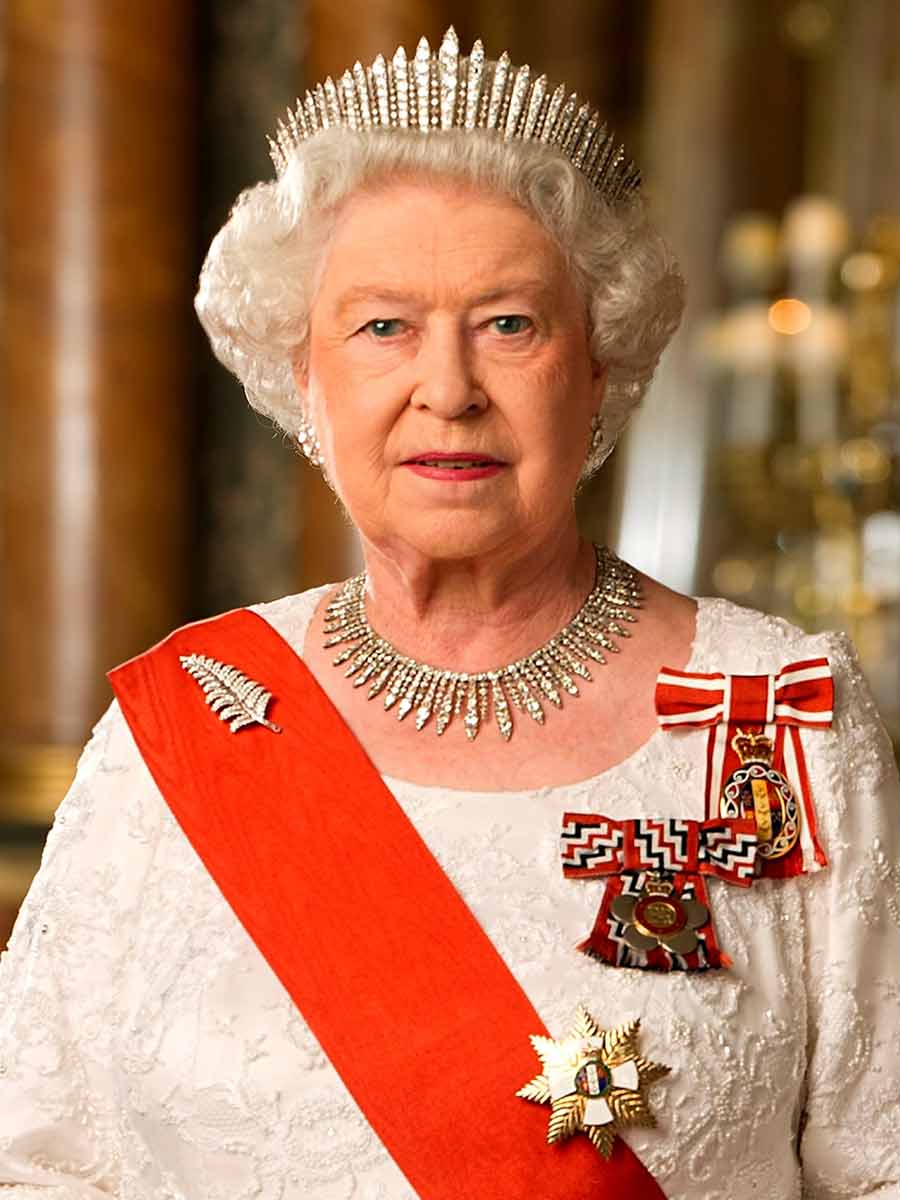
The queen always gave an air of royal elegance, but that doesn’t mean her look was always a pricey one. In fact, the queen preferred a nail polish that costs 7.99 pounds—about nine American dollars! Queen Elizabeth II was said to have worn only one color of nail polish, a shade called Ballet Slippers by the brand Essie.
The nude-pink color has long been a favorite of the queen, and according to a quote from the queen’s hairdresser, it was “the only color Her Majesty would wear.” The brand is available in several countries around the world. It is sold at typical places where nail polish is sold, such as drugstores and big box stores—a fashion staple of the queen’s that is available to just about anyone!
7. She Was Not a Teetotaler and Made Champagne a Habit
As a monarch, the queen made sure to mind her manners in public, and that often included abstaining from alcohol in public settings. However, she was by no means a teetotaler. She generally drank wine at meals and had a drink in the evenings. Her favorite nightly drink was said to be a dry martini, but she often enjoyed a glass of champagne at bedtime. However, in 2021, the 95-year-old queen was recommended by her doctors to give up alcohol entirely except for special occasions to preserve her health.
8. She Used Her Purse as a Signaling Device
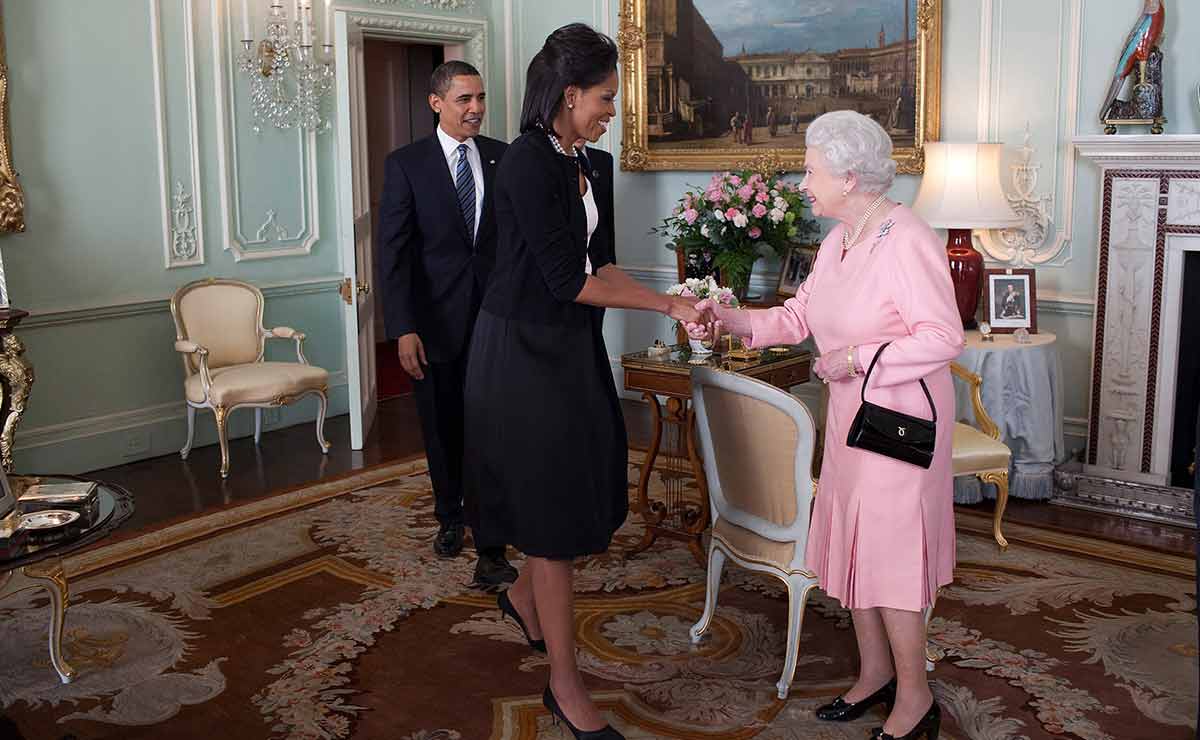
The queen was a huge fan of handbags, particularly Launer purses. She was said to own over 200 of them and usually carried one everywhere. Not only were her bags useful for carrying the essentials, she used them to send quiet signals to her staff members.
If the queen placed her handbag on the table during dinner, it let the staff know that she wished for the event to wrap up in five minutes. If the bag was placed on the floor, it signified that the queen had found herself in a less than enjoyable interaction and wanted to be removed from the situation with an interruption by a lady-in-waiting.
9. The Queen Was the Longest Reigning Monarch in British History
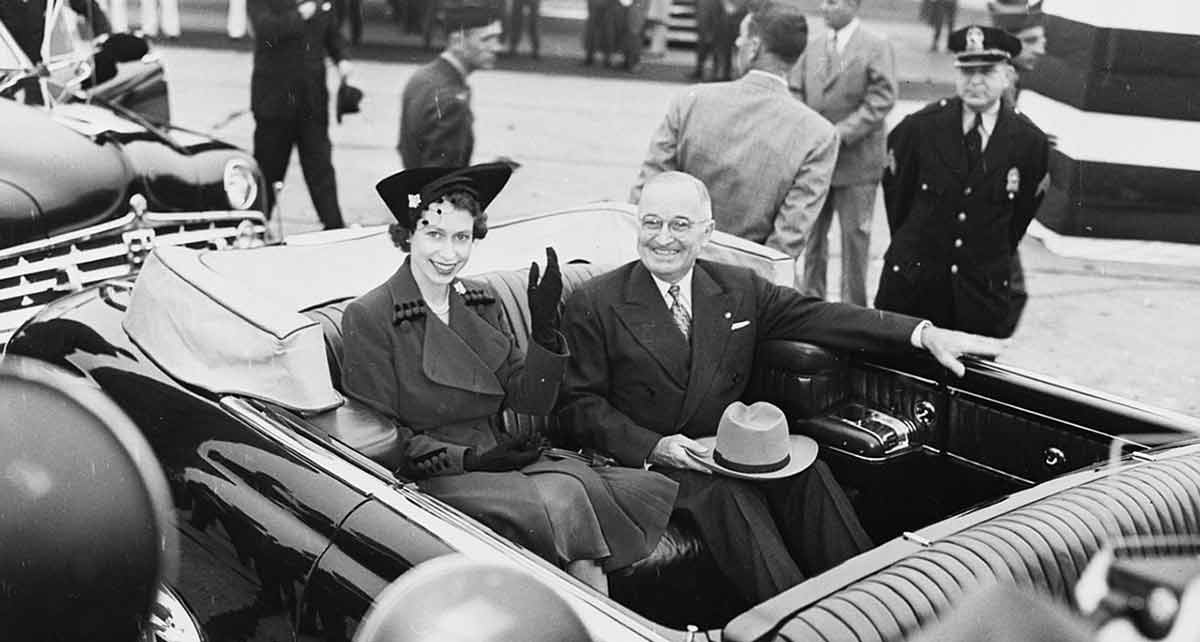
Queen Elizabeth was the longest-reigning monarch in British history when she passed away at the age of 96 in 2022. She ruled the United Kingdom and was the head of state for Canada, Australia, and New Zealand for almost seventy-one years. She saw more than a dozen US presidents serve during her reign.
Only three other monarchs in world history have managed reigns over seven decades, and Elizabeth’s was the second longest ever. Only King Louis XIV of France, who ruled for 72 years, was on the throne longer than Elizabeth.
10. Who Needs an Alarm Clock?
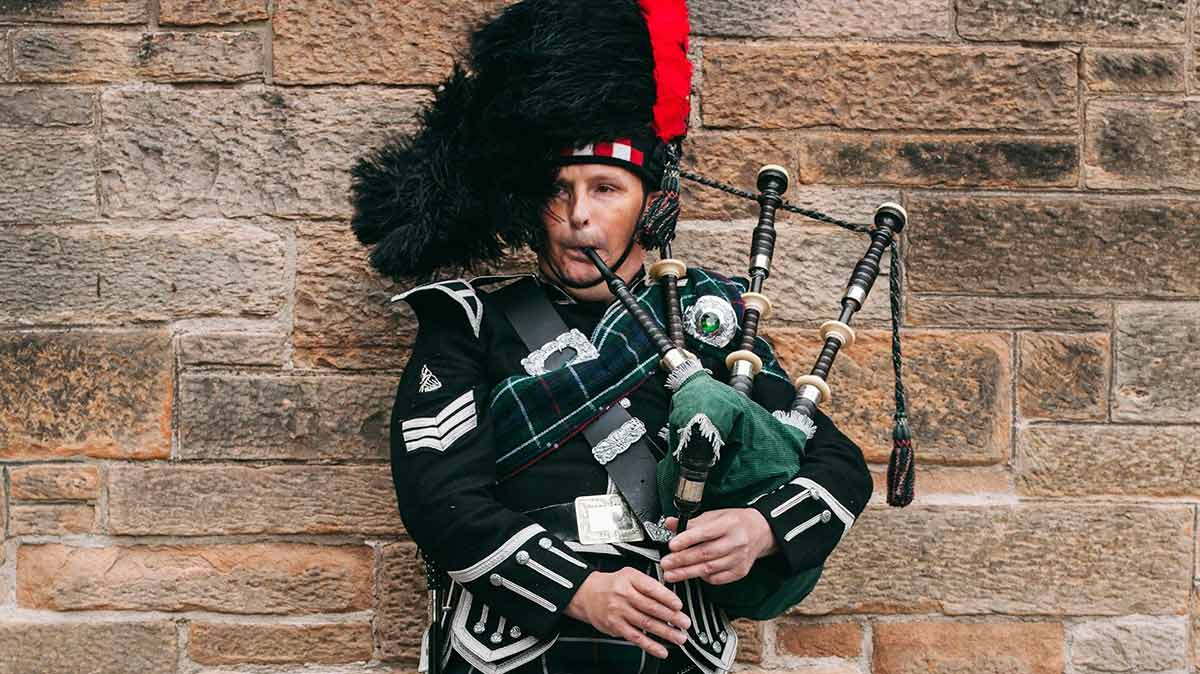
Instead of rising to an alarm clock each morning, Queen Elizabeth II was roused by a personal bagpiper who played for fifteen minutes each morning, beginning at 7:30 AM. The queen’s piper also performed at state events.
The role of royal piper was created in 1843 after Queen Victoria and her husband Prince Albert visited the Scottish highlands and fell in love with the unique sound of bagpipes. Since the role was created, there have been seventeen royal chief pipers. The piper at the time of the queen’s death, Pipe Major Paul Burns, played the farewell music at the sovereign’s funeral in 2022.