
Karl Marx is one of the most influential thinkers in modern history, best known for championing communism and critiquing capitalism in the 1800s. That said, few of Marx’s well-known statements are as widely misconstrued as his claim that “religion is the opium of the people.” Many people believe that Marx simply dismissed faith and religion as foolishness or superstition because he was an atheist. But that’s not true. Marx was focused on human suffering when he wrote that famous statement.
Why Karl Marx Viewed Religion as a Tool of Political Control
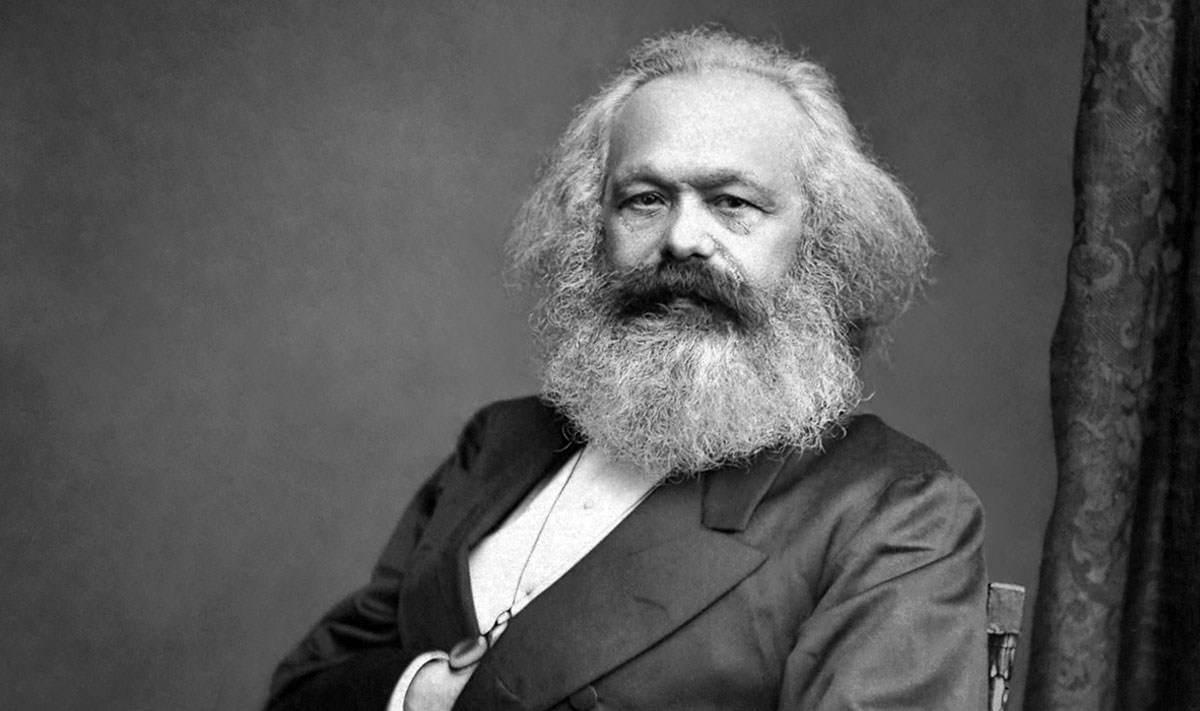
To better grasp Marx’s views, consider the world he lived in. Karl Marx was born in 1818 in the Prussian city of Trier, a place steeped in deep religious and political history, and when he wrote his most notable ideas on religion in his work titled A Contribution to the Critique of Hegel’s Philosophy of Right, written in 1843 and published in 1844, Europe was experiencing great inequality and unrest. At the time, the Industrial Revolution was drawing masses of peasants to cities like Manchester and Berlin, where they worked 14 or 16 hours a day for meager wages.
It was during that period that Marx observed that the churches, both Catholic and Protestant, worked closely with political powers. Many churches in France and parts of western Europe had lost much of their independent land due to government seizures following the French Revolution and Napoleonic Wars, and in many places no longer collected direct compulsory tithes. Yet, the institutions still received financial support from governments. Of course, in varying degrees by region. Interestingly, the churches often taught that the prevailing social order was the result of God’s will.
For Marx, it was clear that the political class needed this kind of support to quell the masses, hence the financial support. This was one of the main reasons why Marx called religion the opium of the people. In his view, the church helped the political class to maintain the status quo by teaching the masses that suffering was acceptable. In his view, it prevented the oppressed from recognizing the true source of their suffering and rising up to change it.
How Economic Hardship and Worker Alienation Fueled Religious Faith

At the same time, Marx also recognized that religion was a symptom of underlying distress, and maintained that altering the underlying economic conditions rather than religious feelings was the only way to make real social changes.
Marx believed that man was a creative being who reaches his full humanity through work. But based on the overall working conditions of his time, work became empty and alienating because workers did not own what they made. They also did not own the tools, raw materials, or machines used in production. And because a worker who had no job security or medical care naturally craved comfort and meaning, religion provided that comfort, and Marx never mocked that longing.
Building on Ludwig Feuerbach: Why Marx Saw Religious Projection as an Economic Issue
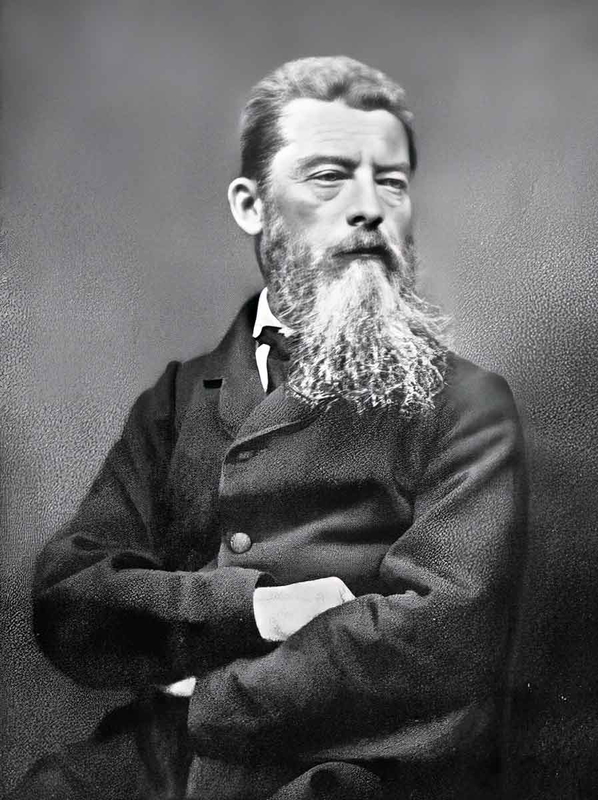
To build his argument, Marx adapted philosopher Ludwig Feuerbach’s teachings on religion. In his book The Essence of Christianity, published in 1841, Feuerbach argued that humans projected their best qualities onto God as a response to the feeling of powerlessness. People projected qualities like love, justice, and wisdom onto God, so they came to believe those human traits belonged to a divine being rather than to themselves. In short, people projected their own desired nature onto God because of their helplessness on earth. Feuerbach believed that the solution was simply to reverse this projection, to realize that God was a human creation and that his wonderful qualities were really created by humans.
As Marx later noted, the more humans put into God, the less they retained in themselves. While Marx agreed with Feuerbach’s view of religion, he believed that Feuerbach had missed the bigger picture. Marx believed that the real problem was the unfair social and economic systems that made workers feel powerless in the first place.
Why Marx Believed Ending Exploitation Would Cause Religion to Fade
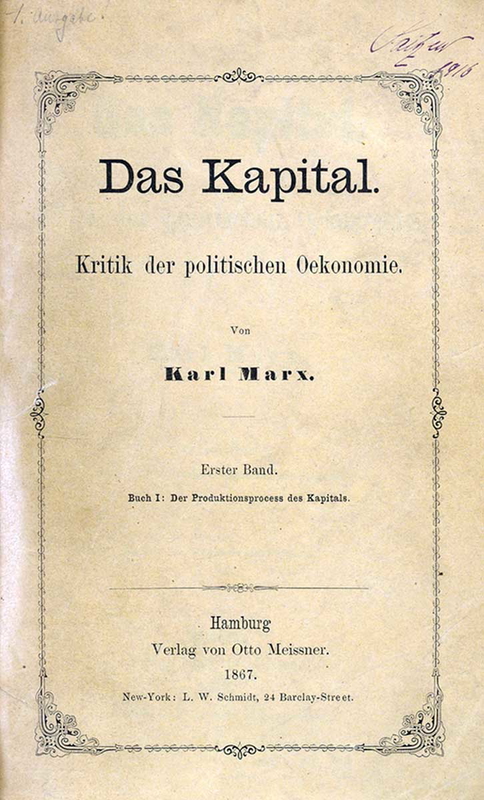
Marx predicted that once people were no longer exploited and controlled by work, the need to believe in a powerful God would fade on its own, as the conditions that required such illusions had disappeared. He developed the idea of economic alienation in his early Economic and Philosophic Manuscripts and later reframed it as concepts like commodity fetishism in writings such as Das Kapital.
During the 1800s, many Christian reformers pushed for worker protections and better public education, but Marx saw them as limited fixes that left the unfair system in place. Marx viewed religious beliefs as ideological reflections that masked structural oppression. He wanted people to see them as products of material conditions that maintained inequality. His critical views on religion came from a desire to remove social illusions. As Marx himself wrote, “The criticism of religion is the prerequisite of all criticism.”